
Hear from Our Customers
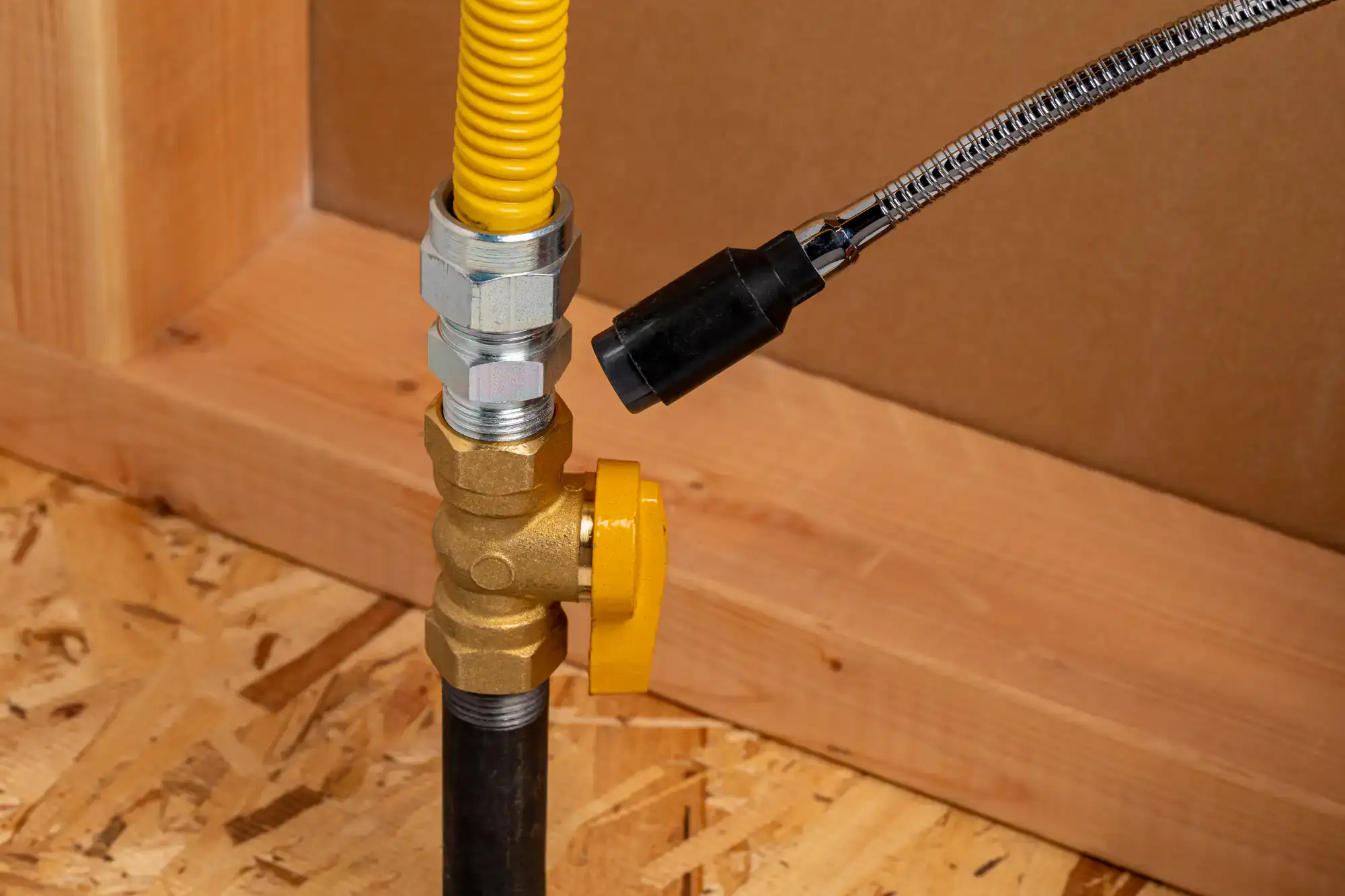
When your gas line is installed properly, the first thing you notice is that nothing feels uncertain anymore. No smell you can’t explain, no appliance that runs inconsistently, no nagging question about whether the work was actually done to code. That peace of mind is real and it matters more on a rural acreage property where you’re farther from help and more dependent on your systems working.
Out here in Pleasant Valley, a lot of homes aren’t connected to a utility gas main at all. They run on propane delivered by local suppliers, which means your gas piping system is entirely your responsibility from the tank to every appliance in the house. When that system is undersized, aging, or improperly extended, you feel it. Appliances underperform. Pressure drops. And in the worst cases, connections fail. A properly installed gas line, sized and tested correctly, fixes all of that.
The foothill climate adds another layer. At nearly 2,000 feet, Pleasant Valley sees real winters hard freezes, temperature swings, and the kind of cold that stresses older fittings and connections over time. Getting the installation right the first time means your system holds up through those winters without becoming an emergency call in February.
We were founded in 2009 by Ryan Murray, who holds a California C-36 contractor’s license the specific license required by state law for all gas piping work. With over 24 years of hands-on experience, Ryan has worked on properties across El Dorado County, from Diamond Springs and Camino to the rural acreage homes along Pleasant Valley Road. This isn’t a Sacramento franchise making a long drive out to your area. We’re a local contractor who knows the county’s building department, understands the propane-dominant energy landscape in communities like Pleasant Valley, and has been doing this work in the foothills for a long time.
Every estimate is free. Pricing is given upfront before any work begins, and customers consistently report that their final invoice matched or came in below what was quoted. We’re BBB Accredited, hold a 5-star rating across Google, Yelp, Angi, and HomeAdvisor, and carry a 100% recommendation rate across 27 verified HomeAdvisor reviews. That kind of consistency doesn’t happen by accident.
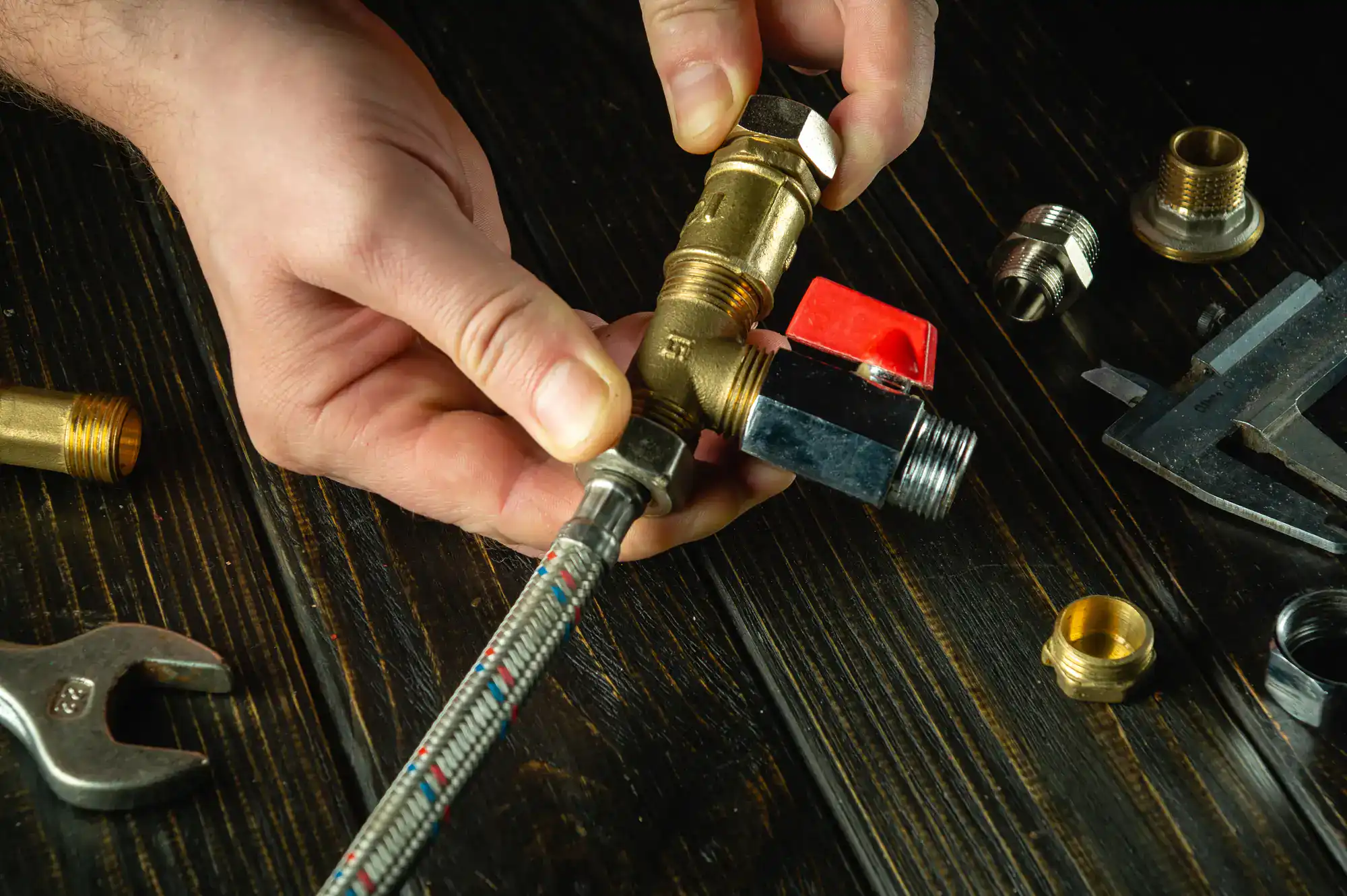
It starts with a free estimate. Ryan will assess your property, look at your existing system, and give you a clear price before anything gets scheduled. For Pleasant Valley homes on propane, that assessment includes evaluating your current piping layout, checking whether the system is sized correctly for your appliances, and identifying anything that doesn’t meet current California code. You get a real number and a clear explanation not a vague range designed to leave room for add-ons later.
Once the work is scheduled, we handle the El Dorado County permit application through the county’s Building Division. Gas line installation in unincorporated El Dorado County requires a permit, and that process involves plan review, pressure testing, and a final inspection before gas service is restored. You don’t have to navigate any of that. It’s handled. Before any digging happens on your property whether it’s running a new line to an outdoor kitchen, extending a propane system across a larger parcel, or replacing buried piping 811 is called to mark underground utilities. On rural acreage properties, that step matters more than most people realize.
After the work is complete and pressure-tested, the system is inspected and the permit is closed out. You’re left with documentation that the work was done to code, which protects your homeowner’s insurance and your investment in the property.
Ready to get started?
We handle the full range of residential and commercial gas line installation in Pleasant Valley and the surrounding El Dorado County area. That includes new gas line installation for appliances like ranges, tankless water heaters, and dryers as well as gas line extensions, system replacements, and outdoor installations for fire pits, outdoor kitchens, patio heaters, and whole-house generators. For winery properties, tasting rooms, and agricultural operations in the Pleasant Valley area, we also provide commercial gas piping installation for kitchen equipment, space heaters, and event venue setups.
Because so much of Pleasant Valley runs on propane rather than utility natural gas, a significant portion of our work here involves propane system piping running lines from tanks to appliances, extending existing distribution systems within homes, and replacing aging black iron piping that’s no longer performing safely. All of this work requires the same C-36 licensing, the same permit process through El Dorado County, and the same pressure testing and inspection requirements as natural gas utility work. The licensing and safety standards don’t change based on the fuel source.
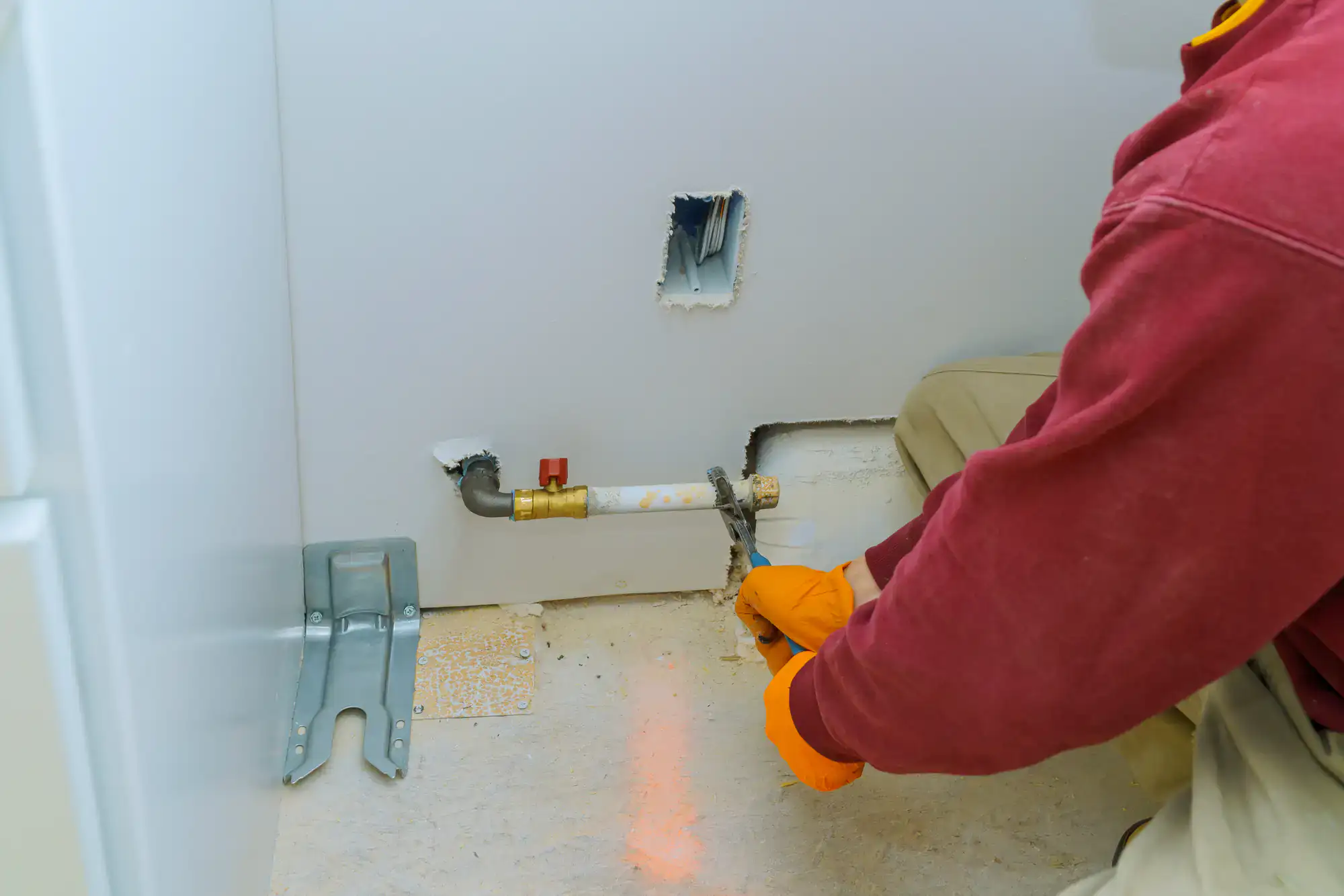
Every gas line installation we complete includes permit coordination with the El Dorado County Building Division, pressure testing before inspection, seismic-compliant flexible connectors at all appliance hookups, and the 811 utility marking call before any excavation. These aren’t extras they’re part of how the job gets done correctly.
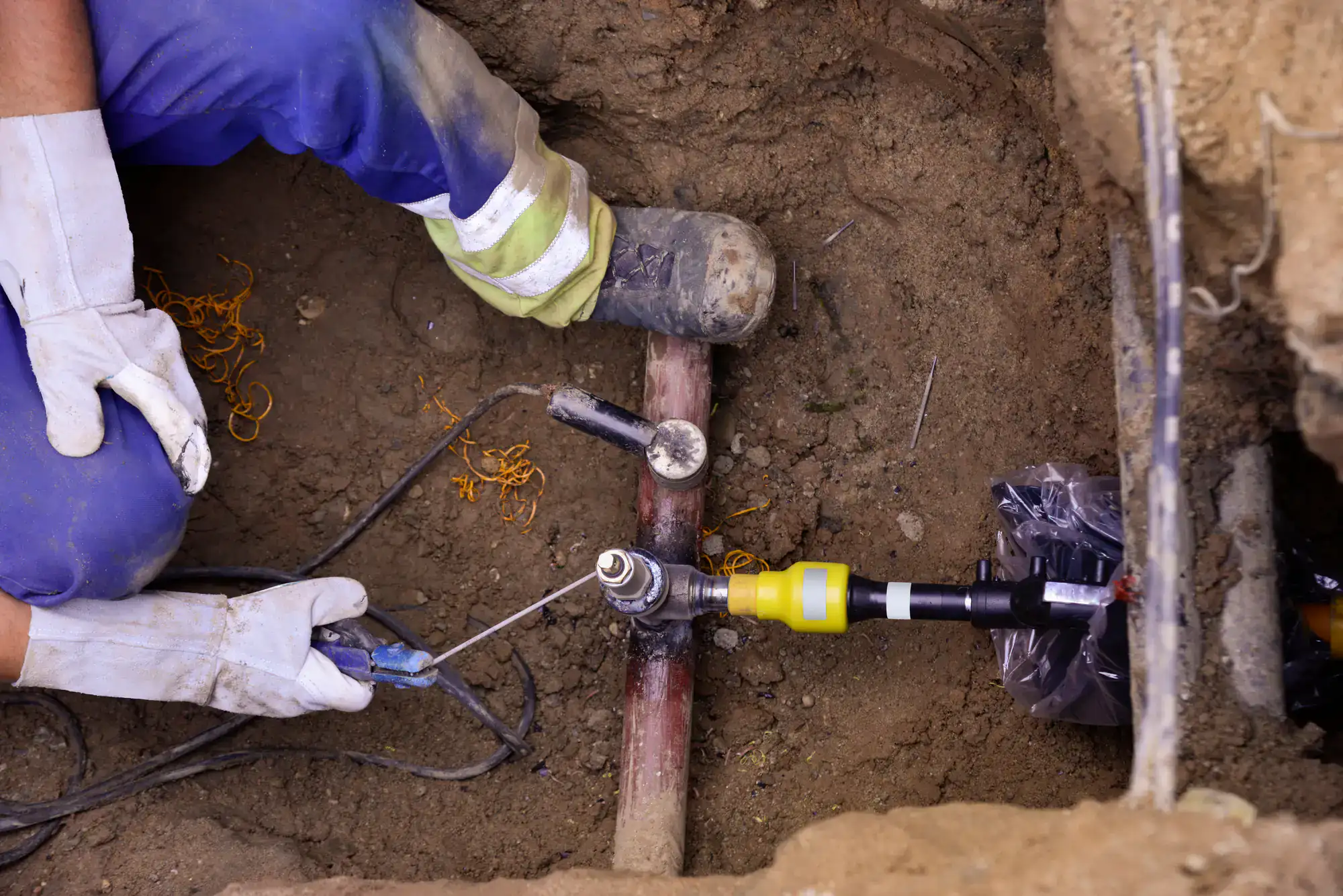
Yes all gas line installation work in Pleasant Valley requires a permit from the El Dorado County Building Division. Because Pleasant Valley is an unincorporated community, there’s no city building department involved. Everything goes through the county, which means permit applications, plan review, pressure testing, and a final inspection before gas service can be restored.
This matters more than a lot of homeowners realize. Unpermitted gas line work in California is illegal, voids your homeowner’s insurance coverage for any related damage, and cannot pass the inspection required to legally restore gas service. If you ever sell your property, unpermitted work can create serious complications during escrow. We handle the entire El Dorado County permit process as part of the job you don’t have to figure out the county’s submittal requirements or coordinate inspection scheduling on your own.
Absolutely. A large portion of homes in Pleasant Valley and the surrounding rural El Dorado County area aren’t connected to a utility natural gas main they rely on propane delivered by local suppliers. We work on propane piping systems the same way we work on natural gas systems. That includes running new lines from your tank to appliances, extending an existing propane distribution system to add a new appliance or outdoor installation, replacing aging piping that’s no longer safe or code-compliant, and sizing the system correctly so your appliances get consistent pressure.
The licensing requirement is the same regardless of fuel type. California requires a C-36 contractor’s license for all gas piping work natural gas or propane. The permit process through El Dorado County applies equally, and pressure testing is required before any inspection can be passed. If you’ve had a propane system for years and aren’t sure whether it’s been properly permitted or inspected, that’s worth a conversation. A free estimate gives you a clear picture of where things stand.
Most residential gas line installation projects fall somewhere between $300 and $1,000 for straightforward appliance connections or shorter line runs. More involved work like running a new gas line across a larger rural parcel, replacing an aging propane distribution system, or installing an outdoor kitchen or generator connection can range from $1,000 to $3,000 or more depending on the distance, excavation requirements, and complexity of the existing system.
For Pleasant Valley properties specifically, a few factors tend to push costs higher than a typical suburban job. Larger parcels mean longer line runs. Older homes often have undersized or corroded piping that needs to be replaced rather than extended. And propane systems sometimes require pressure regulation adjustments when new appliances are added. The only honest way to give you a real number is to assess your specific property. We provide free estimates with a firm price upfront no diagnostic fee just to show up, and no vague range designed to leave room for surprises later.
No. California law requires a C-36 licensed contractor for all gas piping installation and repair work. This applies to homeowners as well you cannot legally install, extend, or repair your own gas line in California, even on your own property. This isn’t a technicality that gets overlooked in rural areas. El Dorado County requires a permit for all gas line work, and that permit requires a licensed contractor. Without one, the work can’t pass inspection, and uninspected gas line work voids your homeowner’s insurance coverage for any related incident.
Beyond the legal issue, gas line work has real safety consequences when it’s done incorrectly. Improper connections, undersized piping, and missing pressure tests are the kinds of problems that don’t announce themselves immediately they show up later as appliance failures, gas odors, or worse. The permit and inspection process exists specifically to catch those problems before they become emergencies. If you’ve had work done on your gas system in the past and you’re not sure whether it was permitted and inspected, that’s worth finding out before it becomes your problem during a sale or a claim.
For most straightforward installations a new appliance connection, a short line extension, or a single outdoor hookup the physical work typically takes one day or less. The timeline that most homeowners don’t account for is the permit process. In El Dorado County, the Building Division reviews permit applications before work can begin, and scheduling the final inspection after the work is complete adds time to the overall project. Depending on the county’s current workload, the full permit-to-inspection cycle can take anywhere from a few days to a couple of weeks.
For more complex jobs replacing a full propane distribution system in an older home, running a new line across a large parcel, or installing gas piping for an outdoor kitchen or generator the physical work itself may take two to three days. We handle the permit application and inspection scheduling as part of the job, so you’re not managing that process separately. If your project has a timing constraint like a fall installation before the heating season hits or a summer project tied to an outdoor entertaining setup that’s worth mentioning upfront so the scheduling can be planned accordingly.
A repair addresses a specific, isolated problem a loose fitting, a corroded connection at a single appliance, a small section of damaged pipe. If the rest of the system is in good condition and properly sized, a targeted repair is often all that’s needed. A replacement becomes the right call when the existing piping is too old or degraded to repair reliably, when the system is undersized for the appliances currently running on it, or when the layout doesn’t meet current California code requirements.
In Pleasant Valley, a lot of the older homes have black iron gas piping that’s been in place for decades. That material corrodes over time, especially in properties that have seen hard winters and temperature cycling at foothill elevations. When corrosion is widespread or when a homeowner is adding appliances that the existing system wasn’t sized to handle, a full replacement is usually the more cost-effective long-term decision even if a repair could technically get the system running again in the short term. During a free estimate, Ryan will assess the actual condition of your system and give you an honest read on whether a repair makes sense or whether replacement is the better investment for your property.