
Gas Line Installation
Get a free quote for gas line installation from your local plumbing team.
We’ll contact you about your gas line installation request. Privacy policy
Hear from Our Customers
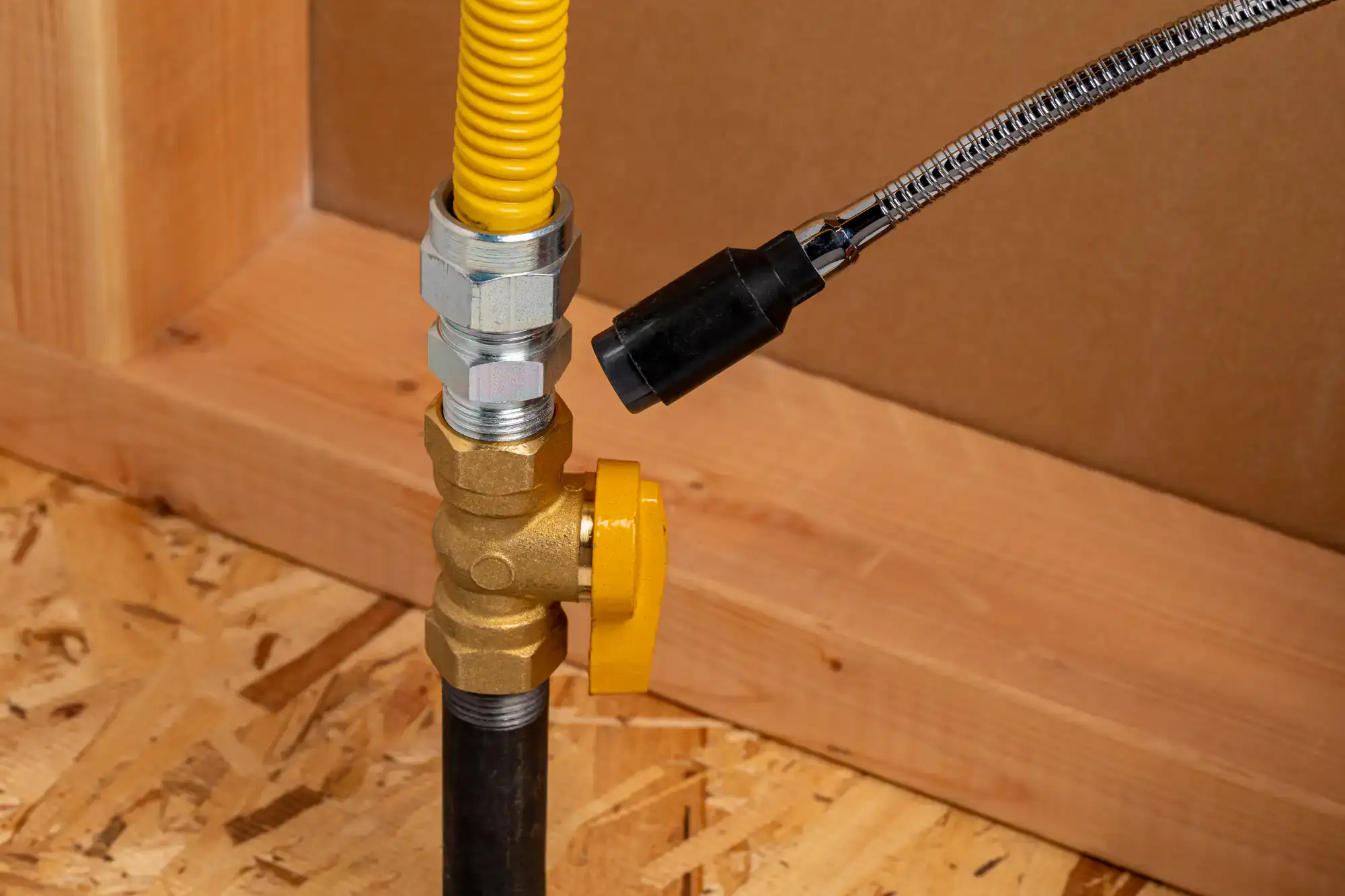
When you’re dealing with a home built in the 1910s or 1920s the kind that lines the blocks between S Street and W Street in Richmond Grove aging gas infrastructure is not a hypothetical. It’s a real, present risk. Original black iron pipe from that era corrodes from the inside out. It builds up scale that quietly chokes gas flow to your stove or water heater. And at the threaded joints, it fails sometimes slowly, sometimes not.
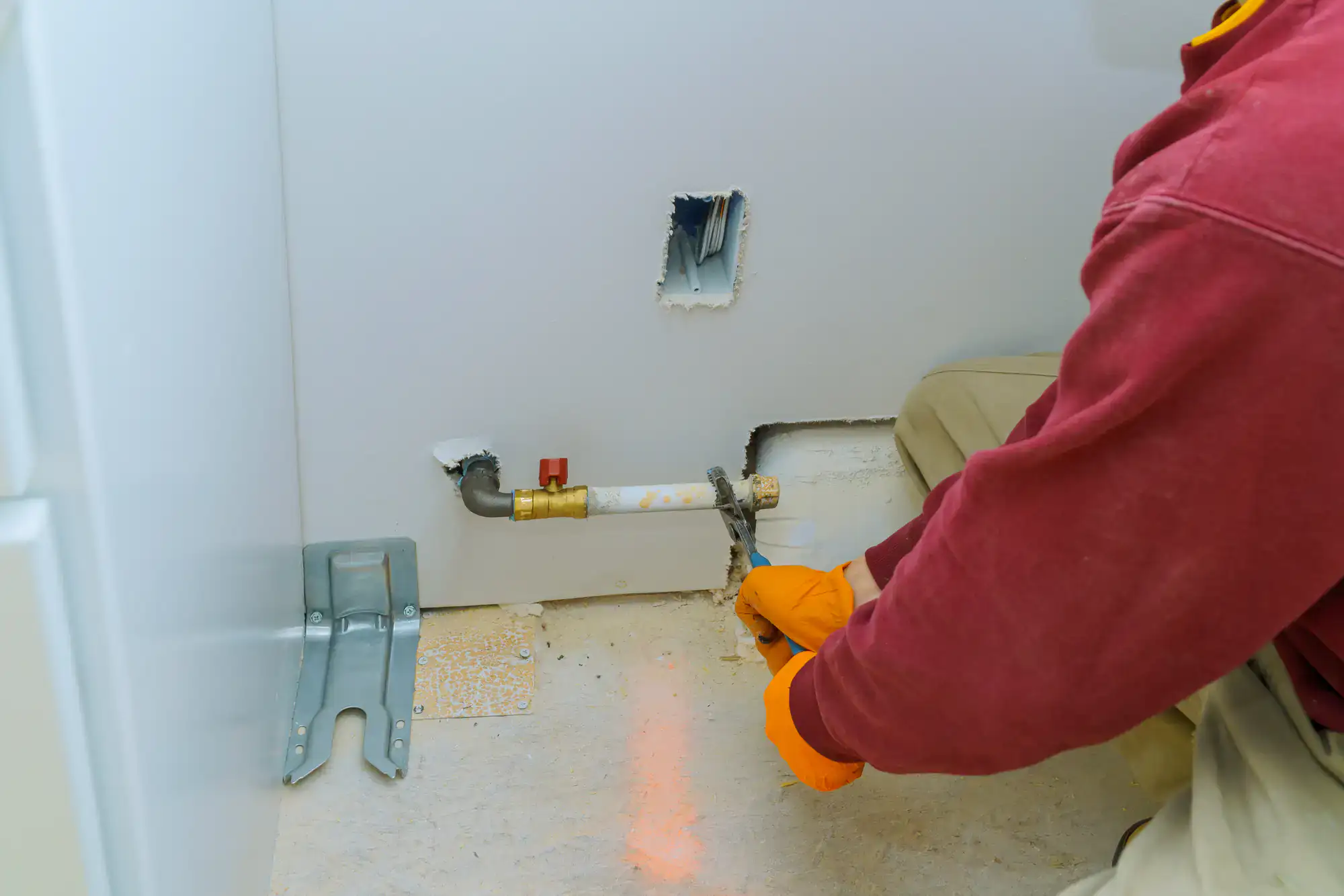
Getting that work done properly means more than just swapping pipe. It means pulling the right permits through the City of Sacramento Building and Safety Division, pressure-testing every connection before the inspector arrives, and making sure the finished installation actually passes not just technically, but cleanly. No re-inspection fees. No delays. No gas shut off longer than it needs to be.
If you’re a property owner managing rental units in Richmond Grove, that last part matters a lot. Extended gas shutoffs affect tenants directly, and in California, habitability compliance is not optional. A licensed gas line installation done right the first time, in a single visit protects your tenants, your property, and your liability exposure all at once.
We were founded in 2009 by Ryan Murray, who holds a California C-36 contractor’s license the specific credential required by state law to install and repair gas piping. That license is publicly verifiable through the California Contractors State License Board. It’s not a general business license. It’s the real thing.
Ryan built our company from the ground up after the housing market collapse, starting as a one-man operation and growing it through Sacramento County on the back of repeat customers and referrals. He’s worked extensively in the older housing stock throughout Richmond Grove and the inner city the kind of pre-1940 homes that make up the neighborhood and he understands what that work actually involves. Tight wall cavities, original iron pipe, historic district considerations, and city inspectors who expect the job to be done to code.
We’re BBB Accredited, carry a 5-star rating across Google, Yelp, Angi, and HomeAdvisor, and have a documented track record of final invoices coming in at or below the original estimate. That last part is rarer than it should be in this industry.
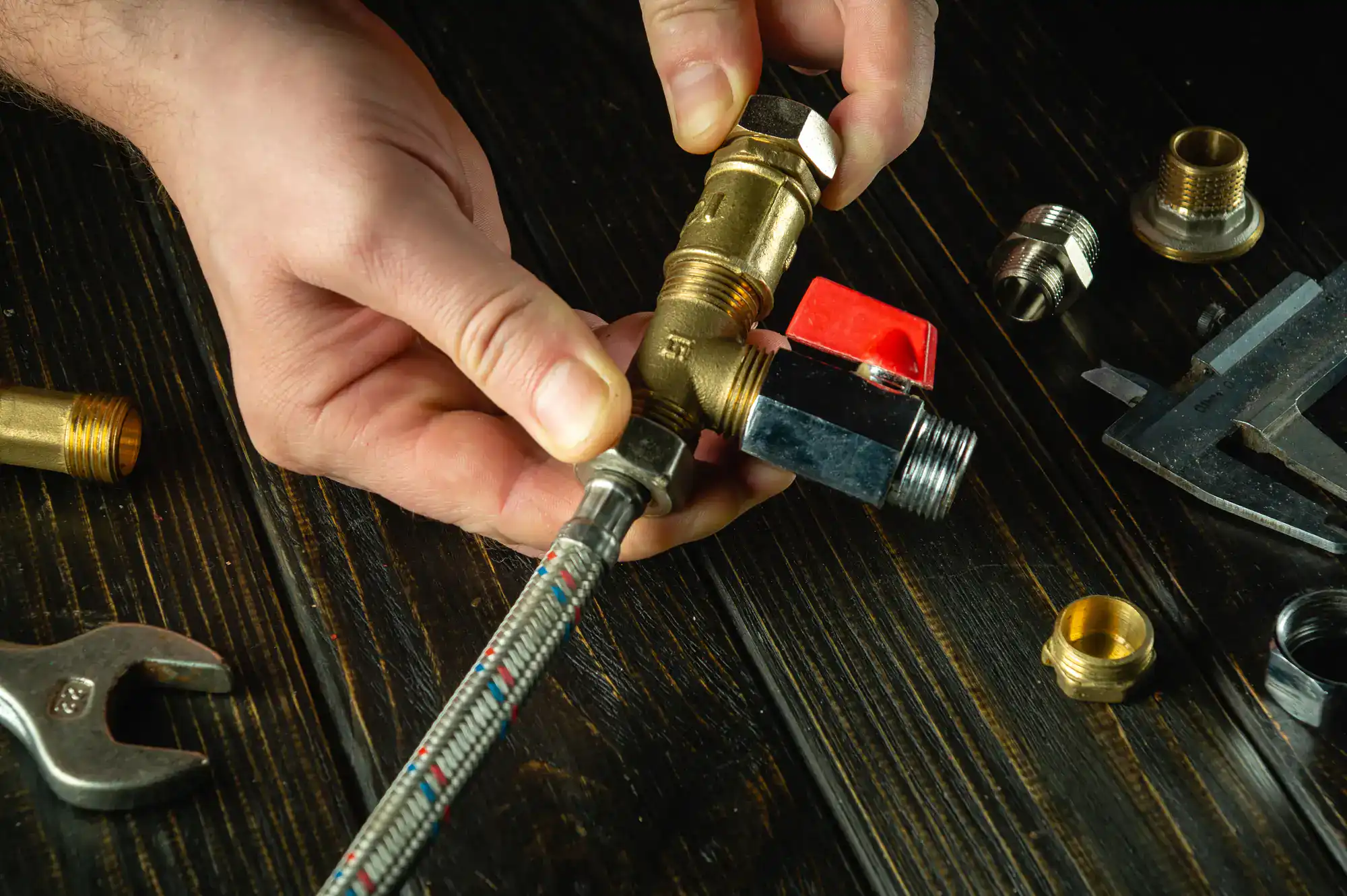
It starts with a free estimate. You describe what you’re dealing with a gas smell, a kitchen remodel that needs a new line run, a rental unit with aging infrastructure and we give you a clear, itemized picture of what the work involves and what it will cost. No diagnostic fee. No pressure. Just a straight answer before you commit to anything.
Once you approve the work, we pull permits through the City of Sacramento Building and Safety Division before a single pipe is touched. This step is non-negotiable in Sacramento, and it’s one that unlicensed or out-of-area contractors quietly skip which creates real problems for property owners down the road, especially during home sales or insurance claims. If your property falls within the Richmond Grove Historic District, any work involving exterior penetrations or modifications to original building materials may require additional city review, and we handle that coordination as part of the process.
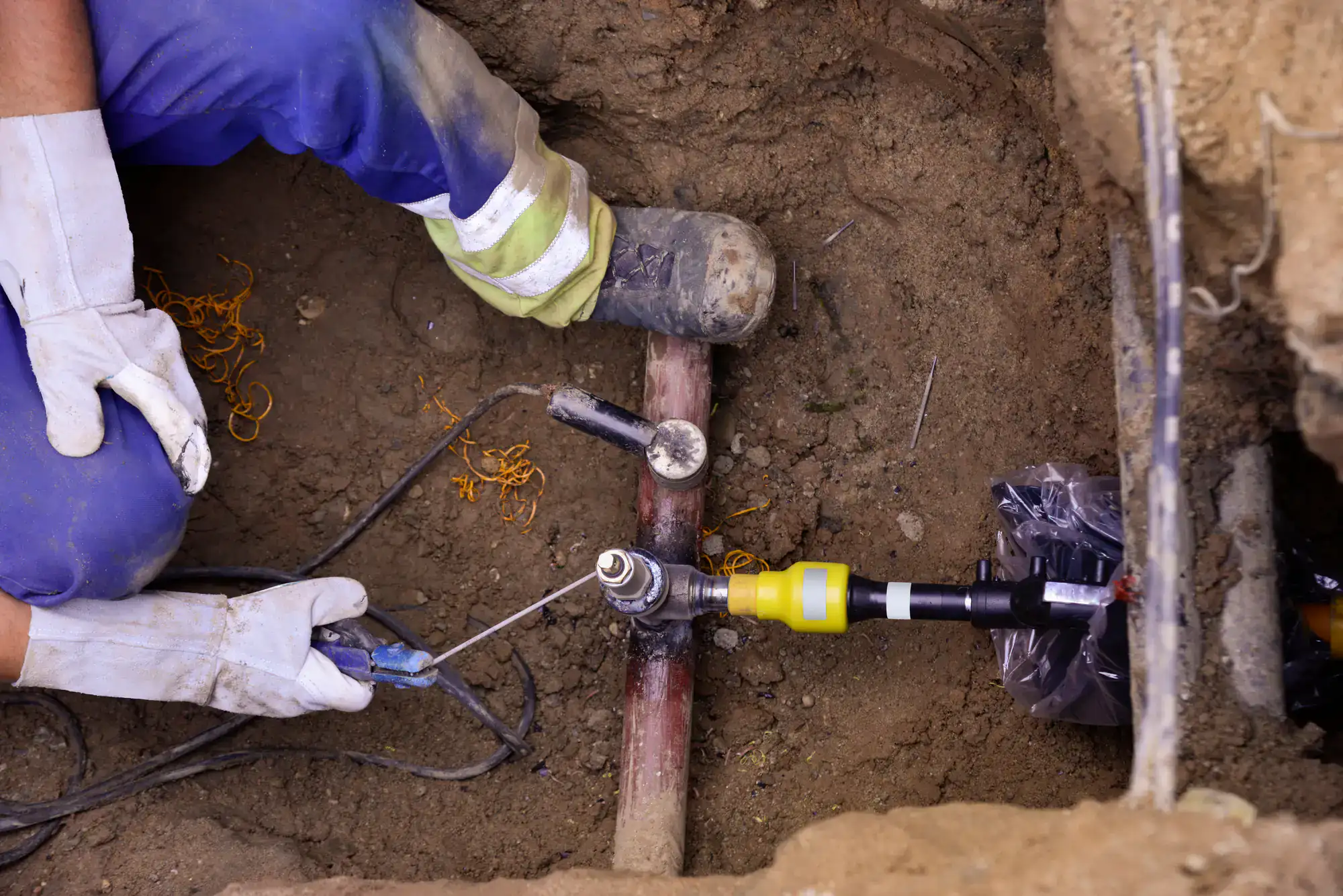
The installation itself follows current California Plumbing Code. Every connection is pressure-tested before the inspector arrives. Before any outdoor excavation, we call 811 to locate underground utilities in a neighborhood as dense as Richmond Grove, where gas, water, sewer, and electrical lines run in close proximity beneath century-old streets, that step is critical. When the inspection passes, gas service is restored. That’s the job.
Ready to get started?
We handle the full range of residential and commercial gas line installation in Richmond Grove new line runs for kitchen remodels, gas pipe replacement in pre-1940 homes, extensions for gas dryers or tankless water heaters, outdoor gas connections for fire pits and cooking setups, and full gas piping replacement when aging infrastructure has reached the end of its service life.
For Richmond Grove specifically, a significant portion of this work involves homes where the original gas infrastructure is 85 to 145 years old. That means black iron pipe that may be corroded, scaled, or failing at the joints and it means working within the constraints of Craftsman bungalows and American Foursquares where wall access is limited and the structure itself carries historic significance. Every installation we complete is done to current California code, fully permitted, and built to pass City of Sacramento inspection without issue.
For landlords managing rental units across Richmond Grove and with roughly 80% of the neighborhood’s residents renting, that’s a large part of the market our process is designed to minimize tenant disruption. Work is completed efficiently, gas is restored the same day wherever possible, and the documentation you need for your records is part of the job. Minor repairs and appliance connections typically run $150–$800. More involved projects new line runs, full replacements in older homes generally fall in the $1,000–$3,000 range depending on scope and access.

Yes any gas line installation, replacement, or extension in Richmond Grove requires a permit from the City of Sacramento Building and Safety Division before work begins. This applies to new line runs, pipe replacements, and even appliance reconnections in many cases. The City of Sacramento has a specific fee schedule for residential gas line installation, and no gas or utility connections are authorized until a building inspector has reviewed and approved the completed work.
Skipping the permit is not a gray area. It’s illegal, it voids homeowner’s insurance coverage for that work, and it creates serious liability exposure when you go to sell the property or file a claim. For properties within the Richmond Grove Historic District, there may be an additional layer of city review if the work involves any exterior modifications or penetrations of original building materials. We manage the full permit process from application through final inspection so you don’t have to navigate the City of Sacramento’s building department on your own.
Cost depends heavily on the scope of the job and the condition of the existing infrastructure. For Richmond Grove specifically, that second factor matters more than it does in newer neighborhoods. Homes built between 1880 and 1940 which is essentially the entire Richmond Grove housing stock often have original black iron gas pipe that’s corroded, scaled, or failing at threaded joints. That kind of work takes more time and care than a straightforward installation in a newer home.
As a general range: minor repairs and appliance connections typically run $150–$800. More involved work new line runs, extensions for kitchen remodels or tankless water heaters, or full gas pipe replacement in an older Richmond Grove home generally falls between $1,000 and $3,000 depending on scope, access, and permit requirements. We provide free estimates with clear, itemized pricing before any work begins. The final invoice consistently comes in at or below that estimate something verified customer reviews confirm, and something that matters when you’re managing a project budget across one or more rental units.
There are a few clear warning signs. If tenants are reporting low gas pressure to appliances a stove that doesn’t get hot enough, a water heater that takes longer than it used to that’s often scale buildup inside aging iron pipe restricting flow. A rotten egg smell anywhere in the property is a gas leak until proven otherwise and needs immediate attention. Visible corrosion, rust, or moisture around pipe connections is another indicator that the infrastructure is deteriorating.
For Richmond Grove rental properties, the age of the home is itself a risk factor worth taking seriously. Original gas pipe from the 1910s or 1920s has been in service for over a century. Even if it hasn’t failed yet, it may be close. A licensed gas line inspection where a contractor pressure-tests the system and visually assesses the pipe condition gives you a clear picture of what you’re working with before something goes wrong. That’s a much better position to be in than responding to a tenant’s late-night call about a gas smell. We offer free estimates and can assess the condition of your existing gas infrastructure as part of that conversation.
Yes, and it’s one of the more common requests in Richmond Grove right now. As Craftsman bungalows and American Foursquares throughout the neighborhood are being renovated and upgraded, kitchen remodels frequently involve switching from electric to gas or extending an existing gas line to accommodate a new range, a gas range hood, or a tankless water heater. That work requires a licensed gas line installation contractor, a City of Sacramento permit, and a final inspection before the connection is made.
In older Richmond Grove homes, this kind of project has a few extra considerations. Wall cavities in pre-1940 construction are often narrower and less accessible than in newer builds, and the existing gas infrastructure may need to be assessed and in some cases partially replaced before a new line can be safely extended from it. We handle all of that as part of the installation process, including the permit application and inspection coordination. You get a clear price upfront, the work is done to current California Plumbing Code, and the job is built to pass inspection without re-dos.
Unpermitted gas line work creates problems that tend to surface at the worst possible time. The most common scenario is during a home sale a buyer’s inspector flags the unpermitted work, the deal stalls, and you’re either forced to remediate it under pressure or negotiate a price reduction. In some cases, the City of Sacramento can require you to open walls to expose the work for inspection, which is significantly more disruptive and expensive than doing it right the first time.
Beyond the sale scenario, unpermitted gas line work typically voids your homeowner’s insurance coverage for any damage or liability arising from that work. If a gas leak or fire is traced back to an unpermitted installation, the insurance company has grounds to deny the claim entirely. For Richmond Grove property owners managing rental units, that exposure is even more significant a habitability incident involving gas in a rental property, with unpermitted infrastructure behind it, is a serious legal and financial liability. Permits exist for a reason. We pull them on every job, without exception.
Yes we offer true 24/7 emergency response, not an answering service that takes a message and calls back in the morning. When you call about a gas smell or a suspected gas line failure, you reach someone who can dispatch a technician. Verified customer reviews document response times measured in minutes, with same-day service delivered on weekends and Sunday mornings.
For Richmond Grove landlords and property managers, this matters in a very practical way. A tenant reporting a gas smell at 10pm is not a situation you can schedule for Tuesday. In California, landlords have a legal obligation to maintain habitable conditions, and a gas leak or unresolved gas line failure puts you in direct conflict with that obligation. Getting a licensed technician on-site quickly someone who can assess the situation, shut off gas safely if needed, and either repair or replace the affected line is the difference between a managed incident and a serious liability. Our emergency availability is built around exactly that kind of call.