
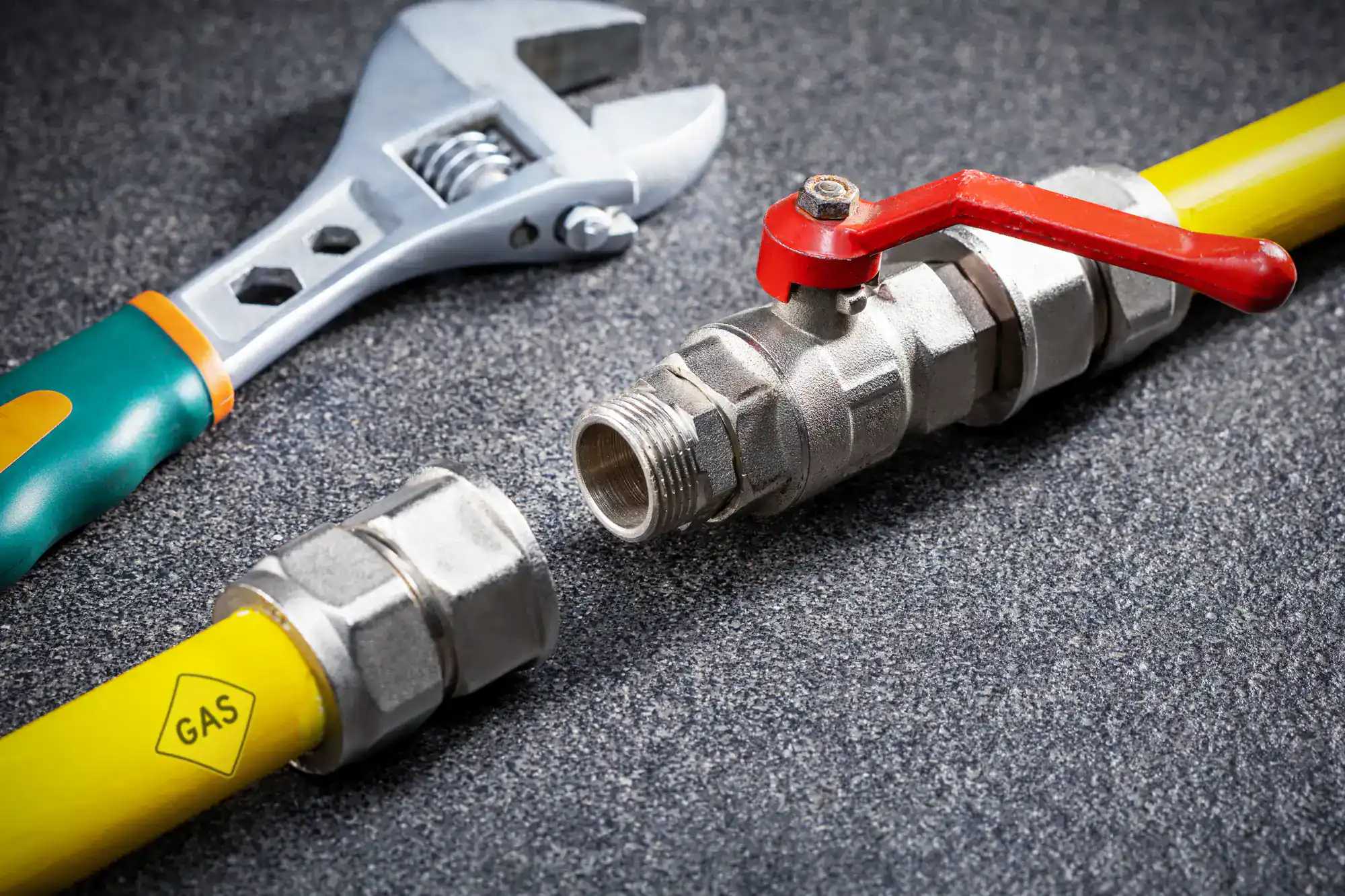
Gas Line Installation
Get a free quote for gas line installation from your local plumbing team.
We’ll contact you about your gas line installation request. Privacy policy
Hear from Our Customers
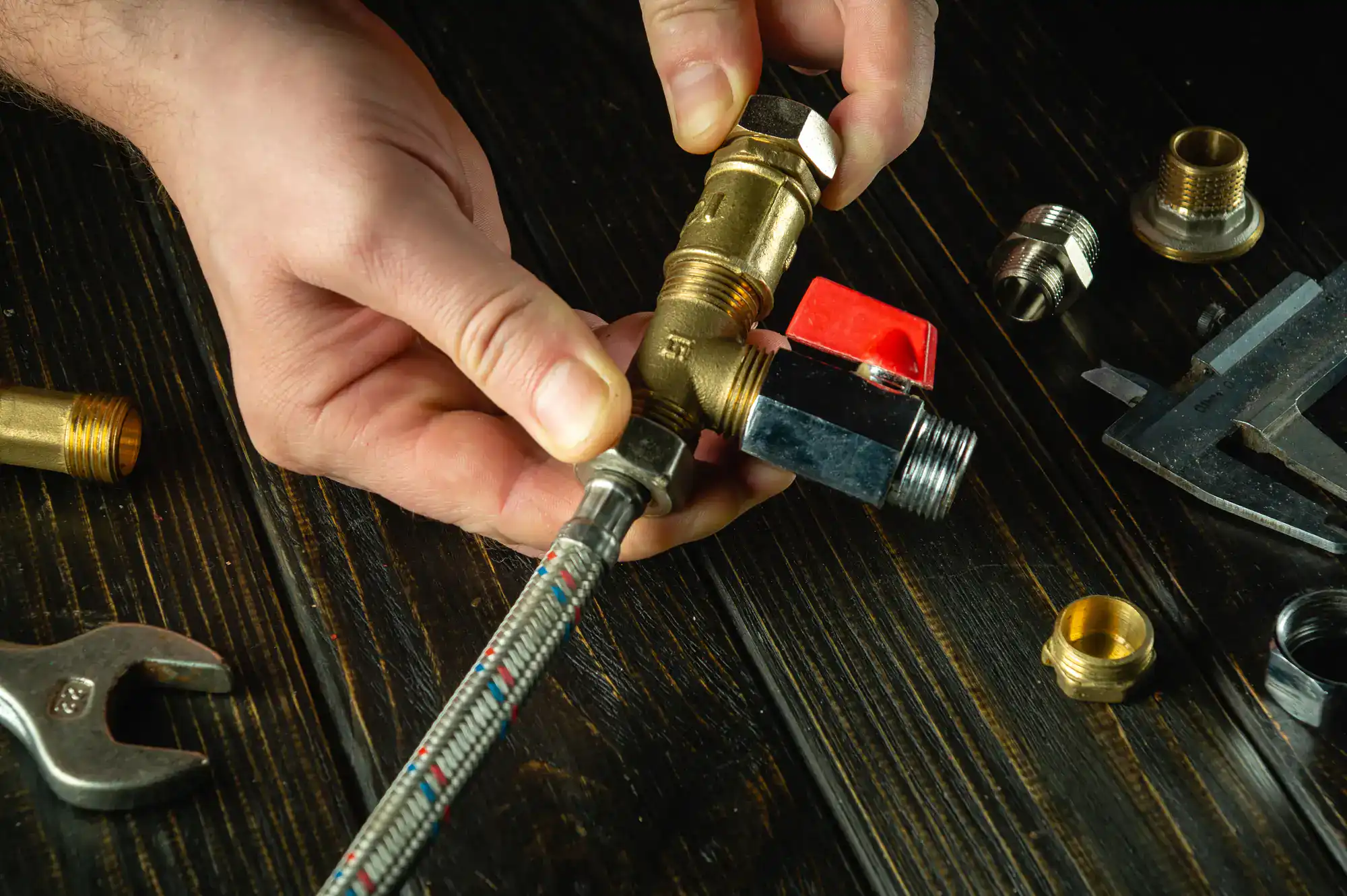
A properly installed gas line isn’t something you notice every day until something goes wrong with a bad one. When the work is done correctly from the start, you get a system that holds pressure, passes inspection, and doesn’t become a problem six months later when you’re trying to sell the house or file a claim.
Rio Linda’s housing stock is a big part of why this matters here specifically. A lot of homes in this area were built mid-century, and the original black iron gas pipe that came with them has had decades to corrode. If you’ve got an older home near Elverta Road or out toward the western edge of town, there’s a real chance your gas infrastructure is overdue for a closer look not because something has failed yet, but because that’s how long these systems last.
The same goes for properties with detached structures. Rio Linda is one of the few communities in Sacramento County where it’s completely normal to have a barn, a workshop, or a tack room that needs its own gas connection. Running gas to a detached building across a larger lot is a different job than connecting a kitchen stove in a suburban tract home and it needs to be treated that way. That means proper sizing, the right materials, a permit through Sacramento County, and a pressure test before anyone signs off on it.
We were founded in 2009 by Ryan Murray, a California C-36 licensed contractor with over 24 years of hands-on plumbing experience. The C-36 isn’t a general contractor’s license it’s the specific credential California requires for gas piping work, and it’s verifiable through the CSLB. That distinction matters when you’re hiring someone to work on your gas system.
We’re BBB Accredited, carry a 5-star rating across Google, Yelp, HomeAdvisor, and Angi, and are fully bonded and insured. Customers across Sacramento County have noted that final invoices came in at or below the original estimate which isn’t the norm in this industry, but it’s the standard we hold ourselves to.
Rio Linda sits squarely within our Sacramento County service area. Whether you’re in the Western Acres neighborhood near the airport, out toward Elverta, or on a larger parcel closer to the Dry Creek corridor, the process is the same: honest pricing upfront, permits handled through the county, and work that doesn’t need to be redone.
It starts with a free estimate. Before any work is scheduled, you’ll get a clear explanation of what the job involves and what it will cost not a range with an asterisk, but an actual number you can plan around. If the scope changes, you’ll know before anything changes on the invoice.
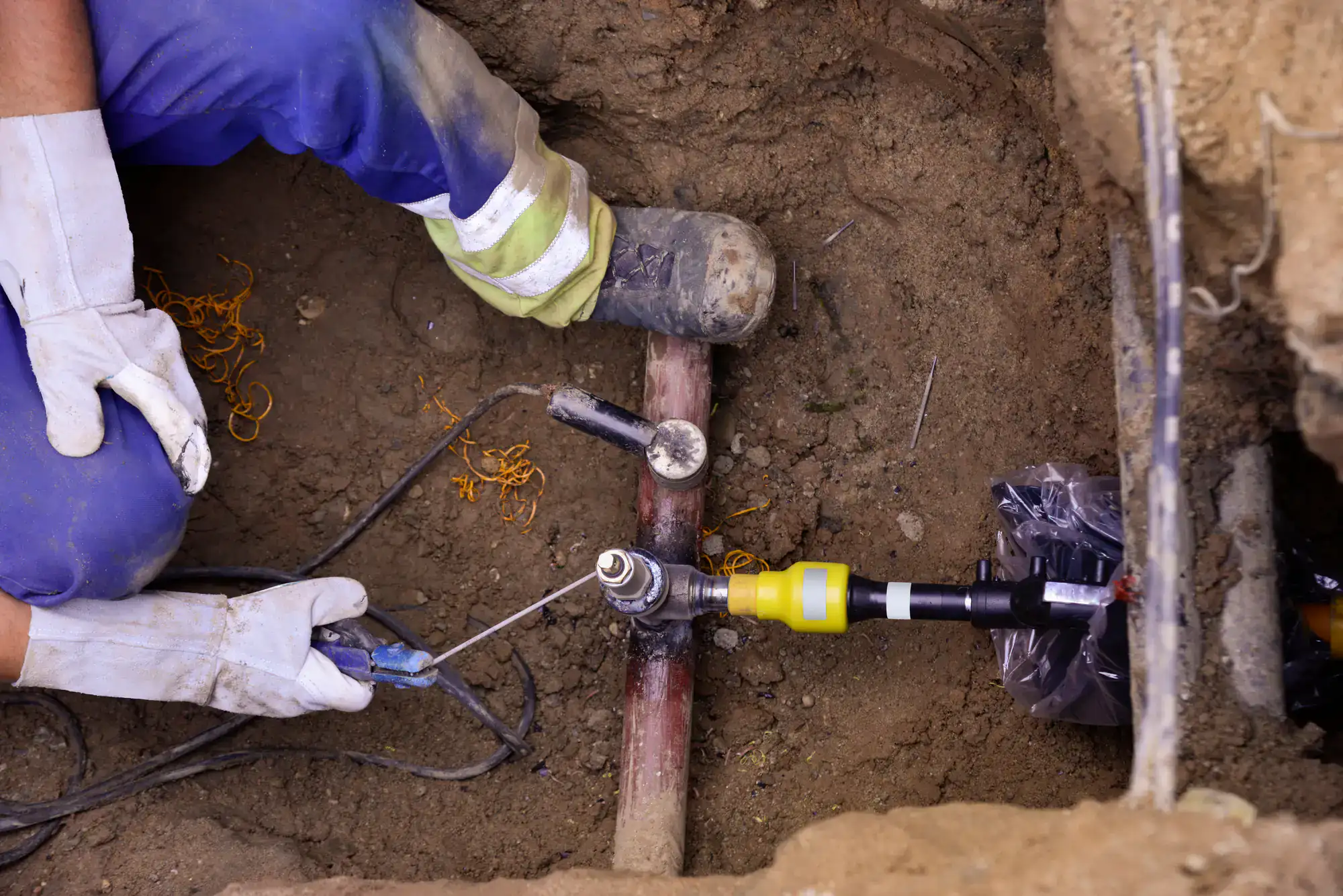
Once you’re ready to move forward, we pull the permit through Sacramento County’s Building Permits and Inspection Division. Because Rio Linda is unincorporated Sacramento County not a city the permit process runs through the county system, and that’s a process we know well. Before any digging starts, 811 gets called to have underground utilities marked. On properties in Rio Linda, this step matters more than it might in a dense suburban neighborhood larger lots mean more underground infrastructure that isn’t always obvious, and cutting a line during installation creates a much bigger problem than the one you started with.
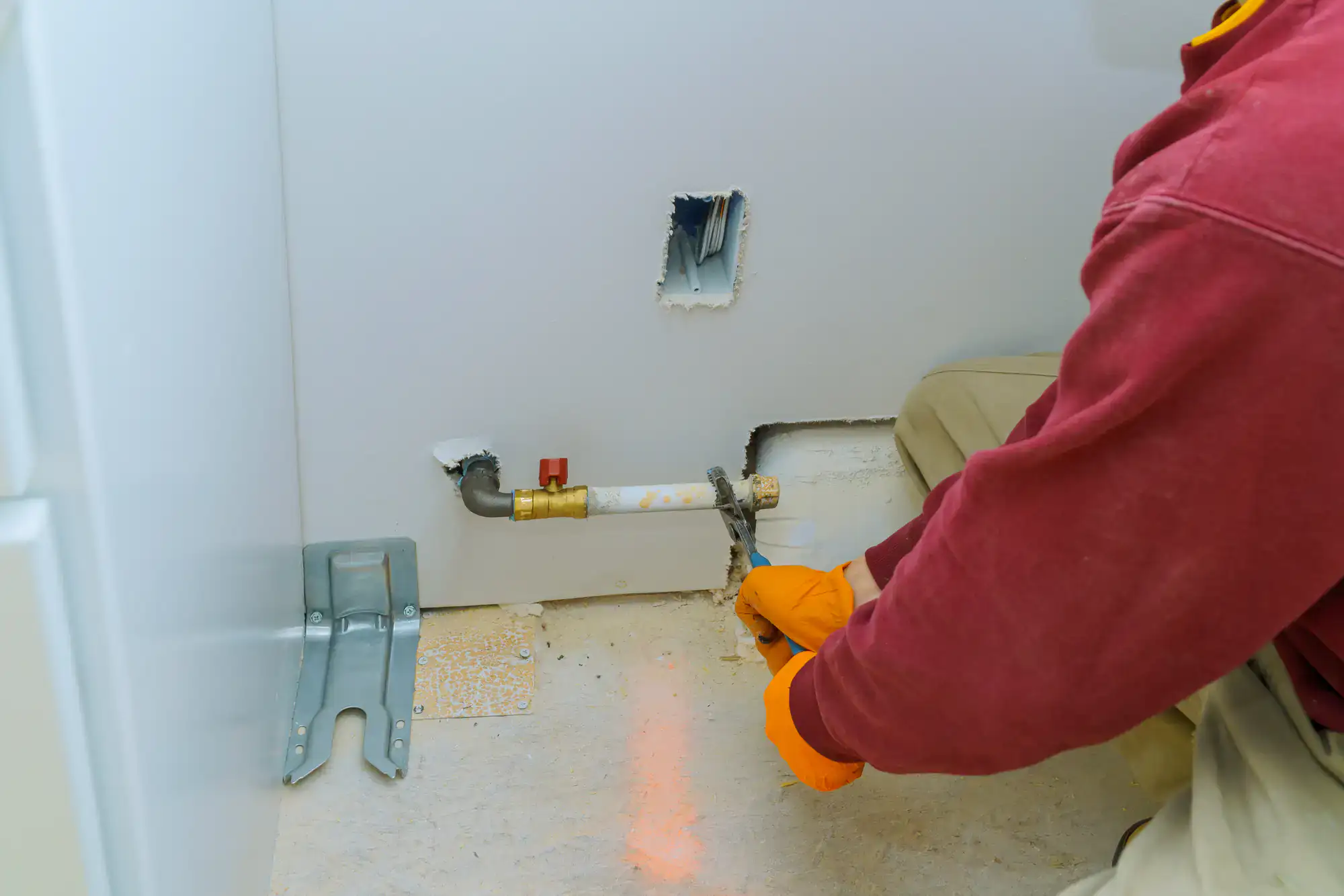
The installation itself follows California code: correct pipe materials, proper sizing for your total gas load, and secure connections at every joint. When the work is done, every connection gets pressure tested before the inspection is scheduled. That test is what catches a small issue at a fitting before it becomes something worse. After the county inspector signs off, gas service is restored and the job is complete permitted, tested, and documented.
Ready to get started?
We handle the full range of residential and commercial gas line installation in Rio Linda, CA new installations, system extensions, appliance connections, and full replacements of aging pipe. If you’re adding a gas range, a tankless water heater, an outdoor kitchen, or a fire pit, that’s a new gas line run. If your existing system is old enough that you’re not sure what’s in the walls, that’s a conversation worth having before something forces your hand.
For Rio Linda specifically, a few service areas come up more often than they would in other parts of Sacramento County. Detached structure connections running gas to a workshop, barn, or stable across a larger lot are routine here and require proper trenching, correct pipe sizing, and a dedicated permit. Manufactured home gas connections are another area that gets overlooked: older flexible connectors on manufactured homes have a service life, and if yours hasn’t been inspected in years, it’s worth knowing what you have. Sacramento County code applies to all of it, and all of it requires a licensed C-36 contractor.
On the commercial side, we also handle gas piping installation for small commercial properties and multi-use buildings in the Rio Linda and Elverta area. If you’re running a business near McClellan Park or managing a property in unincorporated Sacramento County, the licensing and permit requirements are the same and so is the standard of work.
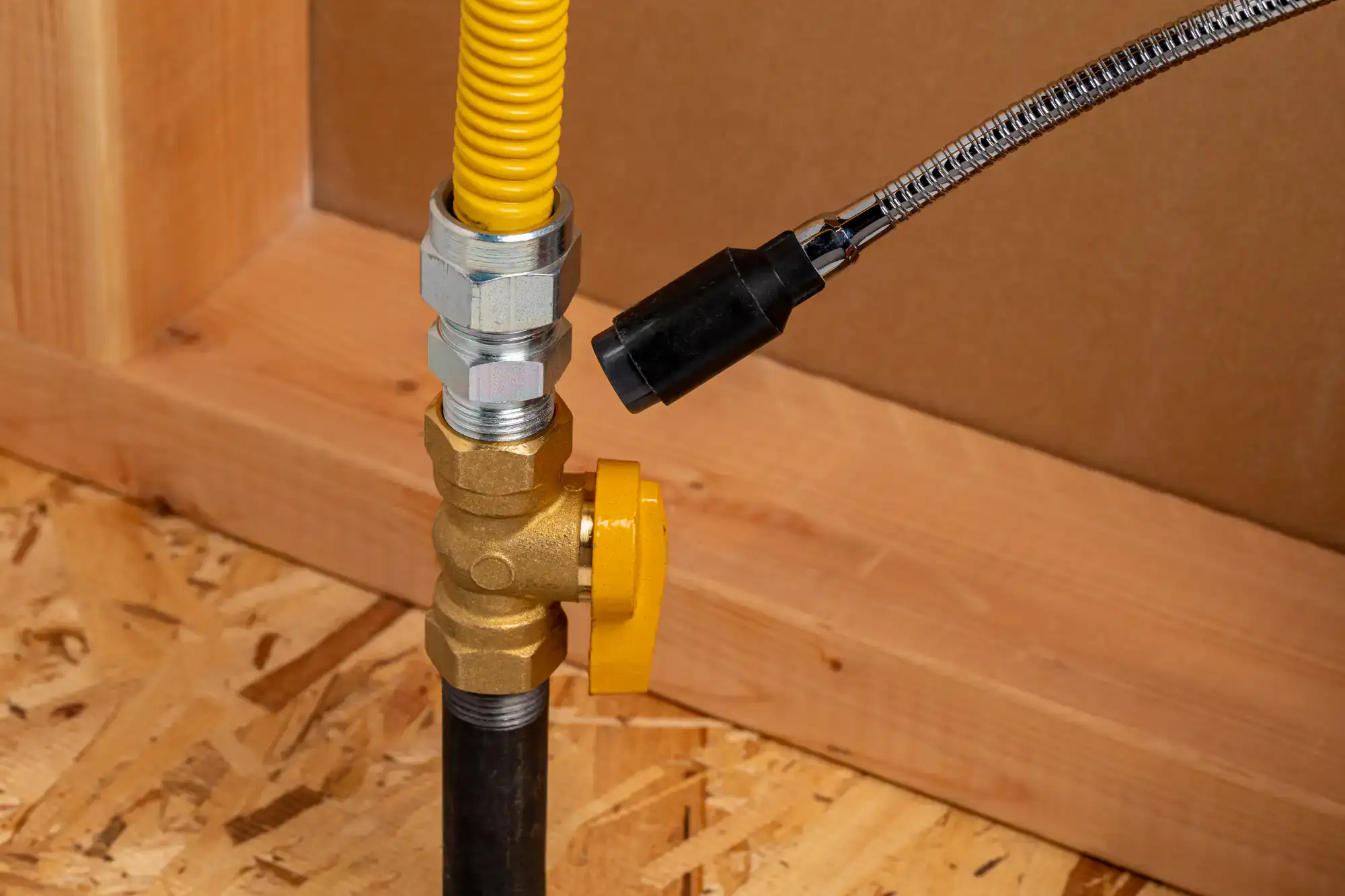
Yes and there are no exceptions. Any gas line installation, extension, or replacement in Rio Linda requires a permit through Sacramento County’s Building Permits and Inspection Division. Because Rio Linda is an unincorporated community, you’re not dealing with a city building department permits go through the county system, which has its own process and inspection requirements.
Skipping the permit isn’t just a code violation. It creates real problems: unpermitted gas work can void your homeowner’s insurance, create liability exposure if something goes wrong, and become a serious issue when you go to sell the property. A buyer’s inspector will find it, and it will either kill the deal or come back to you as a cost. We handle the full permit process application, coordination with county inspectors, and final sign-off so you don’t have to navigate any of that on your own.
The honest answer is that it depends on what the job actually involves. A straightforward appliance connection adding a gas line for a new stove or dryer typically runs in the $300 to $800 range. A longer run to a detached structure, a full system replacement, or new gas service to an outbuilding on a larger Rio Linda lot can run anywhere from $1,000 to $3,000 or more, depending on distance, access, and materials.
What you can count on with us is that the estimate you get before the job starts is the number you’ll see on the invoice. Multiple customers across Sacramento County have noted that their final cost came in at or below the original estimate. There’s no diagnostic fee to get that number the estimate is free, and there’s no pressure to move forward until you’re ready.
No. California law requires a California C-36 licensed contractor for all gas piping installation and repair work. This isn’t a local ordinance it’s a statewide requirement that applies throughout Sacramento County, including Rio Linda and the adjacent Elverta community. A C-36 license requires a minimum of four years of journey-level plumbing experience and passing two state licensing exams. It’s not something a general handyman or unlicensed plumber is authorized to do.
Beyond the legal issue, DIY gas line work creates the same insurance and resale problems as unpermitted work and the safety stakes are higher. A connection that doesn’t hold pressure correctly isn’t something you want to discover after the fact. If someone quotes you gas line work without mentioning a C-36 license or a permit, that’s a clear signal to keep looking.
Running gas to a detached structure is a more involved job than connecting a kitchen appliance, but it’s also one of the more common requests in Rio Linda given the lot sizes and the number of properties with working outbuildings. The process starts with calculating the total gas load how much gas the structure will need based on what appliances or equipment it’s running and sizing the pipe accordingly. Undersizing the line is a common mistake that causes pressure problems down the road.
From there, the pipe run typically requires trenching across the yard or under a driveway. Before any digging starts, 811 gets called to mark underground utilities on larger rural lots in Rio Linda, this step is especially important because irrigation lines, electrical conduit, and other infrastructure aren’t always where you’d expect them to be. The installation requires its own permit through Sacramento County, a pressure test, and a final inspection before the gas is turned on. We handle all of it.
A few signs are worth taking seriously. If you’re noticing a sulfur or rotten egg smell anywhere near your gas appliances or along your exterior walls, that’s a potential leak and needs immediate attention call your gas provider (PG&E serves Rio Linda) and get the line inspected before anything else. A pilot light that won’t stay lit, a gas appliance that’s running weaker than it used to, or a sudden increase in your gas bill without a change in usage can all point to a pressure issue in the line.
For older homes in Rio Linda particularly those built in the 1950s through 1980s with original black iron pipe the more relevant question is often not whether there’s an active problem, but how long the existing infrastructure has left. Black iron pipe corrodes over time, and a system that’s been in the ground for 40 or 50 years is worth having a licensed contractor look at before it becomes an emergency. We offer free estimates, so there’s no cost to finding out what you’re working with.
Yes, and it’s a service that comes up regularly in Rio Linda given the number of manufactured homes in the area. Manufactured homes have specific gas line connection requirements that differ from site-built houses the flexible connectors used at appliance hookups have a defined service life, and older connectors can crack or degrade over time, particularly after ground movement or the kind of soil saturation that happens near the Dry Creek corridor during heavy rain years.
Sacramento County code applies to manufactured home gas connections the same as any other residential installation, and the work still requires a C-36 licensed contractor and a permit. If your manufactured home hasn’t had its gas connections inspected in several years or if you’re not sure when they were last looked at that’s worth addressing before a problem forces the issue. We can assess what you have, let you know what’s within normal service life and what isn’t, and handle any replacement or upgrade work with the proper permitting from start to finish.