
Hear from Our Customers
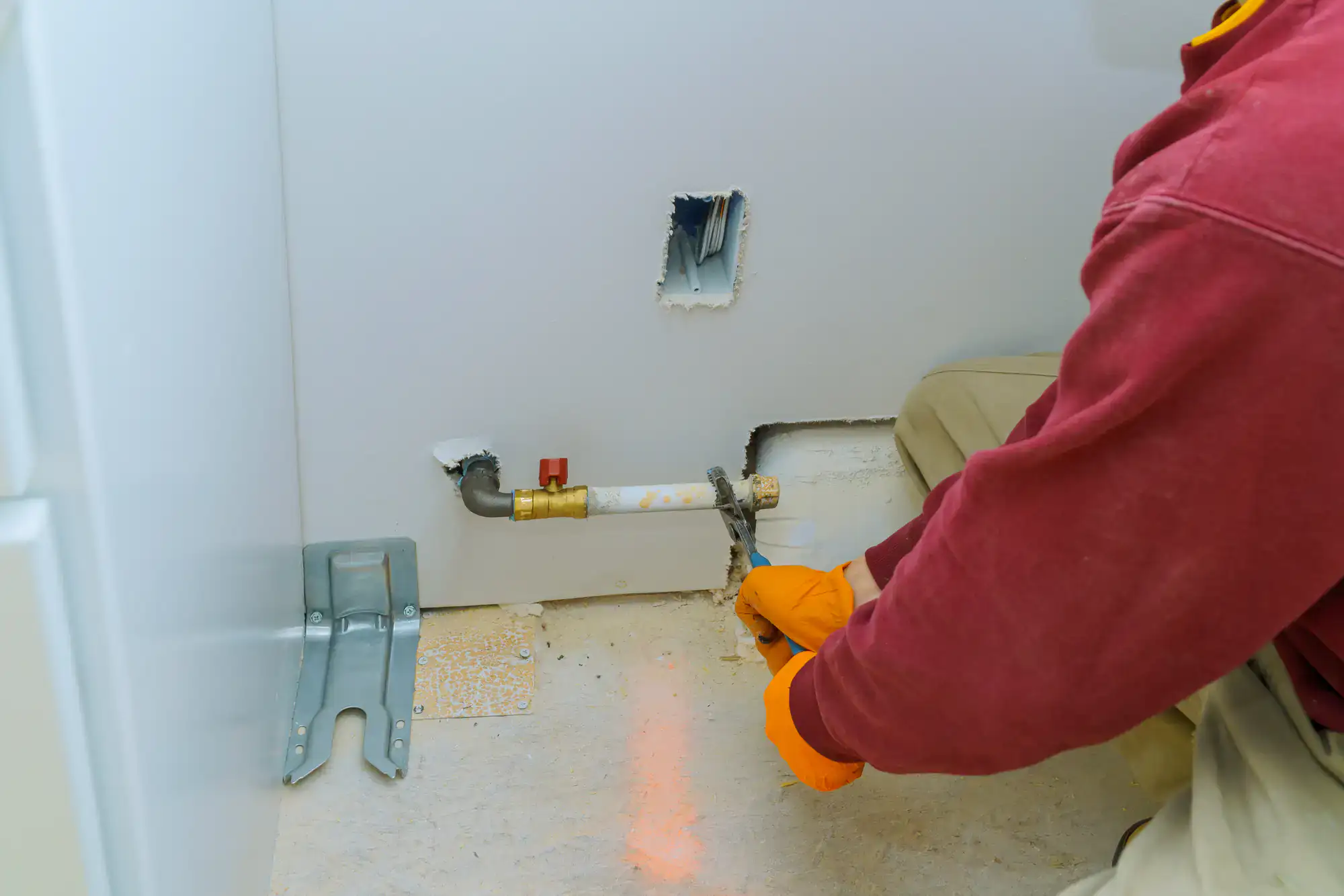
A properly installed gas line isn’t something you think about after it’s done and that’s exactly the point. No smell, no pressure drop, no failed inspection, no call back. You move on with your life knowing the work holds up.
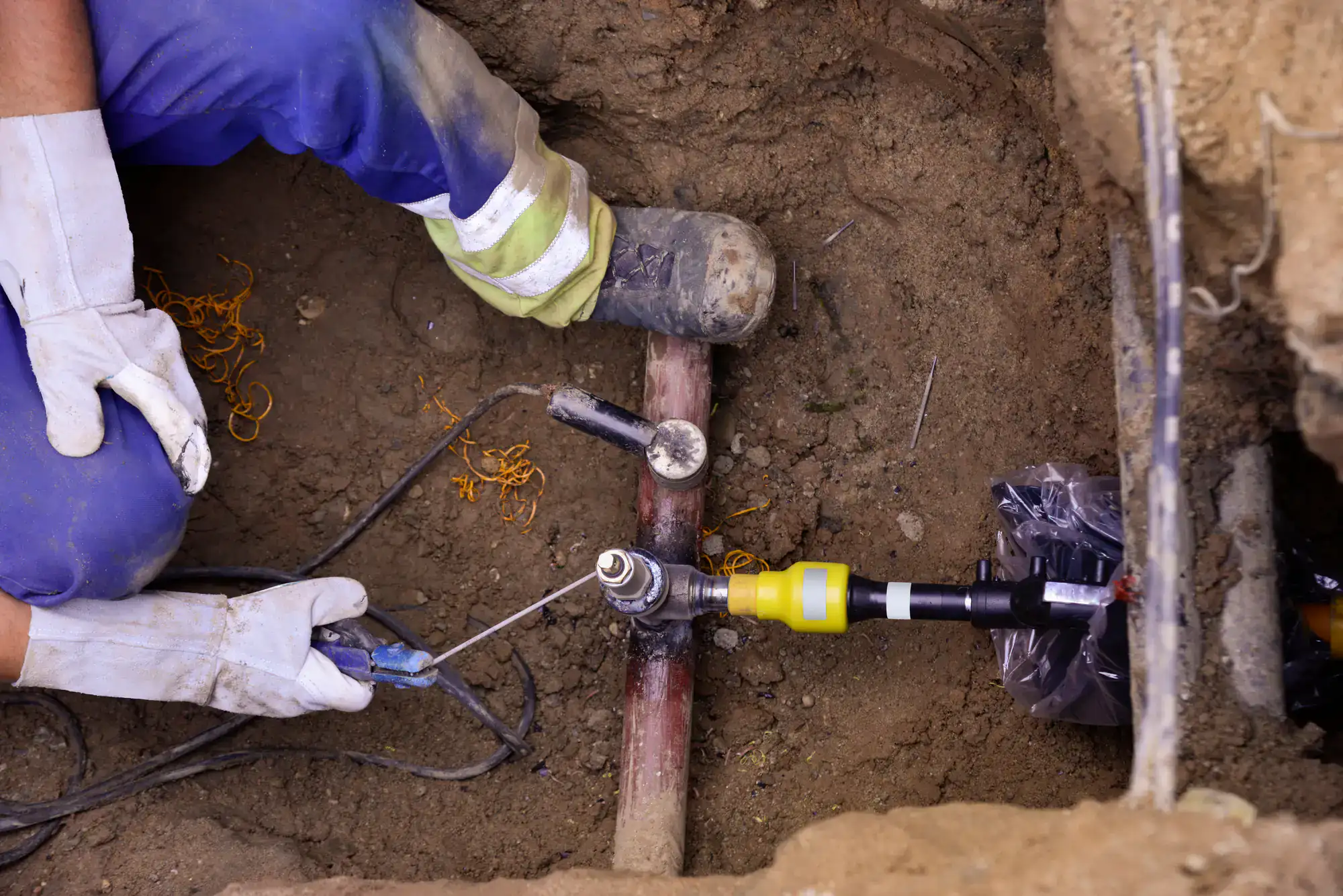
For Sacramento homeowners, that peace of mind carries some weight specific to this city. A lot of the housing stock in East Sacramento, Land Park, and Curtis Park is running on original black iron pipe that’s decades past its functional life. Sacramento’s clay-heavy soil expands every winter and contracts every summer and that seasonal ground movement stresses buried lines year after year. If your gas system hasn’t been looked at in a while, there’s a real chance it’s showing strain you can’t see from the surface.
Getting it handled correctly also means your appliances run the way they’re supposed to your furnace fires up in December without issue, your gas range holds consistent pressure, your tankless water heater doesn’t short-cycle. And if you’re adding an outdoor kitchen, a fire pit, or a gas connection for a new ADU, the line gets sized right from the start so you’re not dealing with flow problems down the road.
Murray Plumbing was built from the ground up by Ryan Murray a California C-36 licensed contractor with over 24 years of hands-on plumbing experience across Northern California. That license isn’t a formality. It’s the specific credential California requires for gas piping work, and it’s verifiable through the CSLB before you ever pick up the phone.
Ryan has worked in Sacramento’s neighborhoods long enough to know the difference between a Natomas new-build and a Midtown Victorian and what each one demands from a gas line installation. He knows which permit jurisdiction applies to your address, whether that’s the City of Sacramento Building Division or Sacramento County, and he handles that process from application to final inspection.
This isn’t a franchise dispatching rotating crews. When you call Murray Plumbing, you’re getting the same level of accountability on a Curtis Park remodel that you’d get anywhere else in the territory because the name on the license is the same name on the truck.
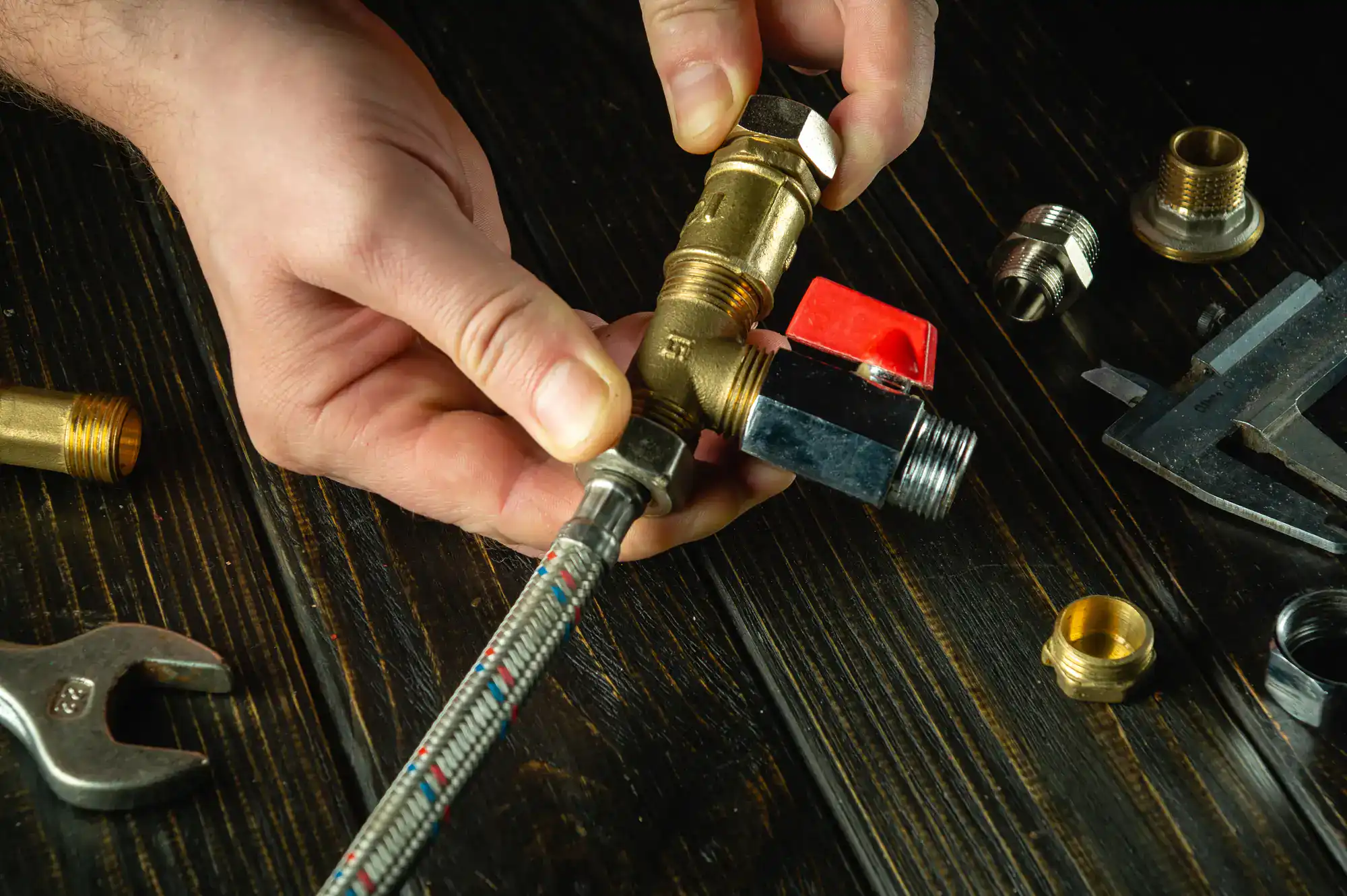
It starts with a free estimate. You describe what you’re dealing with a new appliance connection, a line extension for an outdoor kitchen, a full replacement on an aging system and we give you a straight number before anything gets scheduled. No diagnostic fee, no pressure to commit on the spot.
Once you’re ready to move forward, the permit gets pulled first. In Sacramento, that means knowing whether your property falls under the City of Sacramento Building Division or Sacramento County’s jurisdiction because those are two separate departments with different processes, and getting it wrong causes delays. We handle that determination and the application so you don’t have to sort it out yourself.
The installation follows code to the letter. For buried lines, we call 811 before any digging starts no exceptions. Pressure testing happens after the work is complete, and for medium-pressure systems or larger runs, Sacramento County requires a 24-hour graph recorder test to confirm zero pressure loss. After that, the inspection is scheduled, the work gets signed off by the building official, and PG&E can restore your gas service. You get documentation showing the job passed which matters if you ever sell the property or file an insurance claim.

Ready to get started?
Whether you’re replacing aging black iron pipe in an East Sacramento home, running a new gas line for an ADU in Arden-Arcade, or connecting a commercial kitchen in Midtown, we cover the scope of work under one roof. We handle residential gas line installation, commercial gas line installation, gas pipe installation for new appliances, full system replacements, outdoor gas connections, and emergency gas line work all permitted, all inspected, all backed by a C-36 license.
For Sacramento homeowners specifically, a few common scenarios come up more than others. Older homes in Land Park and Curtis Park frequently need full gas line replacements when original pipe has corroded past the point of repair. Natomas and Arden-Arcade homeowners adding outdoor kitchens, fire pits, or patio heaters need properly sized extensions that account for Sacramento’s long outdoor season. And with California’s ADU legislation driving garage conversions and backyard cottage builds across the city, new gas service runs are increasingly part of the work we do.
Commercial gas line installation in Sacramento follows the same standard permitted, pressure tested, inspected, and built to handle the demands of a commercial system. If you’re a property manager, business owner, or contractor coordinating a larger project, we can work within your timeline and handle the permit coordination on your behalf.
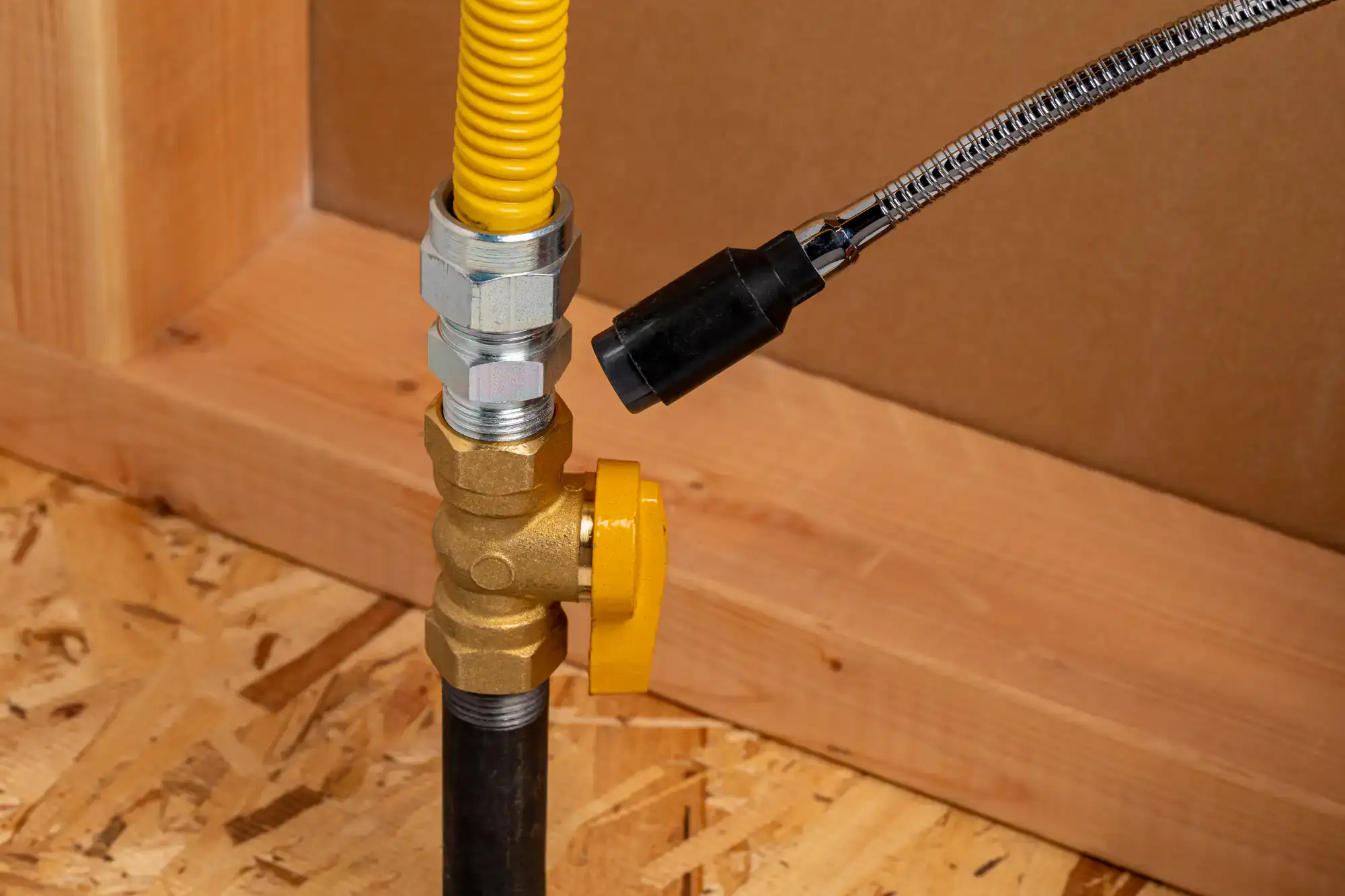
Yes all gas line work in Sacramento requires a permit, whether you’re replacing existing pipe, extending a line to a new appliance, or running a completely new gas service. This applies to both residential and commercial properties, and it’s not optional. California law requires it, and Sacramento’s local building codes enforce it.
What makes Sacramento a little more specific than surrounding areas is the dual jurisdiction. If your property is within city limits, the permit goes through the City of Sacramento Building Division. If you’re in an unincorporated part of the county like Arden-Arcade or parts of North Sacramento that’s handled through Sacramento County Building Permits and Inspection. They’re separate departments with different processes. Getting this wrong at the start can cause real delays. We determine the correct jurisdiction for your address before anything gets submitted, so the permit process moves without unnecessary back-and-forth.
Costs vary depending on what the job actually involves. For minor repairs or a single appliance connection, you’re generally looking at somewhere in the $150 to $800 range. A full gas line replacement or a new service run the kind of work that’s common in older Sacramento neighborhoods where original black iron pipe is finally giving out typically lands between $1,000 and $3,000 or more, depending on the length of the run, the pipe material, whether trenching is required, and how complex the permit process is for your specific property.
The best way to get an accurate number is a free estimate based on your actual situation. We don’t charge a diagnostic fee to assess your job you get a clear price before any work begins, and the final invoice doesn’t come in higher than what was quoted. That’s a pattern that shows up consistently in verified customer reviews across Sacramento and the surrounding area.
Sacramento sits on clay-heavy soil that behaves very differently from season to season. In the winter, when the rain comes in and the ground absorbs moisture, that clay expands. In the dry summer months and Sacramento summers are long and genuinely dry it contracts. That cycle repeats every year, and over decades, it creates ground movement that puts real stress on buried gas lines, especially older rigid black iron pipe that doesn’t flex.
The result is often slow joint failures, micro-fractures, or gradual pressure loss that homeowners don’t notice until something stops working or a gas smell surfaces. If you live in an established Sacramento neighborhood and your buried gas lines have never been assessed, this is worth knowing about not to alarm you, but because it’s a local condition that directly affects system longevity. A proper inspection can identify whether your buried lines are showing signs of stress before it becomes an emergency repair.
Yes, and it’s one of the more common gas line installation requests we handle in Sacramento especially in neighborhoods like Natomas, Sierra Oaks, and the established areas of South Sacramento where homeowners are investing in outdoor living spaces. Sacramento’s long, dry summers make outdoor entertaining practical for a large portion of the year, and gas fire pits, outdoor kitchens, and built-in BBQ connections are a natural extension of that.
Adding an outdoor gas line requires a permit, proper sizing for the appliances you’re connecting, and trenching if the line needs to run underground. Before any digging starts, we call 811 to mark underground utilities that’s a non-negotiable step. The line also needs to be pressure tested and inspected before it’s put into service. We handle the full scope: permit, installation, pressure test, and inspection. The goal is a system that’s built to handle Sacramento’s seasonal soil movement and holds up long-term, not just on day one.
PG&E manages the gas service line that runs from the street to your meter. That’s their infrastructure, and any work on that portion is their responsibility. Everything from the meter into your home and all connections to your appliances, whether that’s a furnace, water heater, range, outdoor grill, or generator is your responsibility as the property owner, and it requires a licensed C-36 plumbing contractor to touch it legally.
This is a distinction that trips up a lot of Sacramento homeowners, especially when they’re coordinating a larger project like a kitchen remodel or an ADU build. PG&E won’t restore your gas service after a repair or installation until the work downstream of the meter has been inspected and signed off by the building official. We manage the complete scope on the homeowner’s side permit, installation, pressure testing, and inspection coordination so there’s no gap between what we do and what PG&E needs before they turn the gas back on.
It depends on the condition of the pipe, but in Sacramento’s older neighborhoods, full replacement comes up more often than people expect. Black iron pipe the standard material used in residential gas systems through most of the 20th century has a functional lifespan of roughly 50 to 70 years. A lot of the homes in East Sacramento, Land Park, Curtis Park, and Oak Park are working with systems that are right at or past that range.
When pipe has corroded significantly from the inside, spot repairs don’t solve the underlying problem they just address the symptom. And in Sacramento specifically, where clay soil movement has been stressing those buried sections for decades, the failure points aren’t always isolated. A thorough inspection will tell you whether the system has enough integrity to support targeted repairs or whether a full replacement is the more practical and cost-effective path. We give you that assessment honestly, without steering you toward more work than the situation actually calls for.