
Gas Line Repair
Get a free quote for gas line repair from your local plumbing team.
We’ll contact you about your gas line repair request. Privacy policy
Hear from Our Customers
A gas leak doesn’t announce itself with a warning. In a lot of homes out here on the Georgetown Divide, the first sign is a smell you can’t quite place, a furnace that won’t stay lit, or a utility shutoff that leaves you without heat on a 28-degree January night. When you get the right repair not a patch, but an actual fix you stop waiting for the next problem to surface.
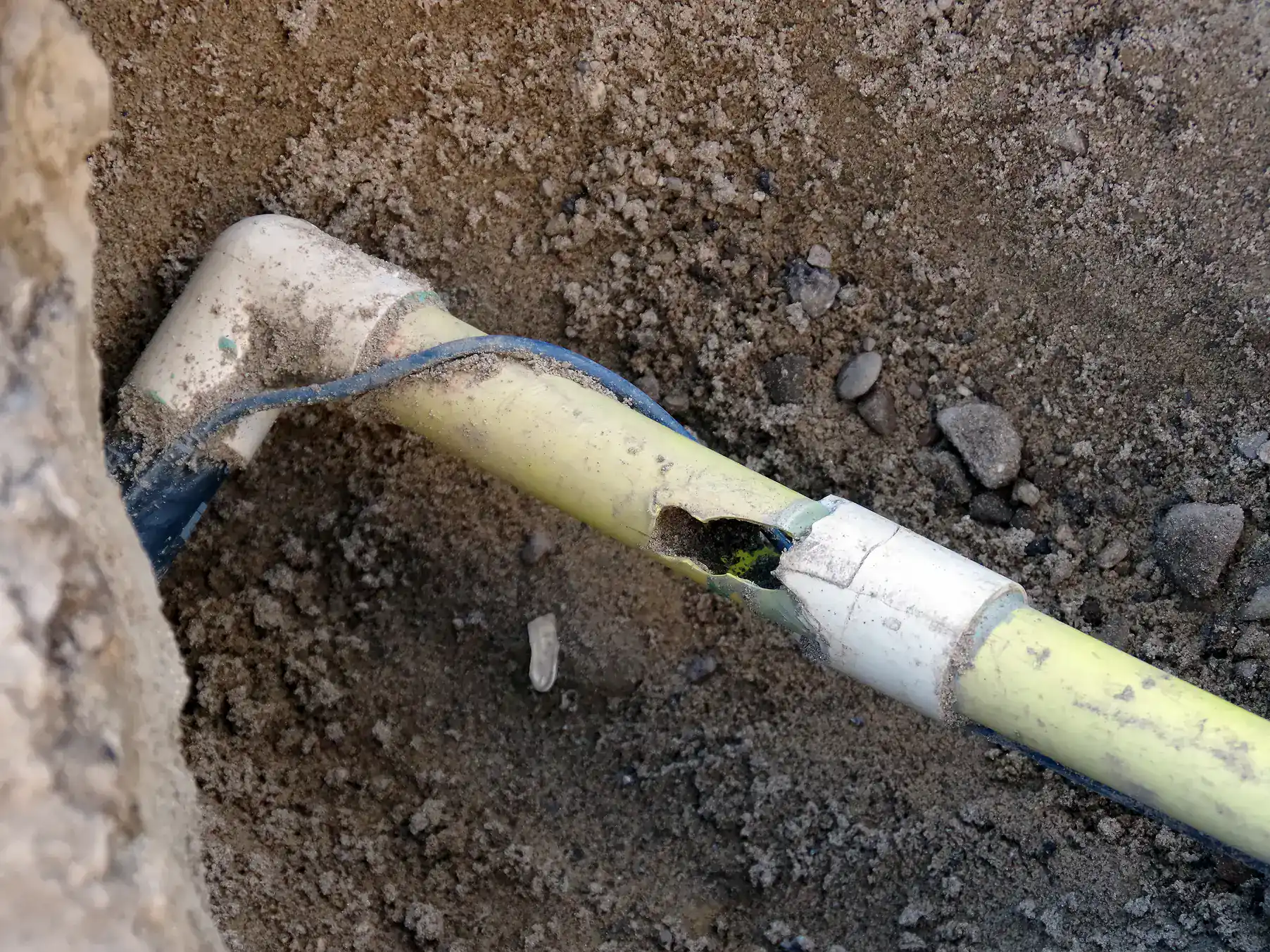
Buckeye sits at close to 3,000 feet elevation, and that matters more than most homeowners realize. The freeze-thaw cycles up here shift the ground in ways that stress underground gas lines year after year. Older rural properties in the Georgetown area often have longer gas line runs from the meter to the house, more fittings, and original pipe materials that were never updated. That combination of age, elevation, and ground movement is exactly what accelerates corrosion and micro-fractures in buried lines problems you won’t smell until they’ve been developing for a while.
Getting a licensed contractor who understands these specific conditions means the diagnosis goes deeper than the visible leak. It means the repair is built to last through another winter, not just through the next inspection.
We’ve been working in El Dorado County for over 24 years. That includes Cameron Park, Shingle Springs, Diamond Springs, Placerville and the rural foothill communities further up the hill, like Buckeye and the Georgetown area. This isn’t a Sacramento Valley operation expanding its radius. We’re a contractor who already knows the roads, the building stock, and the county’s permit process.
When you call, you get a plumber who has worked on rural acreage properties in Buckeye and throughout El Dorado County, dealt with older infrastructure, and understands what foothill conditions actually do to gas systems over time. Our 4.7-star Google rating from 93 real customers reflects what consistently happens: we show up on time, we tell you the price before touching anything, and we fix it right.
If you’ve ever had a contractor quote one number and charge another, or not show up at all, you already know why that track record matters.

It starts with a call. Whether you’ve got an active leak, a gas smell you can’t locate, or a flag from a home inspection, the first step is getting a licensed technician on-site to assess what’s actually going on. We give you the exact cost before any work begins not a range, not an estimate that grows once the job starts. The number you hear is the number you pay, and in some cases customers have paid less.
Once the scope is confirmed, the work gets done with the permits pulled and inspections scheduled through El Dorado County. That’s not optional California requires permits for gas line work, and in unincorporated areas like Buckeye, skipping that step creates real liability exposure at resale and can void an insurance claim. We handle that process as a standard part of every replacement job, not an add-on.
For properties in the Georgetown area and throughout Buckeye, the diagnostic phase often goes a layer deeper than it would in a newer suburban home. Older rural properties with longer underground line runs need a full pressure test and a root-cause assessment not just a visual check of the obvious failure point. The goal is to leave your gas system sound, not just serviceable until the next problem.

Ready to get started?
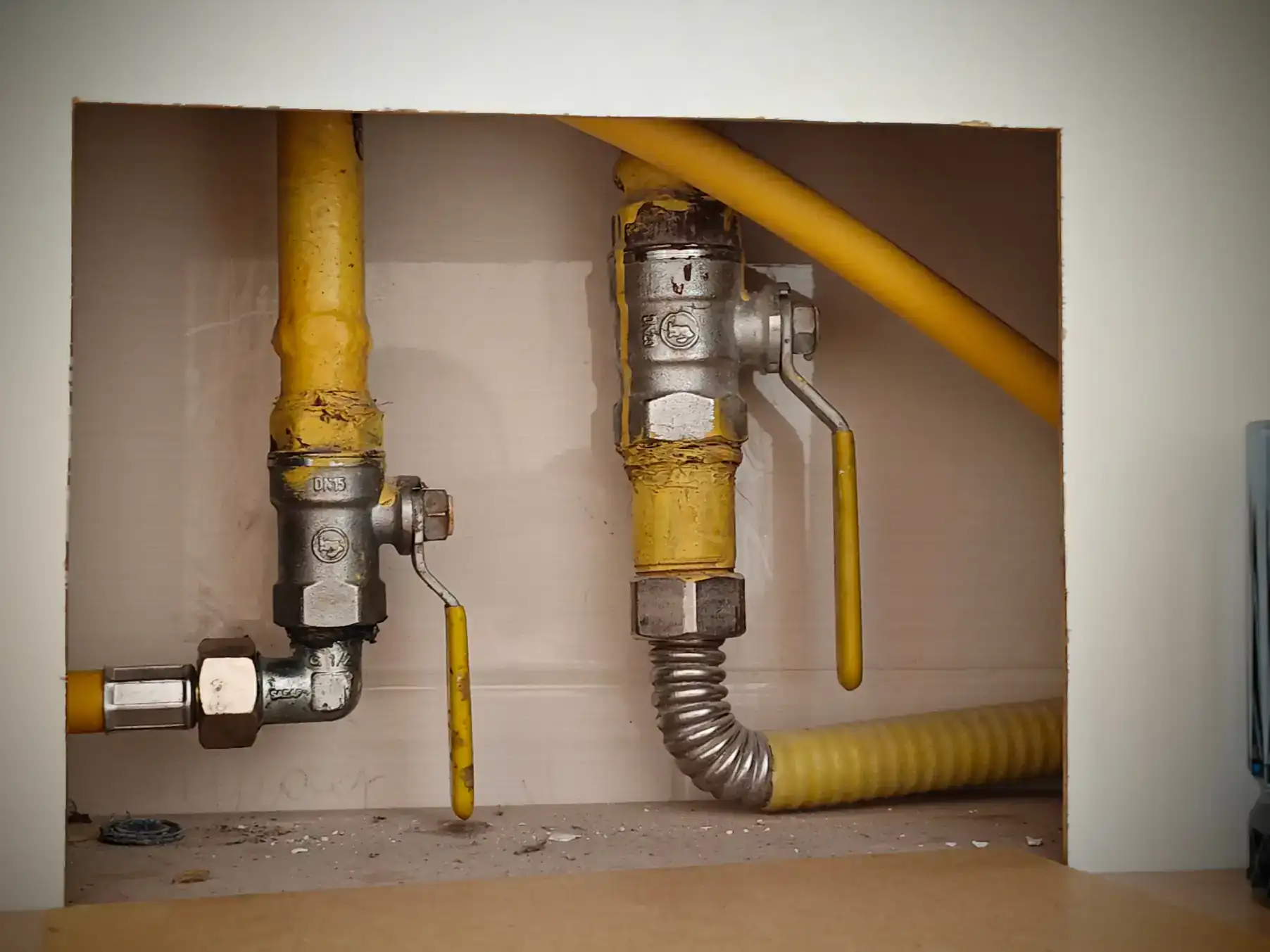
We handle the full scope of residential gas line work emergency leak repair, gas pipe repair and replacement from the meter to the appliance, pressure testing, gas appliance connections, and permit coordination with county inspections included. If you’ve got a furnace, water heater, gas stove, or an outdoor gas feature on your property, it falls within what we service.
For homes in Buckeye and the Georgetown area, a few things come up more often than they do in Valley communities. Longer underground line runs on acreage properties mean more linear footage of pipe exposed to El Dorado County’s freeze-thaw ground movement. Some properties in this part of the foothills run propane rather than PG&E natural gas we work on both. And for homes that have had wildfire activity nearby, post-fire inspection and repair of gas infrastructure is a service that matters specifically to this part of El Dorado County in a way it simply doesn’t elsewhere.
One thing worth knowing: PG&E is only responsible for the main line up to your meter. Everything from the meter into your home is your responsibility as the homeowner. That boundary surprises a lot of people, especially during an emergency when they’re waiting for the utility company to show up. Having a licensed gas line repair contractor you can call directly one who already knows the Buckeye area is the practical answer to that gap.

The most obvious sign is the smell natural gas has a sulfur or rotten egg odor added specifically so you can detect it. But not every leak is that obvious, especially in older rural properties where a slow leak in a buried line may not reach the interior of the home in a concentrated enough form to be immediately noticeable. Other signs include a hissing sound near a gas appliance or line, dead vegetation in a specific patch of your yard above a buried line, or a furnace or water heater that keeps going out without a clear mechanical reason.
If you suspect a leak, don’t try to find it yourself. Leave the house, don’t use any switches or open flames, and call from outside. Once the immediate situation is handled, a licensed gas line contractor can perform a proper pressure test and leak detection assessment to find the source. In Buckeye and the Georgetown area, where older homes on acreage may have long underground line runs, that professional assessment is the only way to confirm whether the problem is isolated or part of a broader infrastructure issue.
Yes and it’s worth being direct about this because it’s the first thing most rural foothill homeowners want to know. We’ve been serving El Dorado County for over 24 years, with an existing footprint in Cameron Park, Shingle Springs, Diamond Springs, Placerville, and the Buckeye area. This isn’t a stretch of our service territory it’s where we work regularly.
This matters practically because a contractor who has only worked in Sacramento or the lower foothills may not be familiar with El Dorado County’s permit process for unincorporated areas, the specific infrastructure conditions of rural properties at this elevation, or the realities of working on older acreage homes in the Georgetown Divide. We’ve dealt with those conditions before we’re not learning your area on your job.
Yes. California requires a permit for gas line repair and replacement work, and El Dorado County’s Building Department handles permit issuance and inspection scheduling for unincorporated areas like Buckeye. After the work is completed, a licensed inspector must review and approve it before gas service is restored. This isn’t a formality it’s the step that confirms the work was done correctly and to code.
Skipping the permit process creates real problems down the road. Unpermitted gas work can void your homeowner’s insurance coverage in the event of a claim, create legal liability if the work is later found to be non-compliant, and surface as a serious issue during a real estate transaction. Home inspections in the Georgetown area regularly flag unpermitted gas work on older rural properties, and it can delay or derail a sale. We pull permits and schedule inspections as a standard part of every gas line replacement job it’s included, not added on.
Most residential gas line repairs fall somewhere between $260 and $820, with the average coming in around $600. That range reflects the variation in scope a single fitting repair is a different job than replacing a full run of corroded steel pipe from the meter to the house. Larger replacements or jobs requiring significant excavation on rural acreage properties can run higher.
What matters most is knowing the number before the work starts. Our process is to give you the exact cost upfront not a ballpark, not a range that shifts once the job is open. Some customers have ended up paying less than the original estimate. There are no weekend surcharges, no fees for the drive out to the Buckeye area, and no charges added after the fact for permit coordination. The price you’re quoted is the price you pay.
Natural gas is delivered through PG&E’s utility grid, while propane is stored in a tank on your property and distributed through your own piping system. In parts of the Georgetown Divide and surrounding rural areas, PG&E’s natural gas service doesn’t reach every property some homes in the Buckeye area run entirely on propane. The two systems operate at different pressures and use different pipe materials and fittings in some configurations, which means the repair approach isn’t identical.
Both systems require a C-36 licensed contractor for any work over $500 in combined labor and materials under California law. The diagnostic process, pressure testing, and permit requirements apply to both. If your home runs on propane and you’re not sure whether your system has been professionally inspected or updated, that’s worth addressing especially on older rural properties where the original installation may not have been done to current standards. We work on both natural gas and propane systems in El Dorado County.
At close to 3,000 feet elevation, Buckeye and the Georgetown area experience genuine Sierra Nevada foothill winters temperatures that drop below freezing regularly, occasional snow, and the kind of seasonal ground movement that simply doesn’t happen in Sacramento or the lower Valley. When soil freezes and thaws repeatedly over years, it shifts. That movement puts stress on buried gas lines, particularly at fittings, joints, and any section of pipe that runs through transitional soil which describes a lot of the decomposed granite terrain in this part of El Dorado County.
Steel gas pipe corrodes from the inside out, and ground movement accelerates the process by opening micro-fractures that let moisture in. By the time a leak becomes detectable by smell, the internal degradation in an older line may already be significant. If your home was built before 1990 and the gas infrastructure has never been assessed, the combination of age and elevation-driven ground movement is a real reason to have a licensed contractor take a look not as a precaution, but as practical maintenance on a system that has been working hard for a long time.