
Placerville
Open 24/7- 4330 Panorama Dr, Unit 36
Placerville, CA 95667 - (530) 499-2223
- Open 24 hours, 7 days a week
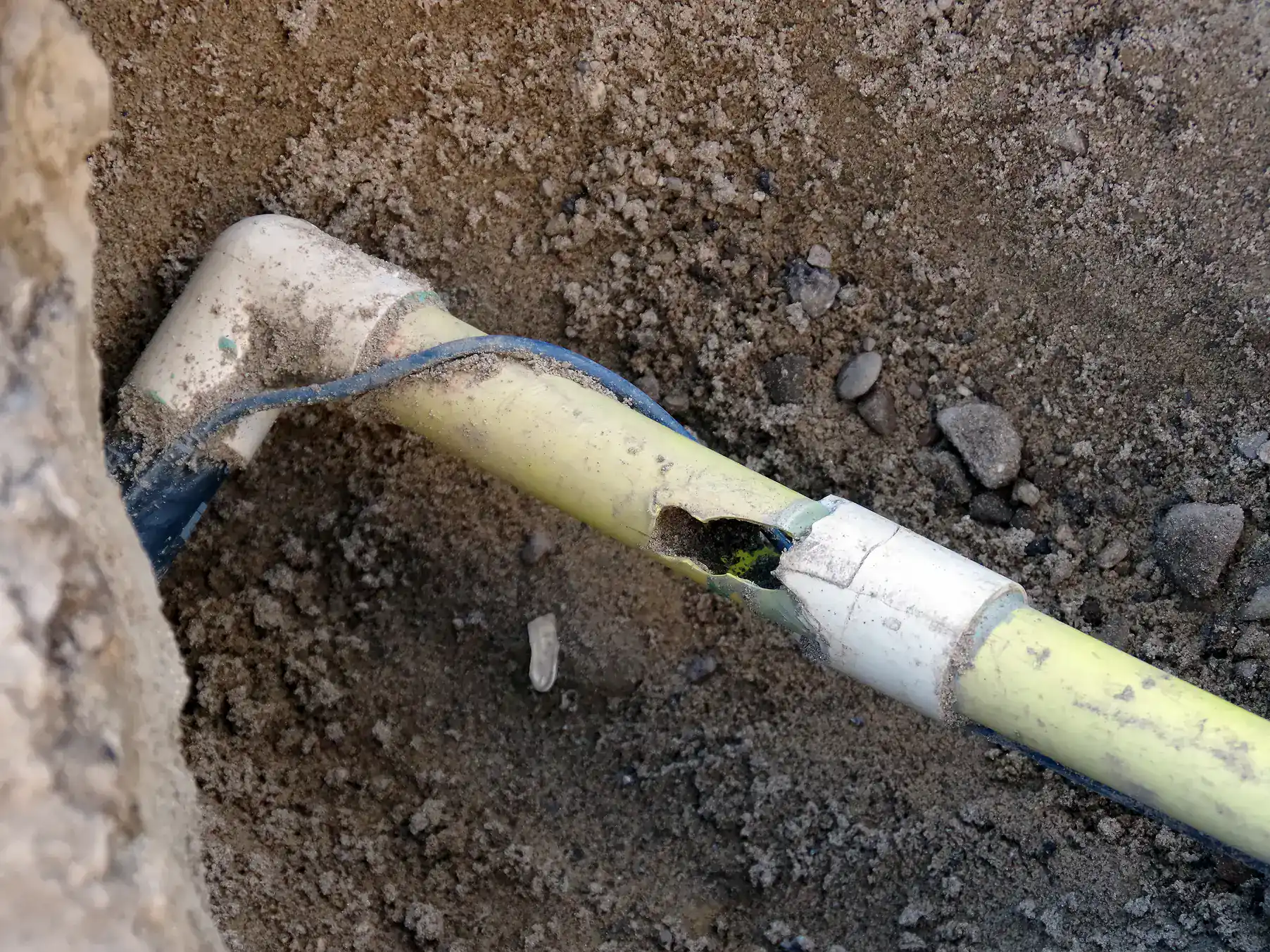
Gas Line Repair
Get a free quote for gas line repair from your local plumbing team.
We’ll contact you about your gas line repair request. Privacy policy
Hear from Our Customers
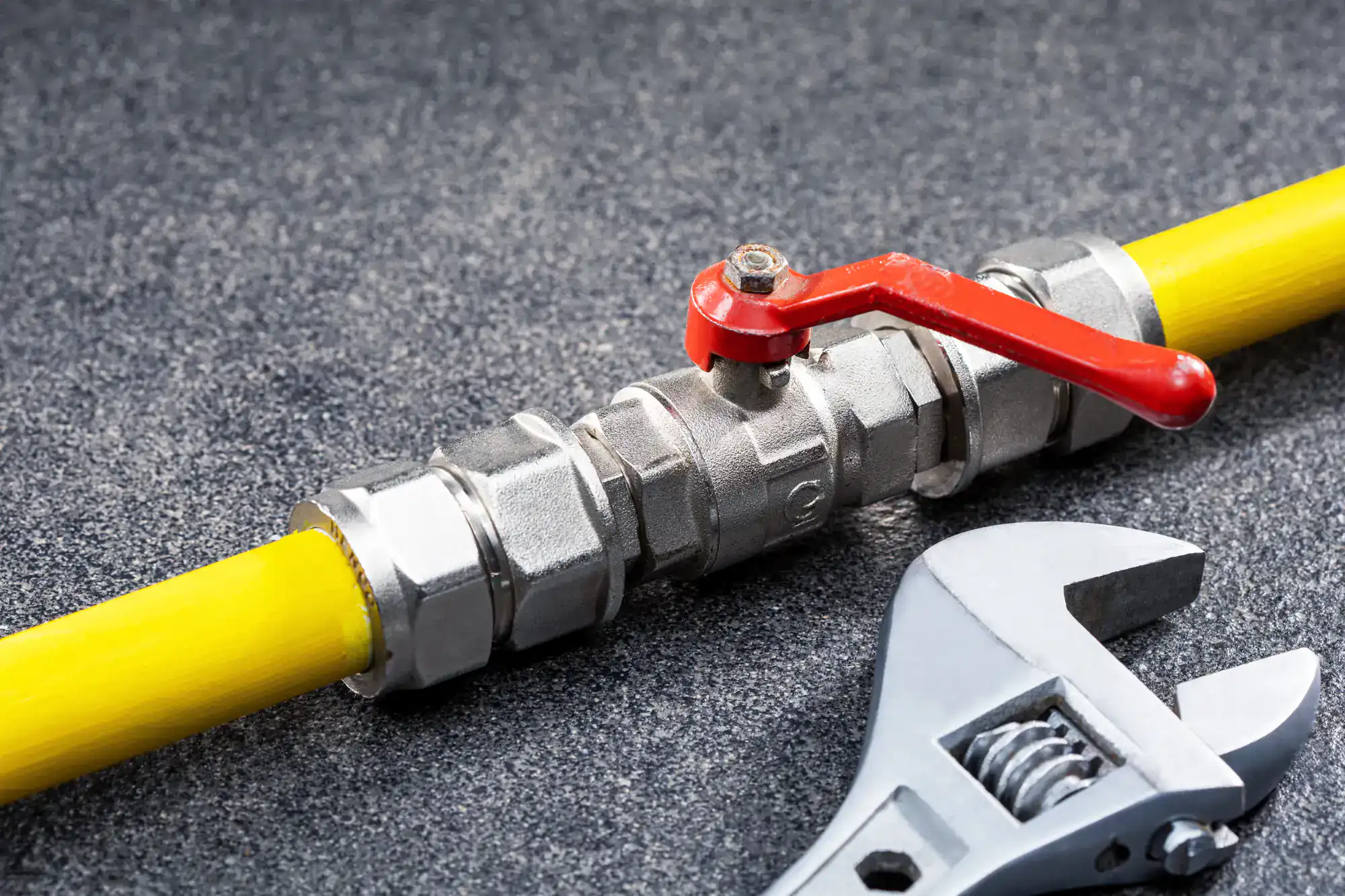
A proper gas line repair doesn’t just stop the smell it removes a real risk from your home. When the work is done right, your furnace fires up without hesitation, your water heater runs clean, and you’re not lying awake wondering if a slow leak is building behind the drywall. That peace of mind is the actual outcome, and it’s worth more than the repair itself.
Cameron Park’s soil is reddish gabbro-derived clay the kind that expands when the winter rains soak in and contracts again when summer dries it out. That cycle happens every single year, and over 35 years it puts real stress on underground pipe joints. Most homes here were built around 1987, which means original black iron or galvanized steel gas piping is now pushing four decades of that seasonal movement. This isn’t theoretical it’s why gas line issues in Cameron Park tend to show up at joints and buried connections first.
The other thing worth knowing: Cameron Park sits at roughly 1,200 to 1,400 feet in the Sierra Nevada foothills, where temperature swings between summer highs near 92°F and winter lows in the low 40s. That thermal range drives expansion and contraction in gas piping above ground too. When you add mature oak and pine root systems many of them 30 to 40 years old now pushing against underground lines, you have a set of local conditions that genuinely accelerate wear. A repair that accounts for all of that lasts. One that doesn’t, won’t.
We’ve been working in El Dorado County for over 24 years which means we were servicing Cameron Park homes when the community’s current housing stock was barely 15 years old. We’ve watched these houses age, seen what the gabbro clay soil does to underground lines over time, and built a track record that’s specific to this geography. We’re not a franchise or a call center we’re a local operation that knows the difference between a Cameron Park home and a Sacramento Valley floor home.
Our work comes with a C-36 CSLB license, upfront written pricing before anything is touched, and permits pulled and county inspections scheduled on every replacement job. Because Cameron Park is unincorporated El Dorado County, permits go through the county’s Building Division not a city department and we know that process inside out.
With a 4.7 out of 5 Google rating from 93 real El Dorado County homeowners, our reputation here is local and earned. Not inflated across a franchise network built one job at a time in communities like Cameron Park, El Dorado Hills, and Shingle Springs.

When you call, the first thing that happens is a real conversation not a voicemail or an automated quote. You describe what you’re noticing: a smell, a pressure issue, an appliance that isn’t behaving right, or a line that needs to be run for a new connection. From there, a technician is scheduled, and for emergency calls, that means same-day availability with no after-hours premium added to your invoice.
On-site, our technician does a full diagnostic before any repair begins. That means identifying not just where the problem is, but why it happened because a joint that failed due to ground movement in Cameron Park’s clay soil will fail again if the underlying stress isn’t addressed. Leak detection covers behind walls, under slabs, and underground runs. Once the scope is clear, you get the exact cost in writing before anything is touched. That number doesn’t change when the job is done.
If the work requires a permit which gas line replacement in El Dorado County does we pull it and schedule the county inspection. You don’t have to navigate that process. Most straightforward repairs are completed the same day. More complex replacements take longer, and you’ll know that timeline upfront. When the gas comes back on, the system is pressure-tested before our technician leaves.
Ready to get started?
We handle the full range of residential gas line work emergency leak repair, full line replacement from meter to appliance, gas appliance connections, pressure testing, and leak detection behind walls, under slabs, and on underground runs. Every service includes upfront written pricing, and every replacement job includes permits and El Dorado County inspections. There are no add-on fees for those they’re part of the job.
For Cameron Park homeowners, that scope matters. A home built in 1987 with original gas piping may have a furnace, a gas water heater, a gas stove, a dryer connection, and an outdoor line running to a built-in BBQ or fire pit. That’s a lot of infrastructure, and it all ages together. We can assess the whole system in a single visit rather than treating each appliance as a separate problem with a separate contractor.
The Airpark community along Cameron Park’s residential taxiways has its own set of gas needs hangar heating, workshop lines, and larger-footprint properties with longer underground runs. Our experience with El Dorado County foothill properties means those jobs aren’t a surprise. Whatever the setup, our approach is the same: find the root cause, fix it correctly, test it, and document it through the proper county permitting process so your home’s insurance coverage and resale value stay intact.

Yes and this is one of the most important things to get right. Cameron Park is an unincorporated community in El Dorado County, which means there is no city building department. All gas line permits are issued through the El Dorado County Building Division, and any gas line replacement that meets the threshold requires a permit and a county inspection before gas service is restored.
This matters more than most homeowners realize. Unpermitted gas work can void your homeowner’s insurance coverage, create liability issues if something goes wrong, and surface as a problem during a home sale which is a real concern in a market where Cameron Park home values are sitting around $650,000. We pull the permit and schedule the county inspection on every replacement job. You don’t have to figure out the county process that’s handled.
Most residential gas line repairs fall somewhere between $260 and $820, depending on where the leak is, how accessible the line is, and how much pipe needs to be addressed. A straightforward fitting repair at an accessible connection point is on the lower end. A buried line that runs under a Cameron Park home’s foundation or through gabbro clay soil that’s shifted over the years will take more time and land higher in that range. Full line replacements from meter to appliance cost more and vary based on the length and complexity of the run.
What we commit to is that you know the exact number before any work starts. The written estimate you receive is what you pay and in some cases, customers have seen the final invoice come in below that estimate. There are no surprise charges added at the end of the job, and no separate line items for permits or inspections on replacement work. Those are included.
The most obvious sign is a sulfur or rotten egg smell that’s the odorant added to natural gas specifically so you can detect a leak. If you smell it, leave the house, don’t flip any switches, and call from outside. That’s the right call.
Beyond the smell, there are subtler signs worth paying attention to. A hissing or whistling sound near a gas appliance or along a wall where a line runs. A pilot light that keeps going out or won’t stay lit. Gas appliances that seem to be running but not performing a furnace that’s cycling but not heating properly, a water heater that’s slow to recover. In Cameron Park’s older homes, where original gas piping has been through 35-plus years of the foothill soil’s wet-dry expansion cycle, these symptoms often show up first at joints and buried connections. A pressure test can confirm what’s happening before it becomes an emergency.
This is one of the most common points of confusion, and it’s worth being clear about. PG&E is responsible for the gas main and the line running to your meter. Everything from the meter into your home to your furnace, water heater, stove, dryer, outdoor appliances, and any other gas-connected equipment is the homeowner’s responsibility.
So if you have a leak or a pressure issue on your side of the meter, calling PG&E won’t get it fixed. You need a licensed C-36 plumbing contractor. Cameron Park does have a PG&E Community Resource Center at 2502 Country Club Drive, which can be a helpful contact for utility-related questions, but the actual repair work on your home’s gas piping falls to you and the contractor you hire. We handle exactly that side of the meter with the licensing, permits, and county inspection process that makes the repair legal, documented, and covered.
For most straightforward repairs a fitting replacement, a connection at an appliance, or a short section of accessible pipe the work is completed the same day, and the gas is back on before our technician leaves. The job itself might take two to four hours once the diagnostic is done and the scope is confirmed.
Replacements are longer. A full gas line replacement from meter to appliances in a Cameron Park home from the late 1980s with a furnace, water heater, stove, and possibly outdoor appliances can take a full day or run into a second, depending on the layout and how much of the line is buried or routed through finished walls. If a permit is required, the El Dorado County inspection has to be scheduled after the work is complete, which adds a step before gas service is fully restored. We coordinate that inspection you’ll know the timeline before the work begins, not after.
If your home was built between the mid-1970s and early 1990s and the gas lines have never been inspected or replaced, it’s a reasonable thing to look into not because failure is guaranteed, but because the original piping in homes from that era was typically black iron or galvanized steel, and those materials have a serviceable lifespan that many Cameron Park homes are now approaching or past.
The local conditions here accelerate that timeline. Cameron Park’s gabbro-derived clay soil expands and contracts with every wet and dry season, putting ongoing stress on underground joints. The mature oak and pine trees throughout the community have root systems that are now 30 to 40 years old and actively growing near utility lines. An inspection gives you a clear picture of what you’re working with, so you’re making decisions based on the actual condition of your system rather than guessing.
Our Locations
From the foothills to the valley, Murray Plumbing has a licensed team close by. Find the office nearest you — we’re open 24 hours a day, 7 days a week.