
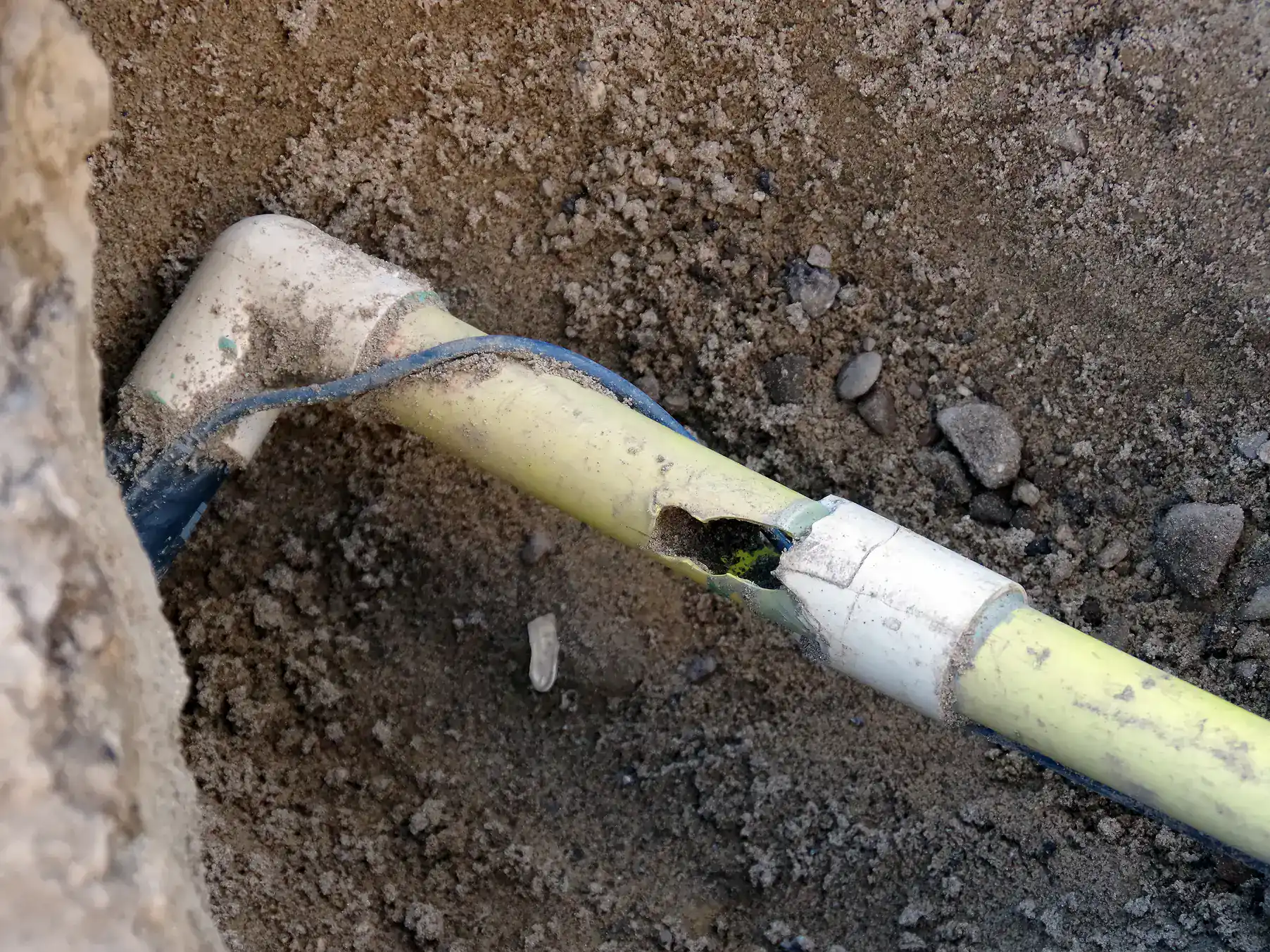
Gas Line Repair
Get a free quote for gas line repair from your local plumbing team.
We’ll contact you about your gas line repair request. Privacy policy
Hear from Our Customers
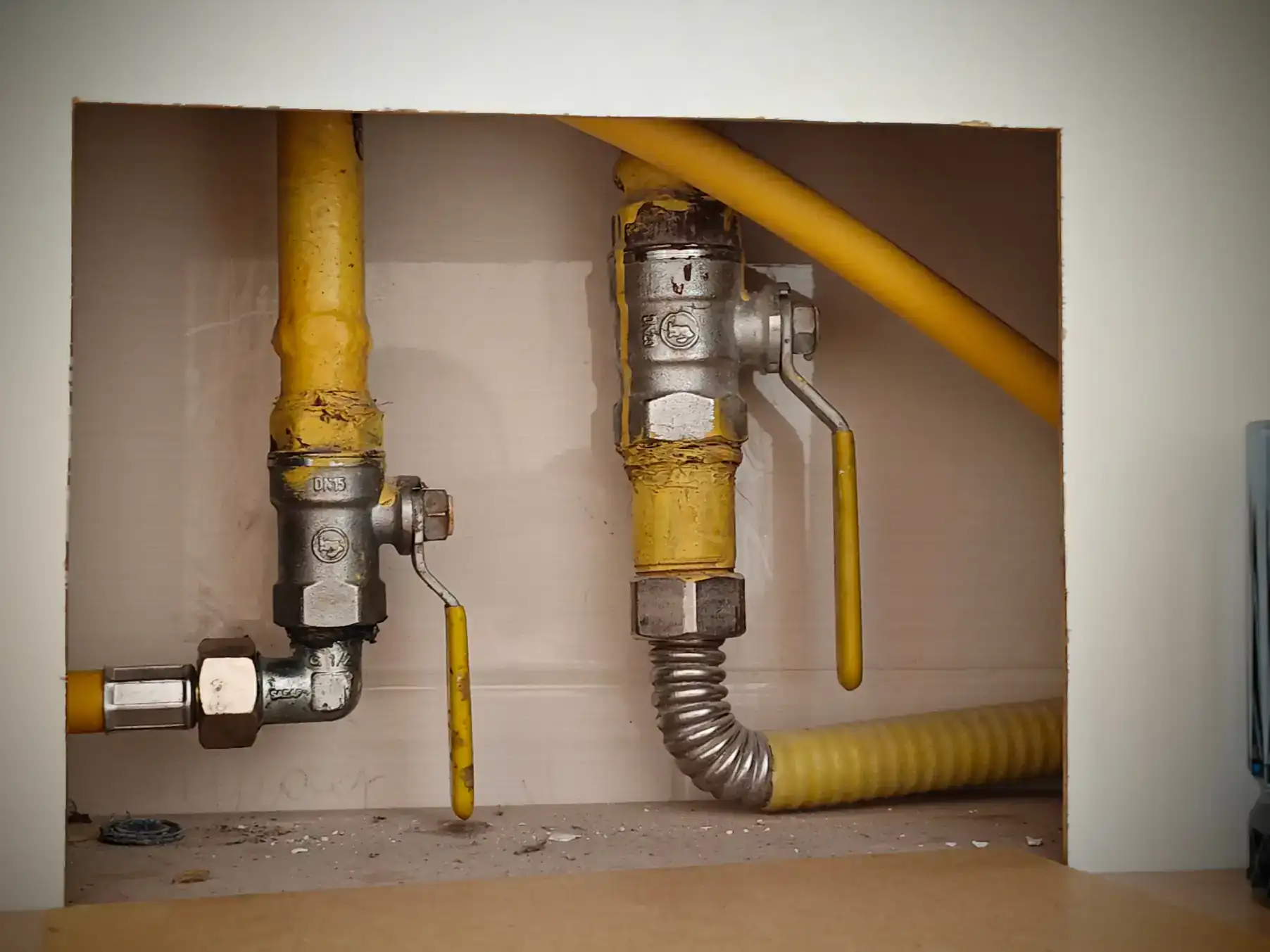
When gas line issues show up in Clay, your options nearby are limited. Galt is a few miles south, Elk Grove is fifteen minutes northwest, and neither one helps when your furnace won’t light on a cold December morning or your stove goes dead in the middle of the week. That’s the reality of living out here and it’s exactly why response time and same-day availability matter more in Clay than in most communities.
Clay’s housing stock carries its own set of challenges. A lot of homes here were built in the seventies, eighties, and nineties, which means original steel gas lines that are now thirty to fifty years old. That kind of infrastructure doesn’t announce itself before it fails. It corrodes quietly, loses pressure gradually, and one day you notice something’s off a faint smell, a bill that’s higher than it should be, an appliance that takes longer to light than it used to. By the time it’s obvious, the problem has usually been building for a while.
Getting it repaired properly means more than fixing the spot that leaked. It means understanding why it happened, whether the rest of the line is in similar shape, and making sure the work is permitted through Sacramento County before your gas gets turned back on. That’s what a real repair looks like and that’s what we deliver here.
We’ve been working in Sacramento County for over twenty-four years. That includes the rural-residential communities in the southern tier of the county places like Clay, Wilton, Herald, and the unincorporated stretches along the Galt corridor where homes sit on larger lots, gas lines run longer distances, and the building stock is older than most people realize. We’re not figuring out this area as we go.
Clay is unincorporated Sacramento County, which means every gas line job here requires a county permit and a county inspection before gas service is restored not a city permit, not a self-sign-off. We handle that entire process on every job. You don’t have to chase down paperwork or wonder if the work was done to code. It’s included.
Our Google rating is 4.7 out of 5 across 93 reviews from real Sacramento County homeowners. Not a franchise aggregate individual customers who called us when something went wrong and took the time to say it went right.
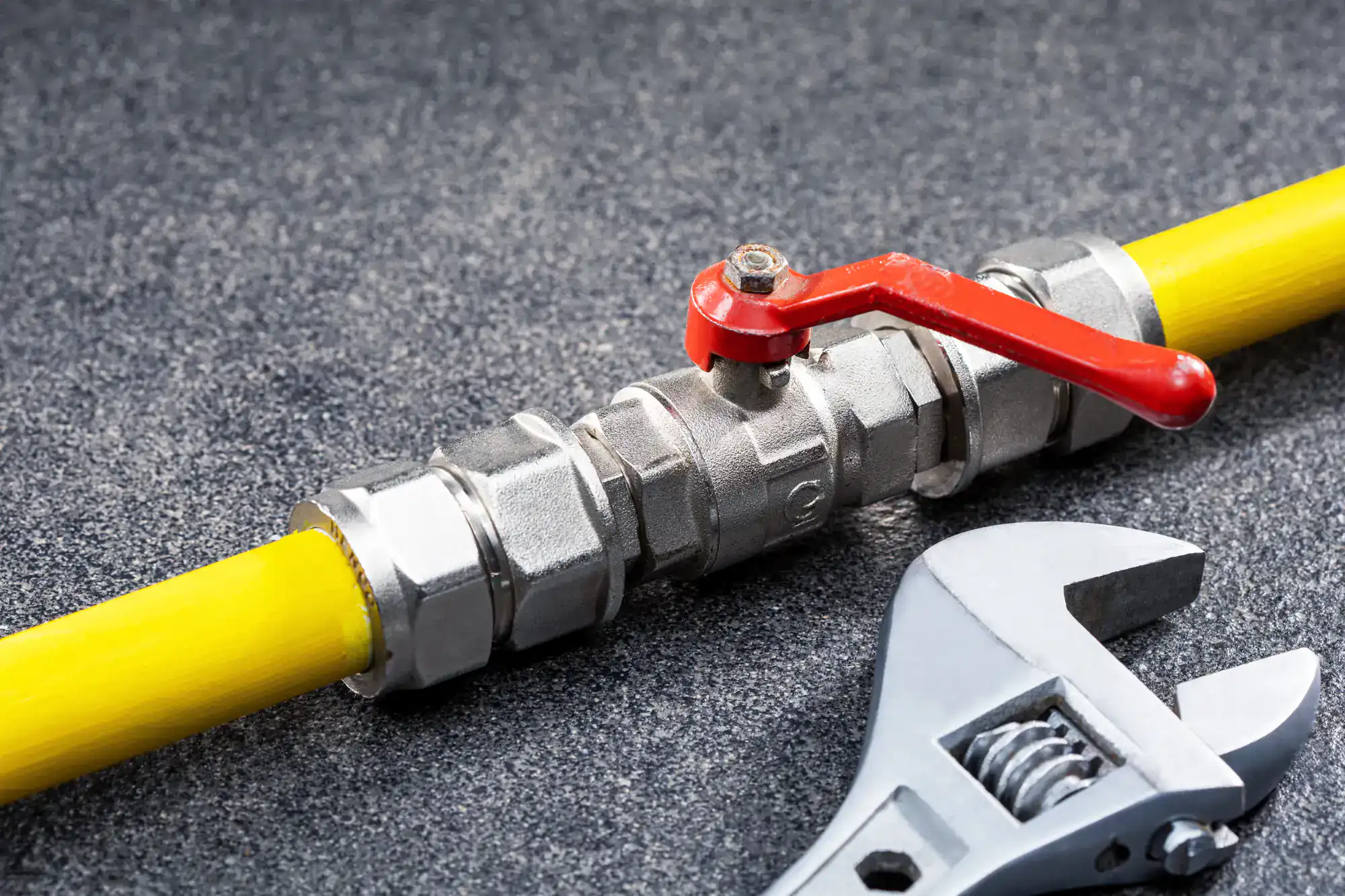
When you call, you talk to someone who can actually help not a call center routing you to a queue. We’ll ask a few straightforward questions about what you’re experiencing, whether PG&E has already been involved, and what type of appliances are affected. If it sounds like an emergency, we treat it like one. Same-day dispatch is available, and there are no extra charges for evenings or weekends.
Once we’re on-site, we start with a full assessment not just the spot that’s obviously failing. Clay’s older homes often have gas lines running to detached garages, workshops, or outbuildings across larger lots, and a localized fix on a line that’s degraded throughout isn’t a real solution. We’ll tell you exactly what we find, what it means, and what it’ll cost before any work begins. That price doesn’t change when the invoice arrives.
From there, we pull the Sacramento County permit, complete the repair using code-compliant materials, and schedule the county inspection. Most residential repairs are finished in four to twenty-four hours. More complex work or full-line replacements may take one to three days. Either way, you’ll know the timeline before we start not after.

Ready to get started?
Gas line repair in Clay, CA covers more ground than most people expect when they first call. Beyond the immediate leak or failure, we handle full gas line replacement for aging steel pipe, pressure testing to confirm system integrity after repairs, and appliance connections for water heaters, furnaces, dryers, stoves, and outdoor setups. If you’ve got a fire pit, an outdoor kitchen, or a detached structure that needs gas service, that falls within our scope too and in Clay, where properties tend to run larger, those extended line runs are more common than in denser Sacramento neighborhoods.
One thing worth understanding clearly: PG&E is responsible for the gas main up to your meter. Everything from the meter into your home and out to your outbuildings is your responsibility. When PG&E detects a leak and shuts off your service, they’re not sending someone to fix it that’s on you to arrange. We know that boundary well, and we’ll walk you through exactly where it falls on your property so there’s no confusion about what needs to happen next.
All gas piping repair work we do in Sacramento County is performed under a C-36 CSLB license, permitted through the county, and inspected before gas is restored. That’s not optional it’s how it’s supposed to be done, and it’s how we do it on every job.

Yes and this is one of the most important things to understand before any work begins. Clay is an unincorporated community, which means there’s no city government handling permits here. Everything goes through Sacramento County’s Department of Community Development. For gas line repair, replacement, or new installation, a county permit is required, and a county inspector has to sign off on the work before your gas service can be legally restored.
This isn’t just a formality. Unpermitted gas work in Sacramento County creates real exposure it can void a homeowner’s insurance claim if something goes wrong, and it can surface as a serious problem when you go to sell the property. We pull the permit and schedule the inspection on every job. It’s included in the process, not an add-on.
Most residential gas line repairs fall somewhere between $260 and $820, depending on what’s involved the length of pipe affected, the location of the failure, and whether the issue is isolated or part of a broader degradation pattern. More extensive work, like a full gas line replacement on a larger Clay property with longer runs to outbuildings or detached structures, will cost more, typically in the range of $15 to $25 per linear foot for the pipe itself plus labor.
What matters most is that you know the number before work starts. We provide a written estimate upfront, and that’s the price you pay. Some customers have actually received a final invoice that came in below the original estimate. There are no surprise charges added after the fact, and no weekend or after-hours surcharges if you need emergency service.
The most obvious sign is a sulfur or rotten egg smell that’s the odorant added to natural gas so leaks are detectable. But a lot of Clay homeowners with older homes describe something subtler: a faint smell that comes and goes, an appliance that takes longer to ignite than it used to, or a gas bill that’s crept up without any obvious change in usage. Those are all worth taking seriously.
Beyond the smell, physical signs of aging pipe matter too. If your home was built in the seventies or eighties and the original steel gas lines have never been assessed, corrosion and joint degradation are real possibilities even if nothing has visibly failed yet. A pressure test can confirm whether the system is holding correctly. If you’ve got any doubt, having it checked is a lot less disruptive than dealing with a shutoff notice from PG&E.
PG&E handles the gas main up to your meter. That’s their infrastructure, their responsibility. But everything on the property side of the meter the lines running into your home, to your water heater, furnace, stove, and any outbuildings belongs to you as the homeowner. When PG&E detects a leak on your side of the meter and shuts off service, they’re not coming back to fix it. That repair is yours to arrange.
This catches a lot of Clay homeowners off guard, especially during the first cold stretch of the year when furnaces are firing up after months of sitting idle. The good news is that once you have a licensed contractor complete the repair and pass the Sacramento County inspection, PG&E will restore service. We can coordinate the full process repair, permit, inspection so you’re not managing multiple moving parts while your heat is off.
For most residential gas line repairs, you’re looking at four to twenty-four hours from when work begins to when gas is restored. That covers the repair itself plus the Sacramento County inspection, which has to happen before the gas can be turned back on. More involved work a full gas line replacement, or a job that requires significant trenching on a larger rural lot can run one to three days.
We know that in Clay, being without gas isn’t the same as being without gas in midtown Sacramento, where there’s a restaurant on every block and a hotel nearby. You’re further out, and that matters. We give you a realistic timeline before work starts so you can make practical arrangements if needed not an open-ended “it depends” that leaves you guessing. Same-day emergency service is available for situations that can’t wait.
In California, any gas line work over $500 in combined labor and materials requires a C-36 licensed contractor. That threshold gets crossed quickly once you factor in trenching, pipe, fittings, and the connection itself especially on a Clay property where the run from the meter to an outdoor kitchen, fire pit, or detached workshop might cover a significant distance across a larger lot.
Beyond the licensing requirement, the work needs a Sacramento County permit and inspection before the appliance can be used. A DIY connection that skips those steps isn’t just a code violation it’s a liability issue if something goes wrong and your insurance carrier finds out the work was unpermitted. We handle outdoor appliance connections and extended gas line runs regularly for Clay homeowners, and the permit process is built into every job from the start.