
Hear from Our Customers

A gas problem doesn’t just put your appliances out of commission it puts your household on pause. No hot water. No heat. No cooking. And if you’re sitting on a slow leak you haven’t found yet, the risk compounds every day you wait. Getting it resolved properly means getting your home back to normal and keeping it there.
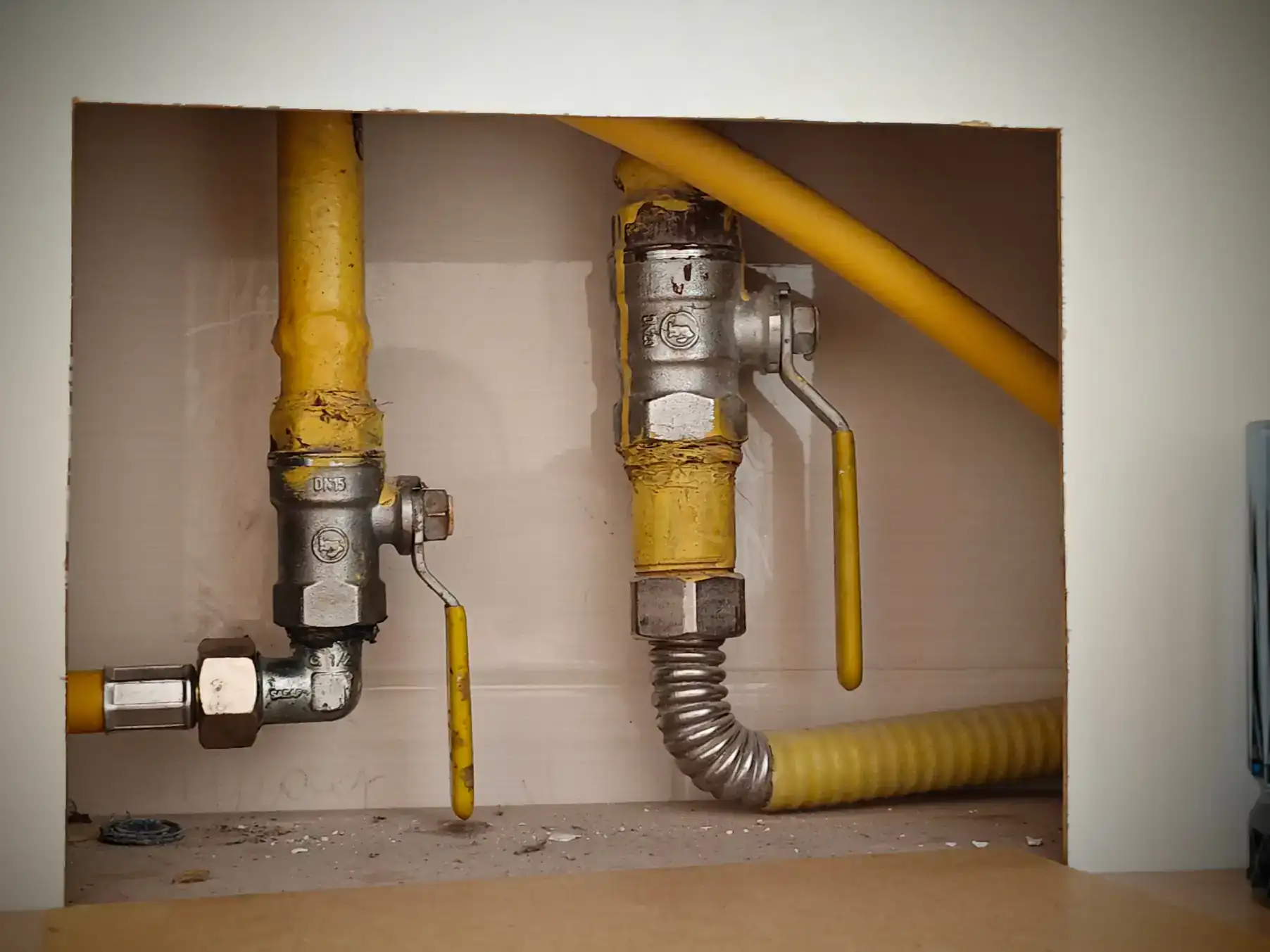
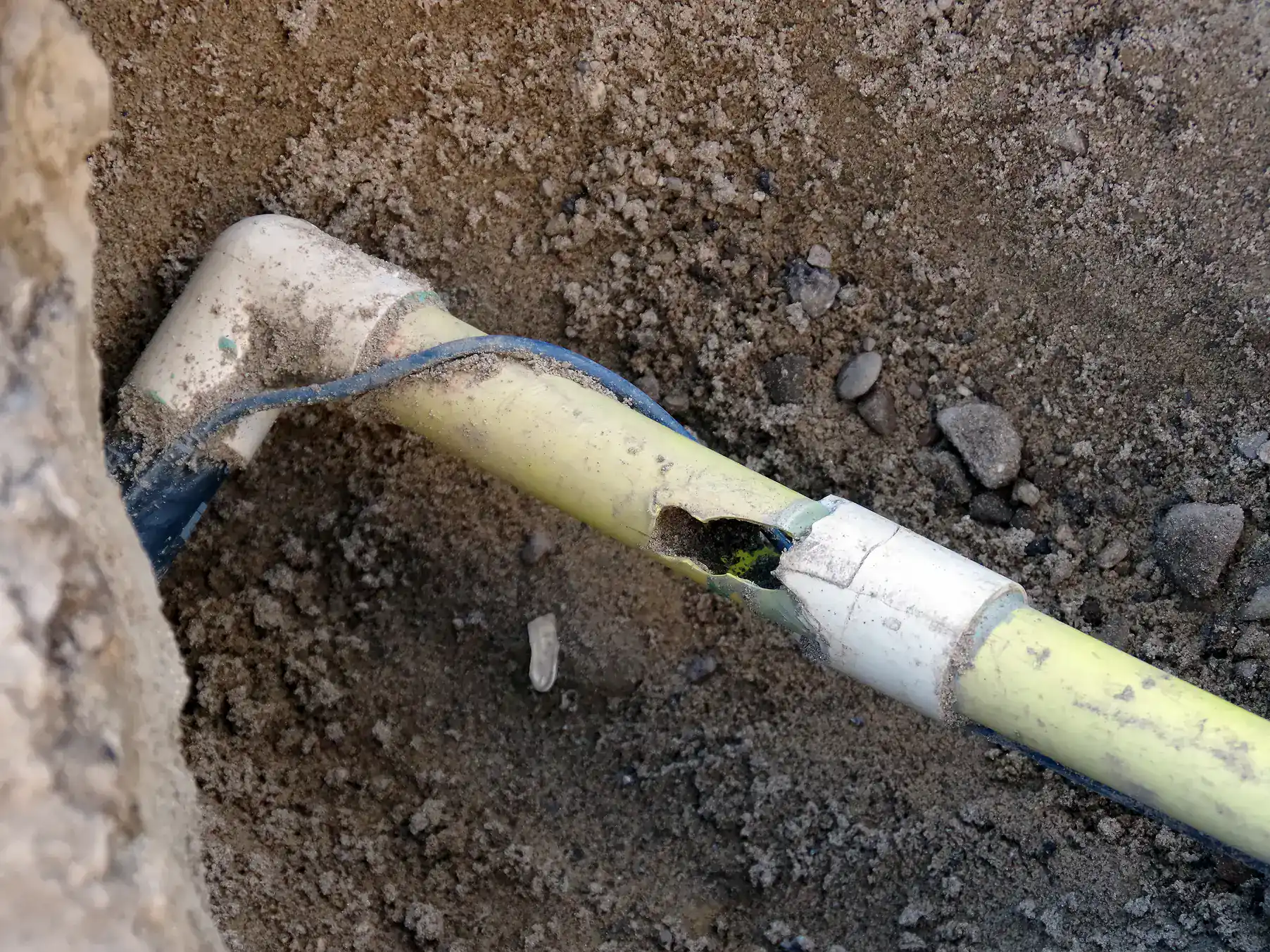
For Elverta homeowners specifically, that matters more than it might in a newer neighborhood. The ZIP code 95626 housing stock was built primarily in the 1970s, which means a lot of these homes are running on original steel gas lines that have been in the ground or inside walls for over 50 years. Steel corrodes from the inside out. By the time you smell something, the underlying damage may extend well beyond the visible point of failure. A real repair addresses the root cause not just the spot that’s leaking today.
There’s also the property side of the equation. Elverta isn’t a dense suburb. Many properties here have larger lots, detached outbuildings, and longer underground gas line runs than you’d find in Antelope or North Highlands. That means more exposure to soil movement, seasonal ground shifts, and root intrusion all of which add up over time. When we repair a gas line in Elverta, we account for the whole picture, not just the appliance connection you can see.
We’ve been serving Sacramento County for over 24 years. That’s not a number we throw out to sound impressive it means we’ve worked on the actual homes and properties in Elverta, including the 1970s-built single-family homes, the rural lots off Elverta Road, and the larger properties near Gibson Ranch County Park that have outbuildings and longer gas runs than most contractors expect to deal with.
We hold the C-36 CSLB license required by California law for all residential gas line work verifiable directly at cslb.ca.gov. Every gas line replacement job we do includes permit coordination through Sacramento County’s Building Permits and Inspection Division, because Elverta is unincorporated county territory and skipping that step creates real problems at resale and with your insurance.
Our Google rating is 4.7 out of 5 based on 93 reviews from real Sacramento-area homeowners. Reviewers consistently mention response time, punctuality, and the fact that the final bill sometimes came in lower than the original estimate. That’s not a fluke it’s how we operate.
When you call about a gas line issue in Elverta, the first thing we do is listen. You tell us what you’re noticing a smell, a pressure drop, an appliance that stopped working, or a concern that came up during a home inspection. Based on that, we’ll let you know whether this is an emergency response situation or a scheduled diagnostic visit, and we’ll give you a time window you can actually count on.
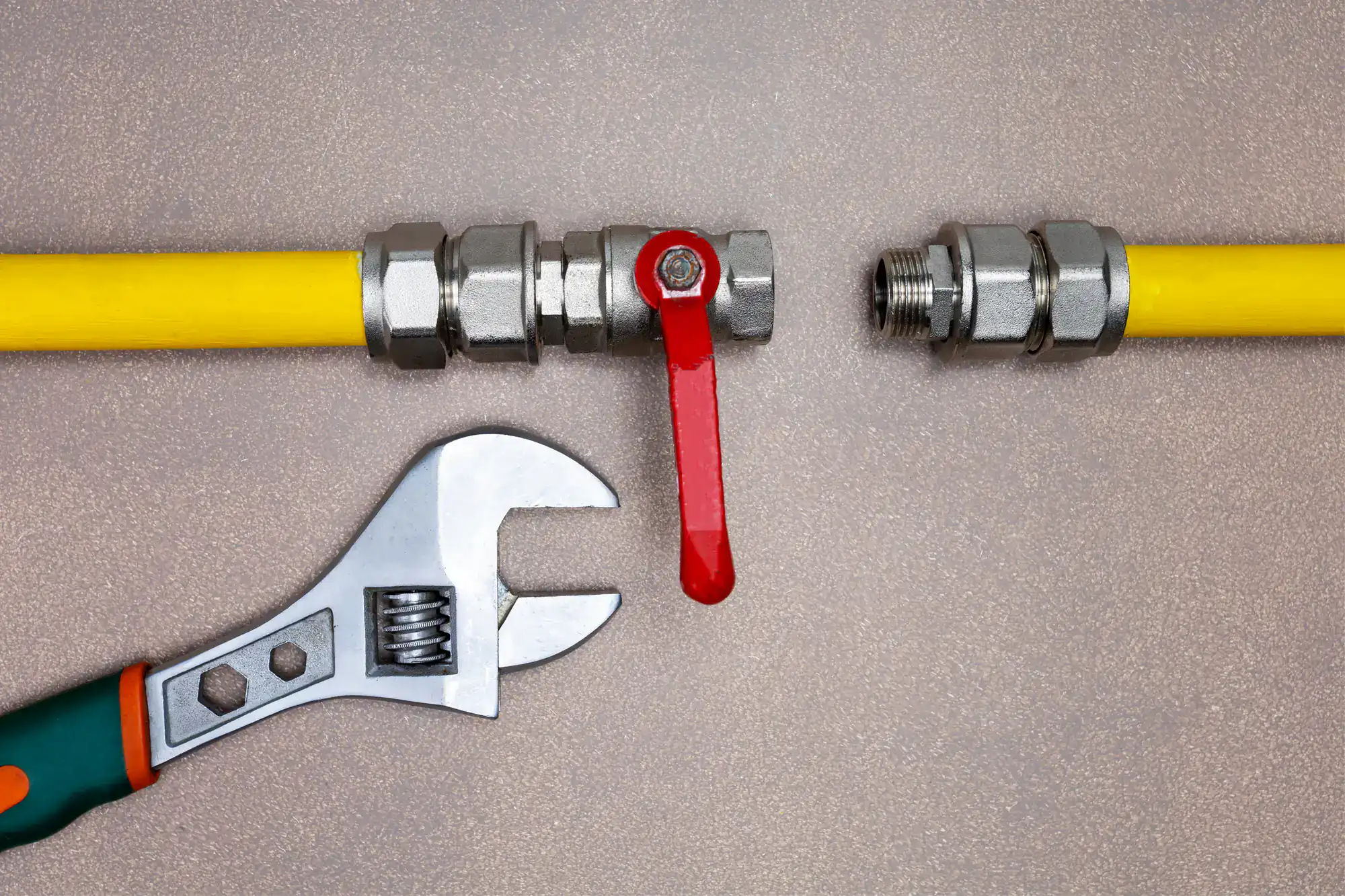
On-site, we start with a full assessment before touching anything. For Elverta properties, that often means checking more than just the appliance connection we look at the full line run, including any underground sections on larger lots and connections to detached structures if applicable. We use professional-grade leak detection equipment to find what isn’t visible to the naked eye. Once we know exactly what we’re dealing with, we give you a written estimate before any repair work begins. No surprises.
If the job requires a permit and most gas line replacements in Sacramento County do we handle that through the county’s Building Permits and Inspection Division. We schedule the inspection, coordinate the timing, and make sure the work is documented and code-compliant under the current California Building Standards Code. When we leave, you’re not just fixed you’re covered.
Ready to get started?
Gas line repair in Elverta, CA covers a wider range of work than most homeowners expect when they first call. On the repair side, that includes emergency leak repair, corroded or failing pipe sections, damaged fittings, and pressure issues that show up when a furnace or water heater fires up after sitting dormant through Sacramento Valley’s long warm season. On the replacement side, we handle full gas line replacement from the meter to the appliance including longer underground runs on Elverta’s larger rural lots.
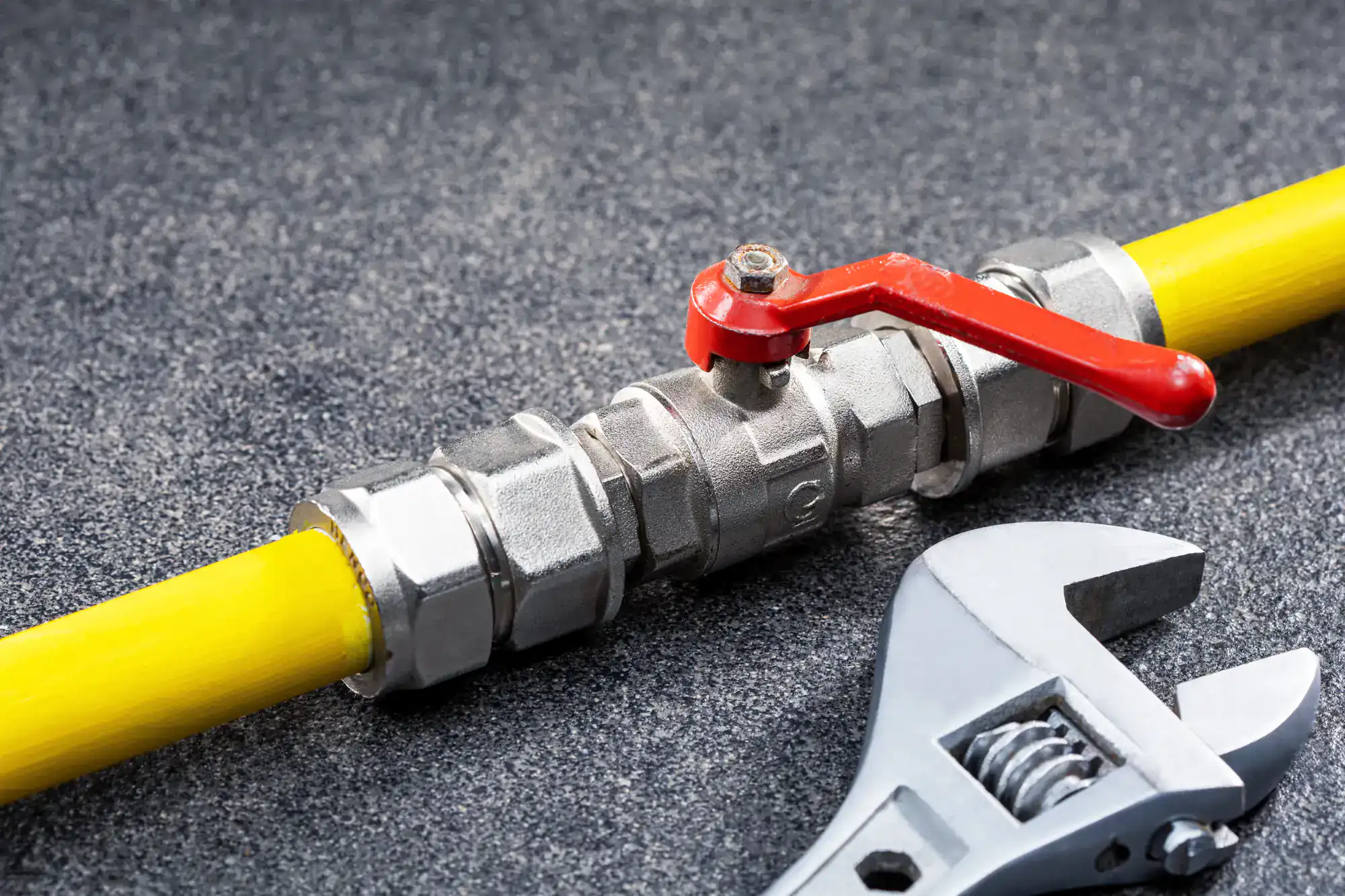
We also connect and disconnect gas appliances water heaters, furnaces, stoves, dryers, outdoor fire pits, pool heaters, and equipment in detached outbuildings or agricultural structures. If your property has multiple structures with gas service, one call covers all of it. Every connection gets pressure-tested before we consider the job complete.
It’s worth knowing that PG&E’s responsibility ends at your meter. Everything from the meter into your home and across your property is yours as a homeowner. When something goes wrong on your side of that line, PG&E will tell you to hire a licensed plumber and that’s exactly what we are. We carry the C-36 CSLB license required for this work in California, and we pull the Sacramento County permits that protect your property, your insurance coverage, and your ability to sell the home down the road without surprises.
Whether you need a permit depends on the scope of the work. In Elverta, because the community is unincorporated Sacramento County, all permitting goes through the Sacramento County Building Permits and Inspection Division not a city building department. Sacramento County’s own guidelines state that any owner or authorized agent who intends to install, alter, repair, or replace a gas system must first obtain the required permit from the building official.
For most gas line replacements and major repairs, a permit is required. Smaller repairs like replacing a flexible connector on an existing appliance may not trigger a permit requirement, but anything involving the main gas line, buried piping, or a full line run almost certainly will. We handle all permit coordination as part of the job, so you don’t have to navigate the county process on your own. It’s included, not an add-on.
For most residential gas line repairs in Elverta, you’re looking at a range of roughly $260 to $820 depending on what’s actually wrong and how much of the line is affected. A straightforward fitting replacement or appliance connection sits at the lower end. A longer underground line repair or a full replacement from meter to appliance moves toward the higher end, especially on Elverta’s larger properties where gas lines may run significant distances to detached structures or outbuildings.
What matters most is that you know the number before anyone starts working. We provide written, upfront estimates before any repair begins and some customers have reported that their final invoice came in below the original quote when the job required less time or material than anticipated. You’ll never be handed a bill that blindsides you.
The most obvious sign is the smell of rotten eggs or sulfur that’s the mercaptan odorant added to natural gas so leaks are detectable. But in older homes, especially those built in the 1970s that make up much of Elverta’s housing stock, gas line problems don’t always announce themselves that clearly. You might notice a hissing sound near a pipe or appliance, a higher-than-usual gas bill with no change in usage, dead or discolored vegetation over an underground line, or an appliance that suddenly stops working or has a weak flame.
The tricky part with 50-year-old steel gas pipe is that the corrosion happens from the inside out. By the time you detect an odor or notice a visible problem, the degradation may extend beyond the obvious failure point. That’s why a professional diagnostic using leak detection equipment, not just a visual inspection is worth doing if you have any suspicion at all, especially in a home that hasn’t had its gas infrastructure professionally assessed in years.
PG&E is responsible for the gas main running under the street and the service line that connects to your meter. Once the gas passes through your meter, everything on your side of that connection is your responsibility as a homeowner the interior gas lines, the lines running to each appliance, and any underground lines crossing your property to outbuildings or outdoor equipment.
This boundary is commonly misunderstood, and it matters because when you call PG&E about a leak or pressure issue on your side of the meter, they will shut off your gas for safety and then direct you to hire a licensed plumber. They won’t repair it. Elverta is served by PG&E for natural gas, so this applies to essentially every home in the community. Knowing where that responsibility line sits helps you move faster when something goes wrong instead of waiting on PG&E to tell you what they won’t fix, you call a C-36 licensed contractor directly.
For most repairs a leaking fitting, a corroded connector, a single appliance line gas is typically off for a few hours. We shut off the supply, make the repair, pressure-test the line, and restore service once everything checks out. Most straightforward repairs are completed in a single visit, same day.
Full gas line replacements take longer typically one full day, sometimes extending into a second if the job involves long underground runs or multiple connection points across a larger Elverta property. If a permit and inspection are required through Sacramento County, the inspection has to happen before gas service is fully restored, which can add time depending on the county’s scheduling. We coordinate that process and keep you informed at every step so you’re not left guessing how long you’ll be without heat or hot water. If you have a furnace, water heater, or stove that you depend on daily, that timeline matters and we treat it that way.
No. California law requires a C-36 CSLB Plumbing Contractor license for any gas line work where the combined cost of labor and materials exceeds $500. In rural and semi-rural communities like Elverta, unlicensed contractors sometimes offer to do gas work at a lower price and homeowners occasionally accept, not realizing the legal and financial exposure they’re taking on.
If something goes wrong after unlicensed gas work a leak, a fire, carbon monoxide your homeowner’s insurance has grounds to deny the claim because the work wasn’t performed by a licensed contractor. Sacramento County can also require you to tear out and redo unpermitted work at your own expense, which almost always costs more than doing it right the first time. Beyond the legal side, gas line work done without the proper diagnostic equipment and pressure testing is genuinely dangerous. Verifying a contractor’s C-36 license at cslb.ca.gov takes about 30 seconds and removes all of that uncertainty before anyone sets foot on your property.