
Hear from Our Customers

When a gas line fails on a Delta property in Hood, the consequences move fast. You lose heat, hot water, or the ability to cook and if you’re on a rural stretch of Route 160 with limited options nearby, waiting around for a contractor who may or may not show up isn’t a position you want to be in. What you want is someone who confirms the appointment, arrives on time, and tells you the price before touching anything.
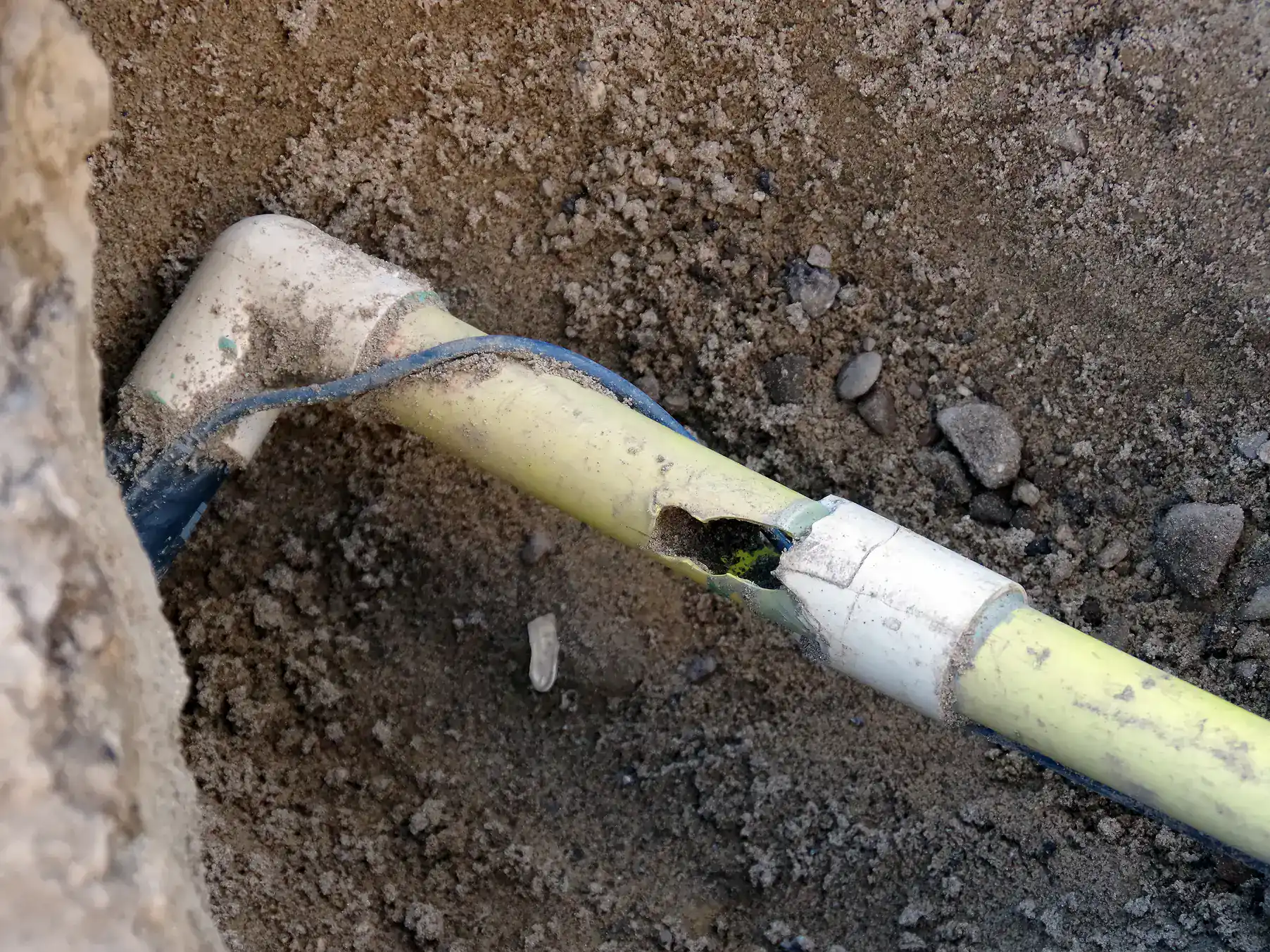
The Sacramento Delta’s peat and organic soils have been subsiding for well over a century. That ongoing ground movement puts quiet stress on underground gas lines, joints, and fittings the kind of stress that doesn’t announce itself until a fitting separates or a line develops a slow leak. Homes in Hood that were built in the mid-20th century often still have their original steel gas piping, which corrodes from the inside out. By the time something’s detectable, the underlying problem may have been developing for years.
Getting it repaired properly with a licensed contractor, a Sacramento County permit, and a pressure test before gas is restored means you’re not patching the same problem six months from now. It means your home is safe, your appliances work, and you’re not carrying liability from unpermitted work if you ever sell the property.
We’ve been serving Sacramento County for over 24 years, and that includes the unincorporated communities and rural properties around Hood. That’s not a corporate average it’s one local contractor with a track record built on real jobs, real homeowners, and a 4.7-star Google rating backed by 93 reviews. Customers consistently report the same things: on time, professional, and the final cost came in at or under the original estimate.
Hood is an unincorporated Sacramento County community, and the properties along Route 160 and the surrounding Delta area are not typical suburban jobs. Older homes on large parcels, agricultural outbuildings, original steel gas piping, and ground conditions that shift over time we’ve worked in these environments and know what to expect before arriving at your door.
Every gas line job we perform includes upfront pricing, Sacramento County permit handling, and a final pressure test before gas is restored. No weekend surcharges. No rural area fees. Just the work done right, documented, and inspected.
It starts with a call. You describe what you’re experiencing a smell, a hissing sound, a flagged line from a home inspection, or an appliance that won’t stay lit. From there, we schedule your appointment, confirm the time, and show up. If it’s an emergency, that appointment can be the same day, including weekends, with no after-hours premium added to your bill.
On-site, our technician locates the source of the issue not just the visible symptom, but the root cause. For Hood properties, that often means checking underground segments and older steel fittings that have been under ground-movement stress for years. Once the scope is clear, you get a written price before any work begins. You decide whether to move forward. There’s no pressure, and the quote doesn’t change when the invoice arrives.
After the repair, we pull the required Sacramento County permit for gas line work and schedule the county inspection. Gas is not restored until the work passes inspection that’s not optional, and any contractor who skips that step is leaving you legally exposed. Once it clears, your system is back online and the work is on record with the county, which matters for your insurance and for any future sale of the property.

Ready to get started?
Gas line repair in Hood covers more ground than a typical suburban service call. We handle the full range: leak detection and repair, gas pipe replacement, pressure testing, line extensions for new appliances, and shutoff valve replacement. If your property includes outbuildings, a pump house, or agricultural structures with gas appliances common on Delta parcels along the Route 160 corridor that’s all within scope. One call, one contractor, one invoice.
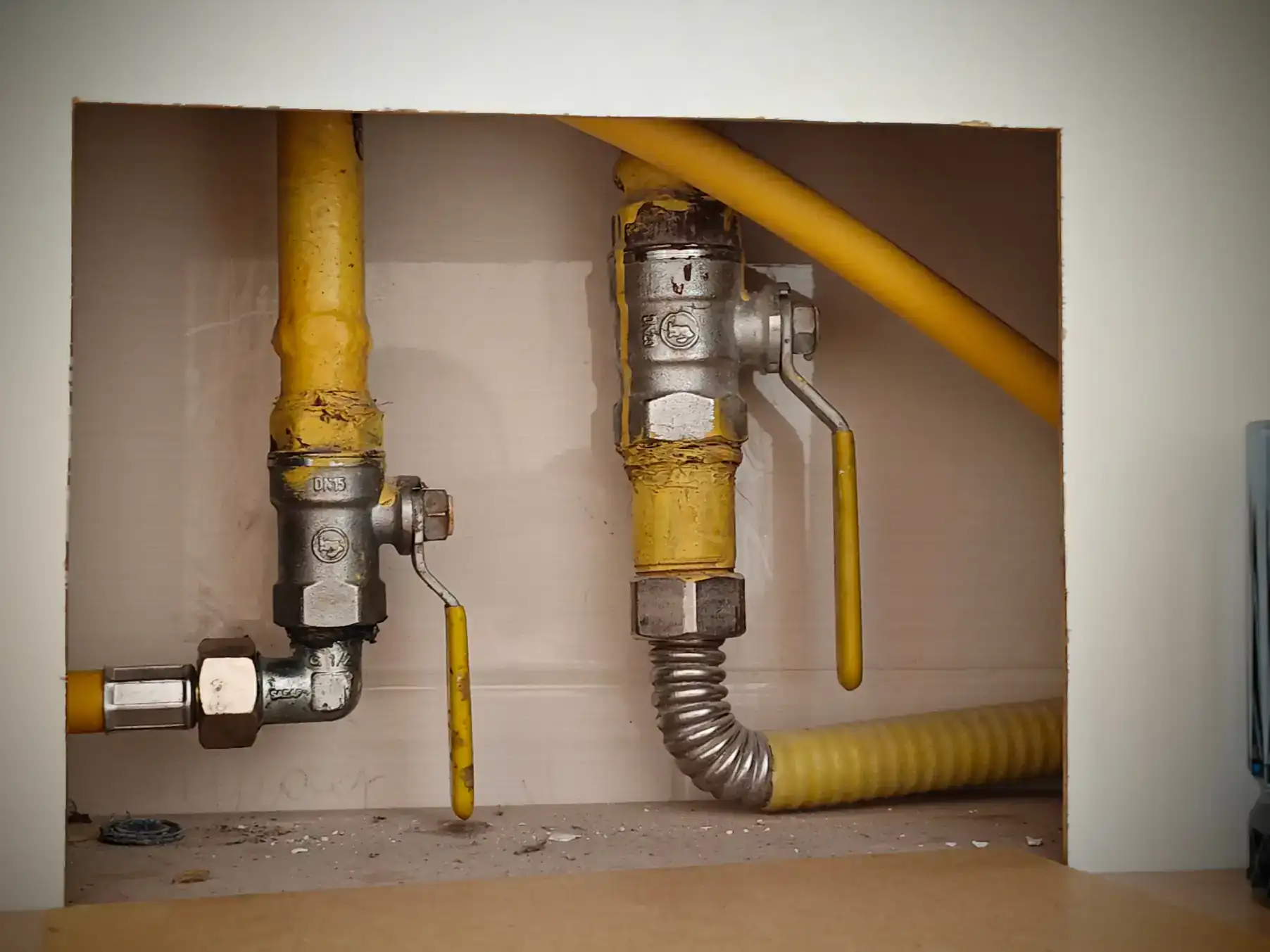
For homes built before 1980, the concern is usually original steel piping that has never been replaced. Steel corrodes from the inside, and Delta soil conditions high moisture, ongoing subsidence, and the damp tule fog that settles in from late fall through spring accelerate that process on any exposed fittings or connections. If your home hasn’t had a gas system inspection in the past several years, a diagnostic assessment is worth doing before a problem surfaces on its own.
Most residential gas line repairs in this area run between $260 and $820, depending on the scope and pipe access. We provide a written estimate before starting, and the final cost does not exceed it. All work is performed under California’s C-36 CSLB license requirement for gas line contractors verifiable at cslb.ca.gov and permitted through Sacramento County, as required for all unincorporated properties in Hood.

Yes Hood is within our Sacramento County service territory, and that includes the rural Delta communities along Route 160. The concern about contractors declining or deprioritizing rural service calls is legitimate, and it’s one of the most common questions from homeowners in this area. We schedule Hood appointments the same way we handle any Sacramento County job: confirmed time, on-site arrival, no added fees for the address.
If it’s an emergency a gas smell, a suspected leak, a utility shutoff 24/7 service is available with no weekend or after-hours surcharge. You’re not penalized for needing help on a Saturday evening just because you live outside city limits. Our technician comes to you, assesses the situation, and gives you a price before any work starts.
Yes. Hood is an unincorporated community in Sacramento County, which means all gas line work is permitted through Sacramento County’s building services division not a city building department. Any gas line repair or replacement that involves opening a wall, accessing buried pipe, or modifying the gas system requires a permit and a county inspection before gas can be legally restored to the repaired line.
This matters more than most homeowners realize. Unpermitted gas work creates real exposure: it can void your homeowner’s insurance coverage for any gas-related incident, and it shows up as a liability during a property sale. A buyer’s inspector will flag uninspected gas work, and you’ll either have to remediate it at closing or discount the sale price. We handle the Sacramento County permit process on every gas line job, schedule the inspection, and ensure the work is documented before the job is considered complete.
The Sacramento-San Joaquin Delta is built on peat and organic soils that have been compressing and oxidizing since the land was first reclaimed in the 1800s. Researchers have documented that more than 2 billion cubic meters of Delta soil volume has disappeared since the 1850s, and properties in the area continue to experience gradual subsidence. For underground gas lines in Hood, that means ongoing stress joints shift, fittings separate slightly, and connections that were properly installed decades ago may now be under tension that wasn’t there originally.
This process is invisible from the surface. You won’t see it happening, and you won’t smell it until a fitting has moved enough to create a gap. That’s why older Delta homes especially those built in the 1950s through 1970s with original steel piping are worth having professionally assessed even if nothing seems wrong. A pressure test can identify a slow pressure drop that points to a leak before it becomes a safety event. If you’ve never had your gas system inspected and your home is on Delta soil, that’s a reasonable precaution.
For most residential gas line repairs, the range runs from about $260 to $820. Where your job lands in that range depends on a few things: whether the leak is on an accessible above-ground fitting or a buried line that requires excavation, the length of pipe that needs to be replaced, and whether the repair involves a single connection or a longer run. On older Delta properties with original steel piping, it’s not uncommon for a diagnostic inspection to reveal that a section of pipe needs full replacement rather than a spot repair which moves the cost toward the higher end of that range.
We provide a written estimate before starting any work, and the final invoice does not exceed it. Some customers have reported their final bill came in below the original estimate. The permit fee for Sacramento County gas line work is a separate line item but is disclosed upfront as part of the total cost there are no surprises added after the job is done.
Not all gas leaks produce a strong odor. Small, slow leaks especially in buried lines or inside wall cavities can release gas at a rate too low to trigger a noticeable smell indoors, particularly in older homes with more air infiltration. There are a few signs worth paying attention to: a hissing or faint whistling sound near a gas appliance or meter, dead or discolored vegetation in a strip across your yard that doesn’t match the surrounding area, a gas bill that’s higher than expected without a change in usage, or a pilot light that keeps going out on an appliance that was previously reliable.
If you notice any of these, the right move is to call a licensed contractor for a pressure test and leak inspection not to wait and see if the smell develops. For Hood properties with aging infrastructure and Delta soil conditions, a slow leak that’s been developing for months is a real possibility. We can run a full diagnostic, identify the source, and give you a clear picture of what needs to be repaired and what it will cost before any work begins.
It’s a fair question, and a lot of Hood homeowners are thinking about it. The proposed Delta Conveyance Project a tunnel project that would run directly through this area has been the subject of significant public debate, and as of 2025, the fast-track legislation has stalled. But the project remains active, and if construction moves forward, it would bring heavy equipment, ground vibration, and soil disturbance to properties in and around Hood for an extended period.
Heavy construction near buried gas infrastructure is a known risk factor. Ground vibration from large equipment can stress joints and fittings that are already under load from years of natural subsidence. If your gas system hasn’t been inspected recently and construction activity does eventually come to this area, you want to know the current condition of your lines before that happens not after. An inspection now gives you a baseline, identifies any existing vulnerabilities, and puts you in a position to make a decision on your own timeline rather than in response to a problem. We can assess your system, document its condition, and advise on whether any repairs or replacements make sense before the ground around your property gets any more complicated.