

Hear from Our Customers
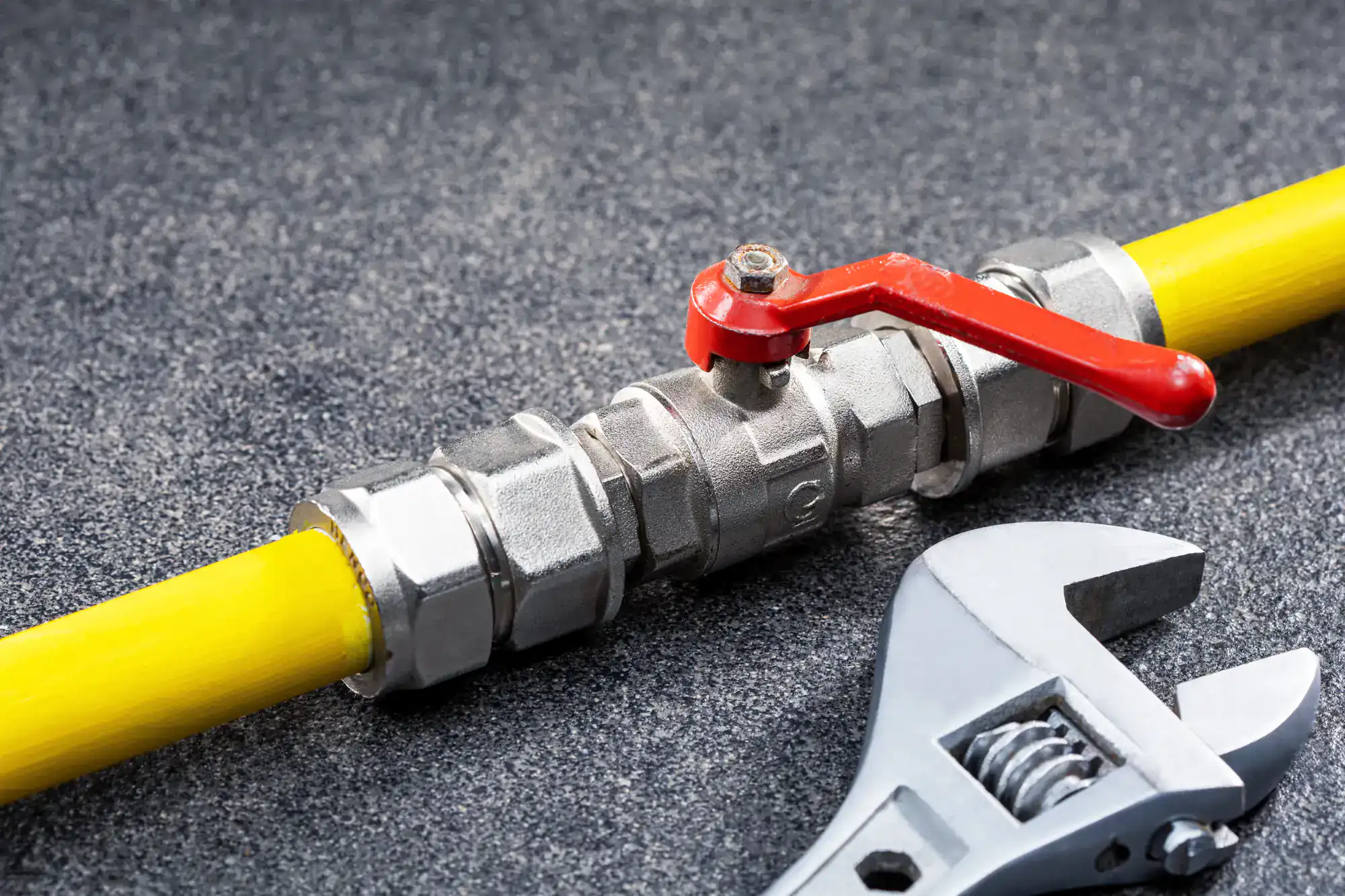
A working gas line isn’t something you should have to think about. When it’s done right, your stove fires up, your water heater runs, and your furnace kicks on in October without drama. That’s the baseline and it’s exactly what a proper gas pipe repair in Richmond Grove should get you back to.
Here’s the thing about this neighborhood specifically: the homes between 10th and 19th Street were built between 1880 and 1940. That means the gas infrastructure in a lot of these properties is anywhere from 85 to over 100 years old. Original steel and iron pipes corrode from the inside out. You won’t always smell it before it becomes a problem. A repair that actually addresses the root cause not just the visible leak means you’re not dealing with the same issue again in six months.
For landlords managing duplexes and triplexes in Richmond Grove, the stakes are higher. A gas issue in a multi-unit building doesn’t just affect one household. Getting it resolved quickly and correctly, with permits pulled and inspections passed, protects your tenants, your property, and your liability exposure all at once.
We’ve been working in Sacramento County for over 24 years. That’s not a tagline it means we’ve been inside the Craftsman bungalows near McClatchy Park, the pre-war triplexes off Alhambra Boulevard, and the older duplexes that make up a big chunk of Richmond Grove’s rental stock. We know what aging gas infrastructure looks like in this neighborhood because we’ve repaired it.
Every gas line job we do includes pulling the required permits and scheduling inspections with the City of Sacramento. That’s not optional here especially with Richmond Grove under active historic district evaluation. Unpermitted gas work in this area creates real problems down the road, whether you’re a homeowner, a landlord, or an investor planning to sell.
Our Google rating is 4.7 out of 5 based on 93 reviews from real Sacramento-area customers. The thing people mention most: we showed up fast, we were straight about the cost upfront, and we got it done. That’s the job.
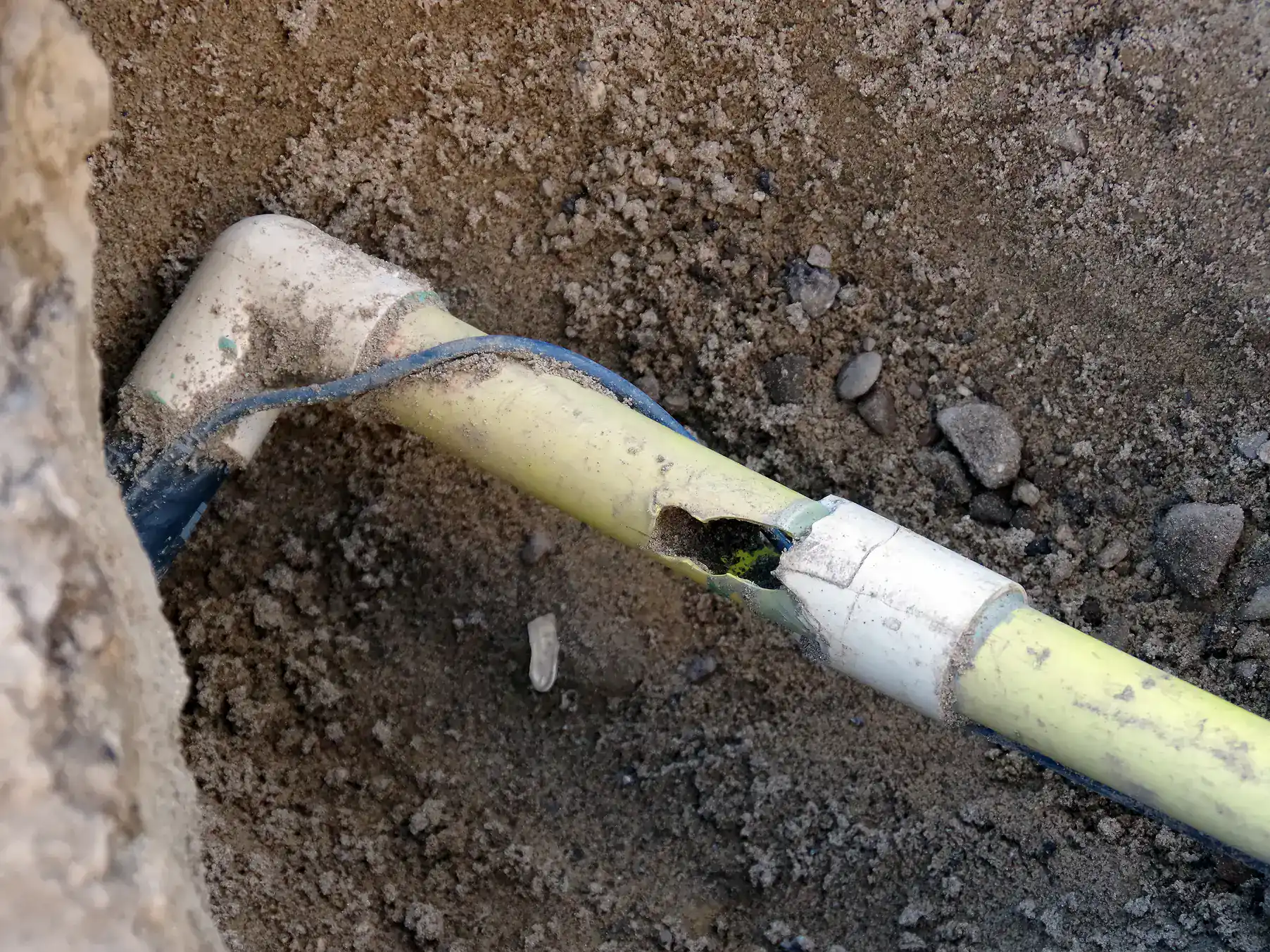
When you call about a gas line issue in Richmond Grove, the first thing we do is get someone out to assess the situation. If it’s an emergency a gas smell, a suspected leak that happens the same day, any day of the week, with no weekend surcharge. We don’t charge you more because it’s Saturday.
Once we’re on-site, we diagnose the actual problem. In a neighborhood with homes this old, that means we’re not just looking at the spot where the smell is strongest. We’re checking the condition of the surrounding pipe, testing pressure, and identifying whether this is an isolated failure or a sign of broader deterioration. In a 1920s home, one corroded section often means adjacent sections aren’t far behind. You deserve to know that before we start.
From there, you get a clear, written estimate before any work begins. If the job requires a permit and most gas piping repair work in the City of Sacramento does we pull it. We schedule the inspection. We coordinate with PG&E when their involvement is needed. When the work is done, it passes inspection and the gas goes back on. That’s the full process, and nothing about it should feel like a mystery.

Ready to get started?
Gas line repair in Richmond Grove covers a wider range of situations than most people expect when they first call. The obvious one is a leak something you smell, something a tenant reports, or something that shows up on a home inspection before a sale or refinance. But a lot of the calls we get are connected to renovation work: a kitchen remodel that requires rerouting a line, a new tankless water heater that needs a larger supply pipe than what the 1930s original can handle, or a backyard gas connection for an outdoor kitchen or fire pit.
We handle gas line work for every appliance in the home water heaters, furnaces, stoves, dryers, outdoor grills, generators, pool heaters. For multi-unit properties in Richmond Grove, that means we can address the full building in a single visit rather than requiring separate calls for each unit or appliance type.
All of our gas piping repair work is performed under California’s C-36 Plumbing Contractor License, which is the specific credential required by state law for this type of work. Every job includes a pressure test after repairs are complete. For properties in or near the Richmond Grove Historic District, we work within the City of Sacramento’s permit and inspection framework from the start so there are no surprises when it comes time to close out the job or list the property.
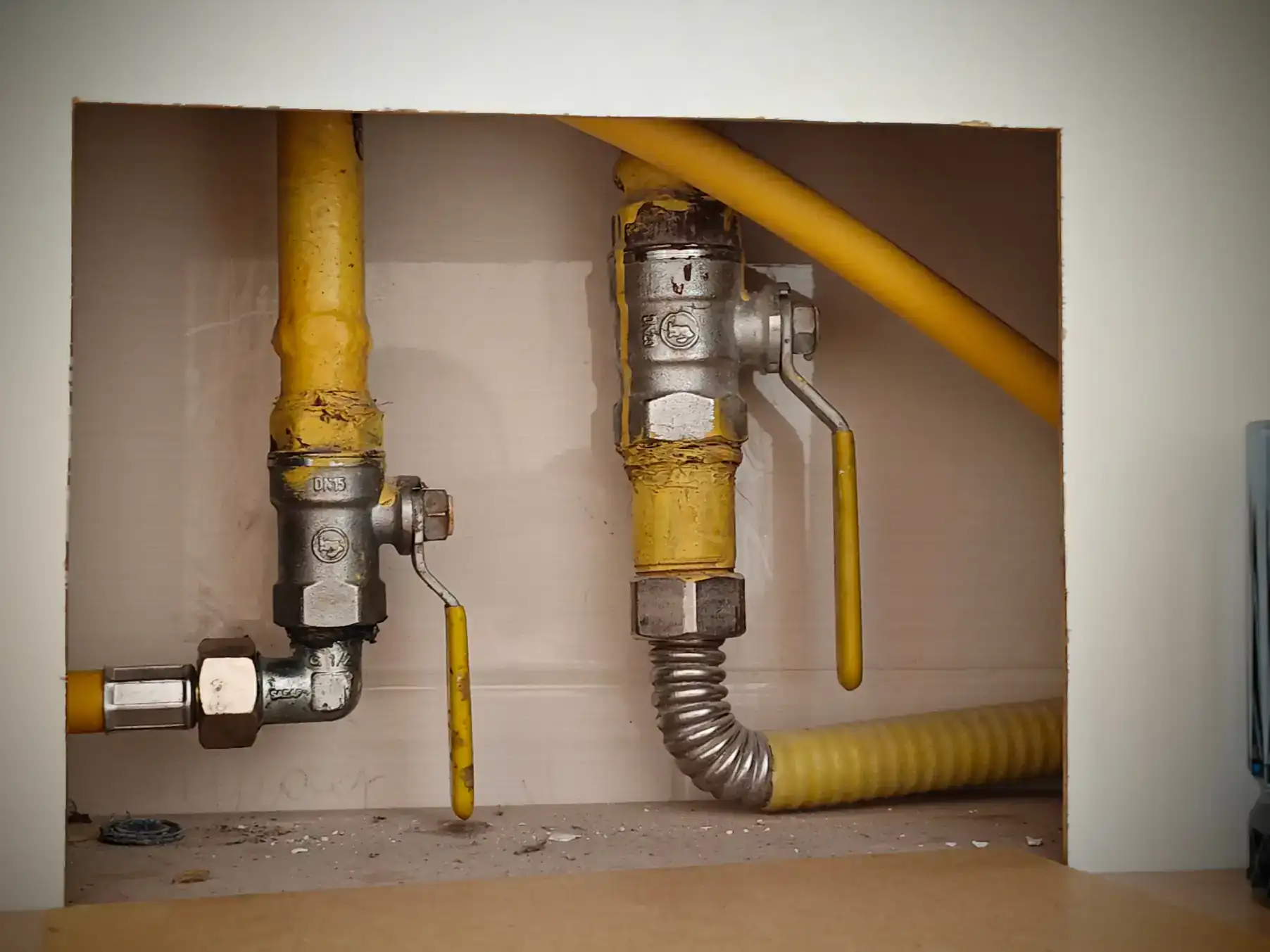
The honest answer is that you often can’t tell just by looking. Gas lines in Richmond Grove homes built before 1940 were typically installed using wrought iron or black steel pipe materials that corrode progressively from the inside out. By the time you notice a smell or a visible problem, the deterioration has usually been building for years.
The most reliable way to know is a pressure test combined with a visual inspection of accessible lines. We can pressurize the system and monitor for pressure drop, which indicates a leak somewhere in the line even if you can’t pinpoint it by smell alone. If your Richmond Grove home is over 80 years old and the gas lines have never been fully replaced, a diagnostic inspection is worth doing before a problem forces the issue. It’s a much easier conversation to have on your schedule than during an emergency.
PG&E owns and maintains the gas main running under the street and the service line up to your meter. Everything from the meter into your home all the interior piping, appliance connections, and any underground lines on your side of the meter is your responsibility as the property owner.
This is one of the most common points of confusion we run into. A homeowner smells gas, calls PG&E, and PG&E confirms there’s no issue on their end. That doesn’t mean there’s no problem it means the problem is on the customer’s side of the meter, which requires a licensed plumbing contractor to diagnose and repair. In Richmond Grove, where the piping between the meter and the appliances may be original to a home built in 1915 or 1925, this is a real and common scenario. We coordinate with PG&E when their involvement is needed for service restoration, so you’re not managing that back-and-forth on your own.
Yes the City of Sacramento requires permits for gas line repair and replacement work, and no gas utility connection can be restored until the work has been inspected and approved by the city’s building department. Skipping the permit process isn’t just a code violation; it creates problems when you sell the property, file an insurance claim, or deal with the city’s preservation office if your property is in or near the Richmond Grove Historic District.
We pull the required permits and schedule inspections on every gas line job as a standard part of the process not as an add-on. You don’t need to call the city separately or manage the inspection timeline yourself. This matters especially in Richmond Grove, where the neighborhood is under active review for formal historic district designation and where the city’s building department is already closely involved in renovation and repair activity. Getting the permit done right from the start protects you on every front.
For most residential gas line repairs, you’re looking at a range of roughly $260 to $820 depending on what’s involved the location of the problem, the extent of the damage, and whether the repair requires rerouting pipe or simply fixing an isolated section. A full gas line replacement, which is more common in Richmond Grove’s older housing stock than in newer Sacramento neighborhoods, averages around $600 but can run higher depending on the size of the property and the complexity of the system.
What we do before any work starts is give you a clear, written estimate so you know exactly what you’re paying. No open-ended scope, no charges that appear after the fact. Some customers end up paying less than the original estimate when the job turns out to be more straightforward than it looked on first inspection. The point is that you make an informed decision before anything gets started not after.
It can, and in Richmond Grove’s multi-unit housing stock, this is a real consideration. Many of the duplexes and triplexes in the neighborhood were built in the 1910s and 1920s with a single main gas supply line feeding multiple units. If that main line has a pressure problem, a corrosion issue, or a failing joint, every unit drawing from it is potentially affected even if only one tenant is reporting a smell.
When we work on gas piping in a multi-unit property, we assess the full system, not just the unit where the complaint originated. That means checking the main supply line, the branch lines to each unit, and the connections at each appliance. For landlords managing Richmond Grove investment properties, this comprehensive approach is what actually resolves the problem rather than creating a situation where you’re back on-site dealing with the same issue in a different unit two months later.
It depends entirely on what you’re dealing with. If you’re smelling gas even faintly the answer is no. Leave the building, don’t use any switches or open flames, and call PG&E’s emergency line and a licensed plumber immediately. A confirmed or suspected active leak is not a situation where you wait for a scheduled appointment.
If the issue is something less acute a slow pressure drop, an older line that flagged on a home inspection, or a connection that’s showing early signs of wear continuing to use appliances while you arrange a repair is often fine, but you should get it looked at within days, not weeks. In Richmond Grove homes with original pre-war gas infrastructure, what looks like a minor issue can reflect broader deterioration in the line. The sooner a licensed contractor can assess the full system, the better position you’re in whether you’re a homeowner living there or a landlord responsible for a tenant’s safety.