
Hear from Our Customers
If your Del Paso Heights home was built or repiped between 1995 and 2007, there’s a real chance you have Kitec plumbing. And if you do, you’re living with a ticking clock.
Kitec pipes don’t age gracefully. The brass fittings corrode from the inside out, zinc breaks down, and water pressure drops until the system finally bursts. It’s not a maybe—it’s a when.
Most insurance companies know this. Some won’t cover homes with Kitec at all. Others limit coverage or raise your deductible. And the class action settlement? That deadline passed in January 2020. You’re on your own now.
Replacing Kitec plumbing in Del Paso Heights means you protect your home’s value, keep your insurance intact, and sleep better knowing you won’t wake up to a flooded hallway. That’s not dramatic—it’s just how this plays out when you wait too long.
We’ve been serving Del Paso Heights and the greater Sacramento area for over three decades. We’re a family-owned company that shows up when we say we will, charges what we quote, and doesn’t leave until the job’s done right.
Our Google rating sits at 4.7 out of 5 stars from 93 reviews, and a lot of those mention the same things: quick response, transparent pricing, and no surprises. We offer 24/7 emergency service because plumbing problems don’t wait for business hours.
Del Paso Heights has a lot of homes built in the ’70s and ’80s, with some repiping done during the Kitec era. We know the housing stock here. We know what’s behind the walls. And we know how to replace Kitec pipes without tearing your house apart more than necessary.
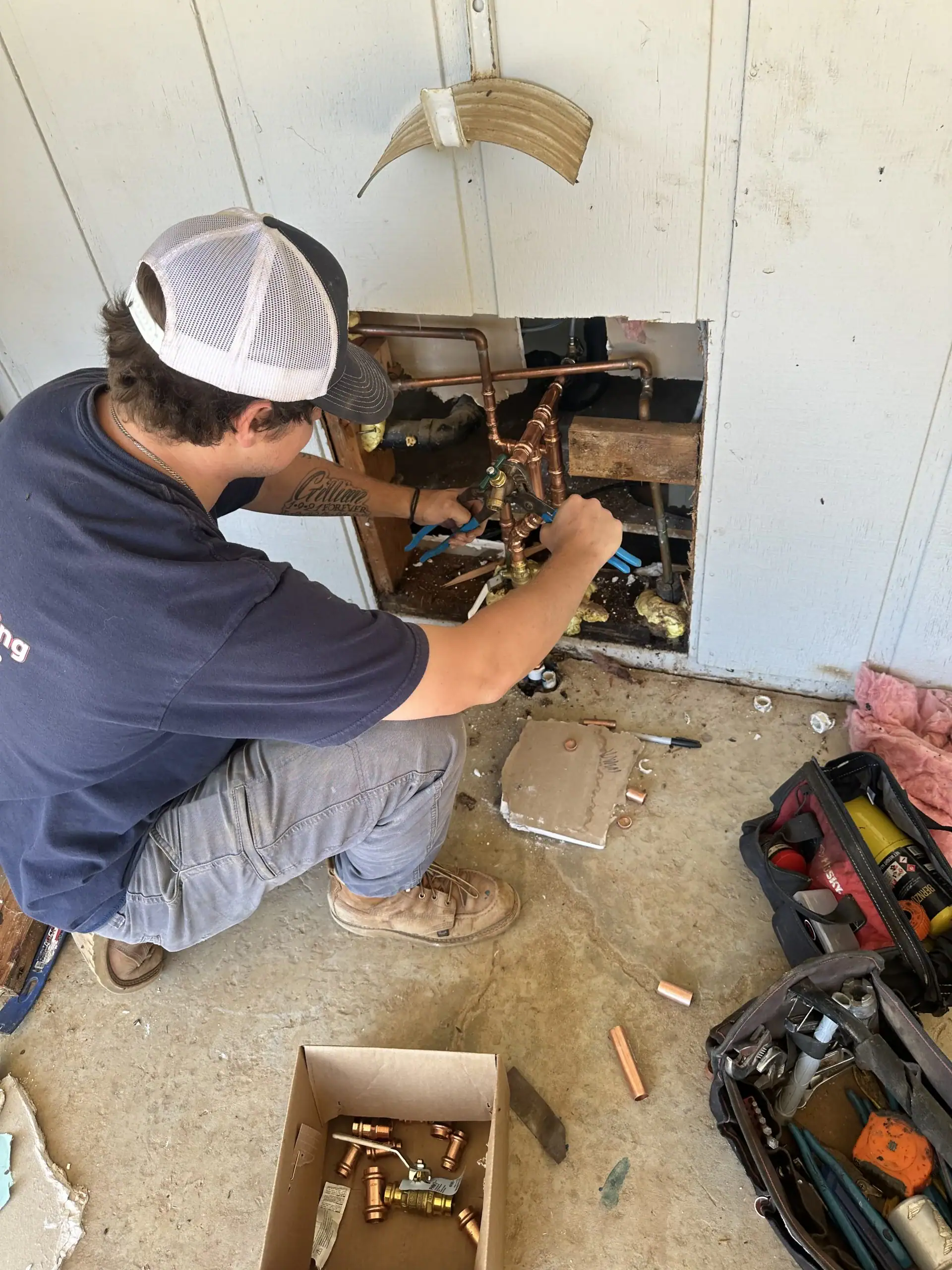
First, we schedule an inspection. One of our licensed plumbers comes out to confirm you have Kitec, assess how much of your system is affected, and map out the scope of the job. You’ll know what needs to be replaced and what doesn’t.
Next, we give you a clear, upfront estimate. No vague ranges or “we’ll see when we get in there.” You’ll know the cost before we start, and if anything changes, we talk to you first.
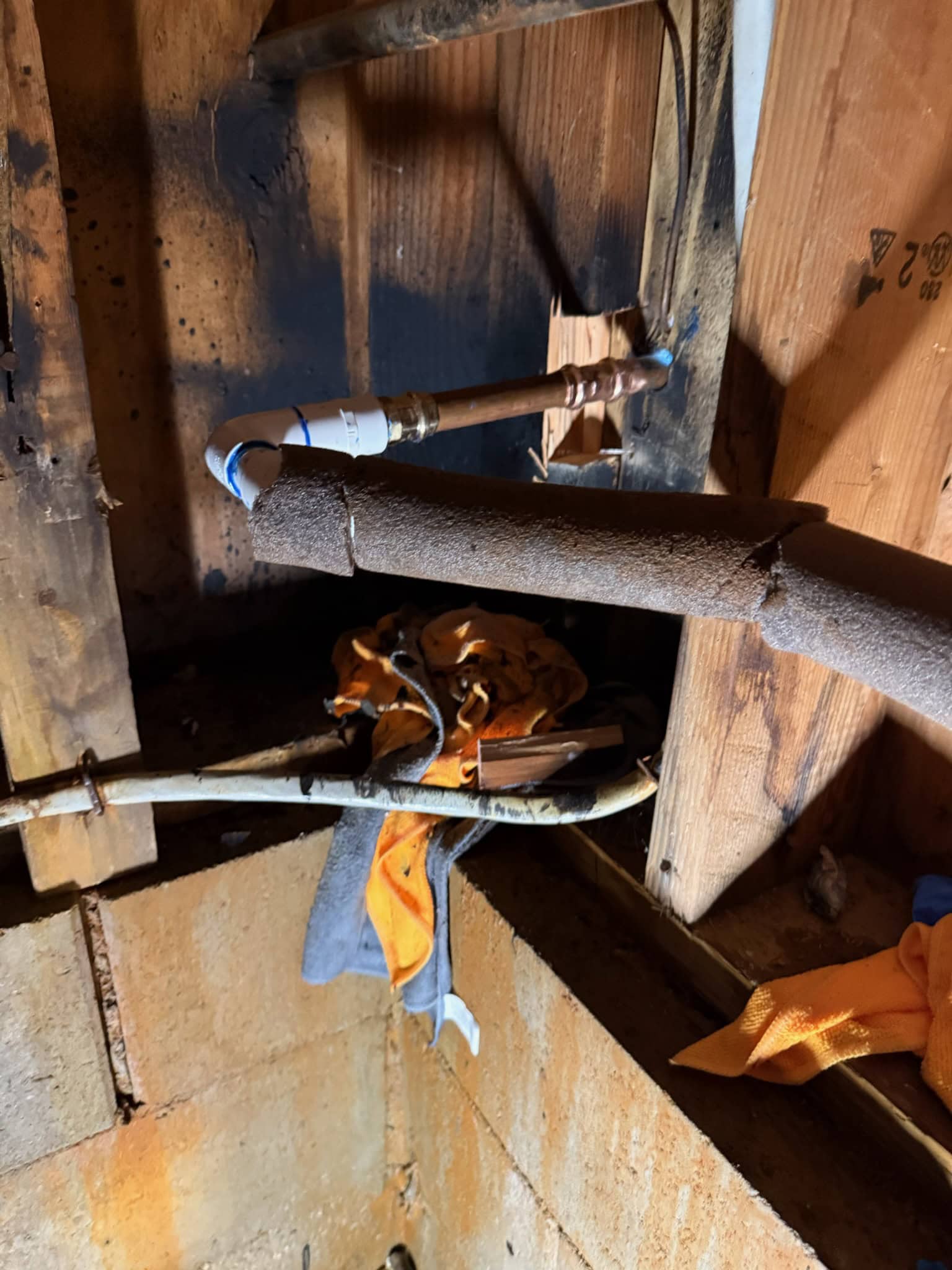
Then we do the work. Most Kitec pipe replacement jobs in Del Paso Heights take a few days, depending on the size of your home and how accessible your plumbing is. We replace the old Kitec with PEX or copper—modern materials that won’t corrode or fail the way Kitec does. PEX has a 75-year lifespan and handles freezing and pressure changes without cracking.
We test everything before we leave. Water pressure, flow, connections—it all gets checked. And we clean up the work area so you’re not left with a mess.
Ready to get started?
When we replace Kitec pipes in Del Paso Heights, you’re getting a complete system upgrade. That means removing every section of Kitec—hot and cold water lines—and installing new piping that meets current code and won’t degrade over time.
You also get peace of mind with your insurance. Once the Kitec is gone, you can notify your provider and potentially lower your premiums or restore full coverage. And if you’re planning to sell, you won’t have to disclose Kitec on your property report or watch buyers walk away during inspection.
Del Paso Heights has a median home construction year of 1981, but many homes were updated in the late ’90s and early 2000s—right when Kitec was being installed across Sacramento. If you’re in one of those homes, this isn’t optional maintenance. It’s protecting your biggest investment from a known defect.
The cost to replace Kitec plumbing in Del Paso Heights typically runs between $5,000 and $15,000, depending on your home’s size and layout. That’s less than what most people spend after a burst pipe floods their house—and a lot less stressful.
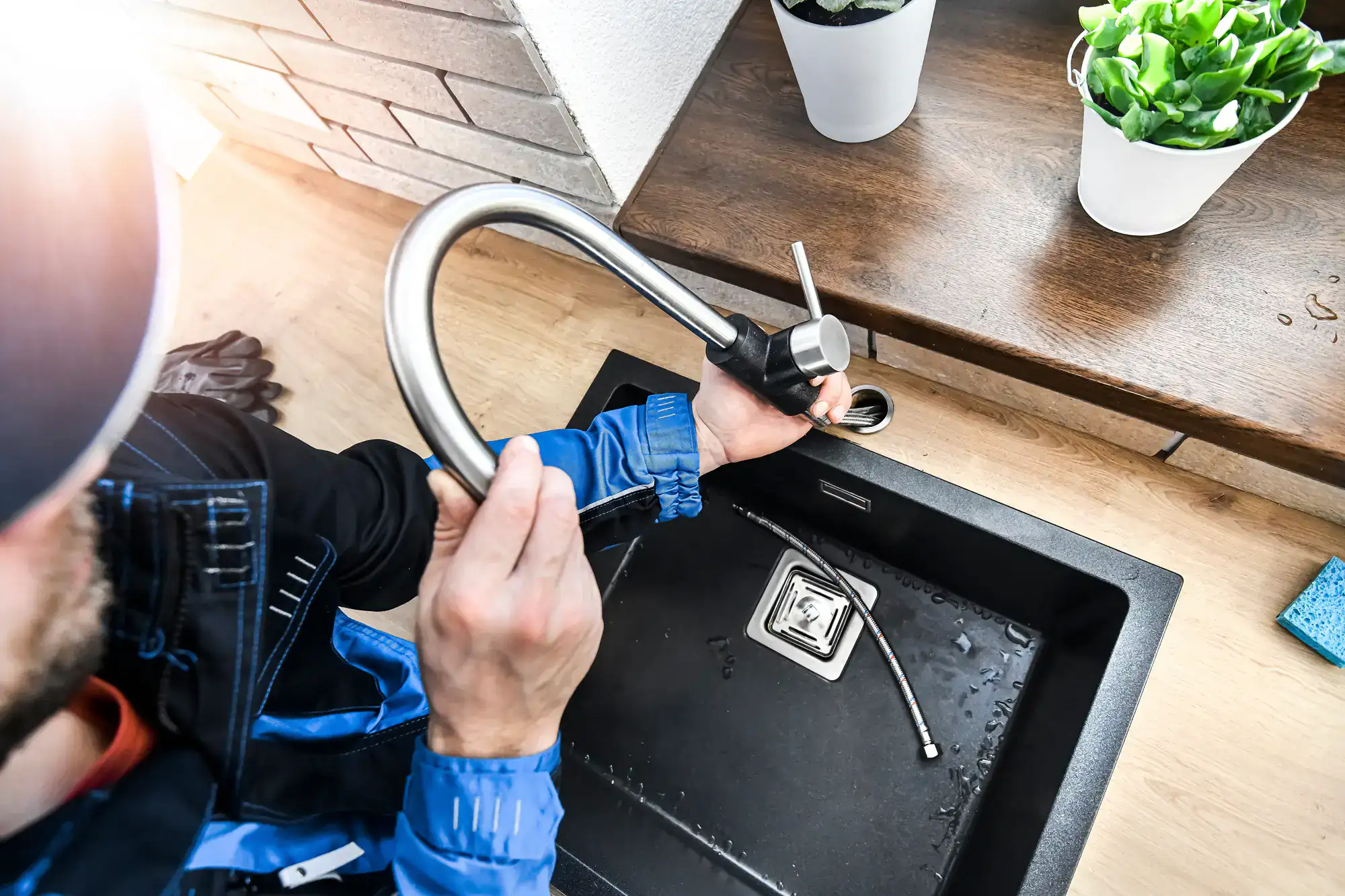
Kitec pipes are usually orange or blue, and the fittings are brass. You’ll most often see them near your water heater, under sinks, or in the basement or crawl space if you have one.
The pipes are typically marked with “Kitec” or “KTC” on the outside, but not always. If your home was built or repiped between 1995 and 2007, it’s worth having a plumber take a look.
We can inspect your system and tell you for sure. If you’ve got Kitec, we’ll show you where it is and what it’ll take to replace it. If you don’t, you’ll know that too—and you won’t be charged for us to tell you.
Eventually, they’ll fail. Kitec has a well-documented failure rate because the brass fittings corrode and the pipes degrade from the inside. Most systems start showing problems around the 10-year mark, and since Kitec hasn’t been sold since 2007, every system out there is past that point.
When Kitec fails, it’s usually a full rupture—not a slow leak. That means flooding, water damage to floors and walls, and potentially mold if it’s not caught fast enough.
Your insurance might not cover the damage, especially if they know you have Kitec and didn’t replace it. And even if they do cover it, you’re still dealing with the headache of repairs, displaced furniture, and lost time. Replacing it now is cheaper and a lot less disruptive than dealing with a failure later.
Most jobs take between two and five days, depending on the size of your home and how accessible your plumbing is. A smaller single-family home with easy access to the pipes will be faster. A larger home with plumbing buried in walls or concrete takes longer.
We work efficiently, but we don’t cut corners. You’ll have water shut off during parts of the job, but we coordinate with you so it’s not off for days at a time. We also try to minimize how much drywall or flooring we have to open up.
Once the new pipes are in, we test everything, patch any access points, and walk you through what we did. You’ll have a reliable plumbing system and documentation you can share with your insurance company or future buyers.
You can, but it’s not a long-term fix. The problem with Kitec isn’t just one bad fitting—it’s the entire system. The brass fittings corrode, but the pipes themselves also degrade. Replacing one section doesn’t stop the rest from failing.
A lot of homeowners try to patch things as they go, and they end up spending more on multiple repairs than they would have on a full replacement. Plus, your insurance company isn’t going to care that you fixed one leak. They care that Kitec is still in your house.
If you’re dealing with an active leak and need it stopped now, we can handle that. But we’ll also give you an honest assessment of what a full replacement would cost so you can make the call that makes sense for your situation.
It won’t hurt it—and leaving Kitec in will. Buyers and their inspectors know what Kitec is, and most won’t touch a house that still has it. Even if they’re interested, their lender or insurance company might kill the deal.
Replacing Kitec removes that obstacle. You’ll be able to show documentation that the system was upgraded, and buyers won’t have to factor in a $10,000+ replumb on top of their offer.
Del Paso Heights is seeing more investment and redevelopment, and homes here are competing for serious buyers. Having updated plumbing is one less thing standing between you and a clean sale. It’s not flashy, but it’s the kind of thing that keeps deals from falling apart.
Most full replacements run between $5,000 and $15,000. The range depends on your home’s size, how much Kitec is in the system, and how easy it is to access the pipes.
A 1,200-square-foot home with straightforward plumbing will be on the lower end. A larger home with multiple bathrooms, finished basements, or plumbing running through concrete will cost more.
We give you a clear estimate after the inspection, and we don’t pad the number. A lot of our customers tell us they paid less than we originally quoted because the job went smoother than expected. That’s how we operate—we’d rather underpromise and beat our own estimate than surprise you with extra charges at the end.
Other Services we provide in Del Paso Heights