
Hear from Our Customers
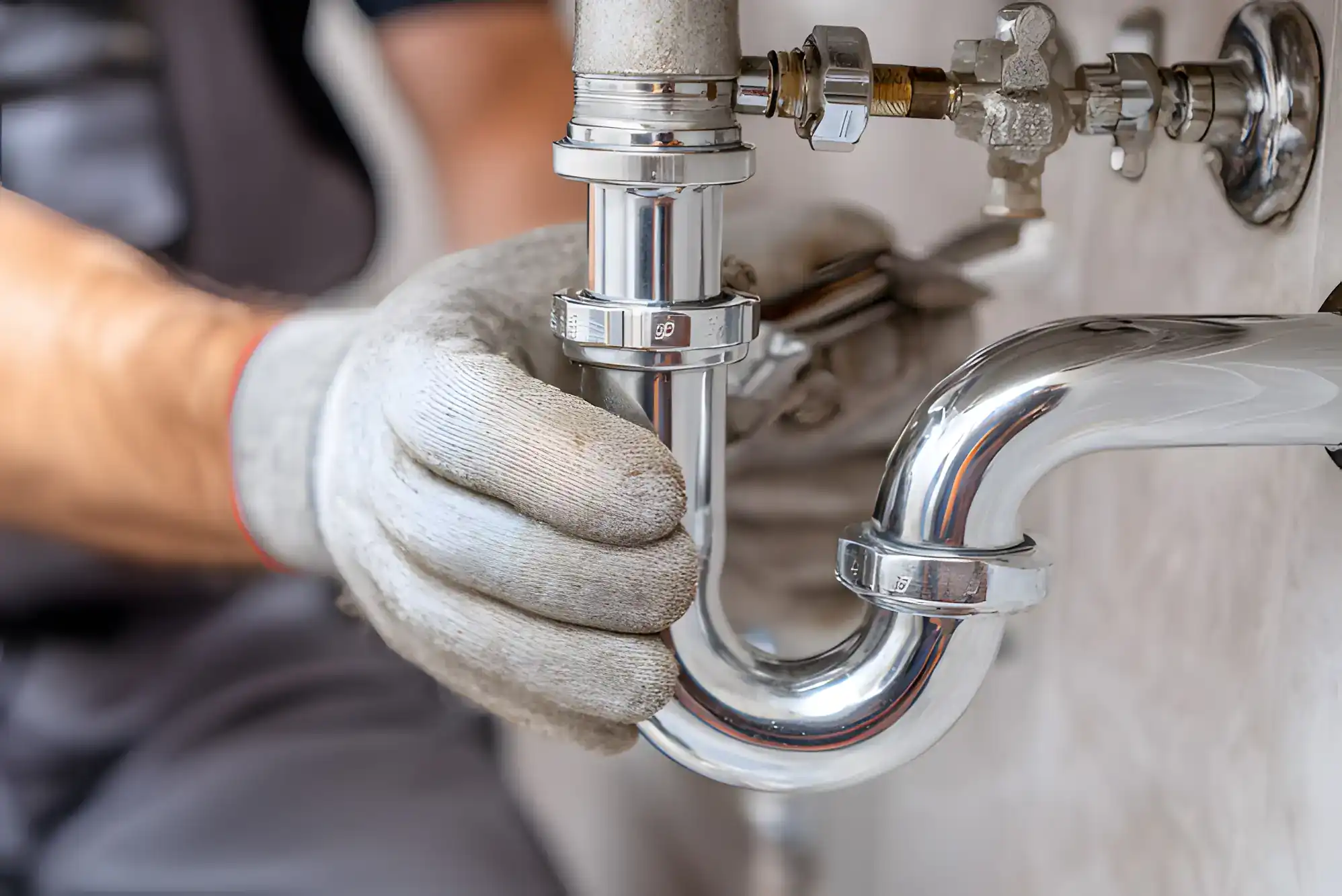
A slow drain that keeps coming back isn’t a minor inconvenience — it’s usually a sign that something deeper is going on. In College Glen, where most homes were built in the 1960s and the American River Parkway runs right along the northern edge of the neighborhood, that “something deeper” is often tree roots working their way into aging clay sewer laterals.
Once the actual problem gets addressed — not just snaked and temporarily cleared — your drains move freely, your yard isn’t at risk of a sewage backup, and you’re not calling a plumber again in six weeks for the same issue.
For homeowners on both sides of US-50, whether you’re in College Greens or over in Glenbrook, the relief of knowing your plumbing is actually fixed is real. You stop second-guessing every slow flush. You stop worrying about what’s happening behind the walls or underneath the slab. You get a straight answer about what’s wrong, a price before anyone touches anything, and a repair that holds.
That’s what good residential plumbing repair looks like. Not a band-aid. Not a vague hourly estimate that balloons once the work starts. A licensed plumbing repair contractor who tells you what’s going on, what it costs, and gets it done right the first time.
Murray Plumbing was started in 2009 by Ryan Murray — not inherited, not franchised, built one job at a time. Ryan got his contractor’s license after the housing market downturn and learned the service side of plumbing from the ground up. That origin matters because it shapes how we operate: no corporate dispatch layers, no pressure to upsell, no technician reading from a script.
We serve Sacramento County, including College Glen and the surrounding neighborhoods along Folsom Boulevard and Watt Avenue. Our team has worked on the mid-century housing stock that defines this part of eastern Sacramento — the cast iron stacks, the galvanized supply lines, the clay tile laterals that were standard construction in the 1960s and are now well past their designed service life.
With a 4.7 out of 5 Google rating across 93-plus reviews, our track record speaks for itself. Customers have specifically noted that final invoices came in under the original estimate — which is the opposite of how most plumbing stories end. That’s not an accident. It’s what happens when a company is honest about what a job actually requires.
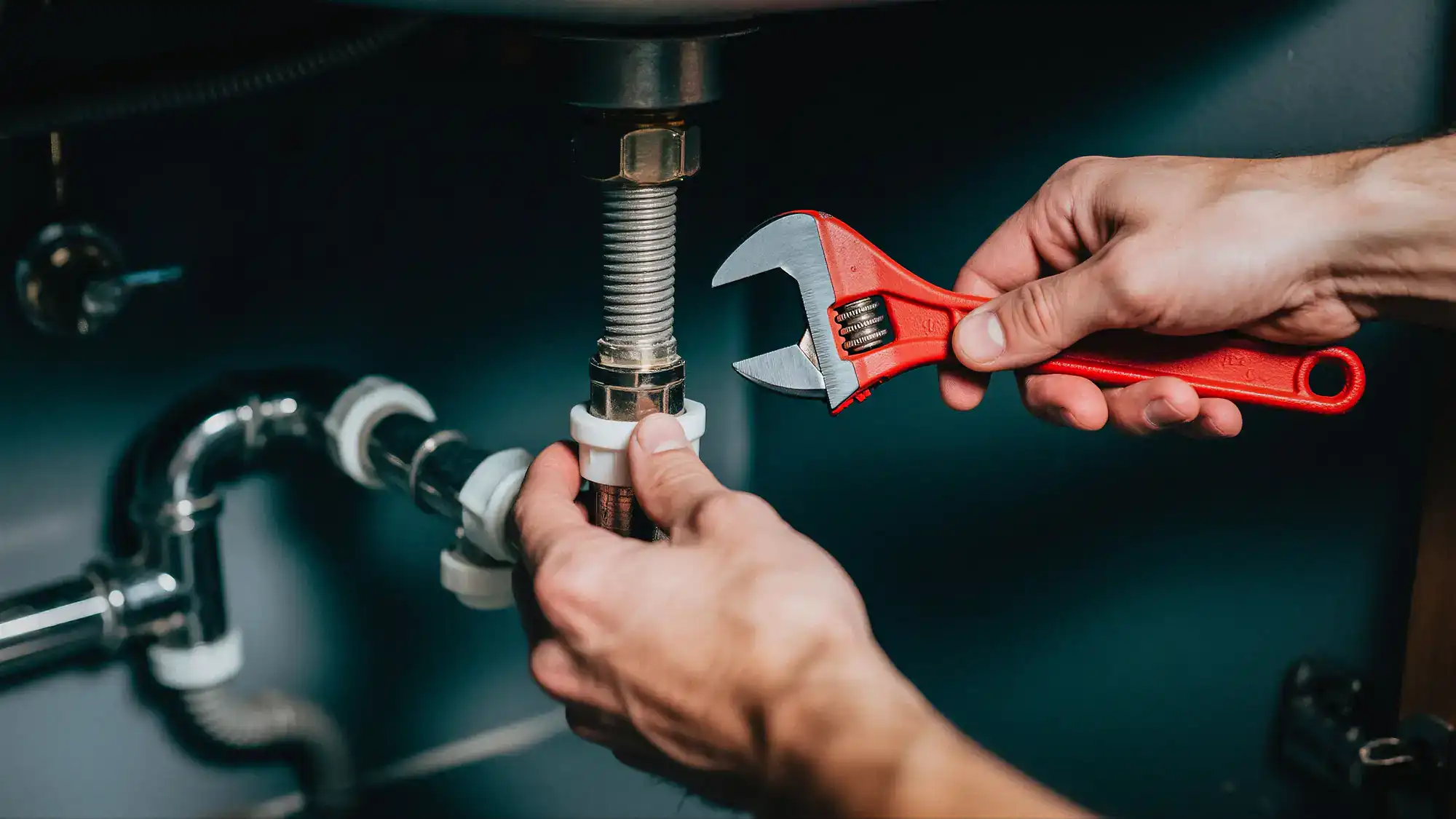
When you call Murray Plumbing, the first thing that happens is a real conversation — not a voicemail and a callback four hours later. You describe what’s going on, and we give you a clear picture of what to expect before anyone shows up at your door.
For most College Glen homeowners, that first call happens because something urgent has already gone wrong: a backed-up sewer line, a water heater that stopped working, or a pipe that’s leaking somewhere it shouldn’t be.
Once a technician arrives, the job starts with a proper diagnosis. In a neighborhood where the housing stock is 50-plus years old and the soil underneath shifts with every wet and dry season, that diagnosis step isn’t a formality — it’s where the real work happens. A camera inspection on a sewer lateral can tell you whether you’re dealing with a simple blockage or a root intrusion that’s been building for years. Knowing the difference changes everything about the repair approach and the cost.
After the diagnosis, you get the exact price before any work begins. Flat-rate, upfront, agreed to before a single wrench turns. If your job requires a permit through the City of Sacramento, we handle that properly — no shortcuts that create problems at resale or void your homeowner’s insurance. The repair gets done, the work gets backed, and you’re not left wondering if it’ll hold.
Ready to get started?
College Glen’s housing stock creates a specific set of plumbing demands that a generalist with a drain snake isn’t equipped to handle. We cover the full scope of residential plumbing repair services — from drain cleaning and hydro jetting to trenchless sewer repair, water line repair, pipe repair, camera inspection, and water heater repair and replacement.
If your home was built in the 1960s and still has its original galvanized supply lines, those pipes are corroding from the inside out, narrowing over time, and eventually failing behind walls. That’s a waterline replacement conversation, not a pressure adjustment.
For sewer issues, the combination of clay-heavy alluvial soil near the American River and the neighborhood’s mature tree canopy — the willows, elms, and silver maples that line yards and the parkway — creates ideal conditions for root intrusion into older clay tile laterals. Hydro jetting clears what snaking leaves behind. Trenchless sewer repair means you don’t have to tear up your yard to fix a lateral that’s been compromised. Both are part of what we bring to College Glen homeowners.
It’s also worth knowing that College Glen falls under the Sacramento Area Sewer District. SASD handles the public main — but the lateral running from your home to the street is entirely your responsibility and your cost. A camera inspection before something fails is a lot less expensive than an emergency repair after it does. We handle both, and the price is always clear before the work starts.
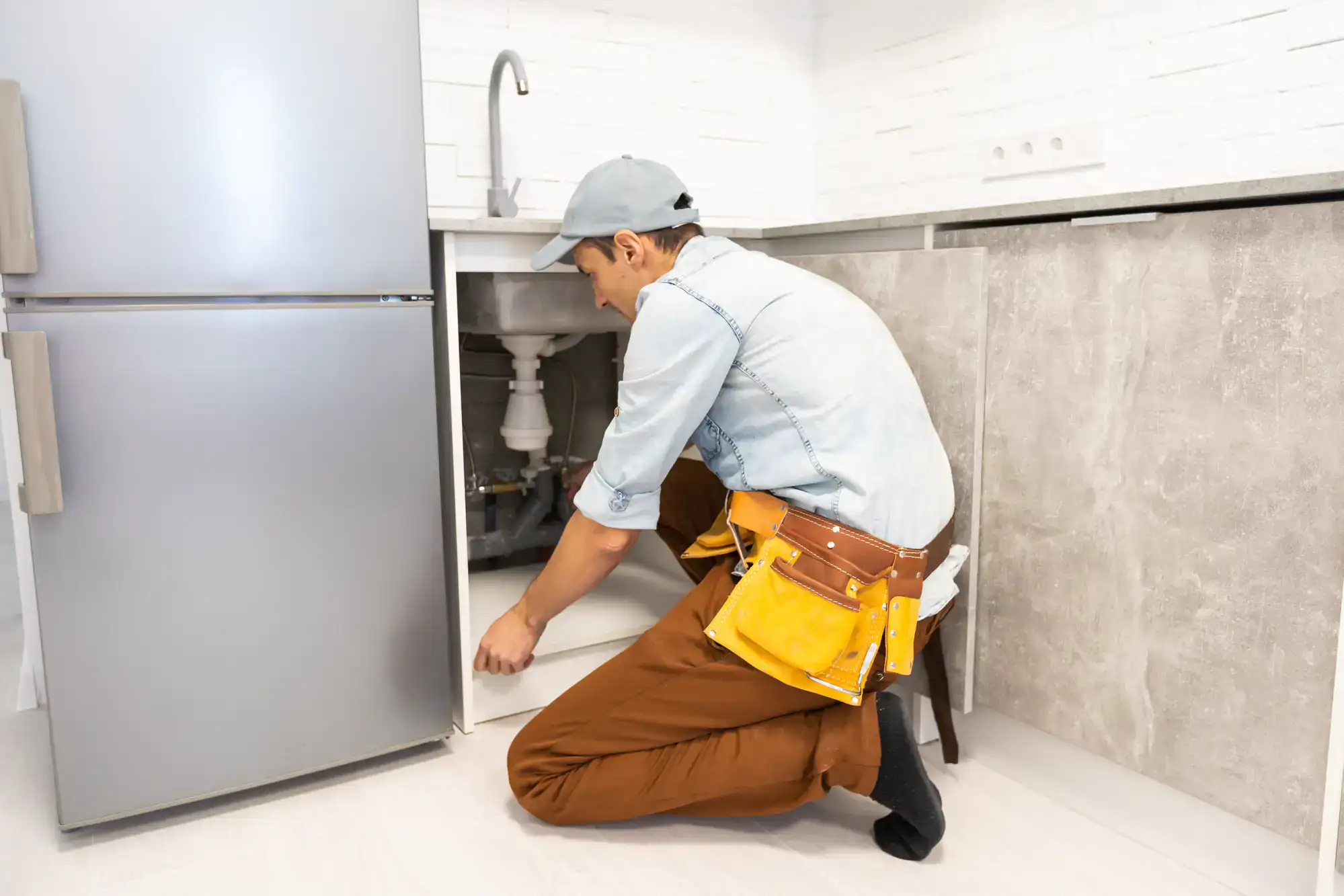
Recurring drain backups in College Glen are almost never just about what went down the drain. The more likely explanation, especially in a neighborhood where most homes were built in the 1960s, is that the sewer lateral running from the house to the street has been compromised. Clay tile pipe — the standard material used in postwar residential construction — develops small cracks and joint separations over time. Once those openings exist, tree roots find them.
College Glen sits along the northern edge of the American River Parkway, and the neighborhood’s mature tree canopy is one of the densest in eastern Sacramento. Willow, elm, and silver maple roots are aggressive moisture-seekers, and a cracked clay lateral is exactly the kind of target they find. A plumber who snakes the line gives you temporary relief. A camera inspection tells you whether you’re dealing with a root mass that’s going to be back in six weeks. That distinction is what separates a real fix from a recurring bill.
The honest answer is that you usually can’t tell from the surface — and anyone who gives you a definitive answer before actually looking at the pipe is guessing. The factors that matter are the pipe material, the age, the location, and the nature of the damage. A small leak in a copper supply line at an accessible joint is often a straightforward repair. A galvanized steel supply line in a 1960s College Glen home that’s showing reduced pressure across multiple fixtures is a different conversation — galvanized pipe corrodes from the inside, and patching one section doesn’t address the corrosion happening everywhere else.
For sewer laterals, the same logic applies. A single root intrusion in an otherwise intact clay pipe might be cleared and monitored. A lateral with multiple cracks, significant root infiltration, and joint separations is a candidate for trenchless replacement — which, in most cases, costs less than traditional excavation once you factor in what it takes to restore a yard and driveway afterward. A camera inspection gives you the actual picture, and that’s where the repair-versus-replace conversation should start.
This is one of the most common misunderstandings College Glen homeowners run into — usually at the worst possible moment. The Sacramento Area Sewer District is responsible for the public sewer main running under the street. The lateral that connects your home to that main — the pipe running from your foundation to the street — is your property and your responsibility, from the house all the way to the connection point.
That means if your lateral cracks, gets infiltrated by roots, or collapses, SASD will not repair it. The cost falls entirely to you as the homeowner. For a neighborhood with 50-plus-year-old clay tile laterals, this isn’t a remote possibility — it’s a question of when, not if. The practical takeaway is that a camera inspection done proactively, before a backup forces the issue, gives you options. You can plan a repair on your timeline and budget rather than making emergency decisions at 10pm with sewage in your yard.
If you’re seeing low pressure at multiple fixtures — not just one faucet — the most likely culprit in a College Glen home built in the 1960s is the supply line material itself. Galvanized steel pipe, which was standard construction in that era, corrodes from the inside over time. The rust and mineral buildup narrows the interior diameter of the pipe progressively, and Sacramento’s water supply — which carries calcium and magnesium minerals that contribute to scale buildup — accelerates that process.
What starts as slightly reduced pressure becomes noticeably weak flow over years, and eventually the pipe fails entirely. The fix depends on how far the corrosion has progressed. In some cases, a section of pipe can be replaced where the restriction is worst. In homes where the galvanized lines run throughout the house and are all of similar age, a full waterline replacement is often the more practical long-term answer — because replacing one section just moves the problem downstream. A proper diagnosis will tell you which situation you’re actually in before any work is priced or started.
Most significant plumbing repairs in College Glen require a permit pulled from the City of Sacramento’s Department of Community Development. This includes work like sewer lateral replacement, waterline replacement, water heater replacement, and any work that involves opening walls or accessing buried lines. Minor repairs — replacing a faucet, fixing a running toilet, swapping out a shutoff valve — typically don’t require a permit, but the line between what does and doesn’t can be less obvious than it seems.
This matters for a few reasons. Unpermitted plumbing work can create real problems when you go to sell your home, since buyers’ inspectors look for work that was done without permits. More immediately, unpermitted work by an unlicensed contractor can affect your homeowner’s insurance coverage if something goes wrong. A licensed C-36 plumbing contractor — which Murray Plumbing is — handles the permit process as part of the job, so you’re not navigating city requirements on your own or discovering after the fact that the work wasn’t done to code.
Sacramento’s seasonal swing between a wet winter and a dry, hot summer creates conditions that are genuinely hard on buried plumbing infrastructure — especially in a neighborhood built on the clay-heavy alluvial soil that underlies College Glen near the American River. Clay soil expands significantly when winter rains saturate it, then shrinks and contracts during the long dry summers. That cycle repeats every year, and over decades it shifts buried pipes, cracks joints, and creates low spots in sewer laterals where waste pools and problems develop.
Winter is also when root intrusion problems tend to surface visibly — heavy rain pushes sewer systems to capacity, and a lateral that’s been partially blocked by roots all year suddenly can’t keep up. Summer brings the opposite pressure: extended dry conditions drive tree roots deeper and more aggressively toward any moisture source, which means the crack in your clay lateral that was manageable in spring becomes a more serious intrusion by fall. For College Glen homeowners, the practical implication is that a drain that’s been slow all summer is worth having looked at before the first heavy rains of the season — not after.
Other Services we provide in College/Glen