
Sewer Camera Inspection
Get a free quote for sewer camera inspection from your local plumbing team.
We’ll contact you about your sewer camera inspection request. Privacy policy
Hear from Our Customers
Most Auburn homeowners don’t think about their sewer line until something goes wrong. A backup in the bathroom, a drain that won’t clear no matter how many times it’s been snaked, a smell that shouldn’t be there. By that point, you’re already reacting instead of deciding. A sewer pipe inspection changes that dynamic entirely you get a clear picture of what’s actually happening underground, and you get to make informed choices based on facts, not guesswork.
Here’s what matters for Auburn specifically. A large portion of the city’s housing stock particularly in Old Town and Bowman was built before 1980, which means the original sewer laterals are likely clay tile or cast iron. Both materials have a functional lifespan of 50 to 75 years. That math isn’t in your favor if you’re sitting in a home built in the 1950s or 1960s. Add in the shallow, rocky foothill soil that gives pipe beds very little cushioning, and you have conditions that accelerate wear and joint stress faster than you’d see in the flat Sacramento Valley.
The other factor is the trees. Auburn’s valley oaks and blue oaks are beautiful, but their root systems don’t stop at the property line. During California’s long dry summers, those roots chase moisture wherever they can find it and your sewer lateral is one of the most reliable water sources in the ground. A sewer line video inspection shows you exactly how far that intrusion has progressed, whether it’s a few hair-like tendrils you can clear now or a root mass that’s been building for years.
We serve the Sacramento area and Sierra Nevada foothills including Auburn and the broader Placer County region. Our team holds a California CSLB C-36 Plumbing Contractor license, which is the required state classification for sewer lateral inspection work. That’s not a marketing detail it means the inspection report you receive is legally valid, whether you need it for a real estate transaction, an insurance claim, or your own records.
What sets us apart isn’t just the equipment or the license. It’s our approach. Our policy is simple: tell you what’s actually there, not what generates the biggest repair ticket. Final invoices routinely come in at or below the original estimate. That’s not a coincidence it’s how we run the business. With a 4.7 out of 5 Google rating and 24/7 emergency availability, our service is built around your schedule and your situation, not ours.
Auburn homeowners dealing with aging infrastructure near the Placer-Nevada Wastewater Authority system, or properties on the edges of town with hybrid STEP sewer setups, will find that we’re familiar with the full range of conditions this area presents.
When you call, the conversation starts with a few basic questions about what you’re seeing slow drains, recurring backups, a pre-purchase inspection, or just a check on a home you’ve owned for decades. That context helps us determine the right access point and the scope of the inspection before anyone shows up at your door.
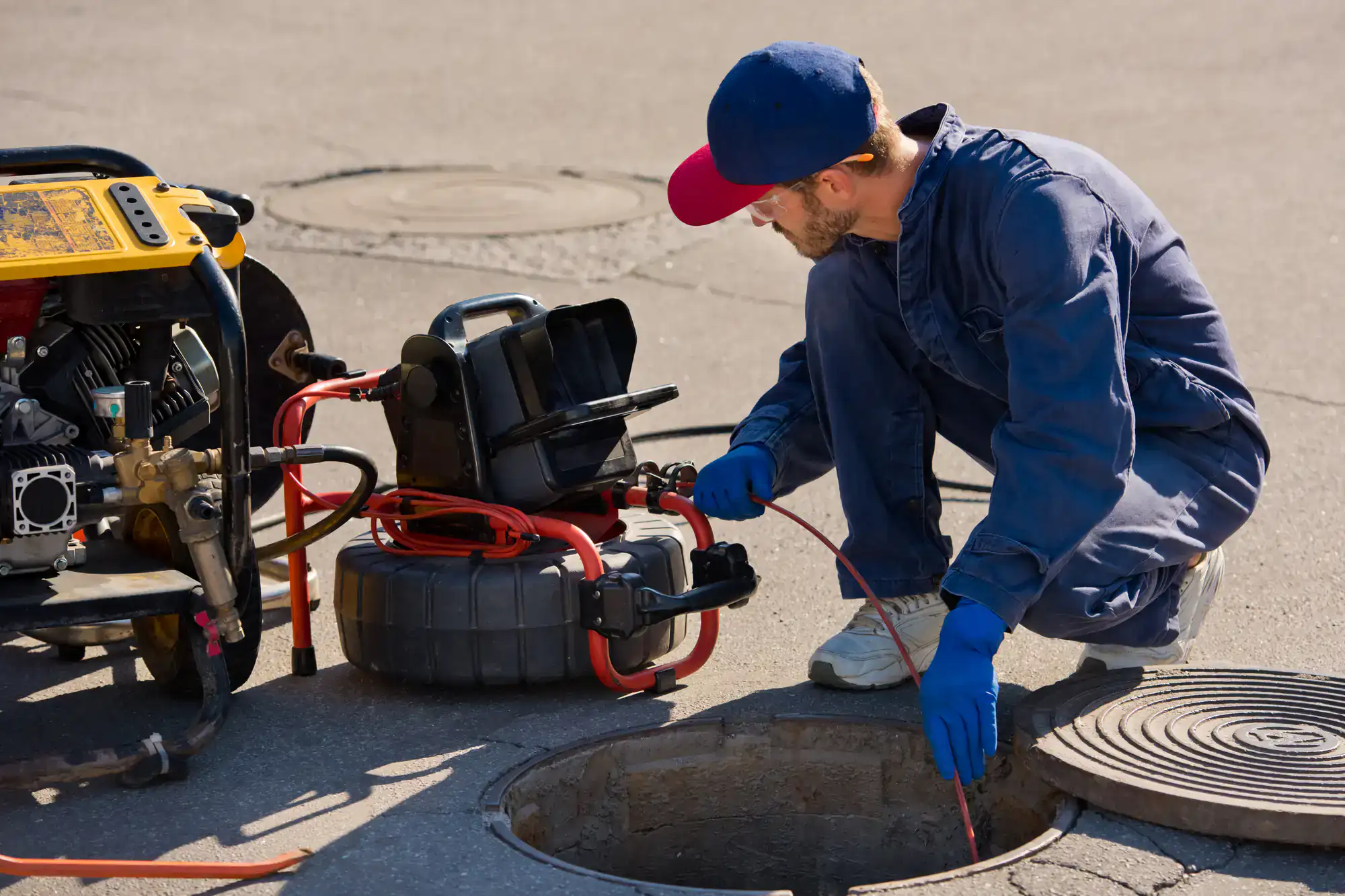
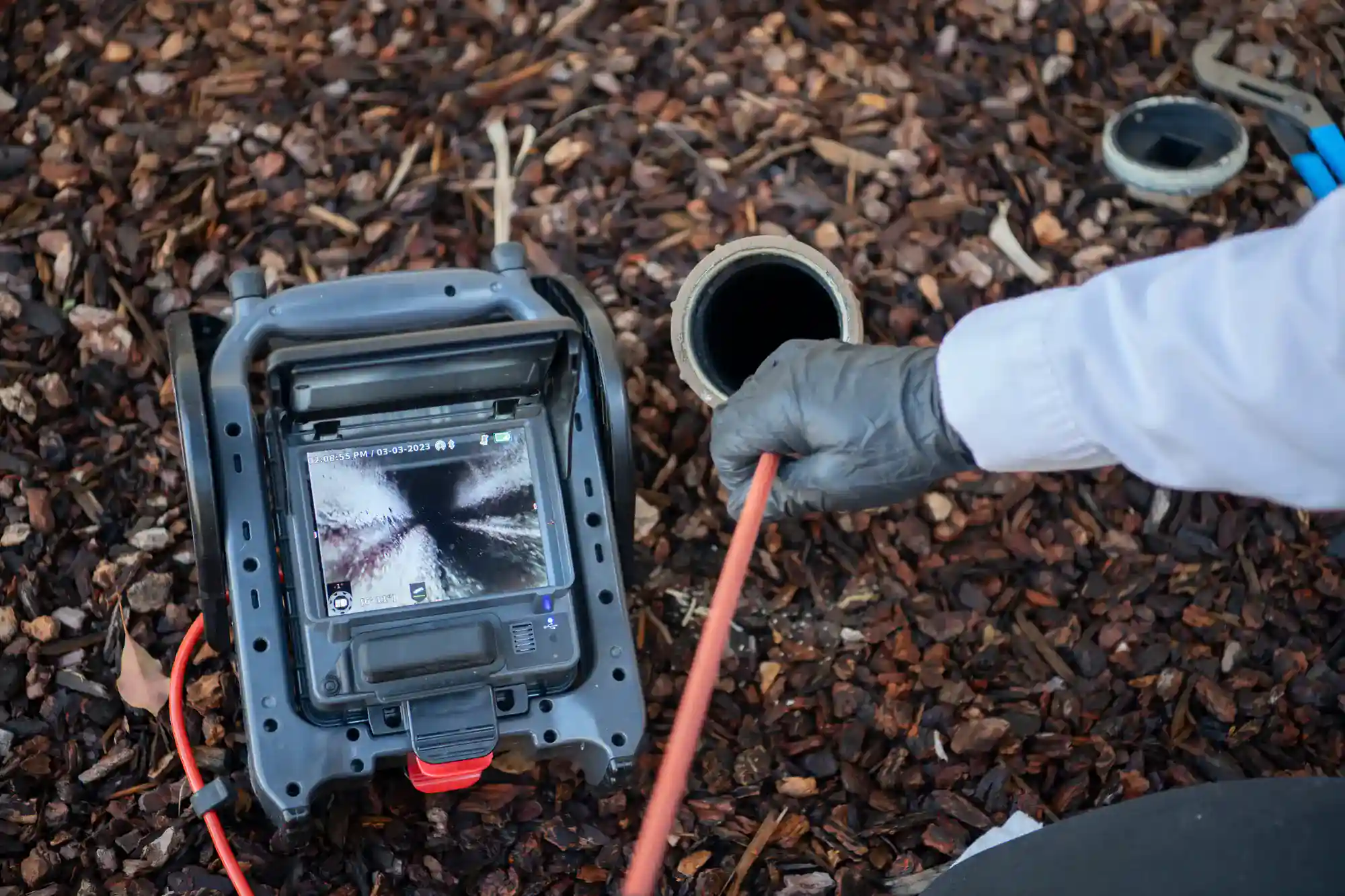
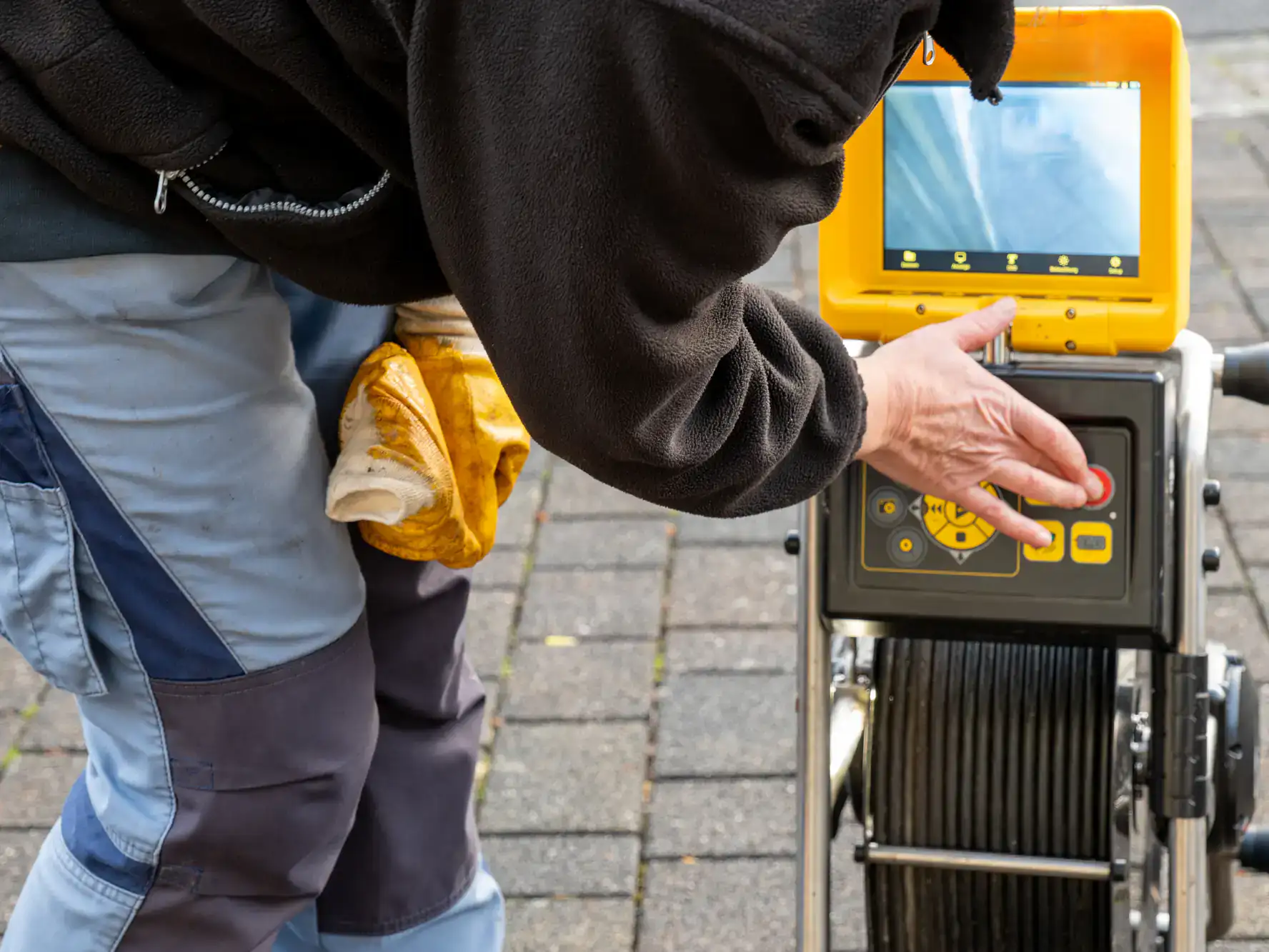
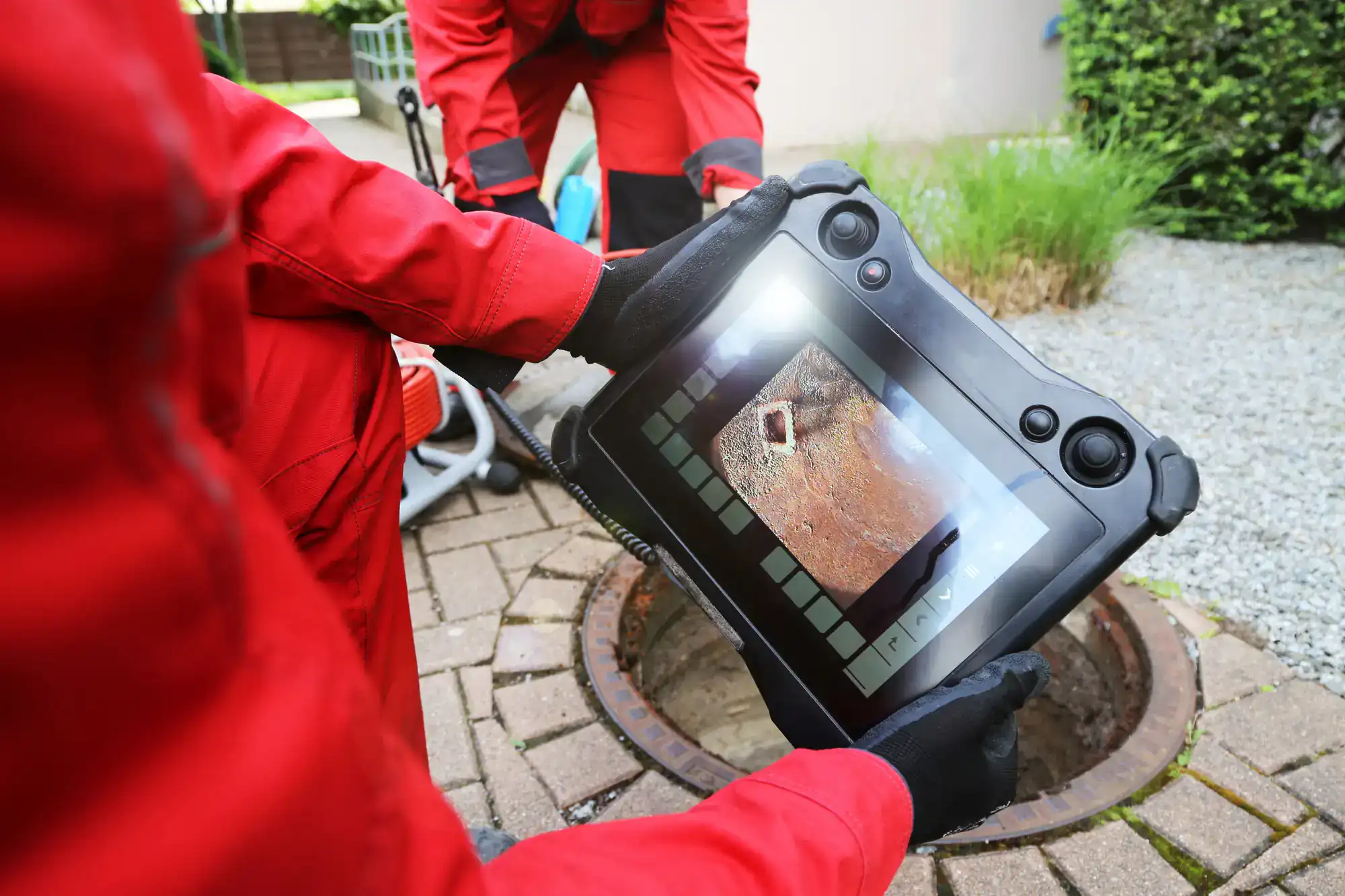
On the day of service, our camera enters through an existing cleanout or access point no digging, no excavation, no disruption to your yard or landscaping. For Auburn properties with mature oak trees and established gardens, that matters. The camera navigates up to 350 feet of pipe, with self-leveling technology that keeps the footage clear regardless of pipe angle, and LED lighting that shows every detail inside even the most deteriorated clay lateral. As the camera moves through the line, our technician narrates what’s visible in real time. You’re watching the same feed we are. There’s no off-site analysis, no waiting for a report to come back you see what’s in your pipes while you’re standing there.
After the inspection, you receive documented findings: video footage, still images, and precise location markers for any problem areas. If your Auburn home is connected to the PNWA regional sewer system or you’re in a neighborhood with a hybrid STEP setup, the report will reflect the specific configuration of your lateral. From there, the decision about next steps is entirely yours.
Ready to get started?
Our sewer camera inspection in Auburn covers the full length of your sewer lateral from the house connection to the main line or to the septic tank or pump station if you’re on one of the hybrid STEP systems found in neighborhoods like Saddleback on Auburn’s outskirts. Our camera equipment handles pipes ranging from 1.5 to 72 inches in diameter, which means it’s equally useful for older, smaller-diameter clay lines in a 1940s Old Town home and larger-diameter cast iron runs in a bigger foothill property.
The inspection includes a locating transmitter that marks problem areas above ground with precision. That means if there’s a root intrusion point, a cracked joint, or a belly section where waste is pooling, you know exactly where it is on your property no exploratory digging required. For Auburn homes with rocky, shallow foothill soil, this is especially valuable because excavation is more disruptive and more expensive here than on flat valley lots.
Pricing for a sewer camera inspection runs between $99 and $300 depending on system complexity and pipe length. That’s significantly below the Sacramento-area market range of $250 to $850. The price you’re quoted is the price on the invoice. If you’re buying a home in Auburn’s current market where median prices are hovering around $583,000 a $99 to $300 inspection before closing is one of the most straightforward investments you can make. Our inspection report meets California’s licensing standards for sewer lateral documentation and is valid for real estate disclosure, negotiation, or lender requirements.
Our sewer camera inspection in Auburn is priced between $99 and $300, depending on the length and complexity of your sewer system. That range reflects the real variation between a straightforward inspection on a newer home with a simple lateral and a more involved inspection on an older property with a longer run, multiple access challenges, or a hybrid STEP configuration like those found in some Auburn-area neighborhoods.
For context, the Sacramento-area market typically runs $250 to $850 for this service. The price you’re quoted before the job starts is the price on your invoice there are no add-ons introduced once our technician is on-site. If you’re weighing the cost against doing nothing, consider that a sewer line replacement in the Auburn area can run $6,000 to $10,000 or more. The inspection is how you find out whether you need one.
Standard home inspections don’t cover underground sewer lines that’s a consistent gap in what buyers receive, and it’s especially relevant in Auburn where a significant portion of available homes were built before 1980. Clay tile and cast iron laterals are common in Old Town, Aeolia Heights, and Bowman, and both materials are at or past their expected service life in homes from that era. A sewer scope before closing gives you documented evidence of what’s actually under the property.
In Auburn’s current market, with median home prices near $583,000, you have real financial exposure if you skip this step. A collapsed lateral or severe root intrusion that wasn’t caught before closing becomes your problem the day you own the home. Our inspection report is valid for real estate disclosure and lender documentation it’s not just a verbal summary. If the inspection turns up a problem, you have something concrete to negotiate with. If it comes back clean, you close with confidence.
Root intrusion is the most consistent finding in Auburn’s older neighborhoods. The valley oaks and blue oaks that shade streets throughout Old Town and Bowman have root systems that extend well beyond their canopy lines, and they’re aggressive in seeking moisture during California’s long dry summers. Sewer laterals are a constant water source, which makes them a target. Once roots find a cracked joint or a gap in a clay pipe, they expand with each growing season until flow is restricted or blocked entirely.
Beyond roots, the other common findings are pipe belly sections low spots where the line sags and waste pools instead of flowing and deteriorated clay joints that have shifted over time. Auburn’s foothill soil is shallow and sits over metavolcanic rock, which means pipe beds have limited cushioning and joints absorb more stress from ground movement than they would in the flat Sacramento Valley. After a wet winter, the following spring is typically when these issues become visible, as saturated soils shift and root growth accelerates.
For most Auburn homeowners, every three to five years is a reasonable baseline but that timeline should move up if your home was built before 1975, if you have large oaks or other mature trees in the yard, or if you’ve had the line snaked more than once in the past few years. Repeated drain clearing that keeps coming back is a sign you’re treating a symptom rather than the underlying problem, and a camera inspection is how you find out what’s actually causing it.
Seasonally, late fall and early spring are the most practical times to schedule in Auburn. Late fall catches any pipe movement that happened during the dry summer before the first heavy rains arrive. Early spring after the wet season but before peak root growth shows you what the winter did to your lateral and whether any root intrusion advanced significantly. For homes connected to the Placer-Nevada Wastewater Authority system, keeping your private lateral in documented good condition is part of responsible maintenance on your end of the sewer connection.
Yes that’s one of the primary reasons camera inspection exists. Our camera enters through an existing cleanout or access point, so there’s no excavation involved in the inspection itself. Our equipment also includes a locating transmitter that marks problem areas above ground with precision, so if there’s a cracked joint or a root intrusion point at a specific location in your yard, you know exactly where it is without digging to find it.
For Auburn homeowners, this is especially relevant. Properties in older neighborhoods often have mature landscaping, established gardens, and heritage trees that make any excavation more disruptive and more expensive than it would be on a flat suburban lot. The inspection gives you a complete picture of your lateral’s condition and if repairs are needed, the precise location data means any work that does require excavation is targeted, not exploratory. You’re not paying someone to dig up your yard to find a problem that a camera already located.
It usually means the snake is clearing a blockage without addressing what’s causing it. In Auburn’s older housing stock, the most common culprit is root intrusion roots that have grown into a clay or cast iron lateral through a cracked joint or deteriorated seam. A drain snake cuts through the root mass well enough to restore flow temporarily, but the roots grow back, often within a few months. The underlying entry point is still there, and the cycle repeats.
A sewer line camera inspection shows you exactly what’s happening at the source. If it’s roots, the footage will show where they’re entering the pipe, how dense the intrusion is, and whether the pipe wall itself is still structurally sound or compromised. That information tells you whether you need a targeted repair, a trenchless sewer inspection to assess the full lateral condition, or a more thorough clearing approach that addresses the root mass rather than just cutting through it. Repeated snaking without a camera inspection is spending money on temporary relief the inspection is how you get to an actual answer.