
Sewer Camera Inspection
Get a free quote for sewer camera inspection from your local plumbing team.
We’ll contact you about your sewer camera inspection request. Privacy policy
Hear from Our Customers
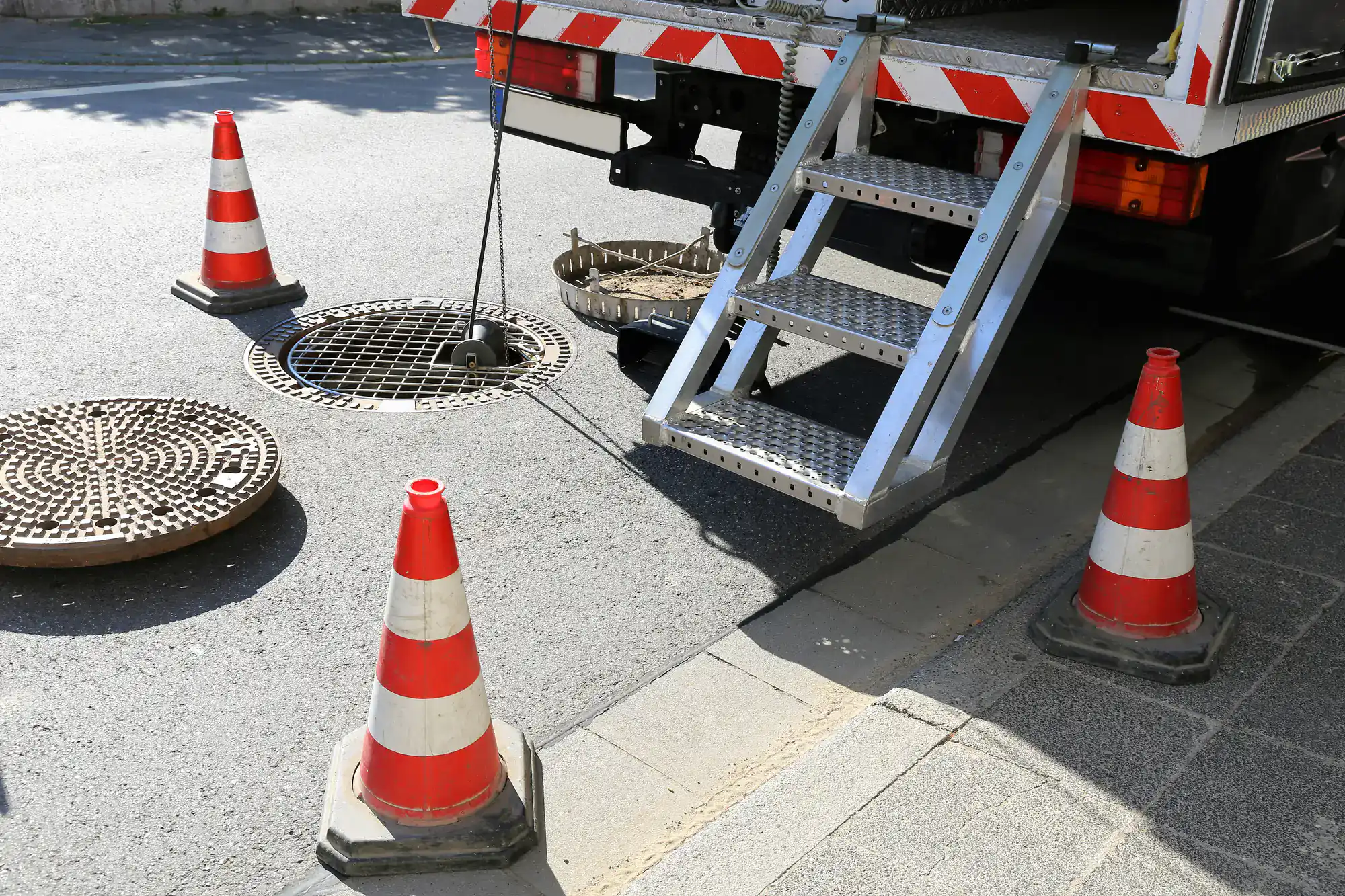
Most sewer problems in Campus Commons don’t announce themselves. They build slowly a gurgling drain here, a sluggish flush there until one day you’re dealing with a backup that’s affecting your unit, your neighbor’s unit, and possibly your HOA board. A sewer line camera inspection catches the problem while it’s still manageable, not after it’s already caused damage.
The bigger risk here is geography. Campus Commons sits directly alongside the American River Parkway, and those mature cottonwoods, willows, and elms lining the trails aren’t just scenic their root systems are aggressive. They seek moisture in the soil, and a hairline crack in a 50-year-old clay or cast iron lateral is exactly the kind of entry point they find. Once roots get in, they don’t stop growing. A sewer pipe inspection shows you whether that’s already happening in your line.
Then there’s the HOA complexity. In a community divided between the Villages of Campus Commons and the Nepenthe Association, knowing exactly where a problem is located matters because it determines whether the repair is your responsibility or the association’s. The locating data from a sewer line video inspection gives you that answer in writing, which is a lot more useful than a verbal estimate from someone who hasn’t looked.
We hold a California CSLB C-36 Plumbing Contractor license the classification required by the state for all sewer lateral inspection and repair work. That’s not a background detail. It means the inspection report you receive is valid for real estate transactions, HOA documentation, and any City of Sacramento sewer lateral compliance requirements.
We carry a 4.7 out of 5 rating on Google from 93 verified reviews, and the feedback is consistent: we show up on time, we explain what we found, and the final bill comes in at or below the original estimate. No pressure to authorize repairs on the spot. No inflated findings designed to generate a follow-up call. Just a clear answer about what’s in your pipes.
We serve Sacramento County, which means Campus Commons from American River Drive to Cadillac Drive is well within our regular service area. We’re not routing a technician from two counties away. We know this neighborhood, and we know what aging 1970s infrastructure looks like up close.
When you call, you get a straight price upfront $99 to $300 depending on the complexity of your system and the length of pipe being inspected. No one shows up and then quotes you after they’ve already seen the job. You know the cost before our technician arrives.
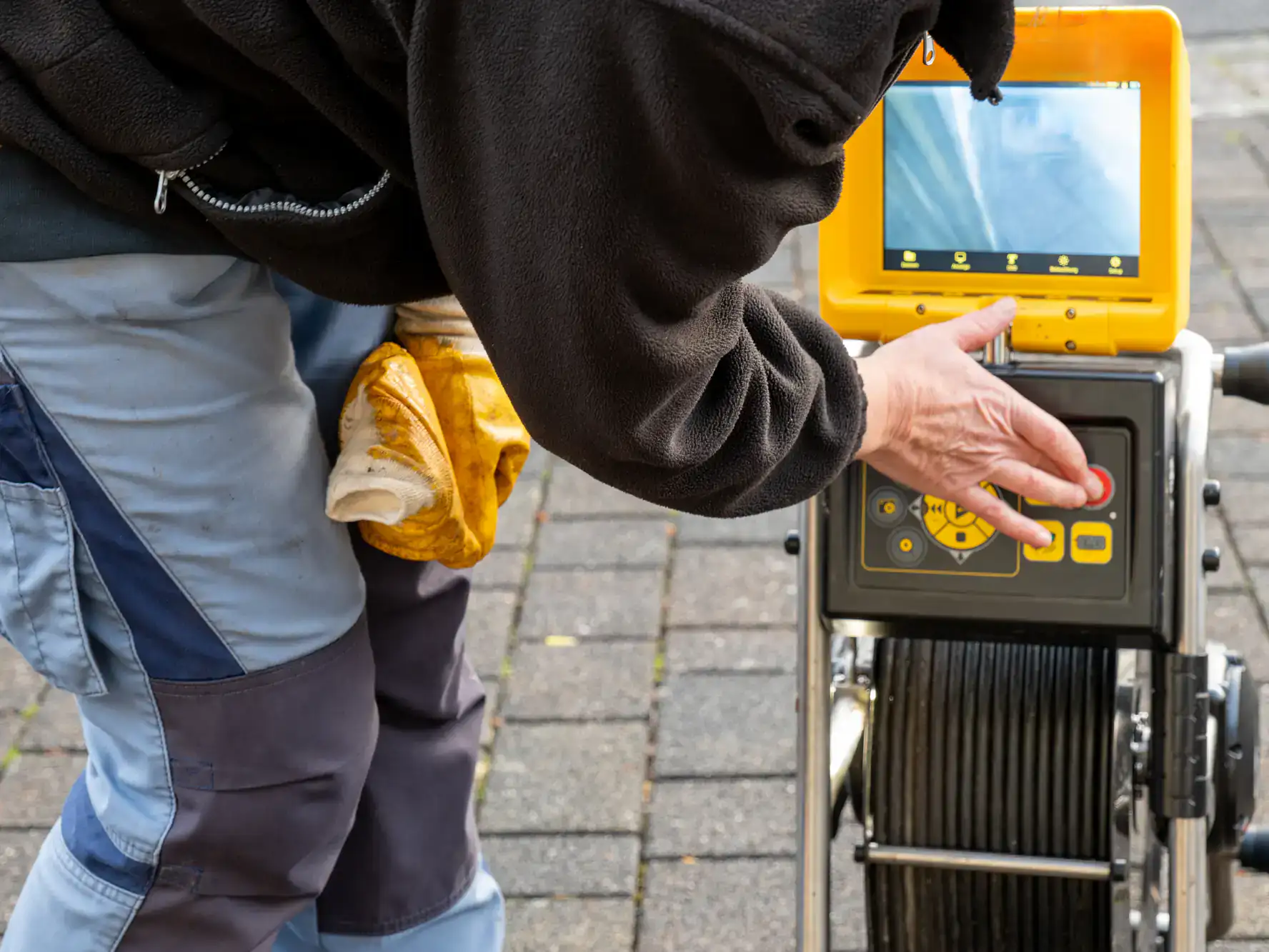
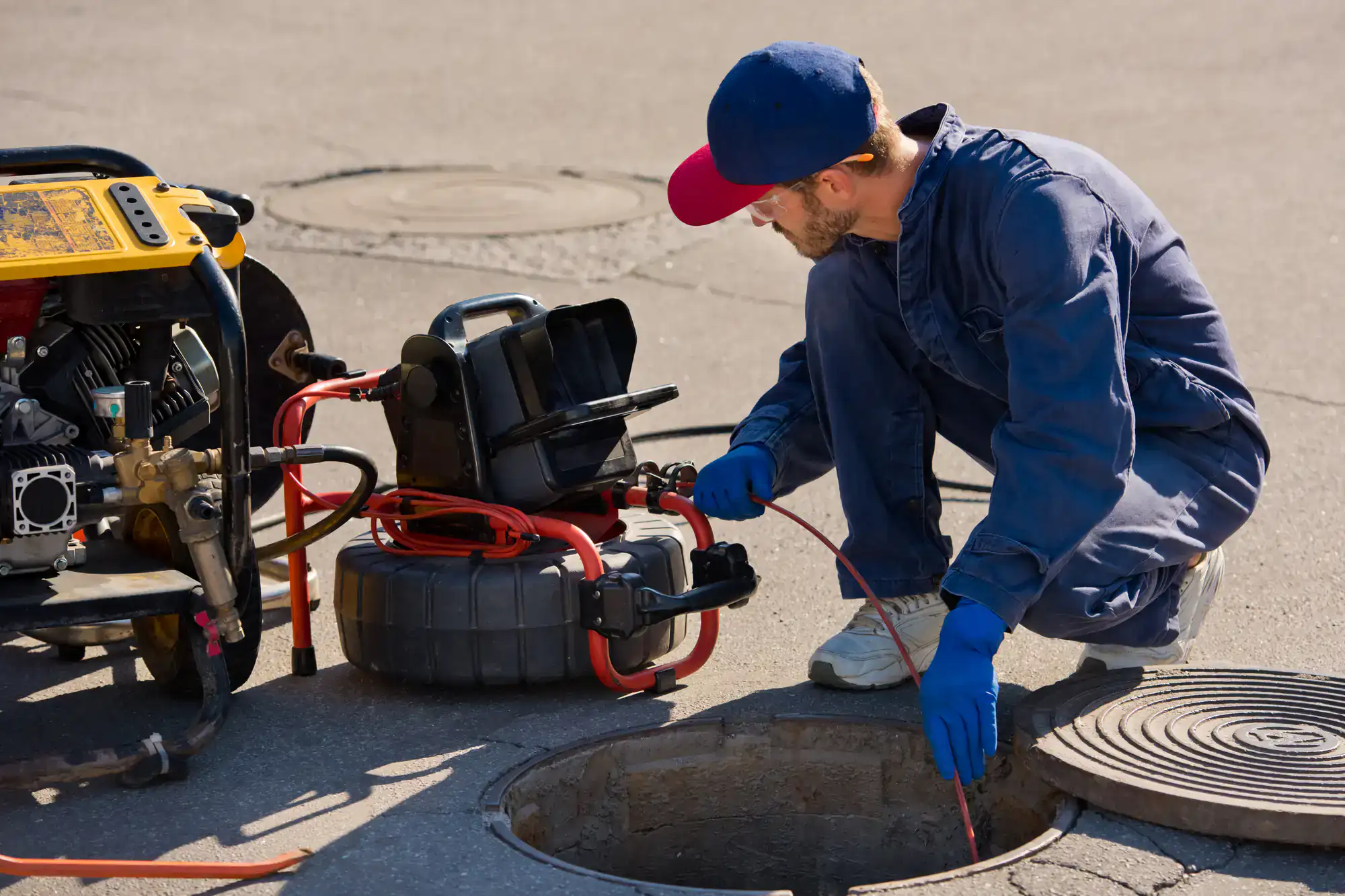
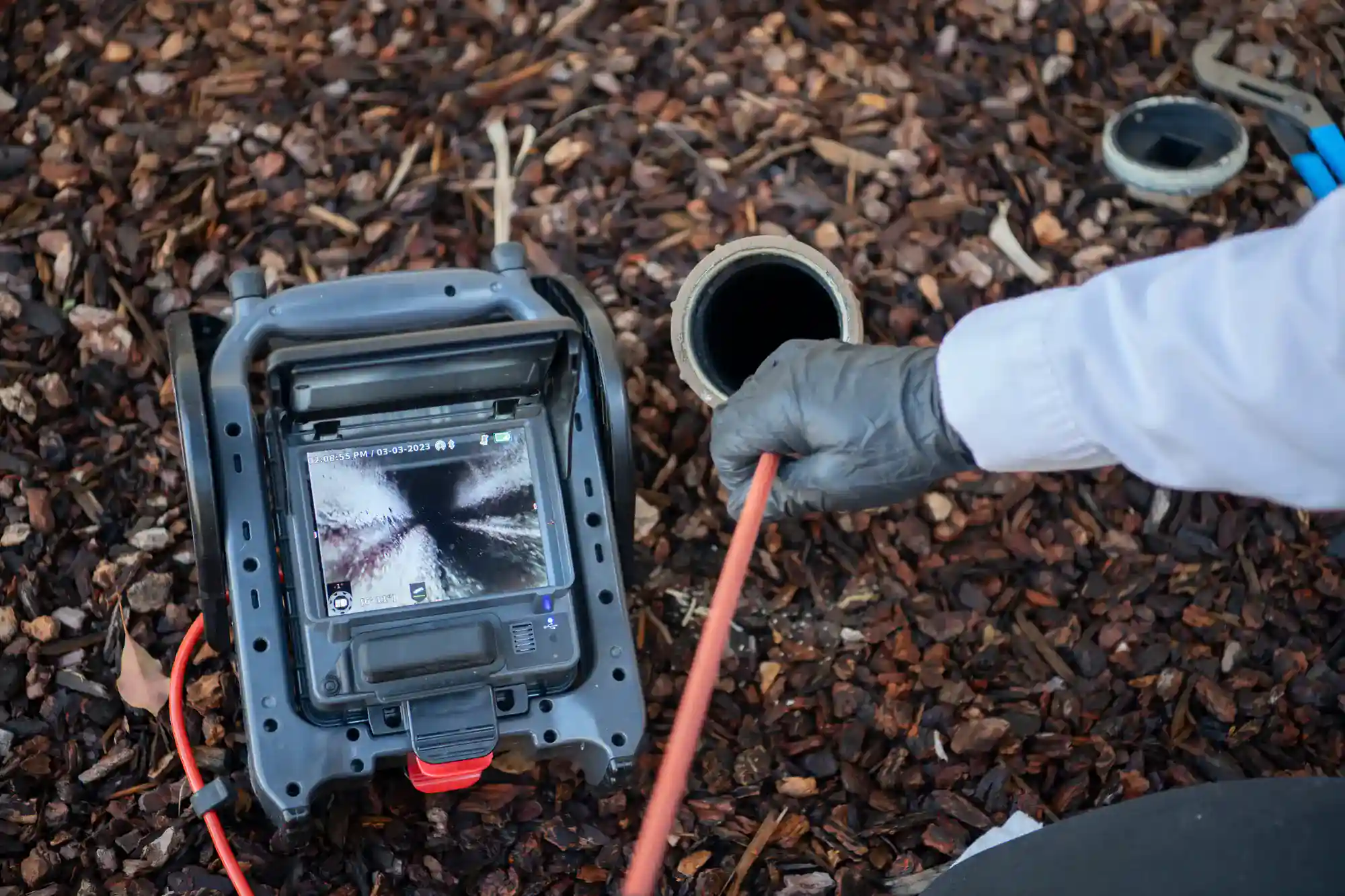
On-site, the camera enters through an existing cleanout or access point no digging, no disruption to the HOA-maintained landscaping or paved pathways that run throughout Campus Commons. Our equipment handles lines from 1.5 to 72 inches in diameter and can navigate up to 350 feet of pipe, which covers everything from a standard residential lateral to a more complex shared line running under common area. Powerful LED lighting and self-leveling technology mean the footage is actually clear and usable not grainy images that leave more questions than answers.
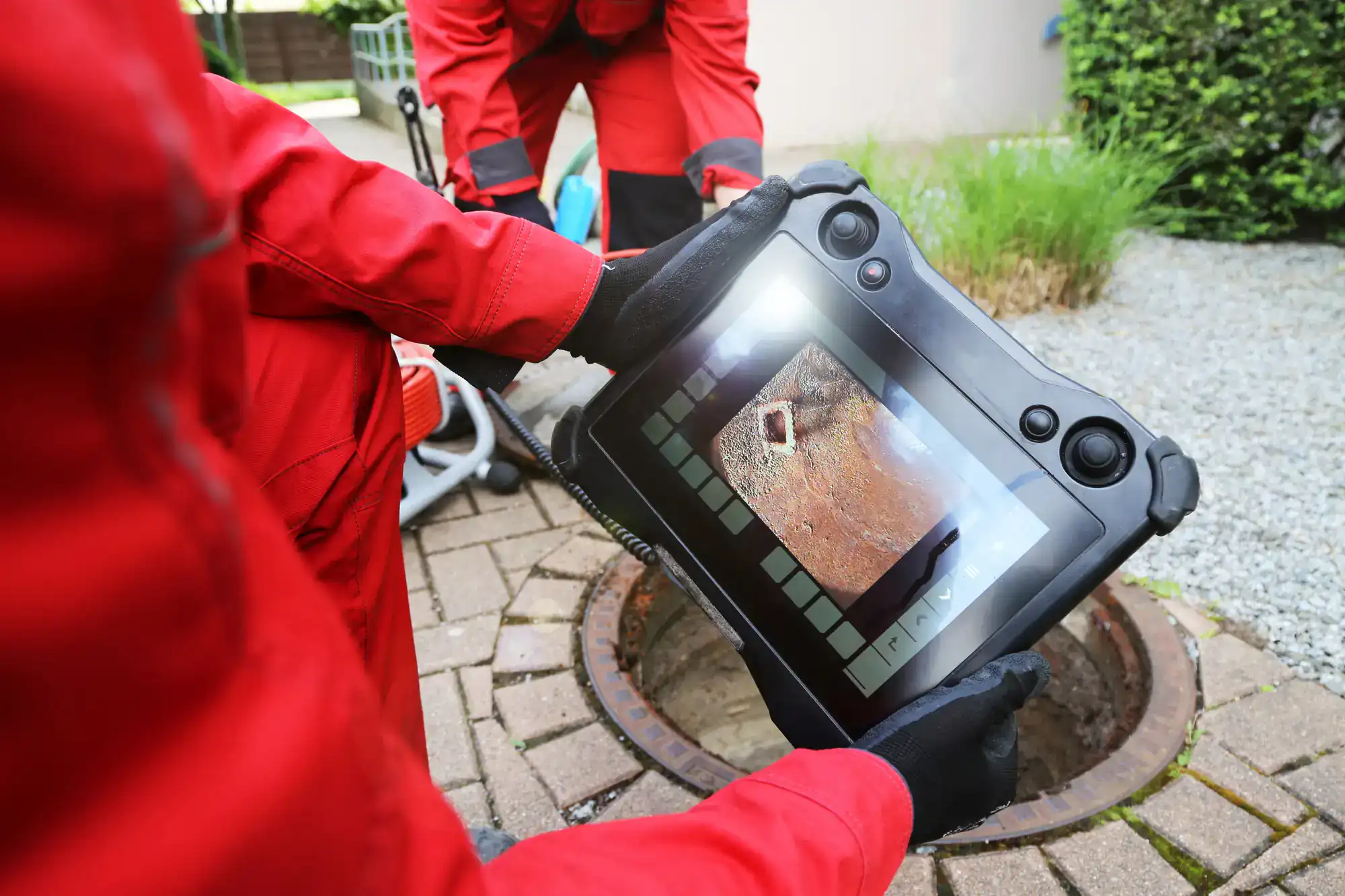
As the camera moves through the line, our technician narrates what they’re seeing in real time. You watch the footage as it happens. If there’s root intrusion, a pipe belly, a crack, or a blockage, you see it yourself you don’t have to take anyone’s word for it. A locating transmitter then pinpoints any problem areas above ground, so if a repair is needed, it can be planned precisely. For Campus Commons residents dealing with HOA jurisdiction questions, that above-ground location data is often the most important part of the whole report.
Ready to get started?
Our sewer camera inspection includes a full interior assessment of your lateral line, real-time narrated video footage, above-ground locating of any identified problem areas, and a written report you can use for HOA documentation, real estate negotiations, or City of Sacramento sewer lateral compliance. That last piece matters more in Campus Commons than in most Sacramento neighborhoods, because buyers and sellers here are dealing with 1970s-built condos and townhomes where the condition of the original pipe is genuinely unknown until someone looks.
The trenchless sewer inspection approach means no excavation, no torn-up courtyard, and no disruption to the common area landscaping managed by your Village HOA or the Nepenthe Association. The camera goes in through a cleanout. The locator works above ground. If the inspection turns up something that needs attention root intrusion from the American River corridor’s mature tree canopy, a pipe belly caused by Sacramento’s clay soil shifting over the decades, or mineral buildup narrowing an aging cast iron line you’ll know exactly what it is and where it is before anyone talks about next steps.
We also offer 24/7 emergency availability, which is relevant in a dense, attached-unit community where a sewer backup doesn’t stay contained to one unit for long. If you’re dealing with an active backup or a situation that can’t wait, same-day response is available.
This is one of the most common questions that comes up in Campus Commons, and the honest answer is: it depends on where the problem is. In California, the property owner is generally responsible for the private sewer lateral running from their unit to the public main managed by the Sacramento Area Sewer District. But in an HOA-governed community like the Villages of Campus Commons or the Nepenthe Association, portions of that lateral may run beneath common area shared courtyards, paved pathways, or HOA-maintained landscaping which can shift responsibility to the association depending on the CC&Rs for that specific village.
The only way to resolve that question definitively is with a sewer line camera inspection that includes above-ground locating data. The report pinpoints exactly where any issue is located, which determines whose responsibility it falls under. Without that documentation, you’re essentially asking an HOA board to make a repair decision based on someone’s verbal description of where they think the problem might be. That’s not a conversation that tends to go smoothly.
Our sewer camera inspection is priced at $99 to $300, depending on the complexity of the system and the length of pipe being inspected. That price is given to you upfront, before anyone shows up. The Sacramento market for this service typically runs $250 to $850, and the national average sits around $685 so our pricing here is meaningfully below what most providers charge.
The more important number to keep in mind is the cost of not inspecting. Sewer line repair or replacement in Sacramento County can run anywhere from $6,000 to $30,000 depending on the scope of the problem. For a Campus Commons condo or townhome valued at $440,000 to $600,000, a $99 to $300 inspection is a straightforward investment. It either confirms your lateral is in good shape, or it catches a developing problem while it’s still a repair rather than a replacement.
A standard home inspection does not cover underground sewer lines. That’s true everywhere, but it matters more in Campus Commons than in most Sacramento neighborhoods because the entire housing stock was built in the early-to-mid 1970s. You’re looking at original cast iron or clay laterals that are now 50 or more years old right at the point where failure risk increases significantly. A home inspector walking through the unit has no way to assess the condition of what’s underground.
A sewer line camera inspection before closing gives you a real picture of lateral condition. If the inspection turns up root intrusion, a pipe belly, or a cracked section, you have documented evidence to bring to the negotiating table a repair credit request, a price reduction, or simply the information you need to decide whether to move forward. Given the active resale market in Campus Commons and the age of the infrastructure, skipping this step is one of the more avoidable risks in the buying process.
Yes, and it happens more often than most Campus Commons homeowners realize. The cottonwoods, willows, valley oaks, and elms along the American River Parkway produce root systems that extend well beyond what’s visible above ground. They’re drawn to moisture in the soil, and an aging lateral with even a small crack or a deteriorating joint becomes a target. Once roots find an entry point, they grow into the pipe and expand over time, eventually forming dense masses that cause blockages and structural damage.
This isn’t a theoretical risk for properties adjacent to the parkway it’s a documented pattern in riparian corridors throughout the Sacramento region. The HOA-maintained landscaping within Campus Commons adds another layer of exposure, since mature trees planted in the 1970s have now been growing for over 50 years and their root systems extend far beyond the visible canopy. A sewer pipe inspection shows you whether root intrusion is already present in your lateral, and how advanced it is, before it causes a full blockage or requires a section replacement.
For a standard residential lateral in a Campus Commons condo or townhome, the inspection itself typically takes 45 minutes to an hour on-site. That includes the camera run, the real-time narration, the above-ground locating of any flagged areas, and a walkthrough of what was found. If the system is more complex a longer shared lateral running under HOA common area, or a line with significant buildup that slows the camera’s progress it may take a bit longer, but you’ll know the scope before our technician starts.
The written report and video documentation are provided after the inspection, giving you a record you can reference for HOA communications, real estate transactions, or future maintenance planning. For buyers in the middle of a transaction, timing matters we offer same-day scheduling in most cases, which means you’re not waiting a week to get answers during an escrow period.
Drain cleaning clears a blockage. A sewer camera inspection tells you why the blockage happened and what condition the pipe is actually in. Those are two different things, and in a Campus Commons home with 50-year-old original pipe infrastructure, the distinction matters. You can snake a drain and restore flow today, but if the underlying cause is root intrusion, a cracked section, or a pipe belly caused by Sacramento’s clay soil shifting over decades, the problem will come back often worse the second time.
A sewer line video inspection gives you the full picture: the interior condition of the pipe, the location of any damage or intrusion, and documentation of what was found. That information determines whether a cleaning is sufficient, whether a spot repair makes sense, or whether a section of the lateral needs to be addressed more comprehensively. For Campus Commons residents managing a condo or townhome that may have never had its lateral inspected since the 1970s, that distinction between treating a symptom and understanding the actual condition of the pipe is what makes the inspection worth doing.