
Hear from Our Customers
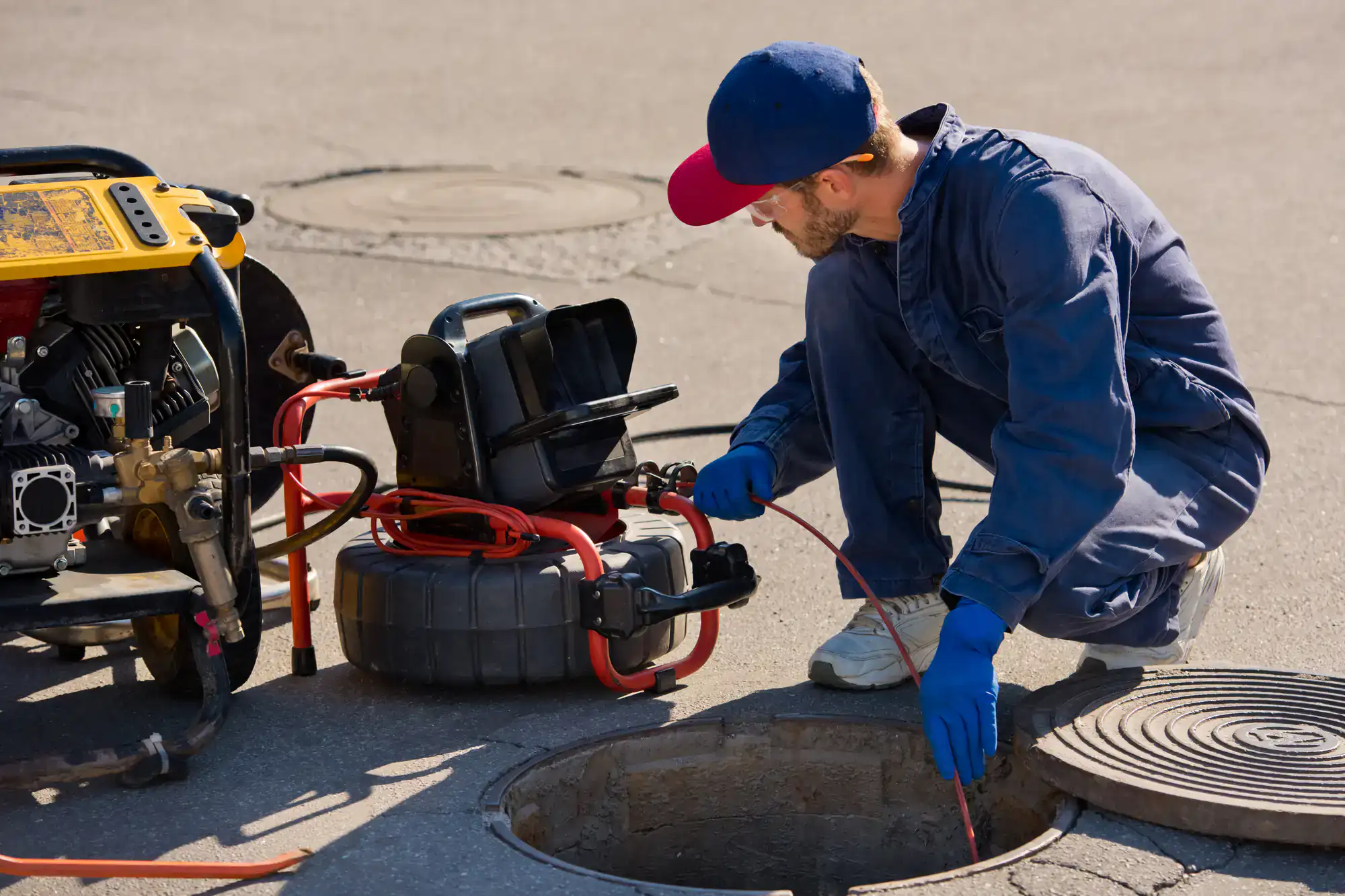
Most Cold Springs homes were built between 1940 and 1999. That means the pipe running from your house to your septic tank has been sitting in El Dorado County’s clay and decomposed granite soil for anywhere from 25 to 80-plus years shifting every wet winter and dry summer, with oak roots working their way toward the nearest moisture source the entire time. A sewer line camera inspection doesn’t guess at what’s wrong. It shows you.
You watch the live feed as the camera moves through your actual pipe. If there’s root intrusion from the valley oaks or blue oaks on your Cold Springs property, you’ll see it. If a joint has separated from years of soil movement, it shows up on screen. If there’s a belly a low spot where waste pools and solids build up the camera finds it. No digging, no assumptions, no vague estimates based on symptoms alone.
What you get at the end is a clear picture of your sewer lateral’s condition and a straight answer about what, if anything, needs to happen next. If nothing needs to be done, you’ll hear that too. That’s what an honest inspection looks like.
We’ve been serving El Dorado County for 24 years long enough to know that a sewer lateral in Cold Springs is not the same job as one in Sacramento or Folsom. The foothill soils here move. The oak canopy is protected under El Dorado County’s Oak Resources Conservation Ordinance, which means those roots aren’t going anywhere. And nearly every property on and around Cold Springs Road is on a private septic system, not a municipal connection. That context matters when someone is running a camera through your pipe.
We’re the top-ranked plumber on Yelp for the Placerville 95667 area the same ZIP code that covers Cold Springs. We hold a California CSLB C-36 Plumbing Contractor license, carry a 4.7-star Google rating across 93 verified reviews, and offer 24/7 emergency availability. Customers consistently note that final bills came in at or below the original estimate. That track record doesn’t happen by accident.
It starts with a phone call. You describe what you’re dealing with a slow drain, a gurgling toilet, a recurring backup, or a property you’re about to buy and we give you a straight price range before anyone shows up. Sewer camera inspections run $99 to $300, which is well below the Sacramento-area range of $250 to $850 and the national average of $685. You know the number upfront.
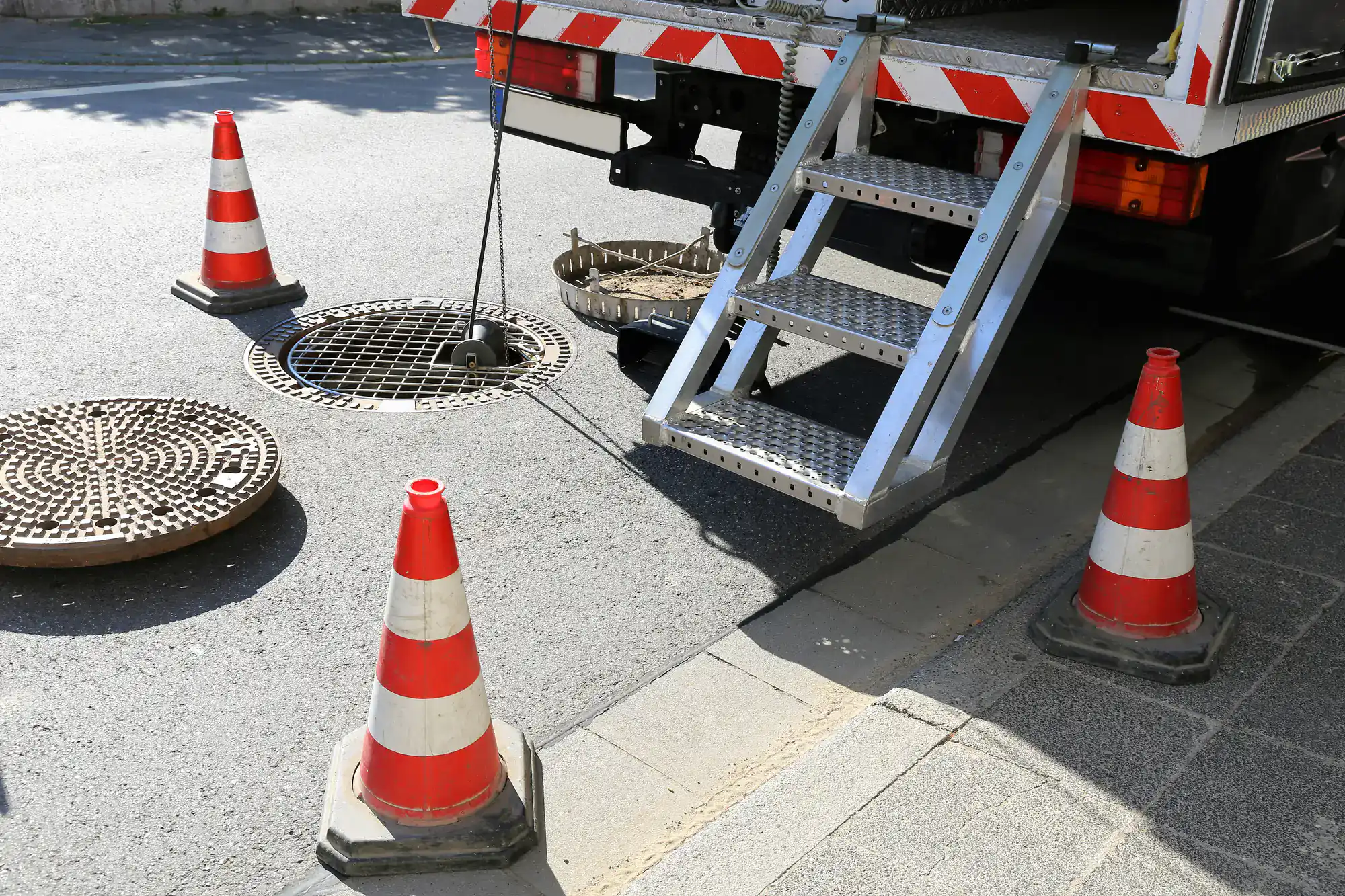
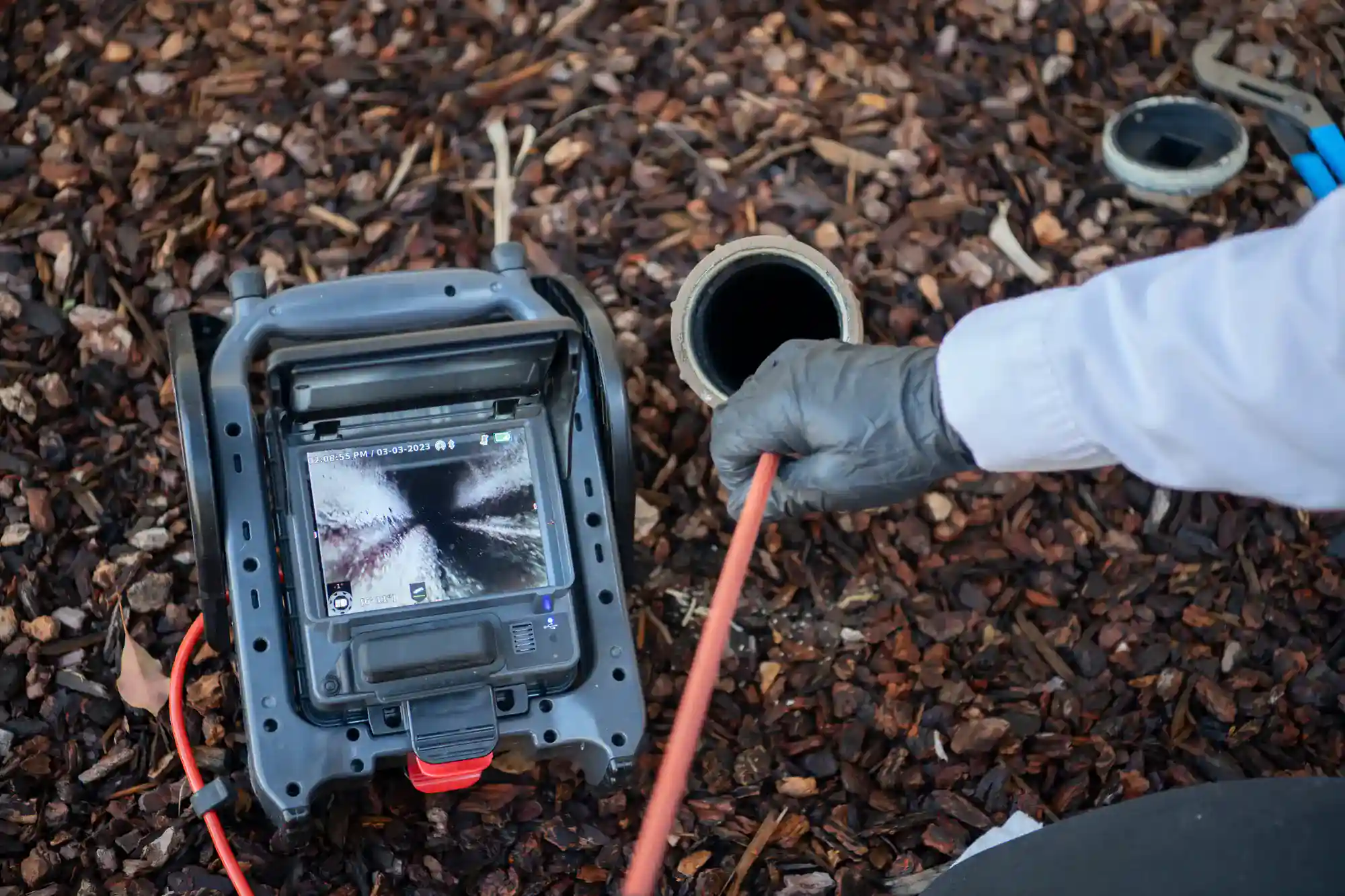
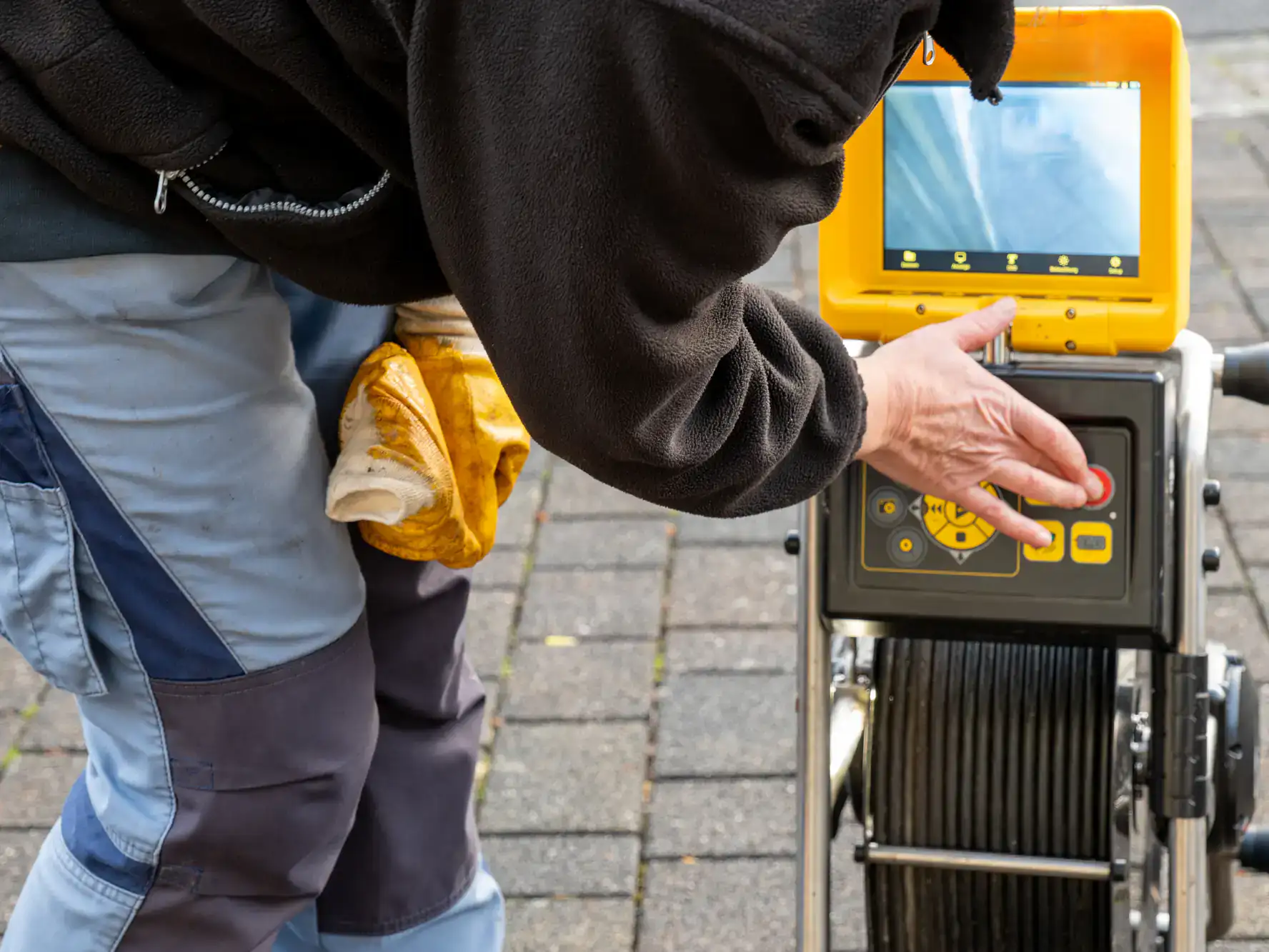
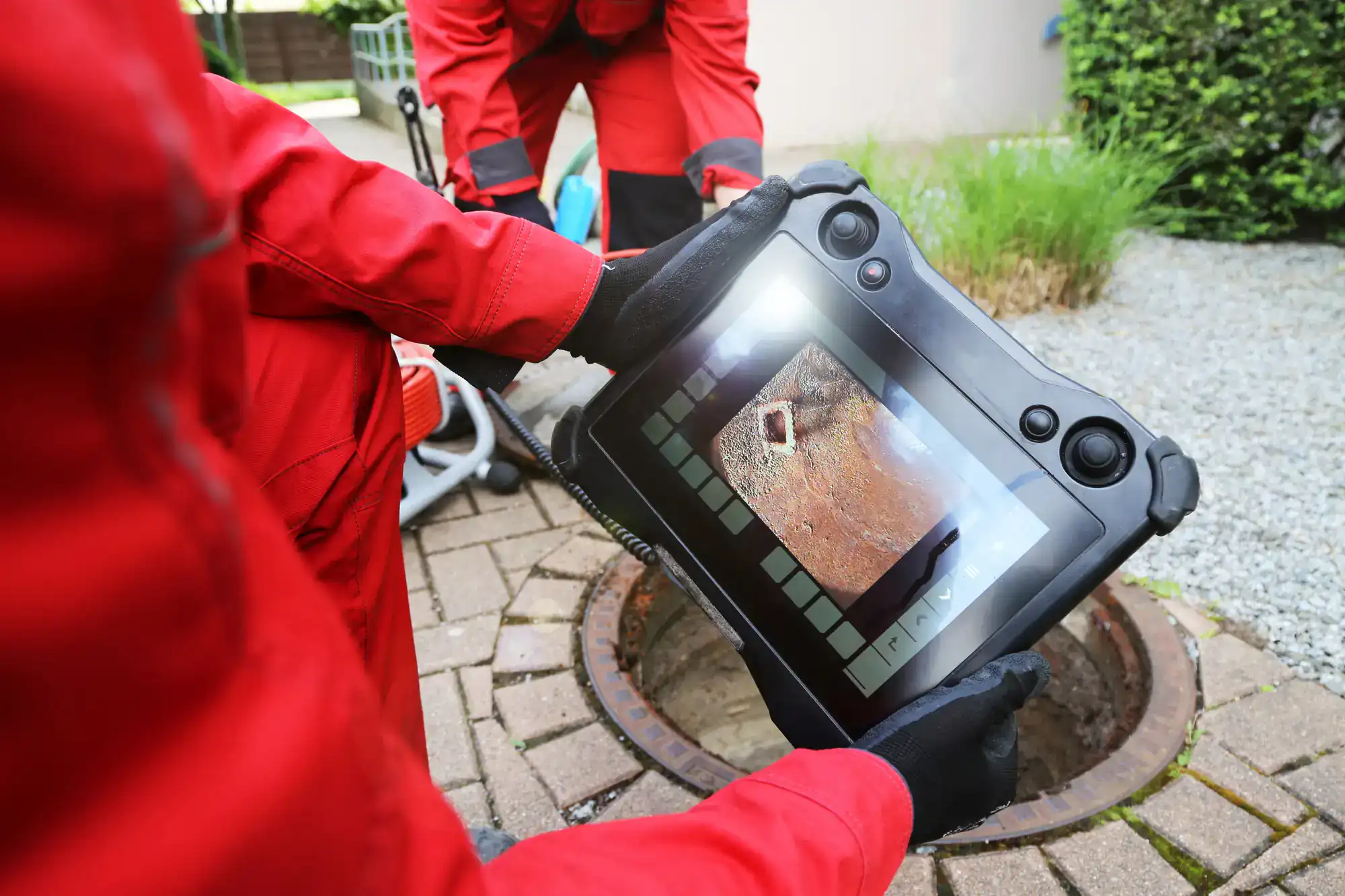
When our technician arrives, they access the sewer lateral through a cleanout or the closest available access point and feed a professional-grade camera through the pipe. The camera transmits live footage to a monitor you can watch in real time. The technician narrates what’s on screen in plain language not plumbing jargon. If there’s root intrusion, a cracked joint, a belly, or buildup, you see it as it’s found. Our camera equipment inspects lines from 1.5 to 72 inches in diameter with a reach up to 350 feet, which covers the full length of most residential sewer laterals on Cold Springs properties.
After the inspection, you get a clear summary of what was found and what your options are. If the pipe is in good shape, that’s the answer. If there’s an issue, you’ll know exactly where it is, what caused it, and what a repair would involve with no pressure to commit on the spot.
Ready to get started?
On a Cold Springs property, the sewer camera inspection focuses on the private lateral the pipe running from your home’s drain system to your septic tank. This is the section of your sewage infrastructure that is entirely your responsibility, entirely underground, and entirely invisible without a camera. Standard home inspections don’t include it. Most buyers and long-term homeowners have never had it looked at.
The inspection identifies root intrusion from the oak woodland species common throughout the Cold Springs area, joint separation caused by El Dorado County’s clay soil expansion and contraction cycle, pipe belly from ground settling, grease and mineral buildup, and cracked or collapsed sections in older clay tile or cast iron laterals. If you’re buying a property on Cold Springs Road or anywhere in the surrounding rural parcels, this inspection is the one piece of due diligence that a standard home inspection won’t give you. For a home built in the 1950s or 1960s and there are many in Cold Springs the lateral is likely original and well past its design life.
Our trenchless sewer inspection approach means no excavation is needed to diagnose the problem. A locating transmitter pinpoints the exact depth and position of any issue above ground, so if repairs are needed, the work is targeted not a trench across your entire yard. For Cold Springs homeowners who’ve spent years maintaining their acreage and protecting the oak trees on their property, that matters.
Yes and arguably more than homes connected to a municipal sewer. When you’re on a private septic system, the sewer lateral between your house and your tank is 100% your responsibility. There’s no city infrastructure to fall back on, no municipal repair crew, and no warning system other than a backup or a slow drain that’s been getting worse for months.
In Cold Springs specifically, the combination of older housing stock, El Dorado County’s clay and decomposed granite soils, and the area’s dense oak canopy creates real, documented risk for sewer lateral deterioration. Roots follow moisture, and your lateral is a reliable moisture source. Soil movement from wet winters and dry summers stresses pipe joints every single year. If your home was built before 1980, there’s a meaningful chance your lateral has never been inspected and is operating on borrowed time. A sewer camera inspection is the only way to know what you’re actually dealing with.
We charge $99 to $300 for sewer camera inspections. That’s the range you’ll hear on the phone, and it’s the range that holds when the technician arrives. No surprise charges, no fees added after the fact.
For context, the national average for a sewer camera inspection is $685. The Sacramento-area range runs $250 to $850. Our pricing is meaningfully lower than both, which matters in a community like Cold Springs where many residents are on fixed or moderate incomes and need to budget for property maintenance without absorbing unexpected bills. The inspection also comes with a free upfront estimate, so you know exactly what you’re looking at before anyone touches a thing.
The three most common findings on Cold Springs sewer laterals are root intrusion, pipe belly, and joint separation and all three are directly connected to local conditions.
Root intrusion comes from the valley oaks, blue oaks, and interior live oaks that define the Cold Springs landscape. El Dorado County even has a dedicated Oak Resources Conservation Ordinance protecting these trees, which means they’re a permanent part of the environment and a permanent threat to any lateral with even a hairline crack. Pipe belly low spots where waste pools and solids accumulate results from soil settling and ground movement over time. Joint separation happens when clay soil expands and contracts through Cold Springs’s wet winters and dry summers, pulling pipe sections apart at the seams. Homes built between the 1940s and 1980s, which make up a large portion of Cold Springs’s housing stock, are in the highest-risk category for all three.
Strongly recommended especially on any property built before 1990 or on a septic system, which describes most of the Cold Springs housing market.
Standard home inspections don’t include underground sewer laterals. Your inspector will check the fixtures, the visible drain connections, and the condition of the septic tank access if it’s visible but the pipe running from the house to the tank stays underground and uninspected unless you specifically order a sewer scope. On a Cold Springs property with original 1950s or 1960s clay tile pipe, you could be inheriting a lateral that’s cracked, root-invaded, or bellied none of which will show up in a standard home inspection report. A sewer camera inspection before closing gives you the information to negotiate repairs, request a price reduction, or make an informed decision. It costs $99 to $300. A lateral replacement after you own the property can cost several thousand dollars or more.
Most residential sewer camera inspections take between 45 minutes and an hour and a half, depending on the length of the lateral and what the camera finds along the way. If there are significant root intrusions or sections of pipe that require careful navigation, it can run a little longer but for a typical Cold Springs residential property, you’re looking at under two hours from arrival to summary.
Being home is helpful but not always required. If you want to watch the live camera feed which we strongly encourage you’ll want to be present. Watching your own pipe in real time eliminates any question about what was found and why. If you’re a buyer doing a pre-purchase inspection and can’t be on-site, we can document the findings and walk you through them by phone. Either way, you get a clear account of the lateral’s condition before any decisions are made.
Yes and that’s exactly why proactive inspections are worth doing in Cold Springs. Many of the most serious sewer lateral problems develop slowly and silently. Root intrusion, for example, can partially restrict flow for months or years before it causes a noticeable backup. A pipe belly causes solids to accumulate gradually until the buildup reaches a critical point. Joint separation may allow slow groundwater infiltration without any obvious symptom at the fixture level.
Cold Springs properties are particularly susceptible to this pattern because the conditions that damage sewer laterals here seasonal soil movement, oak root systems, aging clay pipe work slowly and consistently over time. By the time a drain is noticeably slow or a toilet starts gurgling, the underlying problem has often been developing for years. A sewer line video inspection catches these issues at the stage where they’re still manageable before a partial blockage becomes a full backup, and before a cracked lateral becomes a failed septic system.