
Sewer Camera Inspection
Get a free quote for sewer camera inspection from your local plumbing team.
We’ll contact you about your sewer camera inspection request. Privacy policy
Hear from Our Customers
Freeport sits on Sacramento River Delta soil peat, organic deposits, saturated ground that moves with the seasons. When that ground shifts, buried sewer pipes crack, sag, or develop low spots where waste pools instead of flows. That kind of damage doesn’t announce itself until a backup forces the issue, and by then you’re not talking about a minor repair.
A sewer line camera inspection gives you a clear picture of what’s actually happening underground. You see the footage in real time. If there’s a crack, root intrusion, or a belly in the line, it shows up on screen not in a vague verbal summary after the fact. For homes along the SR-160 corridor where cast iron and clay laterals have been in the ground for 50, 60, even 70 years, that visibility matters more than it does almost anywhere else in Sacramento County.
The math is straightforward. A sewer pipe inspection in Freeport starts at $99. A sewer line replacement can run $6,000 to $10,000 or more. One conversation with a camera tells you exactly where you stand and whether you need to do anything at all.
We serve Sacramento County, and Freeport falls squarely in our footprint. Our technicians know what Delta-region properties look like aging housing stock, river-corridor tree roots, soil conditions that behave differently than the upland Sacramento suburbs a few miles north. That context matters when we’re looking at your sewer line and telling you what we see.
We carry a California CSLB C-36 Plumbing Contractor license, which means any inspection report we produce meets California’s sewer lateral compliance certification requirements relevant if you’re selling, buying, or dealing with anything that requires SacSewer documentation. Freeport is explicitly within the Sacramento Area Sewer District service area, and we know what that means for your property.
Our Google rating sits at 4.7 out of 5 across 93 verified reviews. The pattern in that feedback is consistent: we showed up on time, explained everything clearly, and the final bill came in at or below the original estimate. No pressure. No invented problems. Just the facts.
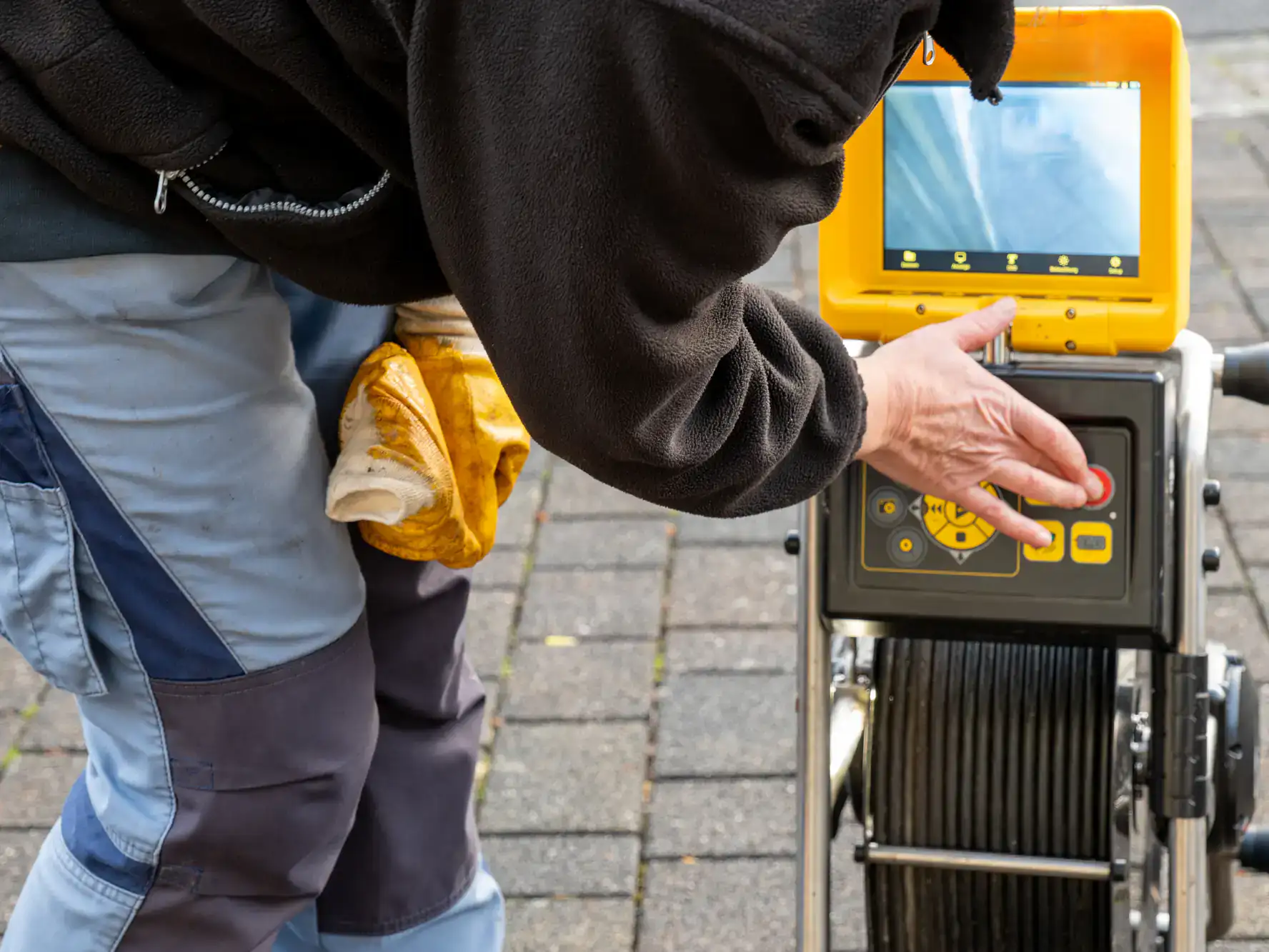
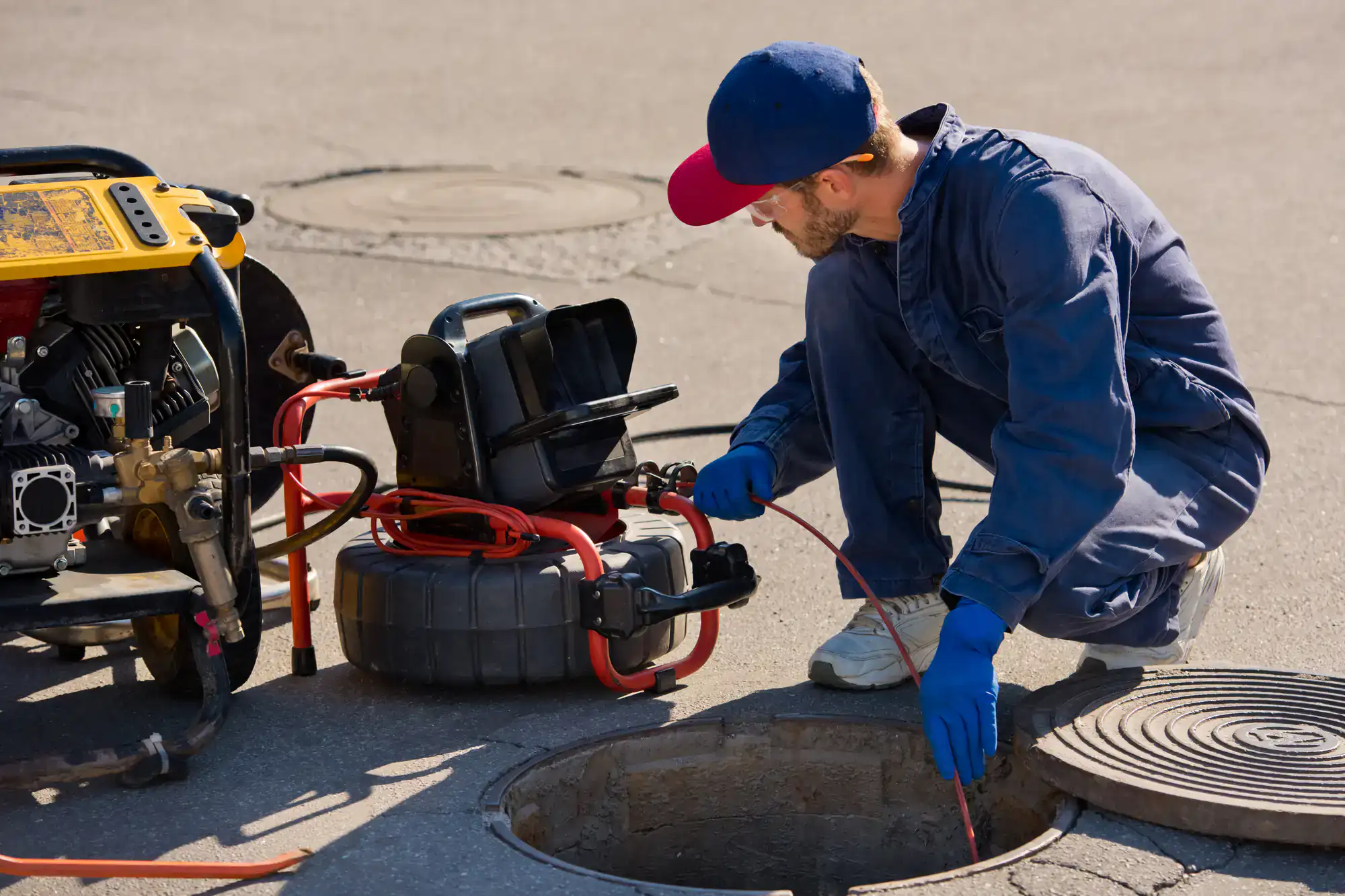
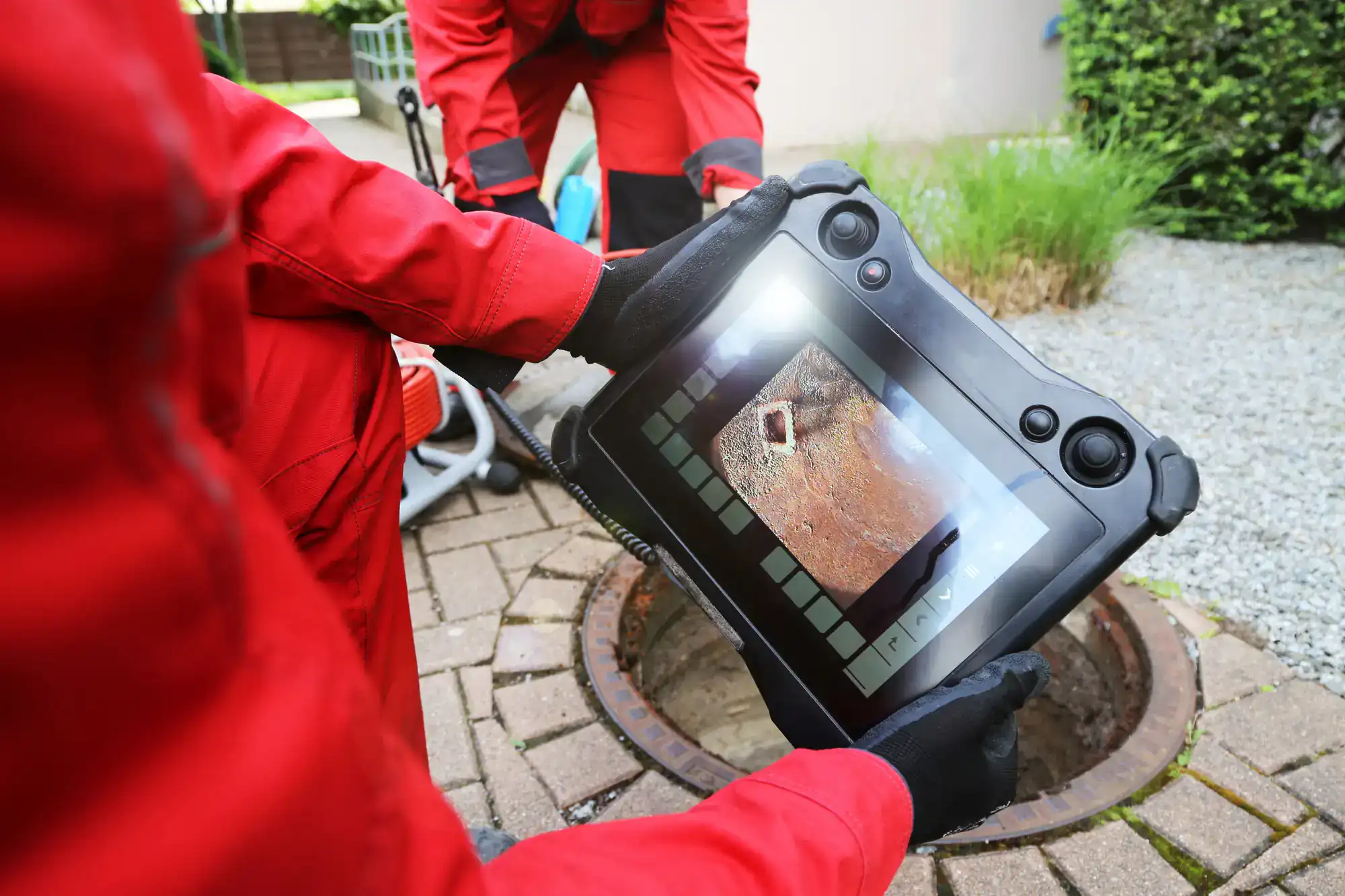
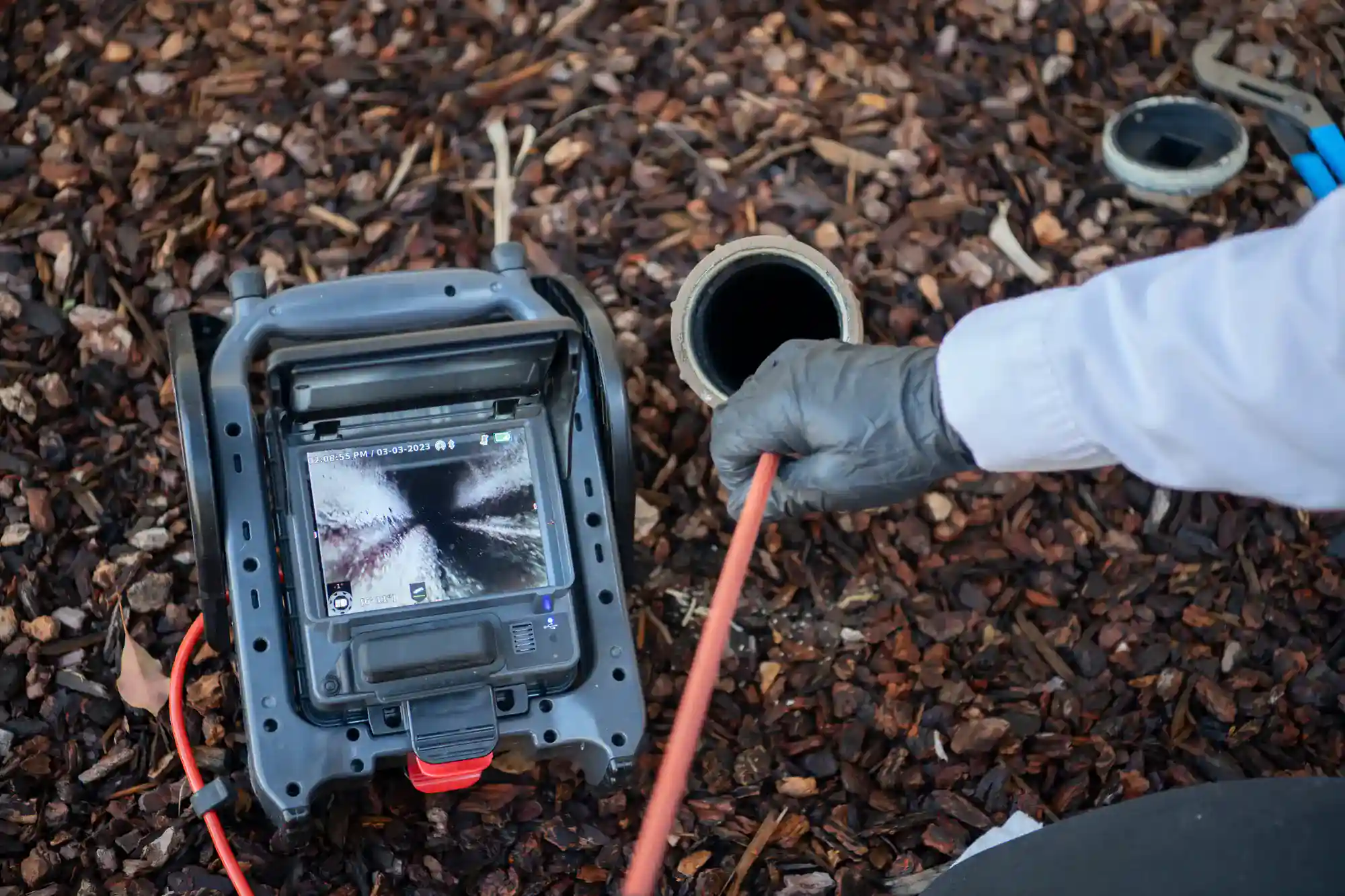
The inspection starts at an existing cleanout or access point no digging, no excavation, no tearing up your yard. Our professional-grade camera enters the line and travels up to 350 feet through your sewer lateral while you watch the live footage on a monitor. Our technician narrates what they see in plain language as it happens. Not afterward. Not in a written report you have to decode. Right there, in real time.
When we find a problem whether that’s root intrusion from the willows and cottonwoods that line the Freeport Boulevard corridor, a crack caused by Delta soil movement, or a belly from decades of ground settling a locating transmitter pinpoints the exact spot above ground. That means if repair work is needed, there’s no guesswork about where to dig. The location is marked precisely, which keeps repair costs lower and scoped accurately from the start.
After the inspection, you have recorded footage, still images, and location data. If you’re buying a property along the SR-160 corridor, that documentation is your negotiating tool. If you’re a current Freeport owner, it’s your baseline proof of what’s there and what isn’t. Either way, you leave the conversation knowing something real.
Ready to get started?
Our sewer camera system inspects lines from 1.5 to 72 inches in diameter covering everything from standard residential laterals to larger drain lines. The LED-lit, self-leveling camera produces consistent, high-resolution footage regardless of pipe condition, which matters in older Freeport homes where lines may be partially root-filled, corroded, or carrying sediment buildup from decades of use. This isn’t a consumer-grade camera on a short cable. It reaches where the problems actually are.
Our sewer blockage inspection covers root intrusion, cracks, pipe misalignment, corrosion, bellying, and any evidence of infiltration groundwater entering the line through compromised joints or fractures. In a community where the Sacramento River’s water table directly influences soil saturation around buried pipes, infiltration is a real and ongoing issue, not a hypothetical one. We identify it. Our report documents it.
Pricing for a sewer camera inspection in Freeport runs $99 to $300 well below the Sacramento market range of $250 to $850 and a fraction of the $685 national average. That price is given upfront, and our documented track record is that final invoices consistently come in at or below the original estimate. If the inspection finds nothing wrong, you know that too and that’s worth something on its own.
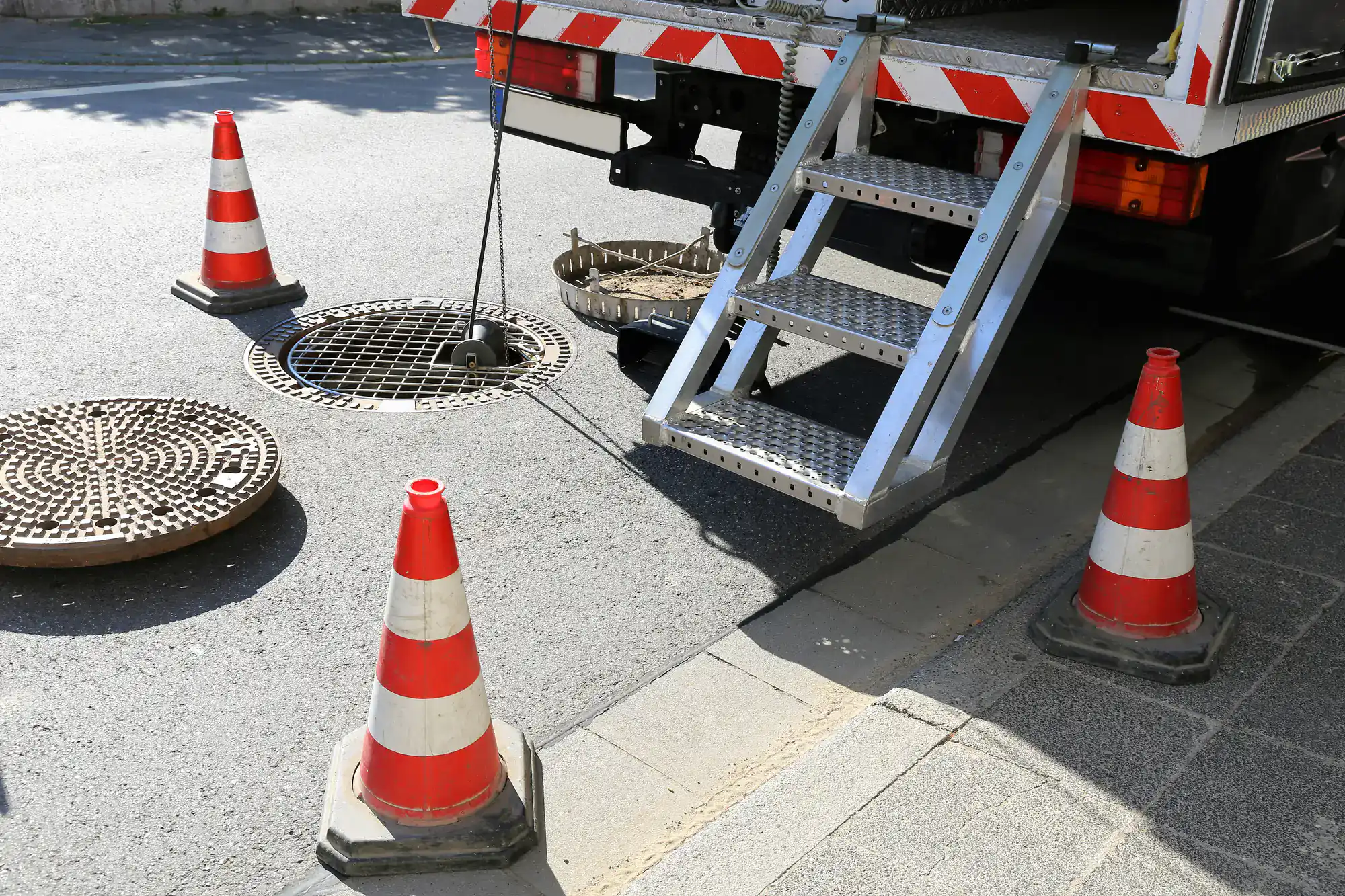
Our sewer camera inspection in Freeport starts at $99 and tops out around $300, depending on the length and condition of the line. For context, the Sacramento market average runs $250 to $850, and the national average sits around $685. So our pricing here is genuinely below what most homeowners expect to pay.
What you get for that price is a full sewer line video inspection with live footage, a technician who walks you through what we’re seeing in plain language, recorded video and still images from the inspection, and precise location data if a problem is found. There are no hidden fees added after the fact. Our reviews consistently note that final bills meet or come in under the original estimate and in a community like Freeport where there’s no local plumber down the street to get a second opinion from, that kind of pricing transparency carries real weight.
Yes and in Freeport specifically, it’s one of the most common causes of sewer line problems we encounter. The Sacramento River corridor supports dense populations of willows, cottonwoods, and other water-seeking species whose root systems are aggressive and persistent. These roots don’t need a large opening to enter a pipe a hairline crack in an aging clay or cast iron lateral is enough. Once inside, they grow, expand, and eventually cause blockages or structural damage to the line.
The issue is compounded by Freeport’s housing age. Homes built in the 1940s through 1970s along the SR-160 corridor almost certainly still have their original lateral material, which is past or approaching the end of its expected service life. A sewer blockage inspection using our camera system shows exactly how far root intrusion has progressed whether you’re looking at a simple cleaning, a targeted repair, or a more significant replacement. Catching it early is always the lower-cost outcome.
It does, and it’s a risk that’s specific to communities like Freeport that sit on Sacramento-San Joaquin Delta soils. The peat and organic deposits that underlie this area are subject to subsidence gradual ground sinking caused by soil compaction, organic matter decomposition, and groundwater fluctuation tied to the Sacramento River’s seasonal levels. When the ground shifts unevenly, rigid buried pipes respond by cracking, misaligning at joints, or developing bellies low points where waste pools rather than flows toward the main.
This type of damage is invisible from the surface. You won’t see it in your yard. You might notice slow drains or occasional gurgling, but those symptoms can have multiple causes. A sewer line camera inspection is the only way to confirm whether ground movement has already compromised your lateral and if it has, the locating transmitter in our system marks the exact spot above ground so any repair work is scoped accurately from the start.
It’s not legally mandated for every transaction, but it’s increasingly standard practice in Sacramento County and for older properties in Freeport, it’s one of the more important steps a buyer can take. Standard home inspections don’t cover underground sewer lines. That means a buyer can close on a property without any knowledge of what the lateral looks like, and discover a $6,000 to $10,000 repair need shortly after moving in.
For Freeport properties specifically, the combination of aging housing stock, Delta soil conditions, and river-corridor tree root pressure makes a pre-purchase sewer pipe inspection more important than in most Sacramento-area communities. Our C-36 licensed inspections produce documentation recorded footage, still images, precise location data that can be used in purchase negotiations, repair cost estimates, or post-closing planning. Because Freeport falls within the Sacramento Area Sewer District (SacSewer) service area, that documentation also satisfies California’s sewer lateral compliance certification requirements if needed for official purposes.
Most residential sewer camera inspections take between 45 minutes and two hours, depending on the length of the line, how many access points are available, and what the camera encounters along the way. A straightforward inspection on a shorter lateral with a clear cleanout access point moves quickly. If the line is long, partially obstructed, or the camera needs to navigate significant root intrusion or debris, it takes longer but that additional time is because we’re being thorough, not because the process is inefficient.
For Freeport properties with older cast iron or clay laterals, it’s worth noting that the inspection itself doesn’t cause any disruption to your yard or landscaping. The camera enters through an existing cleanout. If a problem location needs to be identified above ground, the locating transmitter does that without any digging. The whole process is non-invasive, and you’re present for all of it watching the footage as it happens, not waiting on a report to arrive later.
Yes we offer 24/7 emergency service, and that availability matters in a community like Freeport where there’s no local plumbing provider to call. When a sewer backup happens on a Sunday evening or a holiday weekend in a home with 60-year-old cast iron pipes, waiting until Monday morning isn’t a neutral decision. Sewage backing up into a home causes damage quickly, and the longer it sits, the more expensive the recovery becomes.
The 24/7 availability isn’t a theoretical offering it’s reflected in customer reviews that specifically reference weekend and evening response. For Freeport and the surrounding SR-160 corridor communities, we’re a reliable option when the situation can’t wait. If you’re dealing with a slow drain that’s been getting worse, recurring backups, or a sudden complete blockage, a sewer line camera inspection can be scheduled promptly and the inspection itself will tell you exactly what you’re dealing with before any repair decisions are made.