
Hear from Our Customers
At around 3,200 feet in the Sierra Nevada foothills, your pipes deal with conditions that Sacramento valley plumbers rarely see. Every winter, the ground around your sewer lateral freezes and thaws and that repeated movement cracks joints, shifts pipe alignment, and creates low spots where waste pools and pressure builds. By the time you notice a backup, the damage has usually been developing for a while.
Then there are the trees. Ponderosa pine, black oak, incense cedar the same mature growth that makes Gold Run beautiful is actively searching for moisture underground. Pipe joints and aging connections are exactly what those root systems find. A sewer line camera inspection lets you see root intrusion, cracks, or bellies before they turn into a full blockage or a collapsed line.
For Gold Run homeowners managing private septic systems on acreage properties, this matters even more. There’s no utility district absorbing the cost if something fails. That system is yours and a sewer pipe inspection is the most straightforward way to know what condition it’s actually in.
We’ve been serving foothill communities along the I-80 corridor with straightforward plumbing work and no-surprise pricing. We hold a California CSLB C-36 plumbing license, and our work speaks for itself 4.7 out of 5 stars across 93 verified Google reviews, with customers specifically calling out honest estimates, on-time arrivals, and final bills that came in at or below what was quoted.
Gold Run sits in unincorporated Placer County, and we understand what that means for your property. No municipal sewer connection. A private system that’s entirely your responsibility. Longer pipe runs across acreage that require equipment most suburban plumbers don’t carry. We’ve worked in these conditions. We know what to look for, and we’re not going to manufacture a problem to sell you a repair.
If the inspection shows your system is in good shape, that’s exactly what we’ll tell you.
When you call, we ask a few straightforward questions about your property the age of the home, whether you’re on a private septic system, and what you’ve been noticing. That helps us show up prepared, especially on Gold Run acreage properties where pipe runs can be significantly longer than a standard suburban lateral.
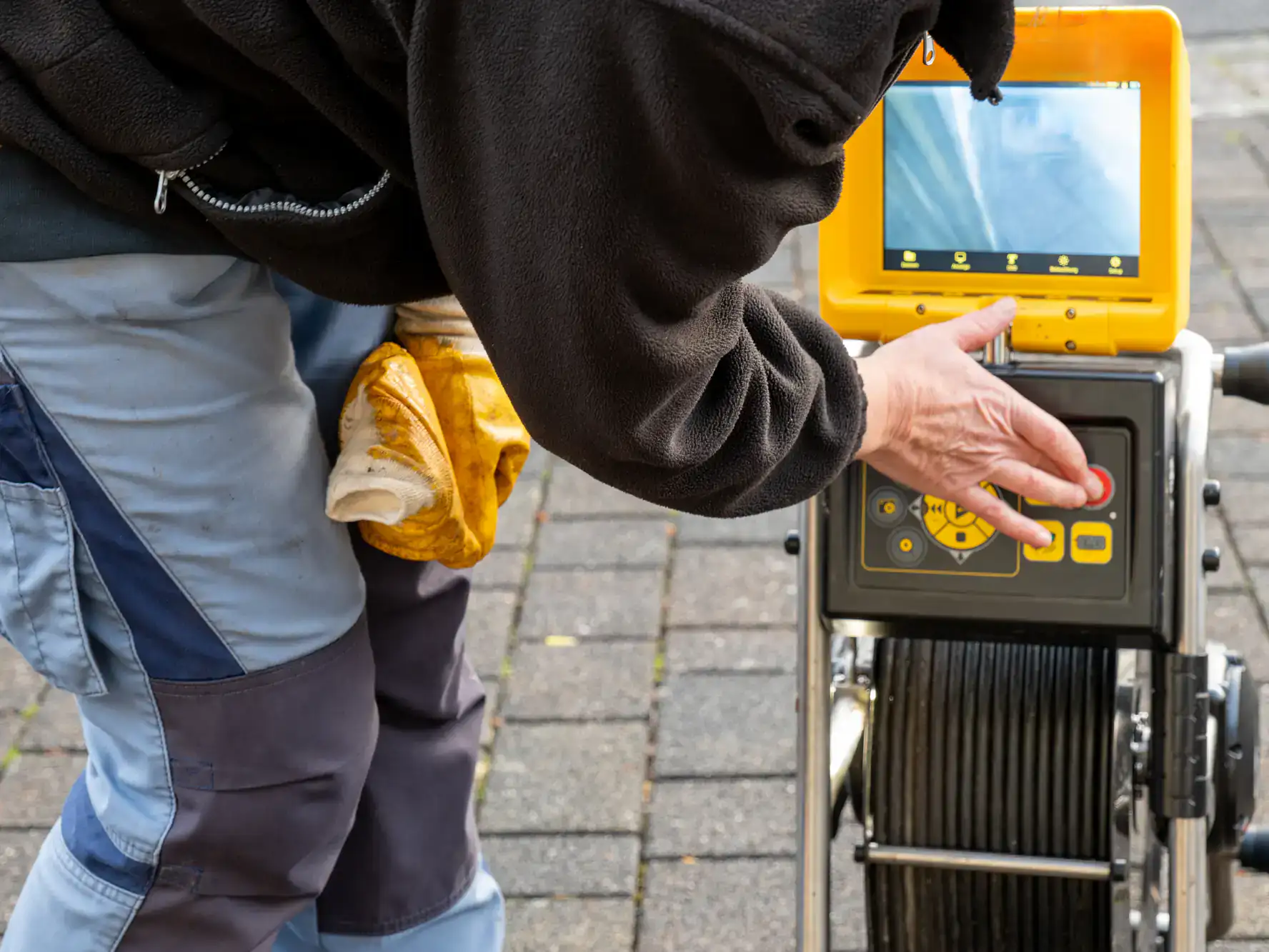
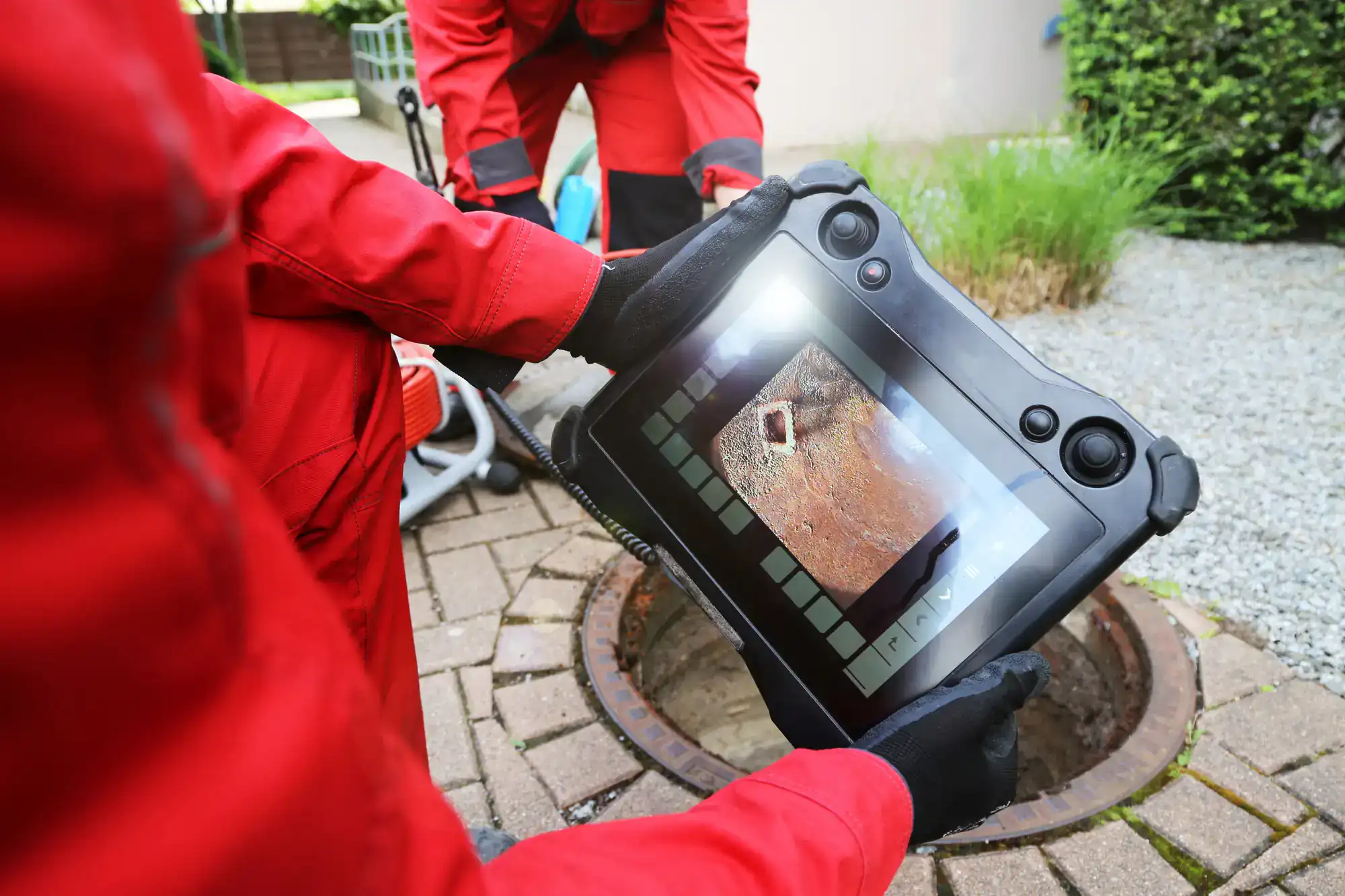
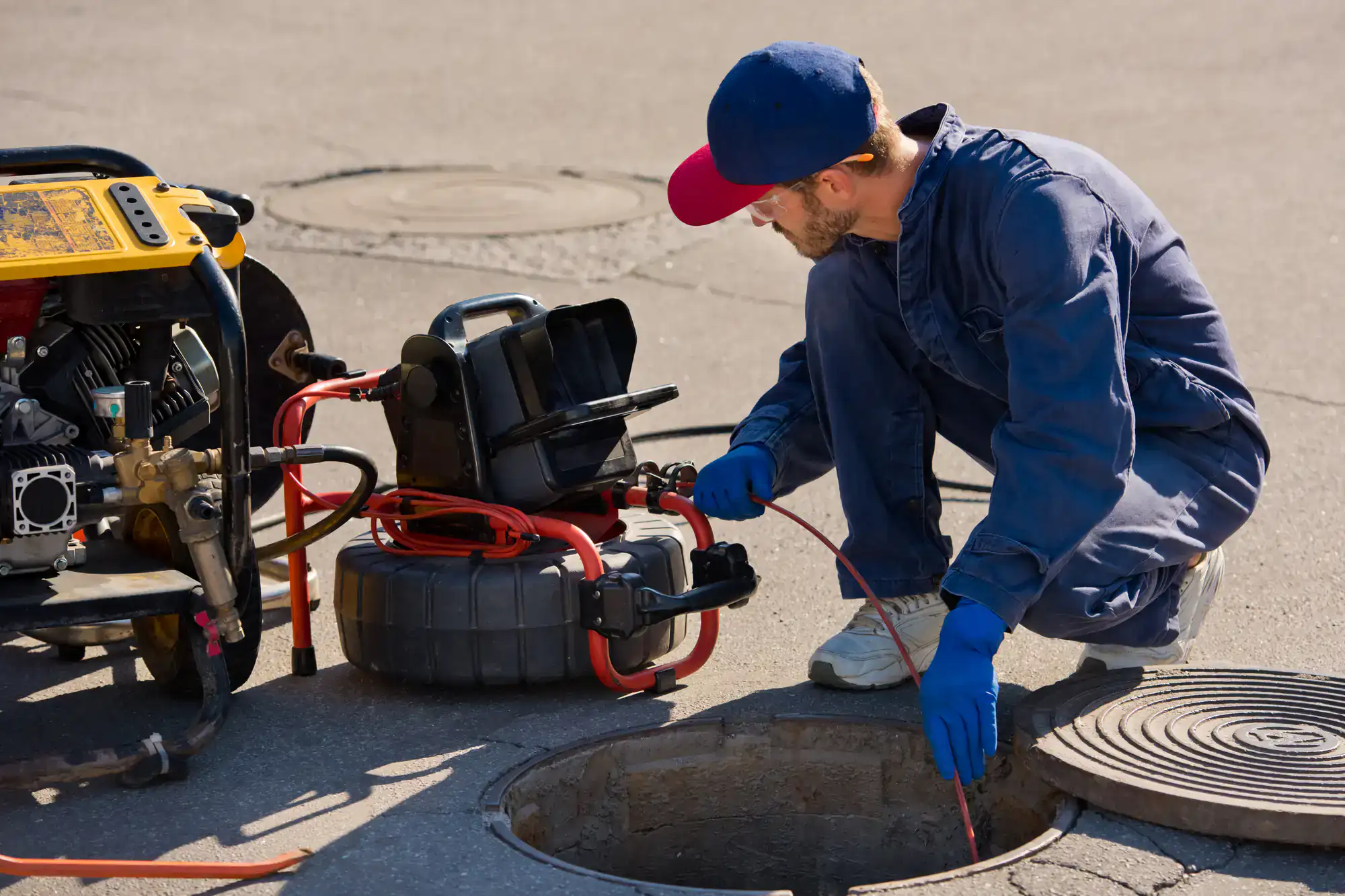
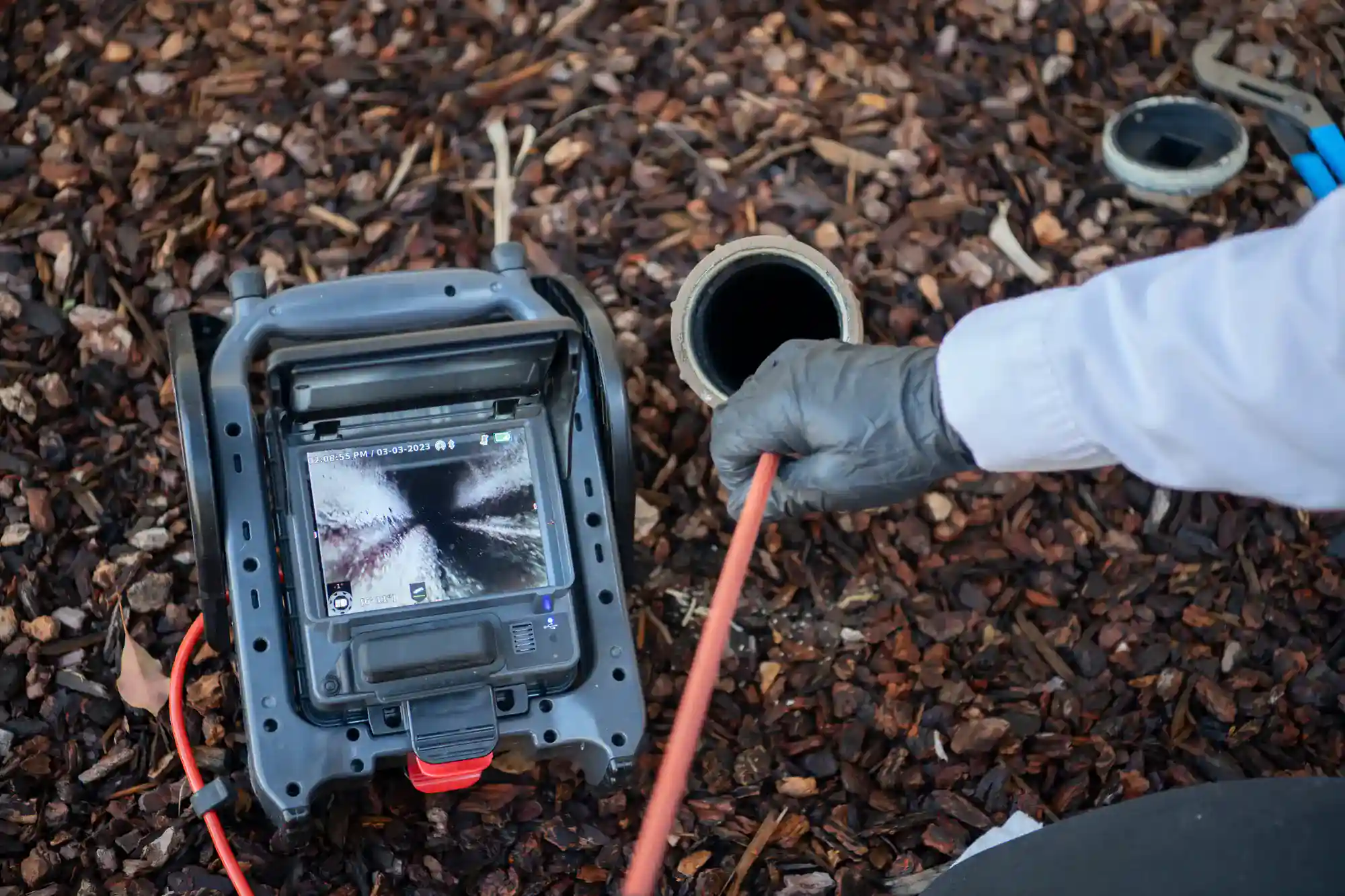
Once on-site, we feed a high-definition camera into your sewer line and walk through the footage with you in real time. You see exactly what the camera sees root intrusion, cracks, bellies, buildup, or nothing at all. Our equipment handles pipes from 1.5 to 72 inches in diameter and reaches up to 350 feet, which matters on rural properties where the distance between your house and the septic system isn’t a short run. A locating transmitter identifies any problem areas above ground, so if repairs are needed, we know the exact spot before anyone talks about digging.
At the end, you get a clear explanation of what was found and what your options are. No pressure to approve anything on the spot. If you’re preparing for a property sale or satisfying a buyer’s due diligence requirement which is common in Placer County rural transactions we can provide the documented footage and written findings you’ll need.
Ready to get started?
Our sewer camera inspection covers the full lateral line from your home to the connection point whether that’s a municipal main or, as is common in Gold Run’s unincorporated Placer County areas, a private septic system. Pricing runs between $99 and $300 depending on system complexity and pipe length. That range is well below what most regional providers charge, and it’s the number we stand behind not a starting point that climbs once we’re on-site.
The inspection includes real-time HD video footage, a locating transmitter to pinpoint any problem areas above ground, and a plain-language explanation of findings before we leave. If your pipes are clear, we tell you that. If there’s root intrusion from the ponderosa pines or oaks on your property, a crack from years of freeze-thaw cycling, or a belly that’s been collecting waste, you’ll see it on the screen yourself.
For Gold Run homeowners who haven’t had their sewer system looked at in years or ever this is the inspection that tells you what you’re actually working with. And if you’re buying or selling a rural property along Magra Road or anywhere else in the Gold Run area, documented sewer footage is something buyers, sellers, and lenders increasingly expect before a transaction closes.
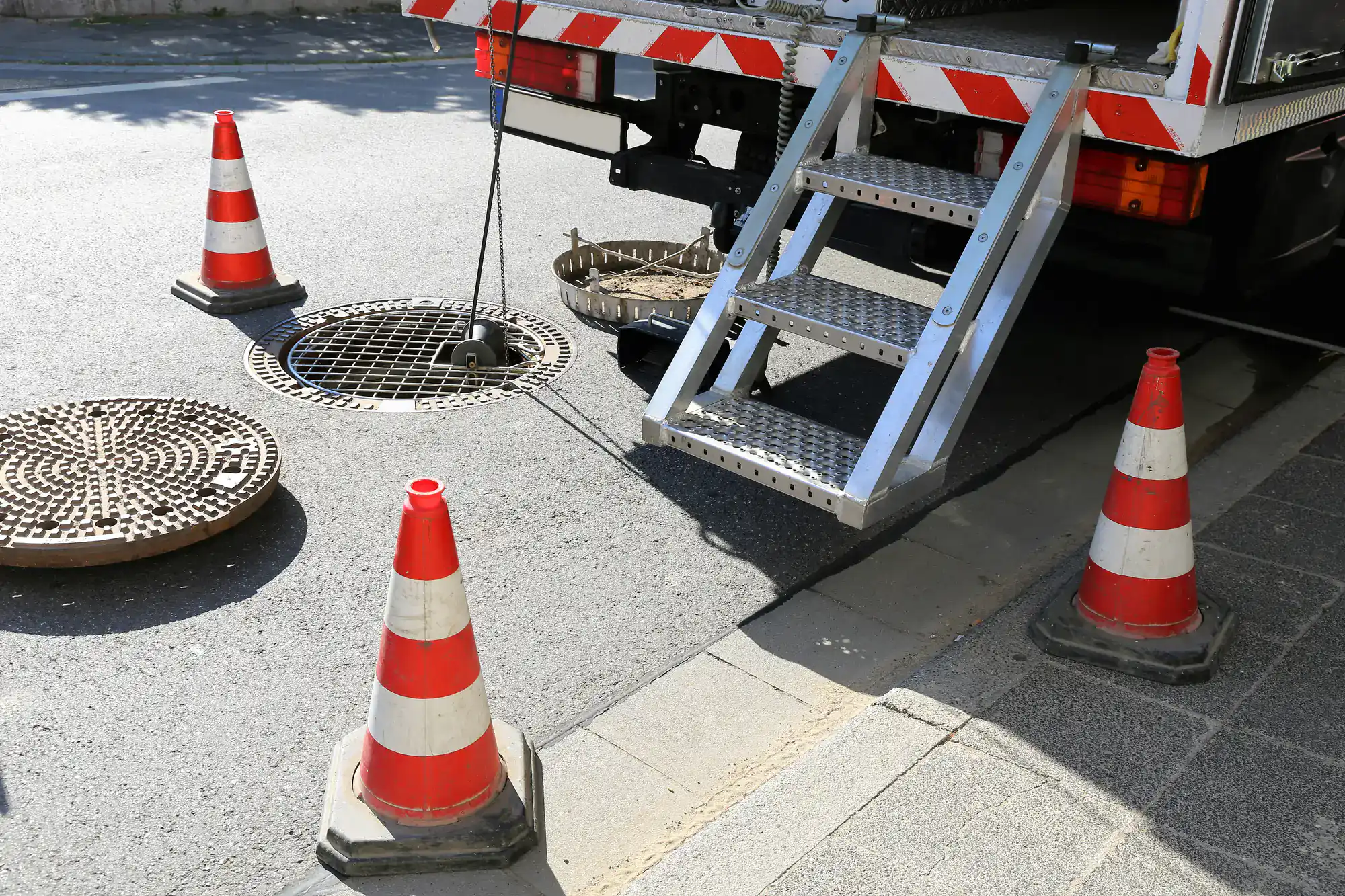
Our sewer camera inspection is priced between $99 and $300, depending on the length and complexity of your system. For Gold Run properties which often involve longer pipe runs across acreage and private septic connections rather than a short municipal lateral the final cost reflects the actual scope of the job, not an inflated flat rate designed for suburban lots.
That price range is the number we quote, and it’s the number on the invoice. Customers consistently note that final bills come in at or below the original estimate. There are no add-ons for the locating transmitter, the real-time footage walkthrough, or the written explanation of findings. You know what you’re paying before anyone shows up, and nothing changes without your approval.
Yes and for most Gold Run homeowners, this is exactly the kind of inspection that matters most. Because Gold Run sits in unincorporated Placer County without access to a public sewer main in many areas, your lateral line runs from the house to your private septic system. That entire run is your responsibility, and it’s the section most likely to show root intrusion, freeze-thaw cracking, or age-related deterioration.
Our camera equipment reaches up to 350 feet and handles pipes from 1.5 to 72 inches in diameter, which means it’s built for the longer, more complex runs common on rural acreage properties not just the short laterals you’d find in a tract neighborhood. We inspect the full line, identify any problem areas with a locating transmitter, and give you a clear picture of what your system looks like underground.
The two most common causes we find on foothill properties at Gold Run’s elevation are root intrusion and freeze-thaw pipe damage and they often work together. Ponderosa pine, black oak, and incense cedar all have extensive root systems that actively grow toward moisture. Pipe joints, small cracks, and aging connections are exactly the entry points those roots exploit. Once roots get inside a pipe, they don’t stop growing.
Freeze-thaw cycling compounds the problem. When the ground around your pipes freezes and thaws repeatedly through a Gold Run winter, the soil shifts and that movement stresses pipe joints, creates cracks, and can cause sections to settle unevenly. A belly, or low spot in the pipe, is a direct result of this kind of ground movement, and it’s a spot where waste accumulates and blockages form. A sewer line camera inspection identifies both issues before either one causes a full backup.
It’s not always legally required, but skipping it is a real financial risk. Rural property transactions in Placer County including homes along Magra Road and throughout the Gold Run area involve private systems that a standard home inspection doesn’t fully evaluate. Your home inspector will note visible plumbing concerns, but they won’t put a camera in your sewer lateral to show you what’s happening 100 feet underground.
If the property has original clay or cast iron pipes from the 1960s or 1970s, those materials are at or past their designed service life. Add Gold Run’s freeze-thaw conditions and the mature trees common on foothill acreage, and the odds of finding something worth knowing about before closing are real. We provide documented video footage and written findings that give buyers negotiating leverage and give sellers documentation to support their asking price. Lenders are also increasingly requesting this kind of documentation for rural property transactions in Placer County.
At roughly 3,200 feet elevation, Gold Run experiences genuine freeze-thaw cycling through the winter months something the Sacramento valley communities further west rarely deal with. When the soil around your sewer lateral freezes, it expands. When it thaws, it contracts. That repeated movement puts stress on pipe joints, can crack older clay or cast iron sections, and causes pipe segments to shift or settle unevenly over time.
The result is often a belly a low spot where the pipe dips and waste pools instead of flowing through. Bellies don’t always cause an immediate backup, but they create the conditions for one. Debris accumulates, flow slows, and eventually the line blocks. A sewer blockage inspection with a camera is the only way to identify a belly or freeze-related crack before it becomes an emergency. For homeowners who’ve been in their Gold Run property for a decade or more without an inspection, late fall before the ground freezes again is the most practical time to schedule one.
Yes. We serve the I-80 foothill corridor, including Gold Run and the surrounding communities in Placer County. Gold Run’s location in unincorporated Placer County off Exit 143 at Magra Road puts it squarely within our service area, and we’re familiar with the specific conditions that come with properties at this elevation: private septic systems, longer pipe runs on acreage, aging pipe materials, and the tree root and freeze-thaw issues that are common throughout the Sierra Nevada foothills.
We also offer 24/7 emergency availability, which matters in a rural community where getting a plumber out on a weekend or during a winter storm isn’t as simple as it is in the city. If you’re dealing with a backup or just want to know what condition your system is in before the next winter season, you can reach us any time. The call is straightforward, the pricing is clear upfront, and there’s no pressure to approve anything beyond the inspection itself.