
Hear from Our Customers
Most Herald homeowners don’t find out there’s a pipe problem until something backs up, a smell won’t go away, or a wet patch shows up in the yard near the septic area. By that point, the damage has usually been building for a while. A sewer camera inspection catches what’s developing before it fails completely and on a rural acreage property, that difference can be thousands of dollars.
Herald’s clay-heavy soils in southeastern Sacramento County expand and contract every wet season and dry season without stopping. That annual movement puts real stress on underground pipes. Joints shift. Low spots form. Cracks open just enough for roots to find their way in. Mature trees and orchards on rural properties don’t care what’s in their path they follow moisture, and older pipe joints are exactly what they find. A camera shows you where that’s happened and how far it’s progressed.
If you’re buying a rural property along the SR-104 corridor near Herald, this inspection is even more critical. Standard home inspections don’t cover underground lines or septic connections. The pipes between the house and the tank are invisible without a camera and on a property that’s been in service for 40 or 50 years, what’s down there can completely change what the purchase is worth.
We serve Sacramento County, and that includes the rural, unincorporated communities in the southeastern corner of the county the areas around Herald, the Galt corridor, and out toward Clay along Route 104. If you’ve had plumbers decline to make the drive or not return calls for a Herald address, that’s not how we work.
We hold a California CSLB C-36 license, carry a 4.7 out of 5 rating across 93 Google reviews, and have built our reputation on one thing: telling you what’s actually there. Not what generates the biggest repair ticket. Final bills consistently come in at or below the original estimate and that track record matters when you’re managing a property where every system is yours to maintain and pay for.
We cover emergency calls 24/7. A sewer backup on a rural property at 10 PM on a Friday doesn’t wait until Monday, and neither do we.
The process starts with a phone call. You describe what you’re seeing slow drains, recurring backups, odor, a wet spot in the yard, or just a property you’ve never had inspected and we confirm availability and give you a straightforward price range upfront. No vague estimates. No “we’ll tell you when we get there.”
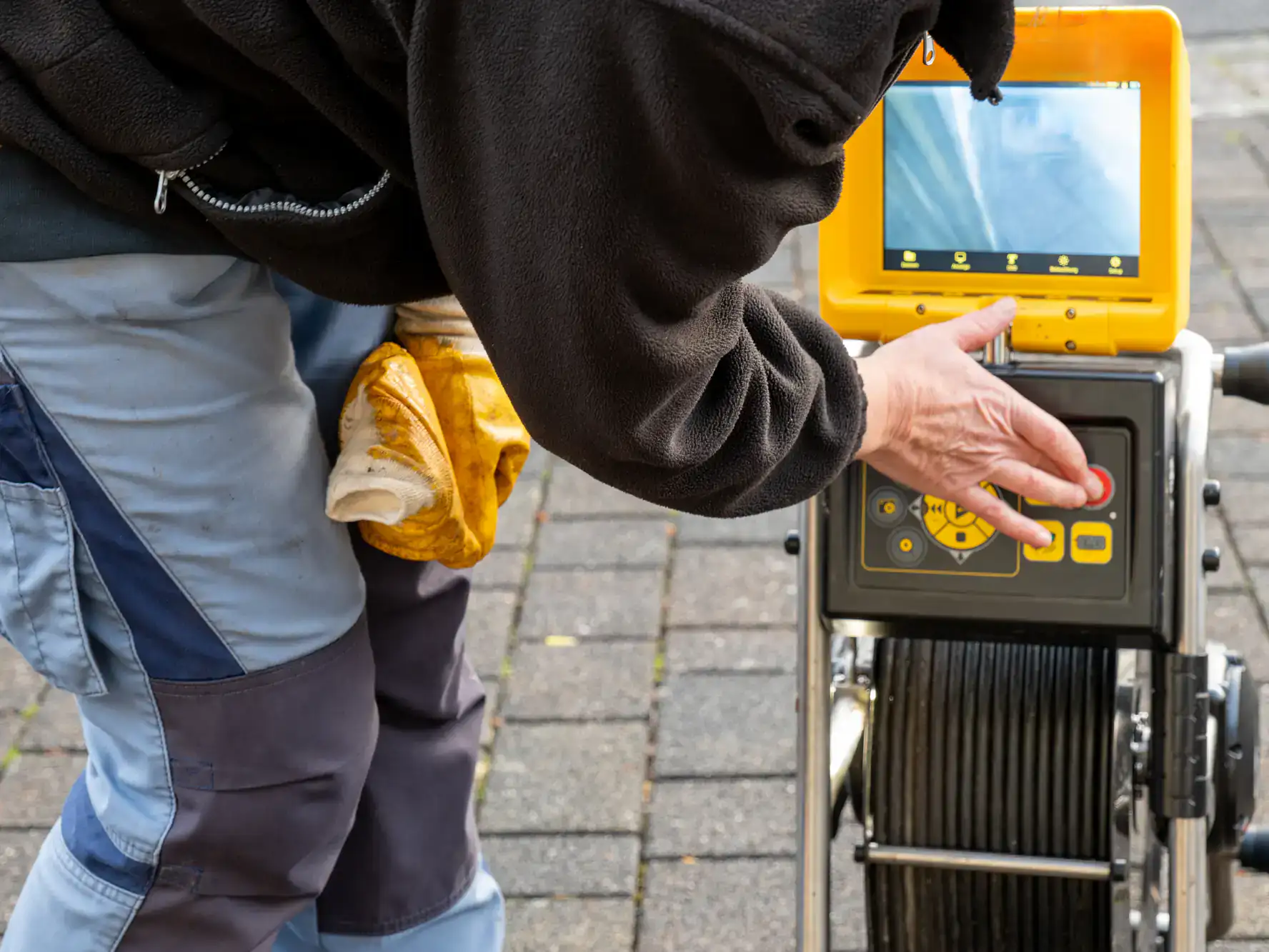
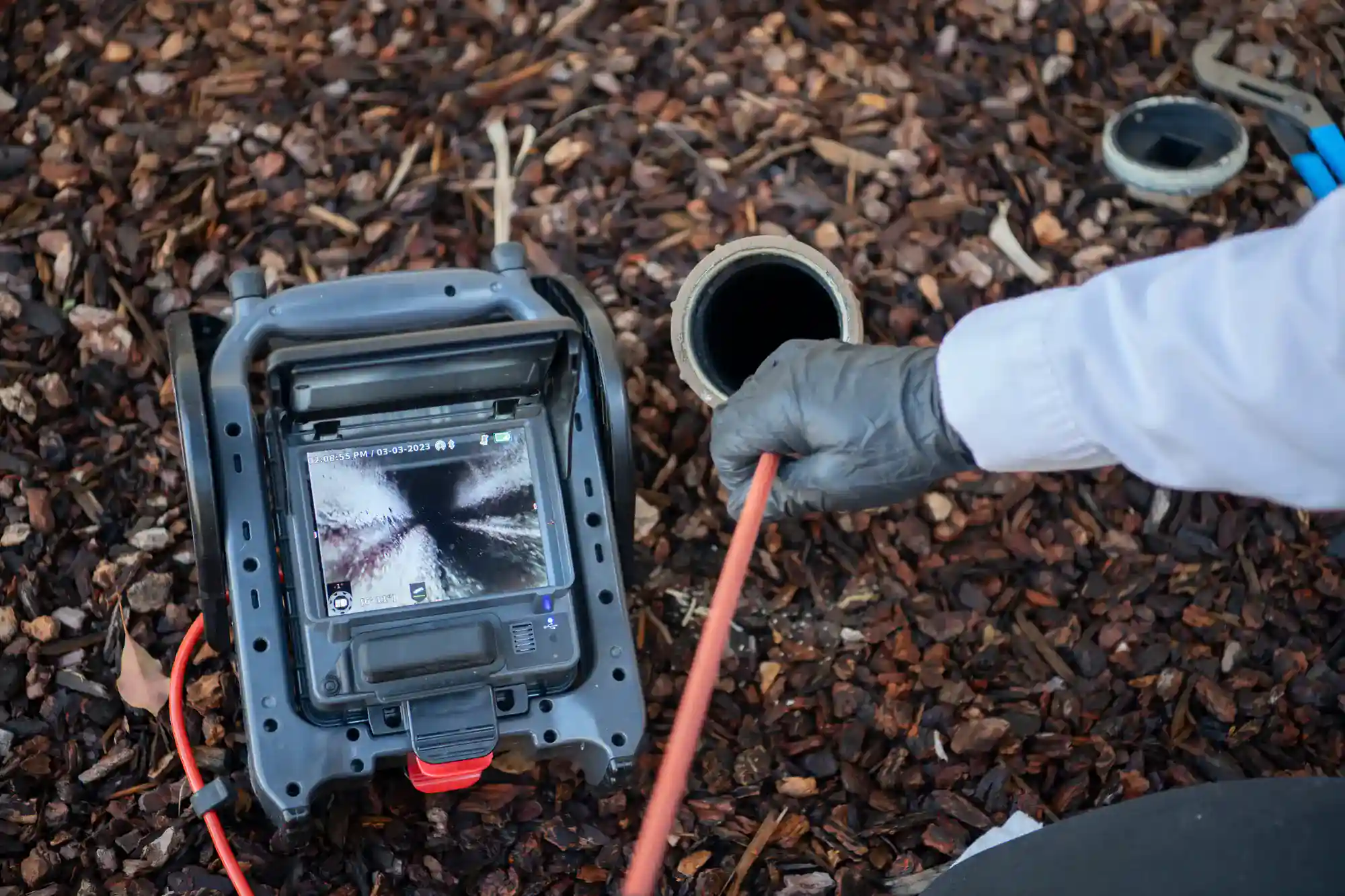
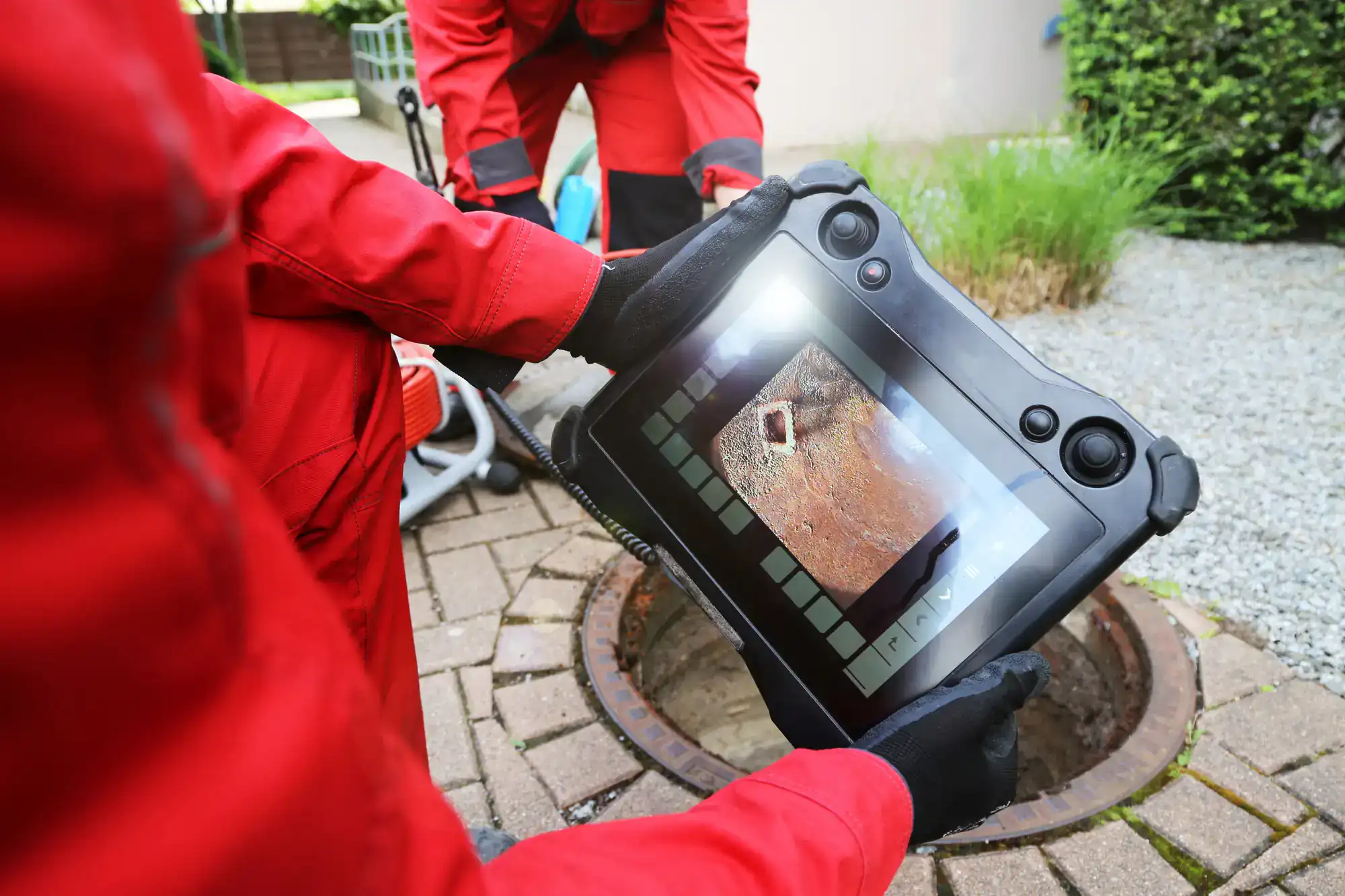
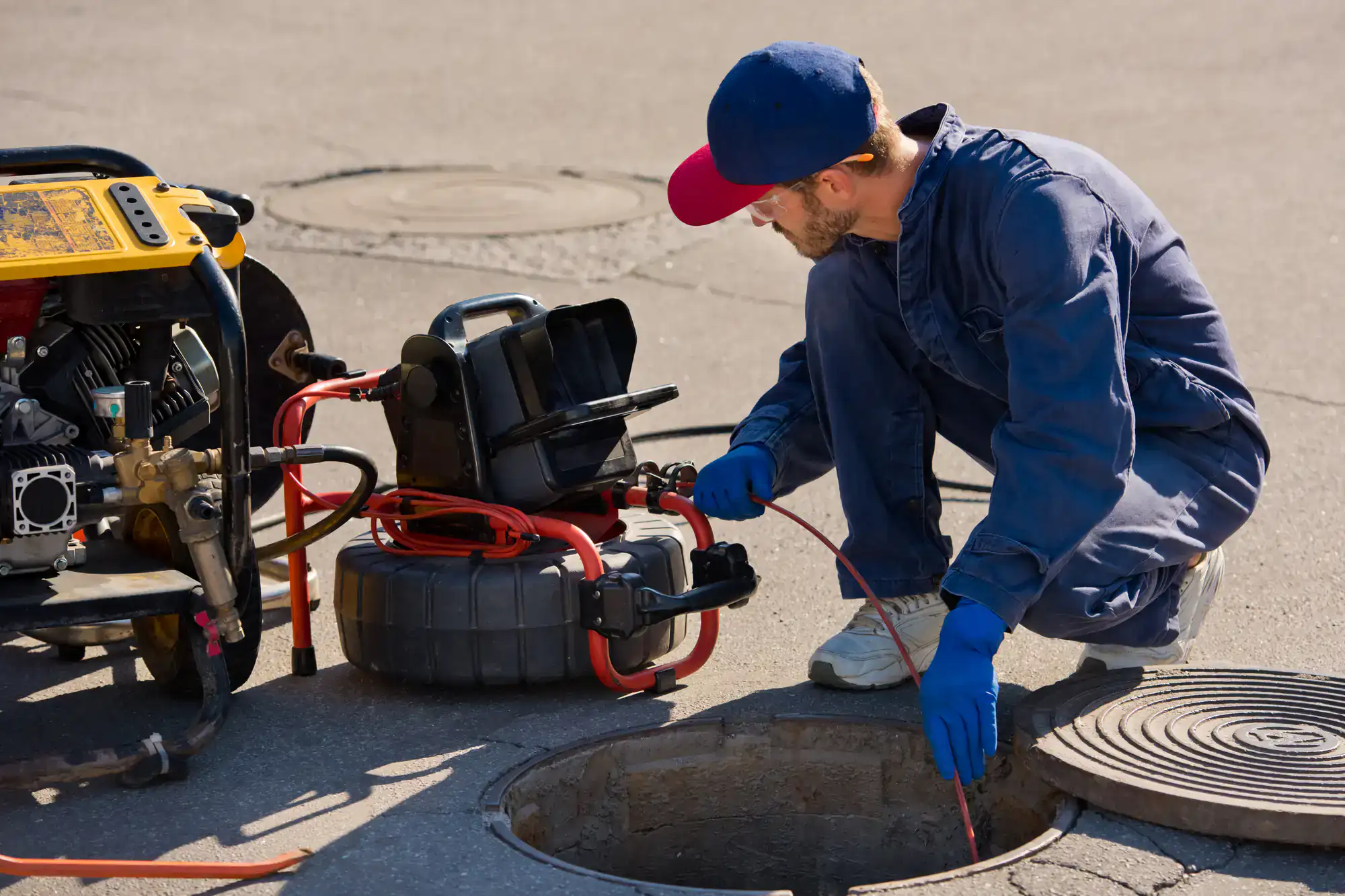
On the day of the inspection, our technician arrives at your property and accesses your sewer line through an existing cleanout or entry point. Our camera system reaches up to 350 feet of pipe and handles diameters from 1.5 to 72 inches equipment sized for the long lateral runs common on Herald’s larger acreage parcels, not a consumer-grade tool on a short cable. As the camera moves through the line, you watch the live footage alongside the technician. Every finding gets explained in plain language, in real time. You’re not handed a verbal summary on the way out the door.
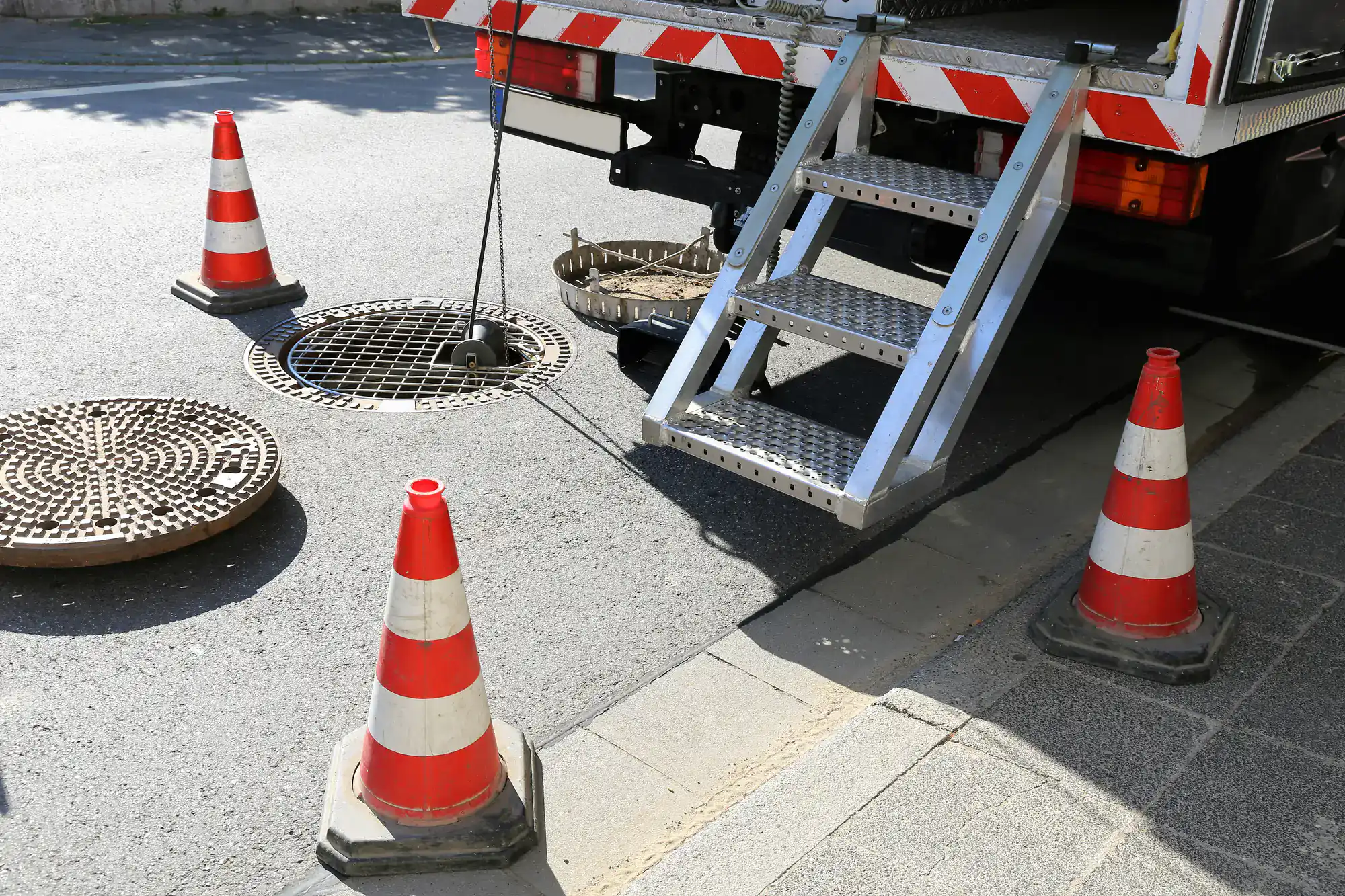
If a problem is found, a locating transmitter pinpoints the exact spot above ground. On a rural property, that matters it means any repair work targets the right location precisely, not a wide excavation across your land. If everything looks clear, you leave with documented confirmation and the peace of mind that comes with actually knowing.
Because Herald properties rely on Sacramento County’s Environmental Management Department for OWTS oversight rather than a city sewer program, any follow-up repair work that requires a permit goes through the county and we’re familiar with that process.
Ready to get started?
Sewer camera inspection in Herald isn’t the same job it is in a Sacramento suburb. You’re not inspecting a short lateral that runs 30 feet to a city main. You’re inspecting lines that connect your home to a private septic system on an acreage property lines that may run significantly longer, cross terrain that moves with the seasons, and pass through soil conditions that most residential plumbers aren’t thinking about when they show up with basic equipment.
We use professional-grade camera equipment with LED lighting, self-leveling technology, and a ground-locating transmitter. Our inspection is fully non-invasive no digging, no disruption to your land, your fencing, or your agricultural use until and unless there’s a confirmed, specific reason for it. Pricing runs $99 to $300, well below the Sacramento market range of $250 to $850 and significantly under the national average of $685.
Common findings on Herald properties include root intrusion from mature oaks and fruit trees, pipe belly formations caused by decades of clay soil movement, joint separation on original cast iron or clay pipe from the 1970s and 1980s, and sediment buildup in lines that haven’t been serviced in years. Whatever the camera finds, you’ll see it yourself and get a clear explanation of what it means and what if anything needs to happen next.
Yes, and for Herald properties specifically, it’s the most important part of the inspection. Because there’s no municipal sewer system serving this area, the lines between your home and your septic tank are entirely your responsibility. A sewer camera inspection examines exactly those lines the pipe that carries waste from your home to the tank, and in some configurations, the distribution lines beyond it.
What the camera looks for on a septic-connected property is the same as on any residential line: root intrusion, joint separation, pipe belly formations, cracks, and blockages. The difference is that on a private system, there’s no city utility to call if something fails. The inspection gives you a current, documented picture of your line condition so you can address anything developing before it becomes a full system failure which on a rural property can mean significant disruption and cost to repair.
We price sewer camera inspection between $99 and $300, depending on the scope of the inspection and the length of line being assessed. That range sits well below the Sacramento market average of $250 to $850, and significantly under the national average of $685. For rural acreage properties in Herald with longer pipe runs, the inspection is still priced within that range our professional-grade equipment handles the distance without charging extra for it.
The more useful comparison is what the inspection costs versus what it prevents. Sewer line repair runs $1,000 to $6,000 or more. On a rural property where access requires excavation through acreage, costs can go higher. Catching root intrusion, a developing pipe belly, or a cracked joint during a $99 to $300 inspection before it becomes a backup or a full line failure is the kind of return that makes the call an easy one.
The two biggest factors on Herald properties are soil movement and root intrusion. The clay-dominant soils in southeastern Sacramento County have high shrink-swell potential they expand significantly when the wet season arrives and contract during the dry summer months. That cycle repeats every year, and over decades it shifts underground pipes, opens joints, and creates low spots in the line where waste collects and builds up. Homes built in the 1970s and 1980s a significant portion of Herald’s housing stock are now 40 to 50 years into that process.
Root intrusion is the other major issue. On rural acreage properties with mature oak trees, fruit trees, and established landscaping, root systems are actively seeking moisture. Any available crack, gap, or joint in a pipe line is an entry point. Once roots get in, they grow and spread inside the pipe, eventually causing partial or complete blockages. A sewer line camera inspection is the only way to see where intrusion has started and how far it’s progressed before it causes a backup.
Strongly recommended and the reason is specific to properties in this area. Rural acreage transactions in Herald involve infrastructure that a standard home inspection won’t cover. The inspector walks the house, checks visible systems, and moves on. The underground pipe connecting the home to the septic tank doesn’t get looked at. On a property that’s been in service for 30 to 50 years, with original pipe materials running through clay soil that moves every season, what’s down there can be a significant factor in what the property is actually worth.
A pre-purchase sewer camera inspection gives you documented evidence of the pipe’s current condition before you close. If the camera finds root intrusion, a cracked line, or a pipe belly that’s been collecting waste for years, you have options negotiate the price, request repairs as a condition of sale, or make an informed decision to walk away. After closing, those same findings become your repair bill. The inspection costs $99 to $300. The repair it might prevent can cost $5,000 or more.
Most residential sewer camera inspections take between 45 minutes and two hours, depending on the length of line being inspected and what the camera finds along the way. On a larger Herald acreage property where the pipe run from the house to the septic tank is longer than a typical suburban lateral, you’re generally looking at the higher end of that range though it rarely goes beyond two hours for a standard residential inspection.
The process itself is straightforward. Our technician locates the cleanout or access point, feeds the camera through the line, and moves through it systematically while you watch the live footage. If a problem area is identified, the locating transmitter marks the spot above ground, which adds a few minutes but saves significant time and money if repairs are needed later. You’re not waiting for a report to be written and mailed the findings are explained to you on-site, in real time, before the technician leaves your property.
Finding a problem during the inspection is actually the best-case scenario compared to finding out the hard way. When the camera identifies something root intrusion, a cracked section, a belly in the line, joint separation you get a clear explanation of what it is, where it’s located, and what the realistic options are. There’s no pressure to approve a repair on the spot, and no inflated urgency to push you toward a decision before you’re ready.
For Herald properties specifically, any repair work that requires permits goes through Sacramento County’s Environmental Management Department, since the area is unincorporated and governed at the county level rather than by a city. We’re familiar with that process and can walk you through what a repair would involve, what it would cost, and what timeline makes sense. Some findings are monitor-and-wait situations. Others need attention soon. The inspection gives you the information to make that call on your own terms not in the middle of an emergency when your options are limited and the cost pressure is real.