
Hear from Our Customers
Most Hood homeowners have never had their sewer line looked at. That’s not a criticism it’s just the reality of living in a community where the houses are old, the pipes are older, and nobody’s been knocking on your door to remind you. But the Sacramento-San Joaquin Delta has a way of making deferred maintenance expensive. The same peat and organic soil that makes this region one of California’s most productive agricultural areas has been slowly shifting and sinking for over a century. That movement puts constant stress on underground pipe joints especially in homes built between 1910 and 1950, which describes most of Hood’s residential stock.
Clay tile pipes, the standard material in pre-1950 construction, were designed to last about 50 years. A lot of Hood’s pipes are pushing 75 to 100 years in the ground. Cast iron isn’t much better it corrodes from the inside out and typically reaches end-of-life between 50 and 75 years. A sewer line camera inspection doesn’t just tell you whether something is wrong. It tells you exactly what’s wrong, where it is, and what you’re actually dealing with so you’re not making a $6,000 decision based on a guess.
For properties near the Sacramento River levee, elevated groundwater during wet season puts additional pressure on any crack or compromised joint in your lateral. Add the mature pear and cherry orchard root systems that are common throughout Hood’s agricultural landscape, and you’ve got the conditions for root intrusion that gets worse every growing season. A sewer pipe inspection catches that early when it’s a cleaning, not a replacement.
We serve Sacramento County which means Hood is fully in our territory, not a stretch call or a favor. We’ve worked on properties throughout unincorporated Sacramento County, including Delta-area communities along SR-160 where the infrastructure challenges are real and the options for local service are limited.
Our sewer camera inspection runs $99 to $300. That’s not a teaser rate that climbs once we’re on-site. Final bills regularly come in at or below the original estimate and that’s something our customers mention by name in their reviews. We hold a California CSLB C-36 Plumbing Contractor license, which means our inspection findings are valid for Sacramento County compliance documentation, SacSewer requirements, and any real estate transaction that requires a sewer lateral assessment.
We’re available 24/7, including nights and weekends. For Hood where the nearest commercial services are nearly nine miles away in Elk Grove via Hood-Franklin Road that availability isn’t a perk. It’s the whole point.
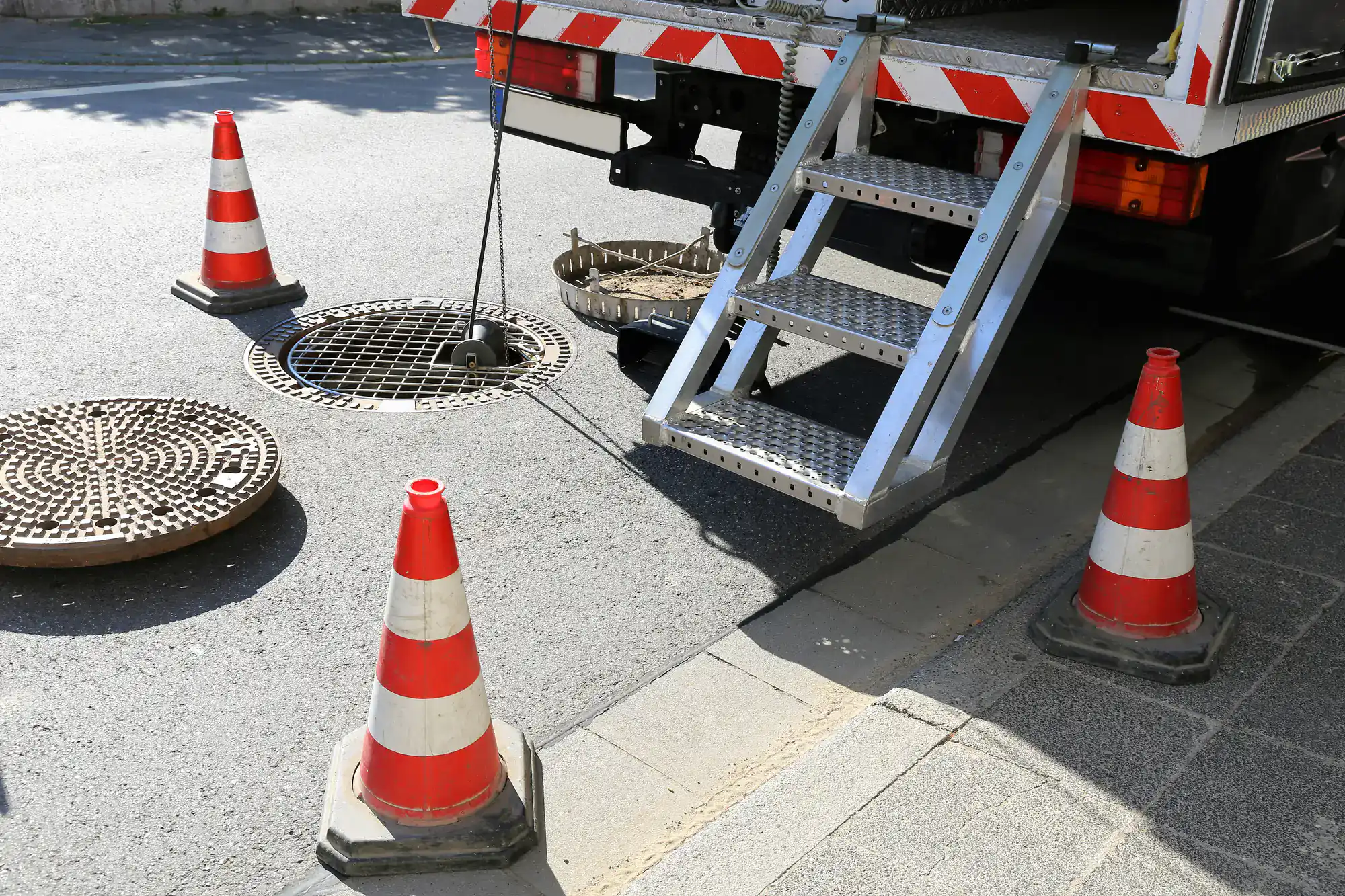
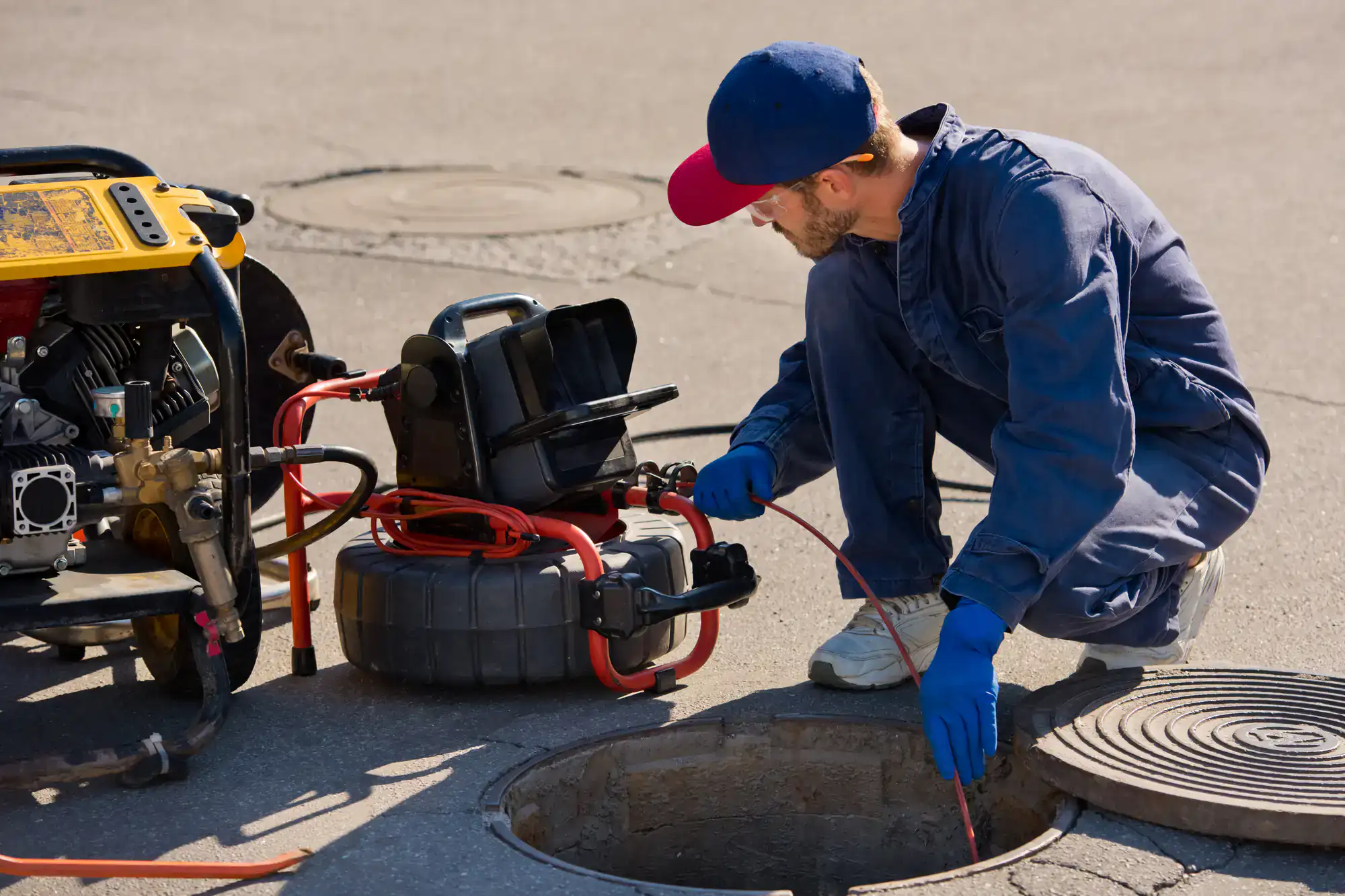
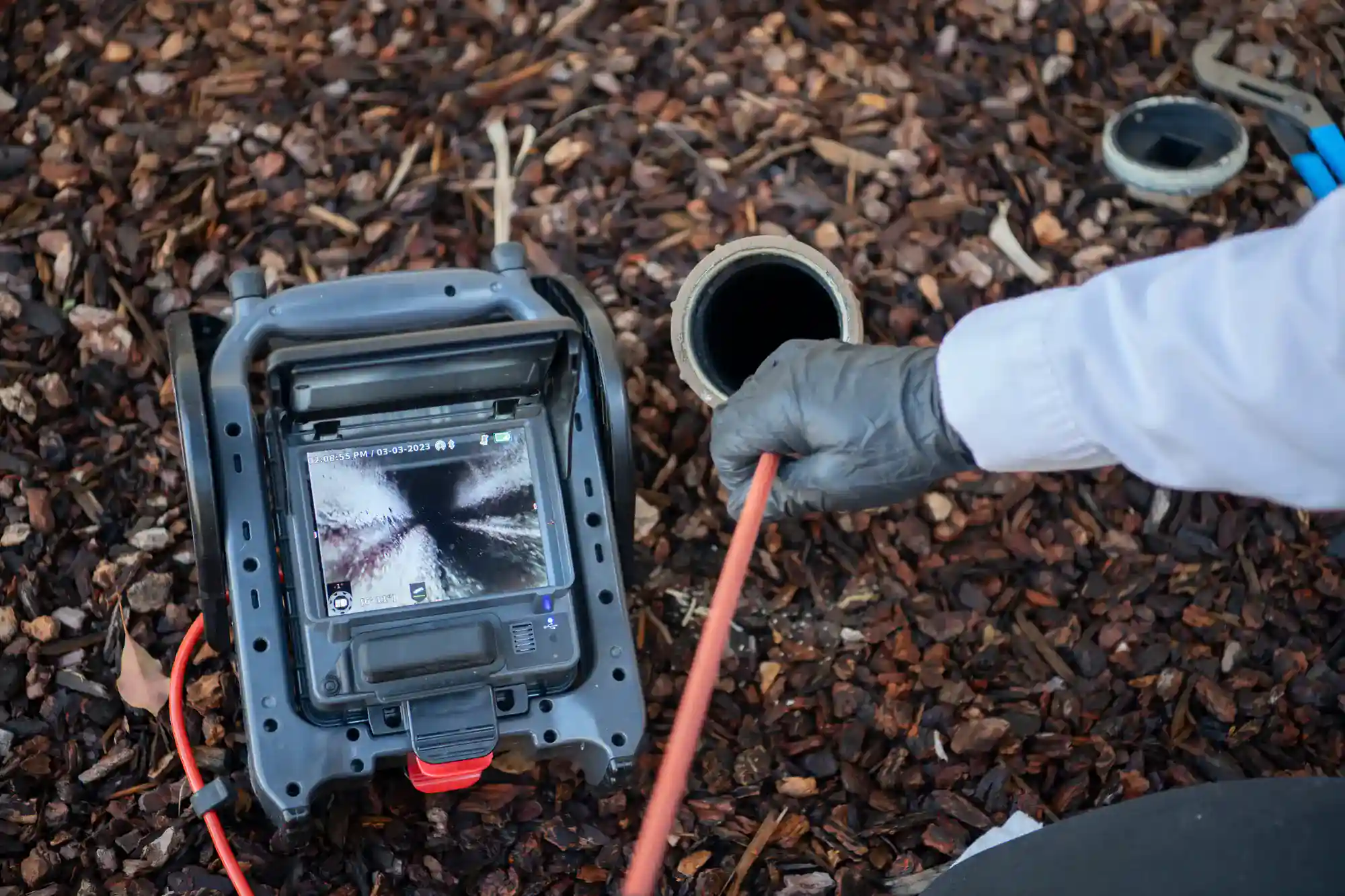
When we arrive, we locate the nearest cleanout access point and feed a professional-grade camera into your sewer line. Our equipment inspects pipes from 1.5 to 72 inches in diameter and can navigate up to 350 feet well beyond what most residential laterals require, but important for older Delta properties where the line configuration may not match any modern standard. The camera is self-leveling, so even in pipes that have shifted due to decades of Delta soil subsidence, the footage stays clear and usable.
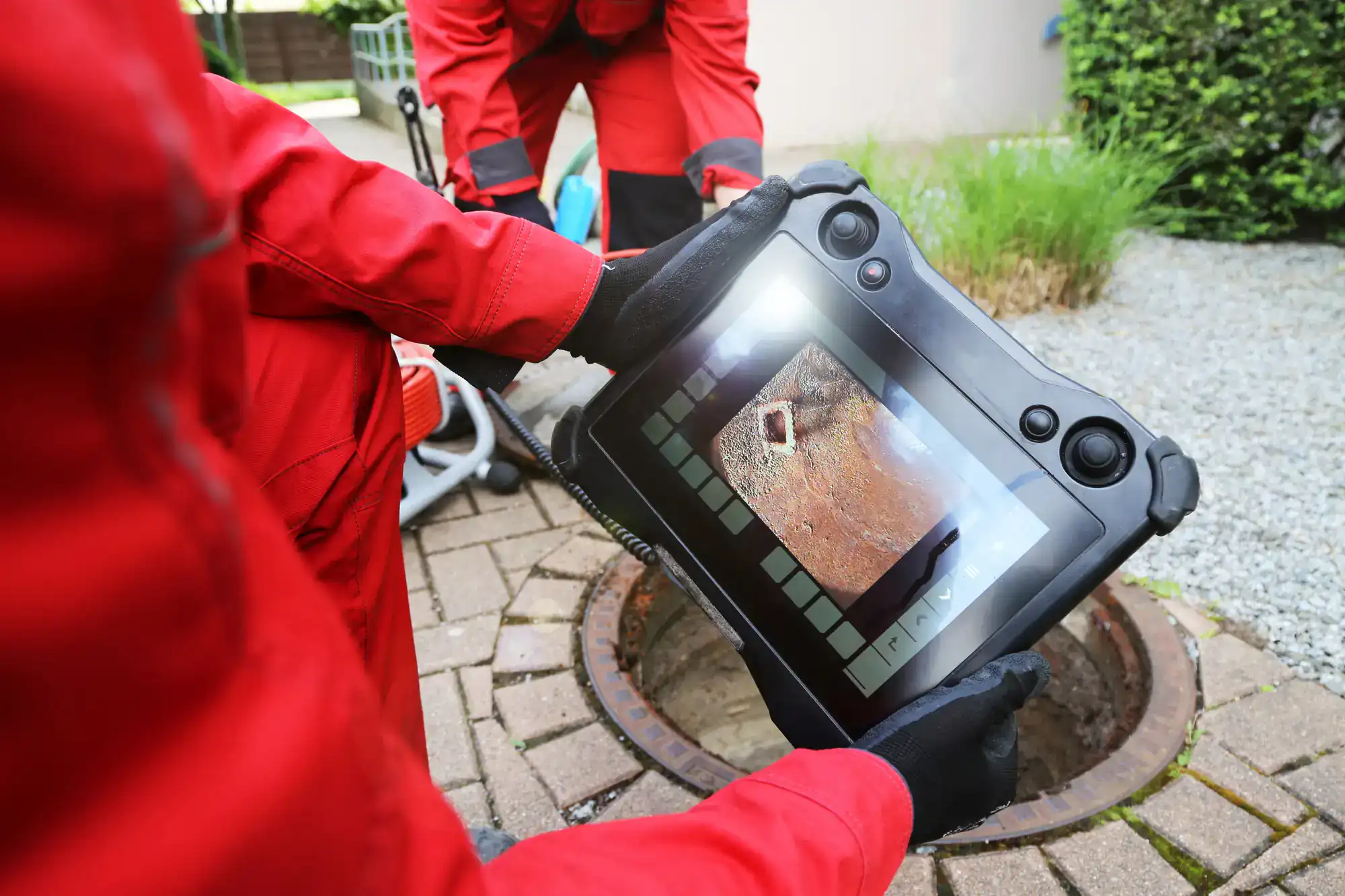
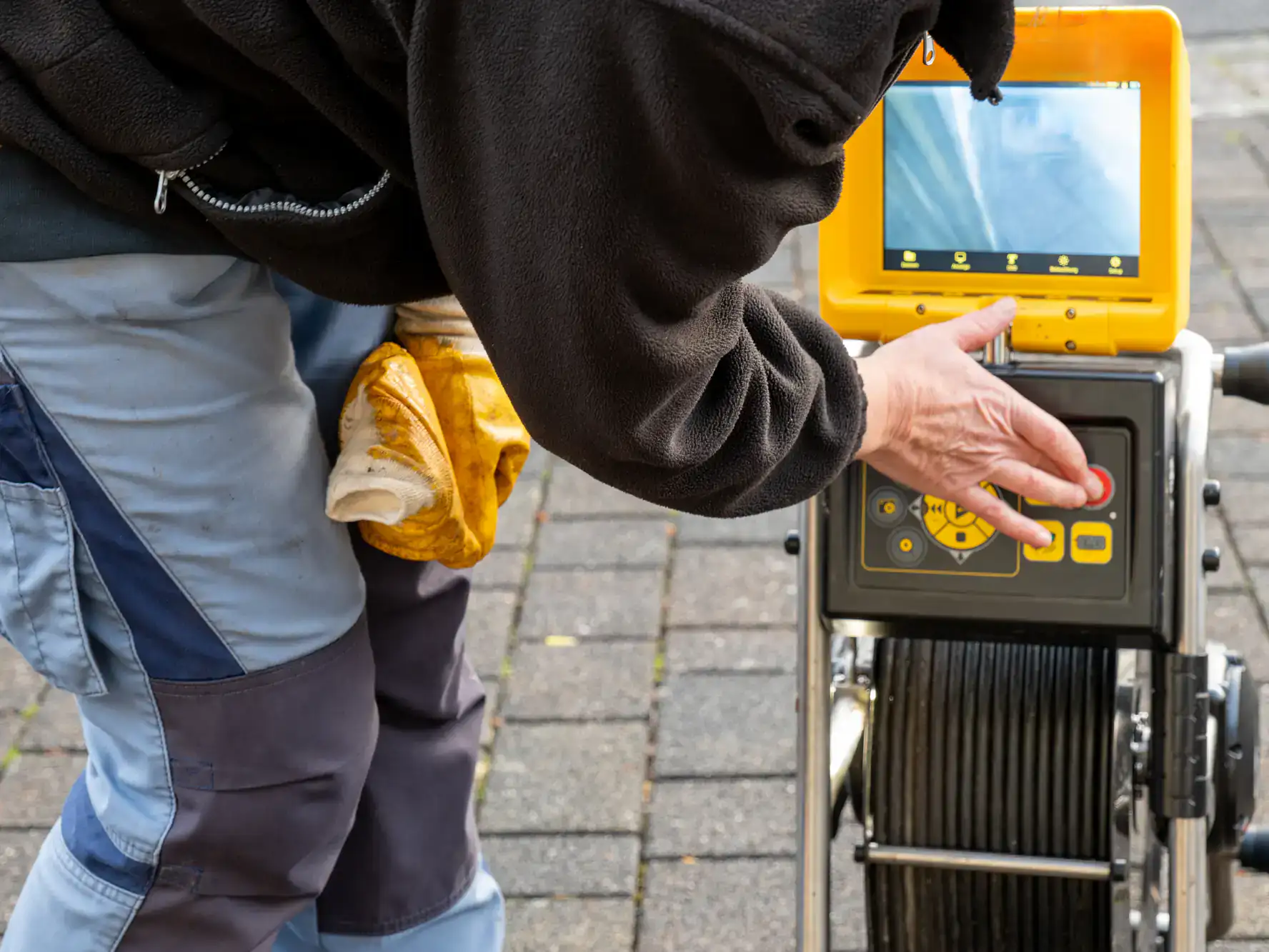
As the camera moves through the line, your technician narrates the footage in real time. You’re watching your actual pipes not getting a verbal summary after the fact. If there’s root intrusion from an orchard tree, a bellied section where the pipe has sagged below grade, a cracked joint, or a buildup of debris, you’ll see it as it appears on screen. A locating transmitter pinpoints any problem area above ground, so we know exactly where to focus without digging up your yard to find it.
The whole process typically takes 30 to 60 minutes. In Hood, where some properties may be on older access configurations or have lines that haven’t been touched in decades, we account for that upfront so there are no surprises mid-job. If you’re getting this done ahead of any Sacramento County permit work, a real estate transaction, or simply as a baseline record before the proposed Delta Tunnel construction activity gets closer to your property, the footage and findings are yours to keep.
Ready to get started?
A sewer camera inspection from us includes a full video walkthrough of your sewer lateral, real-time technician narration, above-ground location marking for any identified problem areas, and a clear explanation of findings before we leave your property. You’re not handed a vague report. You see what we see, and we explain what it means in plain language.
For Hood properties, the findings tend to fall into a few common categories: root intrusion from mature orchard or riparian vegetation, pipe bellying caused by Delta soil subsidence, cracked or separated joints in aging clay tile or cast iron lines, and in some cases debris buildup in lines that have never been professionally cleaned. If your property is on a septic system rather than a municipal sewer connection which applies to a number of rural parcels in unincorporated Sacramento County the inspection process is identical, and the findings are just as useful for understanding the condition of your lateral from the house to the tank.
If the inspection reveals a problem that qualifies for Sacramento Area Sewer District’s Upper Lateral Loan Program, our documented findings are exactly what you need to move that process forward. The program offers up to $15,000 in low-interest financing for pipe repair or replacement but documented evidence of the issue is required before any loan or repair authorization is approved. Our inspection gives you that documentation, along with a 4.7-star track record of doing it right the first time.
Our sewer camera inspection in Hood runs between $99 and $300. That range reflects real variation in job complexity line length, access conditions, and what we find not a bait-and-switch pricing model. The national average for this service is around $685, and many Sacramento-area providers charge $250 to $850. Our pricing is published upfront, and our customers consistently note that final bills come in at or below the original estimate.
For Hood specifically, pricing is straightforward because we don’t treat rural Delta properties as a surcharge opportunity. Whether you’re in a farmhouse off SR-160 or a residential property near the river, the inspection process is the same and the pricing structure doesn’t change based on your zip code. If the inspection reveals something that needs repair, we’ll tell you what it is, what it costs, and let you decide no pressure, no manufactured urgency.
Slow drains are usually the last warning before a real problem, not the first sign of one. By the time you’re noticing backups or gurgling, root intrusion or pipe damage has often been developing for months or years. In Hood, where most residential structures were built between 1910 and 1950, the pipes underground are frequently original to the building clay tile or cast iron that’s been in the ground for 75 to 100 years. These materials don’t fail all at once. They crack slowly, joints shift gradually, and root systems work their way in over multiple growing seasons.
A sewer line camera inspection gives you a current picture of what’s actually in the ground not a guess based on the age of the house. For properties near the Sacramento River levee, seasonal groundwater fluctuations add stress to pipe joints year-round, even when everything looks fine from inside the house. Catching a hairline crack or a small root mass now is a cleaning or a minor repair. Waiting until it backs up into your home is a significantly more expensive conversation.
Yes and it’s one of the more common causes of sewer line problems in the Sacramento-San Joaquin Delta. The region is built on peat and organic soil that has been subsiding for over a century. That soil expands when saturated during winter rains and contracts significantly during the dry summer months. For a pipe that’s been in the ground for 70 or 80 years, that seasonal cycle creates cumulative stress on every joint and connection point in the line.
The most common result is a “bellied” pipe a section that has sagged below its intended grade due to soil settlement. Bellied pipes trap waste and standing water, which accelerates corrosion and creates chronic slow-drain conditions. Joints that have shifted even slightly can allow root intrusion from nearby vegetation, and Hood’s agricultural landscape with mature pear and cherry orchards close to residential structures means there’s no shortage of root systems looking for moisture. A sewer pipe inspection with a locating transmitter identifies these problem points precisely, above ground, without any excavation.
Hood is fully within our Sacramento County service area. We serve unincorporated communities throughout the county, including Delta-area properties along SR-160 and the surrounding agricultural corridor. Hood is not a stretch call or an exception it’s part of the territory we cover, including for emergency calls after hours.
We understand that Hood’s location roughly 15 miles south of Sacramento on River Road, with no local plumbing service in town means residents have historically had limited options for professional plumbing work. That’s exactly why our 24/7 availability matters here more than in most places. A sewer backup on a Friday night in Hood isn’t a situation where you can easily wait until Monday or run to a nearby hardware store. We can reach Hood for urgent calls, and we’ll tell you upfront what to expect in terms of timing so you’re not waiting around without information.
For Hood specifically, a pre-transaction sewer inspection isn’t just a good idea it’s one of the most important things a buyer or seller can do. Standard home inspections don’t include underground sewer lines. For a property in Hood, where the building stock dates to the early 20th century and Delta soil conditions have been working on those pipes for decades, what’s underground can be the most consequential thing about the property.
For sellers, a sewer line video inspection before listing eliminates the risk of a surprise finding during escrow that derails the transaction or forces a last-minute price reduction. For buyers, it’s straightforward due diligence on a property where the pipe materials and condition are genuinely unknown without a camera. Our inspection meets California’s sewer lateral compliance certification requirements and provides documented findings that hold up for Sacramento County regulatory purposes not just a verbal summary that disappears after the walkthrough.
There’s a practical case for it, yes. Hood is positioned directly in the path of the proposed Delta Conveyance Project the $20 billion tunnel infrastructure that would place major intake structures in and around the community. If construction moves forward, the area could face years of heavy equipment operation, ground vibration, and soil disturbance in close proximity to residential properties. For pipes that are already aged and dealing with Delta soil movement, that kind of sustained construction activity adds a new layer of stress to infrastructure that may already be marginal.
Getting a sewer line video inspection now creates a documented baseline recorded footage, precise above-ground location data for any problem areas, and written findings that establish your pipe condition before any construction begins. If construction-related ground disturbance later causes damage to your lateral, that documentation gives you a factual starting point for any dispute or claim. It’s not a guarantee of anything, but it’s the kind of record that’s very hard to establish after the fact. For Hood property owners who are aware of the project and its timeline, now is a reasonable time to have that documentation in hand.