
Hear from Our Customers
Most drain problems in Kelsey don’t start with a dramatic failure. They start with a slow drain that keeps coming back, a backup after a heavy rain in December, or a smell you can’t quite trace. By the time those symptoms are obvious, the underlying issue root intrusion, a cracked pipe, a bellied section has usually been building for years.
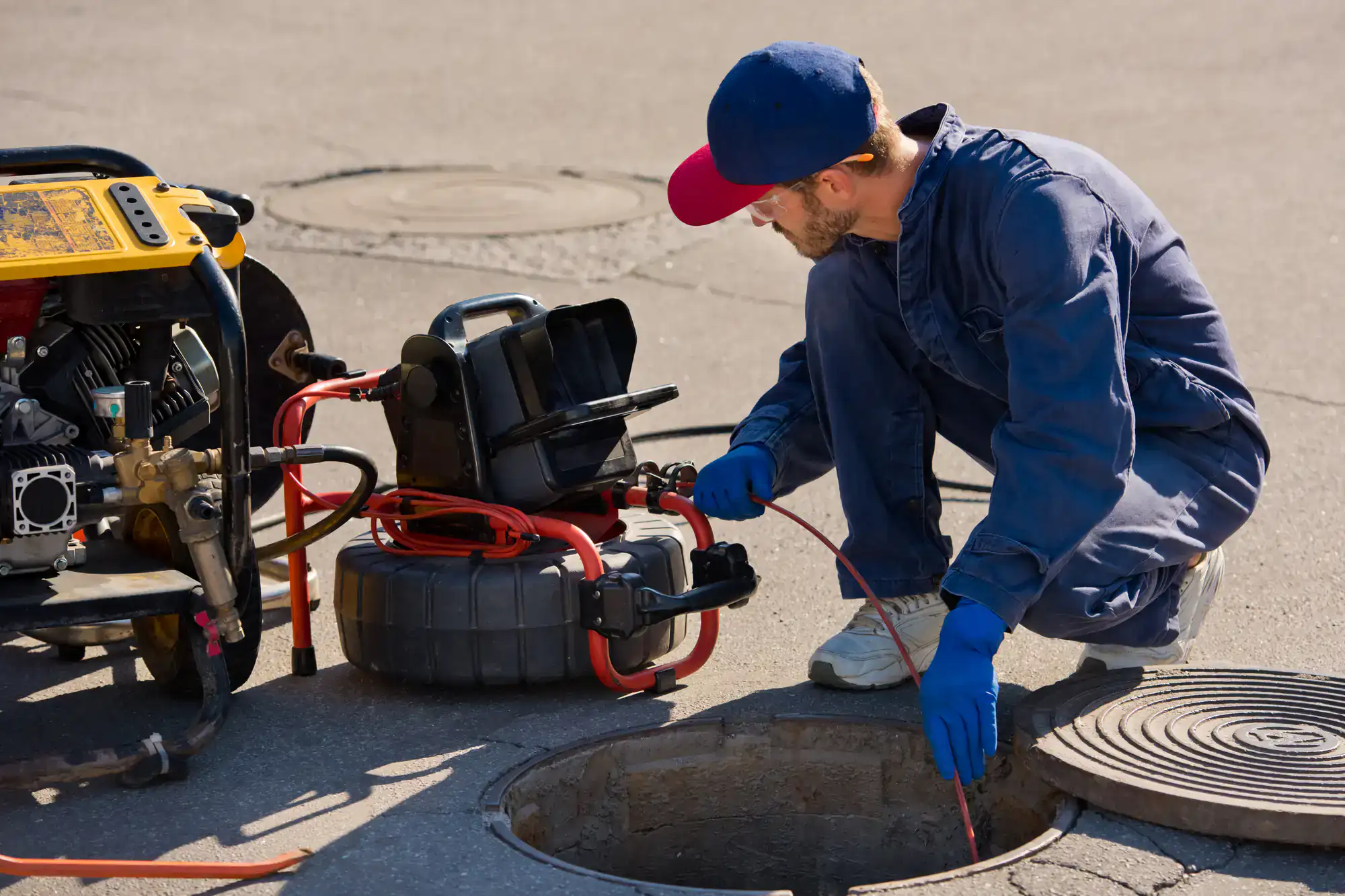
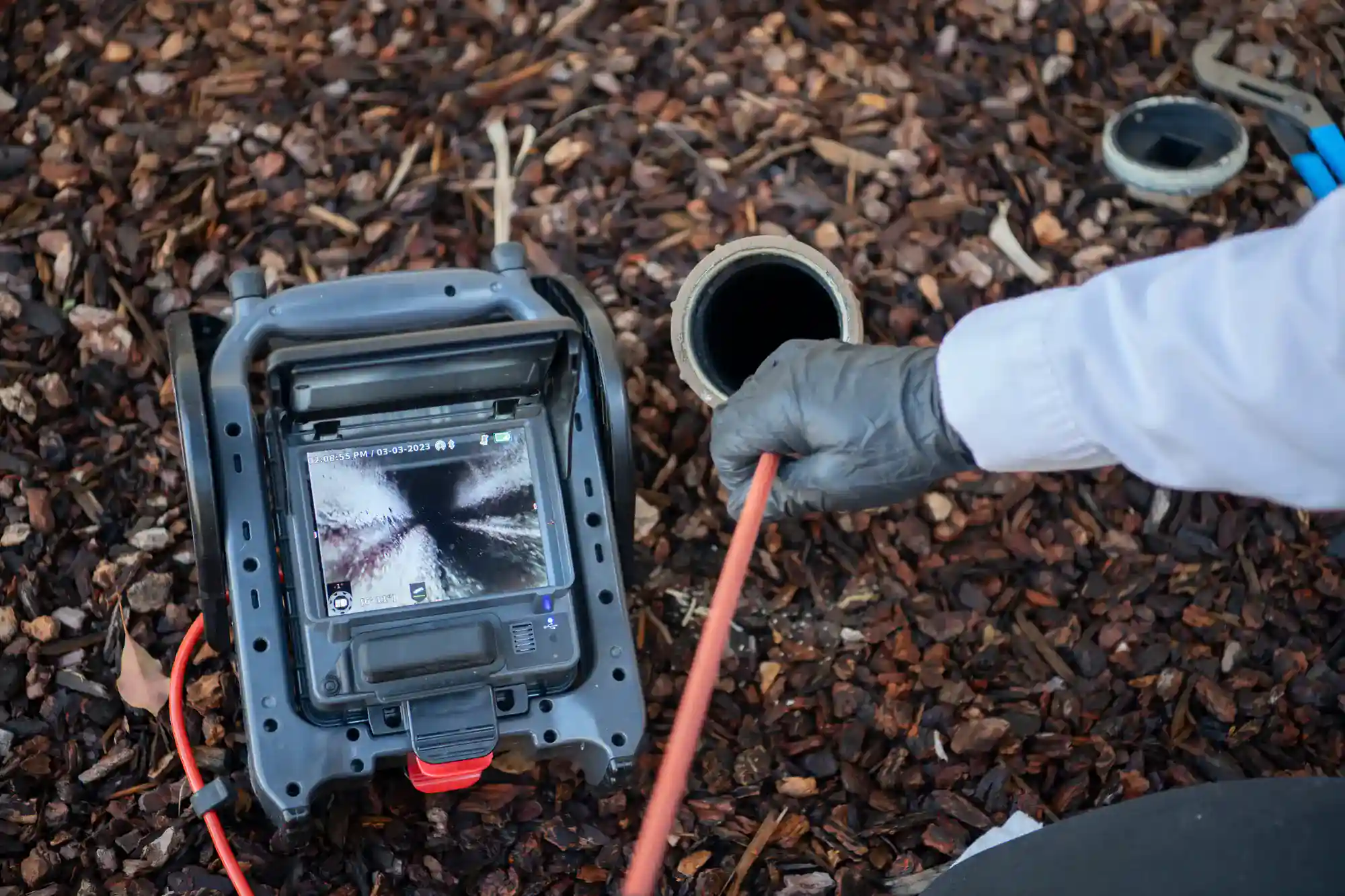
A sewer pipe inspection changes that dynamic. Instead of snaking a drain and hoping the problem clears, you get actual footage of the interior of your lines. You see exactly where the blockage is, what caused it, and whether it’s a simple fix or something that needs real attention. That clarity is worth a lot more than another temporary fix that sends you back to square one in three months.
Here in Kelsey, the conditions that damage buried pipes are working year-round. The oak trees that line properties throughout the Georgetown Divide send roots deep into the soil looking for moisture and a hairline crack in a 50-year-old clay pipe is all the invitation they need. Add the freeze-thaw cycles that come with sitting at nearly 2,000 feet elevation, and the rocky, uneven terrain that causes pipes to shift and settle unevenly, and you have a recipe for underground damage that’s invisible until it isn’t. A sewer line camera inspection gives you the facts before the problem forces your hand.
We serve El Dorado County, and Kelsey is explicitly part of our service area not an afterthought, not a stretch call. Our team knows what it takes to get out here via SR 193, and more importantly, we understand what rural foothill plumbing actually looks like: older homes, private septic systems, aggressive root growth, and pipes that haven’t been looked at in decades.
Our Google rating is 4.7 out of 5 across 93 verified reviews, and the feedback that shows up repeatedly isn’t about flashy equipment it’s about showing up on time, being straight about what was found, and not inflating the bill. Final costs regularly come in at or below the original estimate. That’s not an accident; it’s how we operate.
If you’re on a septic system in the Georgetown Divide area and you’ve been dealing with a recurring drain issue, you deserve a straight answer from a licensed C-36 plumber not a sales pitch for a full replacement before anyone’s looked at the line.
When you call us, the first thing that happens is a straightforward conversation about what you’re experiencing where the backup is occurring, how long it’s been happening, and whether you’ve had any work done on the line before. For Kelsey properties on private septic systems, that context matters. It shapes where the camera goes first and what our technician is looking for.
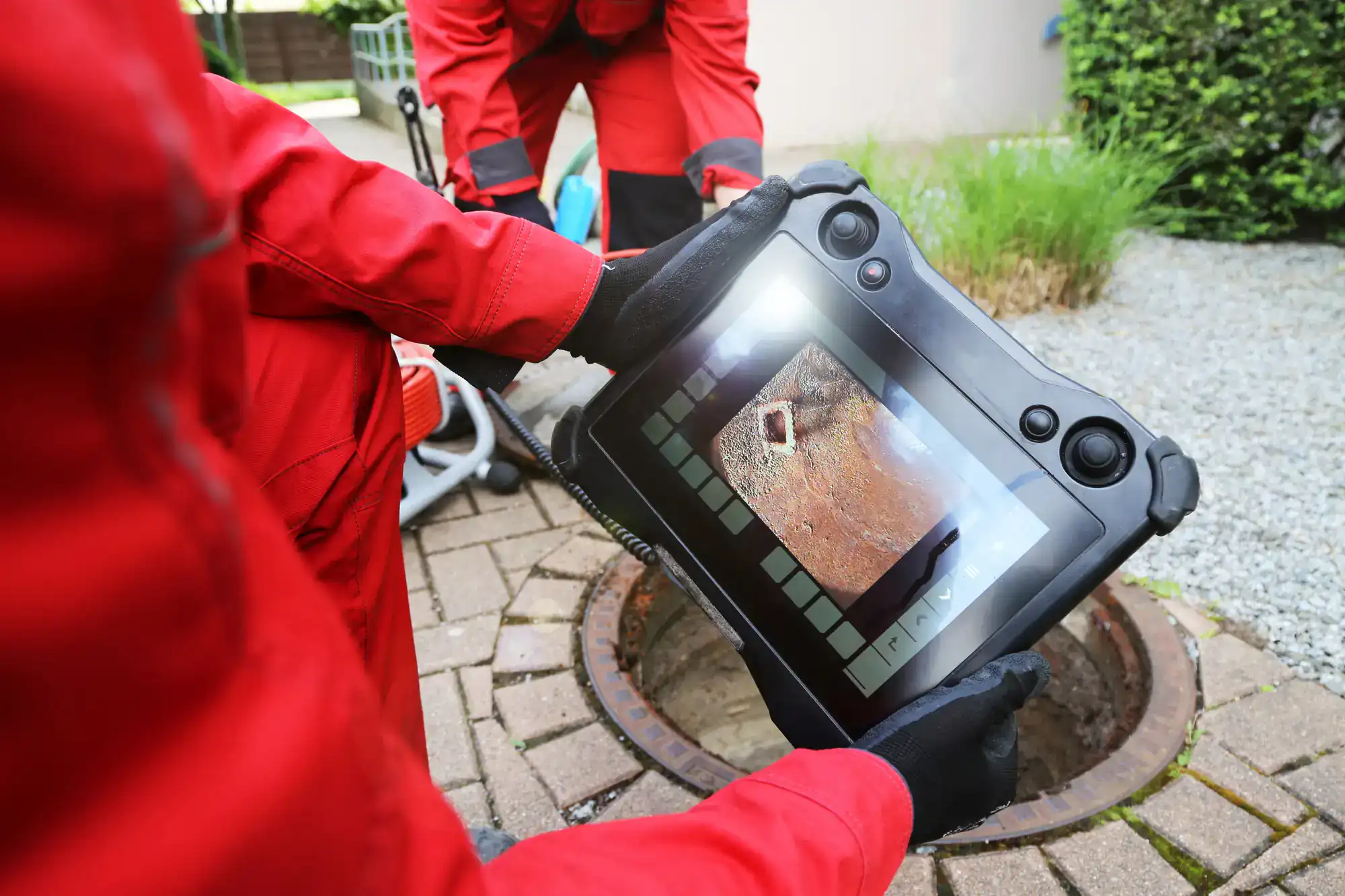
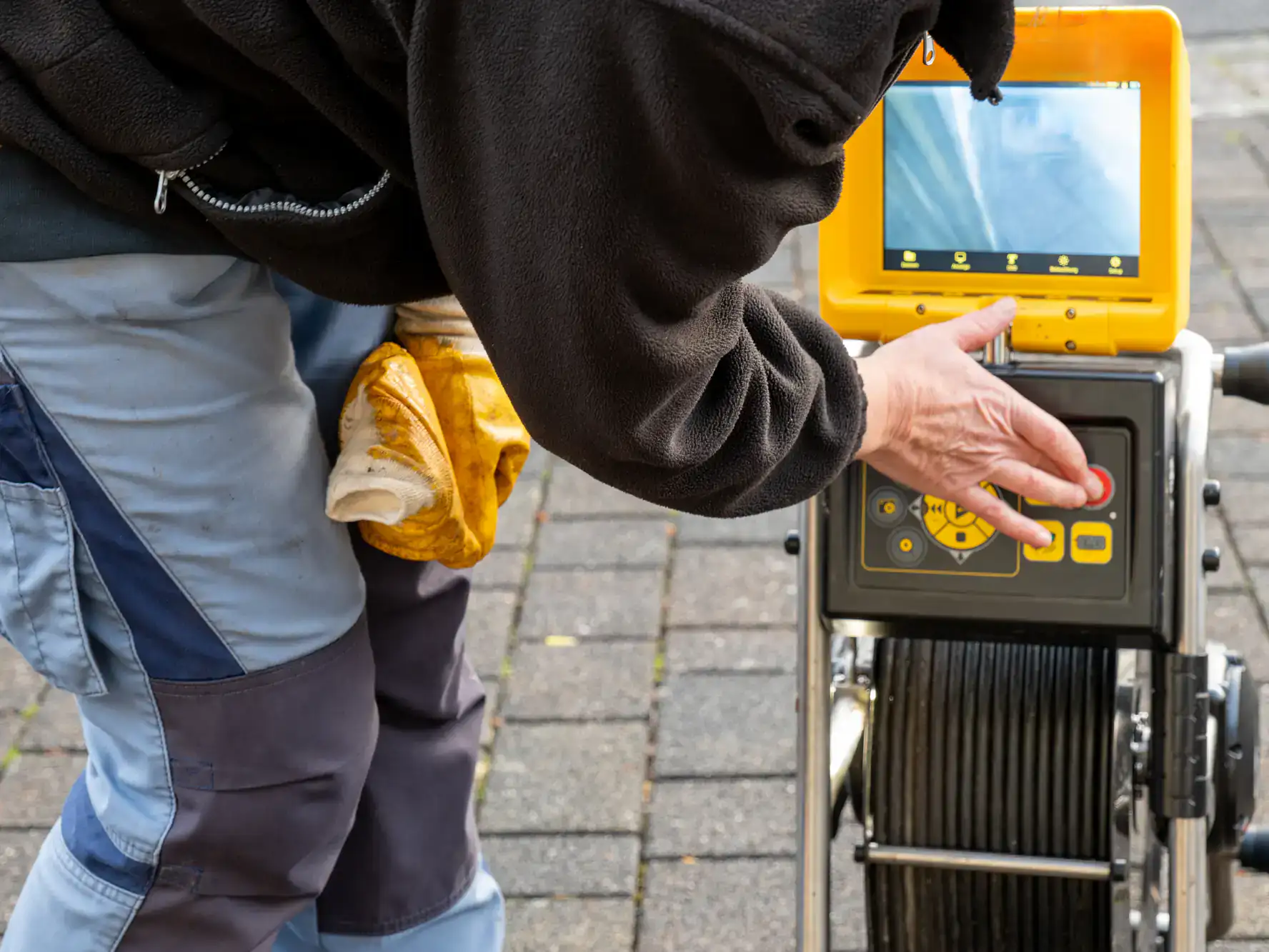
On the day of the inspection, the camera enters through an existing cleanout or access point no digging, no disruption to your yard or landscaping. Our equipment handles pipe diameters from 1.5 to 72 inches and can navigate up to 350 feet of line, which matters on rural properties where the distance from the house to the septic tank inlet can be significant. As the camera moves through your lines, the technician narrates the footage in real time. You’re watching the same screen we are, and everything that shows up root intrusion, cracks, belly sections, buildup gets explained in plain language as it appears.
At the end of the inspection, you know exactly what’s in your lines and where. If there’s a problem, you’ll know the location, the severity, and what your options are. If the lines are clear, you’ll know that too. Either way, you leave the conversation with facts not a guess and not a pressure pitch. For Kelsey homeowners managing their own underground systems without any municipal backup, that information is genuinely valuable.
Ready to get started?
A sewer camera inspection from us runs between $99 and $300 well below the Sacramento market range of $250 to $850 and significantly under the national average of $685. That price includes the full camera inspection of your drain lines, real-time narrated footage, precise above-ground locating of any problem areas, and a clear explanation of findings before the technician leaves your property. There are no hidden fees added after the fact.
For Kelsey properties specifically, the inspection is designed to address what rural El Dorado County homes actually deal with. That means looking for root intrusion from the oak and pine trees common throughout the Georgetown Divide, checking for pipe movement caused by the rocky, uneven terrain that shifts buried lines over time, and identifying the kind of hairline cracks that decades of freeze-thaw cycles at this elevation leave behind. If you’re buying a property near Kelsey and the home inspection didn’t include the underground drain lines which standard inspections don’t this is the step that tells you what you’re actually inheriting.
If the inspection finds something that needs repair, we can walk you through your options, including trenchless sewer repair methods that avoid tearing up your property. El Dorado County Environmental Management permits are required for significant septic system repairs, and as a licensed C-36 contractor, we handle that process. You don’t have to figure out the county requirements on your own.
Yes and honestly, it matters more on a septic system than it does on a municipal connection. When you’re connected to a city sewer, a backup in the main line is the city’s problem. When you’re on a private septic system in Kelsey, everything from your fixtures to the septic tank inlet is your responsibility. A sewer camera inspection examines those drain lines directly, so when you get a backup or a persistent slow drain, you can find out whether the issue is in the pipe itself a blockage, root intrusion, or a structural problem or whether it’s something happening further down in the septic system.
That distinction matters because the solutions are completely different. A blocked drain line is often a straightforward fix. A failing septic tank or leach field is a much bigger project. Without a camera inspection, you’re guessing and guessing wrong can mean spending money on a septic pump-out or system evaluation when the real problem was a root mass sitting 20 feet from your cleanout.
Our sewer camera inspection in Kelsey runs between $99 and $300. That range covers the full inspection, real-time footage with a narrated walkthrough, and above-ground locating of any problem areas. There are no travel surcharges added after the fact, and the final bill regularly comes in at or below the original estimate something customers have specifically called out in reviews.
For context, the Sacramento market average for this service runs $250 to $850, and the national average sits around $685. The $99 to $300 range isn’t a stripped-down version of the service it’s the full inspection with professional-grade equipment. For Kelsey homeowners managing older properties without any municipal sewer backup, that pricing makes it a practical first step rather than a last resort.
Quite a bit, depending on how old the home is and what the pipes have been through. In Kelsey and the surrounding Georgetown Divide area, the most common findings in older homes are root intrusion from oak and pine trees, cracked or fractured pipe sections caused by decades of freeze-thaw cycles at this elevation, and pipe belly low spots where the line has shifted or settled unevenly due to the rocky, uneven terrain. All three of these problems are invisible from the surface and won’t show up on a standard home inspection.
Beyond those, the camera also picks up heavy buildup and scaling inside older cast iron pipes, joint separation where pipe sections have pulled apart over time, and in some cases, sections of original clay pipe that have deteriorated significantly. Cast iron and clay pipes are designed to last 50 to 75 years. Many homes in Kelsey were built well before 1975, which means the original pipes if they’ve never been replaced are at or past that window. The camera tells you exactly what you’re working with.
The most common signs are recurring slow drains or backups that clear temporarily after snaking but keep coming back within weeks or months. Root intrusion doesn’t cause a one-time blockage it grows back. The roots find a crack or a loose joint, work their way into the pipe, and then keep expanding with every wet season. In Kelsey, where oak trees are widespread across residential properties and the soil stays moist through the winter rainy season, this is one of the most frequent causes of chronic drain problems.
The only way to confirm root intrusion and to see how far it’s progressed is with a camera inspection. Snaking a drain can clear the immediate blockage, but it doesn’t tell you whether you’re dealing with a small root mass that can be managed with periodic clearing or a significant intrusion that has narrowed the pipe to the point where replacement is the more practical long-term solution. The camera gives you that answer directly, so you can make a decision based on what’s actually there.
It’s one of the most useful inspections you can add to a rural property purchase, and it’s one that standard home inspections consistently skip. A home inspector will check what’s visible fixtures, accessible pipes, water pressure. They don’t go underground, and they don’t evaluate the condition of the drain lines running from the house to the septic tank. On a rural property in Kelsey that’s 40, 50, or 60 years old, those lines could be in excellent shape or they could have significant root intrusion, cracking, or structural issues that would cost several thousand dollars to repair.
Getting a sewer camera inspection before closing gives you documented footage of the drain line condition. If something significant shows up, you have the information you need to negotiate a repair credit, ask the seller to address it before closing, or factor the repair cost into your offer. If the lines are clear, you have peace of mind going into the purchase. Either way, a $99 to $300 inspection is a reasonable investment when you’re buying a rural property where underground systems are entirely your responsibility from day one.
There’s no bad time to schedule one, but fall before the rainy season hits tends to be the most practical window for Kelsey homeowners. El Dorado County’s wet season runs roughly November through March, and that’s when saturated soil shifts pipes, groundwater infiltrates cracked lines, and root growth accelerates. Getting a camera inspection in October or early November means you know exactly what condition your lines are in before that seasonal stress begins. If there’s a problem, you have time to address it before a winter storm turns a manageable issue into an emergency backup.
Spring is also a high-value time, particularly if you’ve had any issues during the wet season. Tree roots are most active in spring when soil moisture is still high, and a backup that seemed to resolve on its own in February may have left root intrusion behind that will cause problems again by summer. After any significant freeze event which does happen at Kelsey’s elevation it’s also worth scheduling an inspection to check for cracks that may have opened up. The cost of the inspection is small compared to the cost of catching a problem after it’s already caused damage.