
Hear from Our Customers
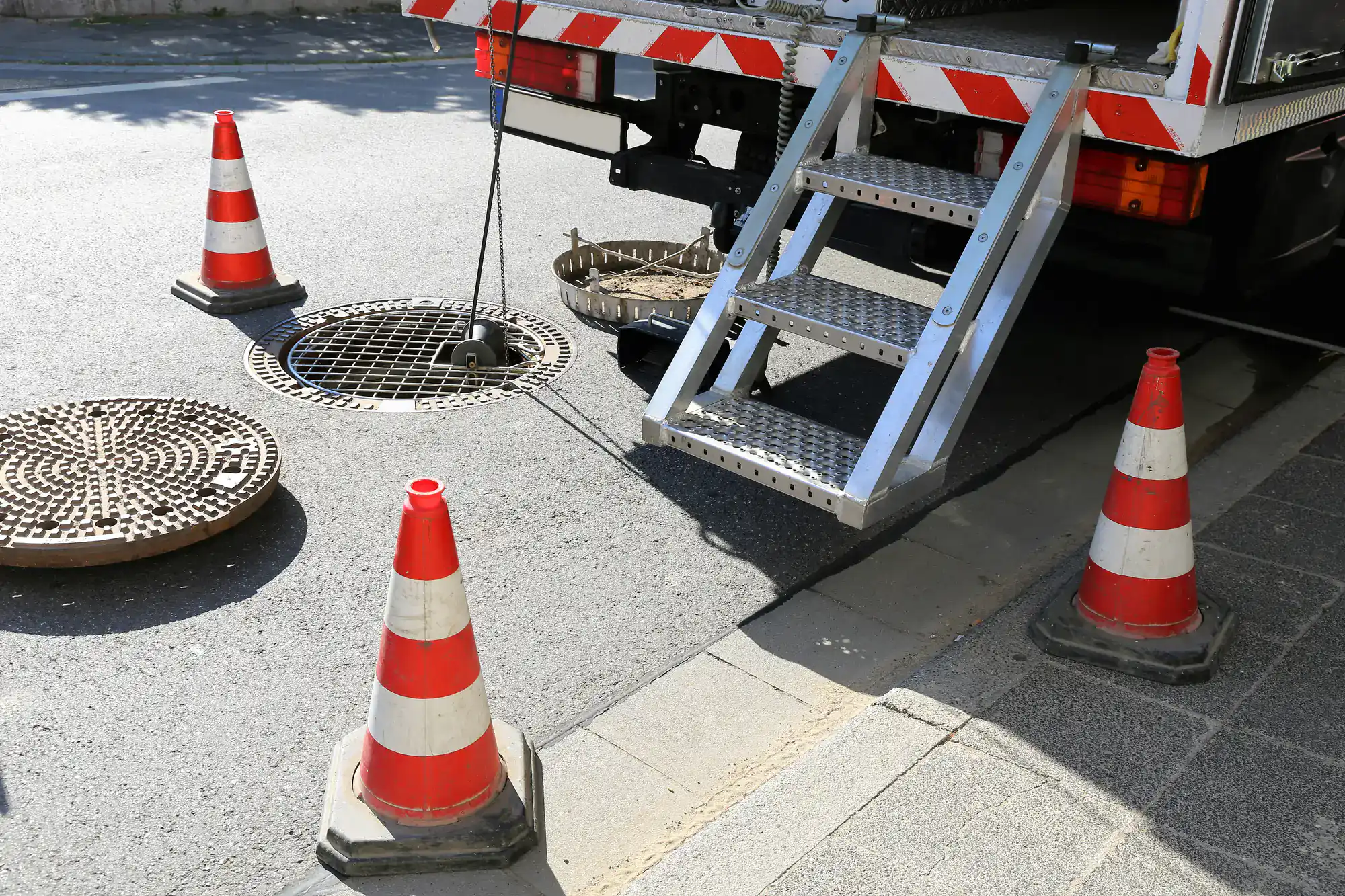
Most sewer problems don’t announce themselves. They build quietly a drain that’s a little slower than it used to be, a smell you can’t quite place, a gurgle that happens once and then stops. By the time it’s obvious, the damage is usually already done. A sewer line camera inspection catches those problems early, when fixing them is still a reasonable expense instead of an emergency one.
In Locke specifically, the ground itself works against your pipes. The Delta’s peat soil has been subsiding for over a century some areas have dropped dramatically and that ongoing movement creates pipe bellies, joint separations, and cracks that don’t show up on the surface until something fails. A sewer line video inspection maps exactly where those stress points are, giving you real information instead of guesswork.
The other factor here is the water table. Locke sits in a levee-protected zone along the Sacramento River, and the ground stays saturated. That persistent moisture puts external pressure on buried pipes year-round, accelerating joint failure and infiltration. If your property is in the historic district or anywhere in the surrounding Delta area, a sewer pipe inspection isn’t a precaution it’s just responsible ownership.
We serve Sacramento County with a straightforward approach: show up on time, do the job right, and tell you what you actually need not what generates the biggest invoice. That’s not a tagline. It’s reflected in the reviews, where customers consistently note that final bills came in at or below the original estimate. That kind of track record matters anywhere, but it matters especially in a small, close-knit community like Locke where reputation travels fast.
Locke is a unique place to work. The National Historic Landmark District, the Delta soil conditions, the proximity to the Sacramento River these aren’t factors you can ignore if you’re doing sewer work here responsibly. We hold a California CSLB C-36 plumbing license, operate 24/7 for emergencies, and bring professional-grade equipment capable of handling the aged, complex pipe systems common in Delta properties. When you’re 35 miles from Sacramento via River Road and something goes wrong underground, you need a provider who will actually come and who knows what they’re looking at when they get there.
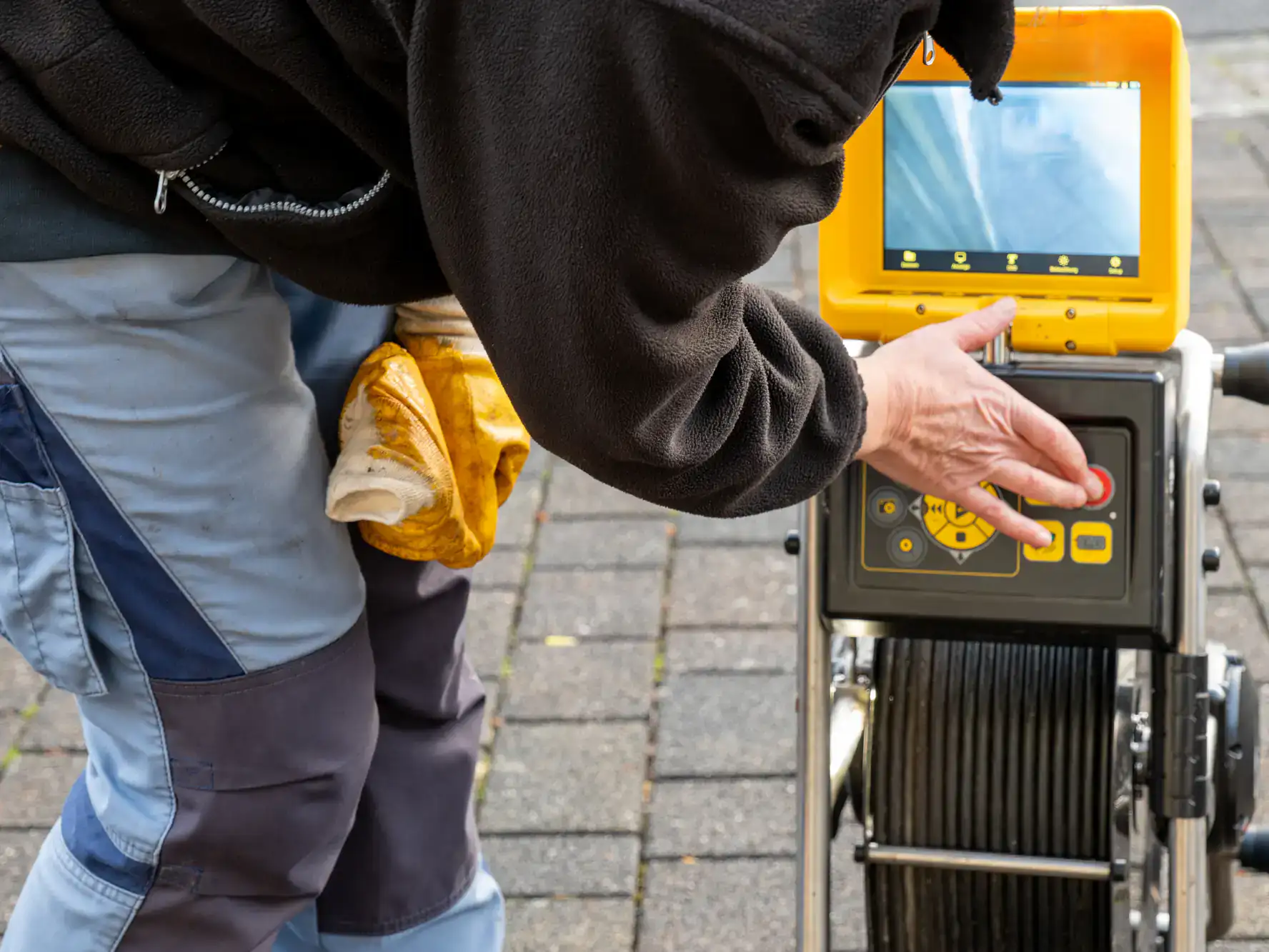
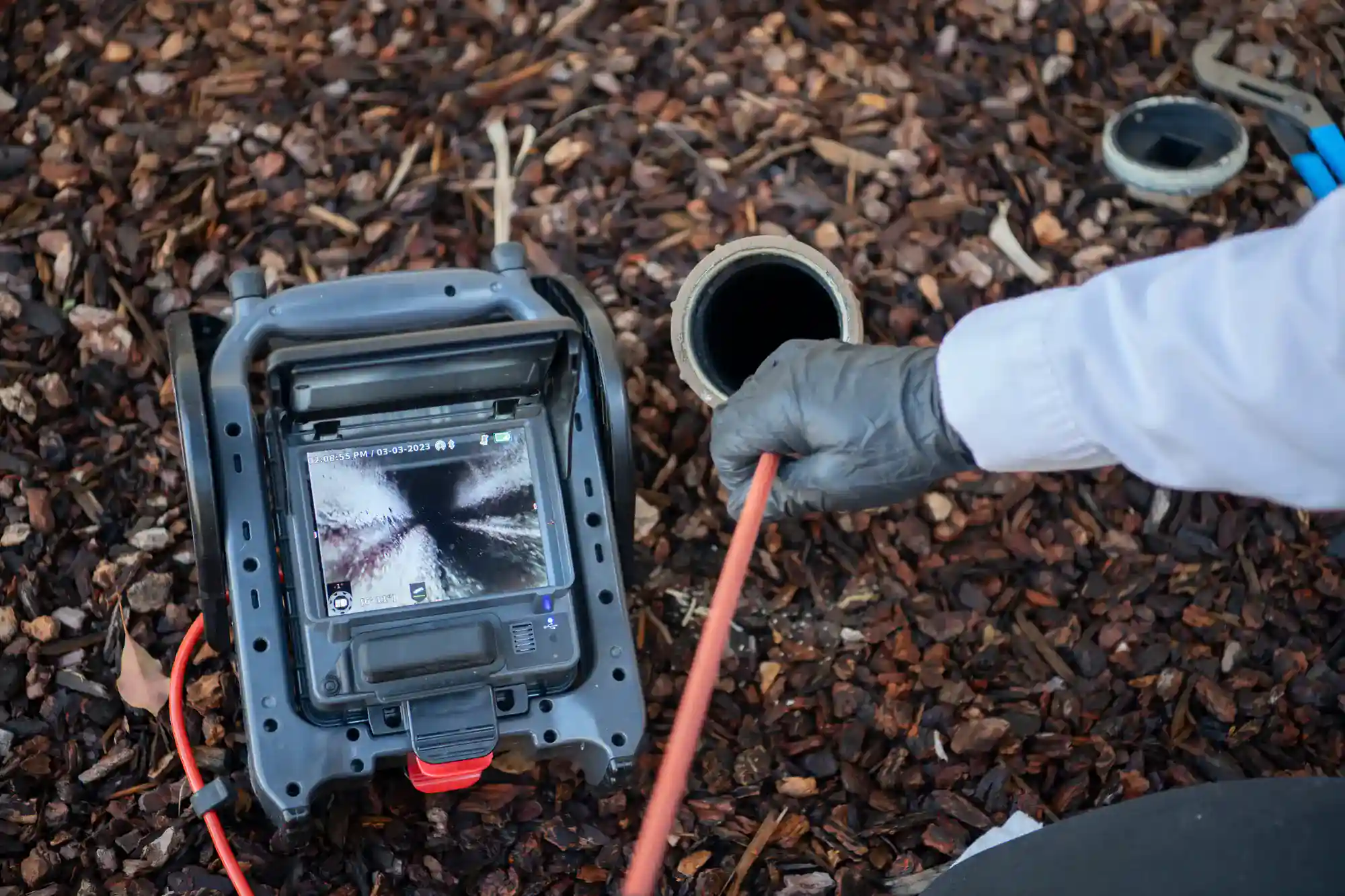
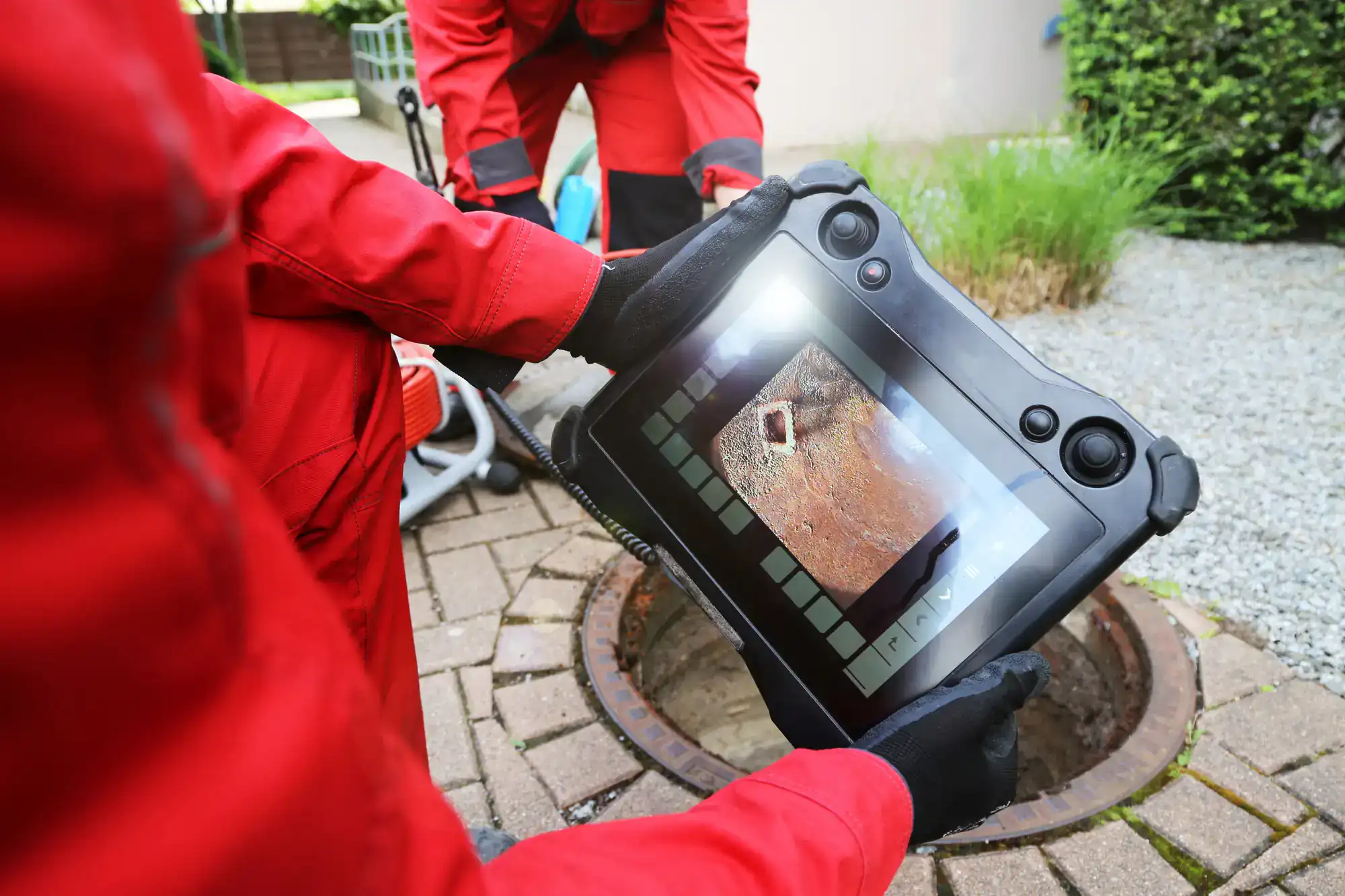
The inspection starts with access typically a cleanout fitting near your foundation or an accessible point in your drain system. We feed a high-resolution camera into the line and push it through the pipe while monitoring the live feed in real time. You can watch the footage as it happens. Everything the camera sees, you see every joint, every root intrusion, every section of belly or cracking. Nothing gets described to you after the fact. You’re there for it.
As the camera moves through the line, a locating transmitter tracks its position underground. When a problem area is identified, we can pinpoint the exact location above ground without any excavation. For properties in Locke’s historic district, this matters more than it would in a standard Sacramento suburb. Ground disturbance in a National Historic Landmark District isn’t something you do casually it requires coordination with preservation authorities, and unnecessary digging can disturb archaeological resources that can’t be replaced. Knowing precisely where the issue is before any work begins protects the property and keeps repair costs from escalating.
The full inspection typically takes 30 to 60 minutes. Afterward, you get a clear picture of your pipe’s condition what’s fine, what needs attention, and what can wait. No pressure, no manufactured urgency. Just documented findings you can use to make an informed decision.
Ready to get started?
Our sewer camera inspection covers lines from 1.5 to 72 inches in diameter and can navigate up to 350 feet of pipe. The camera is self-leveling with high-powered LED lighting, which means it delivers clear footage even in corroded, root-intruded, or partially collapsed sections exactly the kind of conditions you can find in pipes that have been sitting under Delta peat soil for decades. Pricing starts at $99 and runs up to $300 depending on the scope of the inspection, which puts it well below the national average of $685 for this service.
Because Locke falls within the Sacramento Area Sewer District (SacSewer) service area, it’s worth understanding where public responsibility ends and yours begins. SacSewer maintains the collection main, but the lateral running from your structure to that main is your property. In a town where the county acquired the entire historic district specifically to fund sewer and water line upgrades, the condition of private laterals isn’t something to assume is fine. The trenchless sewer inspection approach we use means you can get a full condition report on your lateral without a single shovel in the ground.
If the inspection identifies a problem, you’ll have the documented findings and video record to make a repair decision on your own terms not under pressure, and not based on someone else’s description of what they claim to have seen. That’s the whole point.
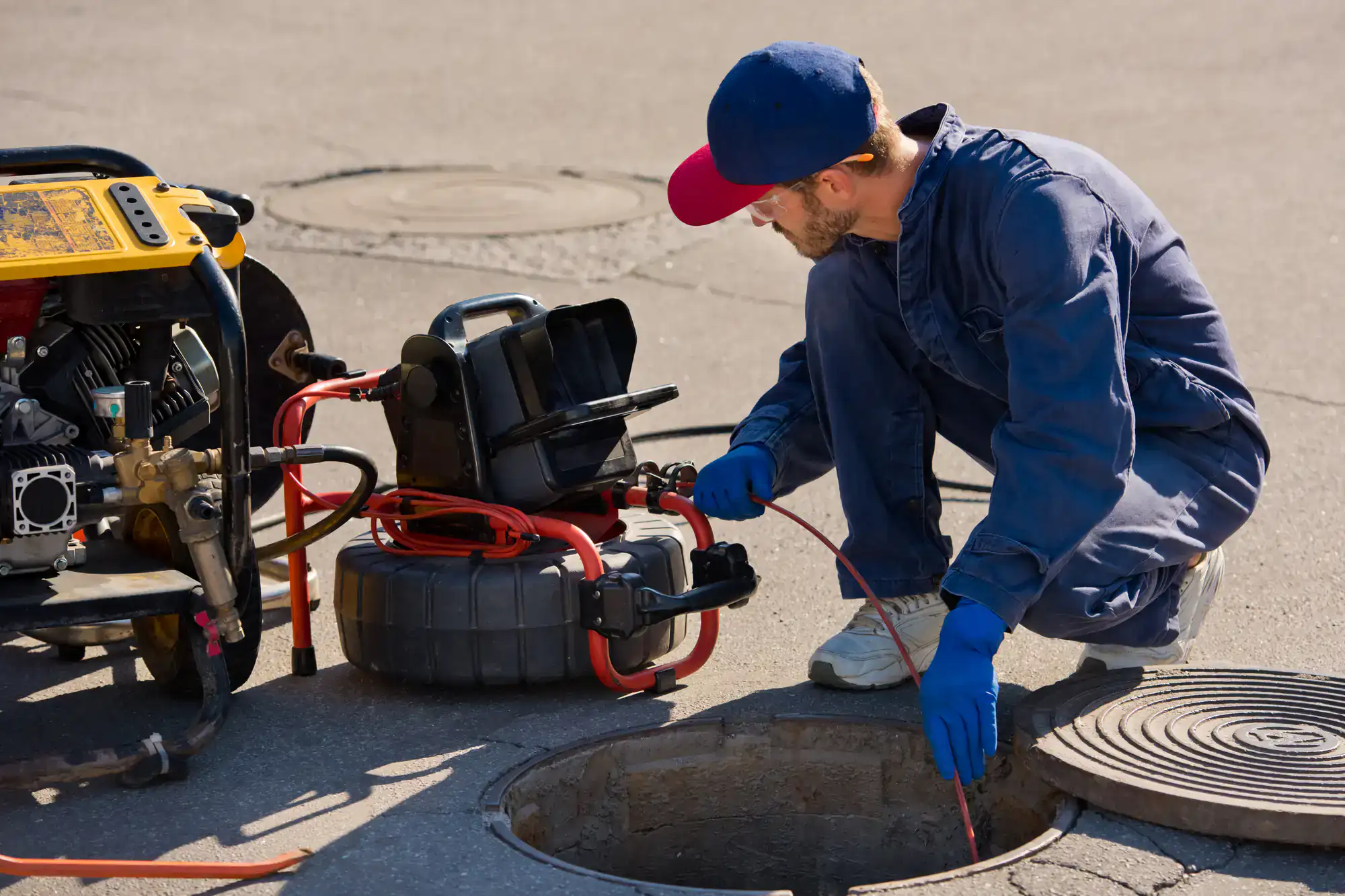
No that’s one of the main reasons it’s the right starting point before any repair work. The camera is fed through an existing access point, typically a cleanout, and a locating transmitter tracks its position underground. When a problem is identified, we mark the location above ground without breaking any surface.
For properties in Locke’s National Historic Landmark District, this is especially important. Any ground disturbance in the historic district requires coordination with the California State Historic Preservation Office, and unnecessary excavation can disturb archaeological resources or affect the structural integrity of 110-year-old buildings. Running a camera first means you only dig where you absolutely need to and you go in knowing exactly what you’re dealing with before the first shovel hits the ground.
Our sewer camera inspection starts at $99 and goes up to $300 depending on the complexity of the inspection. The national average for this service is around $685, so the pricing here is significantly lower and it’s given to you upfront, before anyone shows up at your door.
For Locke residents, that gap matters. This is a small, geographically isolated community with a modest income profile, and a sewer problem can’t exactly wait while you shop around for quotes from Sacramento contractors who may or may not make the drive out on River Road. Transparent pricing from the start means you know what you’re committing to. And based on customer feedback, final bills from us routinely come in at or below the original estimate not above it.
The two biggest issues in Delta properties like those in Locke are pipe belly formation and joint separation, both caused by soil movement. The peat soil the Delta sits on has been subsiding for over 150 years it compresses and oxidizes over time, and that gradual settling shifts pipes out of alignment. A belly is a low spot in the line where waste pools instead of flowing through, which leads to recurring blockages. Joint separation happens when soil movement pulls pipe sections apart, allowing groundwater infiltration and eventual collapse.
Root intrusion is the other common finding, particularly in properties with mature trees or landscaping. Roots follow moisture, and even a hairline crack in a joint is enough of an entry point. In a town where some of the structures date to 1915, the pipe infrastructure even where it’s been partially upgraded has been under Delta conditions for a long time. A sewer line camera inspection identifies all of these issues and gives you their exact location, so any repair work can be planned precisely rather than exploratorily.
The Sacramento Area Sewer District (SacSewer) explicitly lists Locke as one of its service communities, alongside Walnut Grove, Courtland, Hood, and Franklin. SacSewer maintains the public collection main but the lateral running from your building to the connection point with that main is your responsibility as a property owner. SacSewer responds to problems within the public system, but anything on your side of that connection is on you.
This distinction matters in Locke because the town’s infrastructure history is documented. The Sacramento Housing and Redevelopment Agency acquired Locke in 2002 specifically to fund sewer and water line upgrades. That work addressed portions of the system, but private laterals especially in structures that predate those upgrades may not have been touched. A sewer pipe inspection tells you exactly what condition your lateral is in, so you’re not caught off guard when SacSewer identifies a problem that originates on your property.
There’s no bad time to schedule one, but there are a few seasonal windows worth knowing about. Winter and early spring bring the highest flood risk in the Delta Sierra snowmelt and Central Valley rainfall raise river levels, which increases the hydrostatic pressure on buried pipes and accelerates infiltration at weak joints. Getting an inspection in late fall, before the wet season peaks, gives you a clear picture of your pipe’s condition before it’s under maximum stress.
Summer is when Delta peat soil dries out and oxidizes most rapidly, which is also when subsidence-related pipe movement tends to manifest as symptoms slow drains, occasional backups, or gurgling that wasn’t there before. If you’re noticing those signs during summer months, that’s the soil doing what it does every dry season. An inspection at that point catches the problem while it’s still manageable rather than waiting for a full failure. For property owners preparing a Locke structure for sale or seasonal use, pre-season is always the right call.
It should be. Standard home inspections don’t include underground sewer lines, which means buyers can close on a Locke property without any information about what the lateral looks like. In a town where the buildings are over 110 years old, the soil subsides, the water table is high, and the county purchased the entire historic district partly to address sewer infrastructure deficiencies assuming the lateral is fine is a real financial risk.
A sewer line camera inspection before purchase gives you documented video footage and a condition report you can use to negotiate, plan for repairs, or simply make an informed decision about what you’re buying. For sellers, having that documentation ready signals transparency and removes a potential objection late in the process. Given that Locke properties carry unique preservation and infrastructure considerations that don’t apply to a standard Sacramento suburb, the inspection is one of the most straightforward ways to protect yourself on either side of the transaction.