
Hear from Our Customers
Most sewer problems don’t announce themselves. They build quietly a drain that’s a little slower than last year, a smell you can’t quite place, a yard that stays soggy after it rains. By the time it’s obvious, you’re usually looking at a backup, a repair bill, or both. A sewer camera inspection gives you a clear picture before any of that happens.
For Mather homeowners, this matters more than most people realize. A significant portion of the area’s residential stock traces back to the original Air Force Base era structures built between the 1940s and 1980s that may still have the original cast iron or clay pipe systems underneath them. Those materials have a lifespan. Cast iron typically runs 50 to 75 years. Clay needs close attention after 50. If your home was built before 1975 and the sewer lateral has never been replaced, there’s a real chance it’s already showing signs of wear that you simply can’t see from the surface.
Sacramento County’s clay-heavy soils add another layer to this. During Mather’s long, dry summers temperatures regularly push past 100°F the ground contracts. When the winter rains arrive, it expands again. That seasonal cycle puts constant pressure on buried pipe joints, accelerating cracks, separation, and the kind of low spots where waste collects and causes backups. Add the mature trees throughout Mather’s parklands and residential areas pushing roots toward any available moisture, and you have a combination of conditions that makes a sewer pipe inspection one of the smartest things a homeowner here can do.
We hold a California CSLB C-36 Plumbing Contractor license the required classification for sewer lateral inspection and repair work in Mather’s unincorporated Sacramento County jurisdiction. That’s not a detail to gloss over. It means the work is done to code, the documentation holds up for real estate transactions and county records, and you’re not taking on liability by hiring someone who isn’t properly credentialed.
What actually sets us apart isn’t a tagline it’s a habit. Customers consistently note that the technician showed up on time, explained what they found in plain language, and the final bill came in at or below the original estimate. That’s not common in this industry. We already serve the Mather area, from homes near Mather Field Road to properties in the newer developments taking shape around Zinfandel Drive and the former base land. We know the area, we know the pipe conditions common to it, and we’re available around the clock because a community anchored by a 24/7 VA Medical Center and an operating cargo airport doesn’t run on banker’s hours, and neither do real plumbing emergencies.
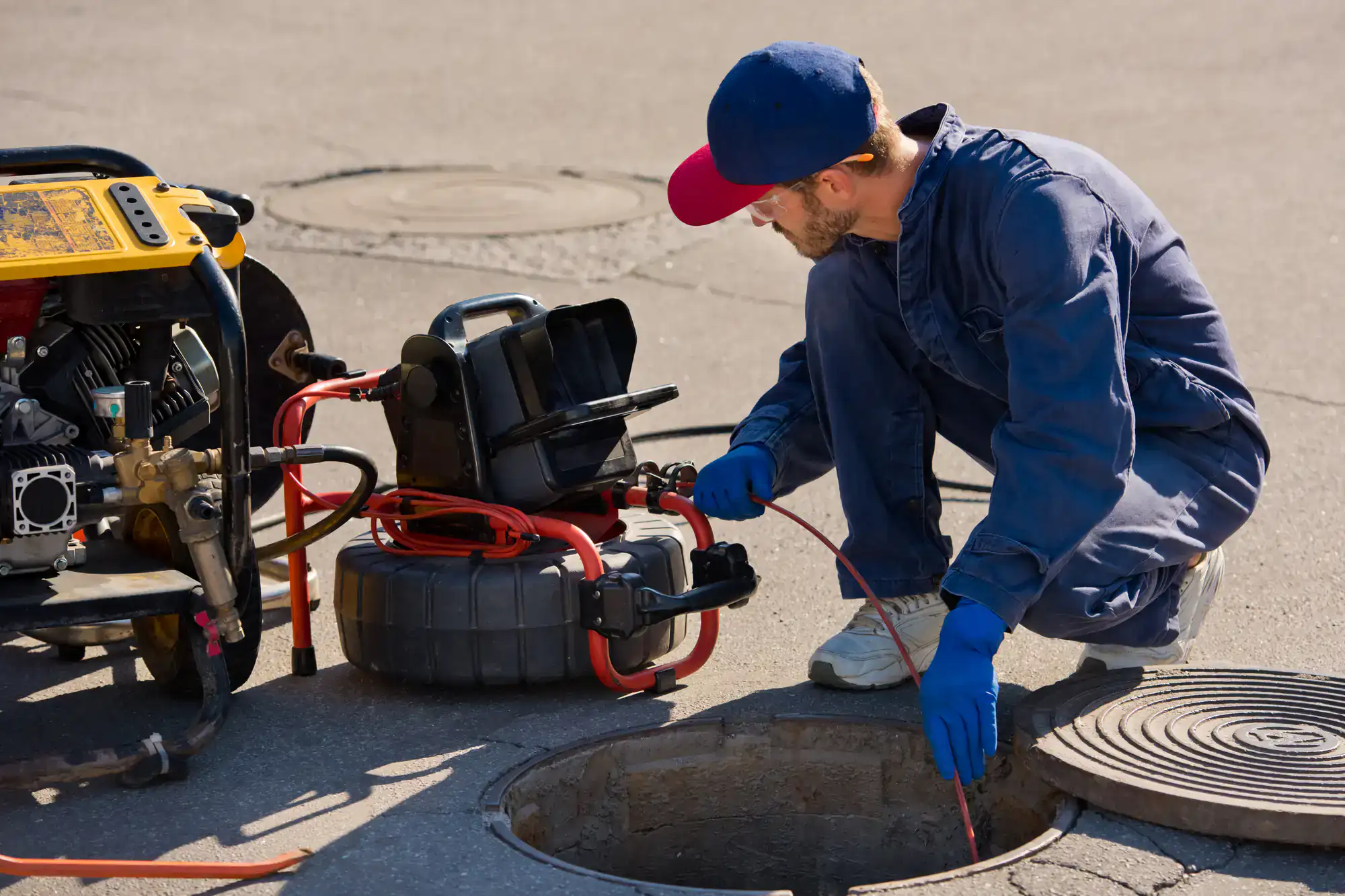
The process starts with access. Our technician locates your sewer cleanout or creates access if one isn’t readily available and feeds a professional-grade camera into the line. The equipment inspects pipes ranging from 1.5 to 72 inches in diameter and can navigate up to 350 feet of pipe, which covers the full length of most residential laterals in Mather without issue. Self-leveling technology keeps the footage steady, and powerful LED lighting means nothing gets missed in the darker sections of older lines.
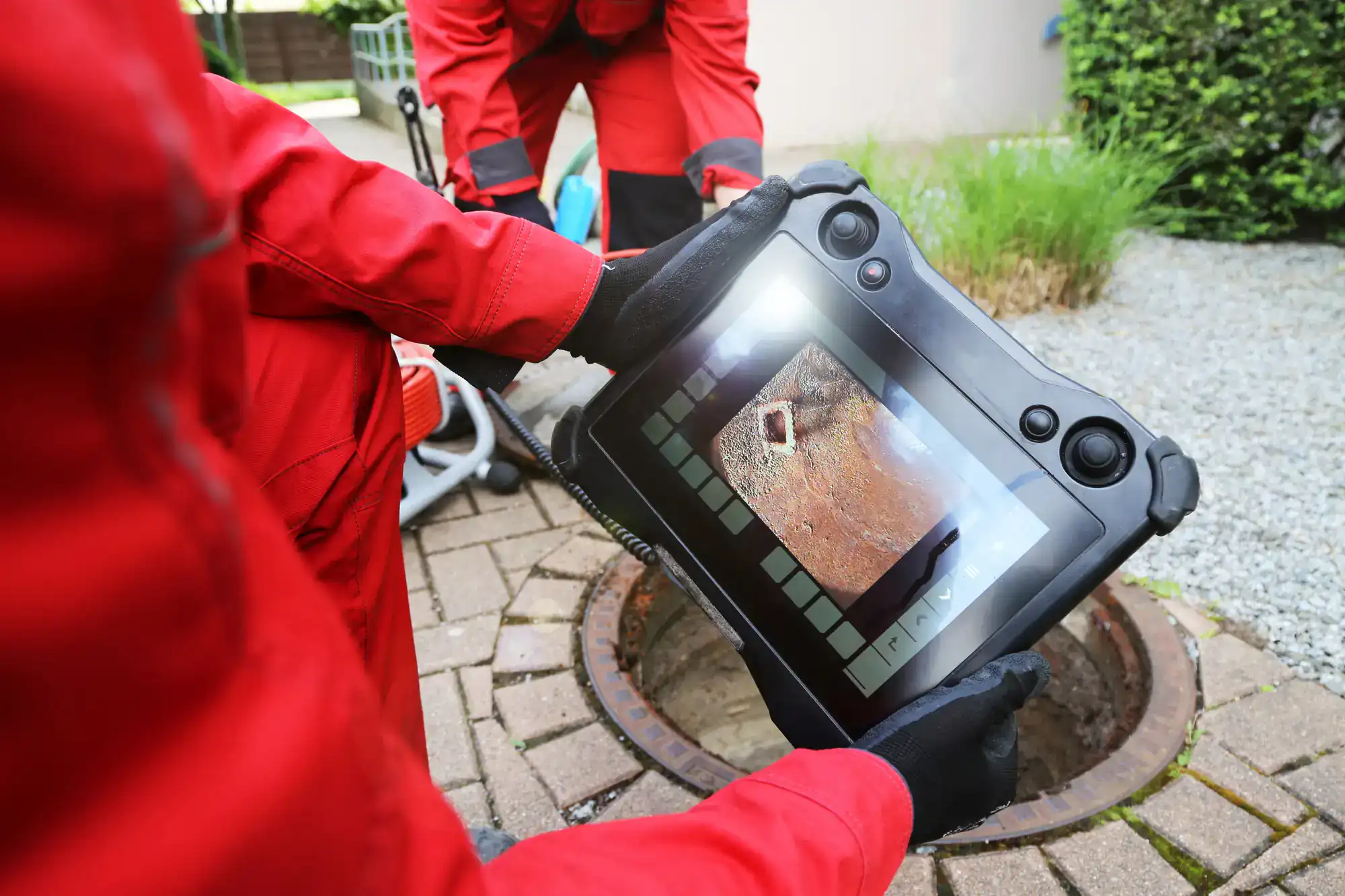
While the camera moves through your system, you watch the live feed. The technician narrates what they’re seeing where the pipe is in good shape, where there’s buildup, where a root has pushed through a joint, or where a section has shifted and created a low spot. You’re not handed a verbal summary afterward and asked to trust it. You see it yourself, in real time. If a problem is found, a locating transmitter pinpoints the exact spot above ground, so any repair work starts at the right place not a best guess.
In Mather specifically, inspections on converted military-era structures sometimes turn up original cast iron that’s been in the ground for 60 or 70 years. Newer homes in the Mather South development area may have modern PVC systems, but even new construction can have installation errors that a camera will catch before your builder’s warranty window closes. Either way, the process is the same: you get footage, you get facts, and you make an informed decision from there.
Ready to get started?
Our sewer camera inspection is priced between $99 and $300. The Sacramento market average runs $250 to $850. The national average sits around $685. That gap exists because our model isn’t built around using a cheap inspection as a foot-in-the-door tactic for a high-pressure repair sale. The inspection is the service. If something needs to be fixed, you’ll know exactly what it is, where it is, and what it’s going to cost before anyone picks up a shovel.
For homeowners in Mather’s unincorporated Sacramento County area, the inspection is performed under Sacramento Area Sewer District (SASD) standards, and the documentation we produce is valid for real estate transactions, insurance purposes, and county records. If you’re buying a home near Mather Golf Course, closing on a property in the Mather South development, or selling a converted base-era structure on the west side of the community, a documented sewer scope is one of the most useful things you can have in hand before the deal closes.
The service covers the full lateral from your home to the main line connection the section that’s entirely your responsibility under SASD’s ordinance. That’s the part no one can see without a camera, and the part that fails without warning when it’s been ignored long enough. Tree root intrusion, pipe belly formation, cracked joints from seasonal soil movement these are the conditions we find regularly in this area, and finding them early is the difference between a manageable repair and an emergency replacement.
Our sewer camera inspection in Mather runs between $99 and $300, depending on the specifics of your property and line length. That’s well below the Sacramento market range of $250 to $850 and significantly under the national average of around $685. The price you’re quoted is the price you pay there are no hidden access fees, no charges for footage, and no pressure to book a repair on the same visit.
It’s worth knowing that in Mather, some older properties particularly those converted from the original Air Force Base structures have longer or more complex sewer laterals than a typical suburban home. That can affect the scope of an inspection, but it won’t change the fact that you’ll know the cost upfront before anything starts. Free estimates are part of how we operate, and customer reviews consistently confirm that final bills come in at or below what was originally quoted.
A standard home inspection won’t touch the underground sewer lateral that’s not in the scope. So yes, if you’re buying a home in Mather, a separate sewer scope is worth doing before you close. It’s especially relevant here given the mix of property types in the area: converted military-era structures that may have original cast iron or clay pipes, and newer homes in active developments like Mather South where construction errors can go undetected until something backs up.
If the inspection turns up a problem, you have options negotiate a repair credit, ask the seller to address it before closing, or at minimum, go in with a clear picture of what you’re inheriting. If the line is clean, you’ve got documentation and peace of mind. Either way, you’re making a decision based on real information rather than hoping for the best. Given that sewer lateral replacement can run anywhere from $3,000 to well over $10,000, a $99 to $300 inspection is a straightforward investment before signing on a home in the $584,000 to $614,000 price range that’s common in Mather right now.
Yes, and it’s one of the most common issues we find during sewer inspections in Mather. The parklands, wide residential lots, and the mature trees throughout the community many of them established during and after the Air Force Base era have root systems that are constantly searching for moisture. During Sacramento’s long, dry summers, when the ground contracts and soil moisture drops, roots push aggressively toward any available water source. A hairline crack in an older pipe joint is enough of an opening.
Once roots get in, they don’t stop. They expand with the pipe’s moisture, widen the crack, and eventually create a blockage that no amount of drain cleaning will permanently fix. A sewer camera inspection shows you exactly where root intrusion has occurred and how far along it is. Catching it early means you might be looking at a targeted repair or root treatment. Catching it after a full backup means you’re likely looking at a section replacement or full lateral excavation. The earlier you know, the more options you have.
Most residential sewer camera inspections take between 45 minutes and two hours from start to finish. The actual camera work is usually the faster part it’s the access setup, footage review, and walkthrough of findings that rounds out the time. For straightforward properties with an accessible cleanout and a clear lateral, you’re often looking at the lower end of that range.
Properties in Mather that were originally part of the Air Force Base conversion sometimes have less standardized plumbing configurations than newer residential construction. Access points may be in less obvious locations, or the lateral routing may be less predictable than a home built from scratch on a residential lot. That doesn’t make the inspection impossible it just means the technician may need a few extra minutes to get set up properly. Either way, you’ll know what’s happening throughout the process, and you won’t be left waiting for a callback to find out what was found.
They’re the same thing, described two different ways. A sewer scope, a sewer camera inspection, and a sewer line video inspection all refer to the process of inserting a camera into your sewer lateral to visually inspect the condition of the pipe from the inside. The terminology varies by region and by who you’re talking to real estate agents often say “sewer scope,” plumbers more commonly say “camera inspection” or “video inspection” but the service itself is identical.
What matters more than the label is what the inspection actually covers and how the findings are documented. Our inspections produce real-time footage you watch live, with a technician narrating the condition of the pipe as the camera moves through it. A locating transmitter marks problem areas above ground so any repair work starts in exactly the right spot. The documentation we produce is valid for Sacramento County records and real estate transactions which is relevant if you’re buying, selling, or just keeping your own records on a Mather property.
It is, and more buyers are asking this question as the Mather South development continues to grow. New construction doesn’t automatically mean error-free installation. In large-scale residential developments, sewer lateral connections can be installed with improper slope, backfilled with debris left in the line during construction, or connected in ways that create low spots where waste will eventually collect. None of that shows up in a standard walkthrough or a builder’s final inspection.
The Sacramento Area Sewer District actually requires CCTV inspection of newly constructed sewer facilities before accepting them into the public system which tells you something about how much confidence the district places in visual verification, even for brand-new infrastructure. For a homeowner, the window that matters most is before your builder’s warranty expires. If there’s a defect in your lateral and you find it within that window, the builder is responsible. Find it two years later and you’re paying for it yourself. A sewer camera inspection before you move in or within the first year is one of the few times a relatively small investment can protect you from a much larger one down the road.