
Hear from Our Customers
New Era Park’s housing stock is some of the oldest in Sacramento. Craftsman bungalows, Victorian homes, Prairie-style residences beautiful from the street, but underneath them sit clay and cast iron pipes that have been in the ground for nearly a century. Clay pipes are rated for about 50 years. Most of these have been running twice that long.
Sacramento’s clay-heavy soil doesn’t make things easier. Every summer, temperatures push past 100°F and the ground contracts. Every winter, the rains come and it expands again. That cycle repeats every year, pushing pipe joints out of alignment, creating low spots where waste pools, and widening the cracks that roots find their way into. For a pipe that’s already 90 or 100 years old, that kind of stress adds up fast.
Then there’s Sutter’s Landing Regional Park 163 acres of mature trees sitting right against New Era Park’s northern edge. Those root systems don’t stop at the park boundary. They travel toward moisture, and cracked clay pipes are exactly the kind of moisture source they find. A sewer line camera inspection shows you whether that’s already happening in your lateral, and exactly where, so nothing gets guessed at and nothing gets dug up unnecessarily.
We serve Sacramento County, which means New Era Park’s older Central City blocks are well within our regular service area. We know what pre-WWII clay laterals look like on camera. We know how Sacramento’s soil conditions affect buried infrastructure. And we’ve built our entire approach around one thing: giving you the actual facts about your pipes, not a reason to spend more money.
Our Google rating is 4.7 out of 5, and the reviews that stand out most are the ones where customers mention the final bill came in at or below the original estimate. That’s not an accident it’s how we operate. We hold a California CSLB C-36 Plumbing Contractor license, which is the required classification for sewer work in this state, and we’re available 24/7 for situations that can’t wait until Monday morning.
If you own one of the historic properties near Boulevard Park or manage a rental building off 16th Street in New Era Park, you deserve a plumber who shows up with the right equipment and tells you the truth about what they find.
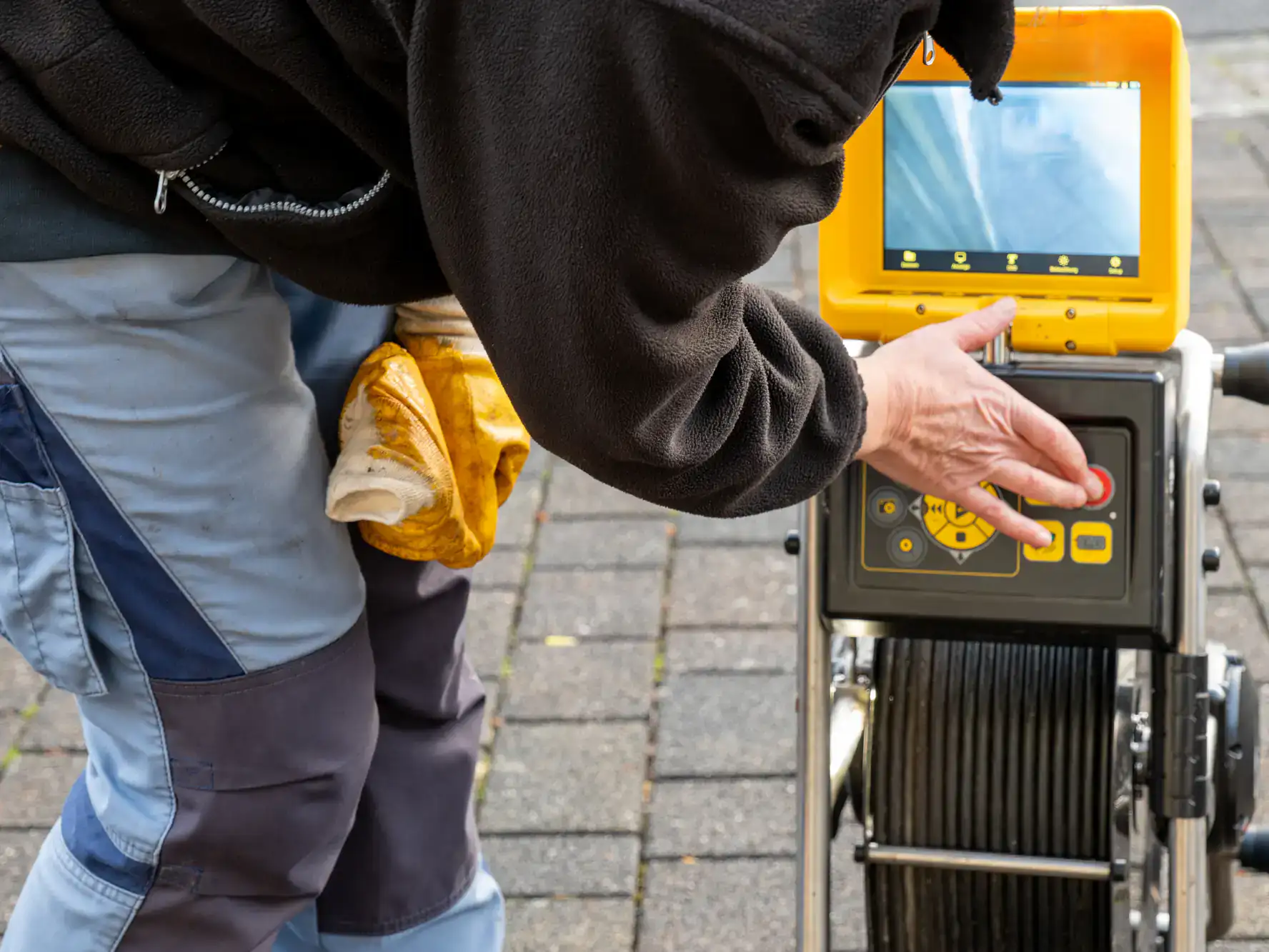
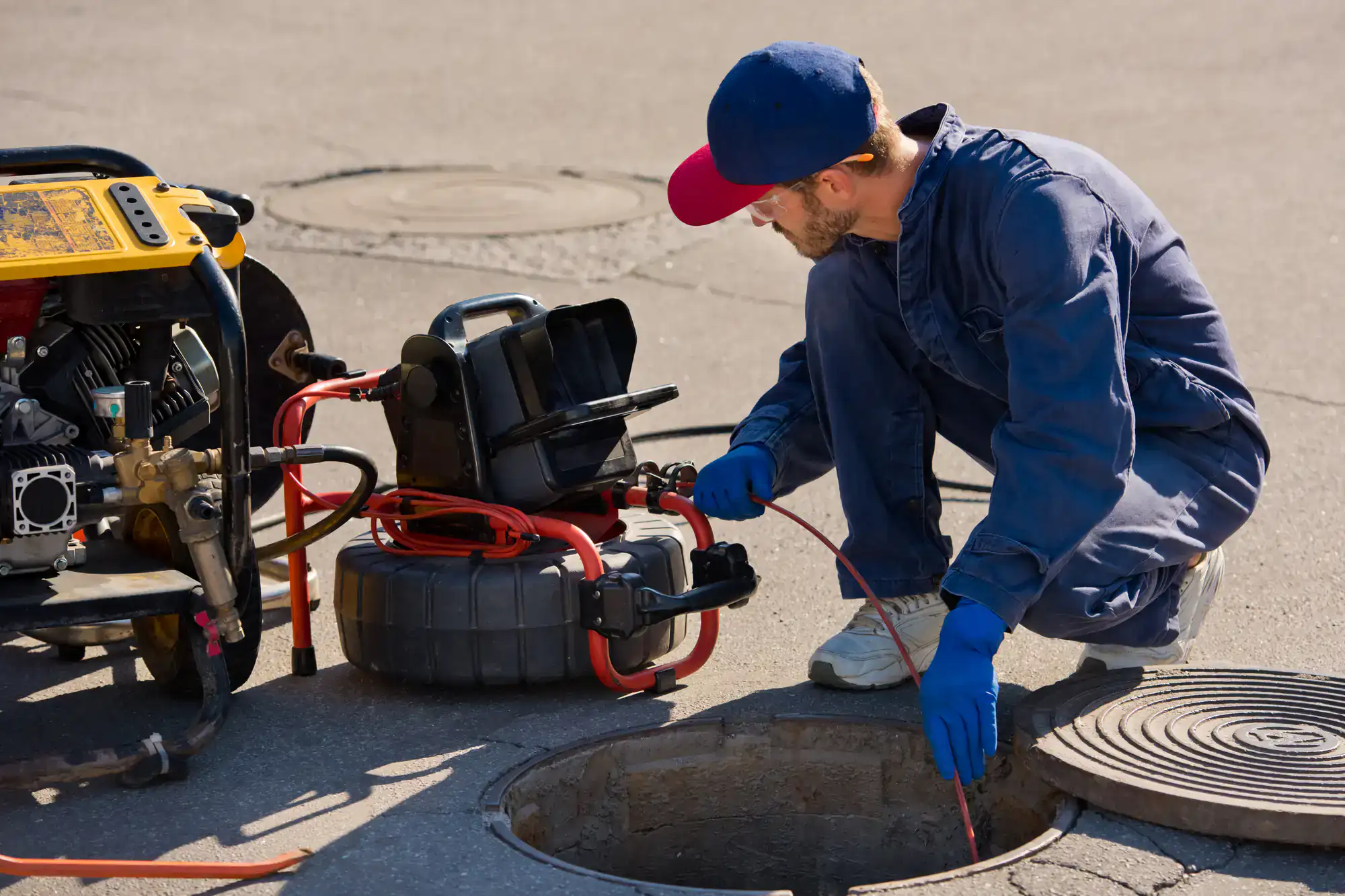
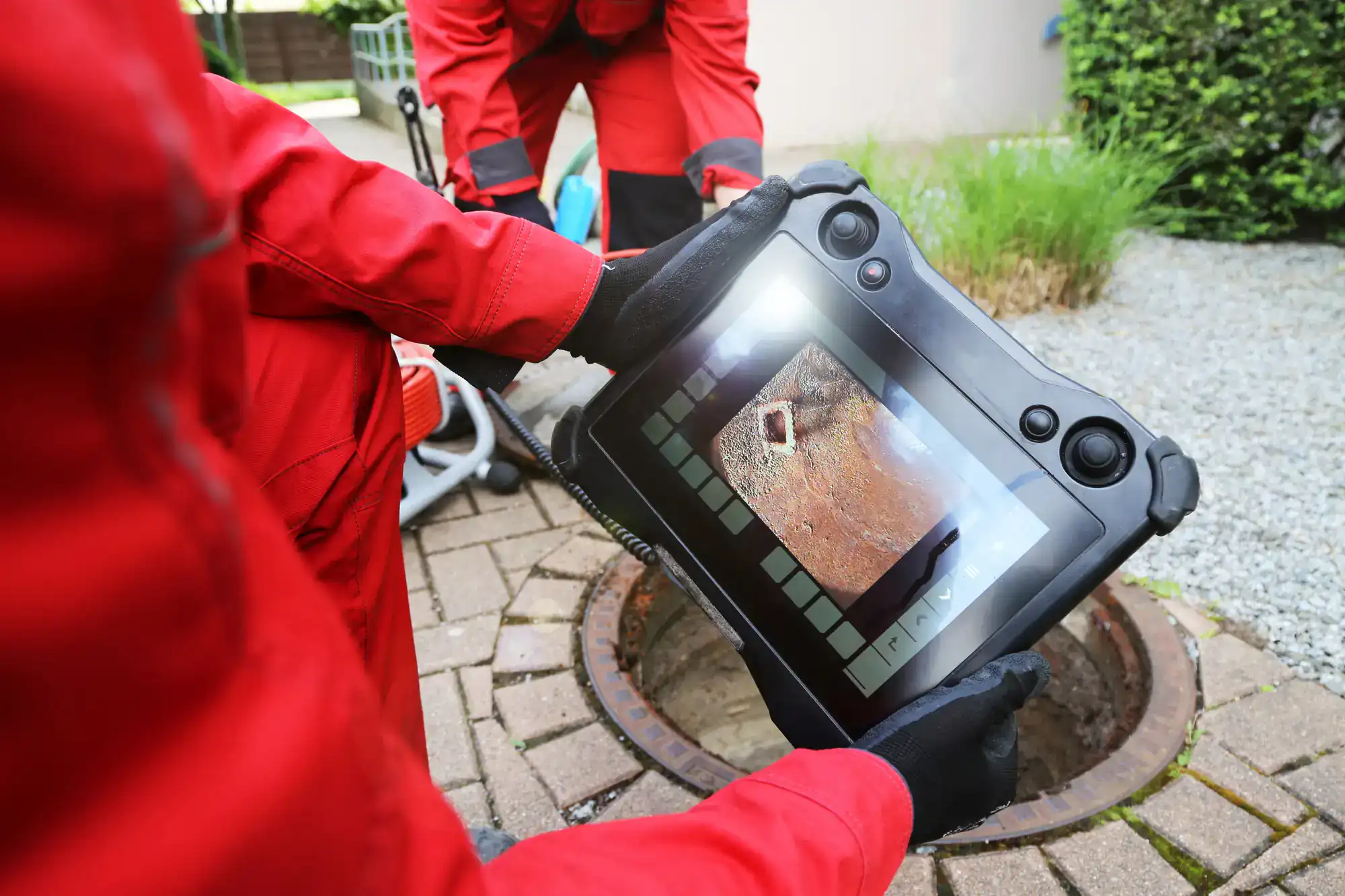
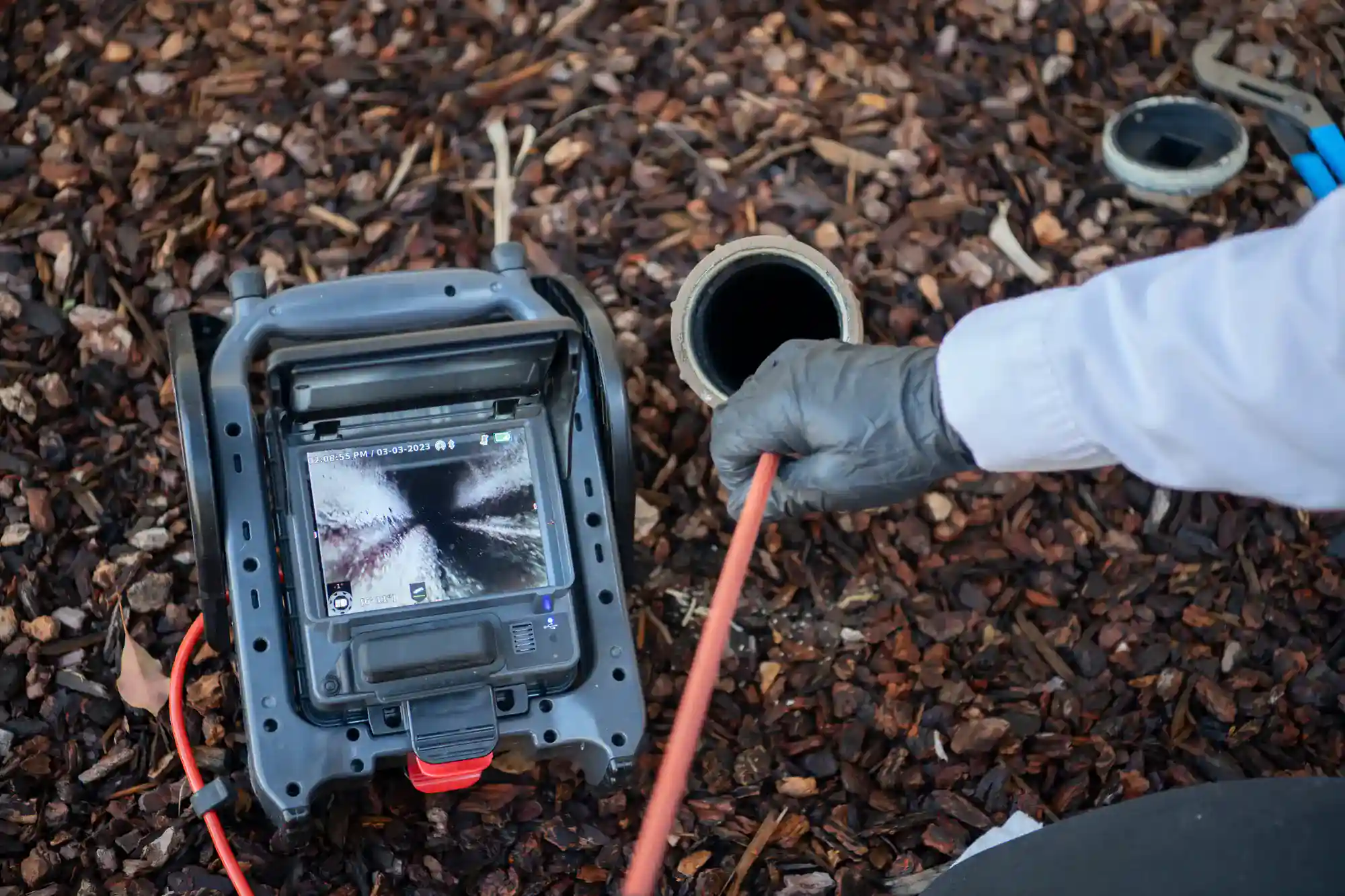
The inspection starts at an existing cleanout access point on your property. A professional-grade camera capable of reaching up to 350 feet and handling pipe diameters from 1.5 to 72 inches gets fed through the line while you watch the live feed in real time. We narrate what we’re seeing as the camera moves: root intrusion, offset joints, pipe belly, clear pipe whatever’s actually there. You’re not handed a report after the fact. You see your system while we’re standing right next to you.
Once the camera has covered the line, a locating transmitter identifies the exact position of any problem areas above ground. No digging, no guessing, no tearing up your yard to find something that a transmitter can pinpoint in minutes. For homeowners in New Era Park’s historic streetscapes where mature landscaping, period-correct hardscaping, and potentially Boulevard Park Historic District guidelines are part of the picture that matters.
If the inspection turns up something that needs attention, we walk you through what it is, what your options are, and what it would realistically cost to address. No pressure. No manufactured urgency. Just the information you need to make a decision that’s right for your property.
Ready to get started?
A sewer camera inspection from us runs $99–$300 well below the national average of $685, and a fraction of what some of the larger Sacramento chains charge for the same service. The inspection covers your full sewer lateral from the building to the municipal connection, with recorded footage, above-ground problem location via transmitter, and a plain-language explanation of findings before we leave.
For New Era Park specifically, the inspection is designed to surface the issues most common to this neighborhood’s infrastructure: root intrusion from the mature tree canopy along residential streets and Sutter’s Landing Park, offset joints caused by Sacramento’s seasonal soil movement, pipe belly from decades of ground shift, and hairline cracks in aging clay or cast iron pipe. These aren’t hypothetical risks they’re what shows up on camera in neighborhoods like this one, regularly.
If you’re purchasing a home in New Era Park, this is the inspection your home inspector skipped. Standard home inspections don’t include underground sewer lines. A pre-purchase sewer pipe inspection gives you real footage of the lateral’s condition before you close while you still have the ability to negotiate or walk away. For landlords and property managers overseeing rental units in the neighborhood’s predominantly renter-occupied housing stock, it’s straightforward documentation that protects the asset and keeps you ahead of expensive surprises.
Our sewer camera inspection is priced between $99 and $300, depending on the scope of the job. That’s significantly below the national average of around $685, and well under what many of the larger Sacramento-area plumbing companies charge. The price is discussed upfront before any work begins no surprises on the invoice.
For context, the cost of a camera inspection is a small fraction of what a sewer lateral repair or full replacement runs. In a neighborhood like New Era Park, where homes were built primarily between 1906 and 1929 and original clay or cast iron laterals are still common, a full replacement can run anywhere from $6,000 to $15,000 or more depending on the depth, length, and access conditions. Spending $99–$300 to know what you’re actually dealing with is straightforward risk management, especially when you’re buying or maintaining a property in the $500,000–$750,000 range.
It’s not legally required, but it’s one of the smartest things you can do before closing on a New Era Park property. Standard home inspections don’t cover underground sewer lines your inspector will check visible plumbing fixtures and report on what they can see, but the lateral running from the house to the city main isn’t part of that scope. In New Era Park, where the majority of homes were built before 1930 and the original pipes have been in Sacramento’s clay soil through nearly a century of expansion and contraction cycles, that’s a significant blind spot.
A local Sacramento realtor who works specifically in this area has said it plainly: “There’s a lot of big trees in the area and tree roots can get into the sewer lines, so we always recommend sewer inspections.” That’s not generic advice it’s specific to what New Era Park’s mature tree canopy, including the root systems extending from Sutter’s Landing Regional Park, does to aging lateral pipes over time. A pre-purchase sewer line camera inspection gives you actual footage of the pipe’s condition before you’re legally committed to the property.
The four issues that show up most consistently on camera in neighborhoods with New Era Park’s housing vintage are root intrusion, pipe belly, offset joints, and hairline cracks in clay or cast iron pipe. Root intrusion is especially prevalent here because of the neighborhood’s mature tree canopy both along residential streets and from the 163-acre Sutter’s Landing Regional Park on the neighborhood’s northern edge. Roots find moisture, and cracked clay pipes are exactly the moisture source they seek. Once roots enter, they expand with every growing season and eventually block the line entirely.
Pipe belly and offset joints are largely driven by Sacramento’s clay soil conditions. The soil expands significantly during wet winters and contracts sharply during summers that regularly exceed 100°F. That annual movement pushes pipe sections out of alignment and creates low spots where waste pools instead of flowing. For pipes that have been through 80 to 100 of these annual cycles, the cumulative effect is significant. A sewer line video inspection shows all of this clearly, in real time, so you know exactly what you’re dealing with rather than guessing based on symptoms.
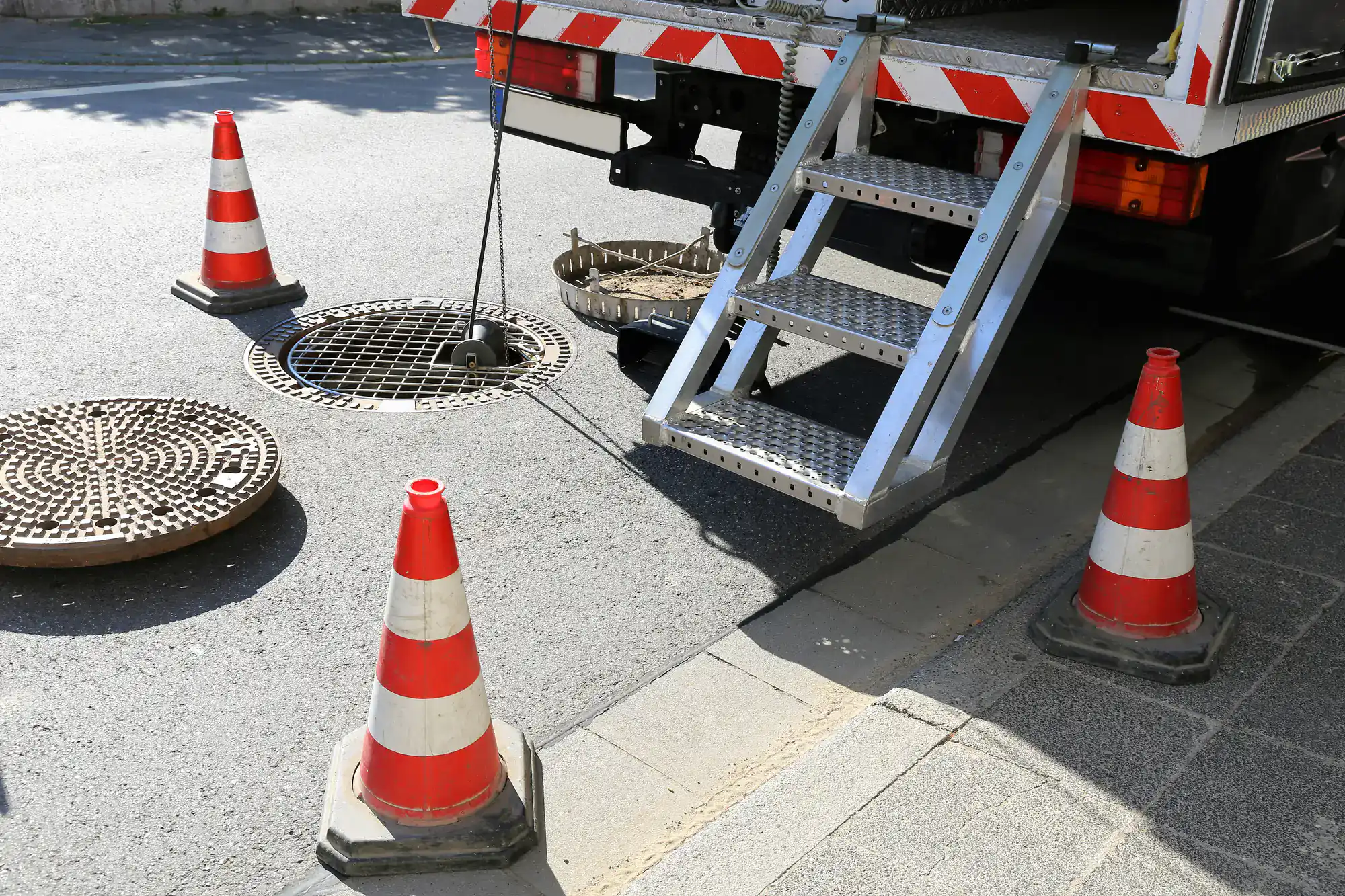
Yes that’s one of the main reasons a camera inspection is the right first step before any repair conversation happens. The camera enters through an existing cleanout access point on your property. No excavation, no damage to landscaping, no disruption to hardscaping or paving. The locating transmitter then identifies the exact position of any problem areas above ground, so if repair work is needed, it can be targeted precisely rather than requiring a wide open-cut trench to find the issue.
This matters particularly in New Era Park, where some properties fall within the Boulevard Park Historic District and where period-correct landscaping, mature trees, and historic paving materials are part of the property’s character and value. Tearing up a front yard or driveway to diagnose a problem that a camera and transmitter can locate non-invasively isn’t just unnecessary in some cases, it creates additional complications. If repairs do turn out to be necessary, trenchless sewer repair methods are available that protect the surface above the pipe entirely.
Drain cleaning whether by snake or hydro-jetting clears a blockage. It doesn’t tell you what caused it, whether it’s likely to come back, or what condition the pipe itself is in. A sewer blockage inspection with a camera shows you the actual interior of the pipe: the root mass that keeps regrowing, the offset joint that keeps catching debris, the pipe belly that causes chronic slow drains, or the hairline crack that’s letting groundwater infiltrate the system.
In a neighborhood like New Era Park, where the pipes are old enough that a blockage could be a symptom of something more serious, clearing the line without looking at it first means you might be solving a surface problem while a structural issue gets worse underneath. The camera inspection gives you a real picture of what’s happening so that any work done whether it’s a simple cleaning, a targeted repair, or a more involved fix is based on actual information, not assumptions. That’s the difference between treating the symptom and understanding the system.
Yes, and it’s a common request given that over 70% of New Era Park residents are renters meaning a significant portion of the neighborhood’s housing stock is landlord-owned. Property owners and managers who oversee rental units in the area use sewer pipe inspections as a routine part of asset maintenance, not just an emergency response. Catching root intrusion, pipe deterioration, or a developing blockage before it causes a backup in an occupied unit is far less disruptive and far less expensive than dealing with it after the fact.
The inspection process is the same regardless of whether it’s an owner-occupied home or a rental property: camera through the line, live footage, above-ground problem location, plain-language explanation of findings. The documentation recorded footage and identified problem locations is also useful for property records, especially if you’re managing multiple units or planning future maintenance budgeting. If you’re a landlord dealing with recurring drain complaints from tenants in an older New Era Park building, a sewer line camera inspection is usually the fastest way to find out whether the issue is isolated or systemic.