
Hear from Our Customers
A slow drain in an Orangevale home built in the 1960s or 1970s isn’t just an inconvenience it’s often the first sign that aging clay or cast iron pipe is cracking, offsetting, or getting choked by roots. Once you know what’s actually in the ground, you stop guessing and start making real decisions about your home.
Orangevale’s hardpan clay soil expands every wet winter and contracts every dry summer. That seasonal cycle puts constant stress on underground pipe joints especially in a community where the median home was built in 1976 and original pipe materials are still in the ground. Our sewer pipe inspection catches those stress fractures and bellied lines before they turn into a full backup or a collapsed lateral.
Then there are the Heritage Oaks. They’re part of what makes Orangevale feel like home, and they’re legally protected which means you can’t just remove one to deal with root intrusion. Our sewer line video inspection locates exactly where roots have entered the pipe, so any repair can be targeted and minimal. No digging up your entire yard. No threatening the trees you’ve spent decades growing.
We serve Orangevale and surrounding unincorporated areas of northeastern Sacramento County. Our team understands what’s in the ground here the hardpan clay, the aging laterals, the Heritage Oak root zones and that context shapes how every inspection is approached and communicated.
Our inspection pricing runs $99 to $300, which sits well below the Sacramento market range of $250 to $850. That number is given upfront, not after the truck is already in your driveway. Multiple customers have noted their final bill came in at or below the original estimate that’s not a fluke, it’s the standard. We hold a California CSLB C-36 Plumbing Contractor license and operate within the Sacramento Area Sewer District service area, so the work is done right and to code.
Our 4.7-star Google rating across 93 verified reviews reflects one consistent pattern: people feel like they were treated honestly. That’s the baseline expectation here, not a selling point.
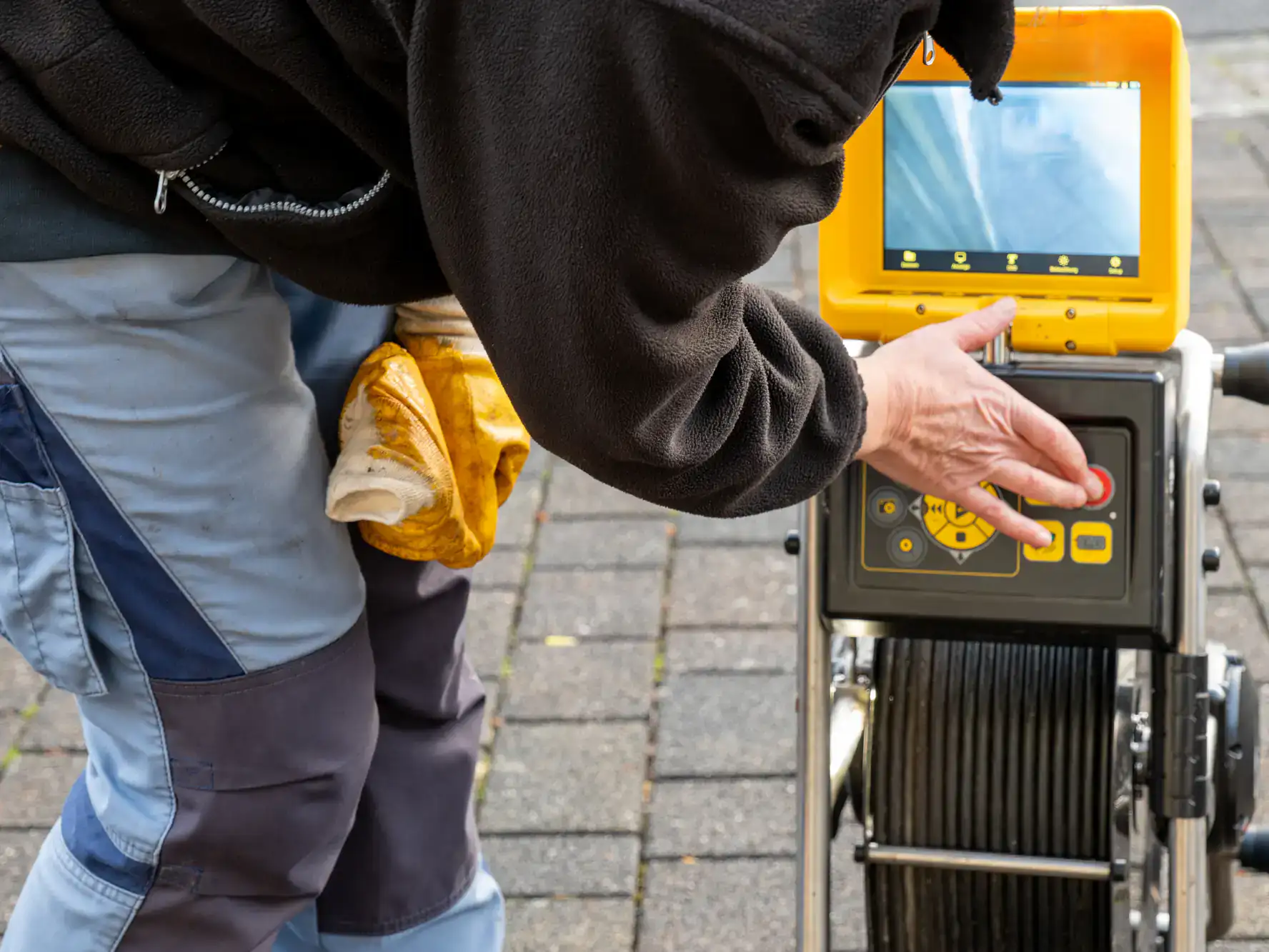
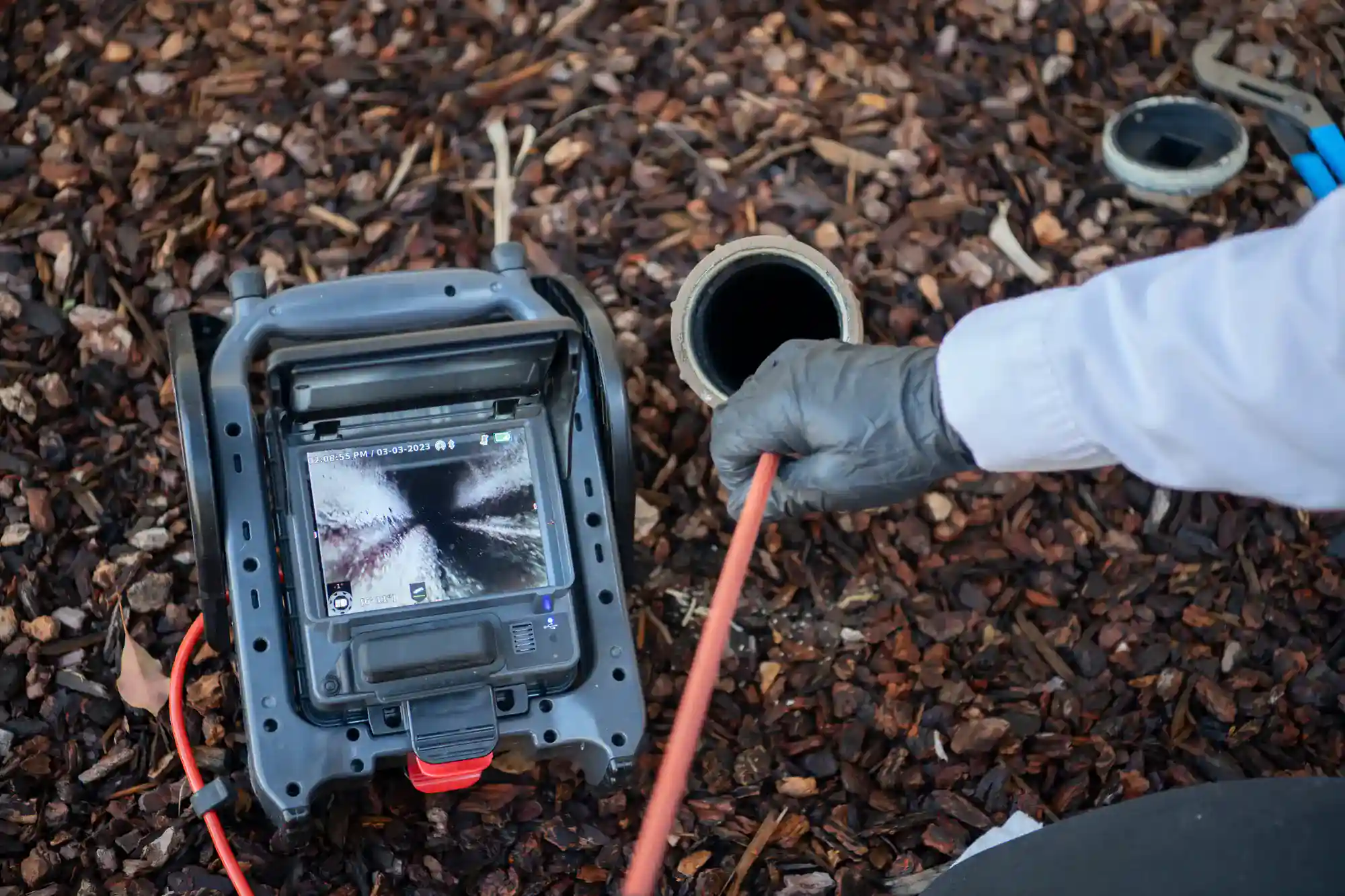
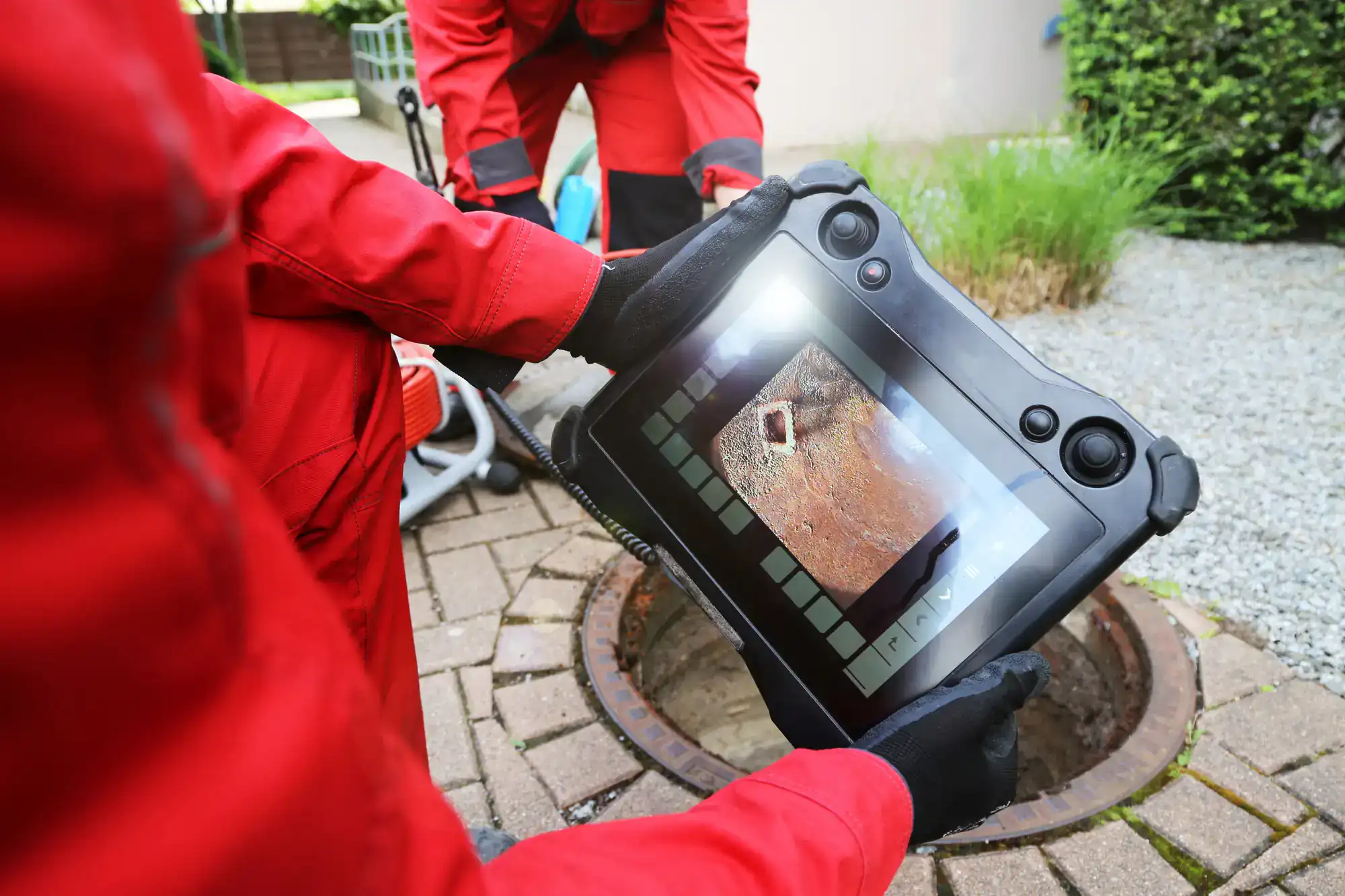
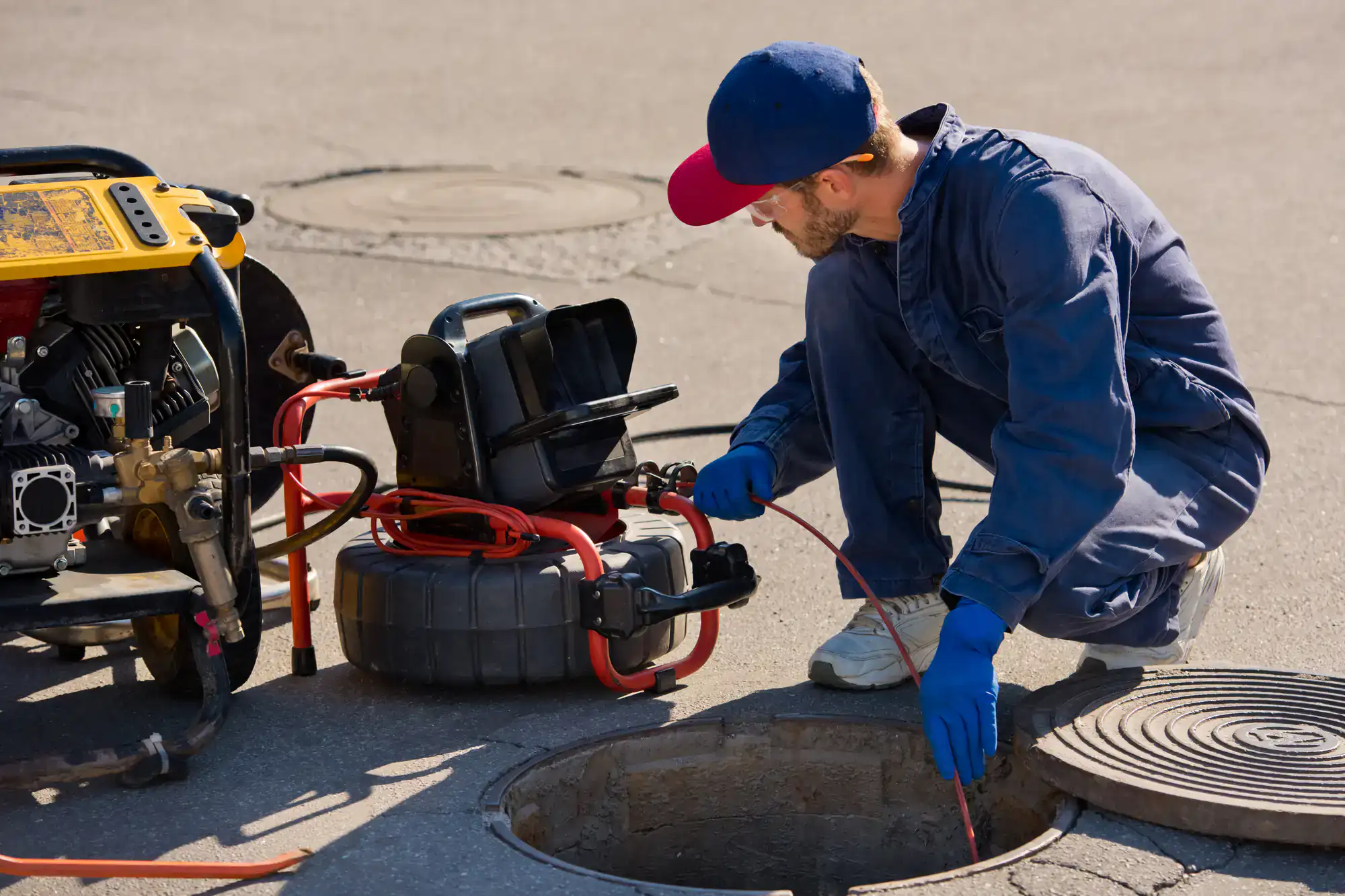
The camera enters through an existing cleanout or access point no digging, no disruption to your yard or landscaping before the inspection even begins. From there, a high-definition camera with LED lighting moves through your sewer line while our technician narrates what’s on screen in real time. You’re watching the same footage we are. If there’s a root mass at 60 feet, you see it. If the line is clear, you see that too.
Our inspection equipment handles pipe diameters from 1.5 to 72 inches and can navigate up to 350 feet of line more than enough to cover the longer laterals common in Orangevale’s larger-lot properties, including those near Stacey Hills Estates and the Cardwell Colony areas. A locating transmitter pinpoints any problem areas above ground, so if a repair is needed, it can be marked precisely without excavating through your yard or into a protected Heritage Oak root zone.
After the inspection, you get a clear picture of what’s in your pipes, what condition they’re in, and what if anything needs attention. Because we operate within the Sacramento Area Sewer District service area, any repair work that requires permitting is handled in compliance with SASD standards. You leave the appointment informed, not pressured.
Ready to get started?
Every sewer camera inspection we provide includes a full sewer line video inspection from the access point to the main, real-time narration of what the camera finds, precise above-ground location marking of any problem areas, and a straightforward summary of what was found and what your options are. You’re not handed a vague report and a repair quote you’re walked through the footage and given the information to make your own call.
For Orangevale homeowners, that transparency matters more than most places. A large share of homes along Greenback Lane and throughout the community’s older neighborhoods were built with clay tile or cast iron laterals. Those materials are at or past their expected service life, and the combination of Orangevale’s hardpan clay soil movement and Heritage Oak root systems accelerates the wear. A sewer blockage inspection here isn’t a precaution for many properties, it’s overdue.
If you’re buying a home in Orangevale, this is also the inspection your standard home inspector skipped. Underground sewer lines aren’t part of a typical home inspection, and in a market where median home values are approaching $575,000, that’s a significant blind spot. A sewer line camera inspection before closing gives you the information to negotiate, request repairs, or walk away before the problem becomes yours.
Our sewer camera inspection in Orangevale runs $99 to $300, depending on the scope of the job. That range is given upfront not after the technician has already arrived and assessed the situation. The national average for this service is around $685, and the Sacramento market typically runs $250 to $850, so our pricing is genuinely competitive without cutting corners on equipment or process.
What you’re getting in that price is a full sewer line video inspection with real-time narration, above-ground problem location marking, and a clear summary of findings. No hidden fees, no pressure to approve repairs on the spot. Several customers have specifically noted that their final bill came in at or below the original estimate that’s a consistent pattern, not an exception. If a follow-up repair is needed, you’ll know exactly what it is and why before you decide anything.
Yes and in Orangevale specifically, it’s one of the most common causes of sewer line problems. Heritage Oak trees have wide-spreading, aggressive root systems that seek out moisture wherever they can find it. Aging clay tile and cast iron pipes, which are common in Orangevale homes built before 1980, develop hairline cracks and deteriorating joints over time. Those openings are exactly what roots look for. Once roots get inside, they grow and expand, eventually causing blockages, backups, and in some cases, pipe collapse.
The complicating factor in Orangevale is that Heritage Oaks are legally protected. You can’t simply remove the tree to solve the problem. That’s why our sewer pipe inspection is so valuable here it locates the intrusion precisely, so a targeted repair or trenchless treatment can address the root mass without excavating your entire yard or threatening the root zone of a protected tree. Catching it early is almost always less expensive and less disruptive than dealing with a full blockage or collapse.
Orangevale’s housing stock skews older the median construction year is 1976, and roughly a third of homes in the community were built between 1940 and 1969. That means a significant portion of the sewer laterals in the ground are original clay tile, also called terra cotta, or cast iron. Clay tile was the standard material for sewer laterals in California homes built before the 1960s. It’s installed in short sections with joints that are vulnerable to root intrusion and soil movement. Cast iron was common through the 1970s and is prone to internal corrosion, scaling, and cracking especially at transitions to other pipe materials.
Both materials have a service life of roughly 50 to 75 years, which means many Orangevale laterals are already at or past that threshold. The seasonal soil movement caused by Orangevale’s hardpan clay accelerates wear at joints and transitions. A sewer line camera inspection is the only way to know for certain what material is in your ground and what condition it’s actually in not what someone guesses based on the year the house was built.
A standard home inspection does not include underground sewer lines. That’s not a technicality it means the inspector walked through the house, checked visible systems, and left without any idea what’s happening in the lateral running from the house to the main. In Orangevale, where a large share of available homes were built in the 1950s through 1970s with original clay or cast iron laterals, that’s a meaningful gap in your due diligence.
With median home values in Orangevale approaching $575,000, you’re making a significant financial commitment. A sewer line video inspection before closing typically costs $99 to $300. A sewer lateral replacement, if you inherit a collapsed or severely root-damaged line, can run $6,000 to $10,000 or more. Beyond the financial protection, the inspection gives you negotiating leverage if the camera finds a problem, you can request repairs as a condition of sale, adjust your offer, or make an informed decision about whether to proceed. It’s a straightforward piece of due diligence that most buyers in this market skip and later regret.
The most common sign is a drain that backs up repeatedly, even after it’s been snaked or cleared. If you’ve had the line rooted more than once and the problem keeps coming back, the snake is treating the symptom not the cause. Our sewer blockage inspection with a camera shows you whether there’s a root mass that keeps regrowing, a belly in the line where waste is pooling, or a crack or offset that’s creating a recurring obstruction.
Other signs worth paying attention to: multiple drains in the house running slow at the same time, gurgling sounds from toilets when you run water elsewhere in the house, sewage odors in the yard or near cleanout locations, and unusually lush or soggy patches of grass over the sewer line path. In Orangevale, that last one can be easy to miss given the mature landscaping many properties have, but it’s often an indicator of a slow leak or crack in the lateral below. If you’re seeing any combination of these, a sewer camera inspection is the fastest way to get a real answer.
We offer 24/7 service, including nights, weekends, and holidays. A sewer backup doesn’t follow a business-hours schedule, and in Orangevale where most residents have a 28-minute average commute and full schedules waiting until Monday morning isn’t always a realistic option. Emergency calls are handled the same way as scheduled appointments: you get a real response, not a voicemail and a callback two days later.
Weekend and after-hours availability is particularly relevant during Orangevale’s wet season, roughly November through March, when heavy rain can saturate the hardpan clay soil quickly and expose latent pipe problems through backups and infiltration. That’s historically when emergency sewer calls spike in the Sacramento County area. If a backup happens on a Saturday night after a storm, the ability to call once and get someone out is the difference between a manageable situation and significant property damage. The pricing for after-hours service is communicated upfront no surprise surcharges after the fact.