
Sewer Camera Inspection
Get a free quote for sewer camera inspection from your local plumbing team.
We’ll contact you about your sewer camera inspection request. Privacy policy
Hear from Our Customers
Pocket is one of Sacramento’s most desirable neighborhoods and one of its most geologically specific. The Sacramento River wraps around three sides of this community, and that geography does more than define the view. It keeps the soil beneath your home persistently moist, accelerates the wear on buried pipes, and creates conditions that are genuinely different from anything happening in Carmichael, Natomas, or Elk Grove. Industry research has specifically called out Pocket by name as a high-risk zone for sewer pipe degradation, citing the low-lying terrain, elevated water table, and clay soil that retains moisture far longer than upland Sacramento neighborhoods.
Most homes in Pocket were built between the 1960s and the 1990s. The pipes installed during that era clay tile and cast iron are now 40 to 60 years old. They were built to last, but they weren’t built forever. And they weren’t built for the kind of root systems that mature valley oaks and sycamores develop when they’re actively searching for moisture in wet, river-adjacent soil. A sewer line camera inspection doesn’t just confirm whether something is wrong. It tells you exactly what’s wrong, exactly where it is, and exactly what your options are so you can make a real decision instead of guessing.
That clarity matters especially when you’re talking about a home worth $700,000 or more. A $99 to $300 sewer pipe inspection that catches a developing problem before it turns into a $10,000 emergency repair isn’t a cost. It’s the most straightforward investment you’ll make in this house.
We hold a California CSLB C-36 Plumbing Contractor license the specific credential required by California law for sewer lateral inspection work. That means every inspection we complete in Pocket is legally valid for real estate transactions, compliance documentation, and official sewer lateral programs. It’s not a formality. In a market where Pocket homes are selling in under 10 days, it’s the difference between documentation that holds up and one that doesn’t.
What actually separates us is what we don’t do. We don’t use a camera inspection as a door-opener to sell you a repair you may not need. Our approach is straightforward: you watch the footage in real time, you hear a plain-language explanation of what you’re seeing, and you walk away with the facts. What you do with those facts is entirely your call. Our Pocket customers consistently note that final bills came in at or below the original estimate and that’s not an accident. It’s how we operate.
We serve Pocket and the surrounding Sacramento area with 24/7 availability, because sewer problems in a river-bend neighborhood don’t wait for business hours.
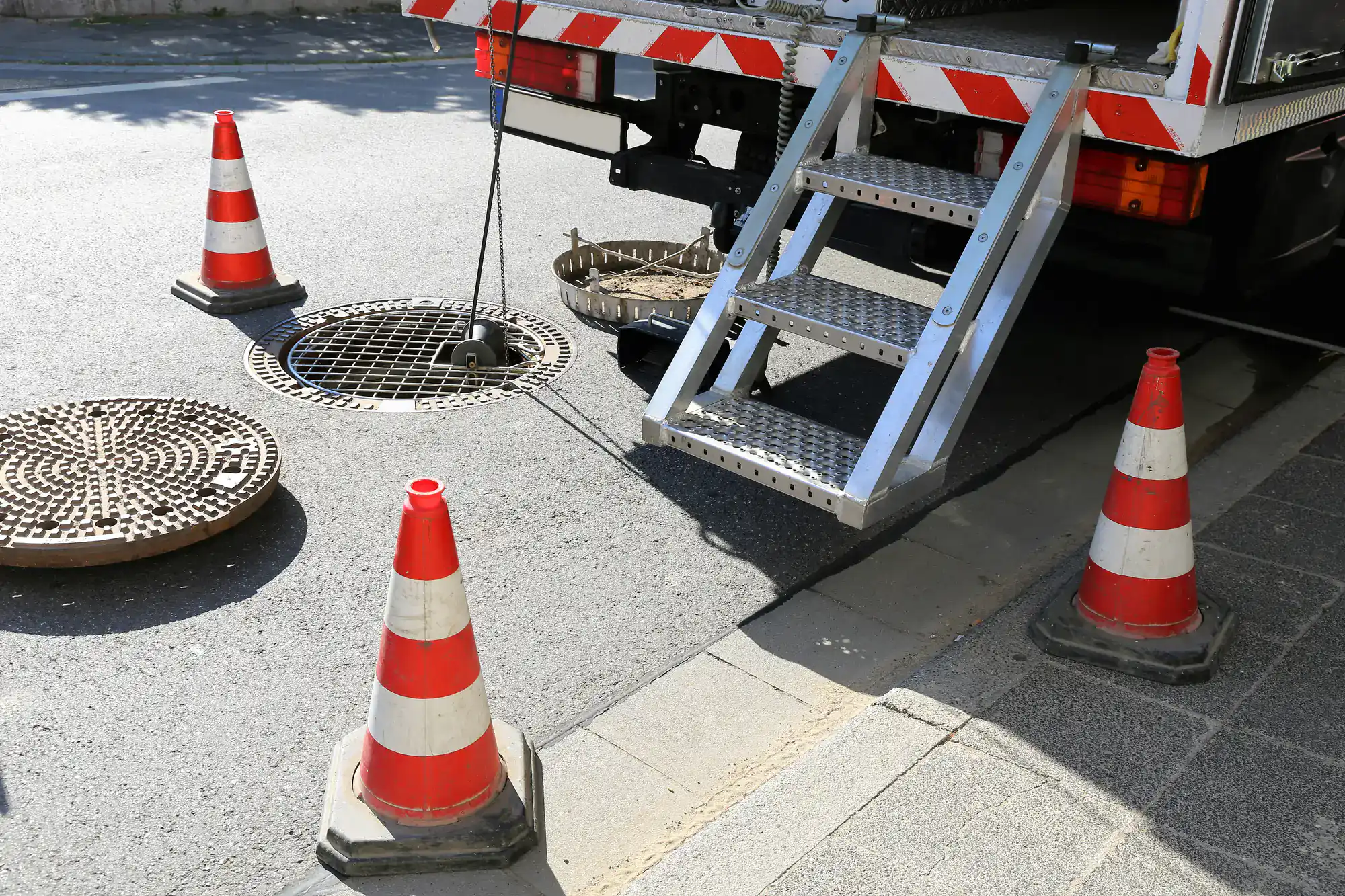
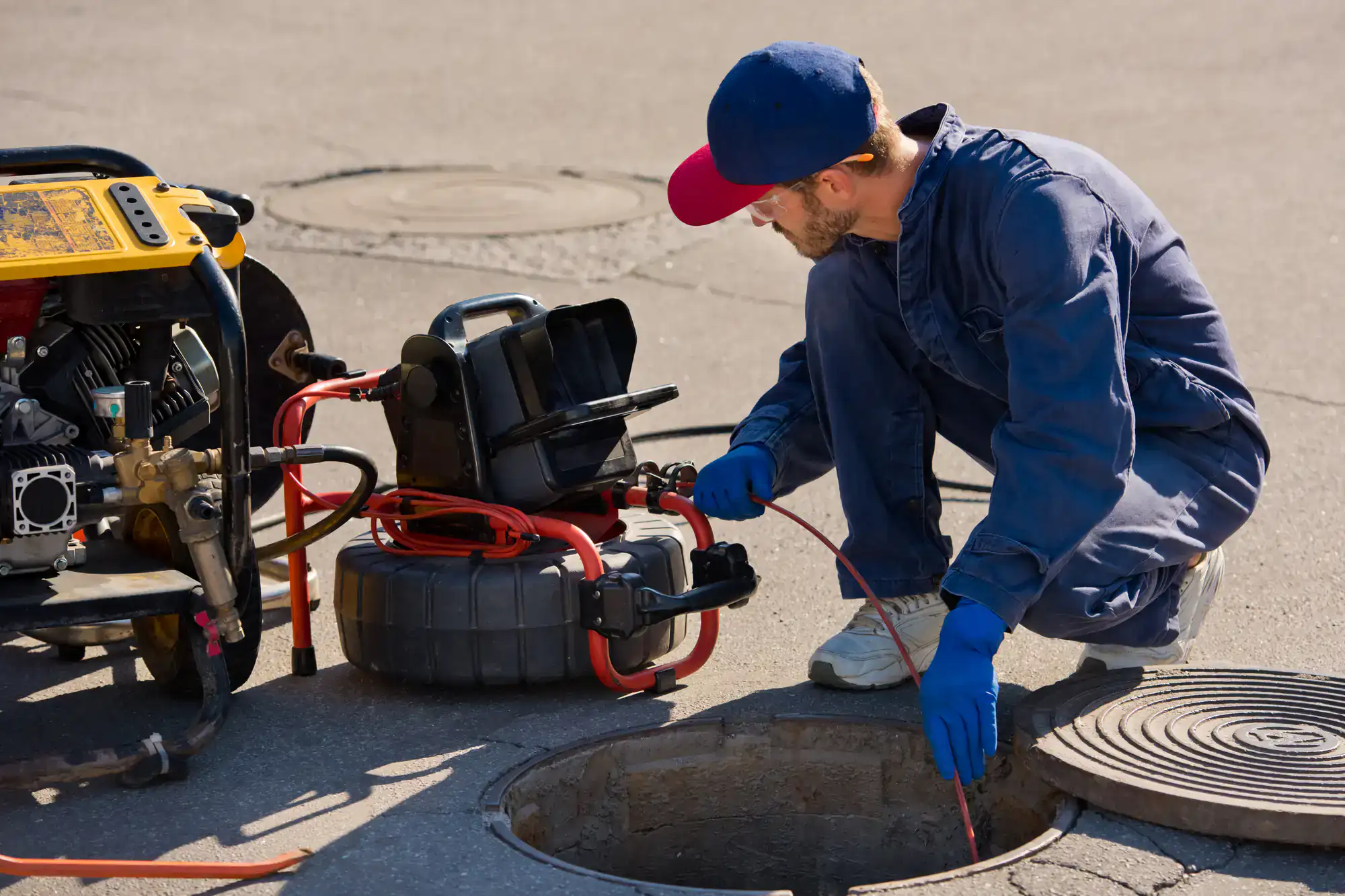
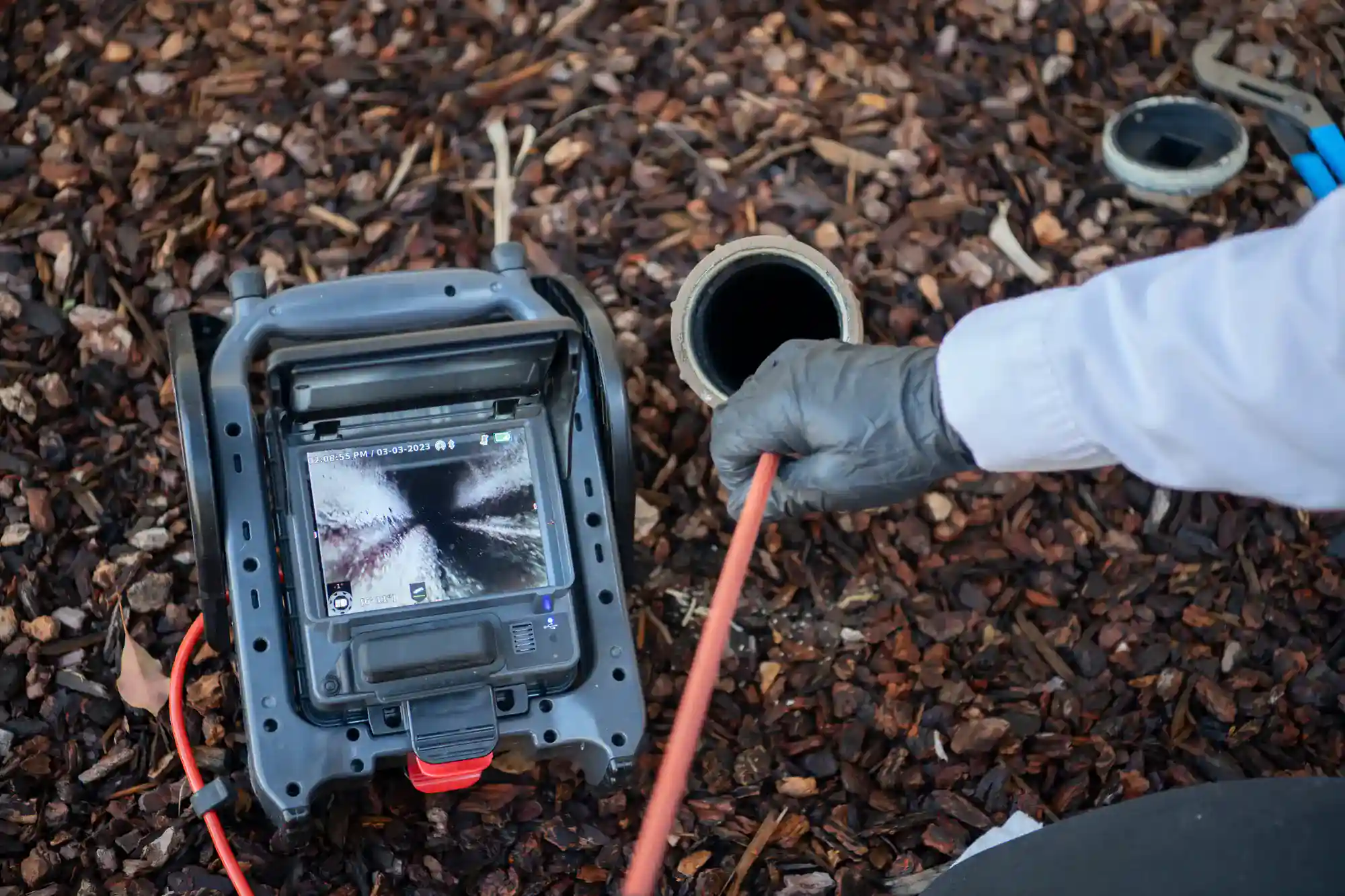
The inspection starts at an existing cleanout or access point no digging, no disruption to your yard, driveway, or landscaping. For Pocket homes with mature trees and established outdoor spaces, that matters. A professional-grade camera moves through your sewer line from the house to the connection point at the city main, covering up to 350 feet of pipe with LED lighting and self-leveling camera technology that gives a clear picture even through bends and joints.
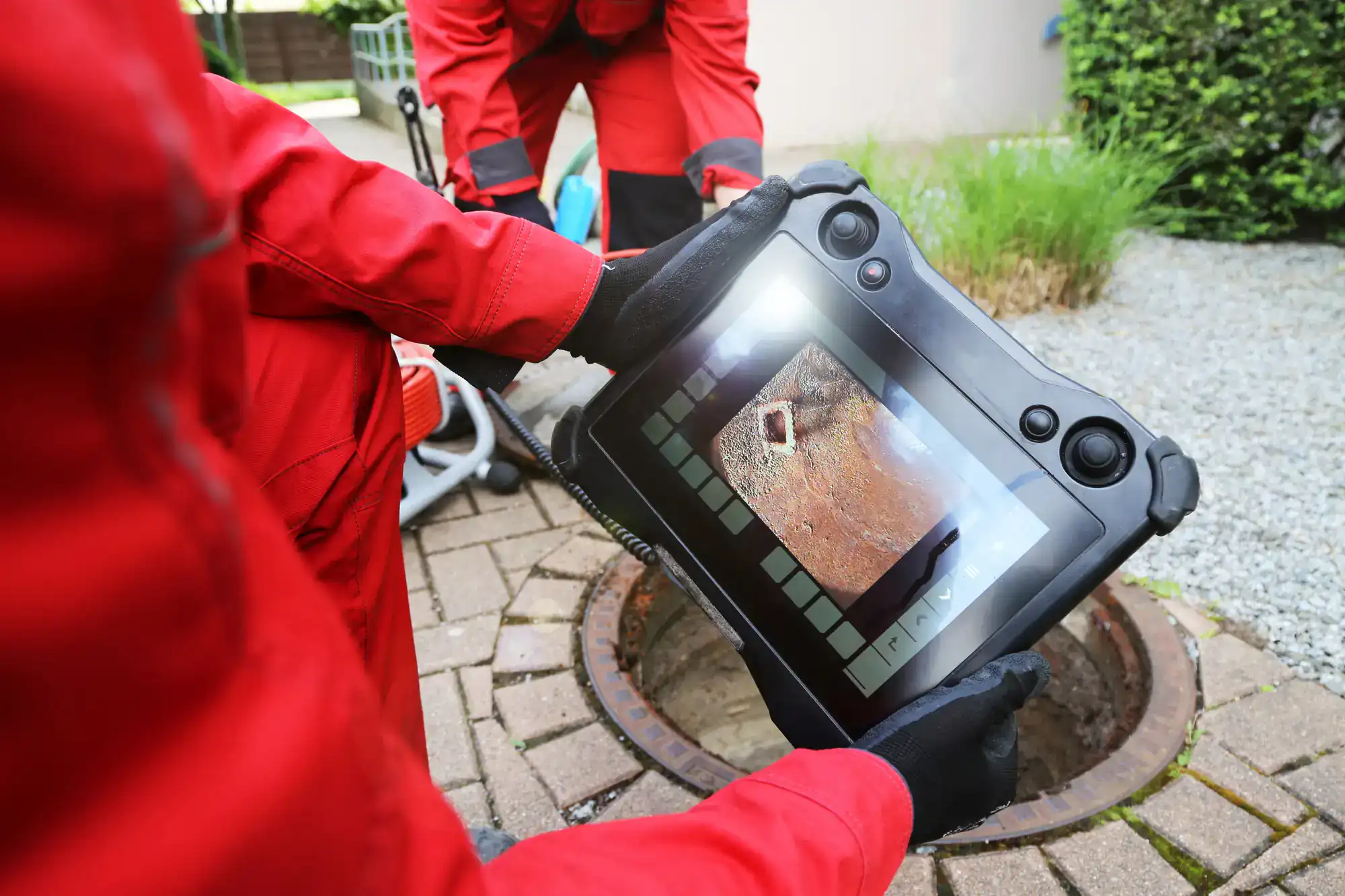
As the camera moves, you watch. Our technician narrates what’s on screen root intrusion, pipe belly, cracked joints, corrosion, offset sections in plain language, not plumbing jargon. Problem locations are marked above ground using a locating transmitter, so if a repair is ever needed, it can be targeted precisely rather than discovered through excavation. In Pocket’s clay soil, where pipe movement from seasonal expansion and contraction is common, that precision matters.
After the inspection, you receive documentation that includes video footage, still images, and timestamped problem locations. This report meets California’s sewer lateral compliance requirements relevant whether you’re maintaining your current Pocket home, preparing to list it, or completing due diligence on a purchase. Given Pocket’s active real estate market and the age of its housing stock, that documentation carries real weight.
Ready to get started?
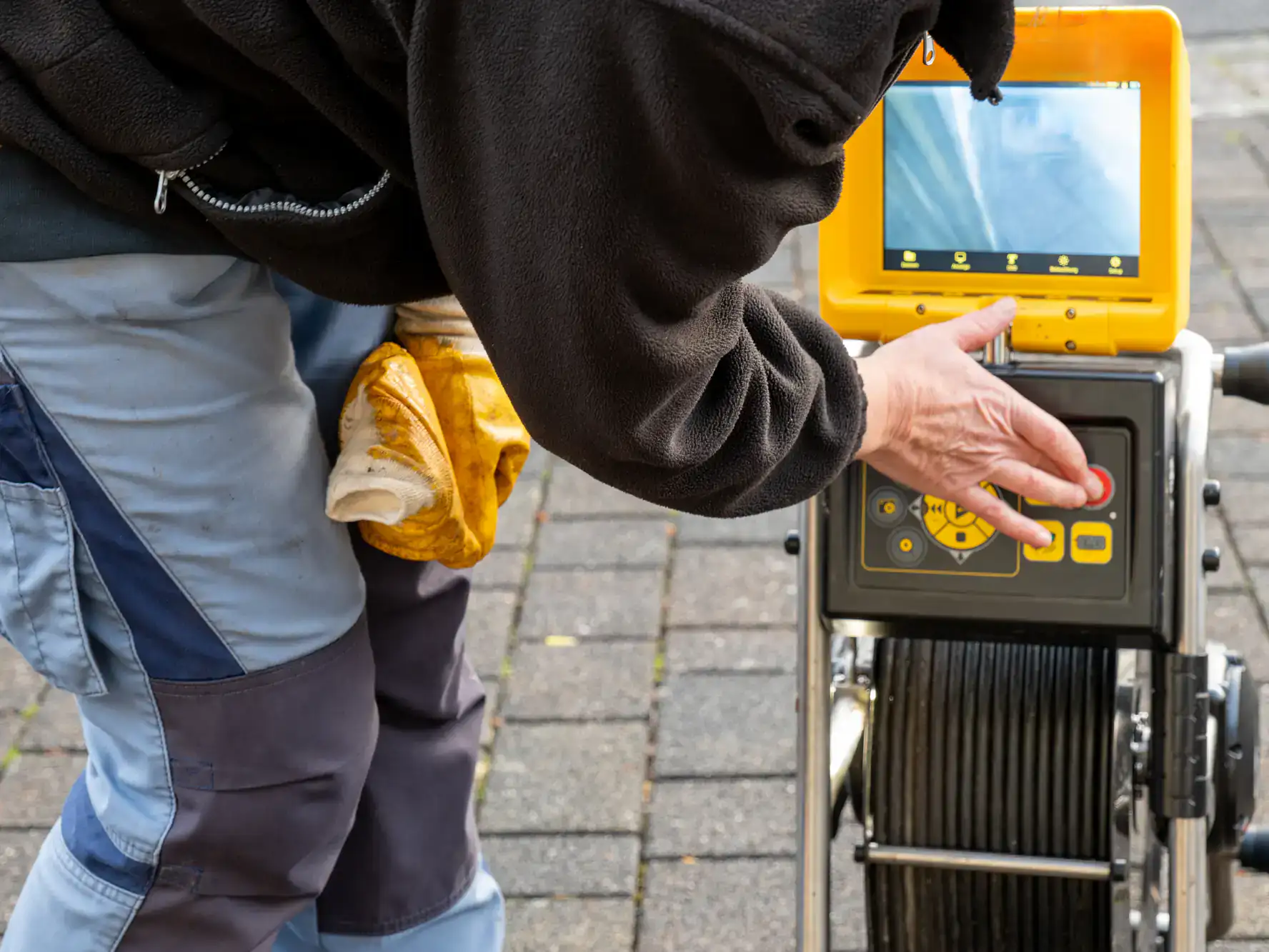
Our sewer camera inspection covers lines ranging from 1.5 to 72 inches in diameter and inspects up to 350 feet of pipe in a single visit. The camera is professional-grade not the kind of equipment a handyman brings and it’s paired with a locating transmitter that pinpoints problem areas above ground without any excavation. For Pocket homeowners on streets like Parklin Avenue, Shoreline Circle, or Springbrook Circle, where the original clay or cast iron laterals have been in the ground for 40 to 60 years, that level of detail is what makes the inspection actually useful.
Pricing runs from $99 to $300 depending on system complexity and access conditions. There are no hidden fees, no charges added after the fact, and no pressure to book a repair on the same visit. If the inspection reveals a problem, you’ll know exactly what it is, where it is, and what the realistic options are including whether it’s something that can wait, something that warrants monitoring, or something that needs to be addressed soon. You make the call.
For Pocket residents navigating Sacramento’s sewer lateral compliance requirements whether for a real estate transaction, a permit, or a city program the inspection report we produce is prepared by a licensed C-36 contractor and meets California’s documentation standards. That’s not something every plumber in the area can offer.
Our sewer camera inspections in Pocket run from $99 to $300, depending on the complexity of the system and how accessible the cleanout is. That range sits well below the national average and below what most larger Sacramento plumbing companies charge for the same service. There are no add-on fees and no charges for the locating equipment or the inspection report.
For Pocket homeowners, that price range needs to be put in context. You’re talking about a neighborhood where the median home value is well above $650,000, and where a sewer line failure whether it’s a collapsed pipe, a root intrusion that’s been growing for years, or a joint separation caused by clay soil movement can easily run $6,000 to $10,000 or more to repair. A $99 to $300 inspection that catches that problem while it’s still manageable is one of the easier financial decisions you’ll make as a homeowner in Pocket.
A standard home inspection does not include the sewer line. The inspector walks through the house, checks visible systems, and moves on. What’s happening inside the lateral running from the house to the city main 40 to 100 feet of pipe that’s been underground since the 1970s or 1980s is completely invisible without a camera.
In Pocket specifically, this matters more than in most Sacramento neighborhoods. The combination of aging clay and cast iron pipes, persistently moist clay soil from the Sacramento River’s elevated water table, and mature tree root systems creates conditions where sewer problems are common and often invisible until they fail. Pocket homes sell fast sometimes in five days, often above asking price. If you’re buying in Pocket, a sewer scope inspection gives you information you need before you close, not after. We can complete the inspection quickly with documentation that holds up for disclosure, compliance, and lender purposes.
This is one of the most common calls we get from Pocket homeowners, and it has a specific explanation rooted in the neighborhood’s geography. When Sacramento’s rainy season saturates the clay soil in Pocket which retains water longer than upland neighborhoods because of the Sacramento River’s proximity the groundwater pressure on buried pipes increases significantly. If there are existing cracks, offset joints, or pipe bellies in your lateral, that pressure can push groundwater into the sewer line, reducing its capacity and triggering backups.
The other factor is root intrusion. Tree roots that have worked their way into aging clay pipes through small cracks don’t always cause problems during dry conditions but when the soil is saturated and the city’s sewer main is handling heavier flow, those partial blockages become full ones. A sewer line camera inspection after a backup event shows you exactly what’s happening inside the pipe and where, so you’re not just snaking the line and hoping the problem doesn’t come back next winter.
The camera moves through the full length of your sewer lateral and shows the interior of the pipe in real time on a monitor. You’ll see the pipe walls, every joint, and any point where the condition has changed. Common findings in Pocket homes given the construction vintage and soil conditions include root intrusion from the neighborhood’s mature trees, pipe belly (a low spot where waste accumulates because the pipe has settled or shifted), cracked or offset joints caused by clay soil movement, and internal corrosion in older cast iron sections.
The camera also identifies the pipe material, which matters for understanding how much useful life is left. A clay tile lateral that’s showing early cracking is a different situation than one showing active collapse. A cast iron section with surface corrosion is different from one with significant wall loss. The footage and our technician’s narration give you enough information to make a real decision whether that’s doing nothing, scheduling a repair, or getting a second opinion on the scope of work.
California has been moving toward stricter sewer lateral compliance requirements, and while the specific rules vary by sanitary district and municipality, the general direction is clear: sewer laterals are increasingly subject to inspection and compliance certification requirements at the point of sale. In Sacramento, sellers are expected to disclose known sewer conditions, and some transactions particularly those involving older homes or specific lender requirements will require documented lateral inspection.
For Pocket sellers, getting ahead of this is straightforward. An inspection report we prepare, as a licensed C-36 contractor, gives you documented evidence of your sewer system’s condition before the listing goes live. If the inspection comes back clean, that’s a selling point in a competitive market. If it identifies something that needs attention, you have the option to address it on your terms rather than under contract pressure with a buyer’s inspector driving the conversation.
Pocket’s position inside the Sacramento River bend keeps the water table beneath the neighborhood consistently higher than in upland Sacramento communities like Carmichael, Citrus Heights, or Folsom. That elevated moisture level affects buried pipes in two primary ways. First, it accelerates the corrosion of cast iron pipe from the outside the pipe wall degrades faster in persistently wet soil than it does in drier conditions. Second, it amplifies the expansion-contraction cycle in clay soil, which shifts pipe alignment over time, separates joints, and creates the pipe bellies that cause chronic slow drains and backups.
This isn’t a theoretical risk it’s a documented condition that industry research has specifically attributed to Pocket’s low-lying, river-adjacent terrain. For homeowners who have lived in Pocket for 15 to 20 years without a professional sewer inspection, the water table effect alone is a reason to schedule one. The pipes beneath your home have been living in that environment since the day they were installed, and a sewer line video inspection is the only way to know what that’s actually done to them.