
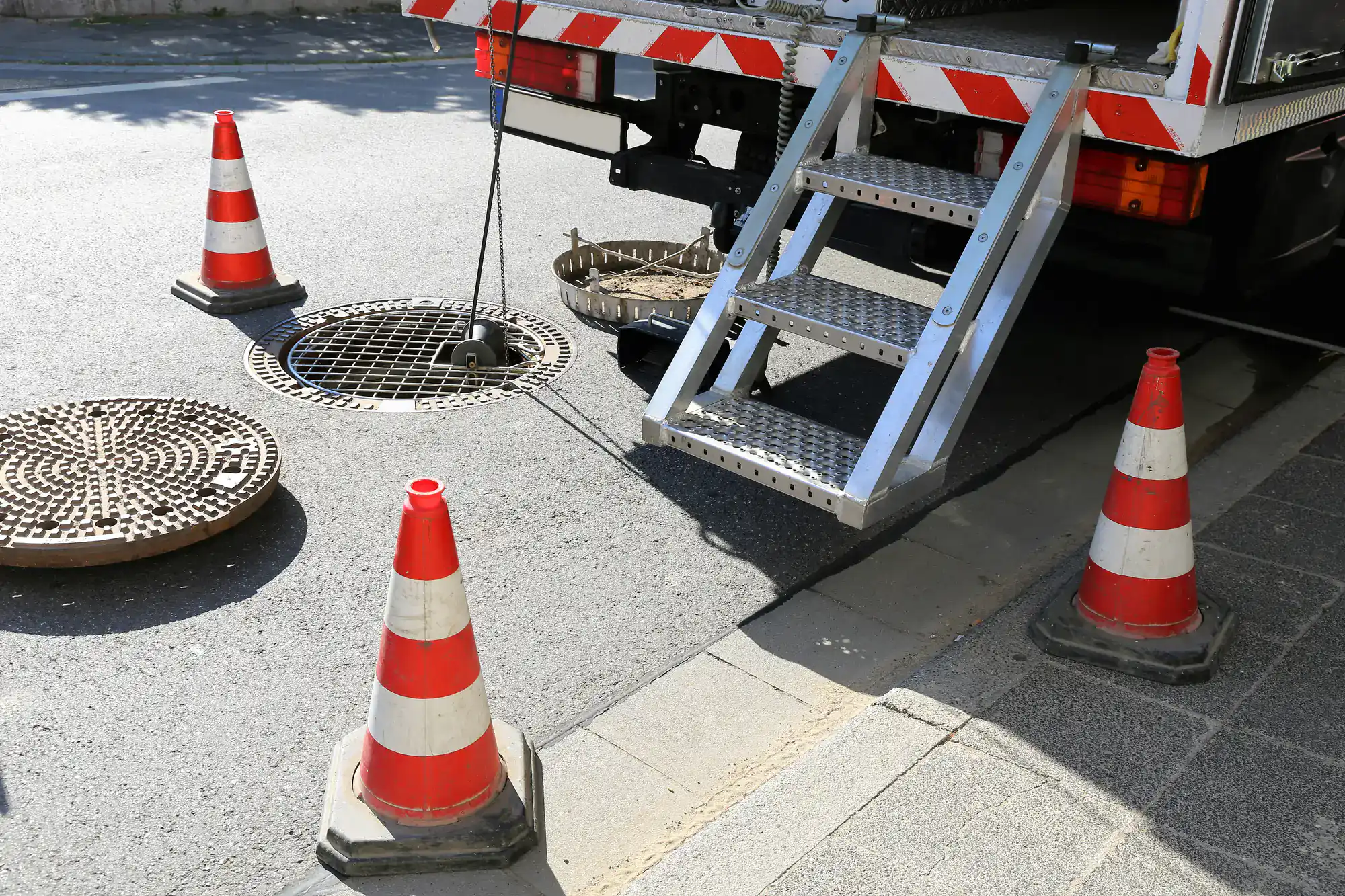
Sewer Camera Inspection
Get a free quote for sewer camera inspection from your local plumbing team.
We’ll contact you about your sewer camera inspection request. Privacy policy
Hear from Our Customers
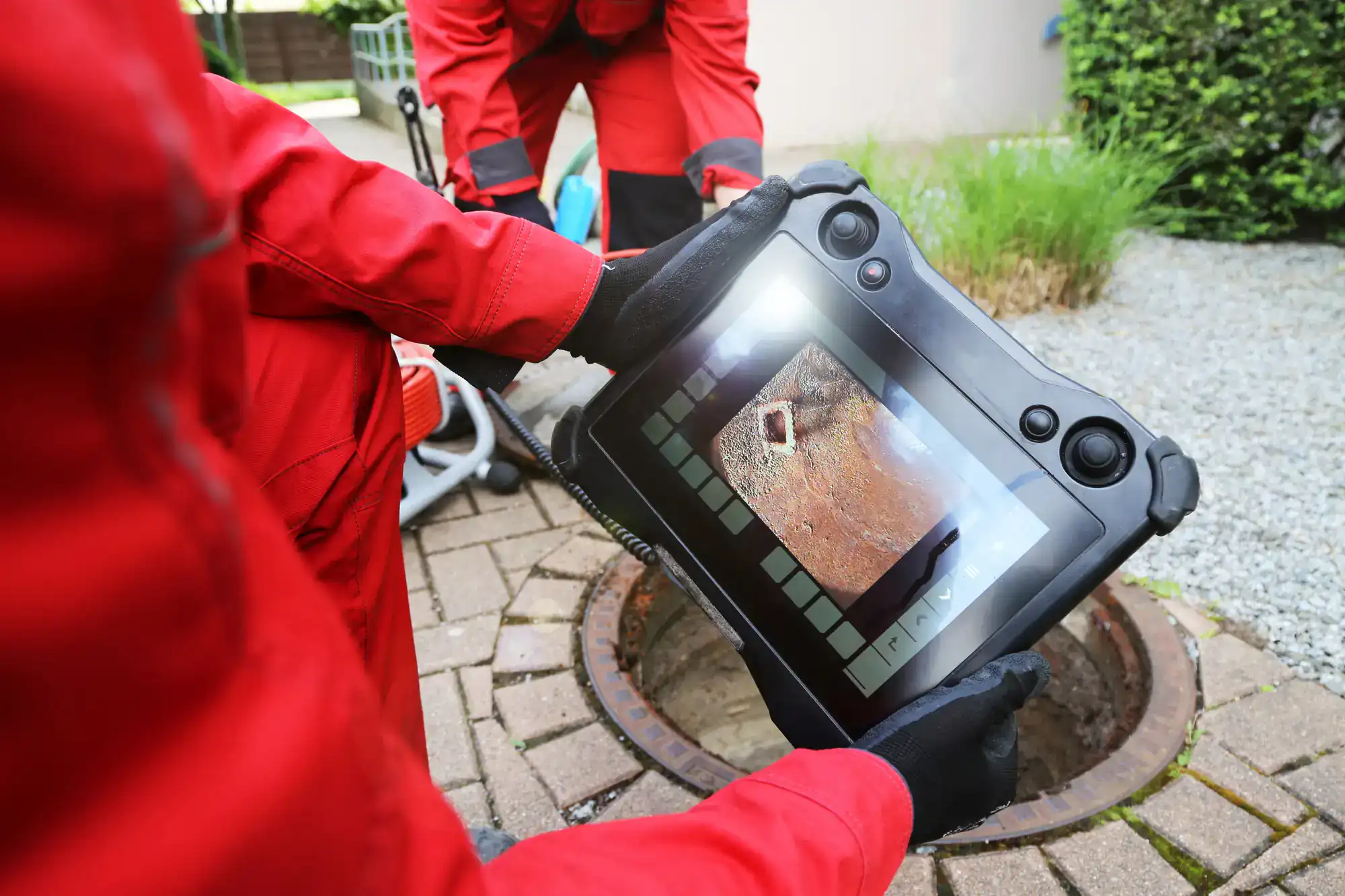
Most Rio Linda homes were built between the 1950s and 1970s, and a lot of them are still running on the same clay or cast iron pipes they started with. Those materials have a lifespan and for a lot of properties in this area, that clock has already run out. A sewer line camera inspection doesn’t just find the blockage. It tells you whether you’re dealing with a root intrusion, a cracked joint, a pipe belly, or something that’s been quietly getting worse for years.
Rio Linda’s proximity to Dry Creek adds another layer to this. When that corridor floods and soils saturate, the hydrostatic pressure on aging buried pipes increases significantly. Cracks that were small get bigger. Joints that were loose shift further. You won’t see it from the surface, and a standard drain snake won’t find it either. A sewer line video inspection gives you the actual picture live footage, narrated in plain language as the camera moves through your line.
That footage matters whether you’re troubleshooting a recurring problem, preparing to sell, or buying a home where the standard inspection stopped at the foundation. Sacramento County doesn’t require sellers to disclose what’s underground if they don’t know. A sewer pipe inspection in Rio Linda is how you find out before it becomes your problem to pay for.
We hold a California CSLB C-36 Plumbing Contractor license the credential required to perform sewer inspections that hold up for Sacramento County permitting, real estate documentation, and OWTS compliance evaluations. That’s not a detail to gloss over. If you’re in an unincorporated part of Rio Linda dealing with county-level code requirements or a septic-to-sewer conversion evaluation, the licensing behind your inspection report matters.
What customers consistently say about our work across 93 Google reviews averaging 4.7 out of 5 is that the final bill came in at or below the original estimate, and nobody tried to sell them something they didn’t need. That’s not a coincidence. It’s a stated policy. The inspection is about giving you facts, not building a case for the most expensive repair on the menu.
We serve Sacramento County, including Rio Linda and the neighboring Elverta community. Whether your property connects to the municipal sewer system or you’re on a private septic setup which is more common in Rio Linda than most people realize our equipment and approach are built for what’s actually out here.
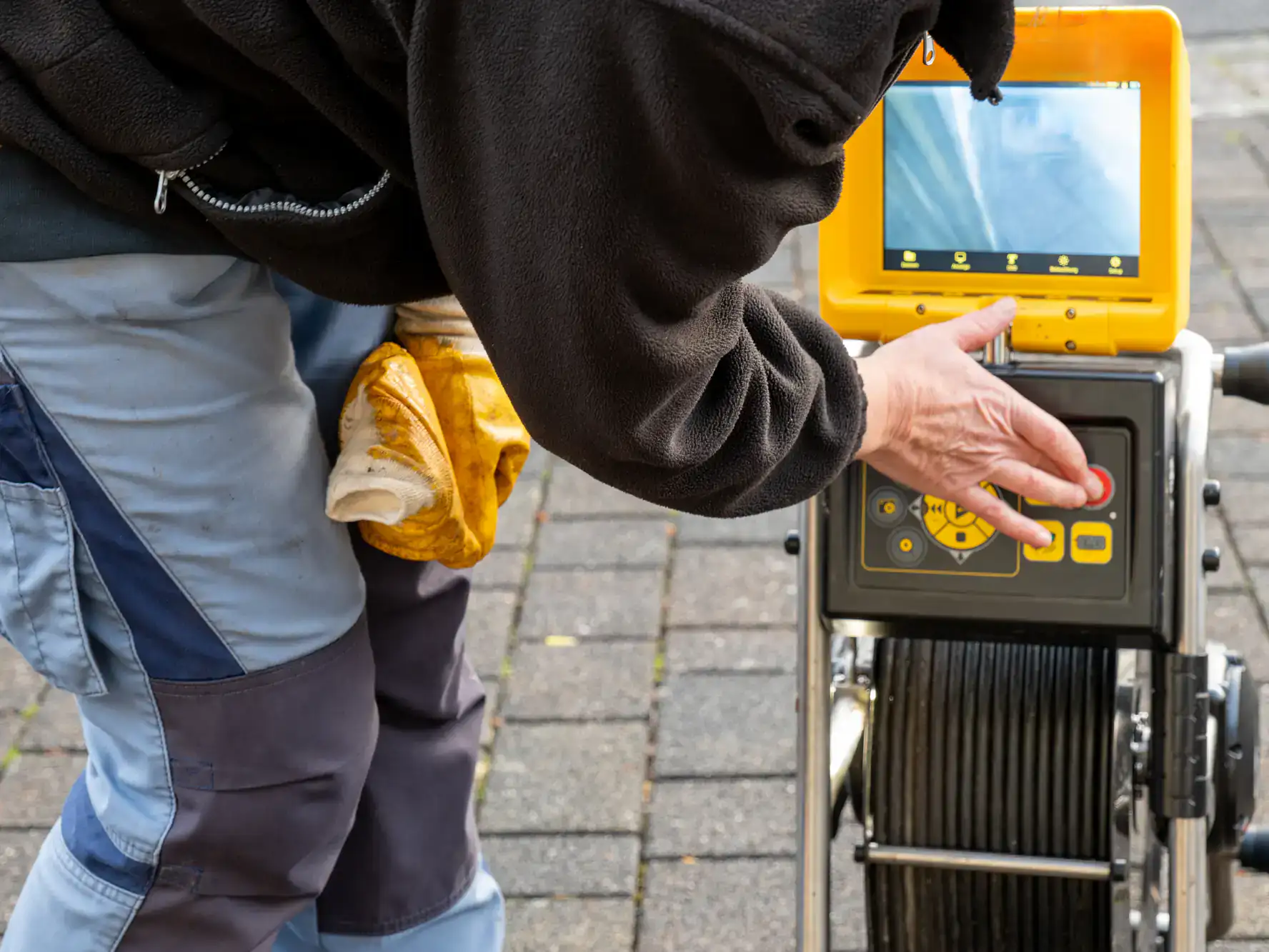
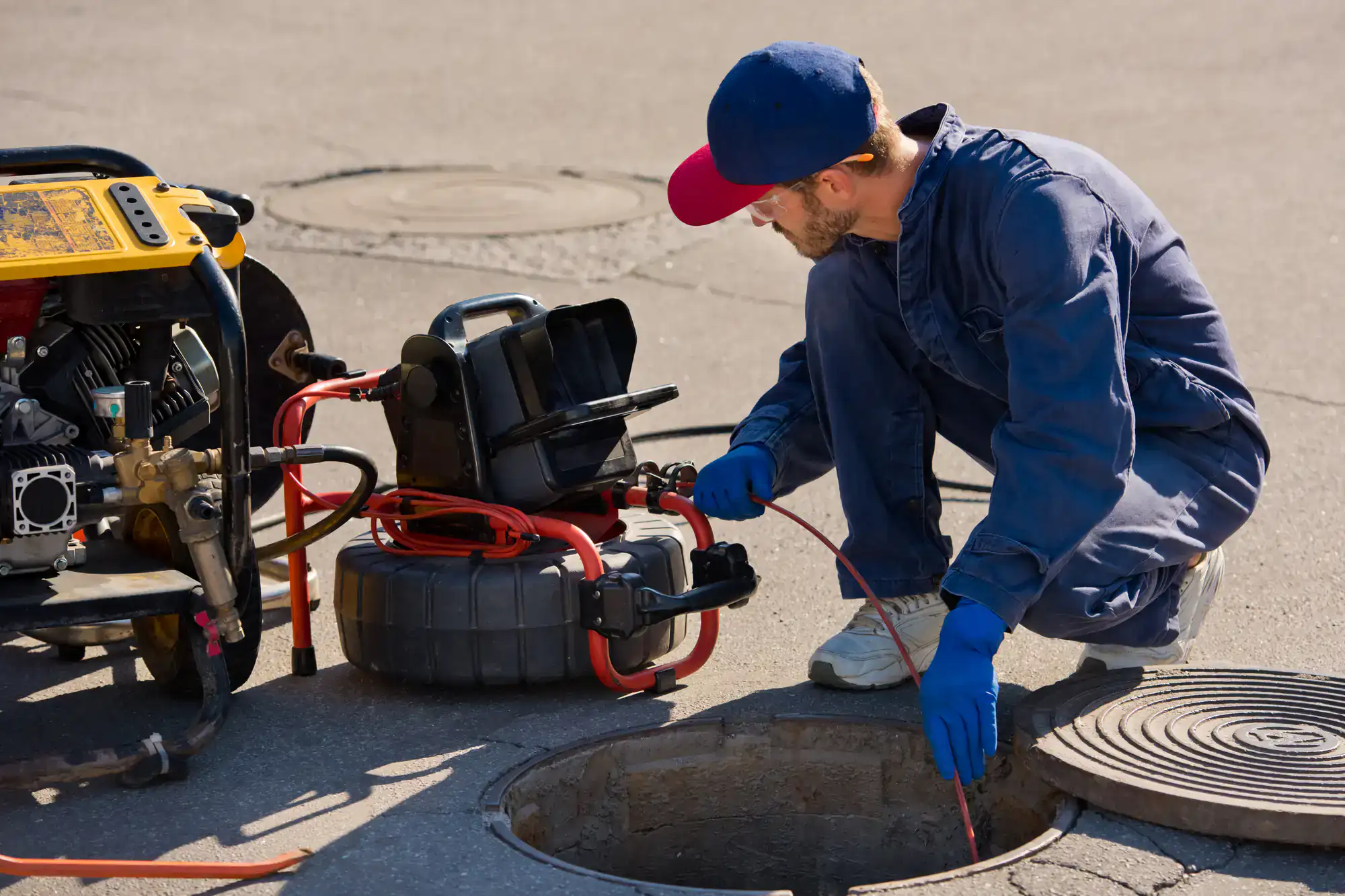
It starts with a call and a straight answer on price. Our sewer camera inspection is priced between $99 and $300 and that range is given upfront, not after someone shows up at your door. Once you schedule, a licensed technician arrives and accesses your sewer line through a cleanout or drain opening. No digging, no disruption to your yard.
From there, a professional-grade camera is fed into the line. It reaches up to 350 feet and inspects pipes from 1.5 to 72 inches in diameter relevant in Rio Linda, where larger lots mean longer lateral runs between the house and the municipal connection point. The camera is self-leveling with LED lighting, so the footage is clear regardless of how far it travels or what condition the pipe is in. You watch what the camera sees in real time, and the technician narrates what’s there in plain language root intrusion, cracks, belly formations, buildup as it happens.
After the inspection, you get a clear explanation of what was found and what, if anything, actually needs attention. If your pipes look fine, you’ll hear that too. If there’s a problem, you’ll know exactly what it is, where it is, and what your realistic options are. For properties near the Dry Creek corridor or on larger parcels with extended lateral runs, our above-ground locating transmitter also pinpoints the exact position of any issue so if repair work is ever needed, there’s no guessing about where to dig.
Ready to get started?
Rio Linda’s housing stock is older than most people account for when they think about home maintenance. Homes built in the 1940s through the 1970s a substantial share of what’s in this community were typically plumbed with clay tile or cast iron sewer laterals. Clay pipes last 50 to 100 years. Cast iron runs 50 to 75. A home built in 1958 has pipes that are pushing 67 years old. That’s just math, and it’s why trenchless sewer inspection is worth doing before a symptom becomes a failure.
Sacramento’s seasonal climate makes this more urgent in Rio Linda specifically. The extreme summer heat dries and contracts the clay-heavy soils in this area, putting mechanical stress on buried pipe joints year after year. Add in the wet-season flooding risk along Dry Creek, and you have a community where pipe deterioration isn’t a hypothetical it’s a documented local pattern.
We offer sewer camera inspection service for both municipal sewer laterals and private septic system components. For homeowners on private systems and there are more of them in Rio Linda than in most Sacramento-area communities that includes inlet and outlet pipe inspection, distribution line assessment, and documentation suitable for any Sacramento County OWTS evaluation or septic-to-sewer conversion review through SacSewer. Whether your property is off Elkhorn Boulevard, near the Gibson Ranch area, or on a larger parcel in the equestrian corridor north of town, the inspection is built to cover what’s actually under your property.
Our sewer camera inspection in Rio Linda is priced between $99 and $300, depending on the scope of the job. That range is given upfront before anyone shows up and the final bill consistently comes in at or below the original estimate based on customer feedback across dozens of verified reviews.
For context, the national average for a sewer camera inspection runs around $685. Sacramento-area market rates are in a similar range. So the $99 to $300 pricing isn’t a bait-and-switch entry point it’s a genuine reflection of what the job costs. The more relevant number to keep in mind is what a sewer line repair or full replacement costs if a developing problem goes undetected: anywhere from $1,000 to $10,000 or more. The inspection is the cheapest part of this equation by a significant margin.
A standard home inspection in California does not include the underground sewer lateral. The inspector checks what’s visible fixtures, water pressure, drain flow at the surface. What’s actually happening in the buried pipe between the house and the Sacramento County sewer connection is not part of that report, and sellers are not required to disclose conditions they’re unaware of.
For a Rio Linda home in the $475,000 to $520,000 range which is where median values sit right now that’s a meaningful gap in your due diligence. Homes built before 1980, which describes a large portion of Rio Linda’s housing stock, are statistically more likely to have clay or cast iron laterals showing root intrusion, joint separation, or pipe belly. A sewer scope inspection before closing gives you documented footage from a California CSLB C-36 licensed contractor, which is the accepted standard for real estate transaction documentation in Sacramento County. If something is found, you have the option to negotiate repairs before the deal closes not after.
The three most common findings in sewer camera inspections of older Rio Linda homes are root intrusion, pipe belly, and joint separation and they often appear together in the same line. Root intrusion happens when tree roots find their way into small cracks or loose joints in aging clay or cast iron pipes. Rio Linda’s mature landscaping and larger lot sizes mean established root systems have had decades to spread toward the moisture and nutrients in buried sewer lines.
Pipe belly refers to a section of pipe that has sagged below the surrounding line, creating a low point where waste pools instead of flowing through. This is a direct result of soil movement and Rio Linda’s clay-heavy soils, which contract significantly during Sacramento’s dry summers and shift during wet-season saturation near the Dry Creek corridor, are exactly the conditions that cause belly formations over time. Joint separation is the third common finding: older pipes lose their seal at the connection points, allowing groundwater infiltration and root entry. None of these conditions are visible from the surface, and none of them show up on a standard home inspection report.
Yes and this is worth knowing because Rio Linda has a higher concentration of properties on private septic systems than most communities in the Sacramento area. Many parcels in this community, particularly on larger lots in the equestrian and semi-rural zones, were developed before municipal sewer service was extended to the area and still rely on private on-site wastewater treatment systems.
A sewer camera inspection on a septic-served property typically covers the inlet and outlet pipes at the tank, the distribution lines, and the connection between the house and the tank itself. This is useful for routine maintenance assessment, for identifying damage before it reaches the drain field, and for producing documentation required by Sacramento County’s Environmental Management Department for any OWTS repair permit or compliance evaluation. If you’re considering a connection to the Sacramento Area Sewer District’s system through their septic-to-sewer conversion program, a camera inspection of your existing private system is often a required step in that process.
Dry Creek runs through and adjacent to Rio Linda, and portions of the community sit within documented FEMA 100-year floodplain zones along that corridor. When Dry Creek overtops its banks during heavy rain events which has happened enough times that Sacramento County runs a real-time ALERT monitoring system on the creek the surrounding soils become heavily saturated for extended periods.
Saturated soil creates hydrostatic pressure on buried pipes. For an aging clay or cast iron lateral with existing hairline cracks or loose joints, that pressure accelerates deterioration. Groundwater infiltrates through the cracks, adding volume to the sewer system and worsening the structural damage over time. This process is gradual and silent there’s no visible sign at the surface until the pipe fails or a backup forces the issue. A sewer line video inspection after a significant flood event near Dry Creek is a practical way to assess whether that season’s water activity caused or worsened any damage to your lateral before the next wet season compounds it further.
A sewer camera inspection typically takes between 30 minutes and an hour for a standard residential lateral. Longer lines which are more common in Rio Linda given the community’s larger lot sizes and extended distances between homes and municipal connection points may take slightly longer, but our 350-foot camera reach means the full line can be covered in a single visit without multiple access points.
There is no excavation involved. The camera enters through an existing cleanout or drain opening, so your yard, landscaping, and any hardscaping stay exactly as they are. For Rio Linda properties with equestrian facilities, outbuildings, or established landscaping that took years to develop, that matters. Our above-ground locating transmitter identifies the precise position of any problem found during the inspection, so if repair work is needed later, the crew knows exactly where to go no exploratory digging required. The whole process is non-invasive from start to finish.