
Hear from Our Customers
River Park is one of Sacramento’s most beloved neighborhoods and one of its most at-risk when it comes to underground sewer infrastructure. The homes here are beautiful, the streets are shaded by mature elm and maple trees, and the American River wraps around the neighborhood on two sides. That’s exactly the problem. Those same trees have root systems that have been quietly growing toward aging clay and cast iron pipes for 50 to 80 years. The riparian soil near the river expands and contracts with every wet season, shifting pipes, creating low spots, and widening cracks that weren’t there a decade ago.
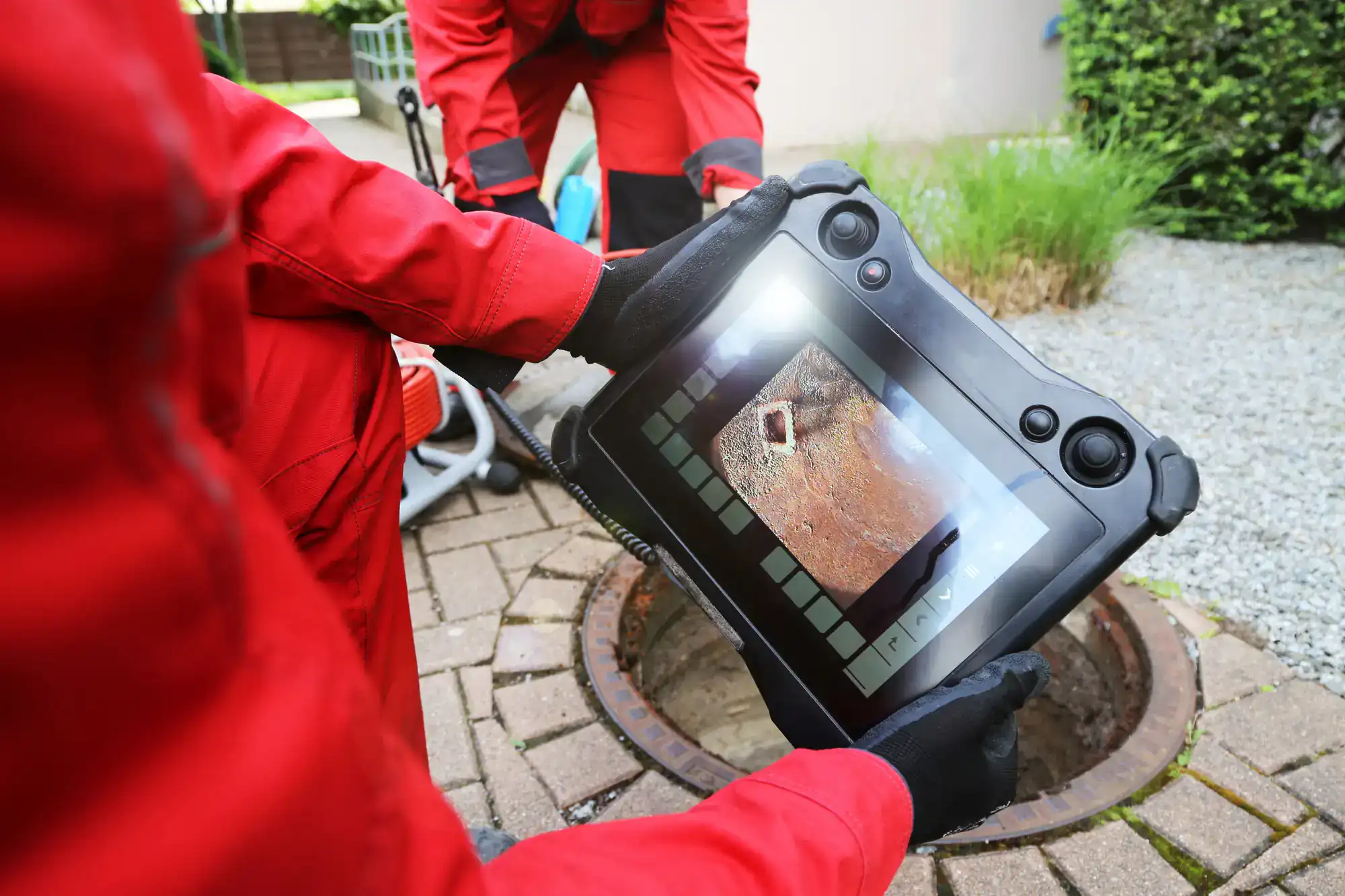
A sewer line camera inspection gives you a real-time look at what’s actually happening underground not a guess, not a worst-case estimate, just footage. You watch the camera move through your pipe. Our technician narrates what they see. If there’s a root intrusion 60 feet down or a belly in the line near the backyard, you’ll see it with your own eyes. If everything looks solid, you’ll know that too.
For homeowners who’ve lived on Carlson Drive or Sandburg Drive for 20 or 30 years without ever having the sewer line looked at, that kind of clarity is worth a lot more than the cost of the inspection. And for anyone buying or selling a River Park home where prices regularly push into the high six and seven figures it’s one of the smartest $99–$300 you’ll spend before closing.
We are a licensed C-36 plumbing contractor serving Sacramento County, and River Park is well within our service territory. We’ve worked through the same aging infrastructure conditions that define this neighborhood cast iron and clay pipes from the postwar construction era, root intrusion from mature trees, and the seasonal ground movement that comes with building near the American River.
What sets us apart isn’t a tagline. It’s a documented pattern: final bills that come in at or below the original estimate, a 4.7-star Google rating across 93 verified reviews, and a stated policy against upselling work that isn’t needed. If the camera shows your pipe is in good shape, that’s what you’ll hear not a pitch for a $10,000 trenchless replacement you don’t need.
We’re available 24 hours a day, seven days a week, including emergency calls. Whether you’re dealing with a backup on a Sunday night near the American River Parkway or scheduling a pre-purchase inspection before closing on a home near Caleb Greenwood Elementary, the response is the same: fast, licensed, and honest.
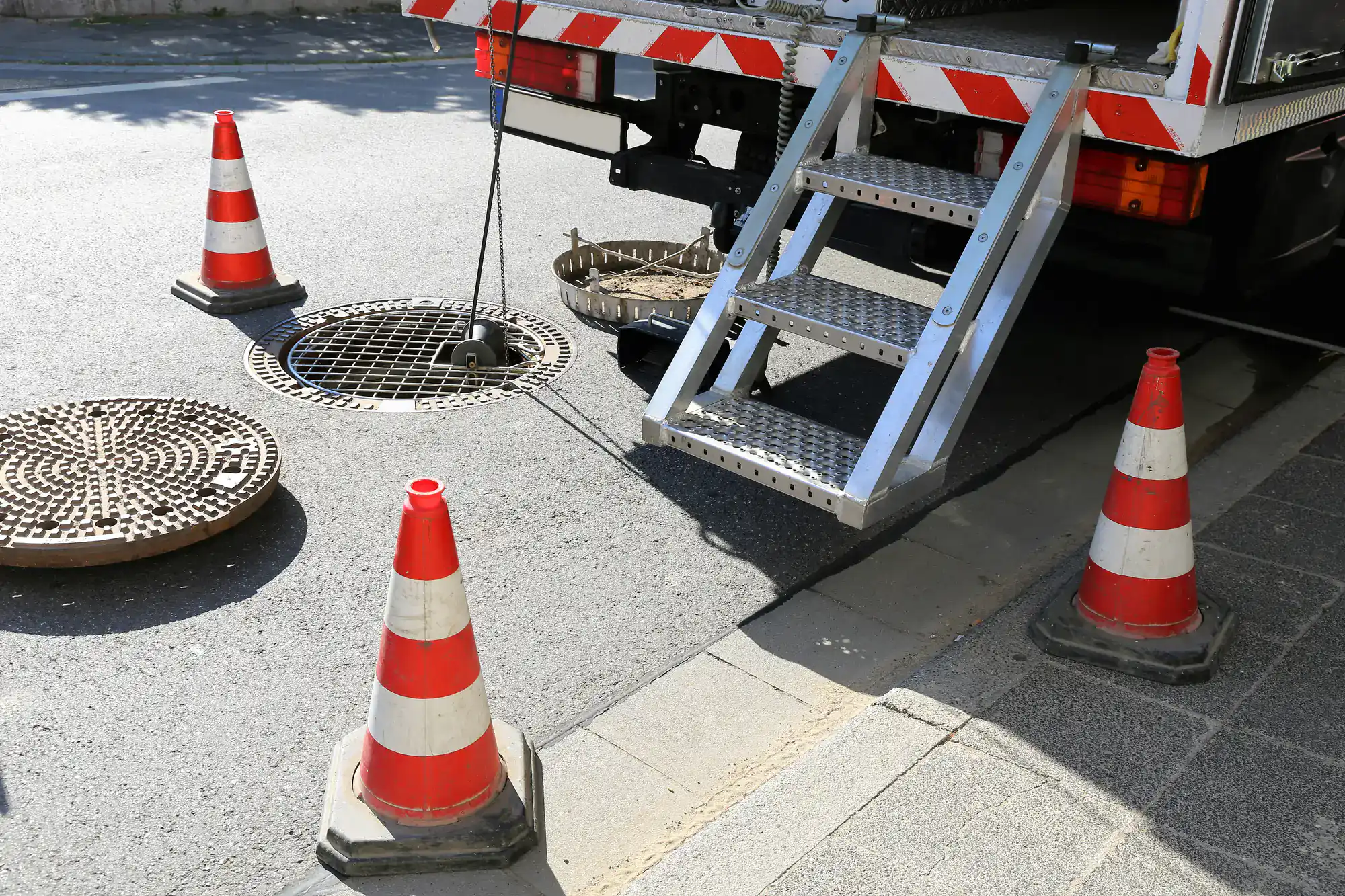
The process starts with a quick assessment of your cleanout access point the entry into your sewer lateral. In older River Park homes built in the 1940s and 50s, cleanouts are sometimes buried, repositioned, or haven’t been opened in decades. Our technician locates the right access point before anything else goes into the ground.
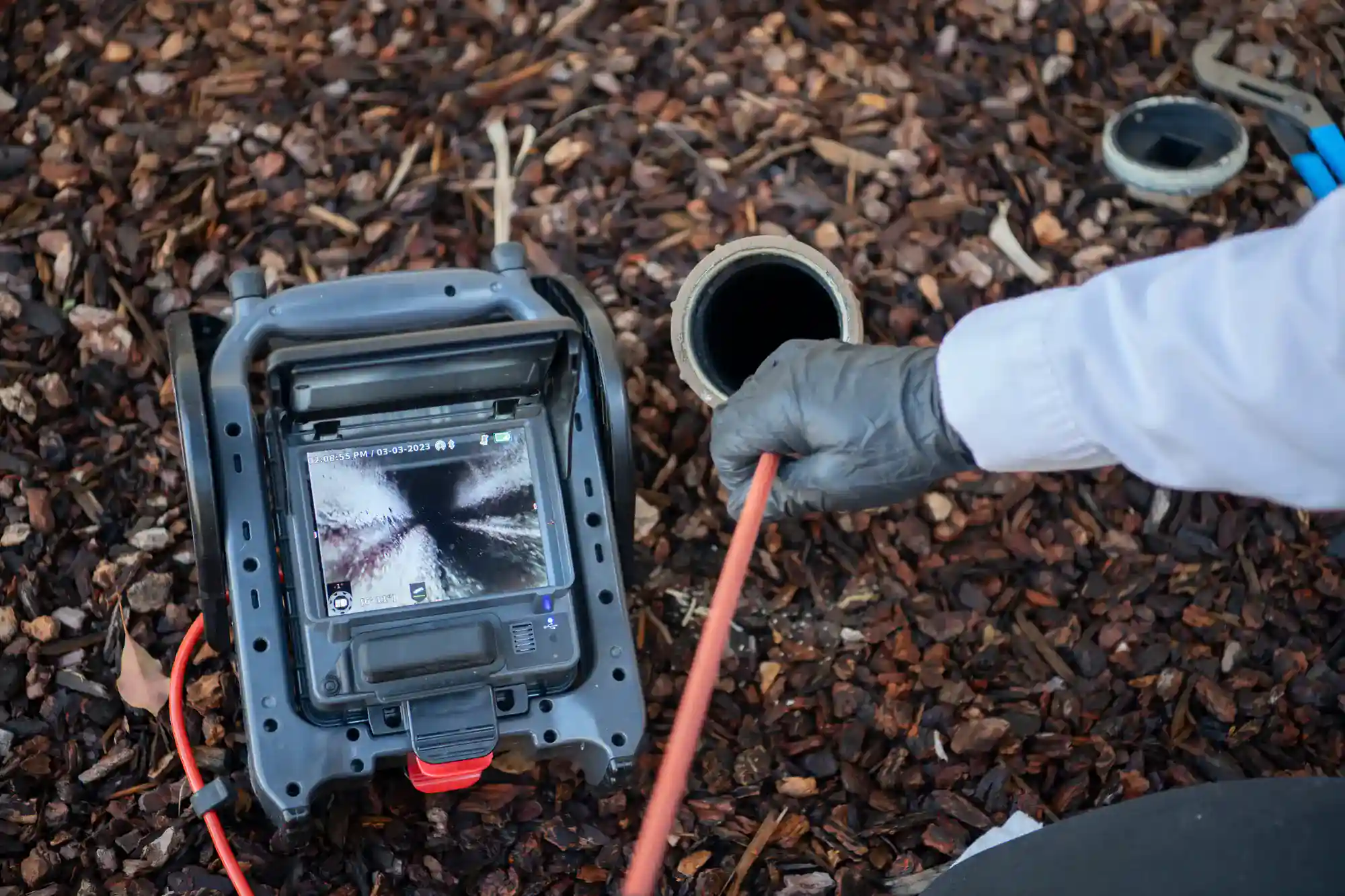
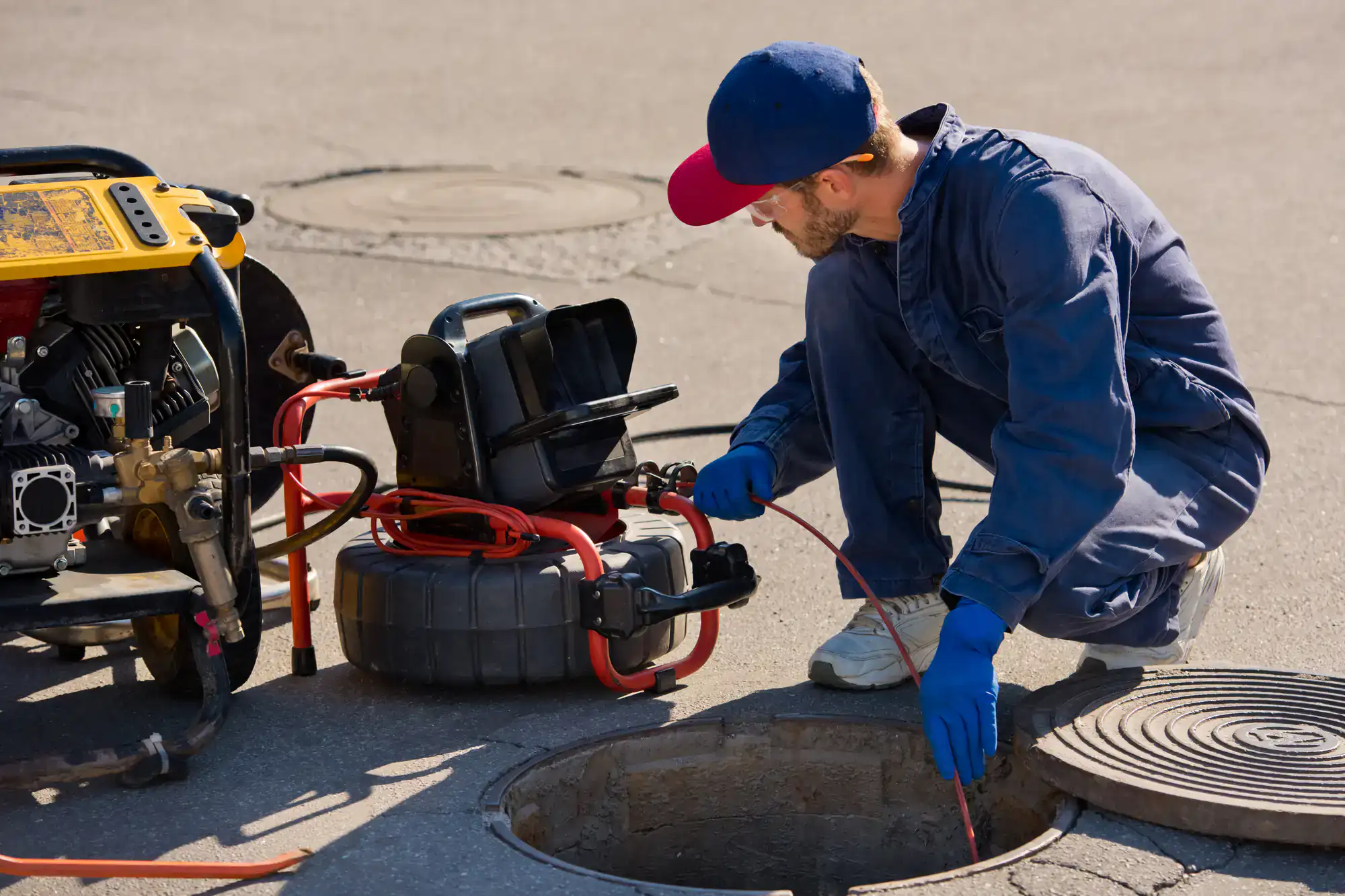
Once the camera is in, it moves through your line at a controlled pace inspecting up to 350 feet of pipe with high-definition, LED-lit footage. The camera is self-leveling, which matters in older lines where bellies and joint shifts are common. You watch the footage live. Our technician explains what they’re seeing in plain language as it happens no jargon, no vague “we found something” followed by a big number. If a problem is found, a locating transmitter pinpoints its exact position above ground so you know precisely where any repair work would be needed, without any exploratory digging.
The inspection covers lines from 1.5 to 72 inches in diameter, which handles everything from standard residential laterals to older, non-standard configurations common in River Park’s mid-century housing stock. After the inspection, you receive documented footage you can use for insurance purposes, real estate transactions, or permit-required sewer lateral compliance certification through the City of Sacramento. In a neighborhood where homes are as valuable as they are in River Park, that documentation isn’t a bonus it’s part of the job.
Ready to get started?
A sewer camera inspection from us isn’t a quick pass with a consumer-grade camera and a verbal summary. The inspection is performed by a licensed C-36 contractor using professional-grade equipment capable of navigating the kinds of complex, aging pipe systems that are common throughout River Park’s pre-1960 housing stock tight bends, root-narrowed sections, and pipe configurations that cheaper equipment simply can’t get through.
Pricing runs $99–$300 depending on line length and access conditions, and that range is published upfront no “call for a quote” ambiguity. The inspection includes live-narrated footage, a locating transmitter to mark problem areas above ground without digging, and recorded video documentation that meets California’s CSLB C-36 requirements for sewer lateral compliance certification. That last piece matters if you’re in the middle of a real estate transaction or pulling permits for a renovation on a River Park property.
For homeowners dealing with a blockage or backup, our sewer blockage inspection identifies the exact cause and location before any repair work is recommended. If roots are the issue which is common given the elm and maple canopy throughout the neighborhood you’ll know the extent of the intrusion before anyone quotes you a repair. And if the line is clear, you’ll have documented proof of that too. No unnecessary work, no inflated estimates, and no pressure to act on something that doesn’t need acting on.
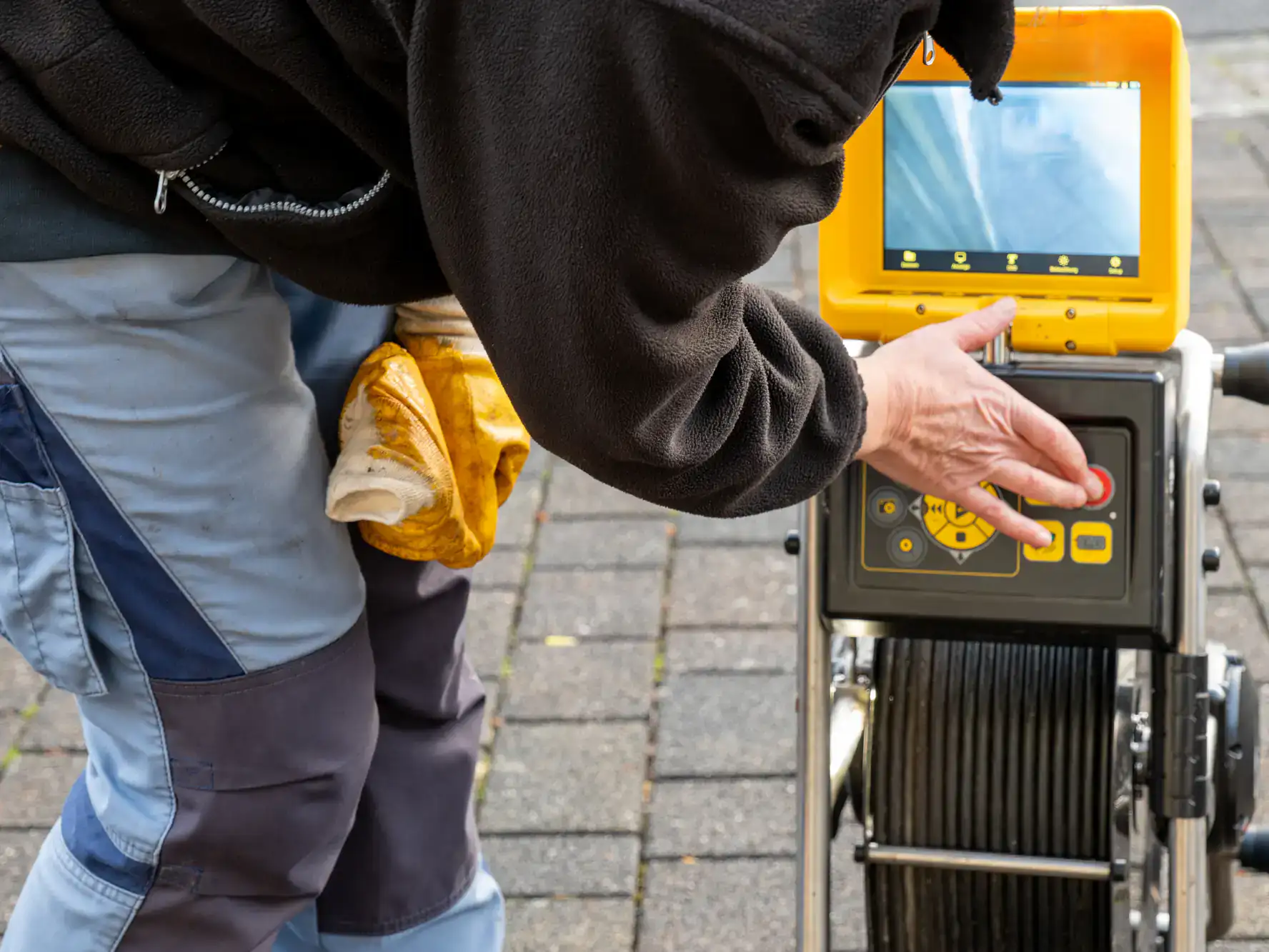
Our sewer camera inspection in River Park runs $99–$300, depending on the length of the line and the accessibility of your cleanout. That’s well below the national average of $685 for this type of inspection, and the pricing is published upfront not quoted after someone’s already in your home.
For context, the cost of a full sewer lateral replacement in Sacramento can run $6,000–$10,000 or more, depending on depth, pipe length, and access conditions. In River Park, where pipes often run under mature landscaping and properties that have been carefully maintained for decades, that kind of work is both expensive and disruptive. A $99–$300 inspection tells you whether you’re looking at a simple cleaning, a targeted repair, or a replacement before a sudden backup makes the decision for you. Most River Park homeowners who’ve had the inspection done say the peace of mind alone was worth it.
Standard home inspections do not cover underground sewer lines. That means when you’re buying a River Park home many of which were built in the 1940s and 50s with original cast iron or clay pipes you can close on a property with zero visibility into the condition of the sewer lateral. That’s a significant financial risk in a neighborhood where homes regularly sell in the high six and seven figures.
A sewer scope inspection before closing gives you documented footage of the pipe’s actual condition. If there’s root intrusion, a belly in the line, or a section showing early signs of collapse, you have the information you need to negotiate a repair credit, request the seller address it before closing, or make an informed decision about whether to proceed. In a competitive market like River Park, where buyers sometimes waive contingencies to win a bid, having a sewer inspection done quickly and efficiently with a licensed contractor who can turn around documentation fast can make a real difference in how smoothly the transaction goes.
Yes and in River Park specifically, this is one of the most common causes of sewer problems. The neighborhood’s mature elm and maple trees are part of what makes River Park so distinctive, but those root systems are extensive and moisture-seeking. They’ve been growing alongside aging clay and cast iron pipes for 50 to 80 years, and they will find their way through any available crack or joint gap in a deteriorating pipe.
Root intrusion doesn’t usually cause a sudden, dramatic failure. It starts as a slow drain, maybe a gurgling toilet, or a backup that clears on its own and then comes back a few months later. By the time it becomes an emergency, the roots may have been building up inside the pipe for years. A sewer line camera inspection shows exactly what’s inside whether there’s minor root presence that can be cleared with a cleaning, or a more significant intrusion that’s narrowing the line. Catching it early is almost always cheaper and less disruptive than dealing with it after a full blockage.
River Park sits on riparian alluvial soil the clay-rich, moisture-retentive substrate deposited by the American River over centuries. This type of soil expands when it’s wet and contracts when it dries out, and Sacramento’s Mediterranean climate gives it a full cycle every year: wet winters followed by dry summers. That repeated expansion and contraction puts stress on buried pipes in ways that are more pronounced near the river than in inland neighborhoods or newer suburbs with sandier soil profiles.
Over decades, this soil movement can cause pipe bellies low spots where the pipe has sagged and waste collects instead of flowing through. It can also widen existing cracks, separate joints, and accelerate corrosion in older cast iron lines. None of this is visible from the surface, and none of it shows up in a standard home inspection. A sewer pipe inspection with a camera is the only way to see whether your line has developed bellies or joint separation from decades of ground movement and to know whether you’re dealing with a minor issue or something that needs attention before the next rainy season.
Fall is the most strategic time to schedule a sewer inspection in River Park. Sacramento’s wet season typically runs from December through March, and that’s when saturated riparian soil shifts most aggressively, groundwater levels near the American River rise, and aging pipes face the most stress. Catching a developing problem in October or November before the first heavy rains gives you time to address it without the urgency of an active backup or a flooded basement.
Spring is the highest-risk season for root intrusion specifically. Elm and maple roots grow most aggressively as temperatures rise after winter, and that’s when new root penetration into cracked pipe joints is most likely to occur. If you’ve never had your sewer line inspected and you’re noticing slow drains or occasional gurgling in the spring, that’s a reasonable trigger to schedule an inspection. We’re available year-round, including 24/7 emergency service for situations that can’t wait for a scheduled appointment.
No the inspection itself is completely non-invasive. The camera enters your sewer line through an existing cleanout access point, and nothing is excavated during the inspection process. For River Park homeowners who’ve spent years maintaining mature landscaping, garden beds, or carefully tended front yards, that matters. There’s no trench, no disruption to hardscape, and no cleanup required after the inspection is done.
If a problem is found, our equipment includes a locating transmitter that pinpoints the exact location of the issue above ground. That means if a repair is needed, the work can be targeted precisely rather than digging exploratory trenches to find something that the camera already located. In cases where trenchless repair methods are appropriate, the camera inspection provides the documentation needed to plan that work without any unnecessary excavation. The inspection gives you a complete picture of what’s underground before anyone decides what if anything needs to happen next.