
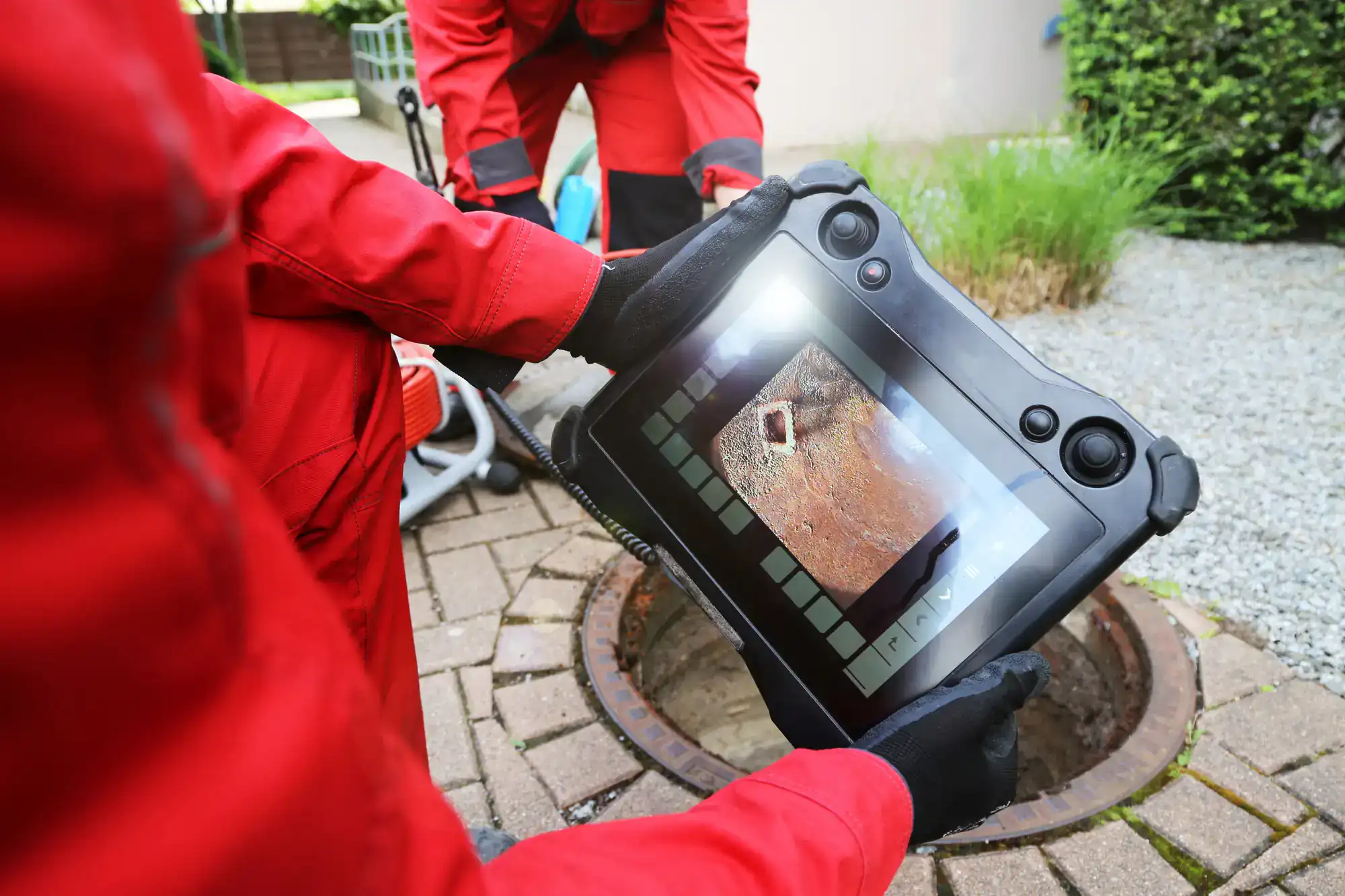
Sewer Camera Inspection
Get a free quote for sewer camera inspection from your local plumbing team.
We’ll contact you about your sewer camera inspection request. Privacy policy
Hear from Our Customers
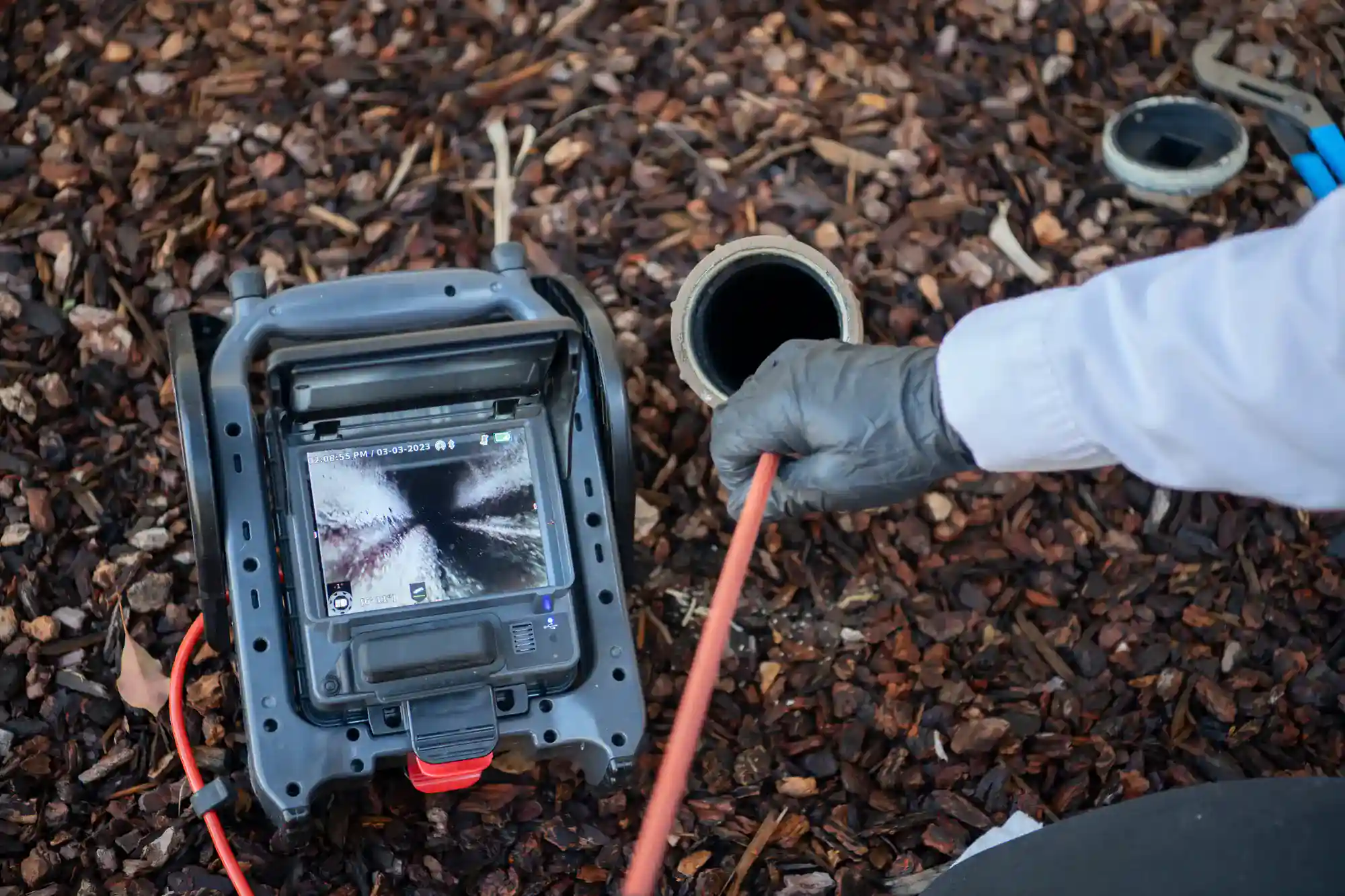
If you’ve been dealing with slow drains, recurring backups, or that low gurgling sound that won’t go away, snaking the line isn’t solving the problem it’s just buying you time. A sewer camera inspection tells you what’s actually happening inside the pipe: root intrusion, a collapsed section, a belly in the line, mineral buildup, or a joint that’s finally given out after six decades underground.
South Land Park’s housing stock is almost entirely mid-century most homes here were built between 1940 and 1969, which means the sewer laterals underneath them are anywhere from 55 to 85 years old. Clay tile and cast iron pipes from that era weren’t designed to last forever. Add Sacramento’s mature tree canopy pushing roots into every gap and crack, and the clay soil that shrinks in the summer heat and shifts again every rainy season, and you’ve got a combination that puts real stress on aging infrastructure year after year.
Knowing what’s in your pipes changes everything. Instead of paying for rooter service every few months and hoping for the best, you get a recorded look at the actual condition of your line and a straight answer about what, if anything, needs to happen next. No pressure. Just facts.
We serve South Land Park and Sacramento County with a straightforward approach that a lot of homeowners in this neighborhood tell us they weren’t expecting: we inspect your line, we show you what we find, and we tell you the truth about what it means. If nothing needs to be done, we say that. If something does, we explain it clearly and give you a price that doesn’t change when the invoice arrives.
We hold a California CSLB C-36 plumbing license which is the required classification for sewer lateral inspection work in this state and we carry professional-grade camera equipment capable of inspecting lines up to 350 feet with a locating transmitter that marks problem spots above ground. That matters in a neighborhood like South Land Park, where deep lateral runs under mature landscaping and historically significant properties like the Eichler homes on South Land Park Drive require precision, not guesswork.
Our Google rating sits at 4.7 out of 5 across 93 verified reviews. Customers consistently mention that we showed up on time, explained everything clearly, and charged exactly what we quoted sometimes less.
When you call or book online, we confirm a time that works for you. Given that many South Land Park residents work from home, we keep our scheduling flexible daytime, evening, or emergency same-day if the situation calls for it.
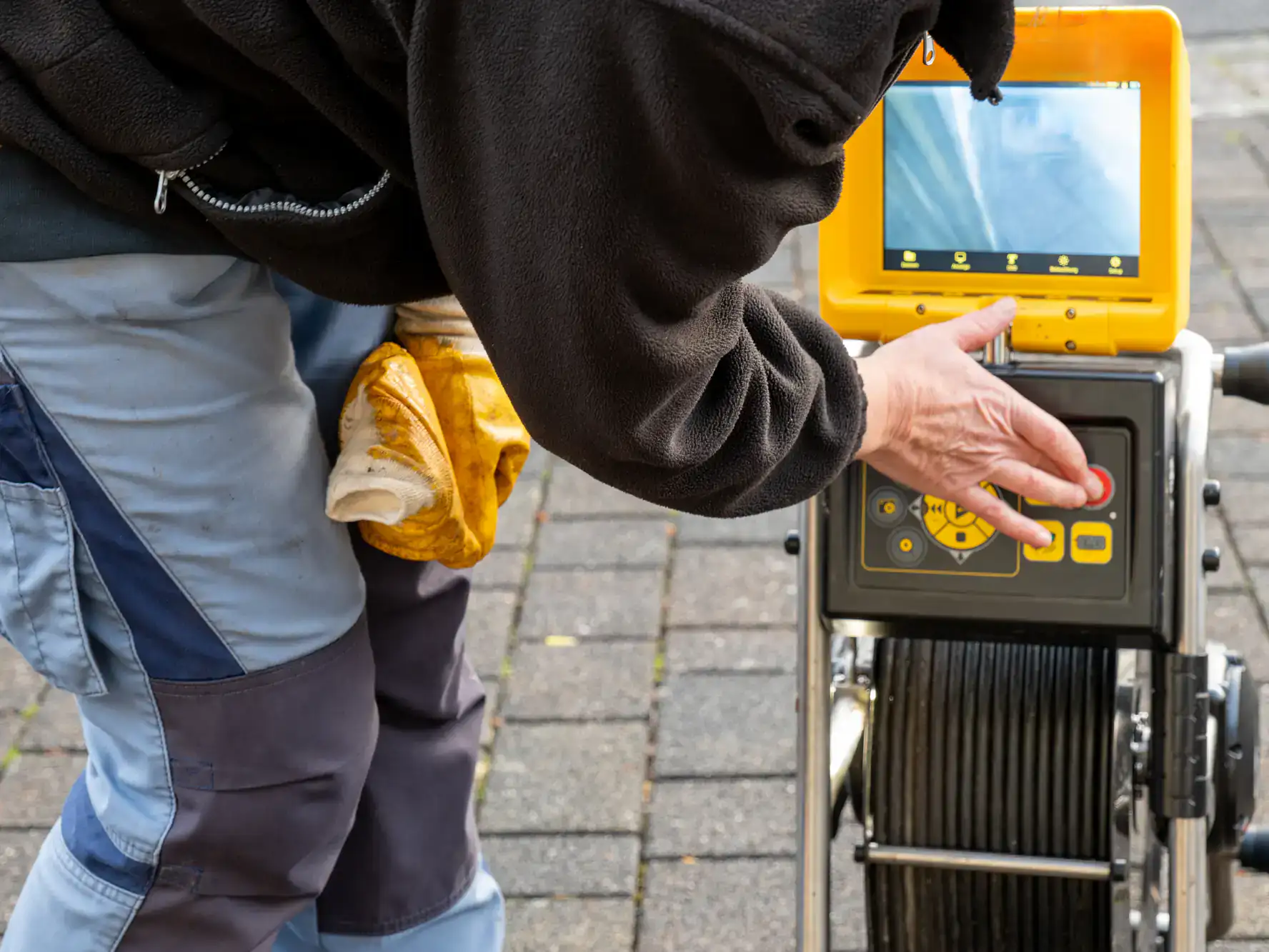
When our technician arrives, they access your cleanout typically located near the foundation or along the side of your home and feed the camera into the line. You watch the footage in real time. The technician narrates what the camera sees as it moves through the pipe: any root intrusion, buildup, cracks, joint separation, or low spots that are trapping waste. Nothing gets summarized after the fact and handed to you as a verdict. You see your pipes. You hear what it means. You decide what to do with that information.
If a problem is found, the locating transmitter marks the exact spot above ground so any repair work can be targeted precisely no unnecessary excavation, no disturbing the landscaping or hardscape around your property. For homeowners in the Eichler Historic District or South Land Park Terrace, that level of precision isn’t just convenient it protects the character of a property you’ve invested in. The full inspection is recorded, and you keep the footage.
Ready to get started?
Our sewer camera inspection is priced between $99 and $300 well below the Sacramento market range of $250 to $850 and significantly under the national average of $685. That price includes a full recorded video inspection of your sewer lateral, real-time narration of findings, above-ground problem location marking via transmitter, and a clear explanation of next steps. There are no add-on fees for the footage. You receive the recording.
The equipment handles pipe diameters from 1.5 to 72 inches and navigates up to 350 feet of line, with self-leveling technology and high-output LED lighting that delivers clear footage even in the root-affected, sediment-coated conditions common in South Land Park’s older clay and cast iron pipes. For comparison, some local competitors’ promotional packages cover only 75 feet of line and explicitly exclude camera recording which means you’re paying for a service that doesn’t give you anything documented to keep or share.
This inspection is also the right move before buying a home in South Land Park. Standard home inspections don’t include underground sewer lines. If you’re purchasing a 1950s ranch in South Land Park Terrace, a mid-century property in Little Pocket, or one of the designated Eichler homes in South Land Park Hills, a sewer scope gives you documented proof of the line’s condition before you close either peace of mind or serious negotiating leverage.
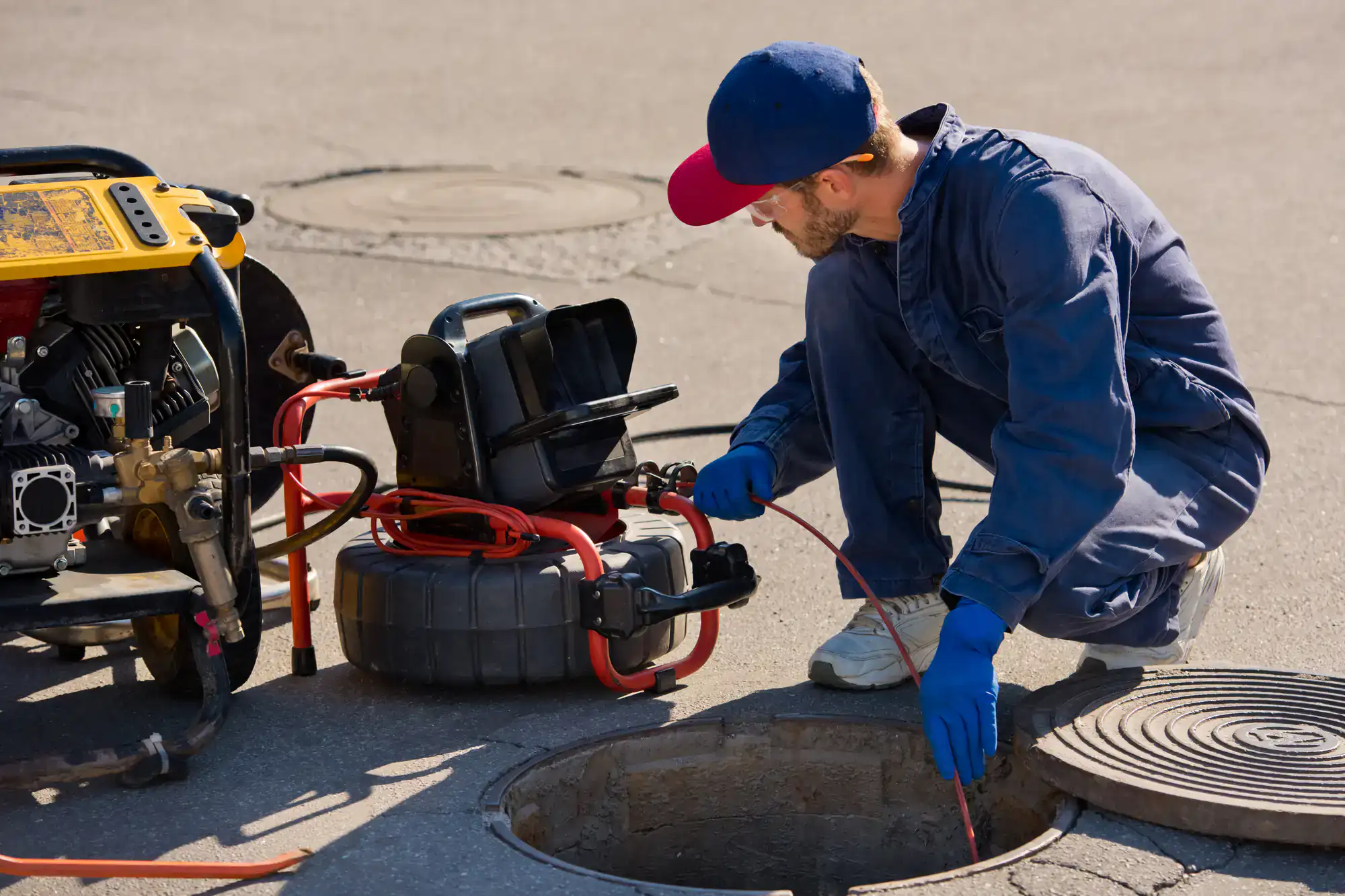
Our sewer camera inspection in South Land Park runs between $99 and $300. That range accounts for the scope of the job line length, access conditions, and how complex the pipe configuration is. What doesn’t change is what’s included: full recorded footage, real-time findings explained on-site, and above-ground marking of any problem locations. You’re not paying extra to keep the video.
To put that cost in context, a sewer line repair in Sacramento County typically runs $1,000 to $6,000. A full lateral replacement can exceed $10,000. For a home built in the 1950s or 1960s which describes the majority of South Land Park’s housing stock catching a developing problem early is almost always cheaper than responding to a failure after the fact. The inspection cost isn’t the risk. Skipping it is.
A standard home inspection won’t tell you anything about what’s happening underground. The inspector walks the structure, checks visible systems, and moves on. The sewer lateral the pipe that runs from your home to the city main isn’t part of that process, and it’s where some of the most expensive problems hide.
In South Land Park, where most homes were built between 1940 and 1969, the original sewer pipes are often still in the ground. Clay tile and cast iron from that era have a functional lifespan of 50 to 75 years, and many of those pipes are well past it. If you’re buying in the Eichler Historic District, South Land Park Terrace, or anywhere along Freeport Boulevard’s residential corridors, a sewer camera inspection before closing gives you documented footage of the line’s condition. If something’s wrong, you negotiate. If it’s clean, you close with confidence.
Yes and in South Land Park specifically, it’s one of the most common causes of recurring drain problems. The neighborhood has a mature, dense tree canopy. Large trees along South Land Park Drive, throughout the Eichler district, and in the Little Pocket riverfront area have root systems that extend well beyond the drip line of the tree. Older clay tile pipes the material used in most mid-century Sacramento construction have unsealed joints every few feet. Those gaps are exactly where roots enter.
Once roots are inside the pipe, they don’t stop growing. A basic rooter visit cuts through the blockage, but the roots grow back often within months. A sewer line camera inspection shows you where the intrusion is, how advanced it is, and whether the pipe wall itself has been compromised. That’s the difference between treating the symptom and understanding the actual problem.
Snaking a drain clears a blockage. A sewer camera inspection tells you what caused it, where it is, and how bad it actually is. Those are two very different things, and confusing them is how homeowners end up paying for the same rooter visit three times a year without ever resolving the underlying issue.
A drain snake is a cable with a cutting head. It breaks through whatever is blocking the pipe and clears the immediate obstruction. It doesn’t show you whether the pipe is cracked, collapsed, belly-shaped, or filled with mineral deposits narrowing the effective diameter. A sewer line video inspection puts a camera through the pipe so you can see the condition of the line itself not just whether water is flowing through it right now. For a 1950s or 1960s home in South Land Park, where the pipe material is likely clay or cast iron and the line has been in the ground for 60-plus years, that distinction matters significantly.
Most residential sewer camera inspections take between 45 minutes and 90 minutes from start to finish. The variables are cleanout accessibility, the length and configuration of the lateral, and how much explanation and footage review happens on-site. For South Land Park homes particularly the mid-century properties in the Eichler Historic District or the ranch-style homes in South Land Park Terrace lateral runs can be longer than average due to lot depth and landscaping, but our camera equipment handles up to 350 feet of line without issue.
If the cleanout is buried, covered by hardscape, or hasn’t been accessed in decades (common in homes that have had single ownership since the 1950s), locating and opening it may add some time. That’s worth knowing in advance. When you schedule with us, the technician confirms access details before arrival so there are no surprises on either end.
Sacramento City does not currently require a mandatory sewer lateral inspection at the point of sale the way some Bay Area jurisdictions do. However, that doesn’t mean it’s optional in any practical sense. Lenders, real estate attorneys, and buyer’s agents are increasingly requiring or strongly recommending sewer scopes as standard due diligence on pre-1980 homes and South Land Park is almost entirely pre-1980 housing.
If you’re selling a home in South Land Park and a buyer requests a sewer scope, having one already completed works in your favor. It removes uncertainty from the transaction, prevents last-minute renegotiation, and demonstrates that you’ve maintained the property. California’s CSLB requires that sewer lateral inspection work be performed by a licensed C-36 contractor so whoever does the inspection needs to hold that license. We hold that license, which means the findings are documented, credible, and hold up whether you’re presenting them to a buyer, a lender, or the city.