
Sewer Camera Inspection
Get a free quote for sewer camera inspection from your local plumbing team.
We’ll contact you about your sewer camera inspection request. Privacy policy
Hear from Our Customers
Most South Natomas homeowners don’t think about their sewer line until something backs up. By then, the problem has usually been building for years. A sewer pipe inspection catches what’s already developing root intrusion, cracked joints, slow-draining bellies before it turns into a five-figure emergency.
South Natomas sits on reclaimed delta farmland, and that soil doesn’t settle evenly. Over decades, uneven settlement creates low spots in sewer laterals called pipe bellies, where waste pools instead of flowing. Snaking the line clears it temporarily, but the belly stays. A sewer line camera inspection is the only way to actually see it and know whether you’re dealing with a fixable blockage or a structural issue that keeps coming back.
The neighborhood’s low-lying terrain and high water table add another layer. During Sacramento’s rainy season, hydrostatic pressure on aging clay and cast iron pipes increases significantly. If you’ve had a backup after a heavy rain, that’s not always a clog it may be groundwater pushing in through a cracked joint. The footage from a sewer line video inspection tells you which one it is, so you’re not spending money on the wrong fix.
We serve the Sacramento region, and South Natomas is well within our territory including homes along Truxel Road, near Northgate Boulevard, and throughout the older residential subdivisions that make up the backbone of this neighborhood. We hold a California CSLB C-36 Plumbing Contractor license, which is the state-required credential for any sewer lateral inspection work that needs to hold up for city documentation or a real estate transaction.
Our 4.7-star rating across 93 verified reviews isn’t a number we chase it’s a reflection of how jobs actually get handled. Customers consistently mention that the final bill came in at or below the estimate, that we don’t push unnecessary repairs, and that our technicians explain what they find in plain language. That’s the standard on every call, including yours.
When you call us, the first thing that happens is a straightforward conversation about what you’re experiencing slow drains, recurring backups, a gurgling toilet, or just a home built in the 1970s that’s never had a sewer scope. From there, we schedule a technician and show up on time, equipment ready.
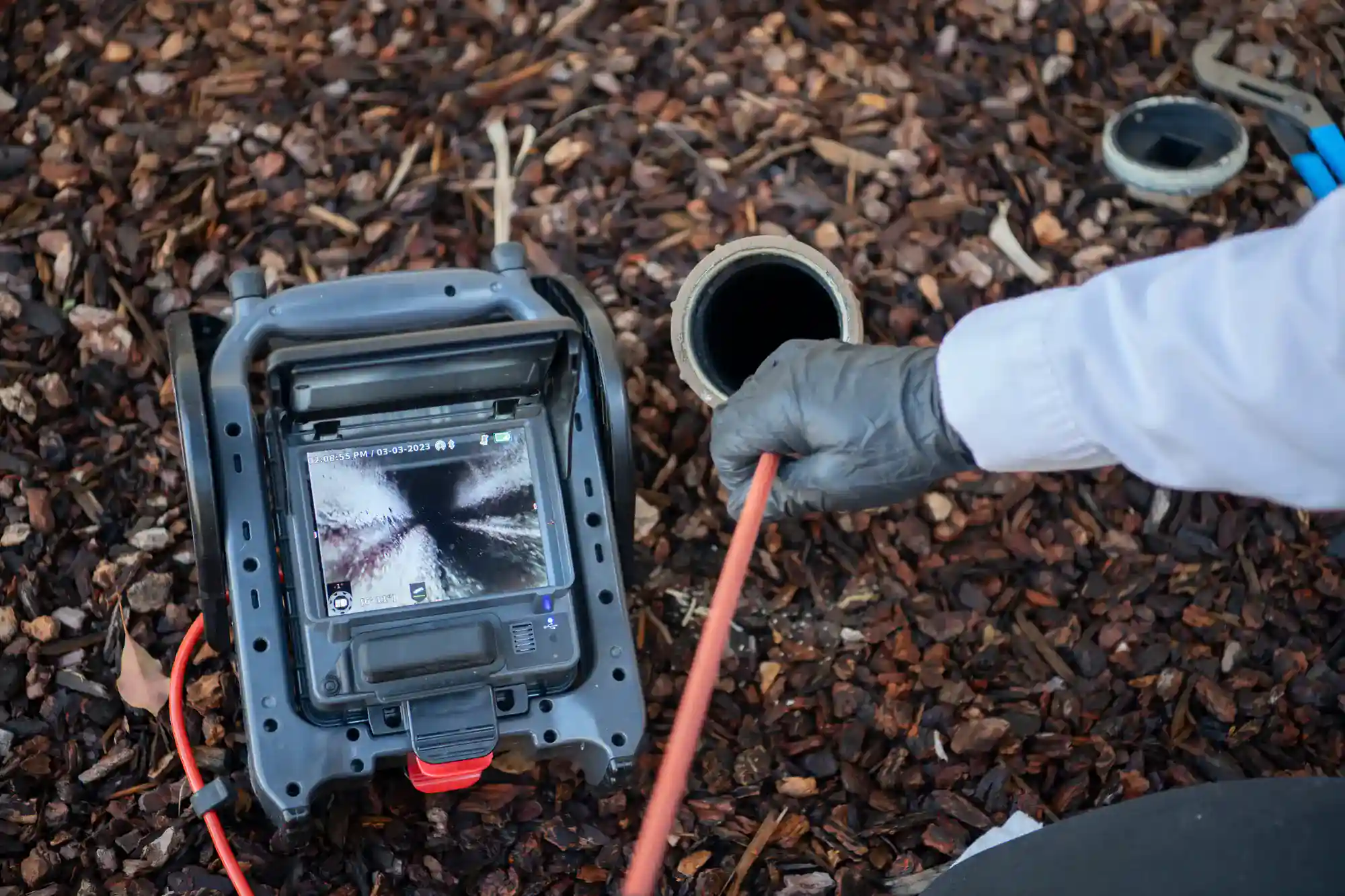
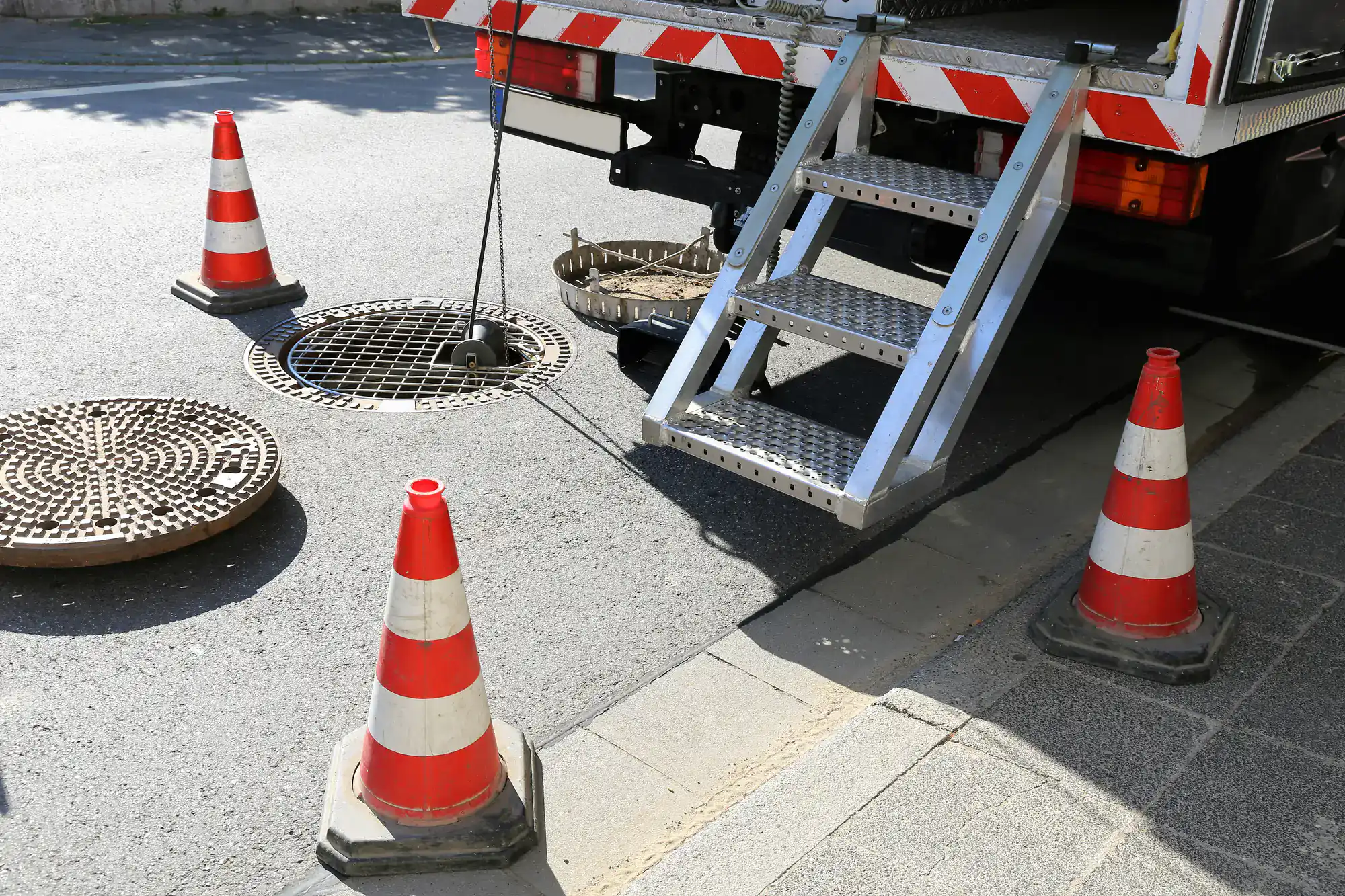
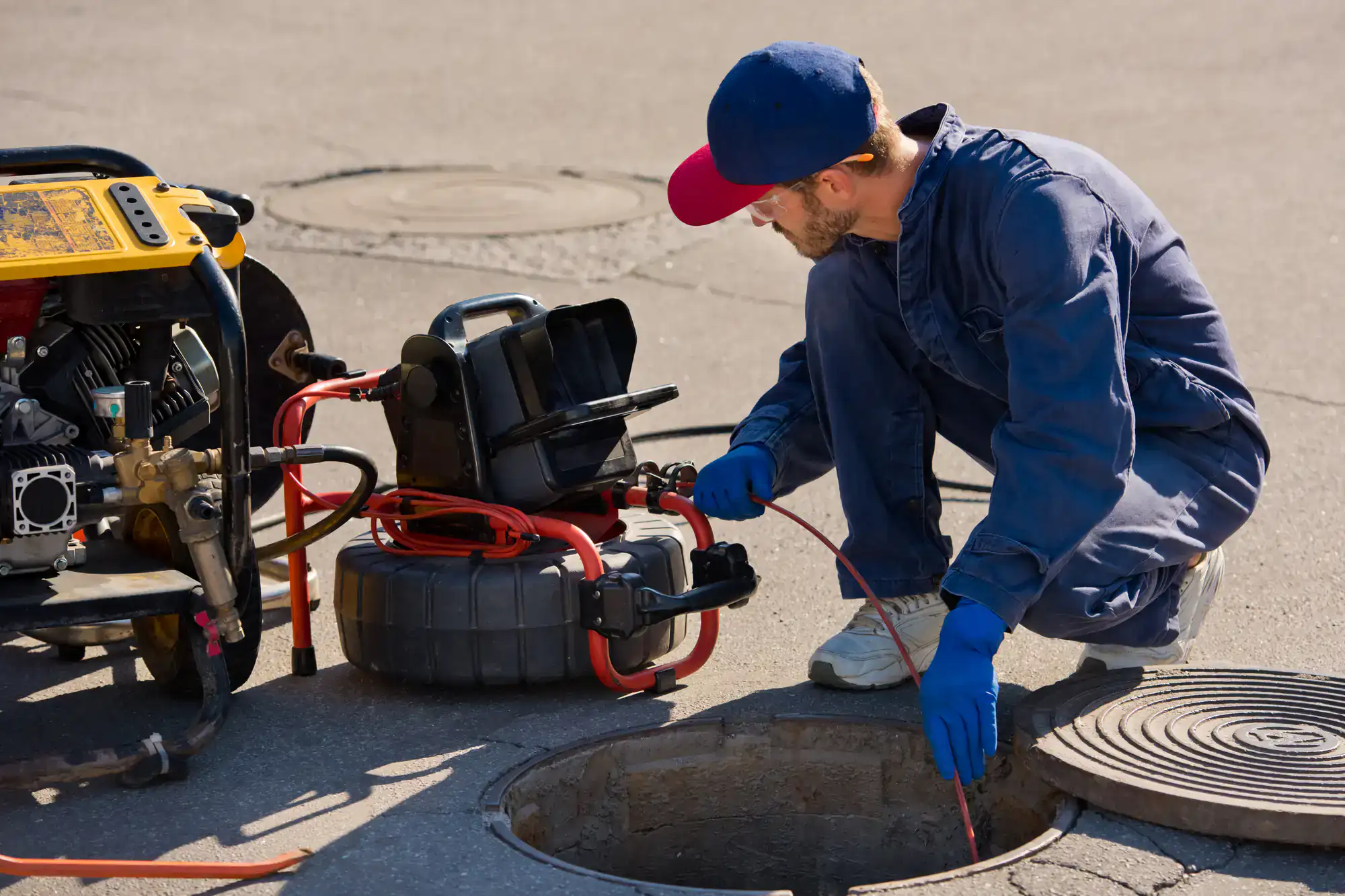
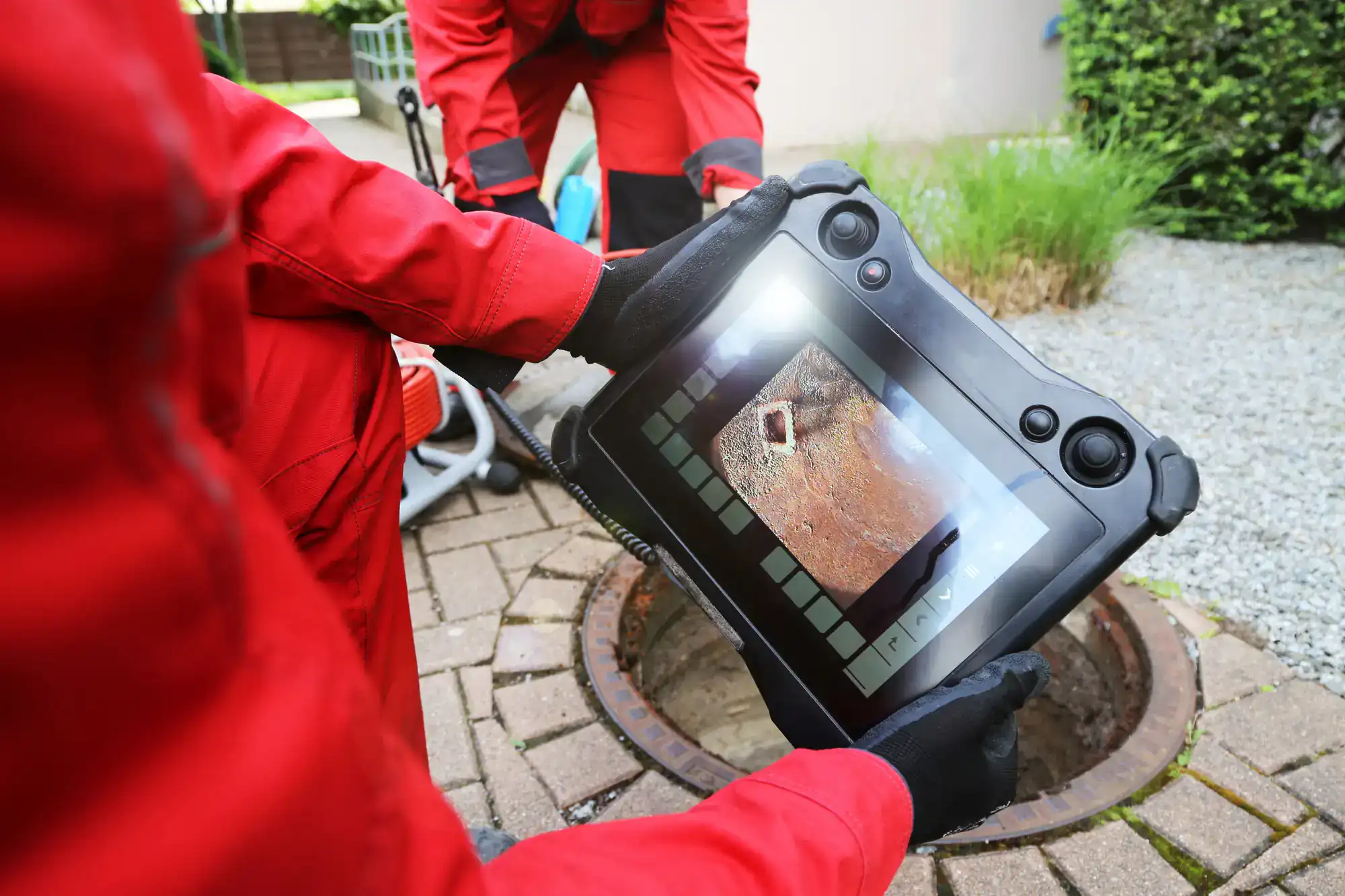
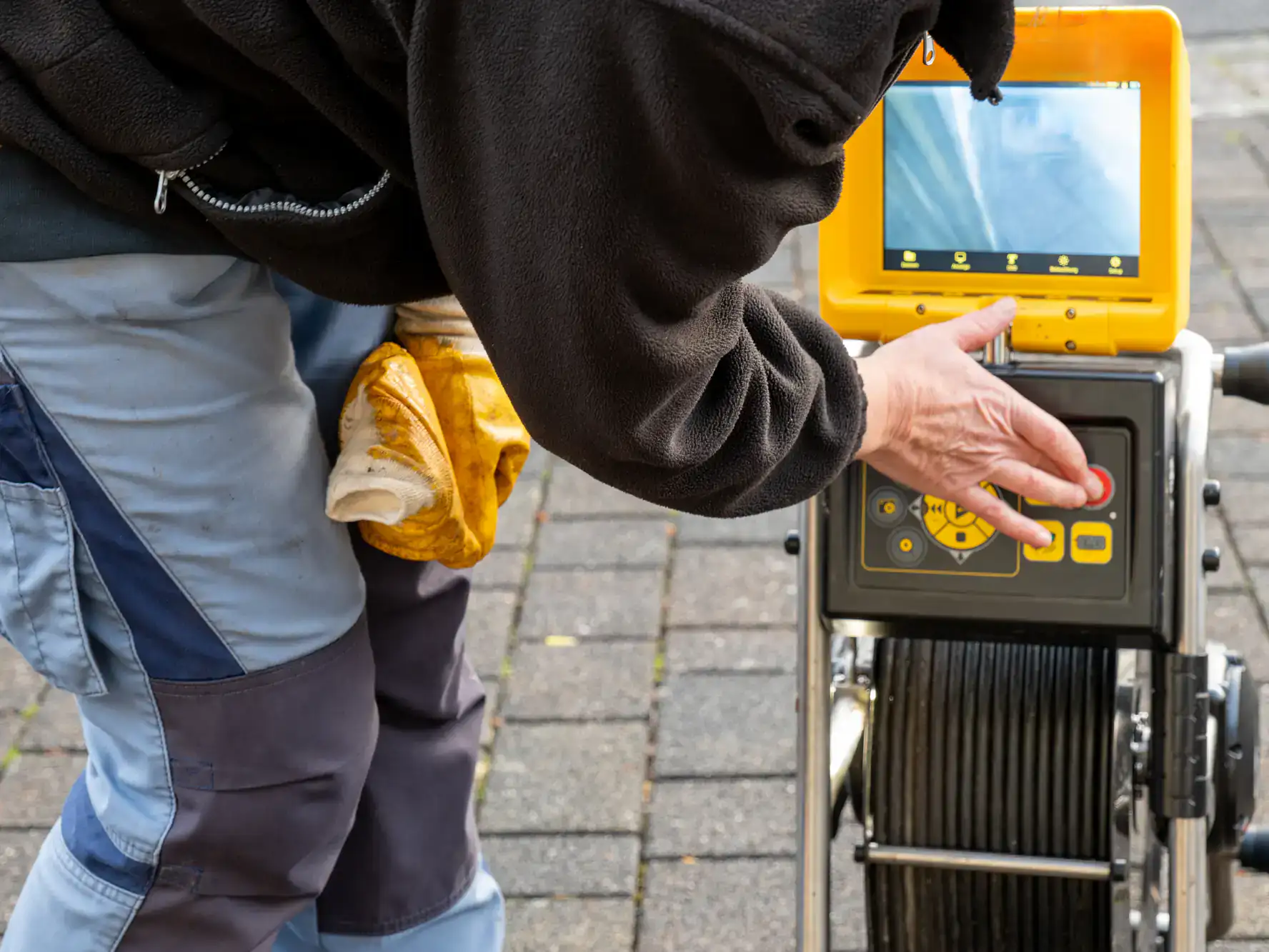
On-site, the camera enters through your existing cleanout or access point no digging, no disruption to your yard. The camera navigates up to 350 feet of pipe and inspects diameters from 1.5 to 72 inches, which covers every residential lateral in South Natomas regardless of how far the run goes to the city main. As the camera moves through the line, our technician narrates what they’re seeing in real time. You’re watching the same footage we are. If there’s a belly caused by delta soil settlement, a crack in an aging clay joint, or root intrusion from a mature street tree, you’ll see it yourself not read about it in a report three days later.
If a problem area is found, a surface locating transmitter pinpoints the exact spot above ground. That means any future repair work targets the right location without guesswork or unnecessary excavation. Under City of Sacramento municipal code Chapter 13.08, property owners are responsible for maintaining their sewer lateral from the structure to the city main and having documented camera footage puts you in a much stronger position if permits or repairs are ever needed.
Ready to get started?
We publish our sewer camera inspection pricing upfront: $99 to $300, depending on the specifics of your property. That’s not a teaser rate with add-ons stacked on top it’s the range, stated before you call, so you’re not surprised when the invoice arrives. For context, the national average for this service is $685. In the Sacramento market, competitors routinely charge $250 to $850. Our pricing reflects a deliberate choice to make a professional sewer blockage inspection accessible to South Natomas homeowners, not just those who can absorb a large unexpected bill.
What’s included is a full camera run of your sewer lateral, live narrated footage, above-ground problem location via transmitter, and a clear explanation of findings before our technician leaves. If the inspection shows your pipes are in good shape, you’ll know that too and you won’t be handed a repair estimate for something that doesn’t need fixing. That’s been our explicit policy from day one, and it’s what the reviews consistently reflect.
For homeowners buying or selling a property in South Natomas, the inspection documentation can be used in real estate negotiations and for city permit compliance. Standard home inspections don’t cover underground sewer lines a home built in 1972 on a South Natomas street can pass a visual inspection while concealing a cracked lateral that’s been slowly failing for years. Our sewer camera inspection gives buyers and sellers the documentation to make informed decisions, not assumptions.
Our sewer camera inspection in South Natomas starts at $99 and goes up to $300 depending on the property. That pricing is published before you call no bait-and-switch, no “we’ll quote you when we get there.” For comparison, the national average for this service is $685, and Sacramento-area competitors typically charge anywhere from $250 to $850.
What affects the cost within that range is usually the length of the lateral run and the complexity of the access point. Most standard residential properties in South Natomas fall comfortably within that window. The price covers a full camera inspection, live narrated footage, and above-ground location of any problem areas not just a camera pass with a vague verbal summary at the end.
South Natomas sits within the Natomas Basin, a low-lying area built on reclaimed delta farmland. The water table here is higher than in most Sacramento suburbs, and during the rainy season, hydrostatic pressure on buried sewer pipes increases noticeably. When aging clay or cast iron joints develop cracks which is common in homes built before 1980 groundwater can infiltrate the pipe during wet conditions, increasing flow volume and causing backups that have nothing to do with a blockage.
The other factor is soil settlement. The organic delta soils beneath South Natomas neighborhoods settle unevenly over time, which can create pipe bellies low spots where waste pools instead of draining. Snaking the line gives temporary relief, but the belly stays. A sewer line camera inspection distinguishes between a blockage, a belly, and infiltration through a cracked joint three different problems that each require a different response. Without footage, you’re guessing.
If the home was built before 1990, yes and most of South Natomas’s housing stock falls into that window. Standard home inspections don’t include underground sewer lines. An inspector can walk through every room, check every outlet, and test every fixture without ever knowing the condition of the lateral running from the house to the city main. That pipe could be cracked, root-infiltrated, or partially collapsed and nothing in a standard inspection would flag it.
For homes in South Natomas’s older subdivisions many built between the 1960s and 1980s the original clay or cast iron lateral may have never been inspected. Cast iron pipes are rated for 50 to 75 years. Clay requires close monitoring after 50. If you’re buying a 1975 home, you’re inheriting a pipe that’s at or past its expected service life. A pre-purchase sewer pipe inspection from us gives you documented footage you can use to negotiate repairs, request a price reduction, or simply decide whether the property is worth the risk.
The most common signs are slow drains that don’t respond well to clearing, gurgling sounds from your toilet when water drains elsewhere in the house, and recurring backups in the same location. Root intrusion tends to build gradually roots find their way into small cracks or loose joints and grow over time, eventually restricting or blocking flow.
In South Natomas, mature street trees planted when the neighborhood’s subdivisions were built in the 1960s and 1970s are now 50 to 60 years old. Valley oaks, sycamores, and ornamental trees that have been in the ground that long have extensive root systems that can reach sewer laterals especially aging clay pipes whose joints have loosened over decades. The only way to confirm root intrusion is a sewer line camera inspection. Our camera shows the inside of the pipe in real time, and if roots are present, you’ll see exactly how extensive they are and where they’ve entered not a general description, but actual footage.
Snaking clears a blockage. A sewer line camera inspection tells you what caused it and whether clearing it actually solved anything. Those are two very different outcomes, and confusing them is how homeowners end up calling a plumber three times in one year for the same problem.
If your line has a pipe belly from South Natomas’s uneven soil settlement, snaking moves the clog but the belly stays. If you have a cracked joint allowing groundwater infiltration, snaking doesn’t touch the crack. If roots have grown into the pipe, snaking cuts them back temporarily but without footage, you don’t know how much of the pipe they’ve colonized or whether the joint itself is damaged. A sewer blockage inspection gives you a complete picture: the condition of the pipe, the location of any problem, and what it actually needs. That information is what lets you make a real decision instead of just hoping the problem doesn’t come back.
Yes. We hold a California CSLB C-36 Plumbing Contractor license, which is the state-required classification for all sewer lateral inspection work in California. That matters for a few practical reasons. If your inspection findings are being used for a real estate transaction, a permit application, or any documentation submitted to the City of Sacramento, the report needs to come from a C-36 licensed contractor to be valid. An unlicensed operator handing you footage doesn’t meet that standard.
Under City of Sacramento municipal code Chapter 13.08, property owners in South Natomas are responsible for maintaining the sewer lateral from their structure to the city main. When repairs are needed and permits are pulled, the city requires licensed contractor involvement. Having your inspection done by a licensed plumber from the start means your documentation is usable not something you’d need to redo before a permit gets approved or a sale closes.