
Hear from Our Customers
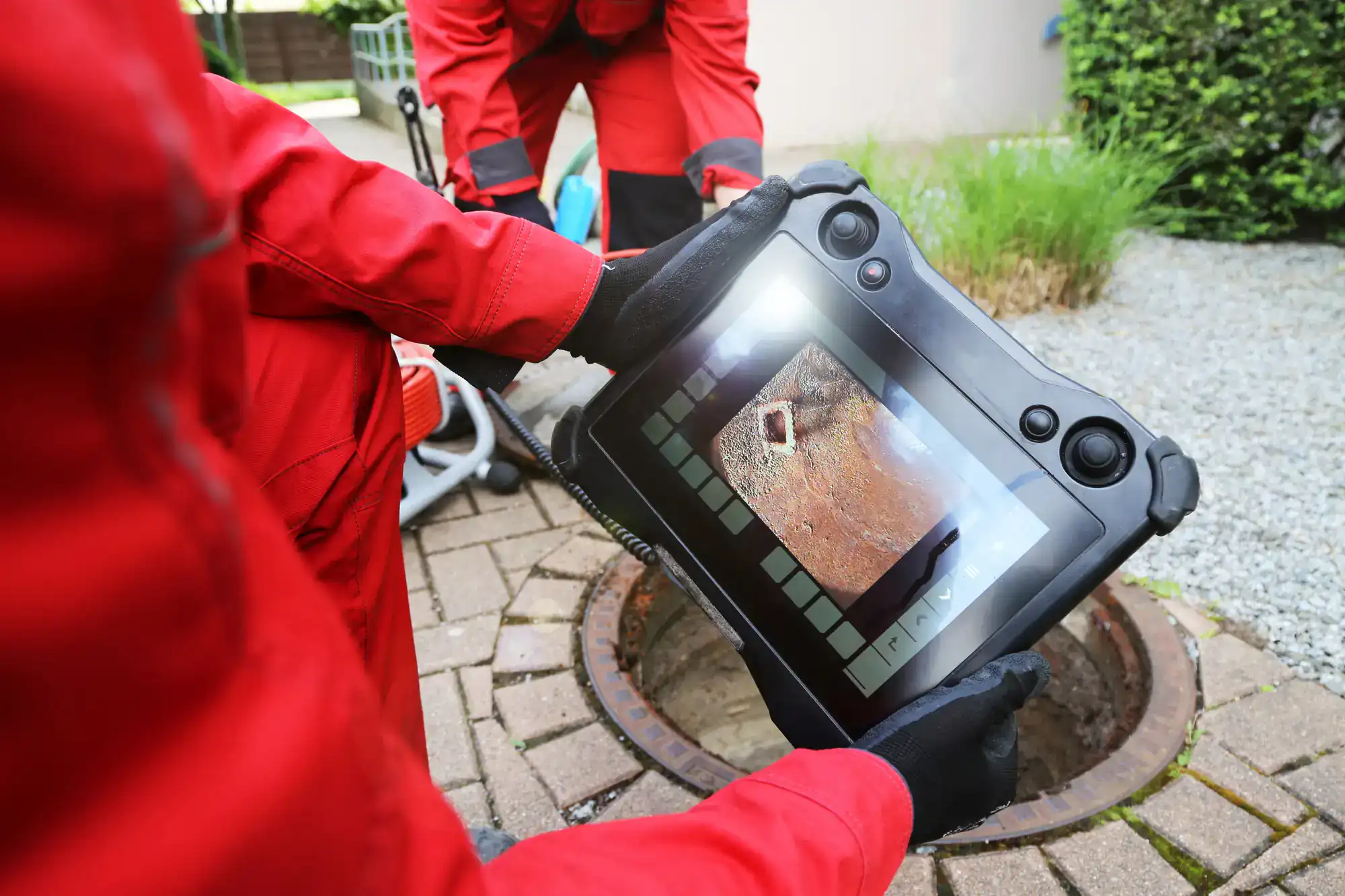
A lot of Tahoma’s housing stock was built in the 1950s, 60s, and 70s which means plenty of original cast iron and clay pipe still running underground. Cast iron has a rated lifespan of 50 to 75 years. If your cabin was built in 1960, those pipes are 65 years old and well into the zone where things start quietly going wrong. A sewer camera inspection gives you a real-time, high-definition look at what’s actually inside those lines not an estimate, not a guess, but footage.
For vacation property owners managing a Tahoma cabin from Sacramento, the Bay Area, or out of state, that footage matters. You can’t be on-site for every service call. What you can do is receive a documented video walkthrough of your sewer lateral narrated, timestamped, and clear enough to review from anywhere. If there’s a problem, you’ll see it. If there isn’t, you’ll know that too, and you won’t be talked into repairs you don’t need.
The freeze-thaw cycles on the West Shore add another layer most Sacramento-area plumbers don’t think about. Each winter, frost heave shifts soil, stresses pipe joints, and can create low spots called pipe bellies that trap waste and cause recurring backups. After a hard Tahoma winter, the only reliable way to know whether your lateral came through intact is to look inside it.
We’re a licensed C-36 plumbing contractor serving the West Shore Lake Tahoe area, including Tahoma, Homewood, and Meeks Bay. Our work is done by qualified professionals who understand what mountain properties actually deal with older pipe materials, elevation pressure variability, seasonal vacancy patterns, and the kind of freeze-thaw stress that simply doesn’t exist in the Sacramento Valley.
Our pricing is transparent and published upfront. Sewer camera inspections run $99 to $300 well below the national average of $685 and well below what most Lake Tahoe-area contractors charge for the same service. Free estimates are provided before any work begins, and the final bill routinely comes in at or below that estimate. No pressure to approve additional work on the spot. No inflated recommendations because you’re managing the property remotely.
We hold a 4.7 out of 5 Google rating based on 93 verified reviews, with customers consistently noting on-time arrivals, professional conduct, and costs that matched or beat the original quote. Emergency availability runs 24 hours a day, 7 days a week because a sewer backup at a Tahoma rental property doesn’t wait for business hours.
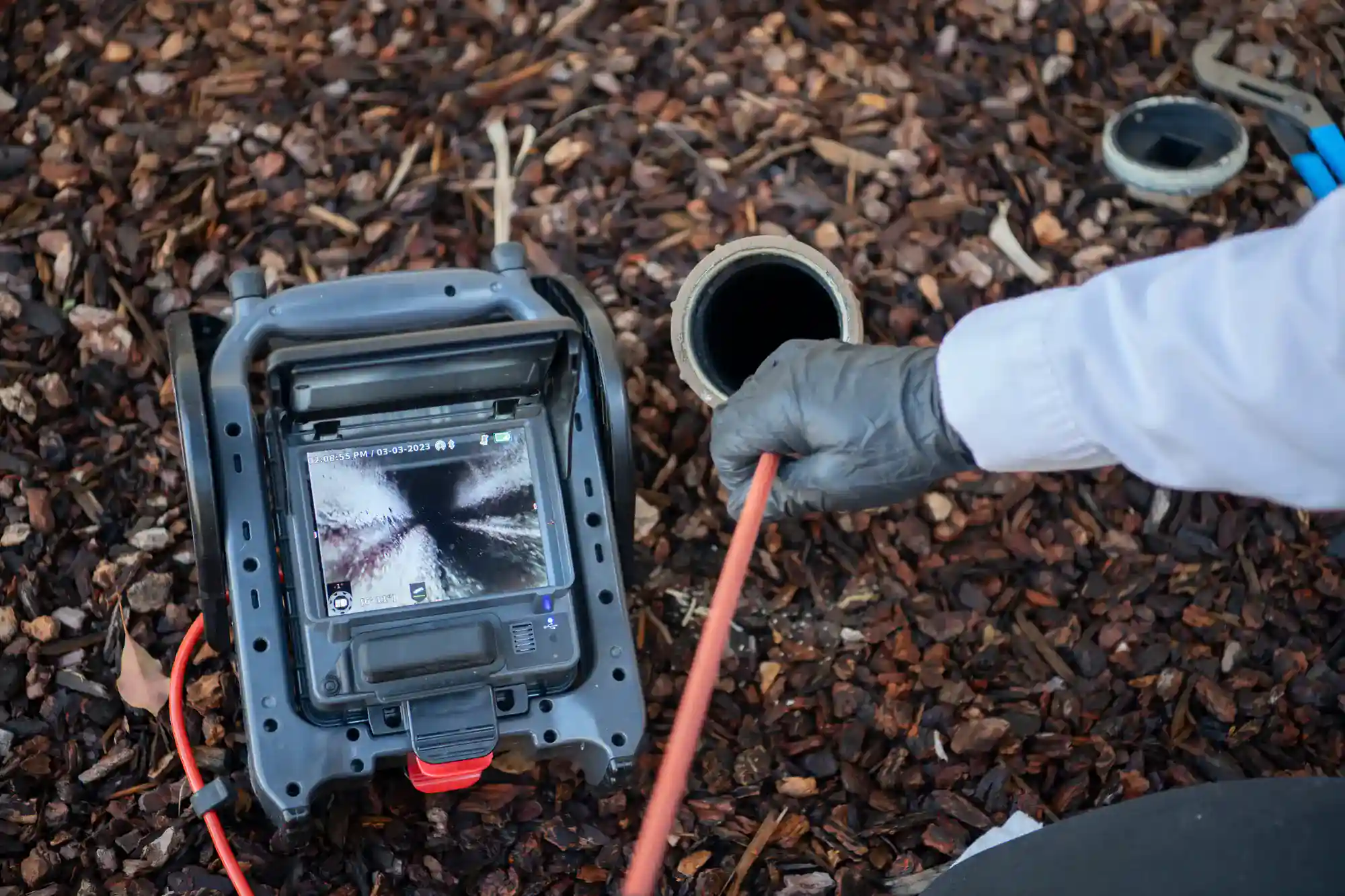
The process starts with a free estimate and a scheduled appointment same-day availability when the situation calls for it. When our technician arrives, the first step is locating your cleanout access point. Most Tahoma properties have one, though some older cabins built before cleanouts were standard may require a different entry point, which our technician will identify and walk you through before anything starts.
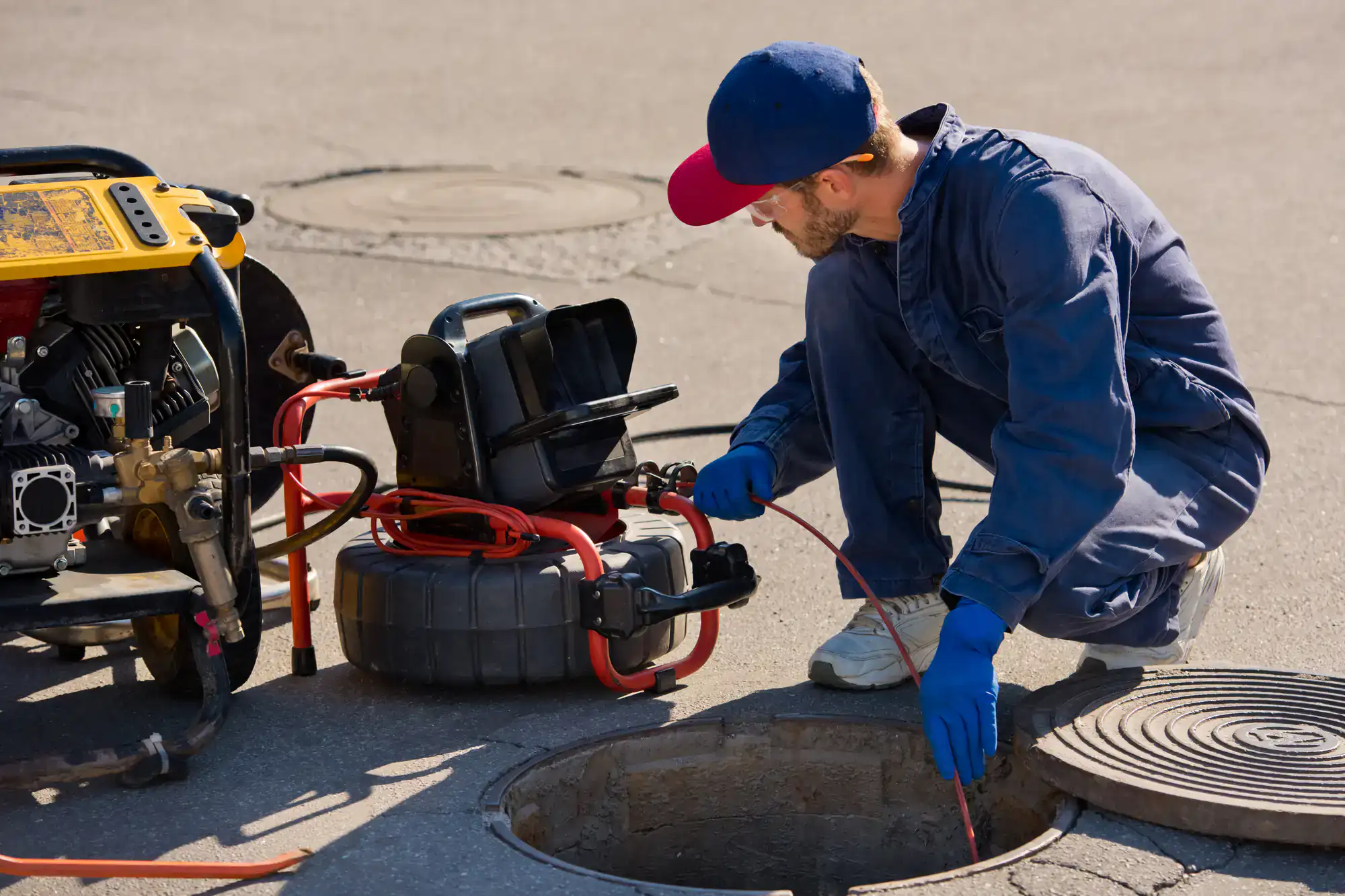
From there, the camera goes in. Our equipment inspects lines from 1.5 to 72 inches in diameter and can navigate up to 350 feet of pipe more than enough to cover the lateral runs common on West Shore properties, including longer runs on larger lots near Sugar Pine Point State Park. The camera is self-leveling, LED-lit, and paired with a locating transmitter that pinpoints problem areas above ground without any excavation. If there’s a belly, a crack, a root intrusion, or a blockage, you’ll see exactly where it is and what it looks like.
The whole inspection typically takes 30 to 60 minutes. You receive documented footage and a clear summary of findings. If repairs are needed, you’ll know the exact location before any digging begins which matters in Tahoma, where TRPA environmental standards govern ground disturbance and keeping the repair footprint small isn’t just a preference, it’s a regulatory consideration. If everything looks clean, you’ll have that on record too.
Ready to get started?
Sewer camera inspection in Tahoma isn’t a one-size service. The properties here range from 1950s single-room cabins in Tahoe Cedars and Westlake Village to larger vacation homes on the lake side of West Lake Boulevard. Some have had their sewer systems touched once in 40 years. Some are actively managed as short-term rentals through platforms like VRBO or Airbnb and need annual pre-season inspections to stay ahead of guest-facing emergencies. Our equipment and process are calibrated for all of it.
For real estate transactions and Tahoma’s market is active, with properties ranging from around $200,000 to well over $1,000,000 a sewer scope inspection before closing is the one piece of due diligence a standard home inspection skips entirely. Buying a cabin in Kailua Park or a property near the Waters Edge association without scoping the sewer lateral is buying blind. The inspection gives buyers documented evidence of pipe condition, which can be used in negotiations or simply for peace of mind before signing.
For property managers and absentee owners, the documentation package matters just as much as the inspection itself. You receive narrated video footage and a written summary you can share with the property owner, a real estate agent, or El Dorado County authorities if needed. Everything is timestamped and clear. That record has real value especially if a sewer issue surfaces later and you need to show what the system looked like at a specific point in time.
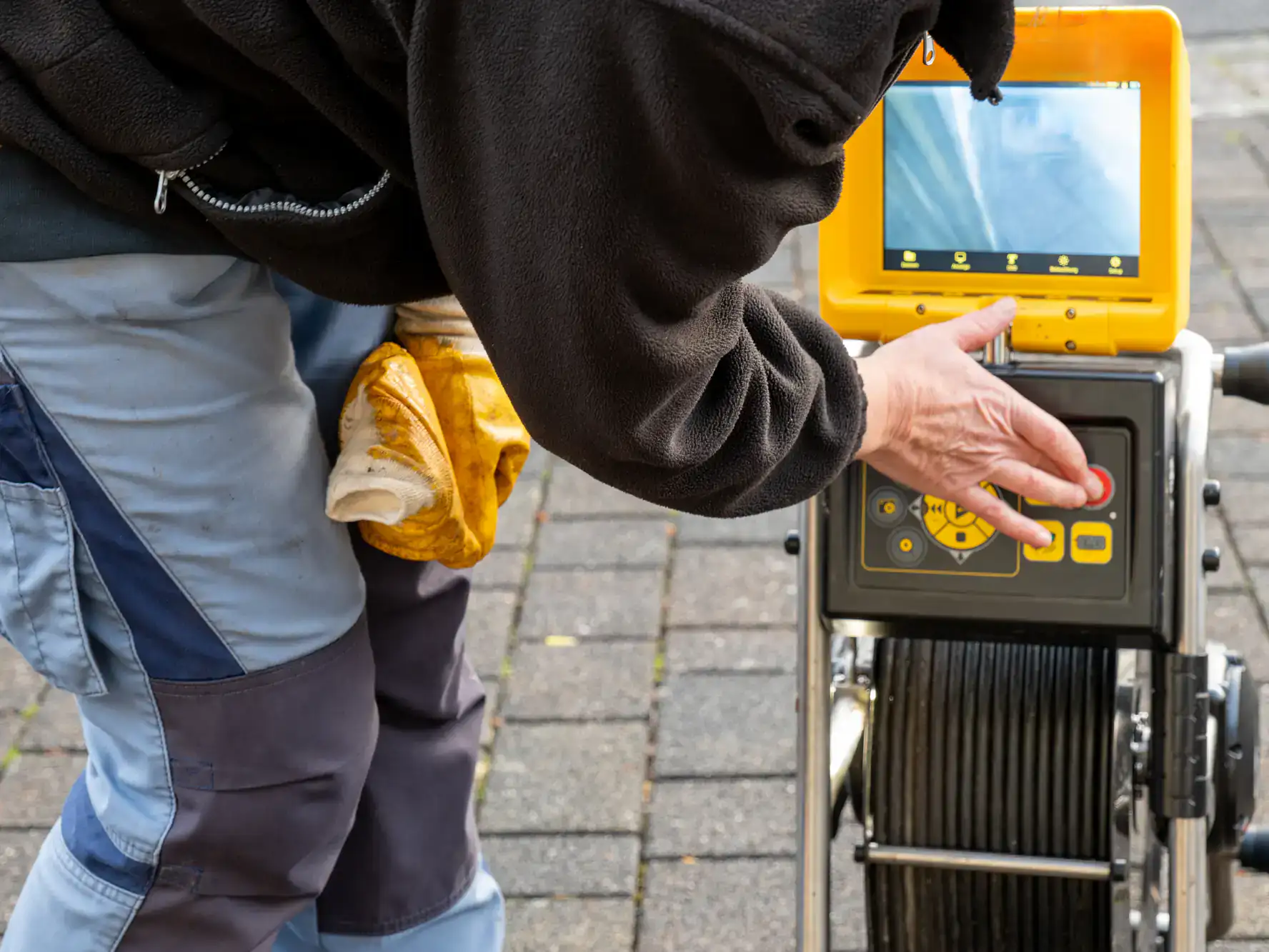
Our sewer camera inspections in Tahoma run between $99 and $300, depending on the scope of the job and the length of the lateral being inspected. That range sits well below the national average of $685 and below what most West Shore contractors charge for the same service. A free estimate is provided before any work begins, so you know what to expect before our technician shows up.
The final bill almost never exceeds the original estimate and in many cases it comes in lower. There are no hidden fees, no pressure to approve additional work on the spot, and no inflated recommendations because you’re managing the property from a distance. If the inspection finds something that needs attention, you’ll receive a clear explanation of what it is, where it is, and what it would realistically cost to address. What you do with that information is entirely your call.
If you’re buying an older property on the West Shore and most of Tahoma’s housing stock falls into that category a sewer scope inspection before closing is one of the most important steps you can take. A standard home inspection does not include the underground sewer lateral. That means without a sewer scope, you’re purchasing a property with zero documented knowledge of what’s running beneath it.
In Tahoma specifically, a significant portion of homes were built in the 1950s, 60s, and 70s. Cast iron and clay pipes from that era are at or past their rated service life. Root intrusion, pipe belly formation, and joint separation are all common findings in laterals that have never been inspected. Discovering any of those issues after closing means the repair cost falls entirely on you and full sewer lateral replacement can run anywhere from $3,000 to well over $10,000 depending on depth and access. A $99 to $300 inspection before signing is straightforward due diligence.
Yes, and it’s more common than most property owners realize. The freeze-thaw cycles on the West Shore don’t just stress supply lines they put significant pressure on underground sewer laterals too. When soil freezes and expands, it can shift pipe alignment, separate joints, and create low spots in the line called pipe bellies. Those bellies trap waste and cause recurring slow drains or backups that get progressively worse with each passing season.
At roughly 6,230 feet elevation, Tahoma sees genuine Sierra Nevada winters temperatures that drop well below freezing from November through March, with substantial snowpack and repeated freeze-thaw events throughout the season. A lateral that came through the first hard winter intact can develop problems over five or ten years of cumulative stress without any visible signs above ground. A sewer line video inspection after a particularly hard winter is the only reliable way to confirm whether last season’s cold snaps left anything behind.
For vacation rental owners, the process is straightforward and doesn’t require you to be on-site. You schedule the inspection by phone or online and we coordinate directly with whoever has access to the property, whether that’s a property manager, a caretaker, or a neighbor with a key. Our technician arrives, locates the cleanout, runs the camera through the full lateral, and documents everything on video with narration.
After the inspection, you receive the footage and a written summary of findings that you can review remotely. If the system is clear, you have a clean record going into your rental season which matters for platforms like VRBO and Airbnb where a sewer backup during a guest’s stay means emergency calls, potential refunds, and reviews you can’t undo. If there’s an issue, you know exactly what it is and where it is before it becomes a guest-facing emergency. Most Tahoma property managers schedule this inspection once a year, typically in late spring before the summer rental season opens.
The most common findings in Tahoma’s older housing stock are root intrusion, pipe belly formation, joint separation, and corrosion in cast iron lines. Root intrusion tends to come from the dense pine forest that surrounds most West Shore properties sugar pine, Jeffrey pine, and lodgepole pine roots are persistent, and in pipes that are already cracked or have separated joints, they find their way in over time. Once roots are established inside a lateral, they grow and eventually cause partial or full blockages.
Pipe bellies are another frequent finding. These are low spots in the line where the pipe has sagged due to soil movement exactly the kind of movement that freeze-thaw cycles cause over years of Tahoe winters. Waste sits in those low spots instead of flowing freely, and the result is recurring slow drains that no amount of drain cleaning will permanently fix. The camera locates the belly precisely, so if a repair is needed, the excavation footprint is as small as possible which matters here given TRPA’s environmental standards for ground disturbance in the Lake Tahoe Basin.
Most sewer camera inspections in Tahoma take between 30 and 60 minutes from start to finish. The actual inspection time depends on the length of the lateral and what the camera encounters along the way a clean, short run goes faster than a 200-foot lateral with a partial blockage or an unusual configuration from a 1960s remodel.
A few things that can affect timing on West Shore properties specifically: some older Tahoma cabins were built before cleanout access was standard, which means our technician may need a few extra minutes to identify the best entry point. Properties with longer lateral runs common on larger lots near Sugar Pine Point State Park or on the lake side of West Lake Boulevard will take longer to inspect fully than a compact cabin on a standard-sized lot. Either way, our cameras reach up to 350 feet, so the full lateral gets inspected regardless of length. You’ll have footage and a summary of findings before our technician leaves the property.