
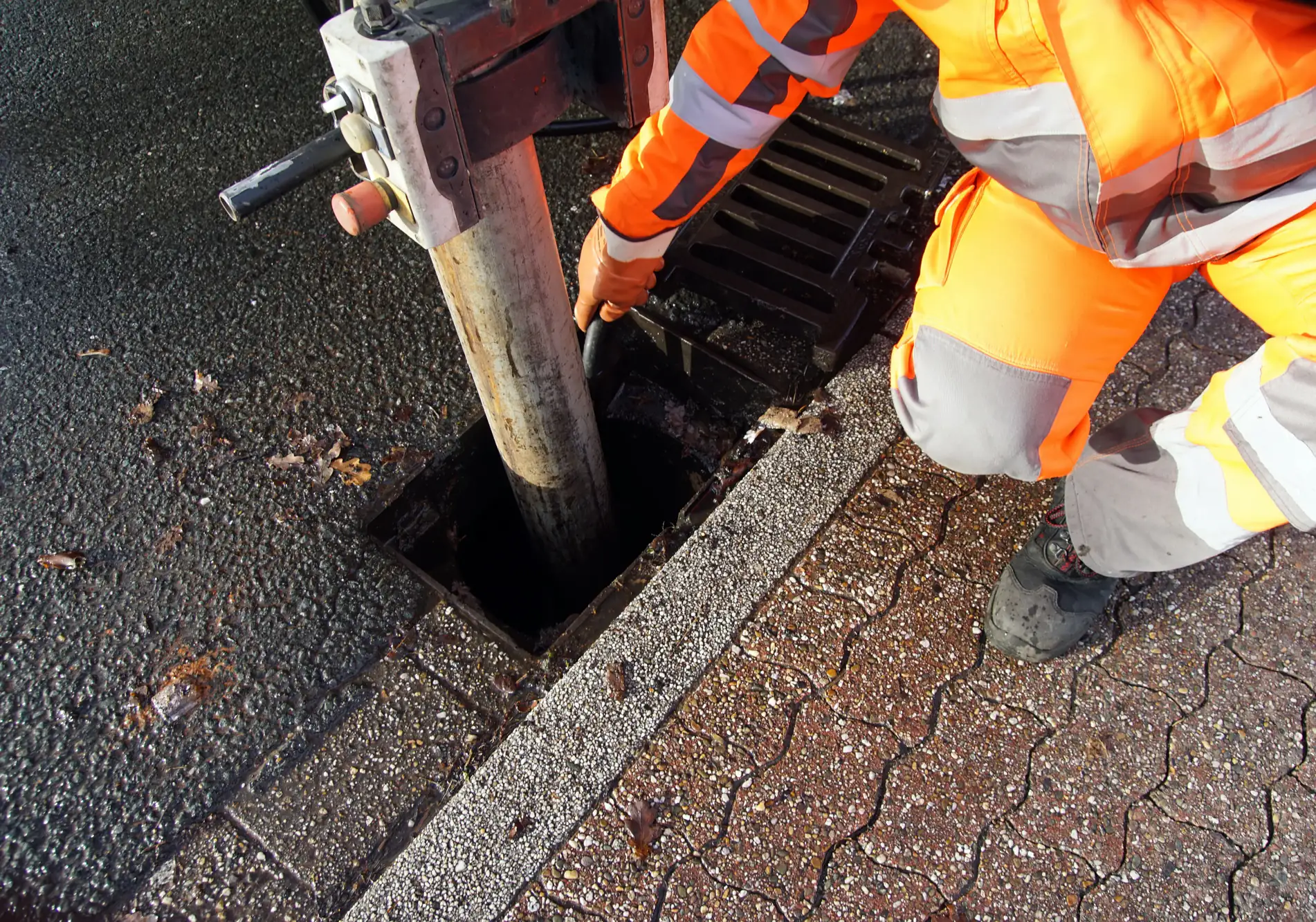
Sewer Cleaning
Get a free quote for sewer cleaning from your local plumbing team.
We’ll contact you about your sewer cleaning request. Privacy policy
Hear from Our Customers

Most sewer problems in Clay don’t announce themselves they build quietly over years. A slow drain here, a gurgling toilet there, and then one morning you’re dealing with a full backup. By the time it’s obvious, the problem has usually been developing for a while. Getting ahead of it with professional sewer line cleaning is the difference between a routine service call and an emergency repair that costs five to ten times more.
The ground beneath Clay is composed of heavy Clear Lake clay and Jacktone clay soils the same material that gives this community its name. That soil expands when the winter rains arrive and contracts hard during Sacramento Valley summers. Year after year, that movement stresses buried pipe joints, causes gradual shifting, and opens up small gaps where roots and debris get in. It’s a slow process, but it’s relentless. Homes that have been here for twenty or thirty years have been through hundreds of those cycles.
Add in the mature trees common on rural lots throughout Clay valley oaks, eucalyptus, established ornamentals and you have root systems actively seeking out every crack in your sewer line. Underground sewer cleaning isn’t just about clearing what’s already there. It’s about understanding what keeps putting it there, and doing the job in a way that actually lasts.
We’ve been serving Sacramento County for over 24 years. That’s not a number pulled from a marketing sheet it’s reflected in 93 verified Google reviews from real homeowners throughout the region, with a 4.7 out of 5 rating built entirely on how jobs actually went. Customers consistently mention punctual arrivals, fair pricing, and a follow-up call after the work was done to confirm everything was running right. That last part is rare enough that people bring it up on their own.
Clay is unincorporated Sacramento County no city hall, no municipal code enforcement, just county regulations and homeowners who know their properties well. Many homes here sit on larger rural lots, some connected to private septic systems rather than a municipal line. We work on both. Whether your sewer line runs to a county connection or a private tank off Clay Station Road, the diagnostic process and the standard of work are exactly the same. You get a licensed C-36 contractor who shows up, tells you what’s happening, quotes the price before touching anything, and does the job right.
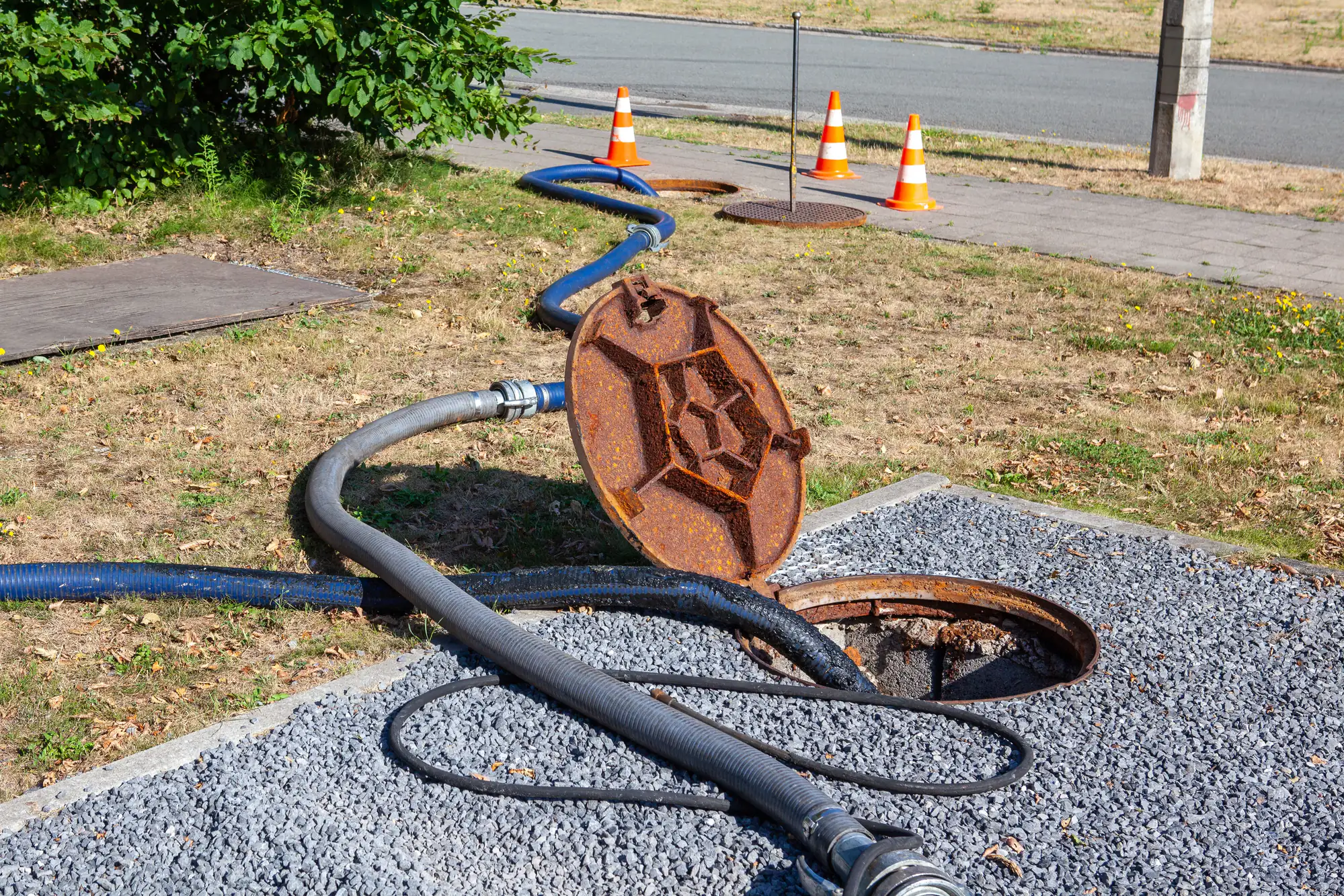
It starts with a call and if you’re dealing with a backup, that call can happen at any hour. We offer 24/7 emergency availability because sewer problems in Clay don’t wait for Monday morning. Once you reach out, you’ll get a clear arrival window, not a vague four-hour range. Showing up when we say we will is the baseline, not a selling point.
When our technician arrives, the first step is a camera inspection of the main sewer line. This matters more in Clay than in a newer suburban development, because aging pipe in clay-heavy soil rarely has just one issue. The camera shows exactly what’s happening root intrusion at a shifted joint, grease buildup from years of use, mineral accumulation in older pipe before any work begins. You see what we see. No guessing, no vague explanations, no pressure to approve repairs you don’t understand.
From there, the cleaning method is matched to what the camera found. Standard snaking handles most routine blockages. For lines with heavy root intrusion or significant buildup along the pipe walls, hydro jetting scours the full pipe circumference clean rather than just punching a temporary hole through the obstruction. Because Sacramento County requires permits for certain sewer repair work on unincorporated properties, we handle the documentation when it applies so you’re not left navigating county requirements on your own. After the job, you’ll hear from us to confirm the line is performing the way it should.
Ready to get started?
Residential sewer cleaning in Clay looks different than it does in a tract-home suburb. Lots are larger, pipe runs are longer, trees are older, and the infrastructure on some properties hasn’t been professionally inspected in years or ever. Our approach accounts for all of that. The service starts with a camera inspection to establish baseline conditions, because recommending a cleaning method without knowing what’s actually in the pipe isn’t a professional standard it’s a guess.
For routine maintenance, main sewer line cleaning typically runs between $250 and $500 depending on line length and access. Hydro jetting which is the right call when root intrusion or heavy buildup is confirmed by the camera runs $350 to $600 or more for residential lines. Those numbers are quoted before work begins, and they don’t change after the fact. If you’re on a private septic system, the sewer line from your house to the tank requires the same cleaning and inspection that a municipal connection does the pipe doesn’t know the difference, and neither does a root.
For Clay homeowners who haven’t had their main line professionally cleaned in the past two years, or who have mature trees anywhere near the sewer line’s path, a camera inspection and cleaning is the most cost-effective thing you can do before the Sacramento Valley rainy season arrives. A blocked line in October is an emergency. The same line cleaned in September is just maintenance.

Yes and it’s just as necessary. The sewer line that runs from your house to your septic tank is subject to the same root intrusion, grease buildup, and debris accumulation as any municipal sewer connection. The difference is that on a private system, a blockage between the house and the tank can cause sewage to back up into your home just as quickly as it would on a city line sometimes faster, because private systems often don’t have the same overflow capacity.
Clay is an unincorporated Sacramento County community, and a significant portion of its rural properties use private septic systems rather than connecting to a public sewer main. If you’re not certain which system your home uses, we can help you identify that during the initial inspection. Either way, the cleaning process camera inspection first, then the appropriate cleaning method based on what we find is the same. The pipe condition matters more than what it connects to.
For most households, professional main sewer line cleaning every 18 to 24 months is the standard recommendation. But Clay properties often warrant more frequent attention and there are specific reasons for that. The heavy clay soils throughout the area cause ongoing pipe joint stress with every wet-dry cycle, which means even well-installed pipes develop small gaps over time. Those gaps are exactly where roots enter.
If your property has mature trees within 20 to 30 feet of the sewer line’s path which describes a lot of established rural lots in Clay annual cleaning is worth considering. Tree roots in clay soil grow wide and aggressive in search of moisture, and a sewer line carrying warm water is a consistent target. If you’ve had a root-related blockage before, the root didn’t disappear after the last cleaning it was cut back. It will return. The interval between cleanings is the variable you control.
The most common early signs are slow drains throughout the house not just one fixture, but multiple. When a single drain is slow, it’s usually a localized clog. When several drains are running slow at the same time, the problem is typically in the main line. Gurgling sounds from toilets or floor drains after running water elsewhere in the house is another reliable indicator, as is a recurring sewage odor coming from drains that otherwise seem to be working.
In Clay specifically, watch for these symptoms in the fall as the rainy season begins. Dry Sacramento Valley summers cause clay soils to contract and shift, which can worsen existing joint gaps and allow more root intrusion. When the first heavy rains arrive and water flow through the system increases, a line that was managing a partial blockage all summer can fail quickly. If you’re noticing any of these signs heading into October or November, don’t wait to see if it resolves. It won’t.
Hydro jetting uses high-pressure water typically 3,000 to 4,000 PSI to scour the full interior circumference of a sewer pipe. It removes root intrusion, grease, mineral scale, and debris from the pipe walls rather than just opening a passage through the blockage. A standard drain snake punches through the obstruction and creates a channel for water to pass, but it doesn’t clean the pipe walls. For lines with significant buildup or active root intrusion, snaking is a temporary fix. Hydro jetting is the more complete solution.
Whether your line needs hydro jetting or standard snaking depends on what the camera inspection shows. If the pipe walls are coated with grease and mineral buildup, or if root tendrils have established themselves along the pipe interior, hydro jetting is the right call. For a routine maintenance cleaning on a line in reasonably good condition, snaking is often sufficient. We don’t recommend hydro jetting on every job we recommend it when the camera confirms it’s the appropriate method for what’s actually in your pipe.
They’re the single most common cause of sewer line failure on established residential properties throughout Sacramento County, and rural lots in Clay are particularly susceptible. Valley oaks, eucalyptus, and mature ornamental trees common throughout the area have extensive root systems that grow toward moisture. A sewer line carrying warm, nutrient-rich water is one of the most reliable moisture sources in the ground, and roots will find every joint, crack, or offset in the pipe.
What makes this a recurring issue rather than a one-time problem is the soil. Heavy clay soil expands and contracts with Sacramento Valley’s seasonal wet-dry cycles, gradually stressing pipe joints over years. Those stressed joints create entry points, and once roots find an entry point, they grow into the pipe and expand. Regular professional sewer cleaning combined with a camera inspection to monitor joint condition is the most effective way to manage root intrusion before it causes a full blockage or structural pipe damage that requires replacement.
For routine sewer cleaning, a permit is generally not required. The work involves clearing the existing line rather than modifying or replacing infrastructure. However, if the camera inspection reveals damage that requires repair a collapsed section, a severely offset joint, or a section of pipe that needs to be replaced Sacramento County does require permits for that work on unincorporated properties like those in Clay. The county’s building and permit services division oversees this, and any licensed contractor performing the repair is responsible for pulling the appropriate permit before work begins.
This matters for Clay homeowners specifically because unincorporated properties don’t have the same municipal oversight that an Elk Grove or Galt address would have. Work done without a required permit on an unincorporated parcel can create complications when you sell the property or file an insurance claim. We hold a current CSLB C-36 Plumbing Contractor License the state-required credential for plumbing work on projects valued at $500 or more and handle permit requirements when they apply so you’re not left sorting that out on your own.