
Main Office
Placerville
Open 24/7- 4330 Panorama Dr, Unit 36
Placerville, CA 95667 - (530) 444-5419
- Open 24 hours, 7 days a week

Sewer Cleaning
Get a free quote for sewer cleaning from your local plumbing team.
We’ll contact you about your sewer cleaning request. Privacy policy
Hear from Our Customers
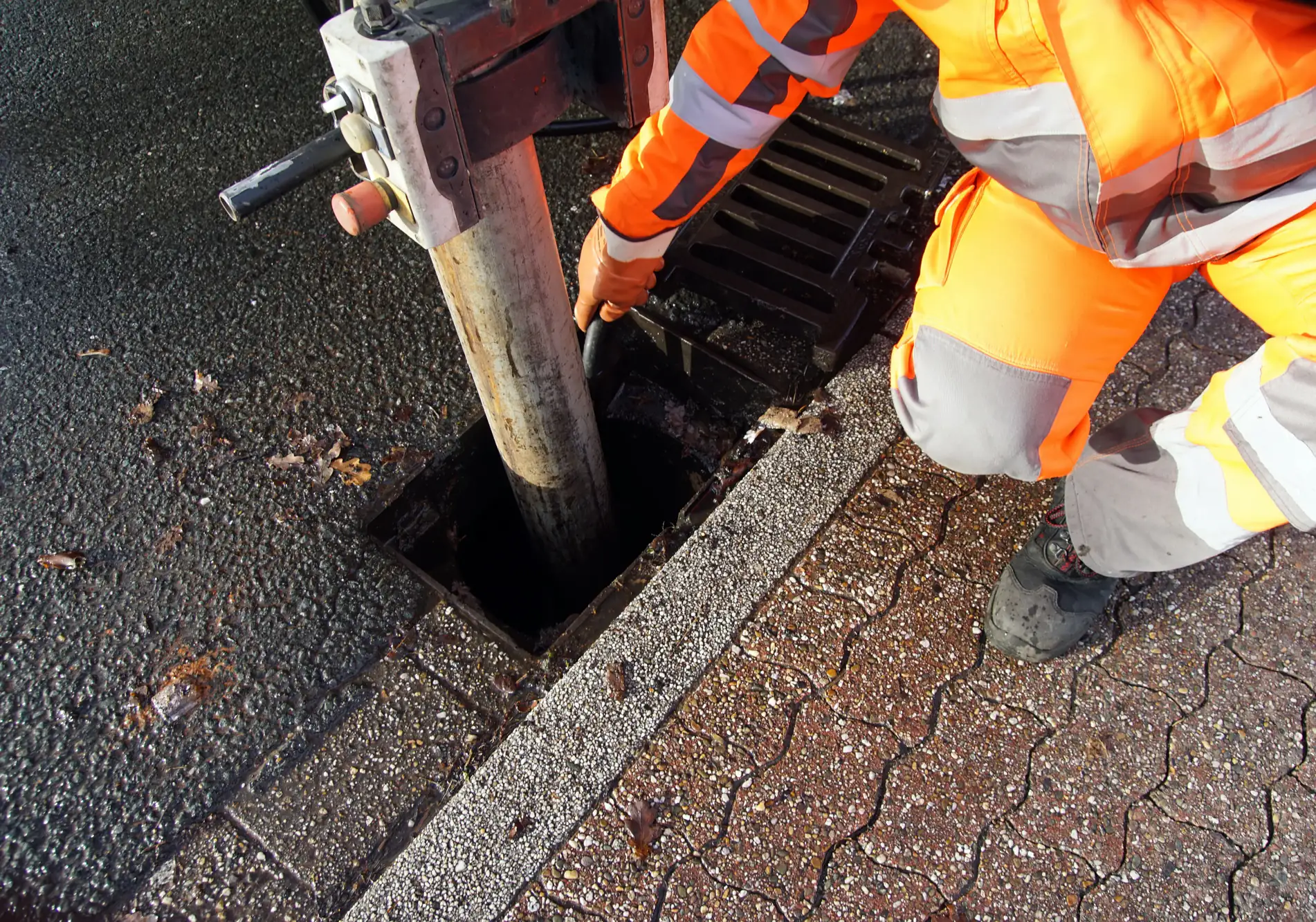
A slow drain feels like a minor annoyance until it backs up completely and in Coloma, where your nearest hardware store or emergency plumber isn’t around the corner, that distinction matters. Getting your main sewer line properly cleaned means your drains move freely, your toilets flush without hesitation, and you’re not holding your breath every time someone runs the dishwasher and the shower at the same time.
For properties in the Coloma Valley, there’s a layer to this that suburban homeowners don’t have to think about. The hillside terrain and shifting foothill soils put real stress on underground pipe joints over time. Add the root systems from the mature valley oaks and riparian trees lining the South Fork corridor, and you’ve got a combination that quietly works against older clay and cast iron lines year after year. A clean line isn’t just about flow it’s about catching root intrusion and buildup before it turns into a $3,000-plus excavation job.
Coloma’s wet winters make timing matter too. Heavy rainfall saturates the soil around your sewer line, which increases pressure on any crack or weak joint already in the pipe. Getting your line cleaned and inspected before the rainy season starts is one of the most practical things you can do for a property out here and it costs a fraction of what a backup or a line failure will run you.
We’ve been serving El Dorado, Sacramento, and Placer County since the early 2000s. That means we’ve worked on the older homes along Highway 49 in Coloma, dealt with clay pipe failures in foothill terrain, and responded to emergency calls in the canyon when the weather turned. We hold a 4.7 out of 5 rating across 93 verified Google reviews, and the feedback that comes up most consistently is straightforward: we show up when we say we will, we quote the price before we start, and we follow up after the job to make sure everything held.
We’re a licensed C-36 plumbing contractor under the California Contractors State License Board. That matters here because El Dorado County requires permitted work to meet the California Plumbing Code, and unpermitted sewer repairs can create real problems if you ever go to sell your property. You’re not just hiring someone to snake a drain you’re protecting an investment in one of the most historically distinct communities in the state.

It starts with a call and if you’re dealing with an active backup or sewage smell, that call can happen at any hour. We offer 24/7 emergency response because sewer problems in a rural canyon community don’t wait for Monday morning. Once we’re on-site, the first thing we do is run a camera through the line. You see what we see root intrusion, buildup, a cracked joint, or nothing serious at all. That camera footage is the foundation of every recommendation we make, and it’s what keeps the process honest.
If the line needs cleaning, we clear it using the right method for what’s actually in there. Depending on what the camera shows, that may mean mechanical snaking to break through a blockage or hydro jetting to flush out years of buildup from the pipe walls. For Coloma properties with older clay or cast iron lines which are common in established El Dorado County foothill communities we take care not to use pressure or force that could stress already-compromised pipe material.
Before any work begins, you get the full cost. Not a range, not an estimate that grows once we’re already in your yard the actual number. Several of our customers have noted their final invoice came in below what we originally quoted. After the job is done, we follow up to confirm everything is working as expected. In a community this size, that kind of accountability isn’t optional it’s the standard.
Ready to get started?
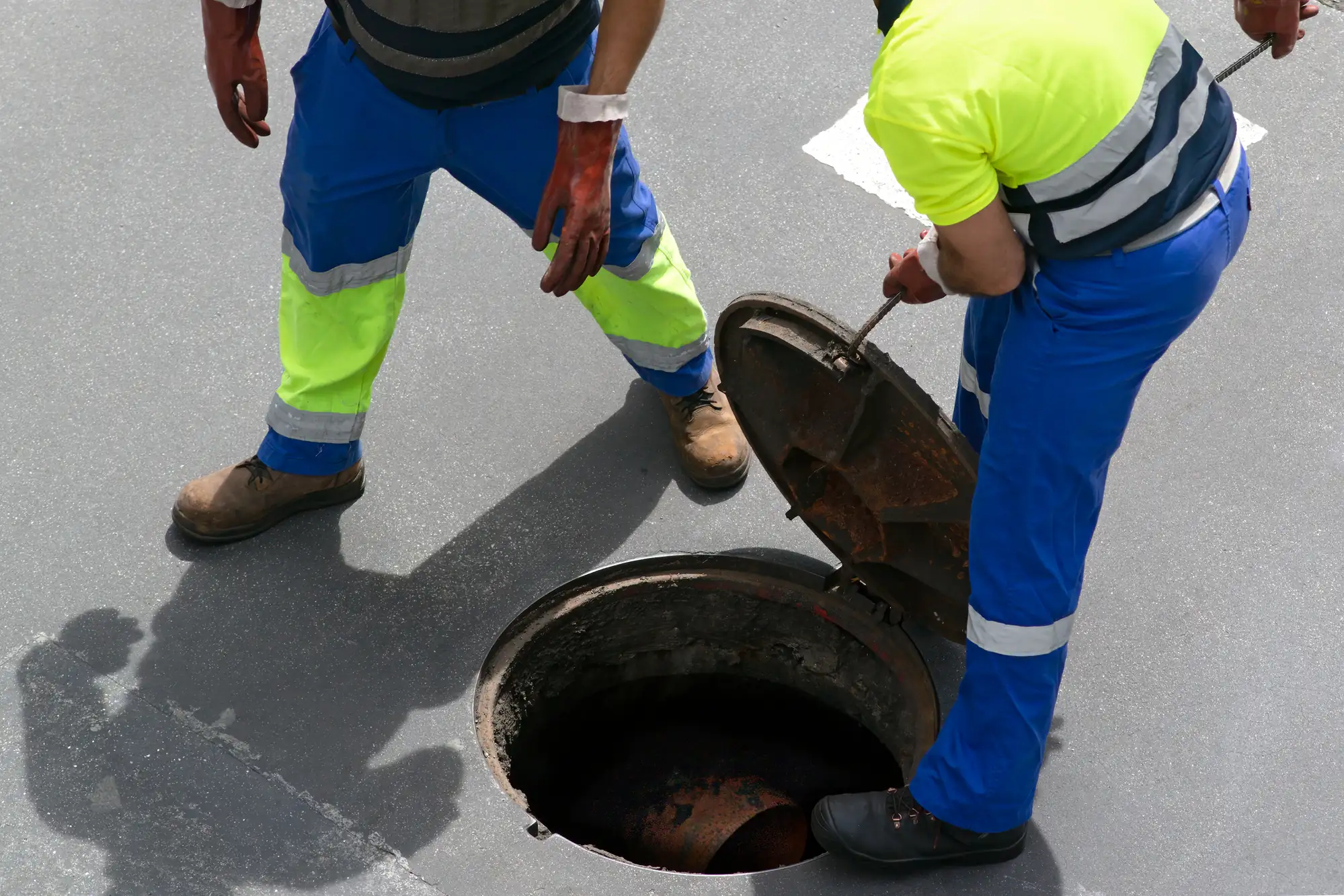
Every sewer cleaning job starts with a video camera inspection of the main line. This isn’t an upsell it’s the only way to know what you’re actually dealing with before recommending a solution. For Coloma properties, that inspection often reveals root intrusion from the mature native trees common throughout the Coloma-Lotus Valley, or joint separation in older clay lines that have been moving with the hillside soil for decades. You see the footage. You understand what’s there. Then you decide.
From there, the cleaning itself is matched to what the camera found. Mechanical snaking handles most standard blockages. For heavier buildup or lines that haven’t been serviced in years, hydro jetting uses high-pressure water to clear the pipe walls completely no residue, no partial fix. Both methods are available depending on your line’s condition and age. If your property is on a private septic system rather than a county sewer connection which applies to many parcels in unincorporated Coloma we’ll make sure the scope of work is appropriate for your specific setup and compliant with El Dorado County’s Environmental Management requirements.
If the inspection turns up something beyond routine cleaning a collapsed section, significant root damage, or a failing joint we’ll tell you plainly what it is, what it will cost to fix, and what happens if you leave it. No pressure. Just the information you need to make a call that makes sense for your property.
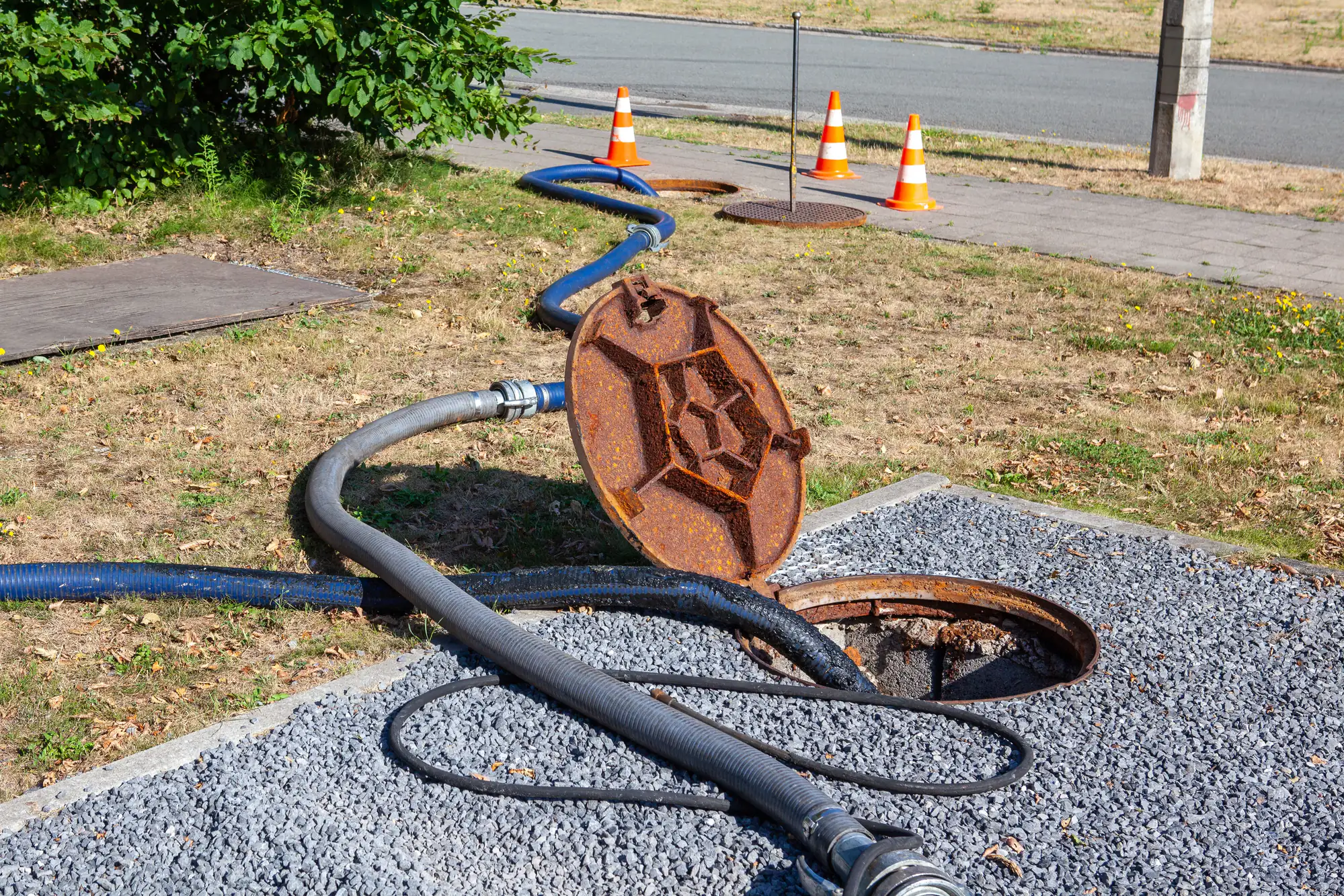
The most common signs are slow drains in multiple fixtures at the same time, a gurgling sound from your toilet when you run the sink, sewage odors coming from drains, or water backing up into a tub or shower when you flush. If it’s just one slow drain, that’s usually a localized clog. When multiple fixtures are sluggish or backing up at once, the problem is almost always in the main sewer line.
In Coloma specifically, there are a couple of conditions worth knowing about. The mature trees throughout the Coloma Valley valley oaks, gray pines, and the riparian species along the South Fork have root systems that actively seek moisture, and older clay or cast iron sewer lines have joints that roots can penetrate over time. If your home was built before the 1980s, there’s a real chance your line has seen some level of root intrusion, even if you haven’t had a full backup yet. A camera inspection will tell you exactly what’s in there.
For a standard main sewer line cleaning, most homeowners in the El Dorado County area pay somewhere in the range of $250 to $500 depending on the length of the line, the method used, and what the camera inspection reveals beforehand. Hydro jetting which is more thorough and better suited for heavily built-up lines typically runs higher than mechanical snaking, and that’s reflected in the quote.
What matters more than the cleaning cost is understanding what you’re avoiding. Sewer line replacement averages over $3,000 nationally, and in a rural foothill area like Coloma where access is more complex and job logistics take longer, that number can go higher. Routine cleaning every 18 to 24 months is genuinely one of the most cost-effective maintenance habits a property owner out here can have. We quote the full price before starting no surprises, no charges that weren’t discussed upfront.
Coloma is an unincorporated community governed by El Dorado County, not a city with its own municipal utility. Many properties in and around Coloma rely on private septic systems rather than a centralized sewer main especially parcels on the hillsides and in the broader Coloma Valley outside the immediate Highway 49 corridor. Whether your property connects to a sewer line or uses a septic system affects what kind of service you need and who regulates it.
For properties on private septic, El Dorado County’s Environmental Management Department oversees the rules around installation, repair, and maintenance of private sewage disposal systems. For properties that do connect to a sewer line, the California Plumbing Code applies, and any work valued at $500 or more requires a licensed C-36 contractor. If you’re not sure which setup your property has, that’s something we can help you figure out before any work begins it’s a common question for properties in this area, and it matters for getting the right service.
Yes and in Coloma, it’s one of the more common causes of sewer line problems we find during camera inspections. Root intrusion happens when tree roots follow moisture into small cracks or loose joints in a sewer pipe. Once inside, they grow and expand, eventually restricting flow or causing a full blockage. The older the pipe material, the more vulnerable the joints are clay and cast iron lines, which are common in established El Dorado County foothill communities, are significantly more susceptible than modern PVC.
The tree cover throughout the Coloma-Lotus Valley makes this a real and recurring issue. Valley oaks, blue oaks, and the riparian species along the South Fork American River have extensive root systems, and properties with mature trees near the sewer line should be inspected more frequently than the average suburban home. Catching root intrusion early when it’s a tendril rather than a full blockage means the fix is a cleaning, not a repair. Waiting until the line backs up usually means a more involved job.
Winter is actually when we see the most emergency calls from the Coloma area and there are a few reasons for that. The canyon location creates what’s called cold air drainage, where cold air from the surrounding hills settles on the valley floor. That microclimate makes Coloma colder at ground level than the surrounding region, which increases the risk of pipe freezing and cracking in lines that aren’t well insulated or that run through exposed areas.
Beyond freeze risk, Coloma’s wet winters bring heavy rainfall that saturates the soils around underground pipes. That added hydrostatic pressure forces water into any existing crack or weak joint, which can turn a minor issue into a backup fast. If your line already has some root intrusion or aging joints which is common in older Coloma properties a wet winter can be the thing that pushes it over the edge. Getting your sewer line inspected and cleaned in the fall, before the rainy season, is the most straightforward way to avoid an emergency call in January.
For most residential properties, every 18 to 24 months is a reasonable baseline. But for older homes in Coloma particularly those built before the 1980s with clay or cast iron lines annual inspections make more sense, especially if you have mature trees near the line or if the property sits on sloped terrain where soil movement is a factor.
The honest answer is that frequency depends on what your line looks like. A camera inspection gives you a real baseline if the line is clean and the joints are solid, you can stretch the interval. If there’s early-stage root intrusion or buildup starting to accumulate on the pipe walls, you want to stay on top of it before it becomes a problem that requires more than cleaning. Coloma properties have specific conditions older infrastructure, foothill soils, significant tree cover, and a wet winter season that collectively put more stress on underground pipes than a newer home in a flat suburban area. Treating maintenance accordingly protects the property and keeps costs predictable.
Our Locations
From the foothills to the valley, Murray Plumbing has a licensed team close by. Find the office nearest you — we’re open 24 hours a day, 7 days a week.