
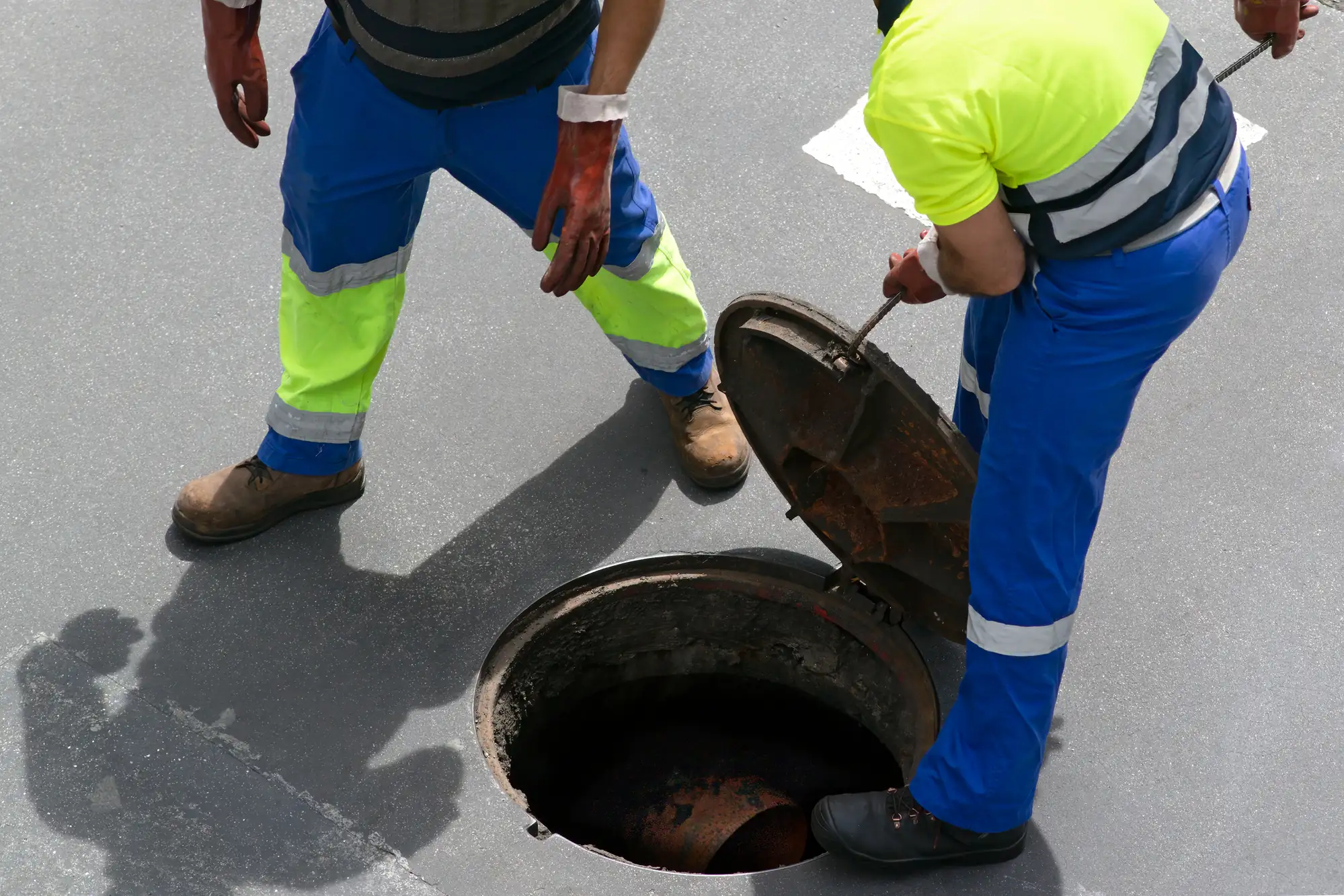
Sewer Cleaning
Get a free quote for sewer cleaning from your local plumbing team.
We’ll contact you about your sewer cleaning request. Privacy policy
Hear from Our Customers

Slow drains stop being something you work around. Backups stop catching you off guard on a Saturday night. And that low-grade anxiety about what’s happening underground in pipes that may have been in the ground since the 1940s finally has an answer instead of a question mark.
For Courtland homeowners, the stakes are a little higher than they are in a newer Sacramento suburb. The housing stock here hasn’t seen significant development in nearly 90 years. That means a lot of original clay tile and cast iron sewer laterals are still doing their job barely. Delta peat and clay soil shifts with the seasons, and that movement stresses buried pipes at every joint. Add in decades of mature pear tree and orchard root growth pushing toward any pipe that carries warm water, and you’ve got conditions that make regular professional sewer line cleaning less of a recommendation and more of a necessity.
Getting your main sewer line professionally cleaned means you’re not waiting for a catastrophic backup to find out what’s actually going on down there. It means smaller problems get caught before they become a $3,000-plus replacement. And it means you’re not calling someone at midnight from a community where SR-160 is the only road in.
We’ve been serving Sacramento County homeowners for more than 24 years. Not a franchise. Not a call center with a local number. A real contractor whose technicians have been working in communities along this stretch of the county including the Delta corridor along SR-160 where Courtland sits long enough to know what the ground does to pipes here and what aging infrastructure actually looks like up close.
That experience matters in a town like Courtland. When you call us, you’re not explaining Delta soil conditions to someone reading from a script. You’re talking to people who’ve seen what happens to 80-year-old clay laterals in levee-protected river communities. We’ve worked near the River Delta Joint Unified School District, out on rural parcels past the Courtland Market, and everywhere in between.
Our 4.7 out of 5 rating from 93 verified Google reviews reflects what customers actually say: we showed up on time, we were upfront about the cost, and we followed up after the job to make sure everything was still working. That last part is rare enough that customers specifically call it out.

It starts with a real assessment, not an assumption. When we arrive at your Courtland property, the first step is understanding what you’re actually dealing with. That means asking the right questions about your drain history, your property age, and whether you’ve noticed any slow drains, gurgling sounds, or backups and then backing that conversation up with a camera inspection if the situation calls for it. For a home built before 1950 on Delta soil with mature trees nearby, it usually does.
Once the line is scoped, you get a clear picture of what’s causing the problem whether that’s a root intrusion from the orchard trees common to this area, years of grease and mineral buildup on aging pipe walls, a joint that’s shifted from ground movement, or something else entirely. You’ll know what it is before any work begins, and you’ll know the cost before anyone picks up a tool. No surprises on the invoice.
From there, the cleaning itself is matched to what the camera actually found. A straightforward clog might call for mechanical snaking. A line with years of buildup, root tendrils, or scale on the walls calls for hydro jetting high-pressure water that scours the full interior of the pipe, not just punches a hole through the blockage. After the work is done, we follow up to confirm everything is draining the way it should. Sacramento County’s plumbing code applies to all work here, and any permitted work is handled accordingly.
Ready to get started?
Professional sewer cleaning from us isn’t a one-size approach. What you get depends on what your line actually needs and in Courtland, that assessment carries more weight than it does in a newer development. Most homes here are working with original sewer laterals, Delta-area soil conditions, and root systems from trees that have been growing for half a century or more. Our service is built around that reality.
A standard main sewer line cleaning includes a thorough diagnostic review, mechanical cleaning or hydro jetting based on what’s found, and a post-service check to confirm the line is fully clear. If a camera inspection reveals a more serious issue a collapsed section, significant root intrusion, or a joint that’s shifted out of alignment from soil movement you’ll get a straight answer about what it means and what it would take to fix it. No pressure, no manufactured urgency.
For Courtland properties on rural parcels or Sutter Island that may be on a septic system rather than a municipal sewer connection, the same diagnostic and cleaning approach applies to the lateral and accessible drain lines. Sacramento County requires a CSLB-licensed contractor (C-36) for any plumbing work over $500 we carry that license, and it’s verifiable through the state’s online lookup tool. Properties near the Sacramento River levee system with any excavation component may involve coordination with Sacramento County’s water resources department, and we’re familiar with those requirements.
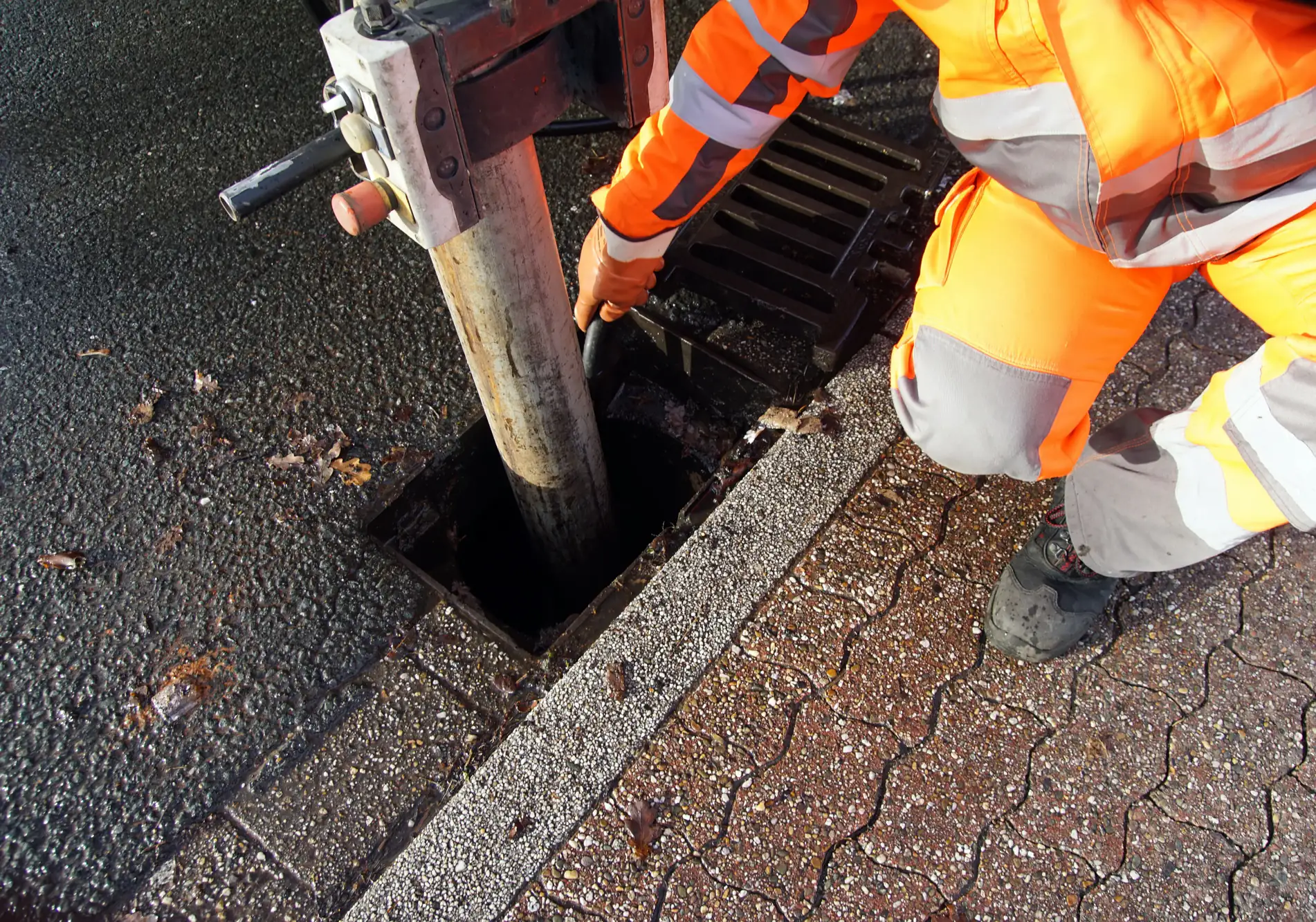
For most households, professional sewer line cleaning every 18 to 24 months is the standard recommendation. But that interval assumes relatively normal conditions newer pipes, limited tree coverage, stable soil. Courtland doesn’t check many of those boxes.
If your home was built before 1960, has mature pear or orchard trees nearby, or sits on Delta clay and peat soil that shifts seasonally, annual cleaning is a more realistic maintenance schedule. These conditions aging clay laterals, aggressive root systems, and ground movement that stresses pipe joints are common throughout Courtland and the surrounding Delta corridor. If you’ve had a backup or a slow drain in the last few years, that’s a signal your line needs attention now, not at the next scheduled interval. A camera inspection will tell you exactly where things stand.
Yes and in Courtland specifically, this is one of the most common causes of recurring sewer line problems. Pear trees, like most fruit trees, have root systems that actively seek out water and nutrients. Sewer lines which carry warm, nutrient-rich wastewater are a primary target. Once a root finds a small crack or a slightly open joint in an aging clay pipe, it grows into the line and expands over time.
The trees surrounding Courtland properties aren’t young. Many have been in the ground for 50 to 100 years, which means their root systems are fully established and deeply spread. A line that was fine five years ago may have significant root intrusion today. The fix isn’t just snaking that only clears the immediate blockage. Hydro jetting removes the root tendrils and buildup from the pipe walls, and a camera inspection afterward confirms the line is clear and shows whether the pipe itself has been damaged at the intrusion point.
Drain snaking uses a mechanical auger to physically break up or pull out a clog. It’s effective for simple, localized blockages a wad of debris caught at a specific point in the line. What it doesn’t do is clean the pipe walls. If there’s grease buildup, mineral scale, or root tendrils coating the interior of the pipe, a snake punches a hole through the problem without actually solving it. That’s why some homeowners find themselves calling again six months later with the same issue.
Hydro jetting uses high-pressure water to scour the full circumference of the pipe walls, joints, and all. It removes buildup that’s been accumulating for years, flushes out root material, and leaves the pipe significantly cleaner than a snake can. For older homes in Courtland with clay or cast iron laterals that haven’t been professionally maintained in a while, hydro jetting is usually the more thorough and longer-lasting solution. Which method is right for your line depends on what the camera inspection shows that’s always the starting point.
Professional sewer cleaning typically runs between $250 and $600 for a standard main line cleaning, depending on the method used and the condition of the line. Hydro jetting, which is more thorough and better suited to older pipes with buildup or root intrusion, generally falls toward the higher end of that range. Camera inspection, if needed as a standalone diagnostic, is typically an additional cost though it’s often the most valuable part of the service for an older Delta-area home.
To put that in perspective: the average cost of sewer line replacement is $3,070 or more. For a Courtland property with aging clay laterals and established root systems nearby, the gap between “clean the line now” and “replace the line later” can be significant. We give you the exact cost before any work begins no estimates that balloon into something else once the job is underway. What we quote is what you pay.
It does, and it’s one of the more overlooked factors for homeowners in this part of Sacramento County. The Sacramento-San Joaquin Delta sits on peat and clay soils that are known for subsidence gradual sinking as well as seasonal expansion and contraction as moisture levels change. Some areas of the Delta sit as much as 25 feet below sea level. That kind of ground movement puts stress on buried pipes at every joint and transition point, particularly in older clay tile lines where joints aren’t sealed as tightly as modern materials.
Over time, this can cause joint misalignment, small cracks that allow root intrusion, and partial blockages that worsen gradually without any obvious surface symptoms. A homeowner might not notice anything wrong until a slow drain turns into a full backup usually during the wet season when the water table rises and the ground shifts. A camera inspection is the only way to see whether soil movement has affected your line’s alignment or integrity, and it’s a reasonable precaution for any Courtland home that hasn’t been inspected in several years.
For a Courtland property, a pre-sale or pre-purchase sewer inspection and cleaning is genuinely worth doing not as a formality, but because the risk profile here is different from a newer home in a Sacramento suburb. You’re looking at housing stock that in many cases hasn’t seen significant updates in decades, original sewer laterals that may be 70 to 90 years old, and soil conditions that have been working on those pipes the entire time.
For a buyer, a sewer scope inspection before closing tells you what you’re actually inheriting. A line with significant root intrusion or a shifted joint is a negotiating point or a reason to walk away. For a seller, having the line professionally cleaned and inspected before listing removes a common source of last-minute surprises during escrow. Either way, the cost of the service is a fraction of what a post-purchase sewer line replacement would run. We serve the Courtland area and can schedule both inspection and cleaning as part of the same visit.