
Main Office
Placerville
Open 24/7- 4330 Panorama Dr, Unit 36
Placerville, CA 95667 - (530) 444-5419
- Open 24 hours, 7 days a week
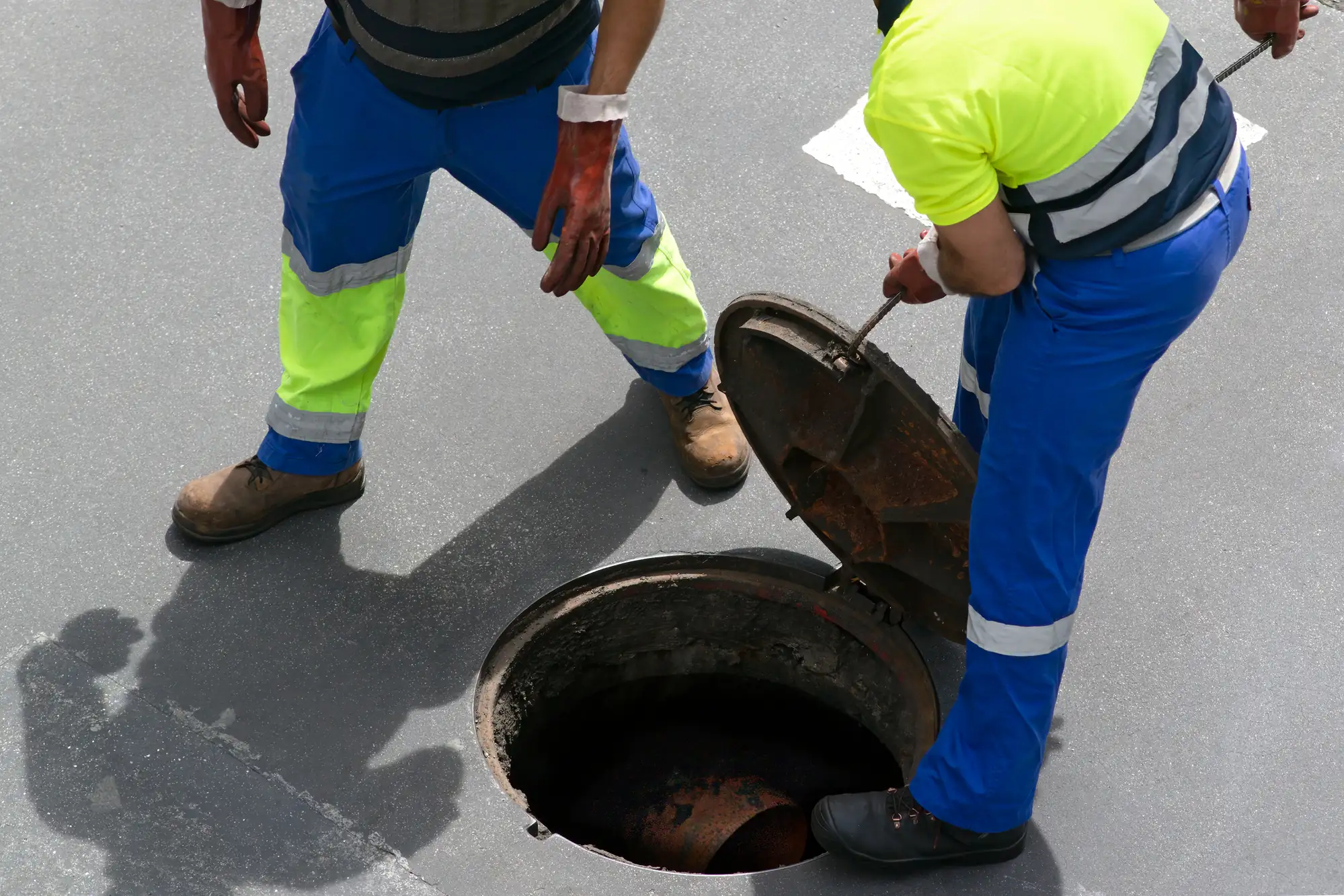
Sewer Cleaning
Get a free quote for sewer cleaning from your local plumbing team.
We’ll contact you about your sewer cleaning request. Privacy policy
Hear from Our Customers
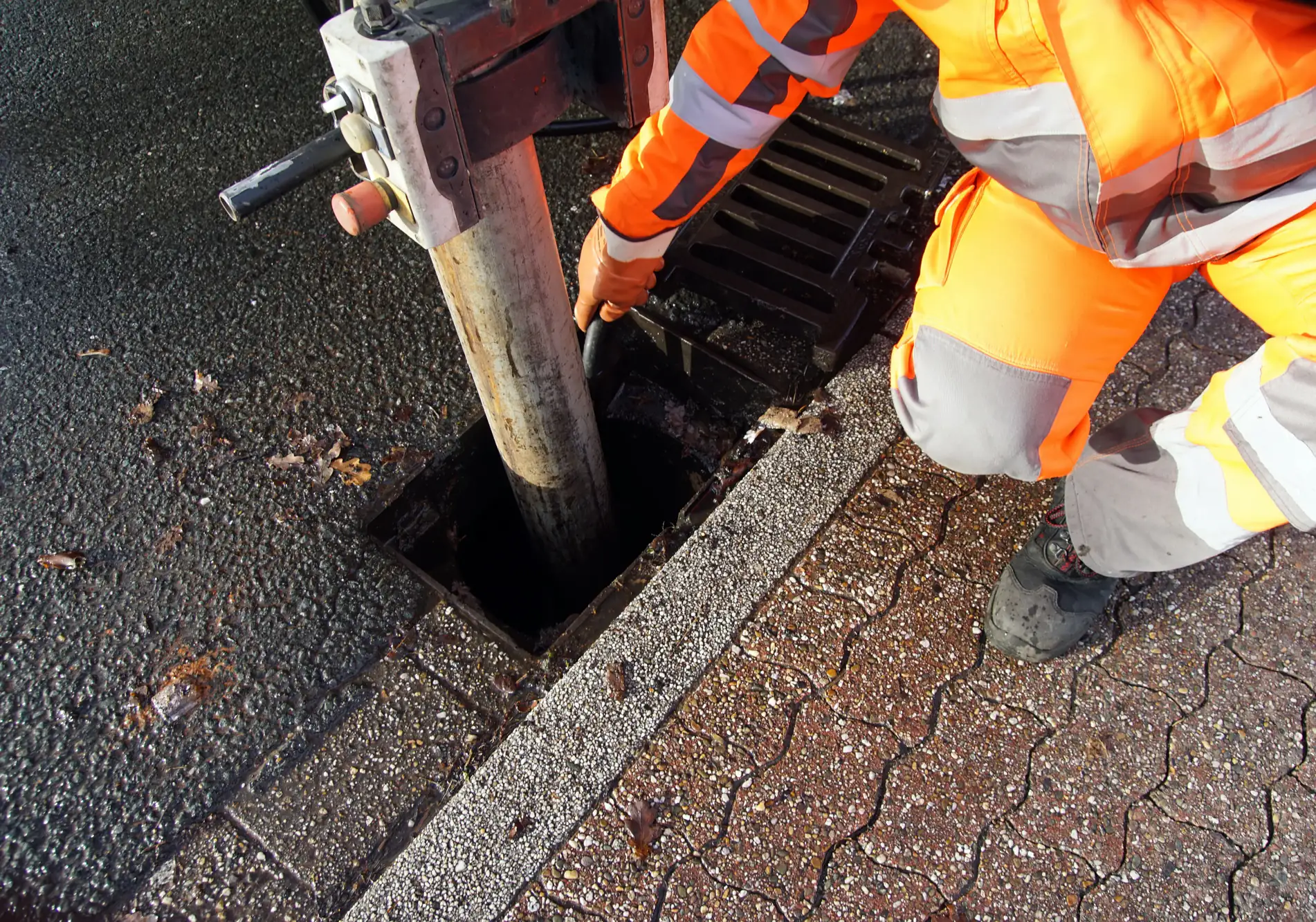
When your sewer line is actually clean not just punched through, but fully cleared your drains run the way they’re supposed to. No slow sinks. No sewage smell creeping up from the floor drain. No moment of panic when the first heavy rain of the season hits and you realize the partial blockage that’s been building all summer just became a full backup.
That’s the real outcome here. Not a service call. Not a technician showing up with a snake and calling it done. A sewer line that works for the next 18 to 24 months, confirmed by camera so you can see it yourself.
For Diamond Springs homeowners specifically, that matters more than it does in newer communities. A lot of homes along Pleasant Valley Road and the surrounding neighborhoods were built when clay pipe was the standard material and those pipes are now 50 to 60 years old. Add the root systems of mature valley oaks and ponderosa pines actively seeking moisture underground, and you’re dealing with a combination that requires real attention, not a quick fix. At 1,791 feet elevation, the freeze-thaw cycling this area sees through winter adds another layer of stress that flat Sacramento Valley homes simply don’t experience. Getting a proper cleaning done means you’re ahead of all of it.
We’ve been serving Diamond Springs and the surrounding El Dorado County area since 1999. That’s not a marketing number it means we’ve been on these streets, under these oaks, and inside these aging clay laterals for over two decades. We know what foothill plumbing actually looks like, and we don’t show up guessing.
Every job starts with a clear quote before any work begins. That’s not a policy we invented recently it’s how we’ve operated from the start, and it’s why customers mention it in reviews without being asked. A few have even noted the final invoice came in lower than the original estimate. That doesn’t happen by accident.
With a 4.7 out of 5 rating across 93 Google reviews, the track record speaks for itself. We’re licensed, we show up when we say we will, and we follow up after the job to make sure everything is actually working. For a homeowner in Diamond Springs where your options are more limited than in a dense city that kind of reliability isn’t a bonus. It’s the whole point.

It starts with a call any time of day or night, because sewer problems don’t schedule themselves around business hours. You describe what you’re seeing, and we give you a straight answer about what’s likely going on and what it will cost before we head out. No open-ended estimates. No “we’ll see when we get there.”
When we arrive, the first step is a camera inspection of your main sewer line. You see exactly what we see whether that’s a root mass from one of the oaks on your property, grease and debris buildup, a crack in an aging clay segment, or a combination of all three. For homes in Diamond Springs built before 1980, this step almost always tells the real story. We don’t skip it and we don’t use it to scare you into a repair you don’t need.
Once we know what we’re dealing with, we clear the line using the right method for the specific condition mechanical clearing, hydro jetting, or a combination depending on what the camera showed. After the line is clean, we run the camera again to confirm. The job isn’t done until the line is actually clear, not just flowing. Because in a foothill community where the next rainy season is always coming, “mostly clear” isn’t good enough.
Ready to get started?
Diamond Springs isn’t a new suburb with fresh PVC lines and young landscaping. It’s an older foothill community governed by El Dorado County, served by the El Dorado Irrigation District for public sewer, and full of homes that have been sitting on clay or cast iron laterals since the Eisenhower era. The sewer cleaning service we provide here is built around that reality.
That means camera inspection is standard not an upsell. It means we account for the rocky, clay-heavy Sierra foothill soils that shift seasonally and stress pipe joints in ways that flat valley ground doesn’t. It means we understand that the oak and ponderosa pine roots on your property aren’t going anywhere, so the goal isn’t just clearing the line once it’s giving you accurate information about the condition of your pipe so you can make a real decision about maintenance going forward.
For properties connected to the EID sewer system, any work involving the connection point to the public main is handled in coordination with county and district requirements no shortcuts, no surprises later. Routine cleaning on your private lateral typically doesn’t require a permit, but if the camera reveals something that needs repair, we walk you through exactly what’s involved before anything is scheduled. You stay informed at every step, and you’re never handed a bill for work you didn’t agree to.

The most common signs are slow drains in multiple fixtures at the same time, gurgling sounds coming from your toilet when you run the sink, sewage odor near floor drains, or a drain that backs up when you use another fixture on the same line. Any one of those points to a mainline issue, not just a clogged individual drain.
In Diamond Springs specifically, there’s another scenario worth knowing: homes built in the 1960s and 1970s with mature oak or pine trees on the property should be inspected even if nothing obvious is happening yet. Root intrusion tends to build slowly roots enter through small joint gaps in aging clay pipe and grow gradually until they cause a full blockage. By the time you notice symptoms, the intrusion is usually significant. A camera inspection gives you a clear picture of what’s actually in the pipe before it becomes an emergency.
A drain snake is a long cable that punches through a blockage to restore flow. It’s useful for localized clogs close to a fixture, but it doesn’t clean the pipe walls, doesn’t remove the root tendrils that remain attached after the main mass is cleared, and doesn’t tell you anything about the condition of the line. Flow comes back, but the underlying problem is still there.
A full sewer line cleaning the kind that actually addresses what’s going on in Diamond Springs homes with aging clay laterals and active root systems involves clearing the entire main line, not just the immediate blockage. Depending on what the camera shows, we clear the line using mechanical methods, hydro jetting to flush the pipe walls clean, or both. The line gets inspected before and after so you know the job was done completely, not just enough to get water moving again.
For most households, every 18 to 24 months is a reasonable baseline. But that’s a general guideline the right interval for your specific home depends on factors that are especially relevant in Diamond Springs: the age of your pipes, what species of trees are growing on or near your property, and whether past inspections have shown root intrusion or buildup.
If you’re in a home built before 1980 with mature oaks or pines on the lot, annual cleaning and camera inspection is worth considering. Those root systems are persistent, and once they’ve found a way into your lateral, they come back. On the other hand, if a recent camera inspection showed a clean, intact line with no intrusion, you can reasonably extend the interval. The camera takes the guesswork out of it instead of scheduling on a fixed calendar, you’re scheduling based on what’s actually happening inside your pipe.
No the El Dorado Irrigation District manages the public sewer main that runs under the street, but the sewer lateral connecting your home to that main is your responsibility as the homeowner. EID handles their portion of the system; everything from your house to the connection point at the main is on you.
This is a common point of confusion for Diamond Springs homeowners, especially those who’ve recently moved from areas where the municipality handles more of the infrastructure. If your sewer line backs up or needs cleaning, that’s a private plumbing issue not something EID will dispatch a crew to handle. Where EID does come into play is if any repair work involves the connection point itself, which may require coordination with the district. For routine cleaning and camera inspection of your lateral, you just need a licensed plumber.
Yes, and in Diamond Springs it’s one of the most common reasons homeowners call us. Valley oaks, blue oaks, and ponderosa pines all native to the Sierra Nevada foothills woodland that surrounds this community have extensive root systems that actively seek moisture underground. An aging clay sewer lateral with imperfect joints is exactly the kind of subsurface water source those roots will find, and once they enter through a small gap, they grow.
Left unchecked, root intrusion goes from a minor restriction to a full blockage, and in some cases it accelerates pipe damage to the point where cleaning alone isn’t enough and a section of line needs to be repaired or replaced. Catching it early through camera inspection during a routine cleaning is the difference between a manageable maintenance call and a multi-thousand-dollar repair. Sewer lateral replacement in El Dorado County averages $3,000 or more. Regular cleaning is significantly cheaper.
Stop using water in the house immediately every flush, every sink, every shower adds volume to a line that’s already blocked and increases the chance of sewage backing up into your home through floor drains or low-lying fixtures. If sewage has already surfaced inside, don’t try to clean it up yourself until the line is cleared, because the source hasn’t been addressed yet.
Call a plumber who offers 24/7 emergency service not one who will take a message and call back in the morning. We answer around the clock and dispatch to Diamond Springs at any hour, any day of the year. When we arrive, the camera goes in first so we know exactly what caused the backup before we start clearing. That matters because a collapse or a severe root intrusion needs to be handled differently than a grease buildup, and treating the wrong cause the wrong way wastes time and can make things worse. You’ll know what we found and what it costs before we do anything.
Our Locations
From the foothills to the valley, Murray Plumbing has a licensed team close by. Find the office nearest you — we’re open 24 hours a day, 7 days a week.