
Main Office
Placerville
Open 24/7- 4330 Panorama Dr, Unit 36
Placerville, CA 95667 - (530) 444-5419
- Open 24 hours, 7 days a week

Sewer Cleaning
Get a free quote for sewer cleaning from your local plumbing team.
We’ll contact you about your sewer cleaning request. Privacy policy
Hear from Our Customers
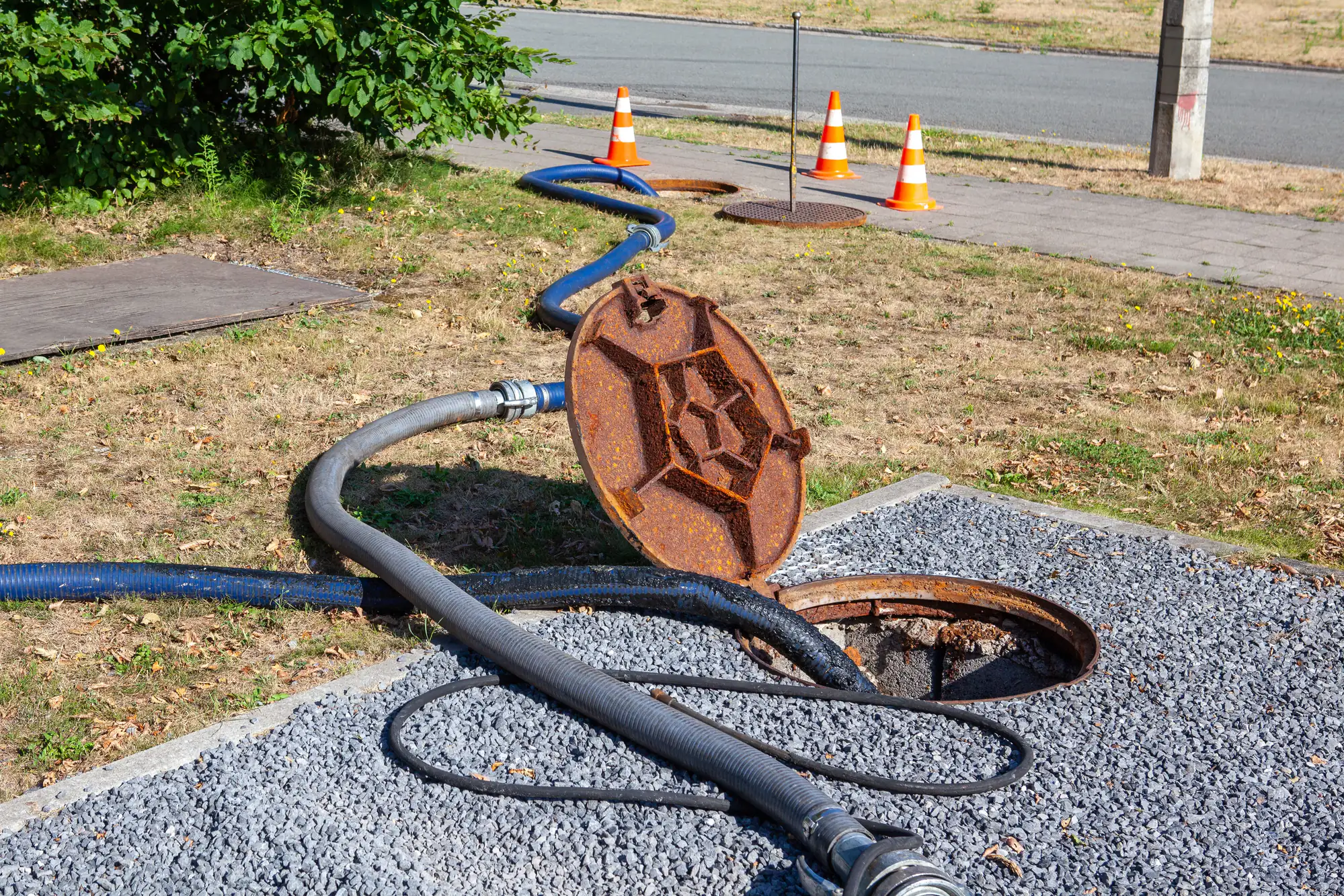
A slow drain in Hood isn’t always just a slow drain. When your home has been running on aging lateral lines some installed as far back as the 1960s and you’re now connected to a brand-new public sewer system for the first time, the gap between that old pipe and the new main is where most problems quietly build up. Grease, sediment, and root intrusion don’t announce themselves. They just keep narrowing the line until something backs up.
Hood’s landscape makes this more specific than most towns. The mature Bosc pear orchards surrounding residential properties aren’t just scenery their root systems are aggressive, and they actively seek out any moisture source they can find. Sewer laterals running through Delta soil, with its high groundwater and soft composition, are a prime target. Once roots get in through a joint or a hairline crack, they don’t stop growing.
Clean sewer lines mean drains that move freely, no sewage odors creeping into the house, and no emergency calls at 10 PM on a weekend. More practically, a line that gets maintained regularly is a line that doesn’t need to be replaced and sewer line replacement in Sacramento County averages over $3,000. A cleaning that runs $250 to $500 is a straightforward trade-off when you look at it that way.
We’ve been serving Sacramento County for over 24 years, with deep roots in communities like Hood, Courtland, and Freeport along Route 160. That’s not a tagline it means our team has worked through Delta soil conditions, aging rural housing stock, and the kind of plumbing situations that don’t show up in a textbook. Hood’s specific challenges aging laterals, orchard root pressure, high groundwater are situations we’ve handled hundreds of times.
We hold a 4.7 out of 5 rating across 93 verified Google reviews. Customers consistently mention that our tech showed up on time, explained what was actually wrong, and charged exactly what was quoted sometimes less. That last part isn’t common in this industry, and it matters especially in a community like Hood where trust is earned slowly and word travels fast.
When you call Murray Plumbing, you’re not getting a dispatch center routing a stranger to your door. You’re getting a licensed C-36 plumbing contractor with more than two decades of real Sacramento County experience and a track record that your neighbors have already verified.
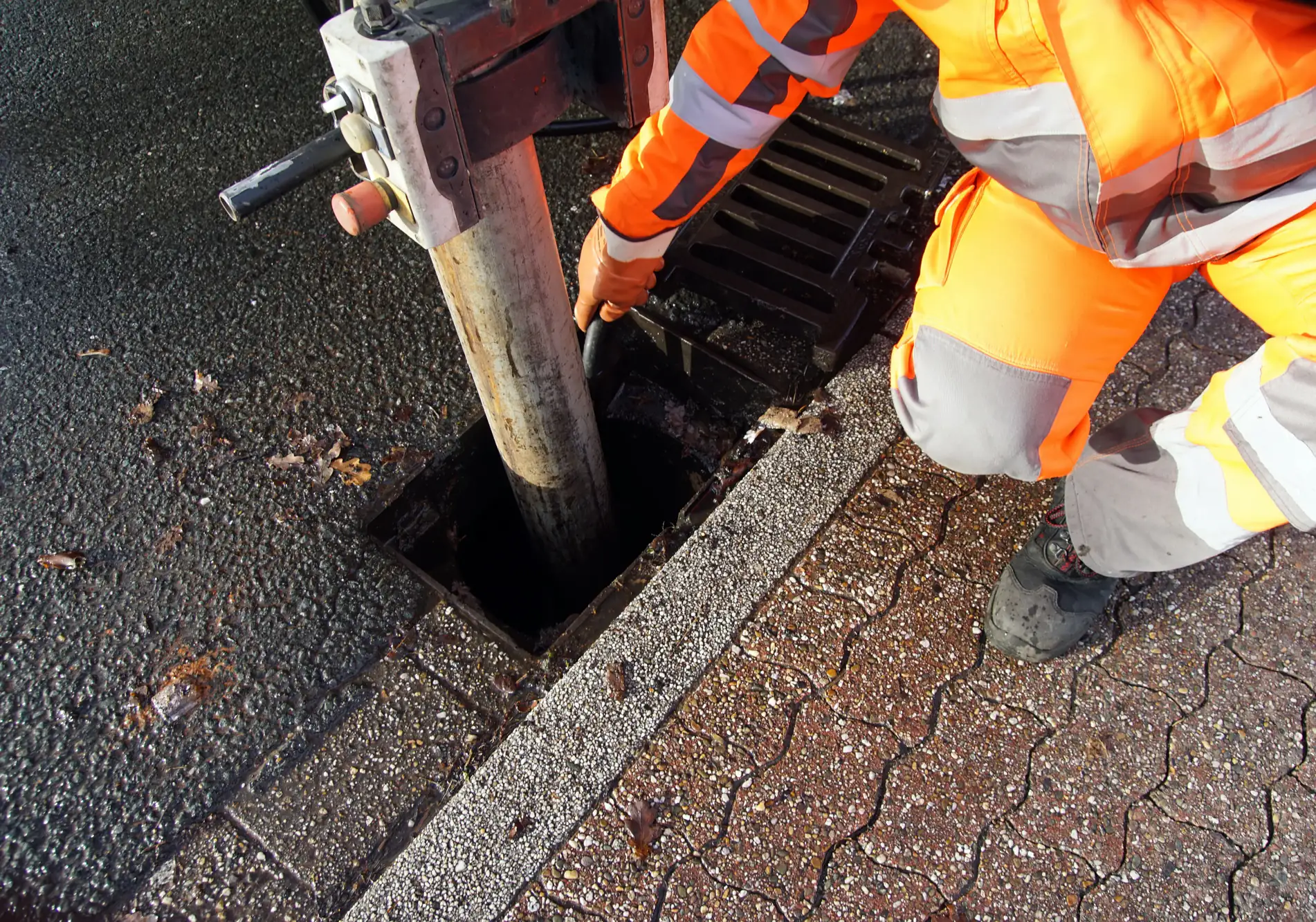
It starts with a camera inspection. Before any cleaning recommendation is made, a video camera goes into the line so you can see exactly what’s there root intrusion, grease buildup, sediment, joint separation, or a clean pipe that just needs a minor flush. In Hood specifically, where many homes were recently transitioned off septic systems and lateral connections may be decades old, this step isn’t optional. It’s how you avoid paying for work you don’t need or missing work you do.
Once the inspection confirms what’s going on, the cleaning method is matched to the actual condition of the pipe. Standard drain snaking handles straightforward blockages. For lines with heavier buildup, grease accumulation, or root intrusion which is common near Hood’s orchard properties hydro jetting uses high-pressure water to scour the pipe walls clean, not just punch a temporary hole through the clog. There’s a real difference between those two outcomes.
After the work is done, we give you a clear explanation of what was found and what was done. If there’s anything that needs monitoring or follow-up, you’ll hear about it directly not through a vague recommendation to “call back if it happens again.” Sacramento County’s wet season, which runs from roughly October through March, is when partially blocked lines tend to become full backups. Getting a cleaning done before that window is the most practical timing for Hood homeowners.
Ready to get started?
Main sewer line cleaning in Hood covers the full lateral running from your home to the public sewer connection the section that is entirely your responsibility to maintain once SacSewer’s infrastructure ends at the property line. That distinction matters because many Hood homeowners assume the new public system handles everything. It doesn’t. The lateral is yours, and in Hood’s Delta environment, it’s the section most exposed to root pressure, soil movement, and the kind of gradual buildup that goes unnoticed until there’s a backup.
Every sewer cleaning service we provide includes a video camera inspection of the line, a full assessment of what’s found, and a cleaning method selected based on actual pipe conditions not a one-size-fits-all approach. For homes near Hood’s pear orchards or properties with mature trees close to the lateral path, we evaluate root intrusion specifically. For older homes with clay or cast iron pipe, joint integrity is part of what the camera looks for. Hydro jetting is available for lines that need a thorough clean rather than a basic clearing.
We quote pricing upfront before any work begins. There are no fees added after the fact, and no pressure to approve work that isn’t necessary. For Hood residents navigating public sewer connections for the first time, that straightforward process makes a real difference. If you’re unsure what condition your lateral is in especially with potential construction disruption from the Delta tunnel project on the horizon a camera inspection is the clearest answer available.

Yes and this is one of the most common misunderstandings after the SacSewer Septic-to-Sewer transition in Hood. The new public infrastructure handles the main lines running under the street, but the lateral pipe connecting your home to that system is your responsibility. In many Hood homes, that lateral has been in the ground since the mid-20th century. The new public connection doesn’t change the condition of the pipe running from your house to the street.
What that means practically is that years of buildup, root intrusion from nearby orchard trees, and the natural wear of aging pipe joints are still present in your lateral even though your septic tank has been decommissioned. A camera inspection and cleaning gives you a clear picture of what’s actually there and whether it needs attention before a problem develops. Getting ahead of it now is significantly less expensive than dealing with a backup after the fact.
The general recommendation for most households is every 18 to 24 months, but Hood’s specific conditions push that toward the more frequent end of that range for a lot of properties. If your home is near mature pear orchards which describes a significant portion of Hood’s residential properties root intrusion into the lateral is an ongoing and seasonal risk, not a one-time event. Roots that are cleared in one cleaning will attempt to re-enter the line the following spring when growth accelerates.
Delta soil conditions also play a role. The high groundwater and soft peat-based composition of the land Hood sits on can accelerate joint movement in older pipes, creating new entry points for roots and sediment over time. If your home has a history of slow drains, has older clay or cast iron pipe, or sits close to large trees, annual cleaning is a reasonable baseline. A camera inspection after the first cleaning will give you a better sense of how quickly buildup returns in your specific line.
Snaking and hydro jetting both clear blockages, but they don’t produce the same result. A drain snake is a cable with a cutting head that breaks through a clog and creates an opening in the line. It works well for straightforward blockages and is the faster, lower-cost option. What it doesn’t do is clean the pipe walls grease, mineral scale, and root tendrils that are clinging to the interior of the pipe stay there after a snake passes through.
Hydro jetting uses high-pressure water to scour the entire interior surface of the pipe, removing buildup from wall to wall rather than just punching a hole through the obstruction. For Hood properties with root intrusion from orchard trees or older pipes that have accumulated years of grease and sediment, hydro jetting produces a meaningfully cleaner and longer-lasting result. It costs more upfront typically $350 to $600 compared to $150 to $400 for standard snaking but it extends the time before the next cleaning is needed and reduces the likelihood of a backup in the interim.
They can, and in Hood it’s one of the more common causes of sewer line problems. Mature fruit trees develop extensive root systems that actively seek out moisture, and sewer laterals even well-sealed ones represent a consistent moisture source underground. Roots enter through pipe joints, small cracks, or any point where the seal has degraded over time. Once inside, they don’t stop growing. What starts as a thin root tendril can develop into a dense mass that significantly restricts flow.
The orchards around Hood’s residential properties aren’t young trees. Many of these Bosc pear trees have been in the ground for decades, which means their root systems are well-established and extend well beyond the visible canopy. Properties where the lateral runs anywhere near orchard trees or mature landscaping trees are at elevated risk. A camera inspection will show whether roots have entered the line and how far they’ve progressed. Hydro jetting can clear them effectively, and knowing the entry point allows for a targeted approach to preventing re-entry.
Standard sewer line cleaning in Hood typically runs between $250 and $500 for most residential properties. Hydro jetting, which is a more thorough cleaning method suited to heavier buildup or root intrusion, generally falls between $350 and $600. A video camera inspection, which we recommend before any cleaning to accurately assess the line’s condition, is usually priced separately or bundled depending on the scope of the job.
A few things can affect where a specific job lands in that range. Older pipes which are common in Hood given the age of much of the housing stock may require more time or a different approach than newer PVC laterals. The distance from the house to the public main connection, the presence of root intrusion, and the degree of buildup all factor in. We quote the price before any work begins, so there are no surprises when the job is done. That upfront approach is something customers have specifically called out in reviews, and it’s the standard for every job regardless of scope.
Late summer through early fall roughly August through October is the most practical window for Hood homeowners. Northern California’s wet season runs from October through March, and that’s when high groundwater, saturated Delta soil, and heavy rainfall put the most stress on sewer laterals. A line that has a partial blockage or root intrusion going into that period is a line that’s likely to back up when conditions are at their worst.
Spring is when root growth is most aggressive, which means lines that weren’t cleaned before winter often show more intrusion by April or May. Scheduling a cleaning before the wet season starts means you’re going into the high-risk months with a clear line rather than hoping a partial blockage holds. Post-holiday is also a higher-demand period January tends to bring more mainline calls due to increased kitchen use through the holidays. Getting ahead of the seasonal cycle is the most cost-effective approach, and it’s a straightforward reason to schedule before the rains arrive rather than after.
Our Locations
From the foothills to the valley, Murray Plumbing has a licensed team close by. Find the office nearest you — we’re open 24 hours a day, 7 days a week.