
Placerville
Open 24/7- 4330 Panorama Dr, Unit 36
Placerville, CA 95667 - (530) 499-2223
- Open 24 hours, 7 days a week
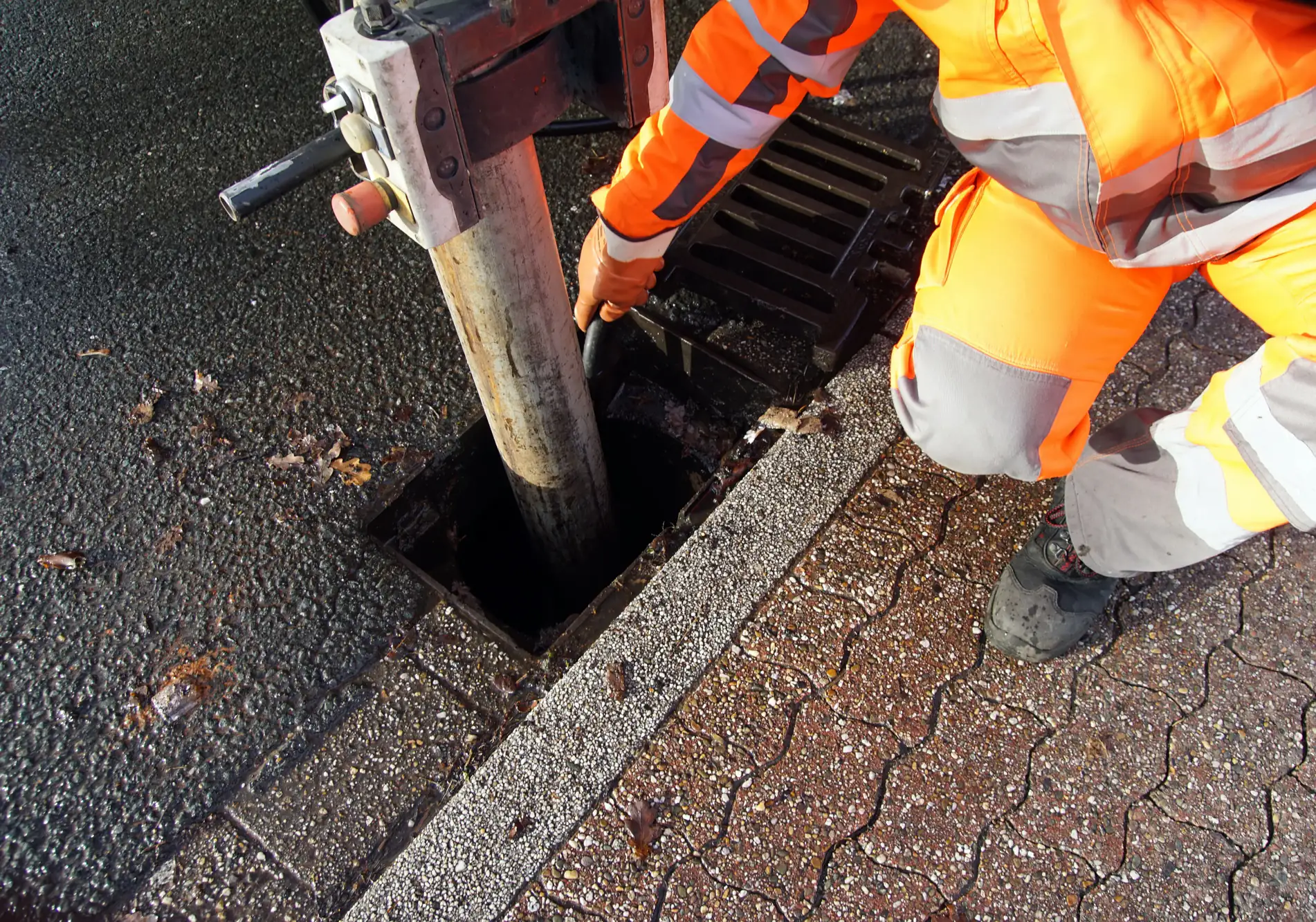
Sewer Cleaning
Get a free quote for sewer cleaning from your local plumbing team.
We’ll contact you about your sewer cleaning request. Privacy policy
Hear from Our Customers

When your sewer line is fully clear, everything downstream works the way it should. Toilets flush without hesitation, showers drain without standing water, and you stop holding your breath every time you run the dishwasher and the washing machine at the same time.
For homes in Little Pocket, the stakes are higher than most. The ranch-style homes along Riverside Boulevard were built primarily in the 1950s through the 1970s, which means the sewer pipes underneath them are between 50 and 70 years old. Clay tile and cast-iron don’t last forever. They crack at the joints, corrode from the inside, and give the roots from those mature oaks lining your street exactly the opening they need. A line that’s partially blocked in October can become a full backup by January when Sacramento’s rainy season saturates the soil and stresses those aging joints further.
Professional sewer cleaning in Little Pocket isn’t just about a drain that works today. It’s catching the root intrusion before it cracks the pipe entirely. It’s avoiding the $3,000-plus replacement cost that comes when a slow drain becomes a collapsed line. It’s protecting a home that represents a serious investment and keeping it that way.
We’ve been operating in Sacramento County for over 24 years. That’s not a marketing number it means our technicians have worked in homes just like yours, in Little Pocket and neighborhoods like it, and they already know what they’re likely dealing with before they pull a single tool from the truck. Postwar clay tile laterals, cast-iron drain stacks, high soil moisture near the river none of that is new to us.
We hold a CSLB C-36 Plumbing Contractor License, which is California’s legal requirement for plumbing work valued at $500 or more. We carry a 4.7 out of 5 rating across 93 verified Google reviews from Sacramento area homeowners. And we give you the price before work begins not a range, not an estimate that quietly grows once we’re already in your crawlspace.
Little Pocket is a tight-knit community. People here talk to their neighbors. We’ve built our reputation the same way one honest job at a time, starting with the truth about what’s actually going on inside your pipes.

It starts with a call. You describe what you’re seeing slow drains, gurgling sounds, a backup, or just a house that was built in 1963 and has never had the sewer line looked at. From there, we schedule a visit and give you a clear arrival window. Punctuality matters to us, and it’s one of the things our customers mention most in their reviews.
When we arrive, the first step is a camera inspection of the main sewer line. This is not optional, and it’s not an upsell it’s how we find out what’s actually happening inside the pipe before we recommend anything. You see the footage. If there are roots from one of your oak trees working through a cracked joint, you see the roots. If the line is clear except for a grease buildup near the kitchen, you see that too.
Once we know what we’re dealing with, we give you the price and explain what the cleaning will involve. For most Little Pocket homes, that means mechanical snaking to break up blockages, or hydro jetting to fully scour the pipe walls when buildup is more significant. Sacramento County permits are only required if we’re opening the ground or modifying your cleanout access routine cleaning does not require a permit. After the work is done, we run a final camera pass to confirm the line is clear, and we follow up to make sure everything is still working the way it should.
Ready to get started?
Every sewer cleaning job starts with a camera inspection, because cleaning a line without knowing what’s in it is guesswork. In Little Pocket, where the dominant pipe materials are clay tile and cast-iron from the postwar construction era, what we find matters. Root intrusion looks different than grease buildup. A cracked joint looks different than a full blockage. The camera tells us which problem we’re actually solving, and it tells you too.
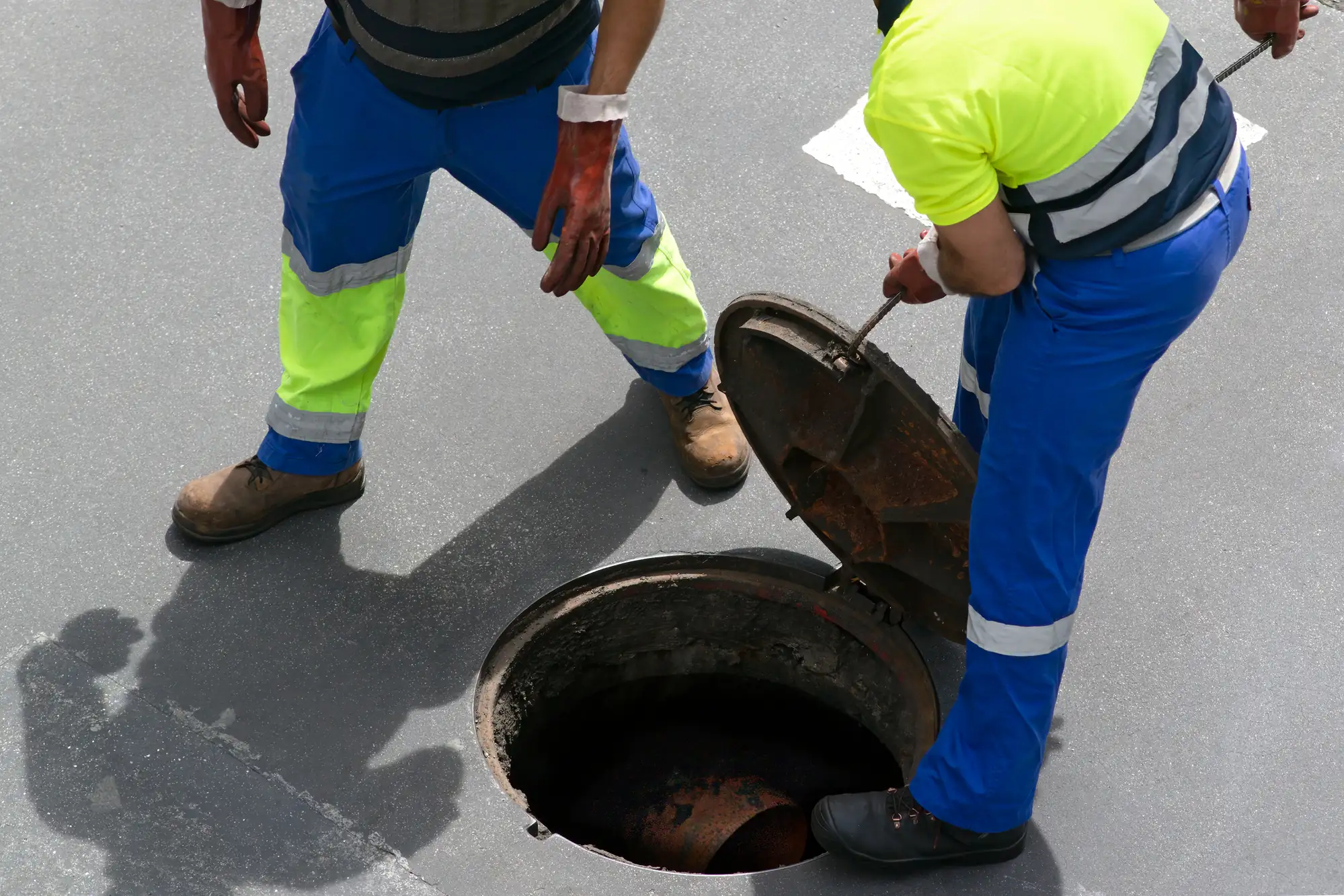
The cleaning itself depends on what we find. Mechanical snaking works well for moderate root intrusion and soft blockages. Hydro jetting which uses high-pressure water to scour the full circumference of the pipe wall is the better option when there’s significant buildup, heavy root growth, or a line that hasn’t been serviced in years. For a home in Little Pocket built in the 1960s with mature oaks on the property and a water table elevated by the Sacramento River, hydro jetting is often the more thorough and longer-lasting solution. We’ll tell you which approach fits your situation and why.
Sacramento County code also requires a backwater valve in buildings where the lowest plumbing fixture sits below the nearest upstream sewer manhole cover. Given Little Pocket’s low-elevation, riverside setting, this applies to more homes in this neighborhood than most homeowners realize. If your home doesn’t have one, we’ll let you know and we can handle that installation as well. Everything is quoted upfront, and the price you’re given is the price on the invoice.
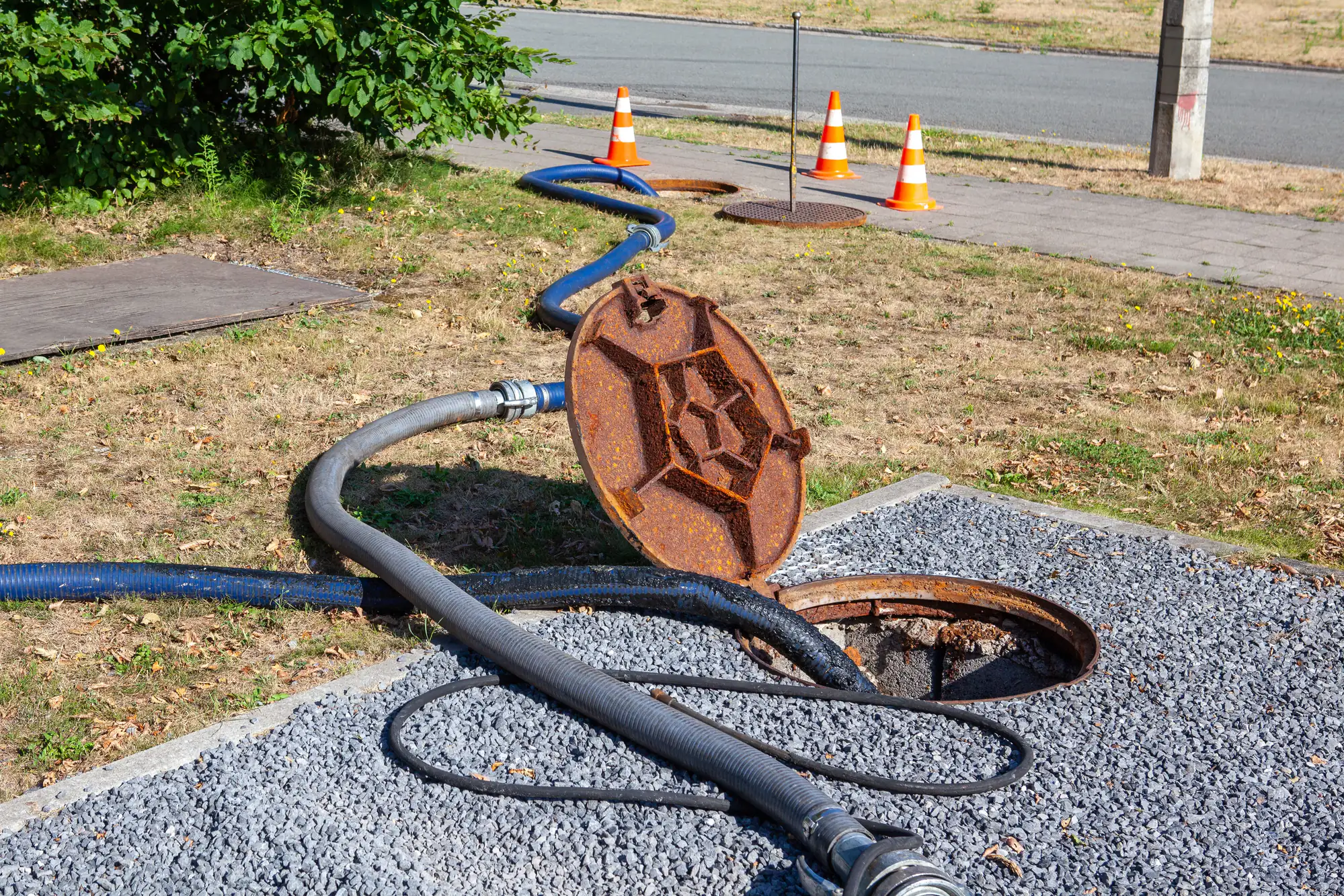
For most households, professional sewer line cleaning every 18 to 24 months is a reasonable baseline. But that interval shortens considerably when you factor in the specific conditions that define Little Pocket. Homes here were built primarily in the 1950s through the 1970s, which means clay tile or cast-iron sewer laterals that are now 50 to 70 years old. Those materials crack at the joints and corrode over time, creating entry points that tree roots actively seek out.
If you have mature oak trees on your property and most Little Pocket homes do annual cleaning is worth considering. Oak root systems are aggressive and can grow significant mass inside a cracked pipe in a single growing season. Add in Sacramento’s wet winters, which saturate the clay soil and stress aging pipe joints, and the case for more frequent maintenance becomes straightforward. The cost of a cleaning is a fraction of what a full lateral replacement runs. Staying ahead of it is almost always the smarter financial call.
The most telling sign is when multiple drains in your home slow down or back up at the same time. A single slow drain is usually a localized clog a p-trap or a branch line. But when the toilet gurgles when you run the bathroom sink, or the shower backs up when the washing machine drains, that points to the main line. That’s the pipe that everything else feeds into, and when it’s restricted, the whole system feels it.
Other signs include a sewage odor coming from floor drains, water backing up into the bathtub when you flush the toilet, or drains that clear slowly even after you’ve snaked them yourself. In Sacramento, these symptoms often become more noticeable in late fall and winter, when increased household water use and heavy rainfall put more demand on a line that was managing fine during the dry summer months. If you’re seeing any combination of these signs, a camera inspection will tell you exactly what you’re dealing with.
Yes and in Little Pocket specifically, this is one of the most common causes of sewer line problems. Sacramento is known as the City of Trees, and the mature oaks throughout Little Pocket’s residential streets have root systems that have been growing for decades. Those roots are constantly seeking moisture, and older clay tile sewer pipes leak small amounts of moisture at every joint. That makes them a target.
Once a root finds a cracked or deteriorating joint, it grows through the opening and expands inside the pipe. Early on, it just slows the flow. Over time, it can fill the pipe entirely or crack it further. The tricky part is that this happens underground and out of sight, so by the time you notice a problem at the drain, the root mass inside the pipe may already be substantial. A camera inspection is the only way to know for certain what’s there and how advanced it is. Catching it early before the pipe cracks further is the difference between a cleaning and a replacement.
It does, in a few specific ways. Little Pocket sits at low elevation directly adjacent to the Sacramento River, which means the water table here is closer to the surface than in upland Sacramento neighborhoods. That elevated soil moisture affects underground infrastructure in ways that aren’t always obvious until something fails.
High soil moisture accelerates the corrosion of cast-iron pipes and softens the mortar seals on clay tile joints, both of which are common in Little Pocket’s postwar housing stock. It also means the clay soil in this area goes through a more pronounced expansion-contraction cycle saturated and expanded in winter, dried and contracted in summer. That annual movement stresses buried pipe joints over time. Sacramento County code also requires backwater valves in homes where the lowest plumbing fixture is below the nearest upstream sewer manhole cover, which applies to a meaningful number of Little Pocket homes given the neighborhood’s low-elevation setting near the river. If you’re not sure whether your home has one, that’s worth checking.
Hydro jetting uses high-pressure water typically between 3,000 and 4,000 PSI to scour the full interior surface of a sewer pipe. Unlike a drain snake, which punches through a blockage and restores flow, hydro jetting removes the buildup from the pipe walls entirely. That includes grease, mineral scale, and root remnants that a snake leaves behind.
For older sewer lines the kind found in most Little Pocket homes built in the 1950s through the 1970s hydro jetting is often the more thorough and longer-lasting approach. Clay tile and cast-iron pipes accumulate buildup over decades, and a line that’s been snaked repeatedly may have years of residual material clinging to the walls that slows flow even after the main blockage is cleared. That said, hydro jetting isn’t always the right call. If the pipe has significant structural damage or sections that are already fragile, high-pressure water can cause additional problems. That’s why we always camera-inspect the line before recommending a method so the approach fits the actual condition of your specific pipes, not just a default recommendation.
For most residential sewer cleaning jobs in the Sacramento area, mainline snaking runs between $250 and $500. Hydro jetting, which is the more thorough method and often the better fit for older pipes with significant buildup, typically runs between $350 and $600 or more depending on the length of the line and what’s inside it. Camera inspection is part of our process and is included so you understand exactly what you’re paying to fix.
What matters as much as the number is knowing the number before work begins. We give you the price upfront not a range that expands once the technician is already on-site. Several of our customers have noted that their final invoice actually came in below the original quote, because the job turned out to be simpler than initially scoped. That’s not a common experience in this industry, and it’s something we hear about specifically in reviews. For Little Pocket homeowners weighing the cost of cleaning against the cost of a full sewer lateral replacement which averages over $3,000 in California regular maintenance is straightforwardly the better investment.
Our Locations
From the foothills to the valley, Murray Plumbing has a licensed team close by. Find the office nearest you — we’re open 24 hours a day, 7 days a week.