
Main Office
Placerville
Open 24/7- 4330 Panorama Dr, Unit 36
Placerville, CA 95667 - (530) 444-5419
- Open 24 hours, 7 days a week
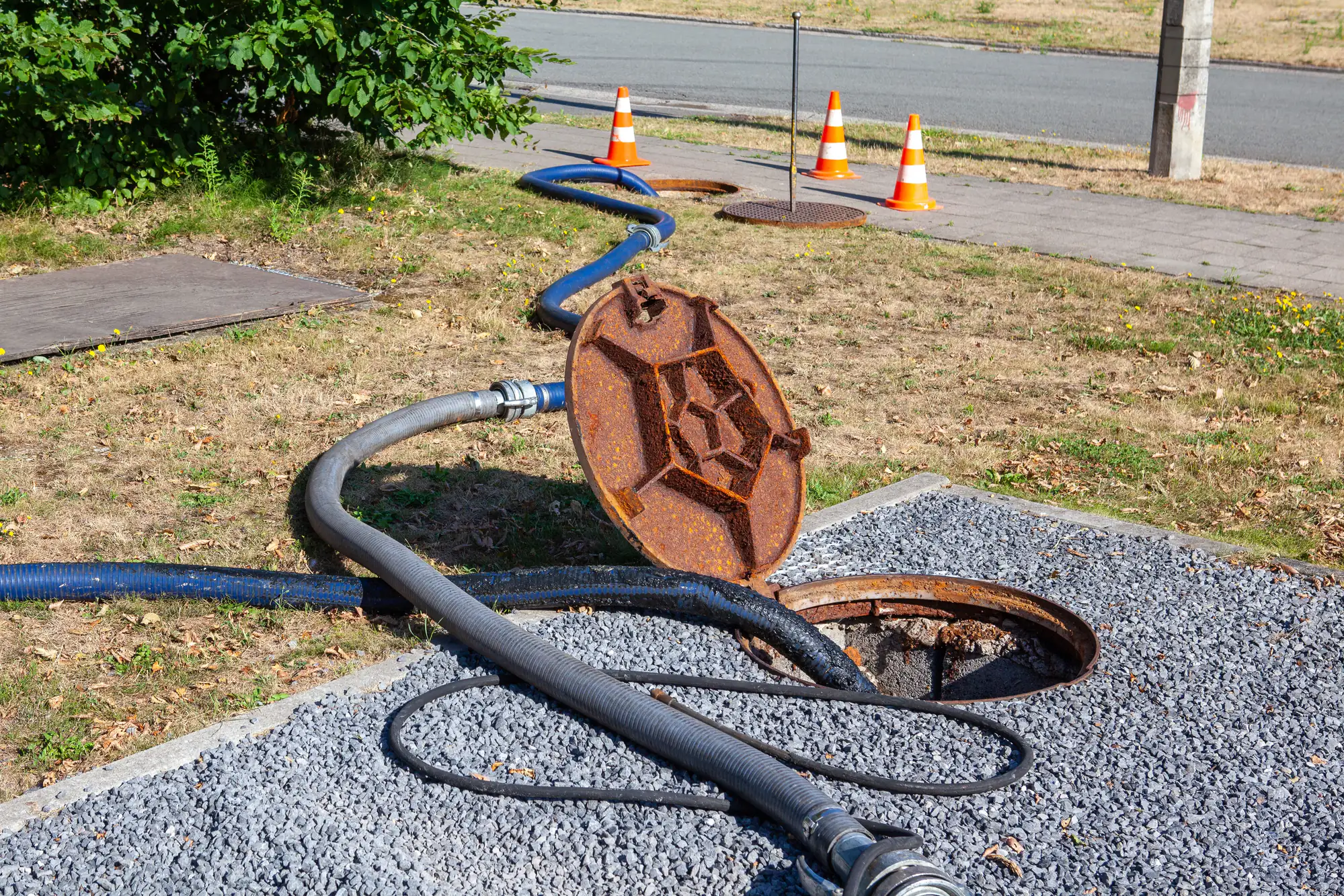
Sewer Cleaning
Get a free quote for sewer cleaning from your local plumbing team.
We’ll contact you about your sewer cleaning request. Privacy policy
Hear from Our Customers
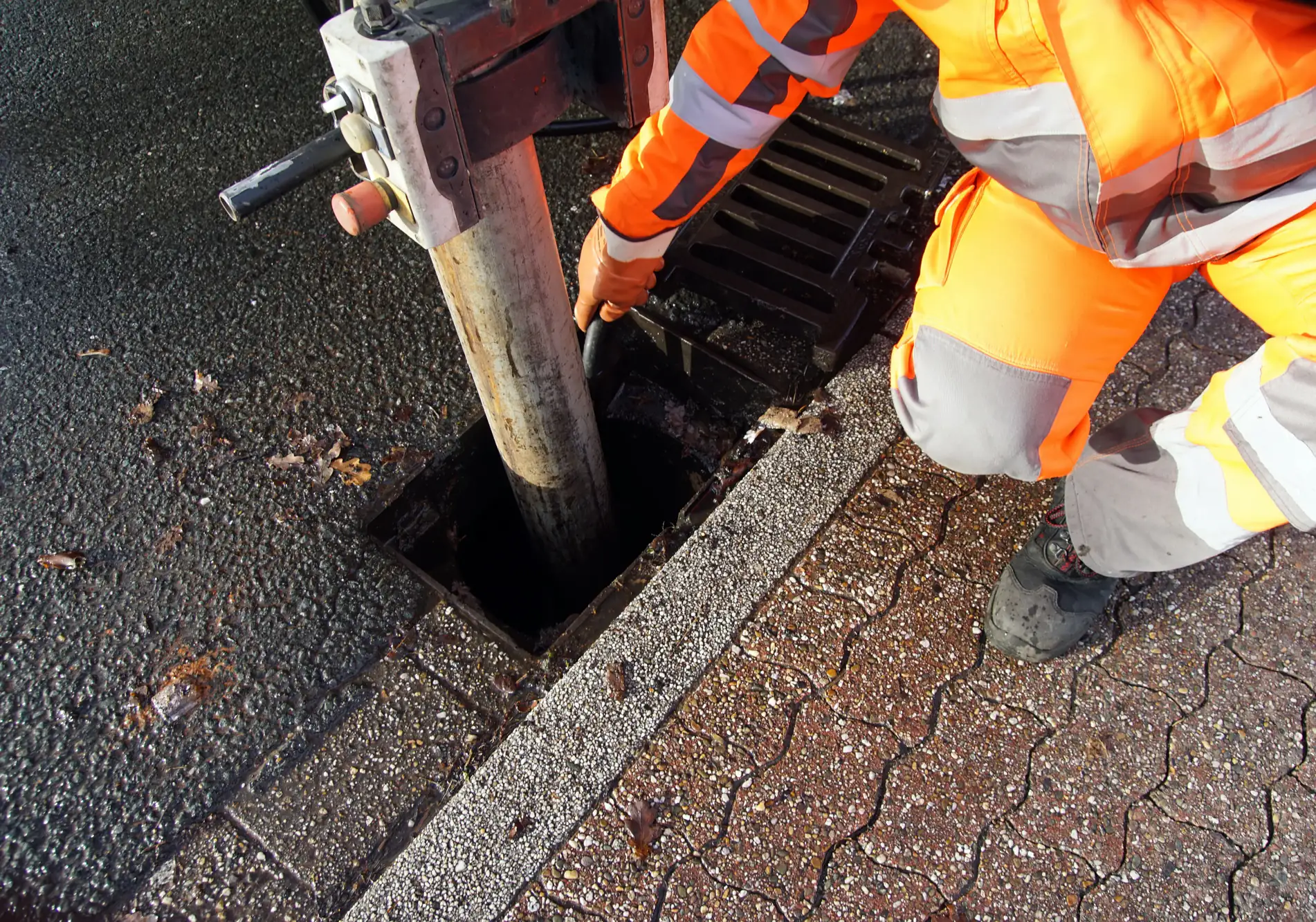
Toilets that drain slowly, gurgling sounds after you run the dishwasher, a faint odor near your lowest drains these aren’t random. In North Auburn, where a large portion of the housing stock was built between the 1960s and 1980s, clay tile sewer lines are still common. Those pipes weren’t designed to last forever, and after decades of native oak and pine roots pushing through joints and cracks, even a line that seems functional can be running at a fraction of its capacity.
Once your mainline is professionally cleaned, the difference is immediate. Drains move the way they’re supposed to. Backups stop happening. And if a camera inspection reveals something more serious a cracked section, a root mass that won’t clear with standard equipment you’ll know exactly what you’re dealing with before it becomes an emergency.
What’s worth understanding here is the seasonal reality of living in the foothills. North Auburn gets 30 to 35 inches of rain annually, most of it between November and March. When heavy winter rains push more volume through a partially blocked line, a slow drain can become a full backup overnight. Getting your line inspected and cleaned before the rainy season hits isn’t overcautious it’s just smart maintenance for a home in this area.
We’ve been serving North Auburn, El Dorado, Sacramento, and Placer County for over 24 years. That’s not a franchise with a local phone number it’s a contractor who has worked in North Auburn’s established neighborhoods, dealt with the terrain, and cleaned sewer lines in homes that were built long before PVC was standard.
North Auburn is unincorporated Placer County, which means permits for any sewer repair or replacement work go through Placer County Building Services not a city hall. We know that process and handle it directly, so you’re not left figuring out county permitting on your own while also dealing with a plumbing problem.
Our 4.7-star Google rating from 93 verified customers reflects the work we do for North Auburn and surrounding Placer County area homeowners. Those are real people who called with a real problem, got a straight answer on price, and had the work done right. That’s the standard every job is held to whether it’s a routine mainline cleaning on a North Auburn residential street or an emergency call at 10 PM in the middle of a rainstorm.

It starts with a camera inspection. Before any cleaning equipment goes into your line, a professional-grade video camera goes in first. You get to see what’s actually happening inside your pipe whether that’s a root mass from one of your yard’s native oaks, a grease buildup near the kitchen lateral, or a section of clay pipe that’s starting to show its age. You’re not being told what’s wrong. You’re being shown.
From there, the cleaning method is matched to what the camera found. A standard snake works well for soft blockages and moderate buildup. For heavier root intrusion or significant grease accumulation both of which are common in North Auburn’s older homes hydro jetting delivers a more thorough clean by clearing the full circumference of the pipe, not just punching a hole through the clog. The difference matters, especially in clay pipe where debris clings to rough interior surfaces and partial blockages rebuild quickly.
After the line is cleared, the camera goes back in to confirm the result. You see the before, you see the after. If the inspection reveals a condition that needs permitted repair work a collapsed section, significant joint separation we pull the necessary Placer County permits and handle the process from start to finish. And after the job is done, we’ll follow up to confirm everything is still flowing the way it should. That follow-up isn’t standard in this industry, which is exactly why customers keep mentioning it in reviews.

Ready to get started?
Every sewer cleaning job in North Auburn starts with a video camera inspection of your lateral line the underground pipe that runs from your home to the municipal main. For properties in North Auburn’s established residential areas, that lateral can run 80 to 150 feet or more, navigating grade changes and elevation shifts that are simply part of living in the foothills. Longer lines accumulate more debris, are harder to assess without a camera, and are more likely to have multiple problem areas rather than just one.
The cleaning itself addresses the full line, not just the point of blockage. Depending on what the camera shows, that means mechanical snaking, hydro jetting, or a combination of both. Root intrusion from the blue oaks and valley oaks common throughout North Auburn neighborhoods is one of the most frequent findings roots that have worked their way into clay pipe joints over decades don’t respond well to a basic drain snake, and a line that gets snaked without being properly cleared will re-block faster than one that’s been fully cleaned.
Pricing is given before any work begins. Not a range, not a ballpark a number. If the scope changes once the camera is in the line, that conversation happens before the work continues, not after. For North Auburn homeowners who’ve dealt with contractors that surprise them at invoice time, that’s not a small thing. It’s the reason customers with older homes and complicated sewer situations keep coming back.
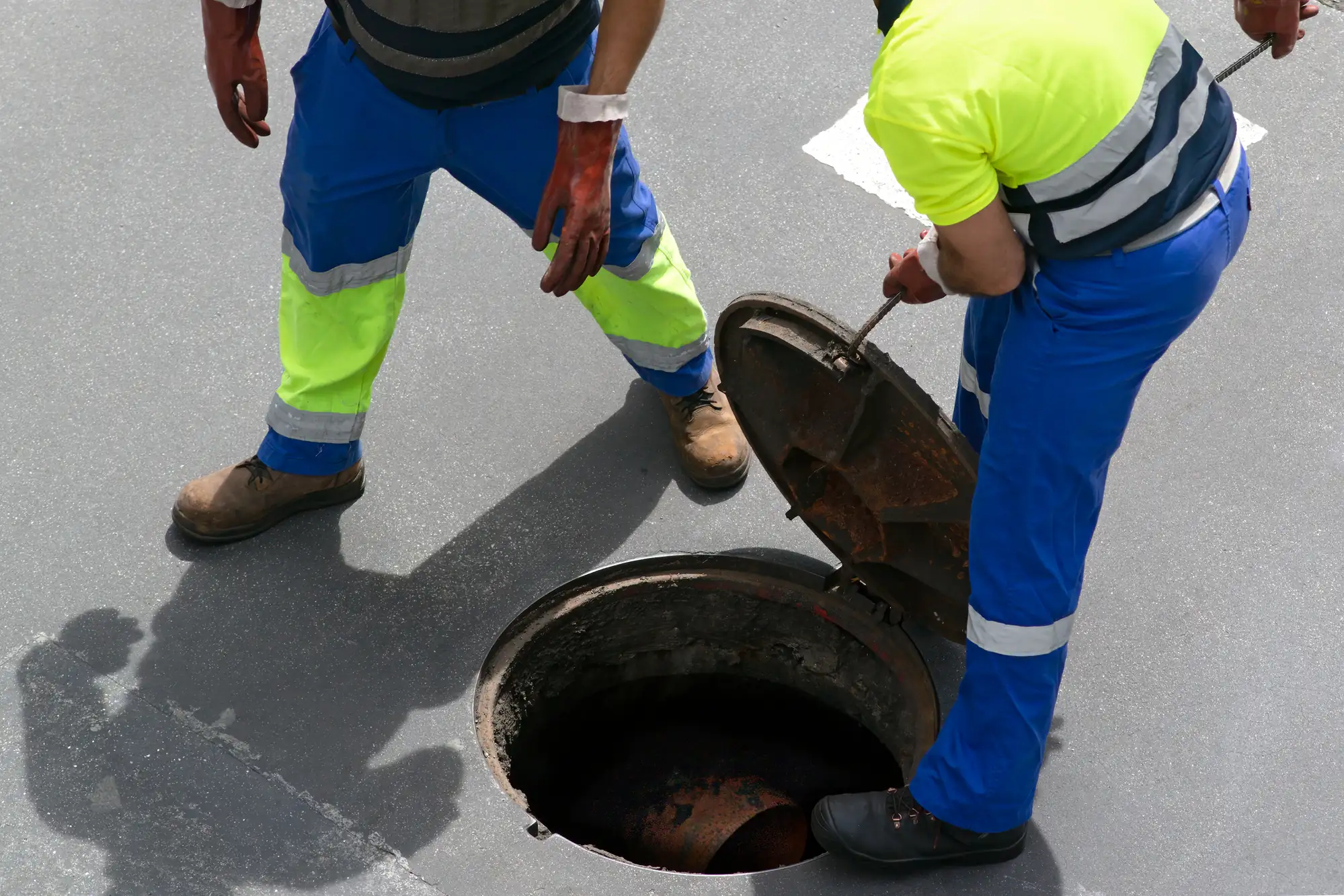
For most households, professional sewer line cleaning every 18 to 24 months is a reasonable baseline. But that interval shortens considerably for homes in North Auburn with older clay or cast iron pipe, multiple mature trees on or near the property, or a history of slow drains and backups. If your North Auburn home was built before 1985 and you’ve never had your line inspected or cleaned, that’s the first thing to address not because something is definitely wrong, but because you genuinely don’t know what’s in there until a camera goes in.
North Auburn’s foothill terrain also means your lateral line is likely longer and more complex than a comparable home in a flat Sacramento valley neighborhood. Longer lines accumulate debris across more distance, and partial blockages that develop gradually can go undetected until winter rains push higher water volume through the system and turn a slow drain into a full backup. Annual inspections are worth considering for any North Auburn home with heavy tree coverage or a line that hasn’t been serviced in several years.
The two most common causes in North Auburn’s established neighborhoods are root intrusion and aging pipe materials and they usually show up together. Native blue oaks, valley oaks, and gray pines have aggressive, wide-spreading root systems that actively seek moisture. Once they find a small crack or a slightly separated joint in an older clay sewer line, they grow into it. Over time, what starts as a hairline intrusion becomes a root mass that restricts flow significantly.
The pipe materials themselves are the other factor. Clay tile sewer pipe standard in homes built through the early 1980s has a rough interior surface that collects grease, sediment, and debris in ways that smooth modern PVC doesn’t. As the pipe ages, joints shift and settle, creating low spots where solids accumulate. Grease from kitchen drains coats the pipe walls and narrows the effective diameter over years. None of this is visible from above ground, which is why a camera inspection is the only reliable way to understand what’s actually happening in your North Auburn sewer line.
For routine sewer cleaning and camera inspection, no permit is required. You can schedule that work and have it done without any county involvement. Where permitting becomes necessary is when the inspection reveals a condition that requires physical repair or replacement of the pipe a collapsed section, significant joint separation, or a lateral that needs to be relined or excavated.
Because North Auburn is unincorporated Placer County not a city all permits for that kind of structural sewer work go through Placer County Building Services, not a city building department. That’s a meaningful distinction if you’ve dealt with permitted work in an incorporated city before. The process is different, the inspection requirements are set by the county, and your contractor needs to be familiar with how Placer County handles sewer repair permitting specifically. We’ve been working in Placer County for over 24 years and pull county permits directly, so that part of the process doesn’t fall on you to figure out.
For a standard mainline snaking, you’re generally looking at $250 to $500 depending on the length of the line and the nature of the blockage. Hydro jetting which delivers a more thorough clean and is often the right call for North Auburn homes with heavy root activity or significant grease buildup in older clay pipe typically runs $350 to $600 or more. A camera inspection may be included in the service or quoted separately depending on the scope of the job.
What matters as much as the number is when you get it. With us, the price is given before any work begins not after the camera is already in your pipe and the technician is describing something alarming. If the scope of work changes based on what the inspection finds, that conversation happens before the work continues. For context, a sewer line replacement in the North Auburn area averages $3,000 or more and can run considerably higher for hillside properties with longer lateral runs or access challenges. Regular cleaning is a straightforward way to avoid getting there.
Yes and it’s one of the more important inspections to prioritize when buying an older home in this area. A standard home inspection doesn’t include a sewer camera. The inspector will check what’s visible: fixtures, accessible cleanouts, signs of moisture. What they won’t tell you is whether the lateral line running from the house to the street is cracked, root-compromised, or partially collapsed. In North Auburn, where a significant portion of the housing stock was built in the 1960s through 1980s and mature trees are everywhere, the odds of finding something in an uninspected sewer line are genuinely high.
A pre-purchase sewer camera inspection typically costs $150 to $300 and gives you a real picture of the pipe’s condition before you close. If the camera finds a problem, you have documentation to negotiate with the seller or request a repair as a condition of sale. If it comes back clean, you have peace of mind. Either way, it’s a small investment relative to the cost of inheriting a failing sewer line in a home you just bought.
Fall specifically October and early November is the most practical window for North Auburn homeowners. Getting your line inspected and cleaned before the winter rainy season means you’re not finding out about a partial blockage when it becomes a full backup during a December storm. North Auburn averages 30 to 35 inches of rain annually, with most of it falling between November and March. A line that’s draining at reduced capacity during the dry season can fail completely once winter rains increase the volume running through it.
Spring is also a high-demand period for a different reason: tree root growth accelerates when soil temperatures rise and moisture is available after winter rains. If your clay pipe has any existing cracks or joint gaps, spring is when root intrusion moves fastest. Scheduling a cleaning in March or April after the rains and at the start of active root season is a smart move for any North Auburn property with significant oak or pine coverage. Summer tends to be quieter for emergency calls, which makes it a good time for planned maintenance if you missed the fall window.
Our Locations
From the foothills to the valley, Murray Plumbing has a licensed team close by. Find the office nearest you — we’re open 24 hours a day, 7 days a week.