
Main Office
Placerville
Open 24/7- 4330 Panorama Dr, Unit 36
Placerville, CA 95667 - (530) 444-5419
- Open 24 hours, 7 days a week
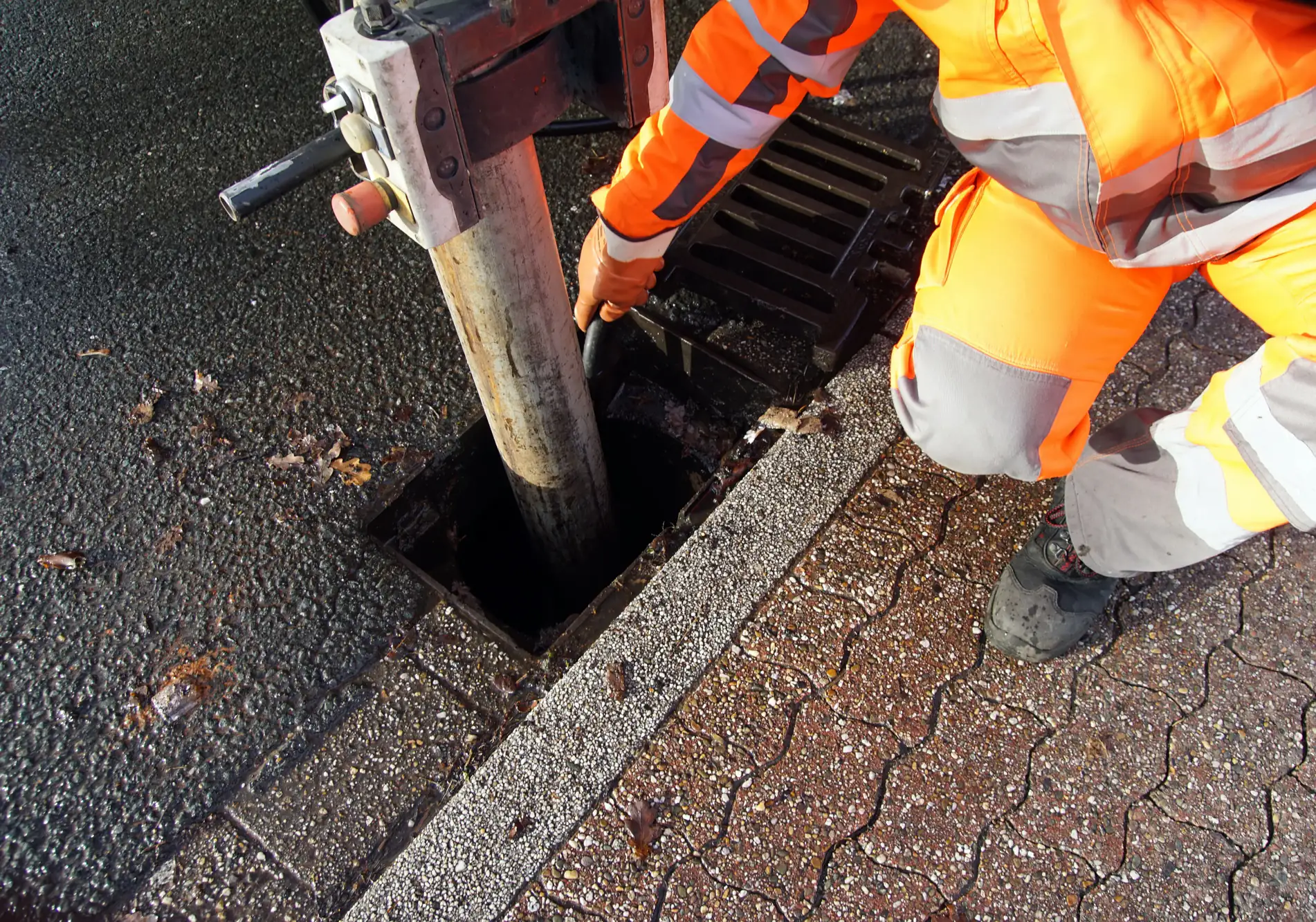
Sewer Cleaning
Get a free quote for sewer cleaning from your local plumbing team.
We’ll contact you about your sewer cleaning request. Privacy policy
Hear from Our Customers
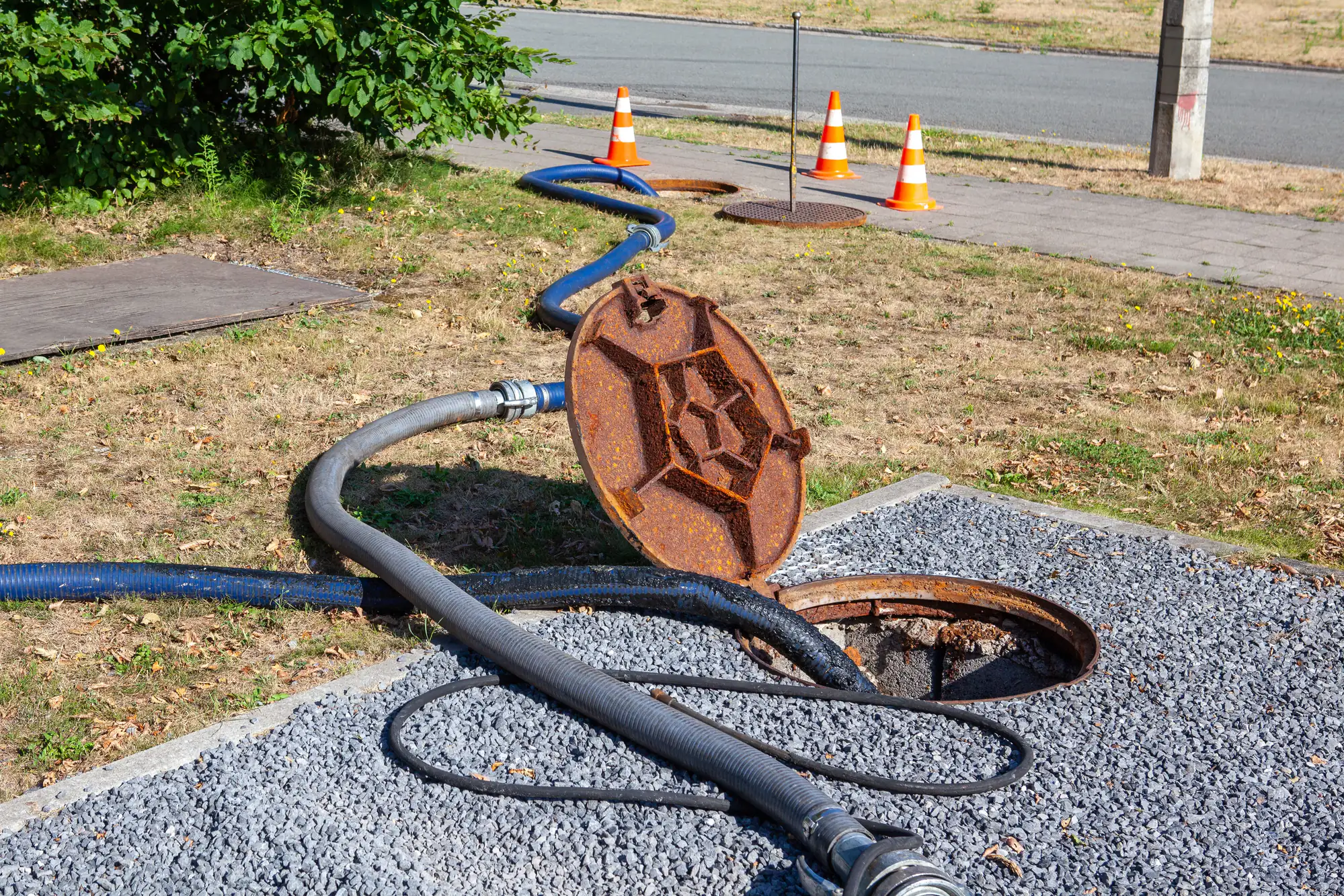
Toilets flush the way they should. Drains stop gurgling. That faint sewage smell that’s been bothering you for weeks gone. Most homeowners don’t realize how much a slow or partially blocked sewer line affects daily life until it’s finally cleaned and everything just works again.
For Rancho Cordova homeowners, that relief hits a little differently. A big part of the city’s housing stock especially in neighborhoods like Cordova Gardens and the areas that developed around Mather Field in the 1950s and 60s was built with clay or Orangeburg sewer pipe. That material is now 60 to 70 years old in some homes. It cracks. It shifts. Tree roots from the mature cottonwoods and willows along the American River Parkway find those cracks and grow into them. What starts as a slow drain becomes a full blockage if it’s left alone long enough.
The other thing most people don’t think about is hard water. Rancho Cordova’s water supply has elevated mineral content, and over time that deposits scale along the inside of your sewer lateral narrowing the pipe, making it stickier, and accelerating every clog that follows. A thorough professional sewer cleaning clears all of it: the roots, the grease, the scale, the buildup. Not just a temporary punch-through an actual clean line that handles normal household flow the way it’s supposed to.
We’ve been working in Sacramento County for over 24 years which means we were cleaning sewer lines in Rancho Cordova before the city was even officially incorporated in 2003. We know the pipe eras here. We know what’s typically in the ground under a 1962 ranch home near Folsom Boulevard versus a 2005 build in Sunridge Park. That kind of local familiarity isn’t something you get from a national brand operating out of a call center.
We hold a 4.7 out of 5 rating on Google from 93 verified customers across El Dorado, Sacramento, and Placer County. What customers mention most isn’t just that we showed up it’s that we showed up on time, told them exactly what we found, gave them a straight price before we touched anything, and in some cases came in under that estimate when the job turned out to be simpler than expected. That’s not common in this industry. We know it. Our customers know it.
We also follow up after the job. Not to upsell just to make sure everything is still working. It’s a small thing that apparently a lot of plumbers skip.
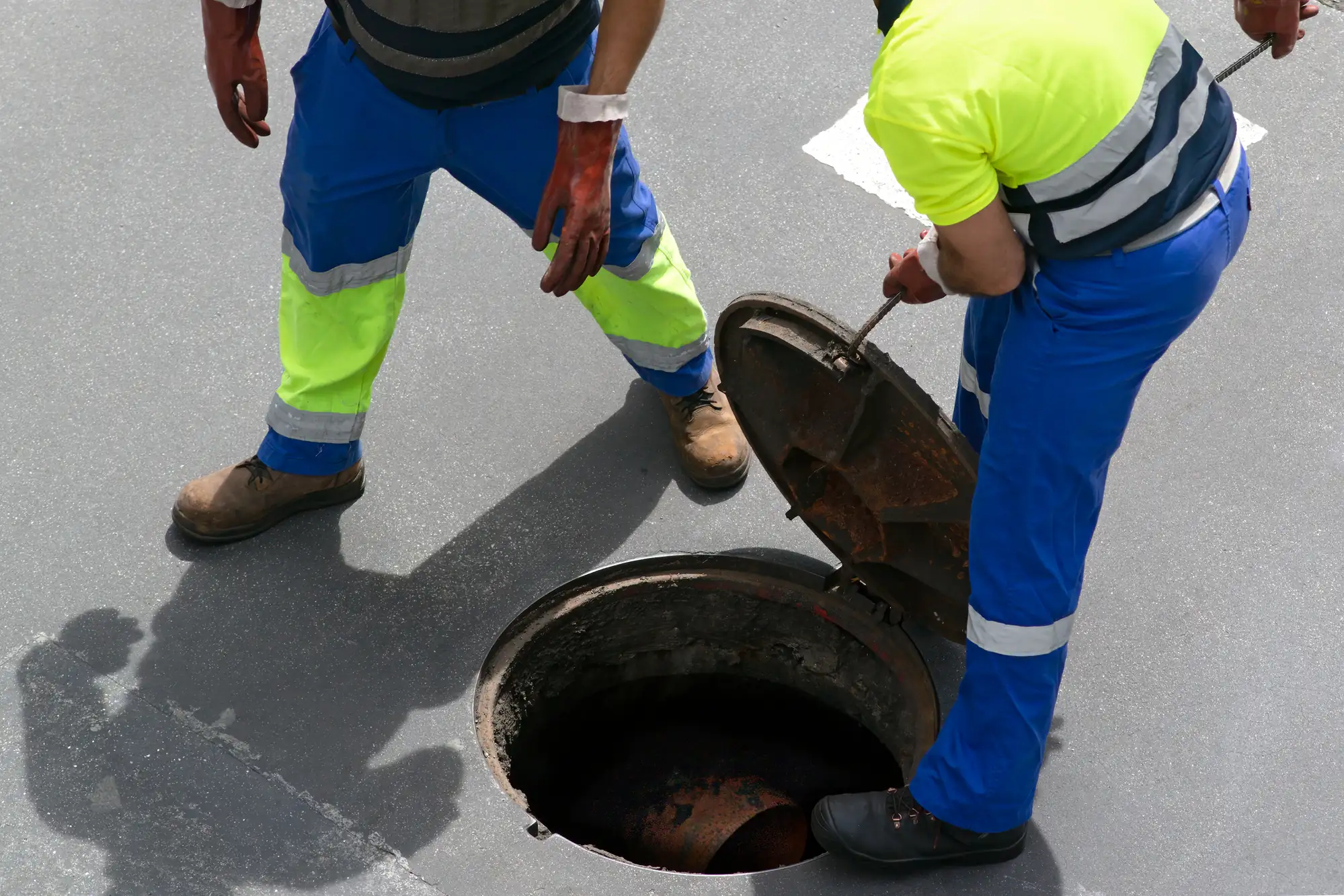
The first thing we do is run a sewer camera through your main line. In a city like Rancho Cordova where the same block can have a 1958 clay-pipe home sitting next to a 2006 PVC home there’s no responsible way to start cleaning without knowing what you’re working with. The camera tells us what’s actually in there: root intrusion, grease buildup, mineral scale, a crack, a belly in the line. You see the footage. No mystery diagnosis, no alarming you into a repair you may not need.
Once we know what we’re dealing with, we clean accordingly. If it’s a standard grease or debris buildup, we use hydro jetting high-pressure water that scours the full circumference of the pipe wall, not just a hole through the middle. If there’s root intrusion, we address that specifically. A drain snake alone won’t cut it for roots or mineral scale, and we’re not going to pretend otherwise just to get in and out faster.
After the cleaning is done, we run the camera again to confirm the line is clear. You’re not taking our word for it you can see it. If we find something during the inspection that’s beyond a cleaning job, we’ll tell you plainly what it is, what it would cost to fix, and what happens if you wait. No pressure. Just the facts so you can make a real decision.
One timing note: if you’re heading into Rancho Cordova’s wet season the atmospheric river storms that hit this region between November and March getting your line cleaned before the rain arrives is genuinely worth it. A partially blocked lateral that’s managing slow flow all summer can fail completely when groundwater saturation spikes during a heavy storm.

Ready to get started?
Every residential sewer cleaning job with us starts with a video camera inspection of your main sewer lateral the underground pipe that runs from your home to the SacSewer collection main in the street. That distinction matters: SacSewer is responsible for the public main, but the lateral from your home to that connection is yours. If it’s blocked or damaged, it’s your call to make and your cost to manage. We make sure you understand exactly what’s happening in that pipe before any work begins.
For Rancho Cordova homes particularly in older neighborhoods along the Folsom Boulevard corridor, near the American River Parkway, or in the Cordova Meadows and Gold River areas root intrusion and aging pipe materials are the most common findings. We come prepared for both. Hydro jetting is our standard method for mainline cleaning because it actually cleans the pipe wall, not just the clog. It’s the right tool for mineral scale, grease accumulation, and light root intrusion. For more advanced root problems or deteriorating pipe, we’ll tell you what we found and what the real options are.
Any plumbing work valued at $500 or more in California requires a valid C-36 Plumbing Contractor License from the Contractors State License Board. We are fully licensed and insured and you can verify that directly through the CSLB’s online lookup before you ever let us through the door. We think that’s exactly the kind of check homeowners should do, and we have no problem with it.

The most common signs are slow drains in multiple fixtures at the same time, gurgling sounds coming from your toilet when you run water elsewhere in the house, sewage odors near floor drains or in the yard, or water backing up into your shower or tub when you flush. Any one of these on its own could be an isolated drain issue but when two or more show up together, that usually points to the main sewer line.
In Rancho Cordova specifically, a lot of homeowners in older neighborhoods don’t realize their slow drain has been a gradual problem for years. Clay and Orangeburg pipes from the 1950s and 60s common in areas like Cordova Gardens and the neighborhoods developed around Mather Field deteriorate slowly. The line works, then it works a little worse, then one day during a wet December it stops working entirely. Getting a camera inspection at the first sign of trouble is the fastest way to know what you’re actually dealing with before it turns into an emergency.
Snaking also called augering uses a long flexible cable with a cutting head to punch through a clog. It’s fast and it works well for soft blockages like paper buildup or a localized grease clog. The limitation is that it punches a hole through the obstruction without cleaning the pipe walls. Whatever was coating the inside of the line grease film, mineral scale, root tendrils is still there after the snake comes out.
Hydro jetting uses high-pressure water to scour the full circumference of the pipe. It removes grease, mineral deposits, and root growth from the walls themselves, not just the center of the pipe. For Rancho Cordova homes dealing with hard water scale buildup or recurring root intrusion from trees along the American River corridor, hydro jetting is typically the more effective and longer-lasting solution. It costs a bit more than snaking generally in the $350 to $600 range versus $250 to $500 for a standard snake but it addresses the actual problem rather than buying you a few more months before the same clog comes back.
The general recommendation for most homes is every 18 to 24 months as routine maintenance. But that’s a baseline your actual frequency depends on your home’s age, your pipe material, your tree coverage, and your household’s usage patterns.
If you’re in an older Rancho Cordova home with clay or cast iron pipe and mature trees nearby, you’re probably looking at annual cleaning being a reasonable call. Root systems along the American River Parkway are aggressive, and once roots have found a crack in your lateral, they come back faster than in homes with newer PVC pipe and minimal tree coverage. On the other hand, a newer build in Anatolia or Sunridge Park with modern PVC and limited landscaping might go the full two years without any issue. A camera inspection every other year gives you a real answer instead of a guess and it’s a lot cheaper than discovering you needed annual cleaning after a backup happens.
Standard homeowner’s insurance policies in California typically do not cover sewer line cleaning or the damage caused by a sewer backup. Routine maintenance which is how insurers classify sewer cleaning is considered the homeowner’s responsibility, not a covered loss. Backup damage coverage is sometimes available as an add-on rider, but many homeowners don’t realize they don’t have it until they’re already dealing with sewage on their floor.
This is worth knowing before a problem happens, not after. Sewage backup cleanup and restoration can run anywhere from $2,000 to $10,000 depending on how far the water got and what materials were affected. Rancho Cordova’s low elevation and proximity to the American River mean that during a heavy atmospheric river event, a partially blocked sewer line can fail quickly and the cleanup cost falls entirely on you if you don’t have a backup rider. A professional sewer cleaning every year or two is a straightforward way to reduce that risk without spending nearly as much as you’d spend on a single remediation job.
Recurring clogs almost always mean the root cause wasn’t addressed the first time just the symptom. If a technician snaked the line and cleared the immediate blockage without looking at what’s on the pipe walls or inside the joints, the same conditions that caused the clog are still there. Grease film, mineral scale, or root tendrils that weren’t fully removed will catch debris again and re-clog, sometimes faster than before.
In Rancho Cordova, recurring clogs in older homes are frequently tied to root intrusion that’s been partially cleared but not fully treated, or to mineral scale buildup from the area’s hard water that keeps narrowing the effective diameter of the pipe. If you’ve had the same section of line snaked two or three times in the past year, it’s worth getting a camera inspection to see what’s actually happening in there. You might be looking at a pipe condition a crack, a belly, or significant root infiltration that cleaning alone won’t permanently solve. Knowing that early is almost always cheaper than finding out during an emergency.
It depends on who’s using it and why. Camera inspection is a legitimate diagnostic tool it’s the only way to actually see what’s inside a buried pipe without digging it up. Used honestly, it tells you and the technician exactly what’s causing the problem and whether cleaning is sufficient or whether there’s a structural issue that needs attention.
The reason some homeowners are skeptical is fair: there are companies that use camera footage as a sales tool showing alarming images to push homeowners toward expensive repairs they may not need. That’s a documented pattern in this industry, and Rancho Cordova residents have had enough exposure to high-pressure plumbing sales tactics to be rightfully cautious. We use camera inspection as a transparency tool, not a closing technique. You see the footage. We explain what we’re looking at in plain terms. If the line needs cleaning, we clean it. If there’s a structural problem, we tell you what it is and what it would cost and we let you decide what to do next. The camera exists to give you information, not to manufacture urgency.
Our Locations
From the foothills to the valley, Murray Plumbing has a licensed team close by. Find the office nearest you — we’re open 24 hours a day, 7 days a week.