

Hear from Our Customers
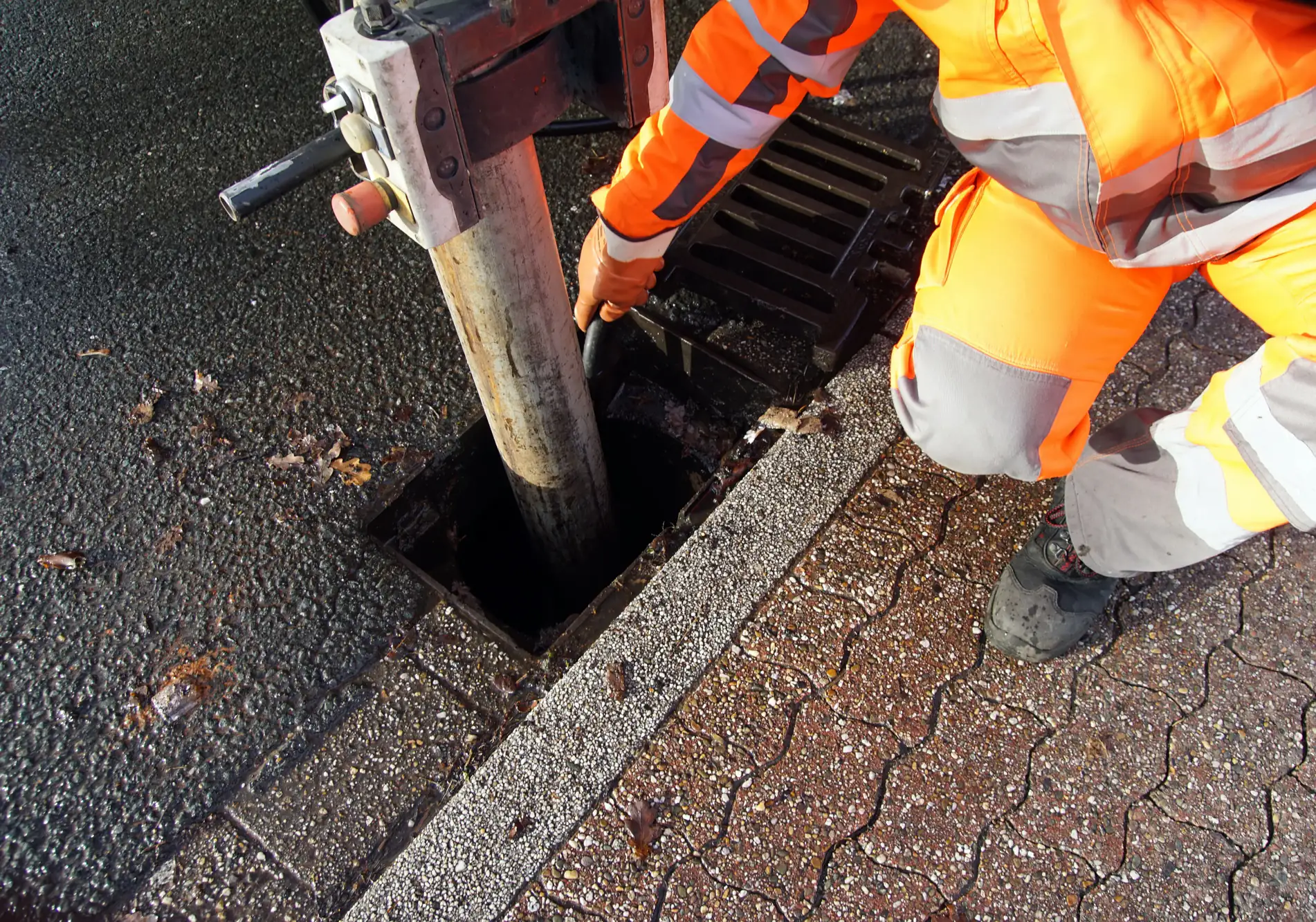
A backed-up sewer line in a home valued at $700,000 or more isn’t just an inconvenience it’s a threat to your property, your flooring, and your peace of mind. When the main line clears, drains move freely, odors disappear, and you stop wondering whether that slow-draining sink is the beginning of something worse.
Rancho Murieta’s housing stock is largely from the 1970s and 1980s, which means a significant portion of the sewer laterals running beneath these properties are now 40 to 55 years old. Combine that age with the Cosumnes River’s mineral-rich water supply which gradually scales the inside of pipes and you have conditions that quietly reduce flow capacity year after year without any obvious warning signs.
Then there are the oaks. The heritage oaks that define Rancho Murieta’s landscape have root systems that have been growing for decades, and those roots actively seek water. A sewer line is exactly the kind of source they find. Regular residential sewer cleaning in Rancho Murieta isn’t a precaution for homes with mature trees and original-era pipe, it’s maintenance that’s genuinely overdue.
We’ve been working in Sacramento County since 1999 not as a franchise with a local phone number, but as a locally operated company whose technicians have been in Rancho Murieta’s neighborhoods, on these properties, and inside these pipe systems for over two decades. We know the infrastructure challenges specific to Rancho Murieta North and South, and we’ve seen firsthand what aging laterals and oak root intrusion look like when they’ve been left too long.
Our Google rating is 4.7 out of 5, based on 93 verified reviews and the thing customers mention most isn’t just that the job got done. It’s that they knew the price before we started, the technician followed up afterward to confirm everything was working, and in some cases the final invoice came in below the original estimate. That last part is almost unheard of in this industry, and it’s the kind of thing that turns a one-time call into a long-term relationship.
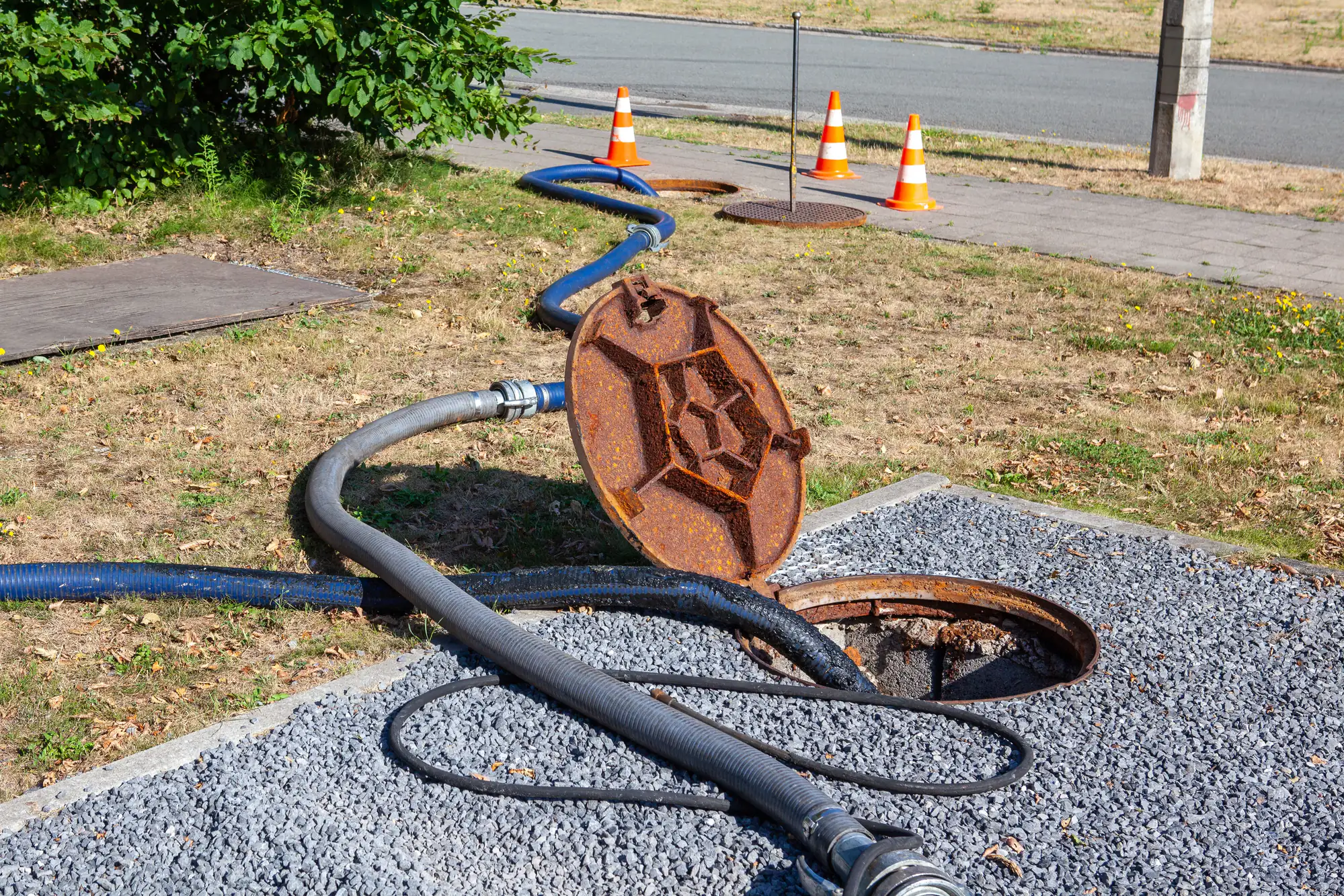
It starts with a camera. Before any cleaning begins, a sewer camera goes into the line so you can see exactly what’s happening root intrusion, scale buildup, a crack in the pipe, or a line that’s actually in decent shape and just needs a thorough clean. You’re not taking our word for what’s down there. You’re watching the footage alongside the technician.
Once the condition of the line is confirmed, we quote the job. That price doesn’t move. If the work turns out to be simpler than expected, the number goes down not up. Main sewer line cleaning in Rancho Murieta typically involves clearing the full length of the lateral from the house to the public connection point maintained by the Rancho Murieta Community Services District. That boundary matters, because the RMCSD handles the public collection system, but everything on your side of that connection is your responsibility.
After the line is cleaned, we don’t just pack up and leave. A follow-up confirms the system is draining properly before the job is closed. For homes near the Cosumnes River corridor or properties with established oak canopy, we’ll also note whether the line warrants annual monitoring versus the standard 18-to-24-month cleaning cycle because not every property in Rancho Murieta is dealing with the same conditions.

Ready to get started?
Every sewer cleaning job we perform starts with video camera inspection not as an add-on, but as the baseline for understanding what you’re actually dealing with. In a community like Rancho Murieta where much of the pipe infrastructure dates to the original 1970s and 1980s construction, and where the RMCSD itself documented five pipe failures in six months in Murieta Village before launching a Capital Improvement Project, visual confirmation isn’t optional. It’s the only responsible way to start.
From there, the cleaning method is matched to what the camera shows. A line with light grease or sediment buildup gets a thorough mechanical clean. A line with active root intrusion from the surrounding oak canopy one of the most common findings in Rancho Murieta gets treated more aggressively to clear the root material from the pipe walls, not just punch a temporary hole through it. We offer hydro jetting for lines where scale buildup or root infiltration has reduced the effective diameter of the pipe, and it scours the interior clean rather than just restoring partial flow.
If the camera reveals structural damage a cracked section, a collapsed joint, or deterioration consistent with 50-year-old PVC you’ll know that before any cleaning happens, and you’ll receive an honest assessment of whether cleaning is sufficient or whether repair is the right call. No work begins without your approval and a locked price.
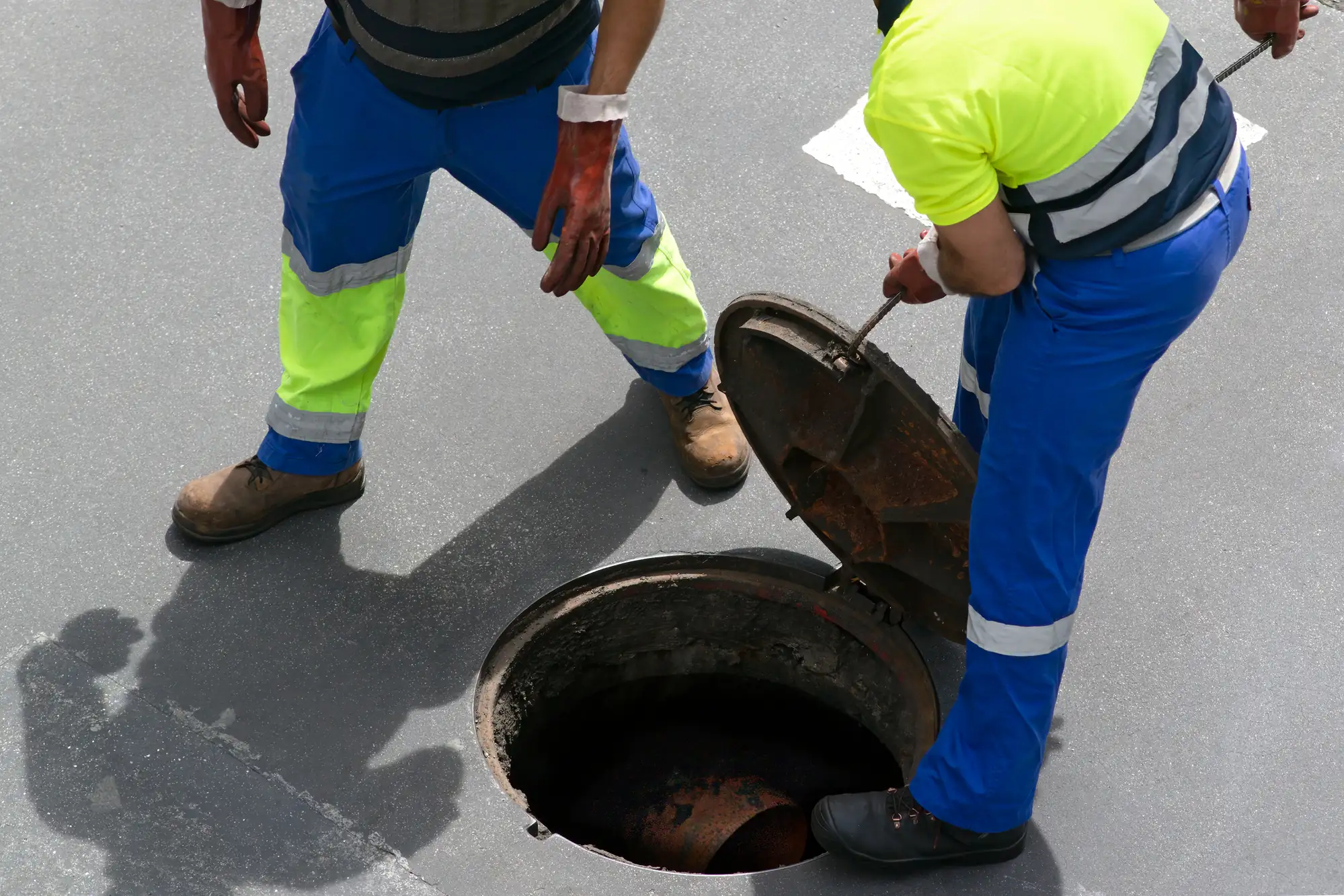
The honest answer is that you can’t know without a camera. Slow drains, gurgling sounds, and recurring backups are all symptoms but they don’t tell you whether the cause is a cleanable blockage or a structural failure that cleaning won’t fix. A sewer camera inspection gives you the actual picture.
In Rancho Murieta, where a large share of homes were built in the 1970s and 1980s, the pipes beneath them are now well past the age where you can assume they’re fine. If the camera shows root intrusion, scale buildup, or grease accumulation with no structural damage, cleaning is the right move. If it shows cracked pipe, separated joints, or sections that have collapsed, that’s a repair conversation and you’ll know the difference before any money changes hands.
Yes, and it happens faster than most homeowners expect. Oak root systems are extensive and aggressive, and they’re drawn to the moisture and nutrients inside sewer lines. Once a root finds a small crack or a joint that’s slightly loose both common in aging 1970s-era pipe it enters and grows. Over time, what starts as a hairline intrusion becomes a root mass that restricts flow and eventually causes a full blockage.
In Rancho Murieta, this isn’t theoretical. The combination of mature heritage oaks, original-era sewer laterals, and the community’s soil conditions makes root intrusion one of the most frequently encountered issues in residential sewer cleaning here. Homes with established oak canopy directly over or near the sewer lateral are at the highest risk and typically benefit from annual inspection rather than waiting the standard 18-to-24 months between cleanings.
Snaking also called drain augering runs a flexible cable through the pipe to punch through or pull out a blockage. It works, but it only addresses what’s directly in the path of the cable. It doesn’t clean the pipe walls, it doesn’t remove root tendrils clinging to the interior, and it doesn’t address mineral scale that’s been accumulating for years. The drain flows better after snaking, but the underlying buildup remains.
Hydro jetting uses high-pressure water to scour the full interior circumference of the pipe walls, joints, and all. It removes grease, mineral scale from the Cosumnes River’s hard water supply, and root material that snaking would leave behind. For a home in Rancho Murieta with a 40-plus-year-old lateral and a history of recurring slow drains, hydro jetting typically produces a more thorough result and a longer interval before the next cleaning is needed.
The Rancho Murieta Community Services District maintains the public sewer collection system within the community the mains, the lift stations, and the infrastructure that runs through the streets and common areas. What the RMCSD does not cover is the lateral line that runs from your home to the point where it connects to the public system. That section is the homeowner’s responsibility, and it includes cleaning, repair, and any replacement work needed.
A lot of homeowners don’t find this out until a backup happens and the RMCSD confirms the blockage is on the private side of the connection. A camera inspection can locate exactly where the blockage is and confirm whether it falls within your lateral or at the public connection point. If it’s yours, we handle it. If it’s at the district boundary, we’ll tell you that clearly so you can contact the RMCSD directly no runaround.
For most households, professional sewer cleaning every 18 to 24 months is a reasonable baseline. But that general guideline doesn’t account for what’s specific to Rancho Murieta and in this community, several factors push that interval shorter for a meaningful portion of homeowners.
If your home was built in the 1970s or 1980s and has mature oak trees on or near the property, annual cleaning and inspection is a more appropriate schedule. The combination of aging pipe, active root systems, and mineral-rich water from the Cosumnes River creates conditions where buildup accumulates faster than it would in a newer home with younger landscaping. Homes near the Cosumnes River corridor or in lower-lying areas of Rancho Murieta South may also benefit from a post-rainy-season inspection each spring, when root growth peaks and seasonal debris is most likely to have worked its way into the system.
In 2024, the RMCSD documented five failures in six months in Murieta Village’s original 1970s-era pipe infrastructure a rate serious enough that the district launched a Capital Improvement Project to relocate the aging water and sewer lines entirely. In May 2026, a failed sewer connection near the Yellow Bridge resulted in approximately 35,000 gallons of sewage escaping and a 15-hour emergency response costing the district over $106,000.
These aren’t isolated incidents. They’re a documented pattern of what happens when 1970s-era sewer infrastructure reaches the end of its service life without adequate maintenance. If your home is in Rancho Murieta North or South and was built during that era, your lateral line is the same age as the pipes that failed in Murieta Village. That doesn’t mean failure is imminent but it does mean a camera inspection to understand the current condition of your line is a reasonable and genuinely useful thing to do before a problem forces the conversation.