
Main Office
Placerville
Open 24/7- 4330 Panorama Dr, Unit 36
Placerville, CA 95667 - (530) 444-5419
- Open 24 hours, 7 days a week
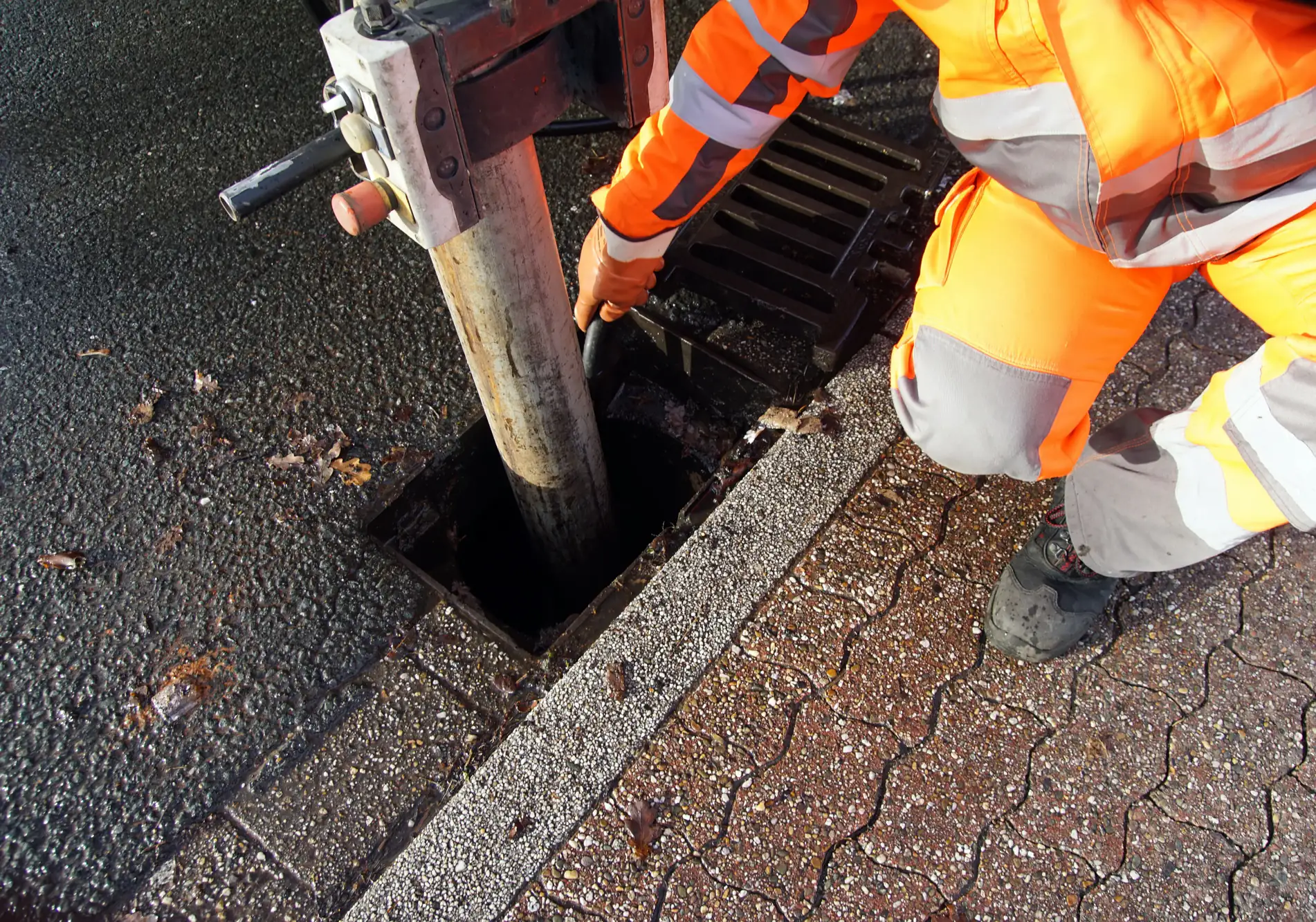
Sewer Cleaning
Get a free quote for sewer cleaning from your local plumbing team.
We’ll contact you about your sewer cleaning request. Privacy policy
Hear from Our Customers
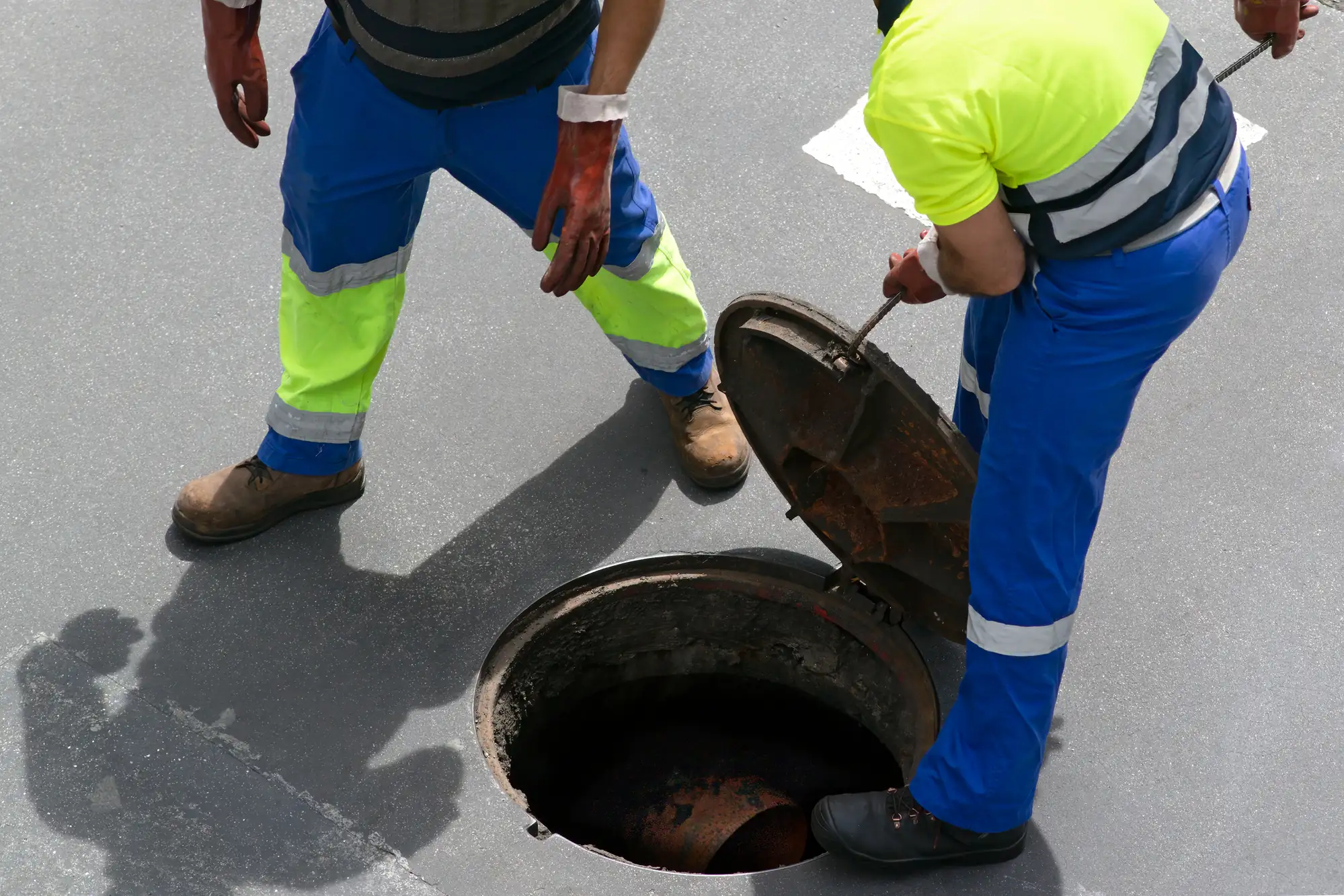
Slow drains don’t fix themselves. In South Lake Tahoe, where most of the housing stock was built in the 1950s and 1960s and the surrounding pines and firs have root systems that actively grow toward underground moisture, a slow drain is usually the first sign of something building up inside your sewer line. Ignoring it doesn’t make it cheaper it makes it worse.
Once your sewer line is properly cleaned, the difference is immediate. Water moves the way it’s supposed to. Toilets flush completely. Kitchen drains don’t back up after dishes. And if you own a vacation rental on the south shore, you’re not fielding a guest complaint at 9 PM on a Saturday because the bathroom is unusable. That kind of problem costs you more than a plumbing bill it costs you reviews, rebookings, and the kind of reputation that’s hard to rebuild on a platform where one bad weekend shows up permanently.
South Lake Tahoe’s water also carries a high mineral content that progressively narrows pipe walls over time. Regular sewer line cleaning removes that buildup before it reaches the point of a full blockage. Think of it the same way you’d descale anything that runs on hard water. The difference is that your sewer line handles everything your household produces, and when it fails, it fails completely.
We’ve been serving El Dorado County for over 24 years, and South Lake Tahoe is the most populous city in the county. We’ve worked in South Lake Tahoe long enough to understand what makes its plumbing different from the valley towns the elevation, the freeze-thaw winters, the aging infrastructure, and the hard water that the South Tahoe Public Utility District manages across a system largely built before 1970.
Our Google rating is 4.7 out of 5 across 93 verified reviews. Customers call out specific things: we show up when we say we will, we quote the price before we start, and the final invoice matches what we said sometimes less. That’s not the norm in this industry, and it’s especially not the norm in a resort area where service pricing can feel inflated.
We’re licensed through the California Contractors State License Board, and we carry 24/7 emergency availability every day of the year. Whether you’re a year-round resident off U.S. Route 50 near Bijou Park or a property owner managing a rental remotely from Sacramento, you get the same honest service either way.
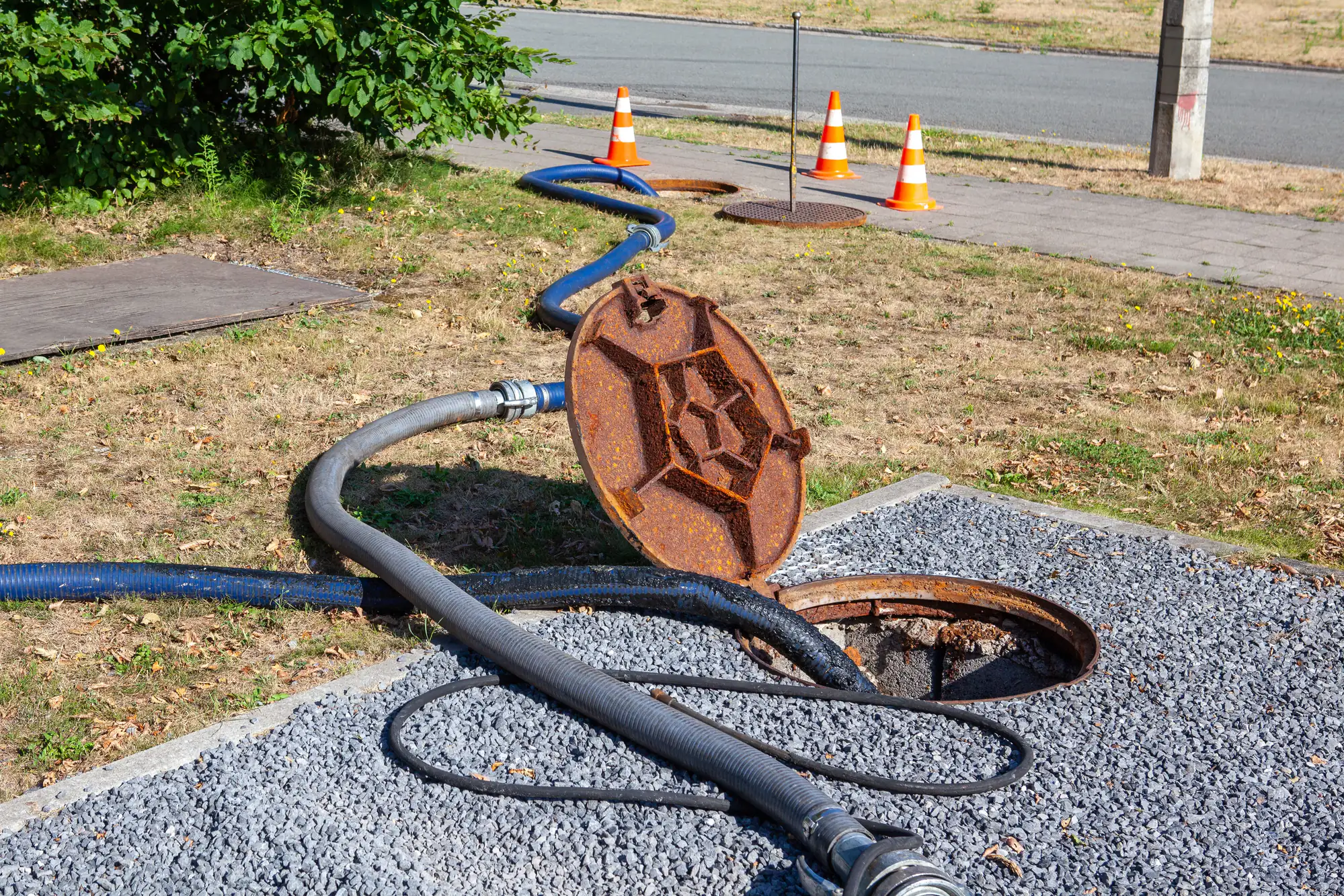
It starts with a call. You tell us what you’re seeing slow drains, gurgling sounds, a backup that already happened and we give you a straight answer about what it likely means and what it’s going to cost before we schedule anything. No “we’ll figure it out when we get there.” You know the price before we arrive.
When we get to your property, the first thing we do is run a sewer camera through the line. This matters more in South Lake Tahoe than in most places. Older homes and there are a lot of them here, especially in neighborhoods like Christmas Valley, Heavenly Valley, and Tahoe Valley often have clay or cast iron lateral pipes that have been shifting through decades of freeze-thaw winters. The camera shows us exactly what’s inside: root intrusion, mineral scale, grease buildup, joint separation. You can see the footage yourself. The diagnosis isn’t a guess, and it’s not designed to push you toward a service you don’t need.
From there, we clean the line using the right method for what we actually found. For most residential sewer lines, that means mechanical snaking or hydro jetting, depending on the severity and type of blockage. We don’t upsell. If the line needs cleaning, we clean it. If the camera shows something that genuinely requires a repair, we tell you clearly what it is, what it costs, and what happens if you wait. Then you decide. We follow up after the job to confirm everything is working the way it should because a fix that doesn’t hold isn’t a fix.

Ready to get started?
Every sewer cleaning job we perform starts with a video camera inspection of the line. In a city where the South Tahoe Public Utility District itself uses annual camera inspection to assess the condition of public sewer mains, this isn’t an add-on it’s the professional standard. It’s also the only way to know what you’re actually dealing with before recommending a service. You see the footage, we explain what it shows, and we agree on the approach together.
The cleaning itself is matched to the condition of your line. Mineral scale buildup from South Lake Tahoe’s hard water supply, root intrusion from the mature pines and firs surrounding most residential properties, or grease accumulation in high-turnover vacation rentals each requires a different approach to clear properly and prevent a fast return. For lines with significant buildup or root intrusion, hydro jetting is typically the most effective method. For straightforward blockages, mechanical snaking is often sufficient. We don’t apply the same solution to every job because the conditions here aren’t the same from property to property.
For vacation rental owners and property managers, we can document the inspection and the cleaning for your records useful if you’re managing compliance, tracking maintenance history, or handling a property remotely. And because we serve the south shore year-round, we’re available before winter sets in the best window to inspect and clean before freeze-thaw stress puts additional pressure on already aging lateral pipes.

For a typical owner-occupied home in South Lake Tahoe, professional sewer line cleaning every 18 to 24 months is a reasonable baseline. But several local factors push that timeline shorter for many properties. If your home was built before 1980 which covers a significant portion of the housing stock in neighborhoods like El Rancho, Country Club Estates, and Angora Highlands the lateral pipe connecting your home to the public main is likely made of clay or cast iron. These materials are more susceptible to root intrusion and mineral scale buildup from the area’s hard water supply, and they benefit from more frequent maintenance.
Vacation rental properties and high-occupancy homes should be cleaned annually at minimum. A short-term rental that cycles through multiple guest groups per week places far more stress on a sewer line than a standard household more grease, more debris, more volume. A backup during peak ski season or a summer booking weekend is a far more expensive problem than a scheduled cleaning. If you’ve had a slow drain or a partial backup in the past year, don’t wait for the full 18-month mark that’s your line telling you it needs attention now.
The most common causes we see in older South Lake Tahoe properties are root intrusion, mineral scale buildup, and joint separation from freeze-thaw movement. The mature pine, fir, and cedar trees that surround most residential properties in the Tahoe Basin have extensive root systems that actively seek the warmth and moisture inside sewer lines. Once roots find a gap in a pipe joint which is more likely in older clay or cast iron pipes that have shifted through decades of winter freeze cycles they grow fast. A small intrusion becomes a full blockage within a season if it isn’t addressed.
Mineral scale is the other persistent issue. South Lake Tahoe’s water supply has a high mineral content that coats the interior walls of pipes over time, progressively narrowing the flow. In older pipes that already have reduced diameter from decades of use, this buildup accelerates the timeline to a blockage. Freeze-thaw cycles compound both problems when the ground around underground pipes freezes and thaws repeatedly through a Tahoe winter, pipe joints shift and create new entry points for roots and debris. A camera inspection is the only way to know which of these factors is actually driving the problem in your specific line.
The South Tahoe Public Utility District maintains the public sewer mains the larger lines running beneath the streets. But the sewer lateral, which is the underground pipe connecting your home’s internal plumbing to that public main, is your responsibility as the property owner. This distinction matters because it’s your lateral that’s most likely to develop root intrusion, mineral buildup, or joint damage from freeze-thaw movement, and it’s your bill when it needs to be cleaned or repaired.
STPUD has publicly committed to a $218 million capital improvement program to repair and replace aging public infrastructure which tells you something about how old the surrounding system is. If the public mains in your area are being replaced after 60-plus years of service, the private lateral running from your 1960s cabin to that main is worth inspecting. Many homeowners in South Lake Tahoe don’t know the condition of their lateral until a backup forces the issue. A camera inspection gives you a clear picture of what’s there before it becomes an emergency.
Yes, and it’s one of the more underappreciated causes of sewer line problems in South Lake Tahoe. The South Tahoe Public Utility District specifically warns residents that winter temperatures here regularly drop below freezing and can reach single digits. When the ground around underground pipes freezes and then thaws repeatedly through a Tahoe winter, it creates movement in the soil that stresses pipe joints particularly in older clay or cast iron pipes that were never designed to flex.
That movement doesn’t always cause an immediate, visible failure. More often, it creates hairline gaps at pipe joints that allow root intrusion to begin and debris to accumulate. Over one or two seasons, those small gaps become significant blockages. This is why early fall before the first hard freeze and early spring after snowmelt saturates the soil and root systems become active again are the two most useful windows for sewer inspection and cleaning in the Tahoe Basin. Catching freeze-season damage in the spring, before summer occupancy peaks, is almost always less expensive than dealing with an emergency backup in July.
For a standard residential sewer line cleaning, most jobs fall in the range of $250 to $500 for mechanical snaking of the main line. Hydro jetting which is more effective for mineral scale buildup and significant root intrusion, both common in South Lake Tahoe properties typically runs $350 to $600 or more depending on the length and condition of the line. A camera inspection, if not bundled with the cleaning, usually adds $100 to $200.
What matters most is that you know the number before the work starts. We quote the full cost upfront, every time. There’s no “we’ll assess it on-site and let you know” that turns into a number you didn’t expect. Customers have specifically noted in reviews that the final invoice came in at or below the original estimate. For context, the average cost of a full sewer line replacement runs over $3,000 nationally and in a mountain resort area with difficult access and specialized labor, that number tends to run higher. Regular cleaning at a known, honest price is the straightforward way to avoid that conversation.
A sewer scope inspection before purchasing a home in South Lake Tahoe is genuinely worth doing, not just as a precaution but as a practical financial decision. A significant portion of the south shore’s housing stock was built in the 1950s, 1960s, and 1970s the same era as the public infrastructure that the South Tahoe Public Utility District is now spending hundreds of millions to replace. Older lateral pipes in clay or cast iron are common in this market, and they carry real risk: root intrusion, joint separation from freeze-thaw movement, and mineral scale buildup that a standard home inspection won’t catch.
A camera inspection of the sewer lateral takes less than an hour and gives you a clear, recorded picture of the pipe’s condition before you close. If the footage shows active root intrusion, significant buildup, or a compromised joint, you have something concrete to negotiate with or at minimum, a realistic picture of what maintenance you’re taking on. In a market where homes regularly transact at high values and the surrounding infrastructure is aging, skipping the sewer scope to save a few hundred dollars is one of the easier risks to avoid.
Our Locations
From the foothills to the valley, Murray Plumbing has a licensed team close by. Find the office nearest you — we’re open 24 hours a day, 7 days a week.