

Hear from Our Customers
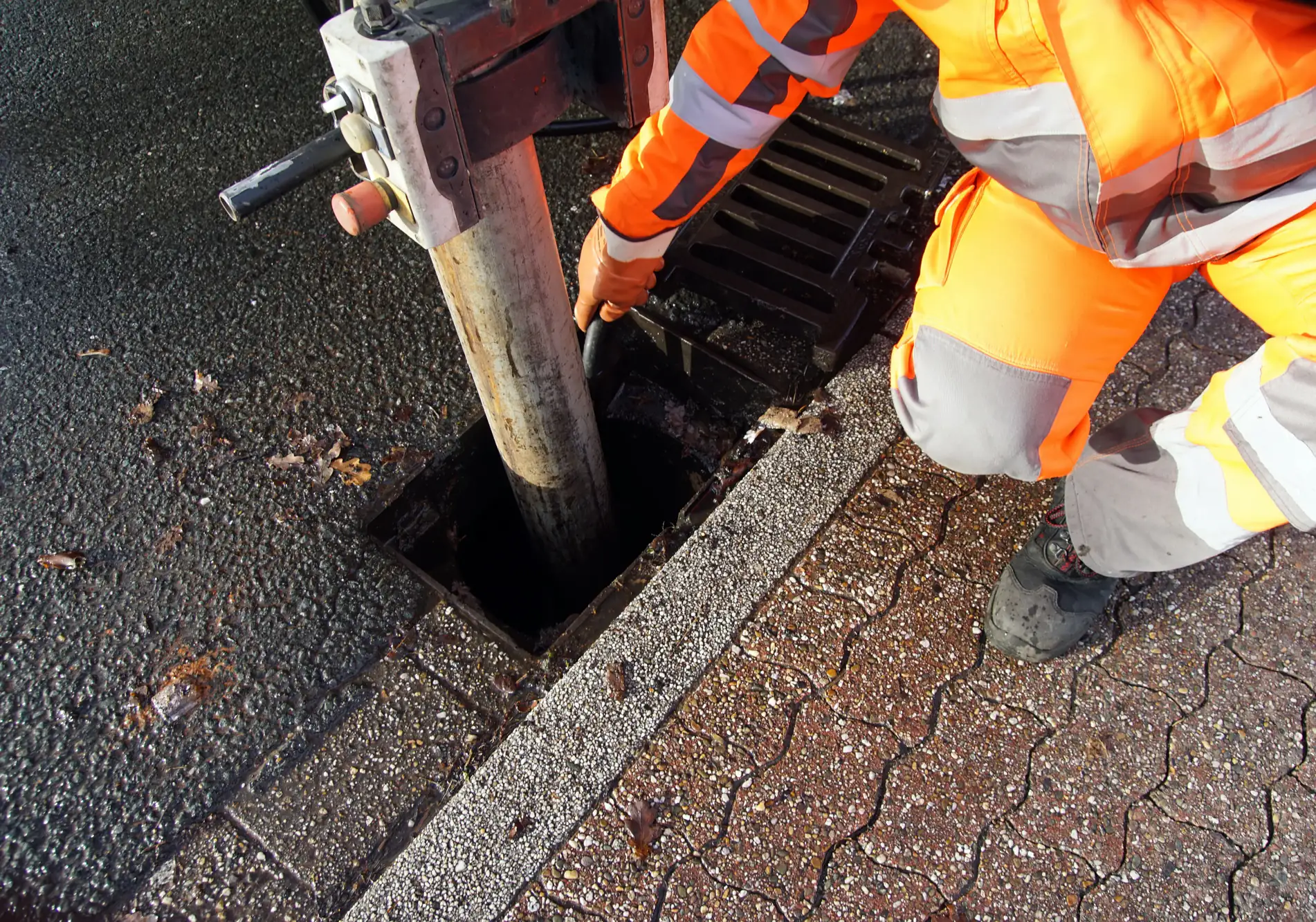
Slow drains in multiple fixtures, a gurgling toilet that won’t quit, a faint sewage smell near a floor drain these aren’t random annoyances. They’re your sewer line telling you something is building up, and in South Sacramento, that buildup has a head start. A significant portion of homes in Meadowview, South Land Park, Pocket, and Freeport Manor were built between the 1940s and 1960s. That means the pipe running from your home to the city main is likely cast iron or clay tile materials that are now 60 to 80 years old and doing exactly what old pipes do: scaling, cracking, and collecting everything that passes through them.
When the line gets cleaned properly, drains move freely again. You stop holding your breath every time someone runs the dishwasher and flushes the toilet at the same time. You’re not gambling on whether a winter rainstorm is going to push a slow drain into a full backup which is a real concern here. Sacramento operates one of the last combined sewer systems in California, a network built in 1914 where stormwater and sewage share the same pipes. When that system gets overwhelmed during a January storm, any weakness in your private lateral becomes your problem fast.
Getting ahead of it with residential sewer cleaning in South Sacramento, CA isn’t being overly cautious. It’s the difference between a $250–$500 maintenance call and a $3,000+ emergency repair or worse, a sewage backup cleanup that can run $2,000 to $10,000 and likely isn’t covered by your standard homeowner’s insurance.
We’ve been serving Sacramento County for over 24 years not as a franchise, not as a call center with rotating technicians, but as a locally rooted plumbing company that has worked in South Sacramento neighborhoods long enough to know what’s in the ground under them. The clay tile laterals common in Pocket and Greenhaven. The cast iron drain lines in the mid-century homes along Freeport Boulevard. The seasonal pressure that Sacramento’s aging combined sewer system puts on private lines every wet season.
Our 4.7-star Google rating from 93 verified reviews reflects how the work actually gets done. Customers call out punctuality, clear communication, and pricing that doesn’t change between the estimate and the invoice. Some have noted the final cost came in lower than quoted. In a category where bait-and-switch pricing is the norm, that’s not a small thing.
You get a licensed contractor who tells you what’s in your pipe, tells you what it costs to fix it, and doesn’t add a dollar after the fact.

It starts with a call. You describe what you’re seeing slow drains, gurgling, odor, a backup and we give you a clear picture of what’s likely happening and what it will cost before anyone shows up with equipment. No “we’ll figure it out when we get there” pricing. You know the number before we start.
When we arrive, the first step is a camera inspection. A small camera goes into the line and shows us and you exactly what’s there. Grease buildup, root intrusion, a collapsed section of clay tile, an offset joint from years of Sacramento’s expansive clay soil shifting underneath your yard. You see it on screen. Nothing gets described to you in vague terms designed to make the problem sound worse than it is. If there’s a root ball from one of the mature oaks in your Pocket neighborhood yard that’s worked its way into a cracked joint, you’ll see it. If the line is in better shape than expected, you’ll see that too.
From there, we clean the line using the right method for what we found. For most South Sacramento homes, that means mechanical cleaning for standard buildup or hydro jetting for heavier blockages and root intrusion. All sewer work in Sacramento is performed under the applicable city codes Sacramento City Code Chapter 13.08 governs sewer service here and by a CSLB-licensed plumbing contractor, which is California’s legal requirement for any plumbing work valued at $500 or more. After the job is done, we follow up to confirm everything is draining the way it should.
Ready to get started?
Sewer line cleaning in South Sacramento, CA isn’t a one-size situation. What your line needs depends on its age, material, and what’s actually in it and that’s exactly why the camera inspection comes first. You’re not paying for a guess. You’re paying for a diagnosis, and then a fix based on what we actually found.
For the majority of South Sacramento’s mid-century housing stock the ranch homes in Meadowview, the post-war bungalows near Stockton Boulevard, the levee-adjacent properties in Pocket and Little Pocket the most common issues are grease and scale buildup in aging cast iron, root intrusion through cracked clay tile joints, and pipe belly caused by decades of Sacramento Valley clay soil movement. We address all of these. Mechanical snaking handles routine blockages. Hydro jetting clears heavier buildup and root intrusion more thoroughly, flushing the line with high-pressure water that removes what a snake leaves behind. If the camera reveals a structural issue a collapsed section, a severely offset joint, a root intrusion that’s beyond cleaning we tell you straight and walk you through what repair looks like, with pricing before any additional work begins.
If you’re in the Pocket or Little Pocket area and your home sits near the Sacramento River East Levee, Sacramento County specifically recommends sewer backflow valves for homes at or below floodplain elevation. That’s worth a conversation when we’re already on-site.
The most reliable sign is when more than one drain slows down at the same time. A single slow sink usually points to a localized clog a partial blockage in that fixture’s drain line. But when your toilet gurgles while the washing machine drains, or water backs up into the shower when you run the kitchen sink, that’s your main sewer line telling you it’s restricted. Sewage odors near a floor drain or in the yard above your lateral are another indicator that something is either blocked or that a pipe joint has failed and is allowing gas to escape.
In South Sacramento’s older neighborhoods, these symptoms tend to appear gradually because the buildup in aging cast iron and clay tile pipe is incremental scale and grease accumulate over months, and root intrusion grows slowly through cracked joints. By the time you notice multiple fixtures draining slowly, the line is usually significantly restricted. A camera inspection gives you a definitive answer without guesswork.
It’s one of the more underappreciated reasons why sewer problems are so common in South Sacramento specifically. Sacramento Valley’s expansive clay soil swells when it absorbs moisture during the wet season typically November through March and contracts significantly during the long, dry summer. That cycle repeats every year, and over decades, the ground movement it creates puts real stress on underground pipe joints.
For homes in Meadowview, Freeport Manor, and South Land Park with original clay tile laterals, that seasonal shifting has been pushing pipe sections out of alignment for 60 or 70 years. The result is offset joints gaps where two pipe sections no longer sit flush that allow roots to enter and soil to intrude. It also creates pipe belly, where a section of the line sags and pools waste instead of flowing toward the city main. Neither of these problems shows up on the surface. A camera inspection is the only way to know whether your line has developed these issues.
Yes, and it’s more of a risk here than in most parts of the Sacramento metro. Sacramento is one of only two cities in California still operating a combined sewer system a design from 1914 where stormwater and sewage flow through the same pipes. That system was built for a fraction of today’s population and now serves roughly 300,000 residents across 7,500 acres. During significant rainfall, the system can operate at or near capacity.
When the public system is under that kind of load, it increases hydraulic pressure on private sewer laterals. A line that drains adequately in dry conditions can back up during a winter storm if there’s any restriction a partial root intrusion, a buildup of grease and scale, a belly in the line. For homeowners in Pocket and Little Pocket, where properties sit near the Sacramento River East Levee, the risk is compounded by the area’s proximity to floodplain elevation. Getting your line cleaned before the rainy season is the most straightforward way to take that risk off the table.
For a standard main sewer line cleaning using mechanical snaking, most South Sacramento homeowners are looking at somewhere in the $250–$500 range. Hydro jetting which uses high-pressure water to clear heavier buildup and root intrusion more thoroughly typically runs $350 to $600 or more depending on the length of the line and what’s in it. Camera inspection is often quoted separately or bundled depending on the job.
What matters more than the baseline number is that you know it before work starts. We quote the price upfront before the camera goes in, before any equipment is used. The number you’re given at the start is the number on your invoice. That’s worth stating plainly because the most common complaint in this industry is a low advertised price that becomes a high-pressure upsell after a camera inspection. If the camera reveals a structural issue that requires repair beyond cleaning, we walk you through what that looks like and what it costs before touching anything additional. No surprises.
For most households, professional sewer line cleaning every 18 to 24 months is the standard recommendation. But if your home in South Sacramento was built before 1970 which covers a significant portion of the housing stock in Meadowview, Parkway, South Land Park, and Greenhaven it’s worth being on the more frequent end of that range. Older clay tile and cast iron pipe accumulates buildup faster than modern PVC, and the combination of Sacramento’s clay soil movement and mature tree roots in established neighborhoods means conditions that accelerate deterioration are already present.
Timing also matters here. Getting your line cleaned in the fall before Sacramento’s wet season begins in November is the most practical approach. You’re going into the highest-risk period for backup with a clear line, rather than finding out mid-January that a partial blockage you didn’t know about has become a full one. If you’ve never had the line cleaned or inspected since purchasing your home, that’s the starting point regardless of the calendar.
For routine sewer cleaning snaking or hydro jetting a line that’s intact a permit is generally not required. The work is maintenance, not a structural alteration. Where permits come into play is with sewer line repair or replacement: any work that involves opening the ground, replacing pipe sections, or modifying the connection to the city main typically requires a permit under Sacramento City Code Chapter 13.08, which governs the city’s sewer service system.
California law also requires that any plumbing project valued at $500 or more be performed by a CSLB-licensed C-36 plumbing contractor. That license is publicly verifiable through the Contractors State License Board’s online lookup tool and it matters, because unlicensed contractors aren’t required to carry liability insurance, and their work isn’t subject to the same accountability standards. Before authorizing any sewer work in Sacramento, confirm the contractor’s CSLB license number. We are a fully licensed plumbing contractor serving South Sacramento and the broader Sacramento County area.