
Sewer Services
Get a free quote for sewer services from your local plumbing team.
We’ll contact you about your sewer services request. Privacy policy
Hear from Our Customers
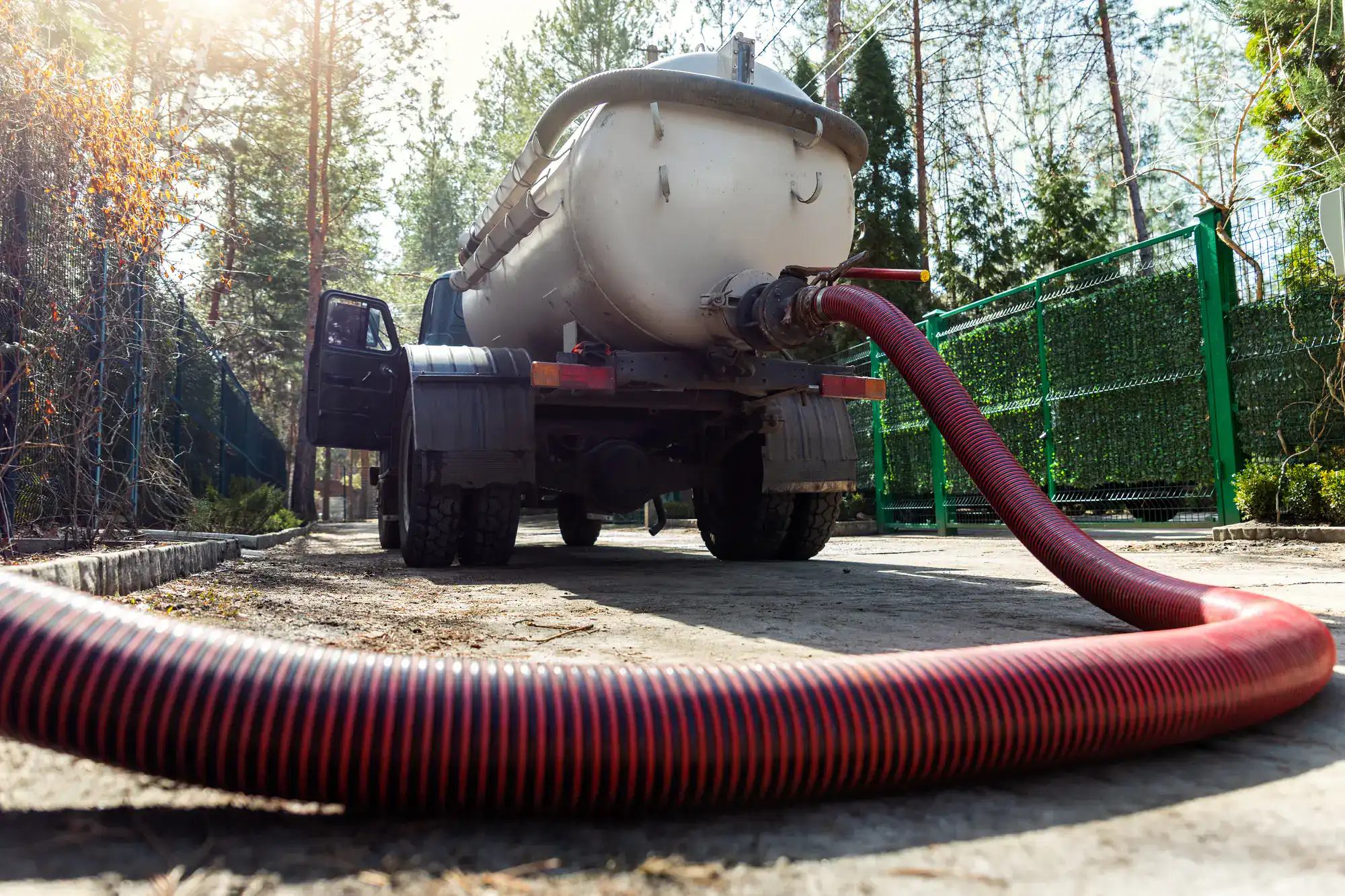
A slow drain or a sewage smell in the yard isn’t just inconvenient it’s a sign something is already failing underground. The longer it sits, the more damage accumulates, and in a neighborhood where homes regularly list above $440,000, what’s happening beneath the surface matters as much as what’s above it.
Campus Commons was built primarily in the 1970s through the 1990s, which puts most of the original sewer laterals squarely in the age range where clay pipe joints crack, sections belly from ground movement, and root systems find their way in. The Sacramento Valley’s clay-heavy soil expands in wet winters and contracts in dry summers and that seasonal cycle puts real mechanical stress on underground pipes year after year. When those pipes finally give, the symptoms tend to show up fast: gurgling toilets, drains backing up simultaneously, or wet patches near the greenbelt that shouldn’t be there.
Once the line is properly repaired, those symptoms stop. Drains move freely. There’s no odor. No slow-building backup waiting to ruin a weekend. And because the HOA in Campus Commons governs common areas and landscaping standards closely, getting the repair done right with minimal surface disruption means your yard and the surrounding greenbelts stay intact. That outcome isn’t incidental. It’s the whole point.
We’ve been working in Sacramento County for over 24 years. That’s long enough to know exactly what aging sewer infrastructure looks like in a 1970s planned community like Campus Commons and long enough to have a firm policy about how every job starts: with a camera inspection, not a quote.
Before any repair recommendation is made, you watch the footage. You see what’s actually going on inside the pipe whether it’s root intrusion from one of the mature trees lining Campus Commons’s greenbelt paths, a bellied section caused by shifting soil near the American River corridor, or a cracked joint that’s been leaking slowly for years. The recommendation follows from what the camera shows. Nothing more.
With a 4.7-star Google rating across 93 reviews, the track record is public and readable. Customers consistently note the same things: fast response, honest pricing, and a final invoice that matched or came in under the original estimate. That’s not a marketing angle. That’s just how we do the work.
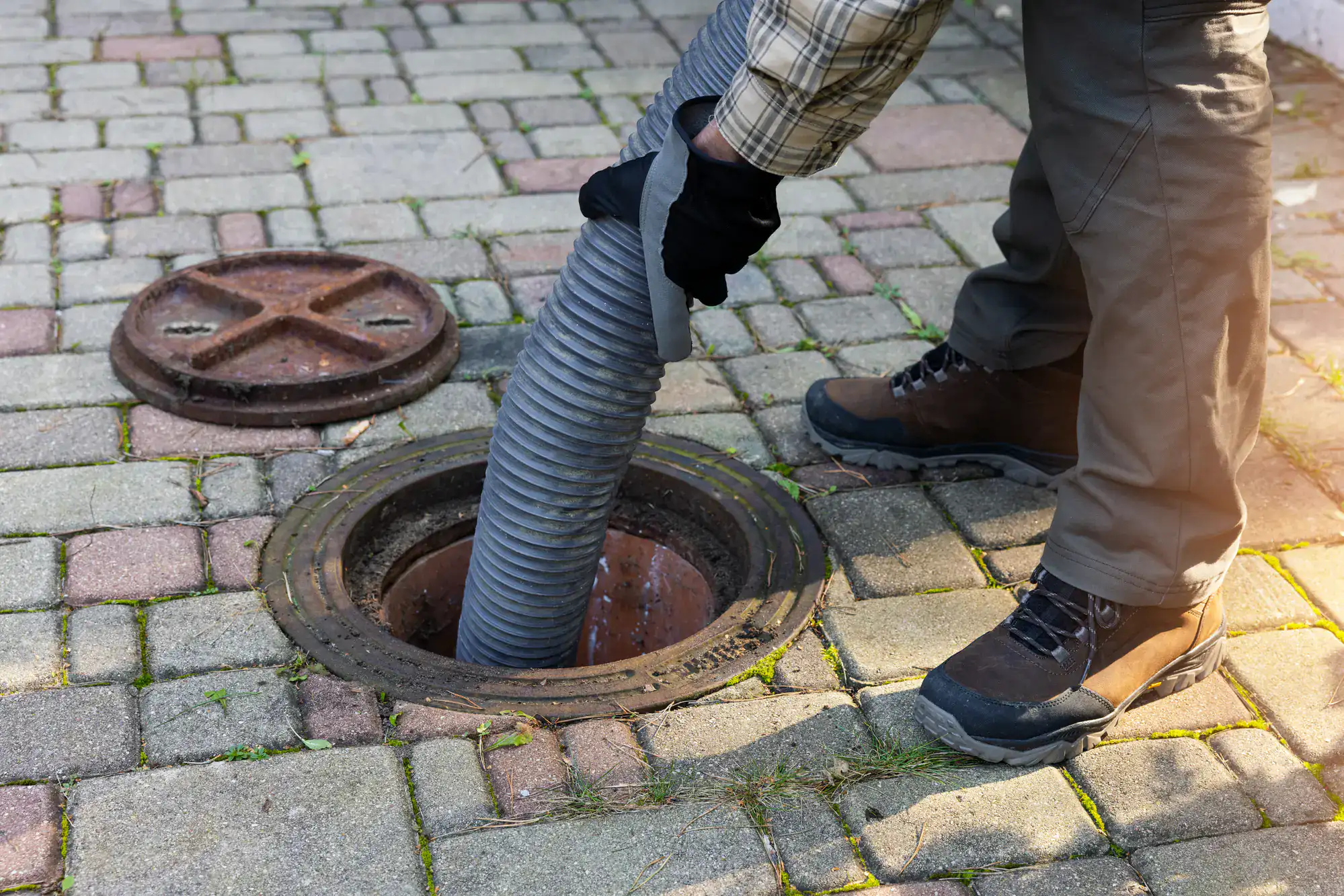
It starts with a call. When you reach out, you’ll speak with someone who can assess the urgency, answer your initial questions, and get a technician scheduled same day for urgent situations. We offer 24/7 availability, so if a backup develops on a Saturday night during a Sacramento winter storm, you’re not waiting until Monday.
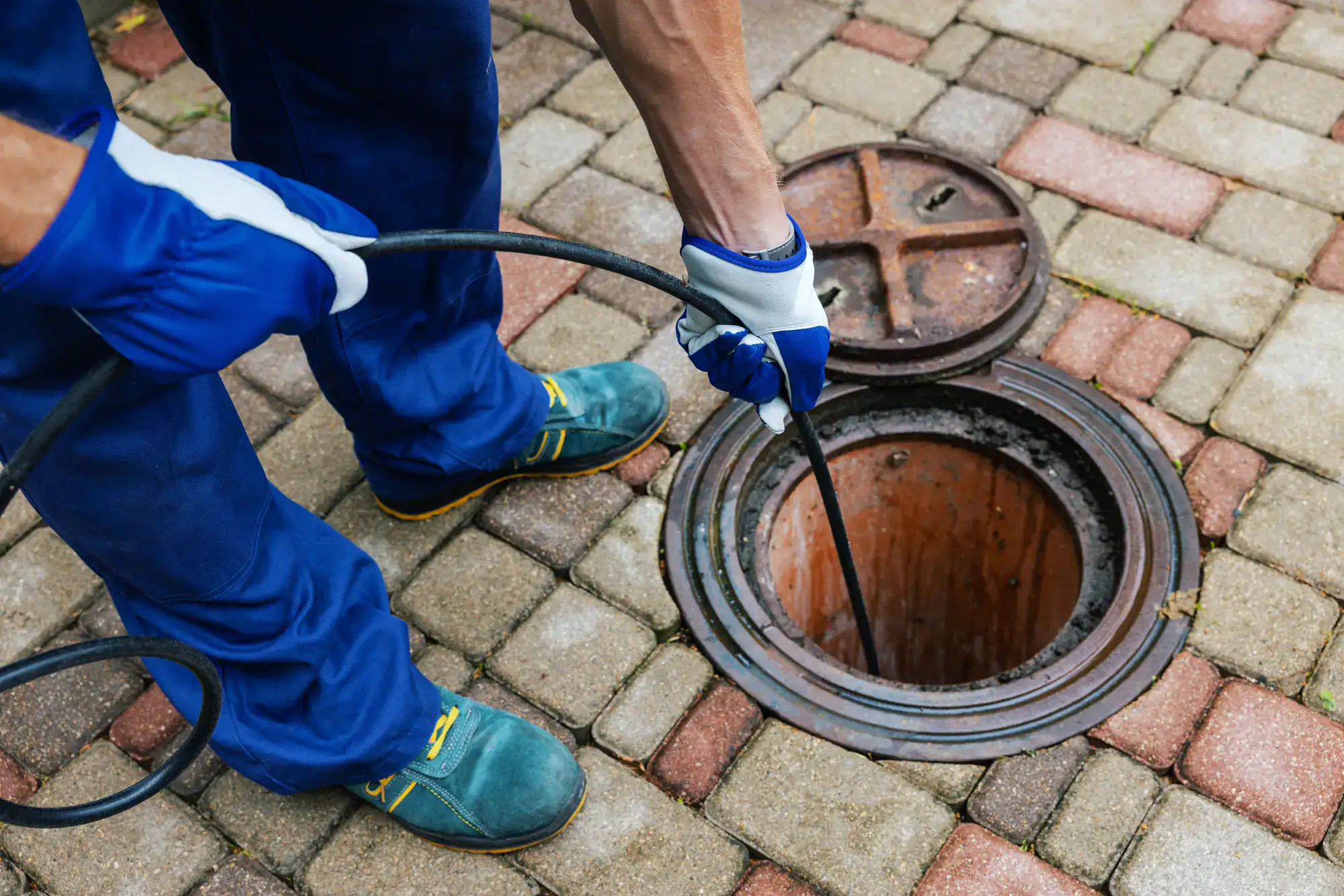
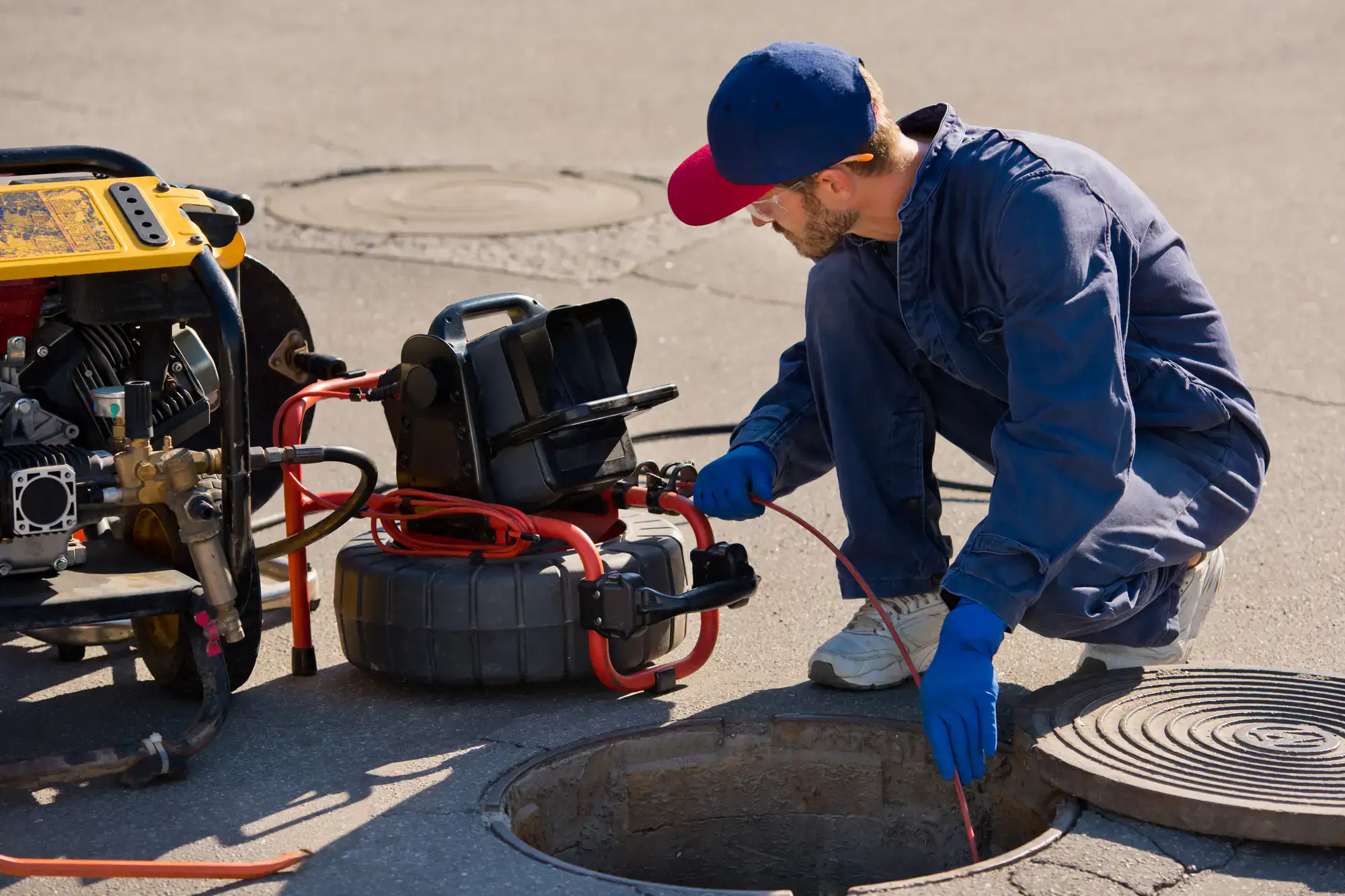
When the technician arrives, the first step is always the camera inspection. A high-definition camera goes into the line so both you and the technician can see exactly what’s happening. This is where the diagnosis happens not at a desk, not over the phone, but in real time with visual evidence in front of you. From there, a written price is given before any work begins. That number doesn’t change once the job is underway.
If the repair qualifies for a trenchless method pipe lining or pipe bursting that option is presented clearly, because in a community like Campus Commons where HOA landscaping standards are enforced and mature greenbelts are part of what makes the neighborhood worth living in, avoiding unnecessary excavation isn’t just a convenience, it’s often a requirement. For work that requires a City of Sacramento permit, we pull it and coordinate the inspection. You don’t have to navigate that process yourself.
Ready to get started?
Every sewer repair job with us starts with a camera inspection that’s not an add-on, it’s the standard first step. From there, the scope of work depends entirely on what the camera shows. Common repairs in Campus Commons include root intrusion clearing and lateral repair, pipe belly correction, cracked or offset joint repair, and full sewer line replacement when the damage is too extensive to patch. Trenchless options are available when conditions allow, which is especially relevant in this community given the HOA-maintained greenbelts and the mature landscaping that residents and the Nepenthe and Villages of Campus Commons associations work hard to preserve.
Because Campus Commons is within the City of Sacramento, sewer line repair and replacement work requires a permit through the city’s Permit Services division and must comply with Sacramento Area Sewer District requirements. We handle the permit application, coordinate the city inspection, and ensure the work passes before the job is considered closed. If you’re a homeowner near Fair Oaks Boulevard or American River Drive dealing with a recurring backup or a line that’s been slow for months, that full-service approach diagnosis, repair, permit, inspection is what a properly completed job looks like here.
Pricing is given in writing before work starts. The range for sewer repairs typically runs from around $650 for minor issues to several thousand for more involved repairs or full replacements, depending on what the camera finds. You’ll know the number before anyone picks up a tool.
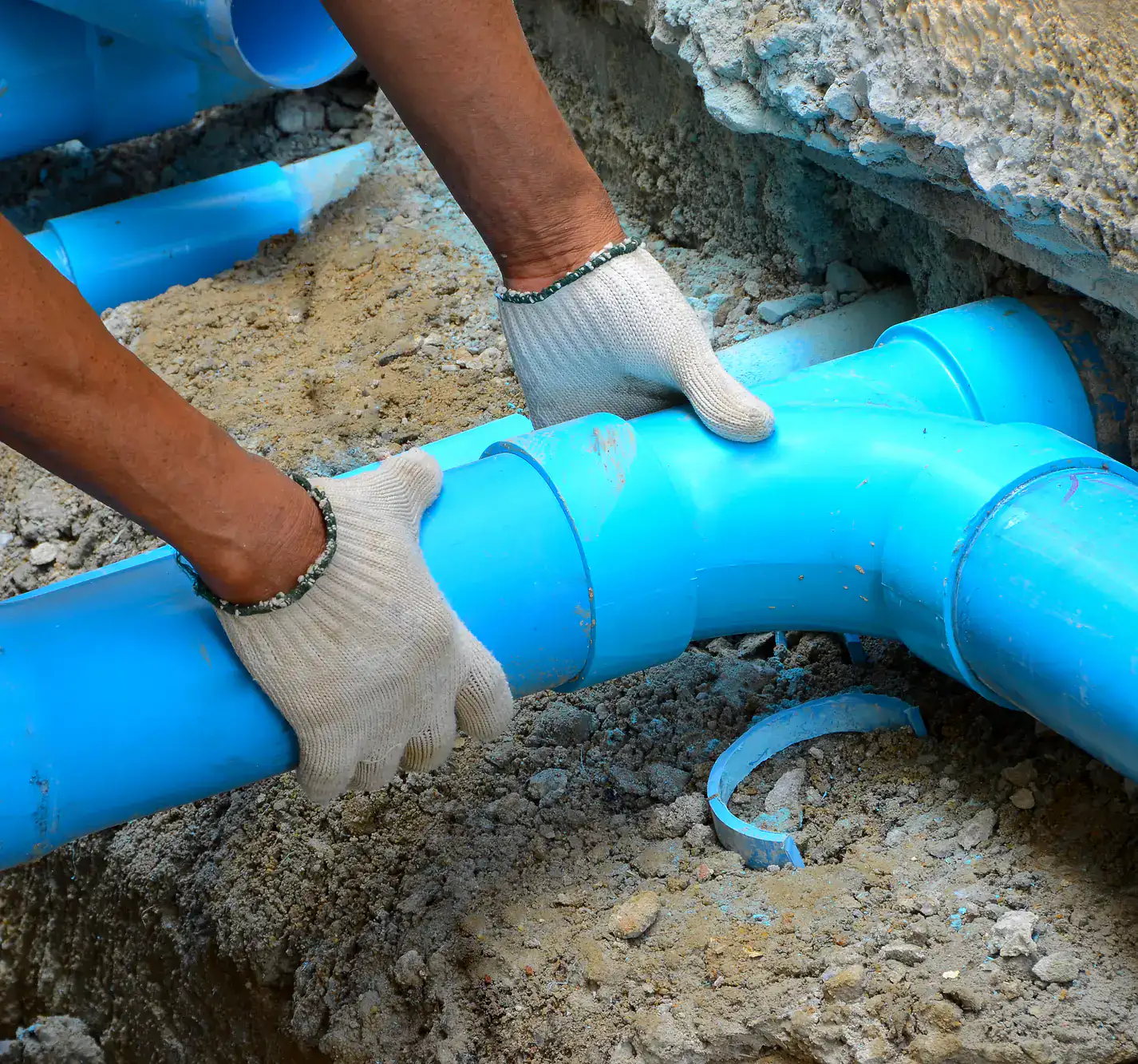
The honest answer is: you won’t know until a camera goes in the line. That’s not a sales tactic it’s just the reality of underground pipe diagnosis. A slow drain or occasional backup could mean a partial root intrusion that clears with hydro jetting, or it could mean a section of pipe has collapsed from years of soil movement. Those two problems have very different solutions and very different price tags.
In Campus Commons specifically, homes built in the 1970s through 1990s are the ones most likely to have clay laterals that have reached the end of their service life. Sacramento Valley clay soil contracts significantly in dry summers, which shifts the ground around aging pipes and creates low spots where waste pools instead of flowing. A camera inspection shows exactly what’s there a localized crack, a root mass, a belly, or a compromised section and the repair recommendation is built around that footage, not a worst-case assumption.
Costs vary depending on what the camera finds and how extensive the damage is. Minor repairs clearing a root intrusion or patching a cracked joint typically start around $650. More involved repairs involving a bellied section or a partial lateral replacement generally run in the $2,000 to $5,000 range. A full sewer line replacement, which is sometimes the right call on a 50-year-old clay lateral that has failed in multiple places, can reach $8,000 to $15,000 depending on depth, length, and access conditions.
In Campus Commons, access conditions matter more than in many other Sacramento neighborhoods. HOA-maintained greenbelts and mature landscaping can affect how we reach the line, and trenchless methods which cost more upfront than open excavation but avoid surface disruption are often the practical choice here. We give you a written price before work begins, and that number holds. Some customers have ended up paying less than the original estimate once the actual scope became clearer during the job.
Yes any sewer line repair or replacement that goes beyond minor maintenance requires a permit through the City of Sacramento’s Permit Services division. The city categorizes these as minor permits for smaller-scope repairs and standard permits for more significant work. After the work is completed, a city inspection is required before the job is officially closed out. Skipping this step can create real problems down the line, particularly if you sell the property and unpermitted work surfaces during escrow.
Campus Commons sits within Sacramento city limits, so all permitting goes through the city rather than a separate municipality. We pull the permit, submit the required documentation, and schedule the city inspection as part of the job. You don’t need to call the permit office or follow up on inspection scheduling that’s handled. For homeowners in a community where properties regularly transact above $440,000, having a properly permitted and inspected sewer repair on record is worth more than the inconvenience of skipping it.
In many cases, yes. Trenchless repair methods specifically pipe lining (CIPP) and pipe bursting allow a damaged line to be repaired or replaced without open excavation. Pipe lining involves inserting a resin-saturated liner into the existing pipe and curing it in place, creating a new pipe within the old one. Pipe bursting fractures the old pipe outward while simultaneously pulling a new pipe through. Both methods require access points at either end of the run but leave the surface between them undisturbed.
For Campus Commons residents, this matters for two specific reasons. First, the community’s HOA associations both the Villages of Campus Commons and the Nepenthe Association maintain strict standards for common area landscaping and greenbelt appearance. A repair that requires excavating through a maintained greenbelt path or disturbing mature tree roots creates complications that go beyond just the plumbing job. Second, the mature trees throughout this community are part of what makes it worth living in and trenchless methods protect them. Whether trenchless is the right call depends on what the camera shows about pipe condition and alignment, but it’s always the first option we evaluate.
This is a common pattern in Campus Commons, and it usually comes down to one of two things or both at once. The first is that aging pipe joints or cracks in the lateral are allowing groundwater to enter the line during heavy rain events. Campus Commons sits adjacent to the American River, which means the water table in this area rises more than in drier inland Sacramento neighborhoods during wet winters. When saturated soil pushes groundwater into a compromised pipe, the added volume overwhelms the line and causes backups even when the pipe appears functional under dry conditions.
The second cause is that rain events add hydraulic load to the entire sewer system, and a line that’s already partially obstructed by root intrusion or a belly hits its limit faster under that added pressure. Either way, a backup that only happens during winter rain isn’t a sign that the pipe is fine the rest of the year. It’s a sign that the pipe has a problem that wet conditions are exposing. A camera inspection after a backup event gives you a clear picture of which issue you’re dealing with and what the right fix looks like.
Tree roots follow moisture. Aging sewer laterals especially clay pipe joints common in 1970s construction allow small amounts of moisture to escape, and nearby root systems detect that and grow toward it. Once a root finds a joint gap or a hairline crack, it enters the pipe and continues growing inside it, gradually restricting flow until the line backs up or blocks entirely. In Campus Commons, where trees lining the greenbelt paths and the American River Parkway corridor have had 40 to 50 years to establish deep, wide root systems, this isn’t a rare scenario it’s one of the most common causes of sewer problems in the neighborhood.
Root intrusion doesn’t always mean the pipe needs to be replaced. If the pipe structure is still intact and the roots haven’t caused cracking or displacement, hydro jetting can clear the intrusion and restore flow. If the roots have compromised the pipe wall or caused joint separation, repair or lining may be needed to prevent re-intrusion. The camera tells you which situation you’re in. What’s worth knowing is that root intrusion in an established community like Campus Commons tends to recur unless the underlying pipe condition is addressed clearing it without repairing the entry point is a temporary fix, not a permanent one.