
Sewer Services
Get a free quote for sewer services from your local plumbing team.
We’ll contact you about your sewer services request. Privacy policy
Hear from Our Customers
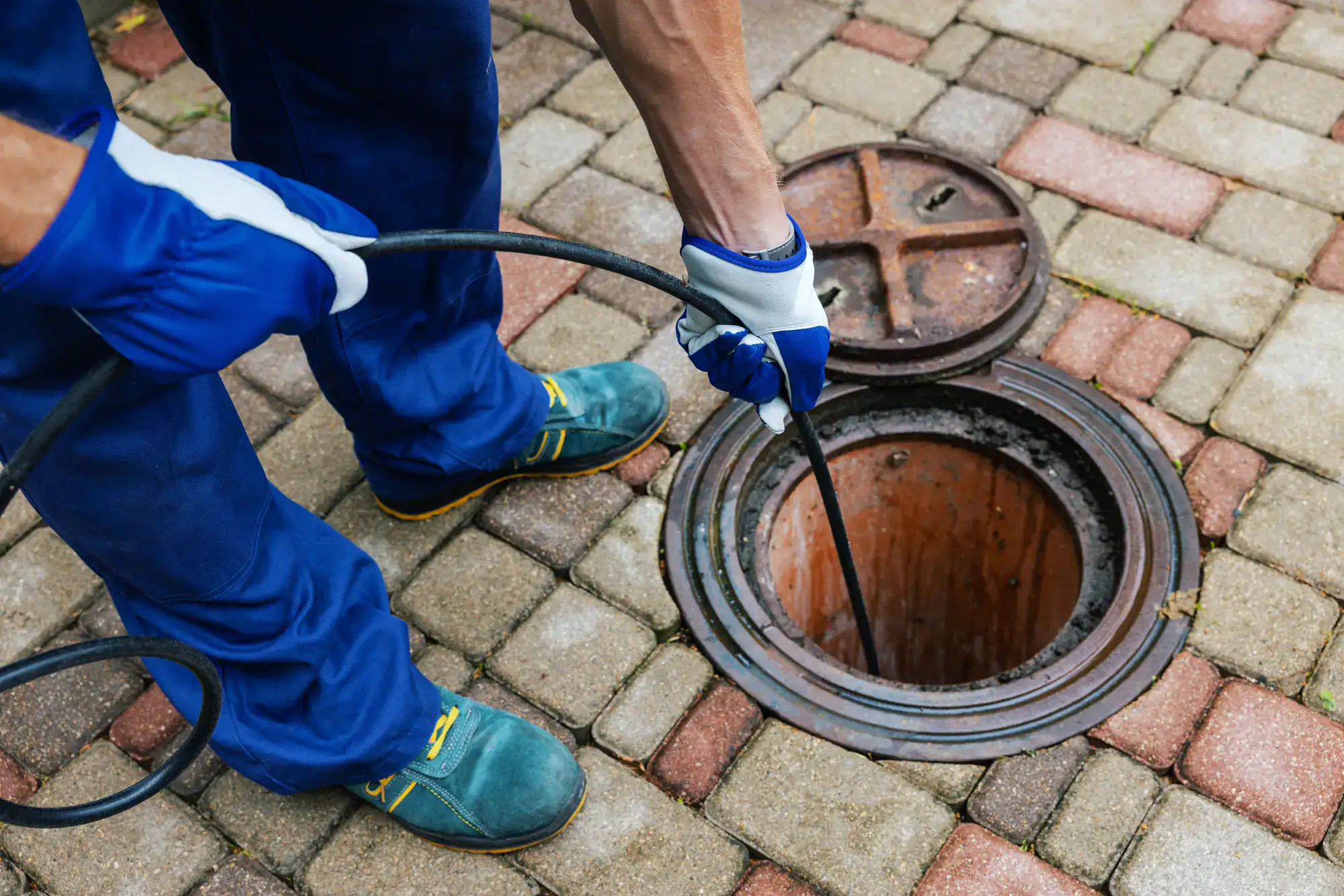
A sewer problem that keeps coming back isn’t a sewer problem it’s a diagnosis problem. Snaking a line full of tree roots buys you a few months. Lining or replacing a cracked clay lateral that’s been shifting in Colfax’s granitic substrate for 80 years actually fixes it. That’s the difference between a recurring bill and a resolved issue.
Downtown Colfax homes the Victorians off Main Street, the Craftsman bungalows near the depot were built when clay tile pipe was standard. That pipe is durable until the joints go, and after enough freeze-thaw cycles at 2,400 feet, they go. When that happens, tree roots find the gaps, and slow drains become full backups. Getting the right repair means knowing which failure mode you’re actually dealing with.
Once the line is repaired correctly, the symptoms stop. Drains run clear. Toilets flush the first time. The yard stops smelling. And if you’re selling your home in Colfax, you can get through the City’s sewer lateral inspection without last-minute surprises derailing your close date.
We’ve been serving Placer County for over 24 years, with deep roots in the foothill communities along I-80 Colfax, the Rollins Lake Road area, the canyon-adjacent properties off SR-174. Foothill terrain is different from Sacramento valley work. Rocky substrate, steep lots, aging pipe, and city permit offices with their own processes. We’ve worked in all of it.
The business is owner-operated, which means the person whose name is on the truck is the person accountable for the work. With a 4.7 out of 5 Google rating across 93 reviews, the feedback is consistent: we show up when we say we will, we tell you what we find, and the price we quote is the price you pay. Sometimes it comes in under. It never mysteriously goes over.
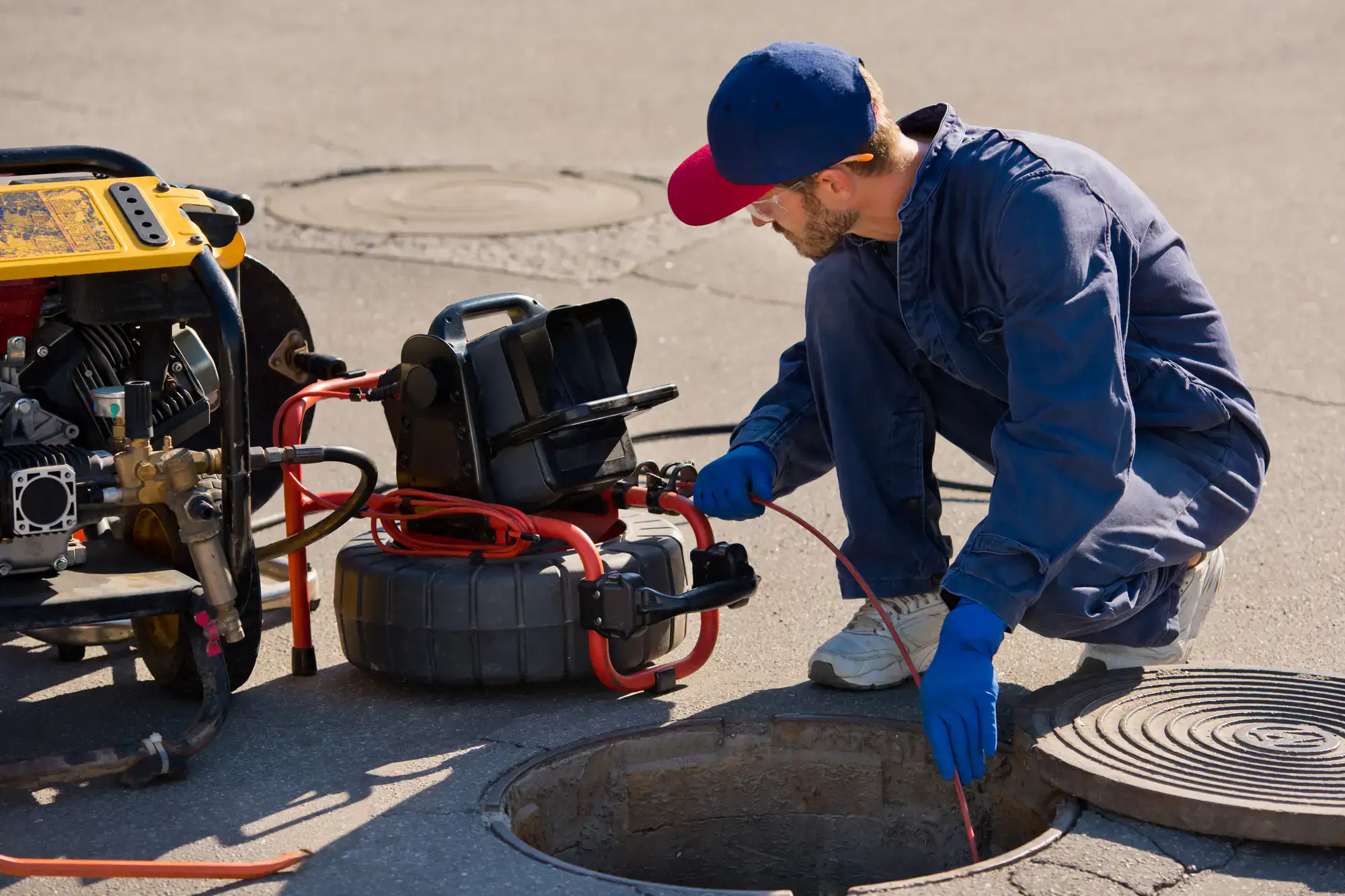
Every sewer job we handle starts with a camera inspection. Not as an upsell as the first step. We run a camera through the line and show you what’s actually there: root intrusion, a cracked joint, a bellied section, or a collapse. On properties with older clay laterals, which describes a large portion of Colfax’s historic downtown core, this step is non-negotiable. You don’t recommend a repair until you know what you’re repairing.
Once we’ve identified the issue, we walk you through what needs to happen and give you a written price before any work begins. If the repair qualifies for trenchless methods pipe lining or pipe bursting we’ll tell you that too, because it means less excavation on your property. That matters when you’re working around mature trees, a restored Victorian yard, or a steep canyon-adjacent lot in Colfax.
For properties going through Colfax’s Sewer Lateral Program under Ordinance 499, we handle the permit, coordinate the inspection with City staff, complete any required repairs, and get your certificate issued. If you’re under escrow pressure, that end-to-end process matters more than almost anything else we do.
Ready to get started?
Sewer repair in Colfax covers a wider range of situations than most homeowners expect. The most common calls we get are for root intrusion in aging clay laterals a predictable problem when you have large wooded lots, mature trees, and pipes that are decades past their designed joint life. We also handle collapsed sections, joint separations from ground movement, and bellied lines that pool waste and cause repeated backups. Hydro jetting, pipe lining, pipe bursting, and open-cut replacement are all on the table depending on what the camera shows.
For homes in Colfax’s historic downtown the blocks surrounding the 1905 railroad depot, the Victorian-era streets near Main we pay attention to the property. Trenchless options protect landscaping and hardscaping that took years to develop. When excavation is unavoidable, we’re careful and we clean up completely.
Every job includes the camera inspection, a written estimate, the repair itself, and full cleanup. For jobs that require city permits or the formal Sewer Lateral Program inspection under Chapter 13.08 of the Colfax Municipal Code, we manage that process from start to finish. You don’t have to figure out what the city needs we already know.
Yes and this catches a lot of homeowners off guard during escrow. Under Colfax City Ordinance 499, a valid sewer lateral certificate is required before any property in Colfax can be sold. You’re responsible for the lateral line running from your house to the city’s main sewer, and that line has to be inspected and certified by a licensed California plumber in the presence of City staff before the sale closes.
The certificate is generally valid for 10 years. If yours has expired or if your property has never been through the program you’ll need a new inspection before your transaction can move forward. If repairs are needed to pass, those have to be completed before the certificate is issued. We handle the permit, the City coordination, the inspection, and any required repairs as a complete process. If you’re on a tight escrow timeline, that matters.
The honest answer is that it depends heavily on what the camera finds. A straightforward spot repair on a minor crack or root intrusion point can run in the $650 to $1,500 range. A more significant section repair or trenchless lining job typically falls between $2,000 and $5,000. Full lateral replacement which becomes relevant on Colfax’s oldest downtown properties where the original clay pipe has simply reached end of life can run $4,000 to $10,000 or more depending on the length of the run and site conditions.
One thing that affects cost in Colfax specifically is the substrate. Granitic and metamorphic bedrock underlies much of the city, which makes traditional excavation more labor-intensive than in Sacramento valley towns built on alluvial soil. That’s a real cost factor, and it’s one reason trenchless methods are worth evaluating when the pipe condition allows for it. We give you a written price before any work starts so you know what you’re looking at before you commit.
The most telling sign is when the problem keeps coming back. If you’ve had your line snaked twice in the past year and the drains are slow again, snaking isn’t solving the underlying issue it’s just clearing the symptom temporarily. Root intrusion in older clay pipe is the most common culprit in Colfax, particularly on properties with significant tree coverage. The roots get cleared, grow back into the same joint gaps, and the cycle repeats.
Other signs worth paying attention to: multiple drains backing up at the same time, gurgling sounds from toilets when you run a sink, sewage odors in the yard or near floor drains, and wet or unusually green patches in the lawn above where the lateral runs. Any one of these can indicate a break, a belly, or a root mass that a camera inspection will confirm. In Colfax’s older housing stock, these symptoms often point to a pipe that’s been failing slowly for years not a sudden event.
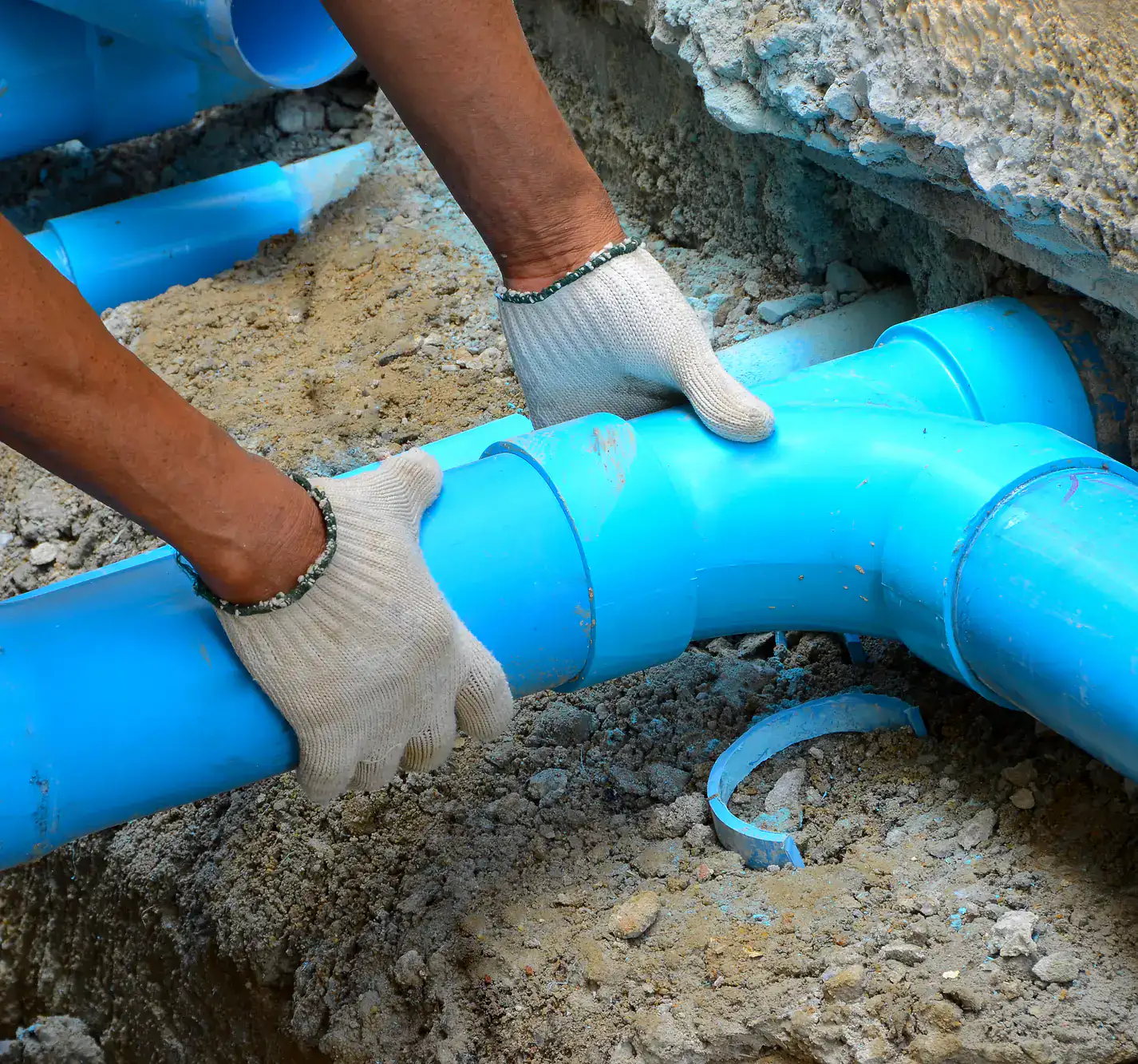
Often, yes but it depends on what the camera inspection reveals. Trenchless methods like pipe lining (CIPP) and pipe bursting work well when the existing pipe still has enough structural integrity to support the process. Pipe lining inserts a resin-coated liner inside the existing pipe and cures it in place, essentially creating a new pipe within the old one. Pipe bursting fractures the old pipe outward while simultaneously pulling a new pipe through.
For Colfax homeowners, trenchless is worth asking about specifically because of property conditions here. Large wooded lots, mature landscaping, restored Victorian yards, and canyon-adjacent terrain all make open excavation more disruptive and more expensive. If trenchless is viable for your situation, it’s almost always the better option. If it’s not because the pipe has collapsed, the grade is wrong, or the access points don’t allow it we’ll tell you that clearly and explain why before recommending the alternative.
Colfax sits at about 2,400 feet, which means it gets genuine winter weather not the mild Sacramento valley version. Freeze-thaw cycles put real stress on underground pipes, particularly older clay and cast iron laterals. When soil freezes and expands, then thaws and contracts, it shifts the ground around the pipe. Over time, that movement cracks joints, creates new entry points for roots, and can cause sections to separate or belly. Colfax saw a state of emergency in December 2021 due to severe snow storms that kind of weather event accelerates failures that were already developing.
The short answer on timing: don’t wait for a full backup. If you’re noticing slow drains or gurgling toilets heading into fall, getting a camera inspection before winter is a smart move. If something backs up mid-winter, call immediately we offer 24/7 emergency sewer response, and a backup at 2,400 feet in January is not a situation you want to manage over a weekend without help.
Root intrusion is the single most common cause of sewer lateral failures in Colfax and the combination of factors here makes it especially prevalent. Large, wooded lots with mature trees are a defining feature of the Colfax lifestyle, particularly in the Rollins Lake Road area and on the acreage properties near the North Fork American River canyon. Those trees are actively seeking moisture during Colfax’s hot, dry summers, when July and August temperatures regularly exceed 90°F. A municipal sewer lateral provides a consistent, nutrient-rich water source year-round, and tree roots will find it.
Clay pipe the material used in most of Colfax’s older laterals is particularly vulnerable because the joints were sealed with mortar or compression fittings that degrade over decades. Once a root finds a gap, it grows inside the pipe, branches out, and eventually creates a mass that causes complete blockage. Snaking removes the visible obstruction but leaves the compromised joint intact. A camera inspection shows the actual condition of the pipe so you can decide whether clearing it again makes sense or whether a lasting repair is the better call.