
Sewer Services
Get a free quote for sewer services from your local plumbing team.
We’ll contact you about your sewer services request. Privacy policy
Hear from Our Customers
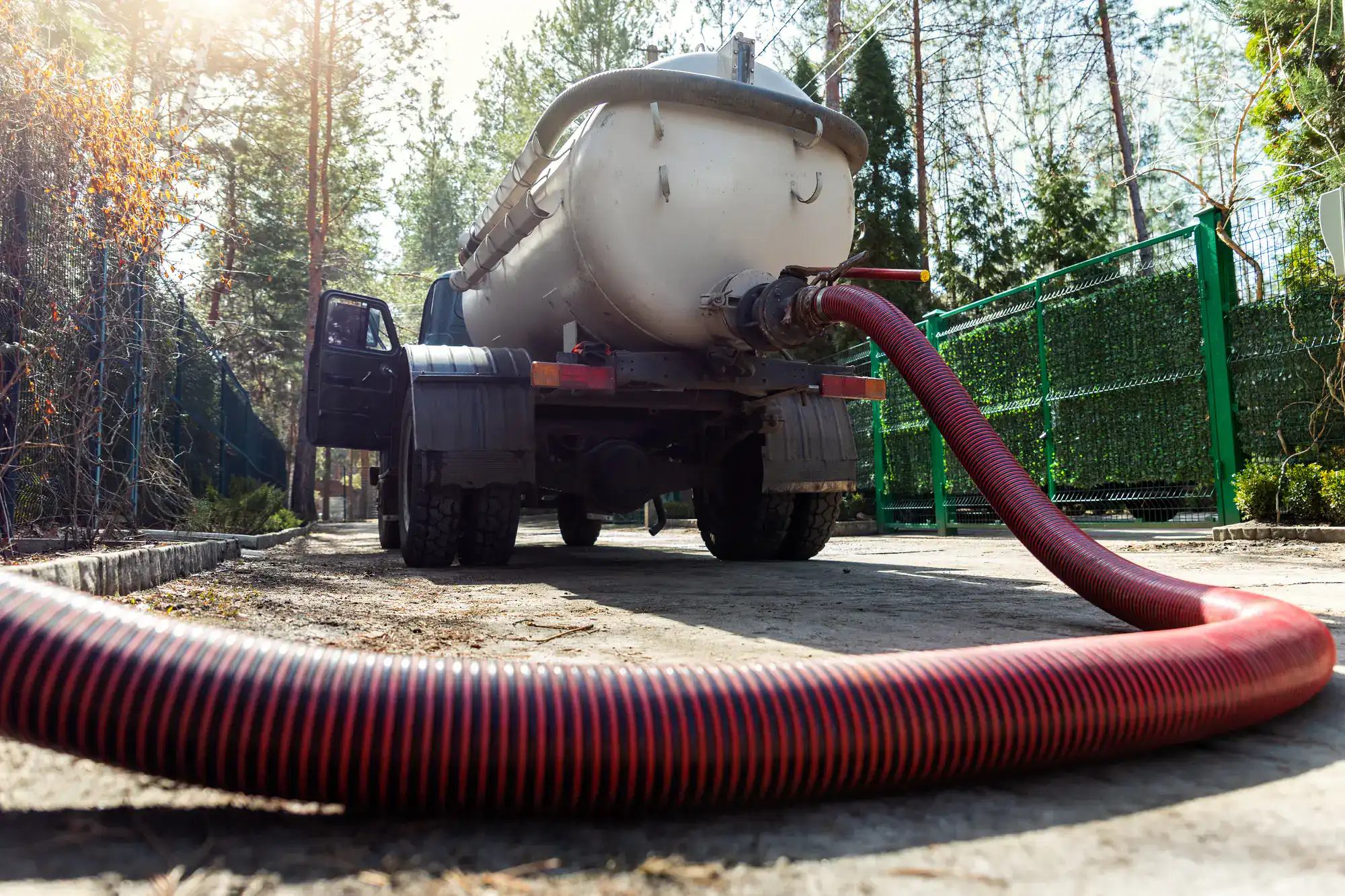
A slow drain you’ve been living with for months isn’t just annoying in a Curtis Park home built in the 1920s or 1930s, it’s usually a sign that something deeper is failing. Clay pipe laterals that have been in the ground for 80 to 100 years don’t give you much warning before they go. By the time the backup happens, you’re already dealing with a mess instead of a manageable repair.
Once the line is properly repaired, you stop chasing the same problem every few months. No more snaking that clears it for two weeks and then leaves you back at square one. No more wondering if the smell in the backyard is something serious. The plumbing in your home just works the way it’s supposed to quietly, in the background, the way it should have been all along.
Curtis Park’s mature elm canopy is one of the things that makes this neighborhood worth what it’s worth. But those root systems are aggressive, and aging clay joints are exactly the kind of entry point they find. Getting ahead of root intrusion rather than reacting to it after a full backup is the difference between a targeted repair and a full lateral replacement. The camera tells you which one you’re actually dealing with.
We’ve been serving the Sacramento region for over 24 years, and that includes the older, tree-heavy neighborhoods along the 95818 corridor where sewer work requires more than a snake and a guess. Ryan Murray runs the business personally, which means when something goes sideways on a job, there’s a real person accountable for it not a dispatch center routing calls to whoever’s available.
The approach here is straightforward. A camera goes down the line before any recommendation is made. You see the footage. You get a price before work starts. And if the job turns out to be simpler than expected, some customers have paid less than the original estimate. That’s not a policy written on a website it shows up in the reviews, consistently.
Curtis Park homes near Curtis Way, Montgomery Way, and the Broadway corridor are exactly the kind of stock we know well original clay laterals, mature root systems, expansive Sacramento clay soil, and a city permitting process that not every contractor bothers to handle correctly. We pull the permits and manage the city inspection in-house, so that piece doesn’t fall on you.
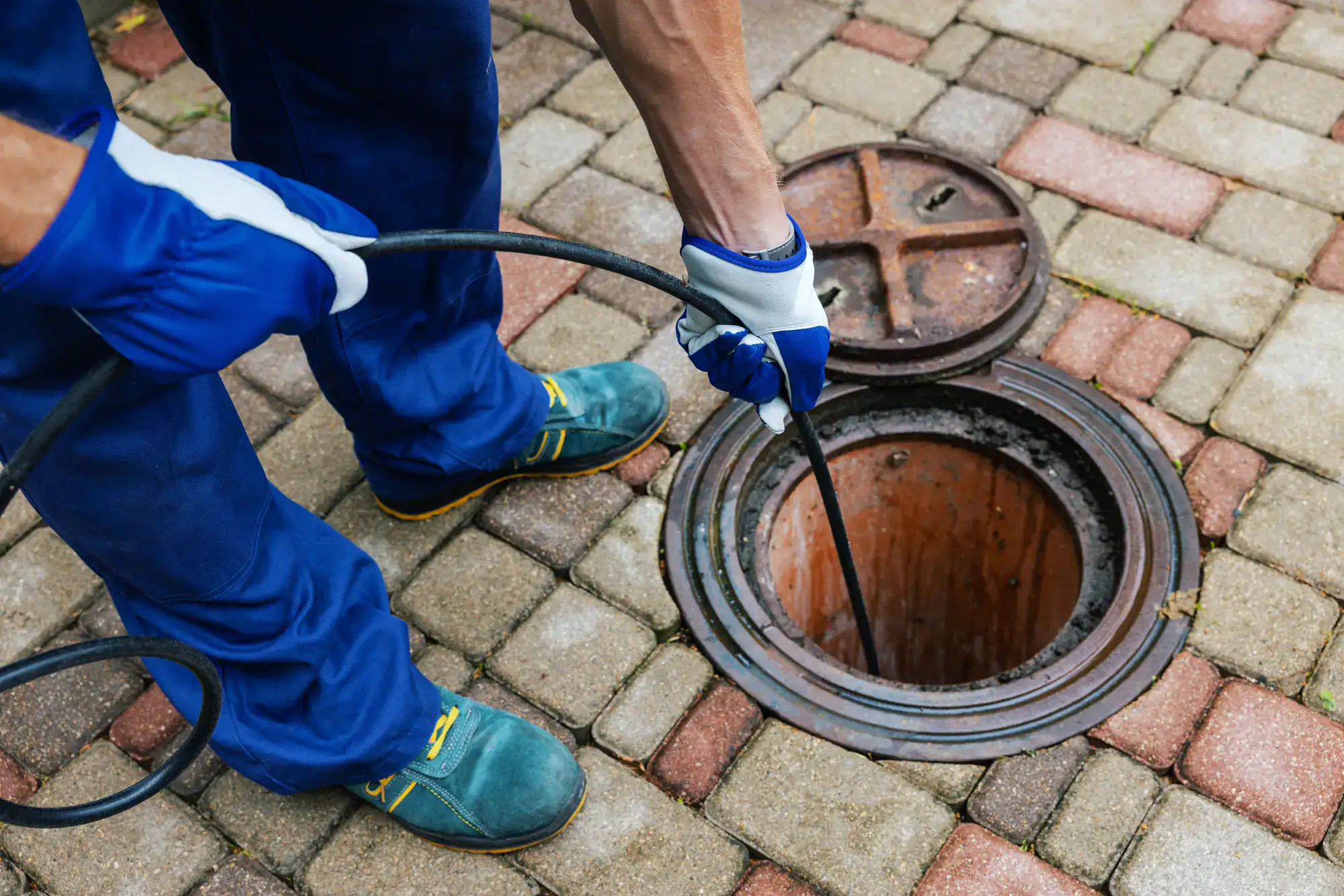
The first step is always the camera inspection. A waterproof camera goes through the line from a cleanout access point, and you get a real-time look at what’s actually happening inside the pipe root intrusion, offset joints, a bellied section holding standing waste, or a crack that’s been letting groundwater in every time it rains. In Curtis Park, where most homes were built before 1940 and the soil expands and contracts dramatically between Sacramento’s dry summers and wet winters, what the camera finds is rarely surprising, but it’s always specific. You’re not guessing at a repair based on symptoms.
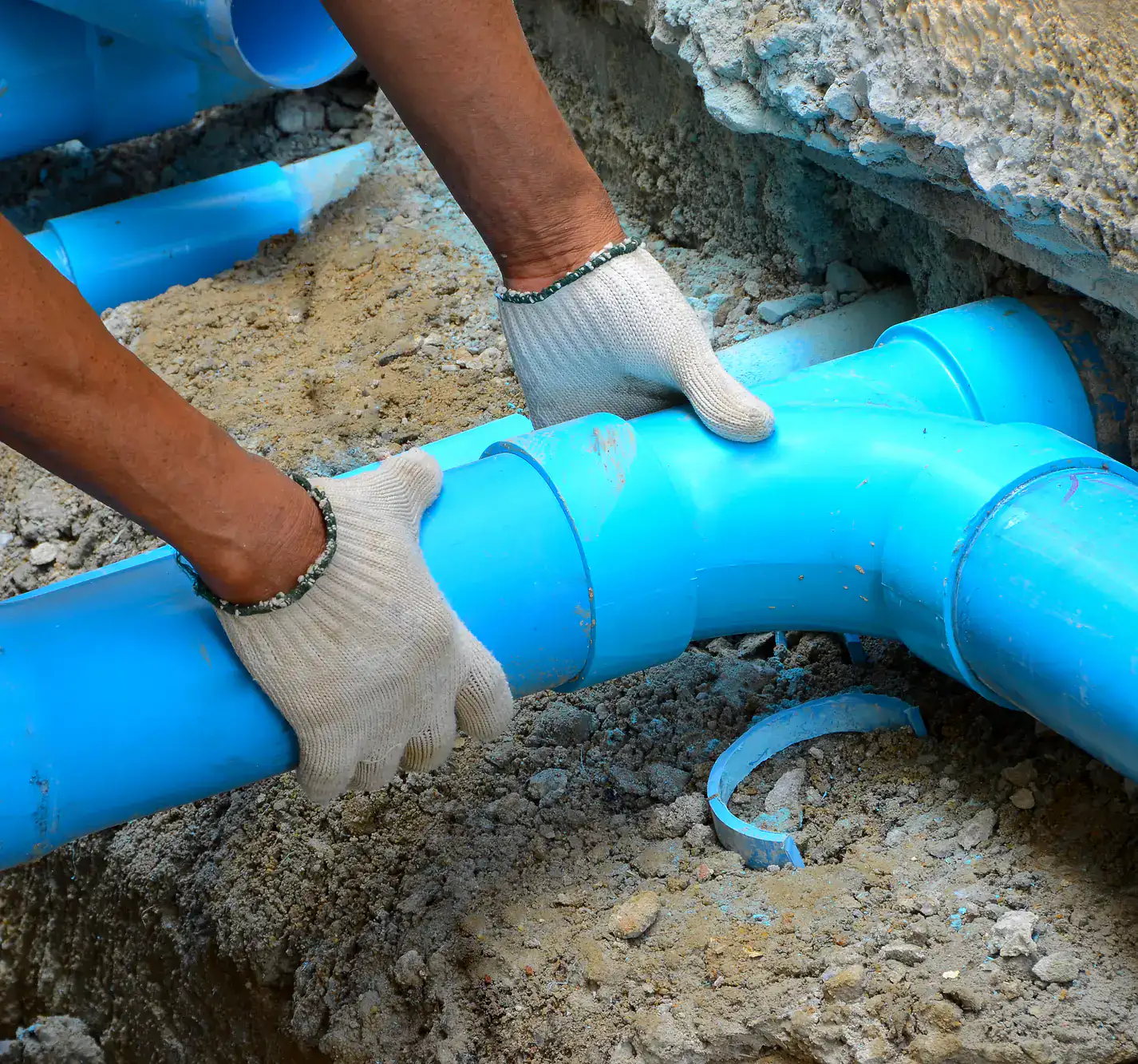
Once the inspection is complete, you get a clear explanation of what was found and a firm price for the repair. If the damage is isolated a root intrusion at a single joint, for example the fix is targeted and the cost reflects that. If the lateral has multiple failure points or has deteriorated past the point of repair, replacement is the honest recommendation, and we use trenchless methods wherever the conditions allow. Trenchless pipe lining or pipe bursting means far less excavation, which matters a great deal in a neighborhood where mature trees, established landscaping, and historic hardscaping are part of what you’re protecting.
For work that extends into the public right-of-way or requires opening the street, we handle the City of Sacramento permit application and schedule the city inspection directly. You don’t have to navigate SacSewer’s upper lateral requirements or figure out the permitting process on your own that’s handled.
Ready to get started?
Every sewer repair job with us starts with a camera inspection not as an add-on, and not as a way to justify a bigger ticket. It’s the first step because it’s the only responsible way to diagnose a sewer problem in a home where the pipes have been underground since before World War II. Curtis Park’s clay laterals, combined with Sacramento’s expansive clay soil and the root systems of century-old elms, create conditions where visual inspection from above tells you almost nothing. The camera tells you everything.
From there, the scope of work depends entirely on what the footage shows. Targeted repairs address isolated damage a cracked joint, a root intrusion point, an offset section without touching the rest of the line. Full lateral replacement is recommended only when the pipe has deteriorated to the point where repair would be a temporary fix at best. When trenchless methods are viable, we use them. That means pipe lining or pipe bursting instead of open trenching, which protects the trees, the landscaping, and the hardscaping that Curtis Park homeowners have spent years building.
We also handle the paperwork side of the job. Sacramento homeowners are responsible for the upper lateral the line from the home to the property line and all repair or replacement work on that section requires a City of Sacramento permit and inspection. If you’re not sure whether you qualify for SacSewer’s Upper Lateral Loan Program, which offers low-interest financing up to $15,000, that’s a conversation worth having before the job starts. We can walk you through it.
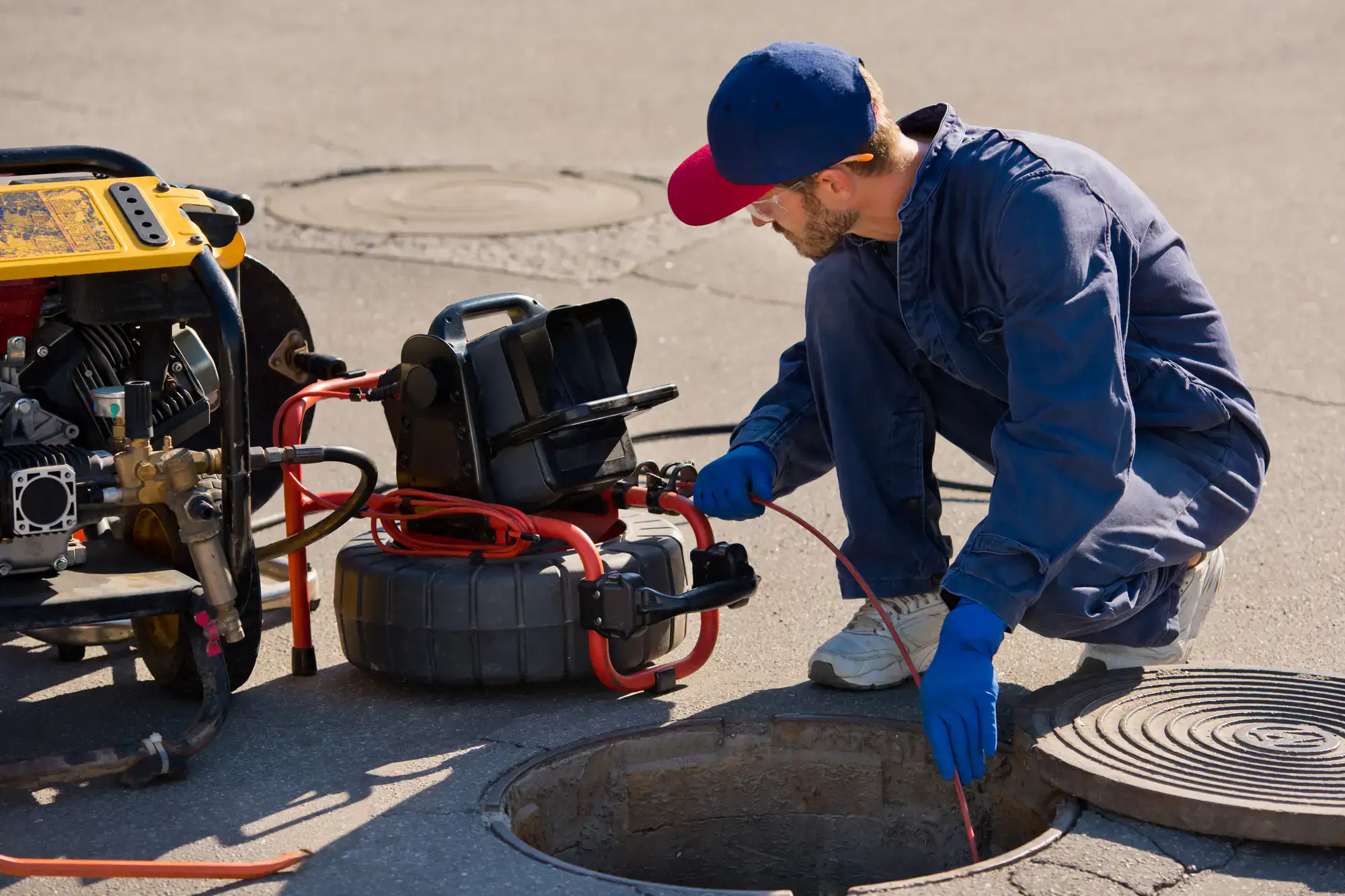
The only reliable way to answer that question is with a camera inspection. Symptoms like slow drains, gurgling toilets, recurring backups, or a sewage smell in the yard can point to anything from a single root intrusion to a lateral that’s collapsed in multiple places. Without seeing the pipe, any recommendation is a guess and in Curtis Park, where most homes were built in the 1920s and 1930s, guessing tends to go in one expensive direction.
When the camera goes down the line, you get a clear picture of what’s actually happening. A single offset joint or a localized root intrusion is a repair. A pipe that’s bellied, cracked along multiple sections, or deteriorated to the point where the walls are collapsing is a replacement. The footage makes that distinction clear, and the recommendation follows the footage not the other way around. Curtis Park’s clay laterals are old enough that either outcome is possible, which is exactly why the camera goes first.
In Curtis Park specifically, the two biggest contributors are tree root intrusion and soil movement. The neighborhood’s signature elm canopy the reason it’s called the “Neighborhood of Trees” means mature root systems have been growing alongside aging clay pipe joints for decades. Roots are drawn toward moisture, and a cracked or slightly offset clay joint is all the entry point they need. Once inside, they grow into dense mats that restrict flow and eventually cause complete blockages.
Sacramento’s clay soil compounds the problem. The soil expands significantly when it’s saturated during winter rains and contracts when it dries out during the long dry season which in Sacramento can run from May through October. That annual cycle of expansion and contraction puts constant stress on pipe joints that were never designed to flex. Over 80 to 100 years, that stress adds up. Offset joints, cracked pipe walls, and bellied sections that trap standing waste are all common findings on camera inspections in Curtis Park’s housing stock.
In Sacramento, the homeowner is responsible for the upper lateral the sewer pipe that runs from your home to the property line. SacSewer owns and maintains the lower lateral, which runs from the property line to the public main. If the problem is on your side of that line, which it usually is, the repair cost falls to you.
That said, SacSewer does offer an Upper Lateral Loan Program that provides low-interest financing up to $15,000 for homeowners who need to repair or replace their upper lateral. It’s worth checking whether you qualify before the job starts, especially if the scope of work is significant. For Curtis Park homeowners dealing with a failing clay lateral that needs full replacement, $15,000 in low-interest financing can make a real difference. We can help you understand where the problem is located relative to your property line and what your options are before any decisions are made.
Yes sewer lateral repair and replacement in Sacramento requires a permit from the City of Sacramento Building Department, and any work that extends into the public right-of-way requires a city inspection before it can be covered. This isn’t optional, and it matters more than most homeowners realize. Unpermitted sewer work discovered during a real estate transaction and Curtis Park’s market moves fast, with homes selling in around 39 days on average can delay or derail a sale and create legal liability that’s expensive to untangle.
We handle the permit application and schedule the city inspection in-house. You don’t have to figure out Sacramento’s permitting process, contact SacSewer separately, or coordinate the inspection yourself. The job gets done correctly, it gets documented, and when you eventually sell your home, there’s no question about whether the work was done to code. For a home worth $700,000 or more, that paper trail is worth having.
Trenchless sewer repair is available and we use it whenever the condition of the pipe and the site allow for it. The two main methods are pipe lining where a resin-saturated liner is inserted and cured inside the existing pipe, creating a new pipe within the old one and pipe bursting, where the old pipe is fractured outward as a new pipe is pulled through. Both methods require significantly less excavation than traditional open-trench replacement.
In Curtis Park, where mature elm trees, established landscaping, and historic hardscaping are part of what makes properties valuable, trenchless methods aren’t just convenient they’re often essential to protecting what you’ve built. That said, trenchless isn’t the right call in every situation. A pipe that’s completely collapsed, severely offset, or has significant belly sections may require some degree of excavation to address properly. The camera inspection determines which approach is appropriate, and you’ll get an honest answer about that before any work begins.
Cost depends heavily on what the camera finds. A targeted repair addressing a single root intrusion point or a localized crack typically runs in the range of $650 to $2,500 depending on depth, access, and whether any excavation is required. A full lateral replacement on a longer run, especially one that involves trenchless methods or work within the public right-of-way, can range from $4,000 to $10,000 or more. In Curtis Park, where homes sit on longer lots and laterals often run under mature tree canopy, the upper end of that range is not uncommon for full replacements.
What we commit to is giving you that number before any work starts not a range that shifts once the job is open. The price you’re quoted is the price you pay, and in some cases customers have paid less when the job turned out to be more straightforward than the initial inspection suggested. If the scope qualifies for SacSewer’s Upper Lateral Loan Program, that financing option is worth factoring into the conversation before you make any decisions about how to proceed.