
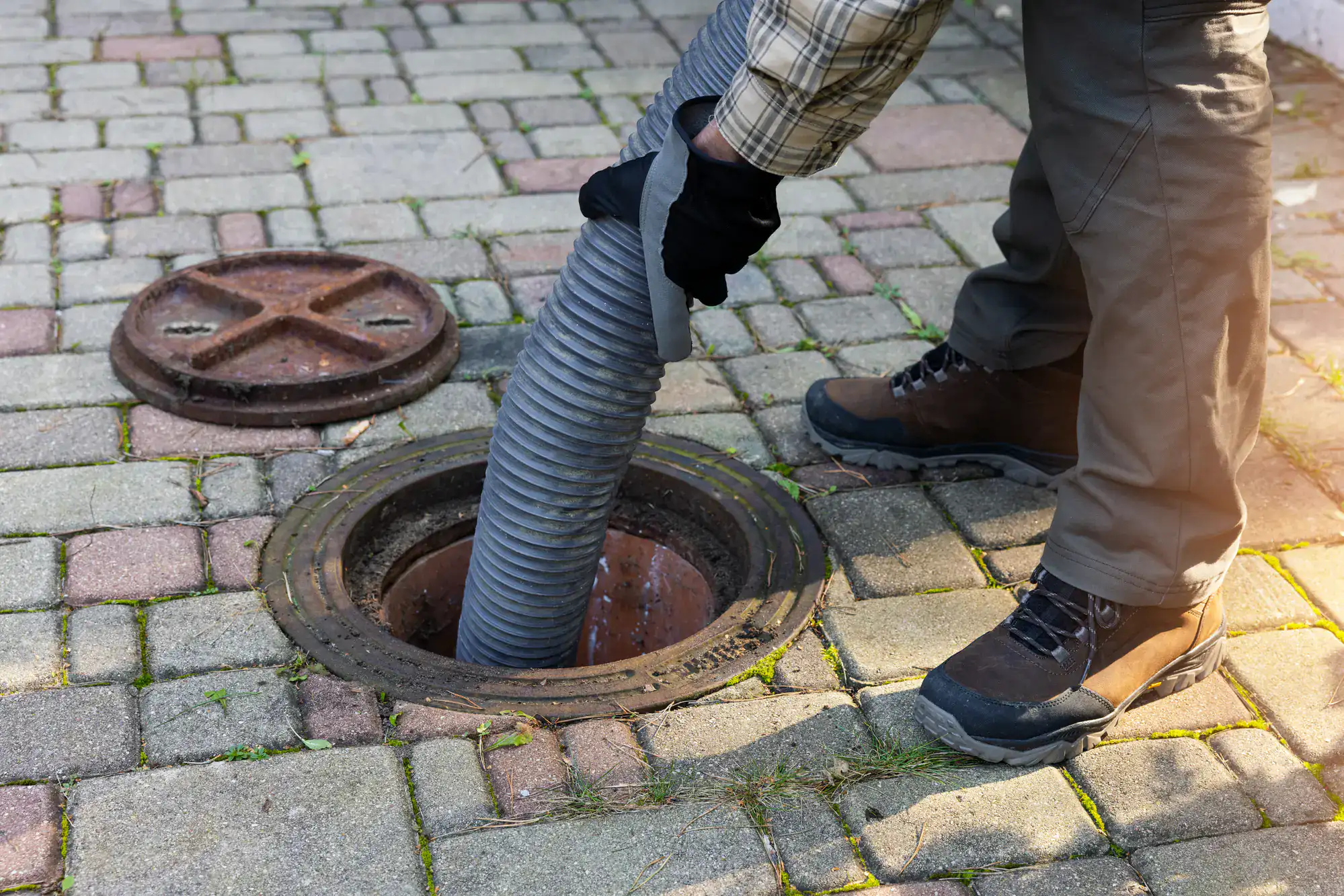
Sewer Services
Get a free quote for sewer services from your local plumbing team.
We’ll contact you about your sewer services request. Privacy policy
Hear from Our Customers
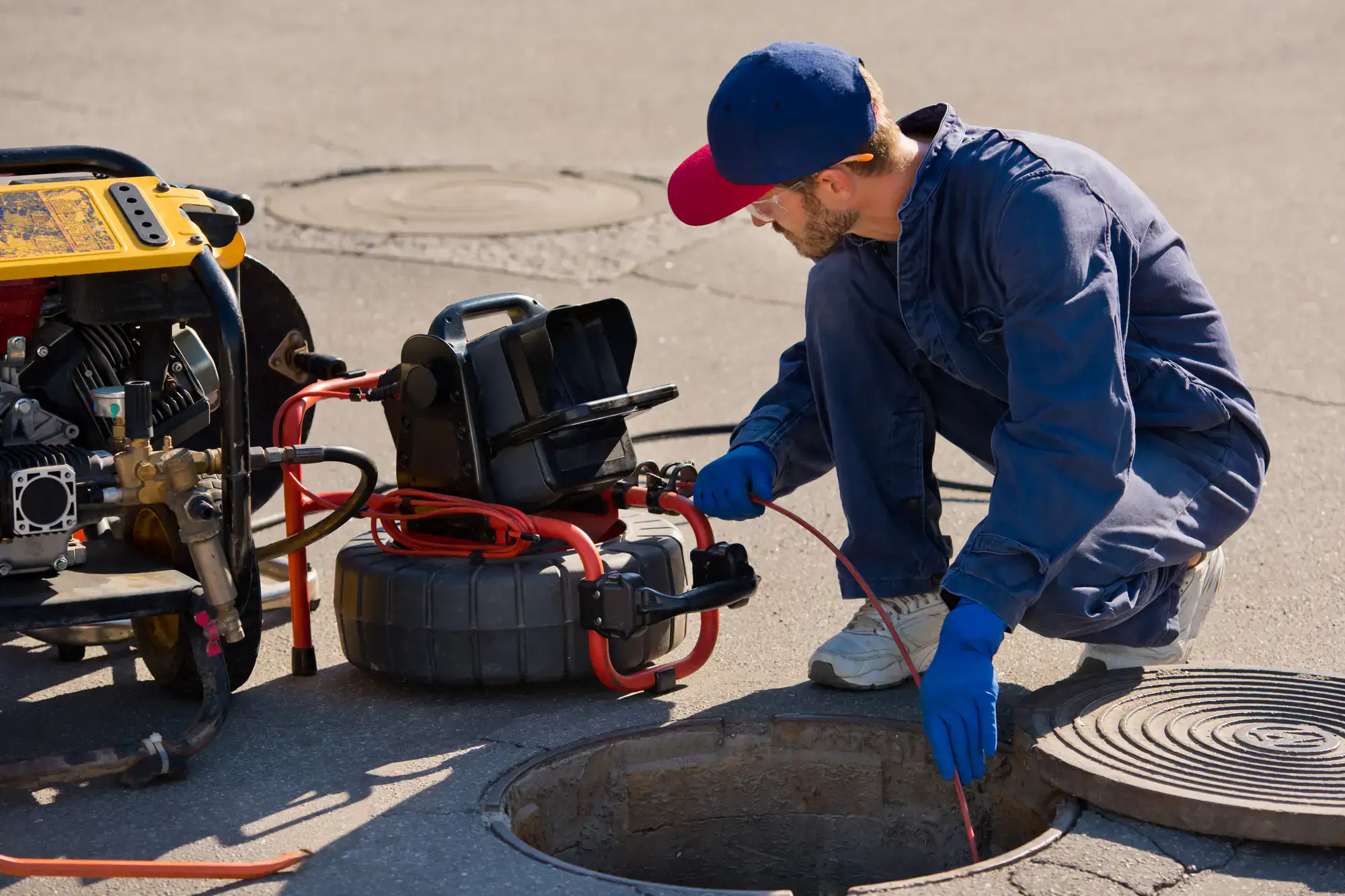
A sewer problem that gets ignored doesn’t stay small. What starts as a slow drain or an occasional smell can become a full backup and in a levee-adjacent home near the Sacramento River, saturated delta soil and high groundwater can accelerate that damage faster than it would in a typical inland neighborhood. Getting it handled correctly the first time is the difference between a manageable repair and a much larger bill.
For Freeport homeowners who recently transitioned from private septic to public sewer through SacSewer’s program, there’s an added layer here. Your private lateral the pipe running from your home to the public main is your responsibility now. If you’ve never had it inspected, you may not know what condition it’s actually in. A camera inspection changes that. You see exactly what’s there, and you only pay for what actually needs to be fixed.
The riparian tree canopy along State Route 160 and the river corridor is one of the most aggressive root environments in Sacramento County. Willows, cottonwoods, and valley oaks push roots toward the moisture inside sewer lines constantly not just in one season, but year-round. Catching that intrusion early, before it causes a blockage or collapse, keeps the repair straightforward and the cost reasonable.
We’ve been doing sewer work in Sacramento County for over two decades, with deep roots in Freeport and the surrounding delta communities. That’s long enough to know what delta soil does to pipe joints, what the root pressure looks like in a river corridor like Freeport, and what it takes to get a permit through Sacramento County’s building department without making a homeowner deal with it themselves.
This isn’t a franchise. Ryan Murray runs this operation personally, and that means when something doesn’t go right, there’s a real person accountable for fixing it not a regional manager three states away. Customers in Freeport consistently note that the final invoice came in at or under the quote, and that calls actually get answered. For a community as small and close-knit as Freeport, that kind of track record travels fast.
We hold a 4.7 out of 5 Google rating across 93 reviews and the reviews cite the same things: on time, honest about cost, no unnecessary upselling.
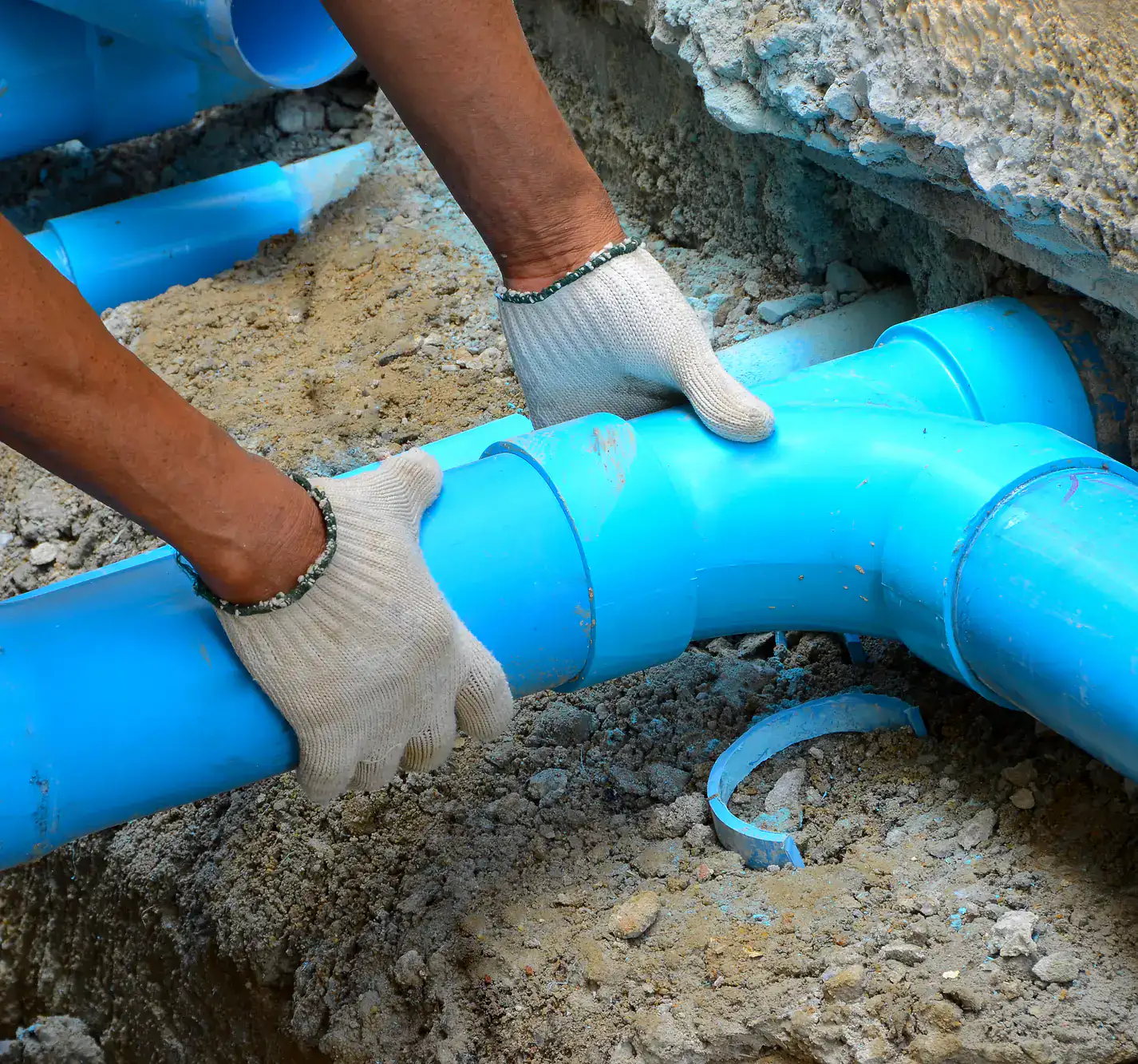
It starts with a camera. Before we recommend a single repair, a waterproof camera goes through your sewer line so you can see exactly what’s happening root intrusion, a bellied section, joint separation, or nothing serious at all. In Freeport’s delta soil environment, where ground movement stresses pipe joints over time, this step isn’t optional. It’s how you avoid paying for repairs you don’t need.
Once the camera confirms the issue, you get a specific price before any work begins. That number doesn’t change mid-job. If the repair requires a permit and most sewer lateral work in Sacramento County does we pull it, schedule the county inspection, and manage the entire process. For homeowners in Freeport who connected to public sewer recently and haven’t navigated Sacramento County’s permitting process before, this matters more than it might sound.
The repair itself depends on what the camera found. Minor root intrusion or a partial blockage may be resolved with hydro jetting. A damaged section of pipe may call for a spot repair. If the line has significant deterioration, trenchless options like pipe lining or pipe bursting can restore the full run without tearing up your yard. When the job is done, the site is cleaned up and the inspection is closed out you don’t have to follow up on anything.
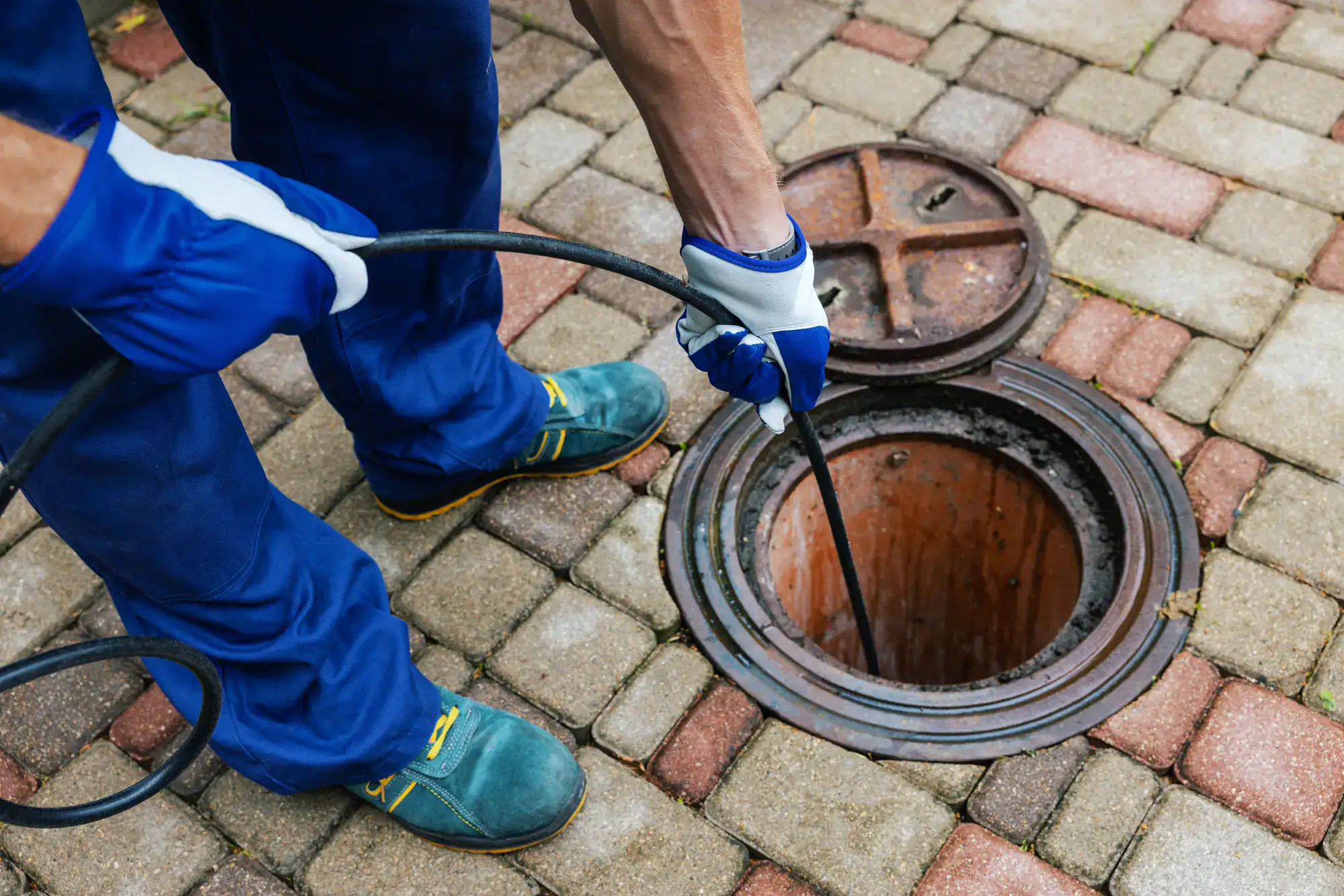
Ready to get started?
We handle the full range of residential sewer repair in Freeport, CA from clearing root intrusion in aging clay laterals to full sewer line replacement on properties where the pipe has deteriorated beyond patching. Homes in Freeport Manor and Freeport Village were largely built in the 1970s and 1980s, which puts their original sewer laterals squarely in the age range where cast-iron and clay pipe systems commonly begin to fail. If your home is in that era and the line has never been inspected, there’s a reasonable chance something is developing underground that you don’t know about yet.
Trenchless repair is available when the line and access points support it. Pipe lining where a resin-saturated liner is cured inside the existing pipe and pipe bursting where the old pipe is fractured outward while a new one is pulled through both preserve your yard’s surface and carry a service life of 30 to 50 years when properly installed. For riverside properties in Freeport with mature landscaping, this isn’t a minor convenience. It’s the difference between a repair and a renovation.
All sewer work includes camera inspection, permit management, county inspection coordination, and post-job cleanup. We offer emergency sewer repair in Freeport 24 hours a day, seven days a week because a backup near the Sacramento River delta doesn’t get better on its own overnight.
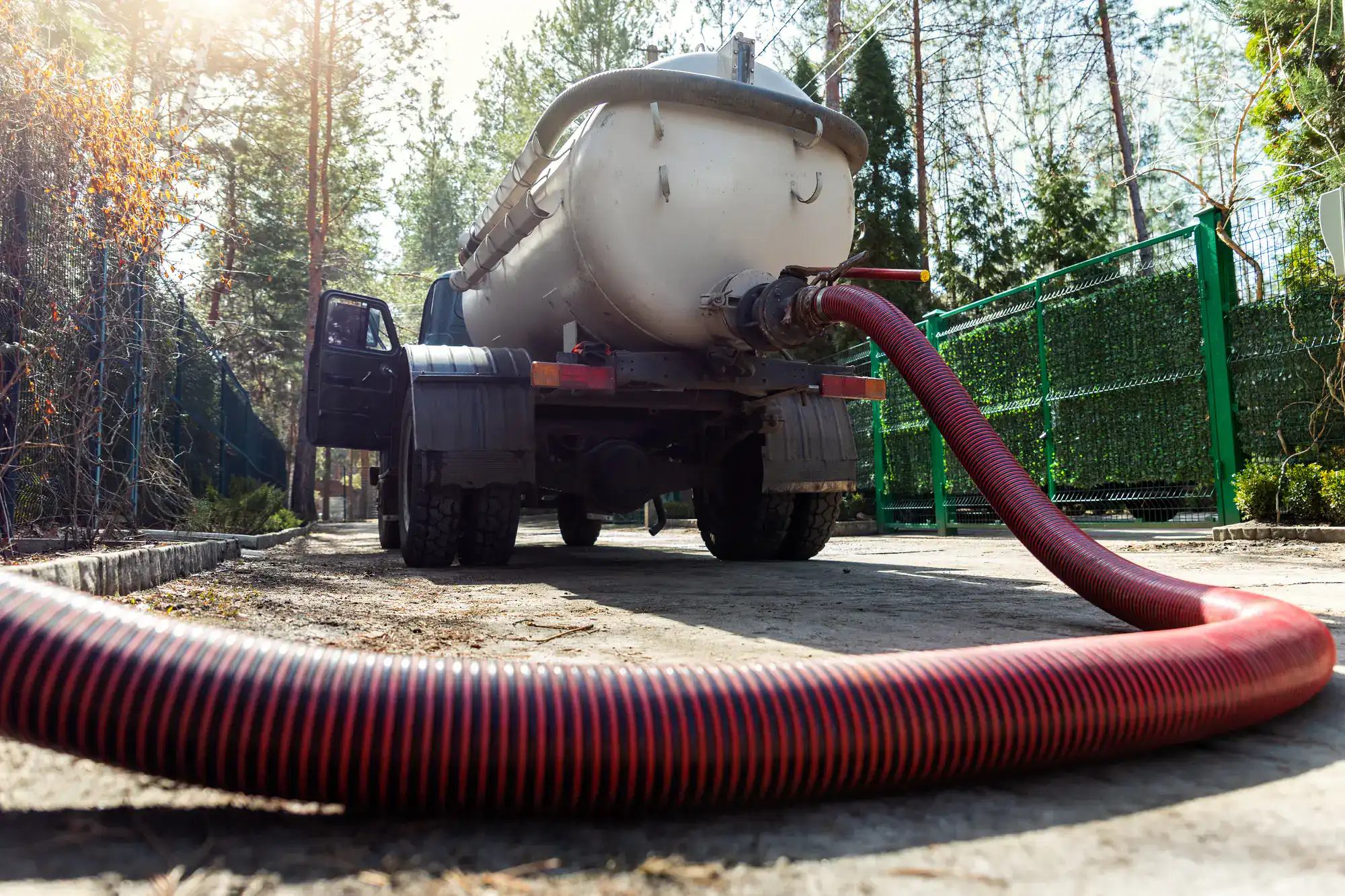
Once your Freeport property was connected to the public sewer system through SacSewer’s Septic-to-Sewer Program, the private lateral the pipe that runs from your home’s plumbing to the public main in the street became your responsibility to maintain and repair. SacSewer owns and maintains the public main, but everything on the property side of the connection point is on the homeowner.
This is a detail that catches a lot of Freeport residents off guard, especially those who made the transition recently and are still getting familiar with how public sewer infrastructure works. If your lateral develops a problem root intrusion, a joint failure, a belly from delta soil movement you’ll need a licensed plumbing contractor to diagnose and repair it. That work also requires a permit from Sacramento County and a final inspection before it’s considered complete.
The range is wide, and that’s not a dodge it genuinely depends on what the camera finds. Minor issues like a partial root intrusion or a small joint gap can often be resolved for $650 to $1,500. A spot repair on a damaged section of pipe typically runs $1,500 to $4,000. A full sewer line replacement, which may be necessary on older clay laterals in homes built in the 1970s or 1980s common in Freeport Manor and Freeport Village can range from $4,000 to $15,000 or more depending on the length of the run and the access conditions.
The most important thing to understand is that the camera inspection determines the scope, and the scope determines the cost. Without it, any number a contractor gives you is a guess. We quote a firm price after the camera confirms what’s actually there and that price doesn’t change once work begins.
The most common signs are slow drains throughout the house not just one fixture, but multiple gurgling sounds coming from toilets or floor drains, sewage odors inside or outside the home, and wet or unusually green patches in the yard above the sewer line. In Freeport’s delta soil environment, you might also notice subtle ground settling near the line, which can indicate a bellied section where waste is pooling.
If your home was built in the 1970s or 1980s and the sewer lateral has never been inspected, that alone is a reasonable reason to schedule a camera inspection not because something is definitely wrong, but because clay and cast-iron pipes in that age range commonly show early-stage deterioration before symptoms appear. Catching it at that stage keeps the repair simple. Waiting until there’s a backup in a levee-adjacent home near the Sacramento River is a much harder situation to manage.
Yes, in most cases. Any repair or replacement of a sewer lateral in Sacramento County requires a permit from the county’s building department, and the completed work must pass a final inspection before it’s considered closed. This applies whether you’re doing a spot repair on a damaged section or replacing the full run from the house to the public main.
The permit process isn’t complicated, but it does take coordination you need to pull the permit before work begins, schedule the inspection at the right stage of the job, and make sure the work meets Sacramento County’s code requirements. We handle all of this on your behalf. You don’t have to call the county, track the inspection status, or figure out what documentation is required. It’s included in the job from start to finish.
In many cases, yes. Trenchless repair methods specifically pipe lining and pipe bursting allow a sewer line to be repaired or replaced with minimal excavation. Pipe lining involves inserting a flexible, resin-coated liner into the existing pipe and curing it in place, creating a smooth new surface inside the old one. Pipe bursting pulls a new pipe through the old line while fracturing the original outward. Both methods require only small access points rather than a trench running the full length of the pipe.
For Freeport properties along the Sacramento River corridor with established landscaping, mature trees, or yards that took years to develop, this is a meaningful option. That said, trenchless isn’t the right solution for every situation severely collapsed lines, certain pipe configurations, or access limitations may require traditional excavation. The camera inspection determines which approach is appropriate, and we’ll tell you honestly which method fits your specific line.
Root intrusion is one of the most common causes of sewer line problems in Freeport specifically, and the reason comes down to the environment. The Sacramento River corridor supports dense mature vegetation willows, cottonwoods, and valley oaks with root systems that actively seek out moisture. Sewer lines, which carry warm water and organic material, are exactly what those roots are looking for. They enter through small cracks, deteriorated joints, or any gap in an aging lateral, and once inside, they expand and eventually block the flow entirely.
The fix depends on how far the intrusion has progressed. Early-stage root growth can often be cleared with hydro jetting, which uses high-pressure water to cut through the roots and flush the debris. If the roots have caused structural damage to the pipe cracked sections, joint separation the damaged area needs to be repaired or lined to close off the entry points. Without addressing the entry point, roots will return through the same location. A camera inspection after clearing confirms whether the pipe is structurally intact or needs additional work.