
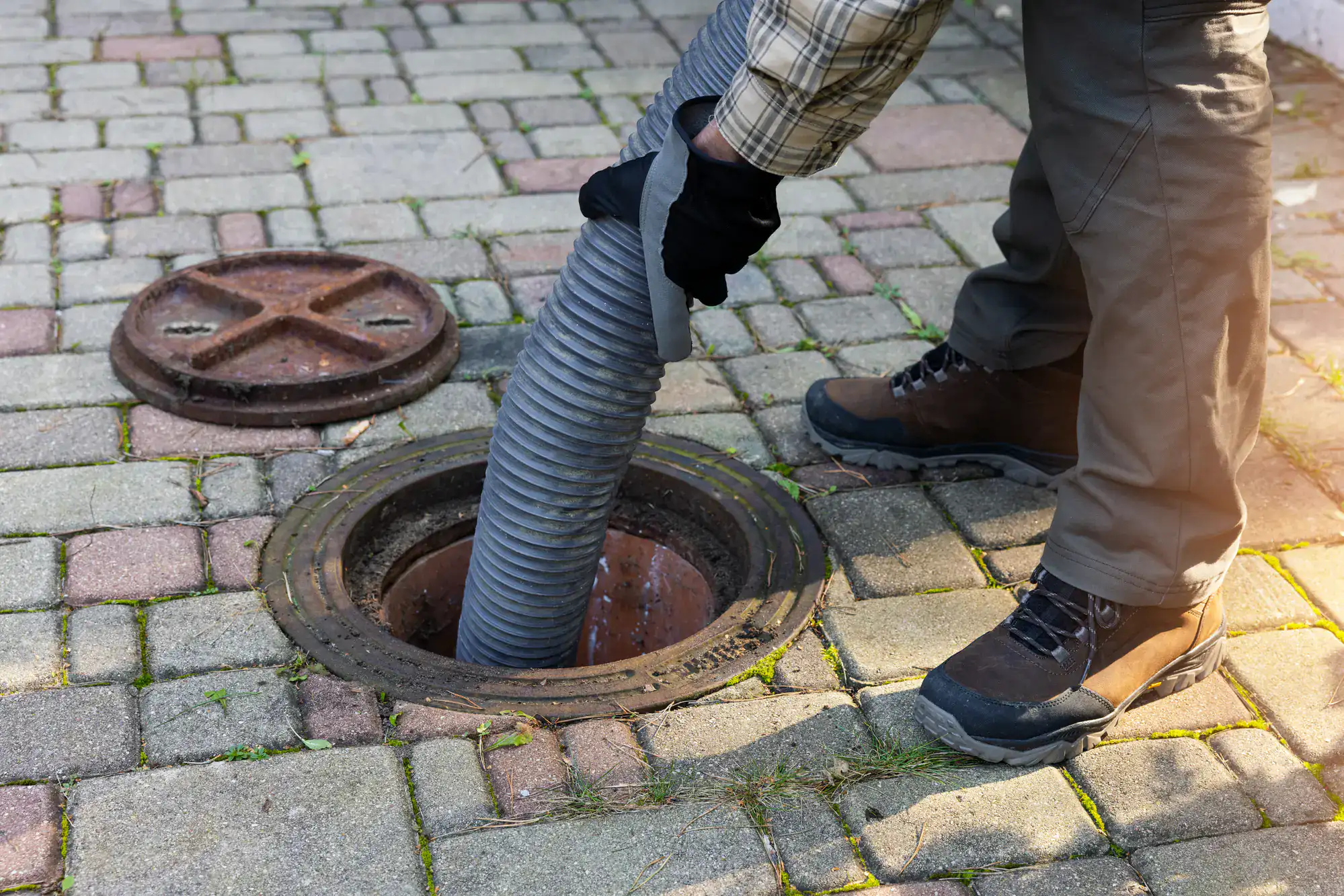
Sewer Services
Get a free quote for sewer services from your local plumbing team.
We’ll contact you about your sewer services request. Privacy policy
Hear from Our Customers
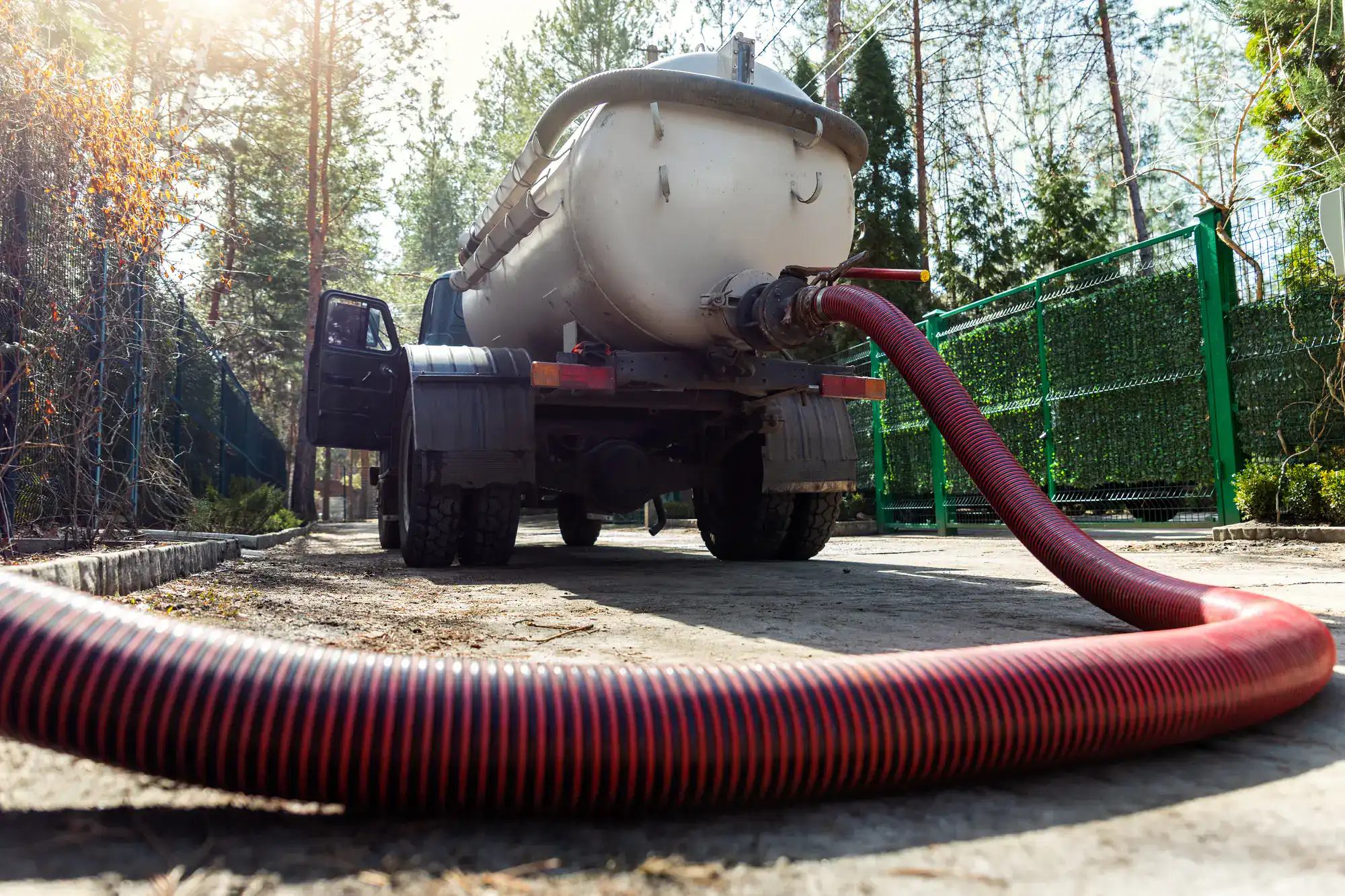
Most sewer problems on rural properties don’t announce themselves cleanly. You notice a slow drain, a smell you can’t place, or a soggy patch in the yard and by the time it’s obvious, the damage has been building for a while. That’s especially common out here in Herald, where homes sit on large lots, sewer lines run long distances underground, and nobody’s been checking them.
The valley floor soils around Herald don’t help. The wet winters along the Cosumnes River watershed saturate the ground and shift buried pipes. The dry Sacramento Valley summers pull moisture out of the soil and cause it to contract. That cycle year after year works on older clay and cast-iron lines until joints separate, sections belly, or roots find their way in through the cracks. It’s not a question of if, it’s when.
When the repair is done right with a camera inspection first, a clear diagnosis, and work that’s permitted and inspected through Sacramento County you get your property back. No guessing about whether the problem was fully fixed. No surprise charges after the crew leaves. Just a sewer line that works the way it should, on a property you’ve put real time and care into.
We’ve been serving Sacramento County for over 24 years not as a franchise, not as a call-center operation, but as an owner-operated business where Ryan Murray’s name is on every job. That matters in a community like Herald, where word travels fast and a contractor who cuts corners doesn’t get a second chance.
Out here along SR 104, east of Galt, the properties are different from anything you’d find in Elk Grove or Rancho Cordova. Lots are bigger, sewer runs are longer, and every system is privately owned no municipal backup, no city inspector to catch what someone missed. That’s exactly the kind of work we’re built for.
Every job starts with a video camera inspection. Not as an upsell as standard procedure. You see what’s wrong before we recommend a repair, and you get the price in writing before anyone touches your line. That’s how it works, every time.
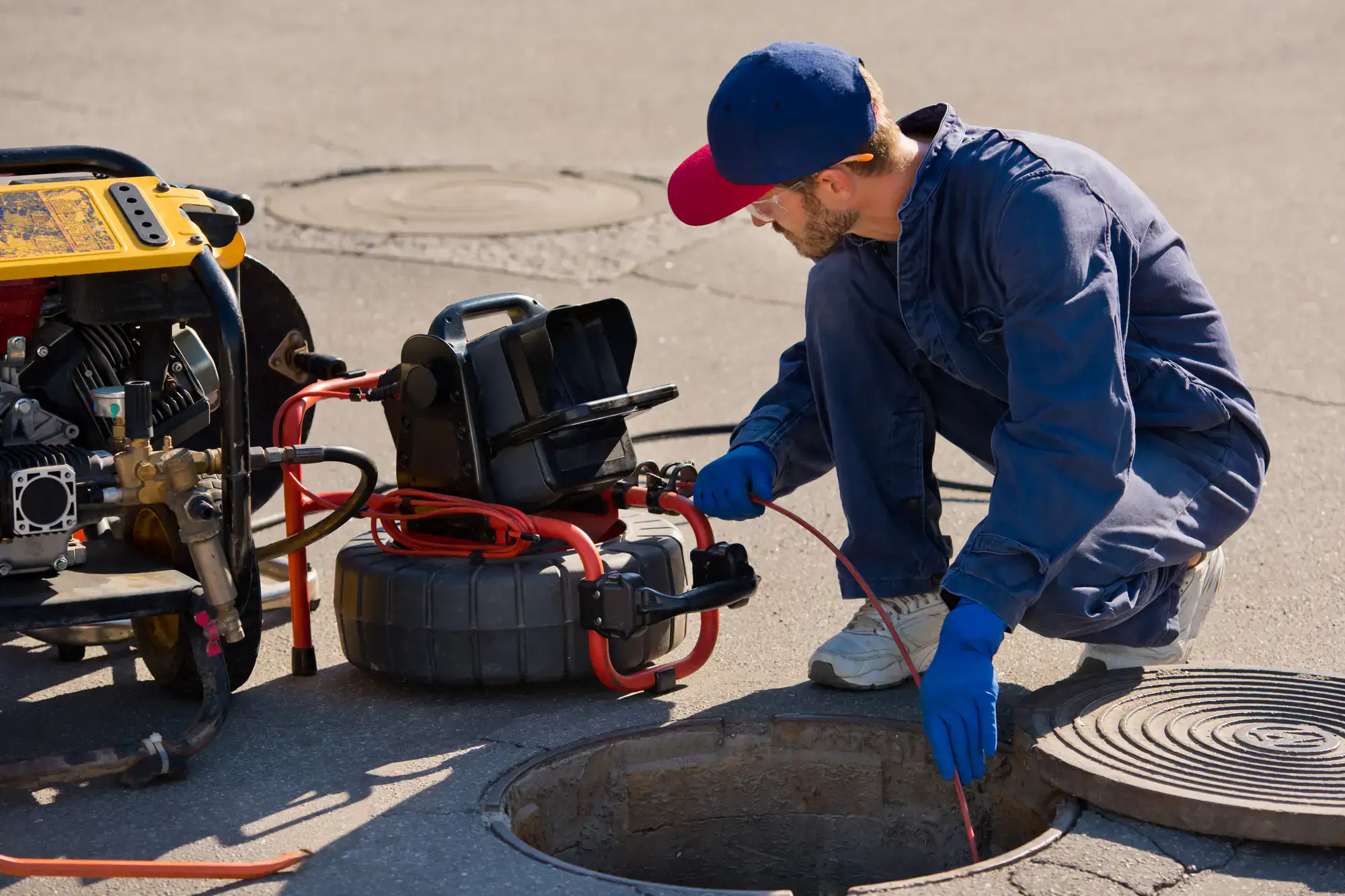
It starts with a call. You describe what you’re seeing backup, slow drains, odor, wet spots in the yard and we schedule a time that works for you, including same-day and emergency visits when the situation calls for it. When our crew arrives, the first thing that goes into your sewer line is a camera, not a shovel.
That inspection tells the real story. Whether it’s root intrusion from a mature oak pushing into a joint, a bellied section caused by years of soil movement, or a cracked pipe from decades of expansion and contraction in Herald’s clay-heavy ground you’ll see it on the screen. From there, you get a written quote for exactly what needs to happen. No vague estimates, no “we’ll know more once we start digging.”
If the repair requires a permit and most sewer line work in unincorporated Sacramento County does we pull it, coordinate the county inspection, and manage the process from start to finish. You don’t have to navigate Sacramento County’s Division of Building Permits and Inspection or the EMD’s Liquid Waste Program on your own. When the job is done, the site is cleaned up, the permit is closed, and your sewer line is back in service.
Ready to get started?
Sewer repair on an acreage property in Herald isn’t the same job it is on a quarter-acre suburban lot. Lines run farther, access points are less predictable, and the soil conditions that wet-dry clay cycle that comes with every Sacramento Valley season create failure patterns that show up differently than they do in newer subdivisions closer to the city. Our approach accounts for all of that.
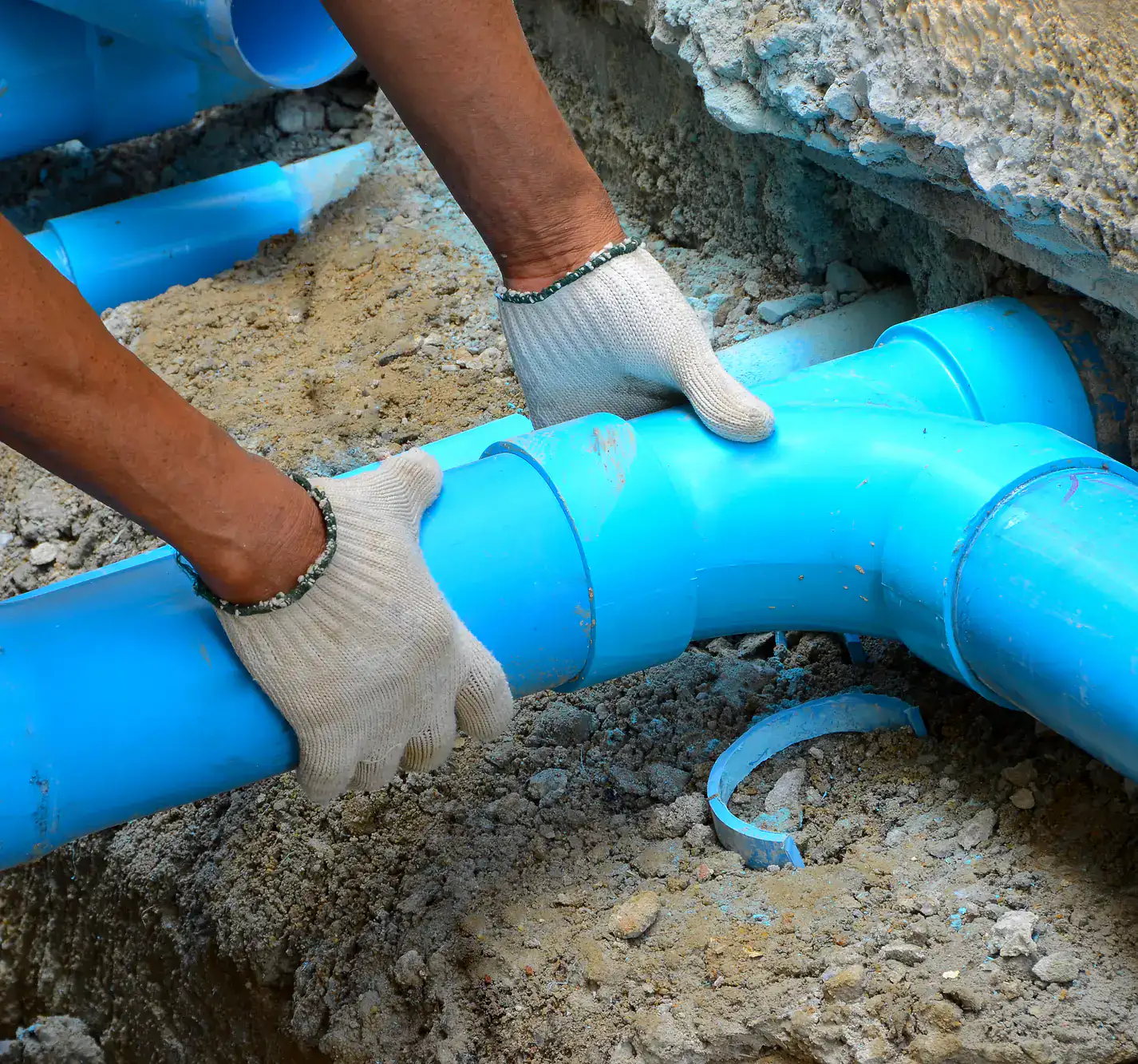
Every sewer repair service we offer includes the camera inspection, the written upfront quote, the repair itself, and full permit and inspection management through Sacramento County. When trenchless methods are an option pipe lining or pipe bursting we offer them, because on a property where you’ve spent years establishing trees, landscaping, or a working yard, tearing up 60 feet of ground isn’t the first move. It’s the last resort.
Whether it’s a targeted broken sewer pipe repair, a main sewer line repair involving a longer section of your lateral, or a full line replacement, the scope is determined by what the camera actually shows not by what produces the biggest invoice. We serve the Herald area including properties along SR 104, Rancho Seco Road, and Ivie Road, and we handle the full job from diagnosis through final county inspection.
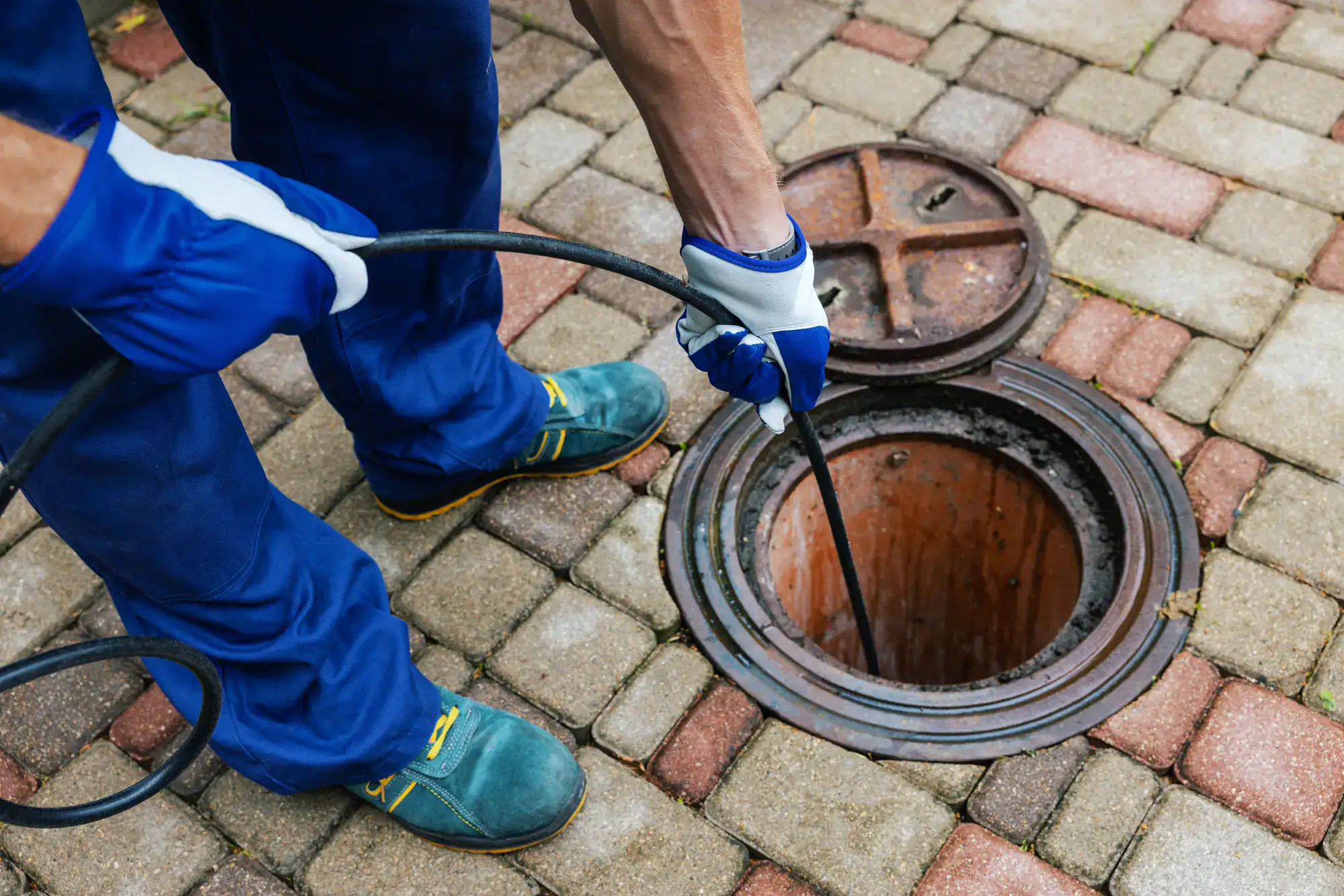
Yes and it’s worth saying directly, because a lot of Sacramento-area plumbing companies treat Herald as the edge of their service area, if they acknowledge it at all. Herald sits east of Galt on SR 104, and it’s not on the way to anything else. We serve Sacramento County including rural communities like Herald, and we do it without tacking on excessive travel fees or treating your call like an inconvenience.
If you’ve already called around and been told you’re too far out, or you’ve gotten vague answers about whether someone will actually show up, we’re worth the call. We’re familiar with the area, we understand the property types large lots, private septic systems, long sewer runs and we show up when we say we will. That’s not a small thing when your nearest alternative is a 20-minute drive to Galt.
The honest answer is that it depends on what the camera finds. Nationally, sewer line repairs average around $4,000, with a range of roughly $650 to $7,500 for targeted repairs and up to $15,000 or more for full replacements. On rural acreage properties like those in Herald where sewer lines often run significantly longer than on a standard suburban lot costs can trend toward the higher end of that range simply because there’s more pipe involved.
What we won’t do is give you a number before we know what we’re dealing with. The camera inspection comes first, and the written quote comes from what it shows not from a standard price list. The price you’re given before the work starts is the price on the invoice. Our customers have noted that their final bills came in at or below the original estimate. That kind of pricing consistency matters when you’re looking at a repair that could run several thousand dollars on a private system with no utility company sharing the cost.
In most cases, yes. Because Herald is an unincorporated community, there’s no city building department all permits go through Sacramento County’s Division of Building Permits and Inspection. For work that involves septic systems or sewer laterals connected to private septic, Sacramento County’s Environmental Management Department (EMD) Liquid Waste Program may also be involved, depending on the scope of the repair.
This is one of the areas where hiring an unlicensed contractor or a general handyman creates real problems. Unpermitted sewer work in Sacramento County is a code violation, and it becomes a liability issue when you sell the property. We pull the permit, schedule the county inspection, and manage the entire process. You don’t have to make a single call to a county office or figure out which department handles what that’s handled as part of the job.
The most common signs are slow or gurgling drains, sewage odors inside or outside the home, toilets that back up without an obvious clog, and wet or unusually green patches in the yard especially along the path where your sewer line runs. On large rural lots in Herald, that last one can be easy to miss until it’s become a significant problem, because the affected area may be far from the house.
Root intrusion is one of the leading causes of sewer line failures on properties like those in Herald. Mature trees oaks, fruit trees, large ornamentals send roots toward any consistent moisture source, and your sewer line qualifies. The dry Sacramento Valley summers make this worse, because drought conditions push roots to search harder and farther. If your property has large established trees anywhere near the path of your sewer line, a camera inspection every few years is a reasonable preventive measure, not an unnecessary expense.
Often, yes. Trenchless repair methods pipe lining and pipe bursting can fix or replace a damaged sewer line with minimal excavation. Pipe lining involves inserting a resin-saturated liner into the existing pipe and curing it in place, creating a new pipe inside the old one. Pipe bursting replaces the old line entirely by pulling a new pipe through while fracturing the existing one outward. Both methods require access points at each end of the repair section, but they eliminate the need for a continuous trench across your property.
For Herald homeowners with established landscapes, long sewer runs across large lots, or mature trees near the line, trenchless options can be a significant difference both in cost and in what your yard looks like when the job is done. Whether trenchless is the right call depends on the pipe’s condition, diameter, and what the camera inspection shows. We’ll tell you honestly whether it’s a viable option for your specific situation, not just recommend it because it sounds appealing.
It’s not a coincidence. The valley floor soils around Herald absorb a significant amount of water during the wet season typically November through March and that saturation creates hydrostatic pressure on buried pipes. If a sewer line already has a weak joint, a small crack, or a bellied section from years of soil movement, a heavy rain event can push it from a slow problem to an active one fast. Saturated ground also overwhelms septic drain fields that are already running close to capacity.
The other factor is that problems which developed quietly over the dry summer root intrusion, joint separation, gradual pipe deterioration don’t become visible until water is moving through the system at higher volumes. So the rain doesn’t necessarily cause the failure; it reveals it. If you’re seeing backups or slow drains after a wet stretch along SR 104, it’s worth getting a camera in the line before the next storm hits. Catching a compromised section early is almost always less expensive than dealing with a full backup or a collapsed line mid-winter.