
Sewer Services
Get a free quote for sewer services from your local plumbing team.
We’ll contact you about your sewer services request. Privacy policy
Hear from Our Customers
When a sewer line fails in Hood, the consequences move fast. You’re not in a suburb with a dozen plumbers on the next block. You’re on a rural Delta property, and the nearest help is miles down SR-160. What you need is someone who shows up, tells you the truth, and fixes the actual problem not the most expensive version of it.
That starts with a camera inspection. Before we recommend anything, a camera goes into the line so you can see exactly what’s happening. Hood homes average over 50 years old, and many of those original clay or cast iron pipes are at or past their service life. Sacramento’s Delta clay soils expand when wet and shrink when dry every single season and that constant movement is what cracks joints, shifts pipe alignment, and eventually causes backups. When you know what you’re dealing with, you only pay for what actually needs to be fixed.
If your property includes mature trees, orchard plantings, or established landscaping, root intrusion is a real and common issue here. Roots follow moisture, and in dry Delta summers, they’ll find their way into any crack in an aging pipe. Catching that early before a partial blockage becomes a full collapse saves you thousands. That’s the difference between a repair and a replacement.
We’ve been serving Sacramento County for over two decades. That’s not a tagline it’s the reason we’re still getting calls from homeowners across the Delta region, including communities along SR-160 like Courtland, Walnut Grove, and Hood itself. When you’ve been doing this long enough, you know what Delta soil does to buried pipe, and you know how Sacramento County’s permitting process works for unincorporated communities like Hood.
Ryan Murray runs this company personally. He’s not managing a call center he responds to customer feedback directly, and his name is on every job. We hold a California CSLB C-36 Plumbing Contractor license, verifiable at cslb.ca.gov, and carry a 4.7/5 Google rating based on 93 reviews. Customers consistently note that the final bill came in at or below the original estimate. In a community where word travels fast and trust is earned slowly, that track record matters.
It starts when you call. We’ll ask you a few straightforward questions about what you’re experiencing slow drains, gurgling sounds, sewage smell in the yard, or a full backup and get a technician out to your Hood property. Response time matters here, and same-day availability is the standard, not the exception.
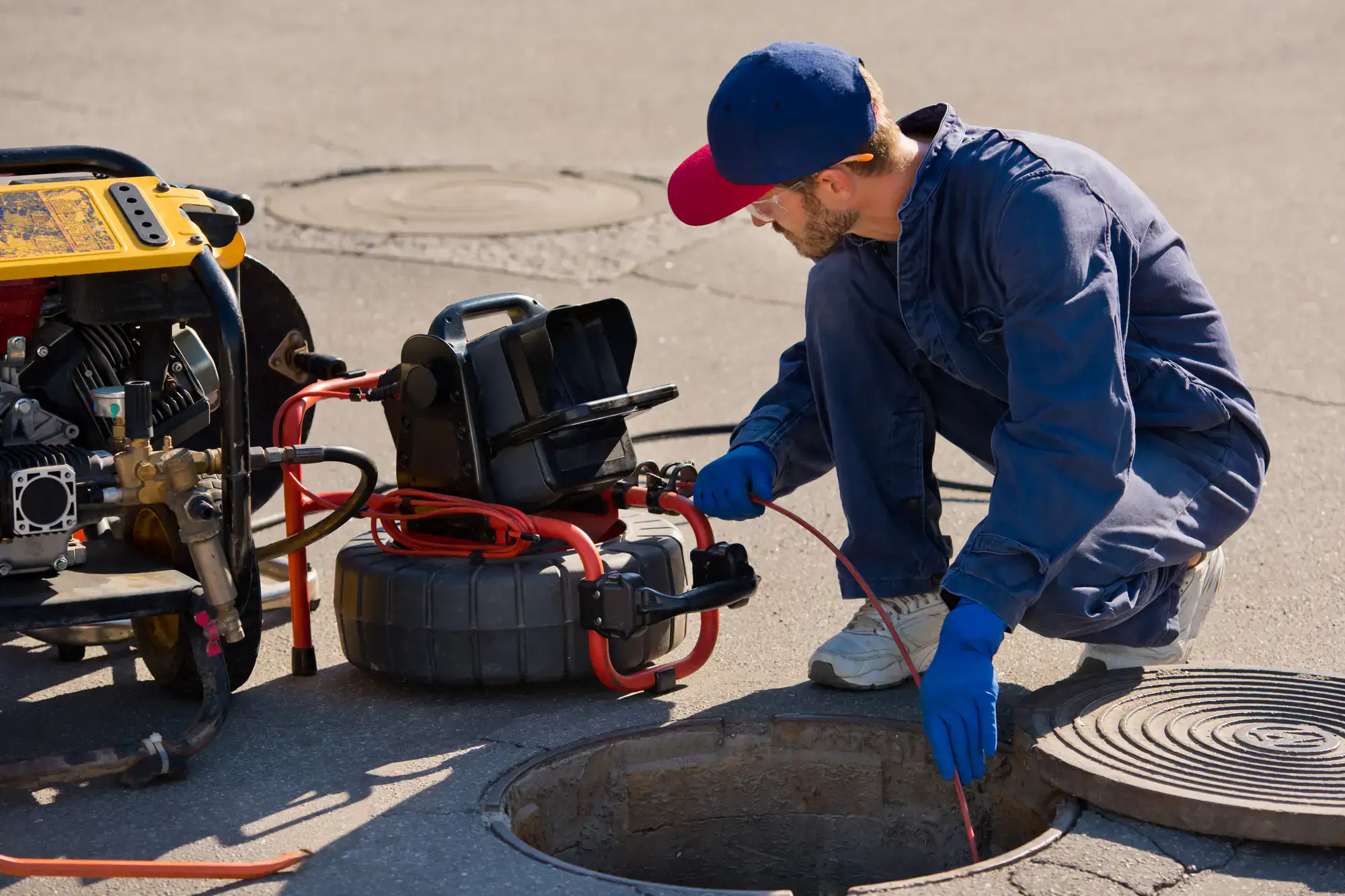
Once on-site, the first step is always a camera inspection. The camera goes into the line and gives a clear picture of exactly what’s happening root intrusion, cracked pipe, joint separation, a belly in the line where waste is pooling. You see the footage. Nothing gets recommended without evidence. From there, we give you a written price before any work begins. That number doesn’t change mid-job.
If the repair requires a permit which most sewer line repairs and replacements do under Sacramento County’s building codes we handle the entire process with the Sacramento County Division of Building Permits and Inspection. For Hood properties on private septic systems, that also means coordinating with the Sacramento County Environmental Management Department’s Liquid Waste Program, which has specific requirements for Delta-area properties. You don’t have to figure that out on your own. When the work is done, the site gets cleaned up, the inspection gets scheduled, and you’re left with a fully documented, code-compliant repair.
Ready to get started?
Every sewer repair job in Hood starts with a camera inspection no exceptions. That’s what separates an accurate diagnosis from a guess, and it’s what keeps you from paying for work you don’t need. After the inspection, you get a written estimate that covers everything: labor, materials, and any permit fees. The price you see is the price you pay.
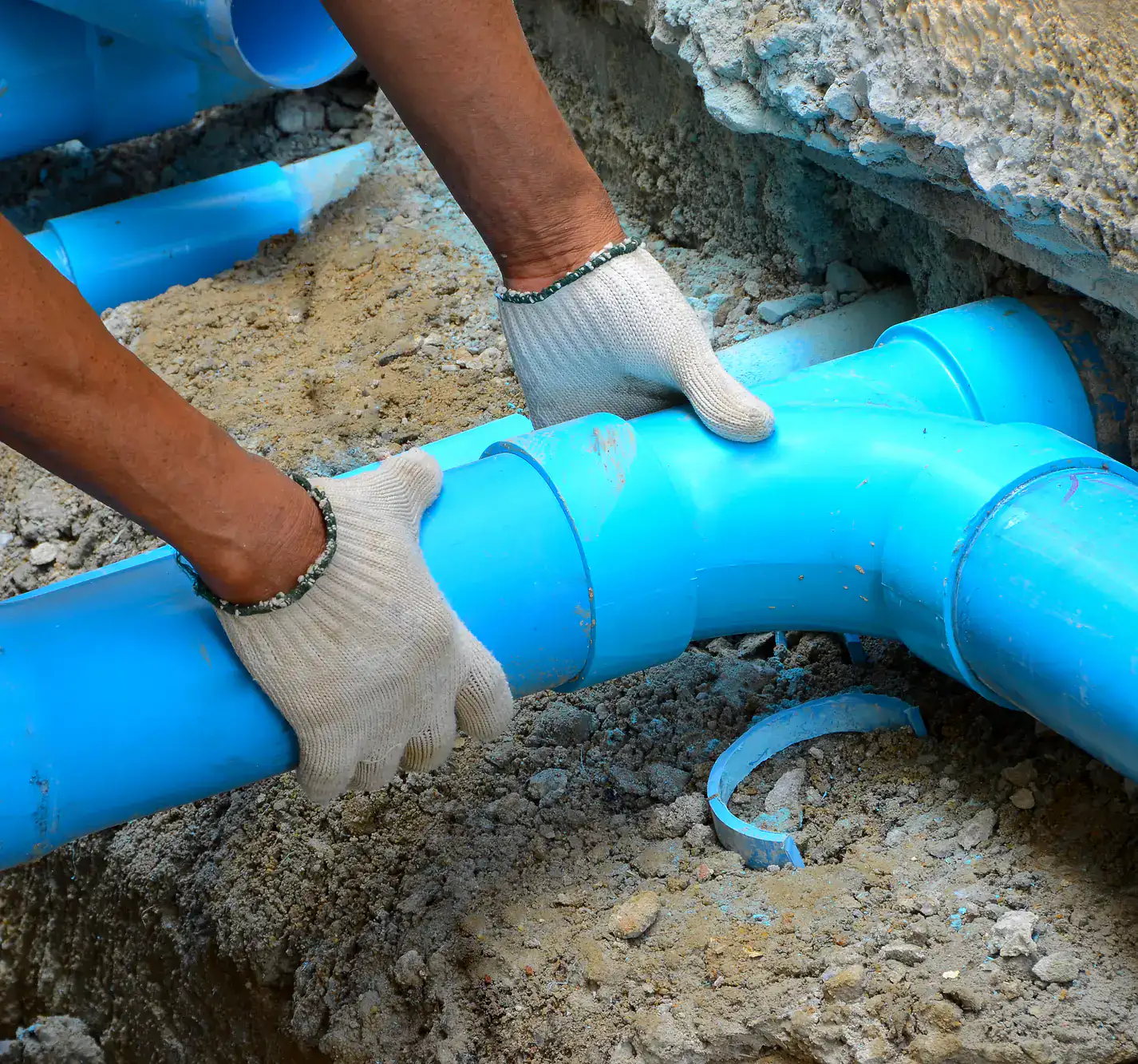
For lines that are cracked, corroded, or compromised by root intrusion, we offer both traditional repair and trenchless options. Trenchless methods pipe lining and pipe bursting are particularly valuable on Hood properties where mature pear trees, established landscaping, or long pipe runs make open excavation costly and disruptive. When trenchless is a viable option, it gets discussed. When it’s not the right call for your specific situation, that gets explained too.
Hood is an unincorporated Sacramento County community, which means all permit work flows through Sacramento County rather than a city building department. We manage that process completely pulling permits, coordinating inspections, and making sure the finished work is documented correctly for your records. If your property is on a septic system, which is common across the Delta, the Sacramento County EMD’s Delta-area requirements apply, and we know how to navigate those. The goal is a repair that’s done right, documented properly, and built to last not one that creates paperwork headaches down the road.
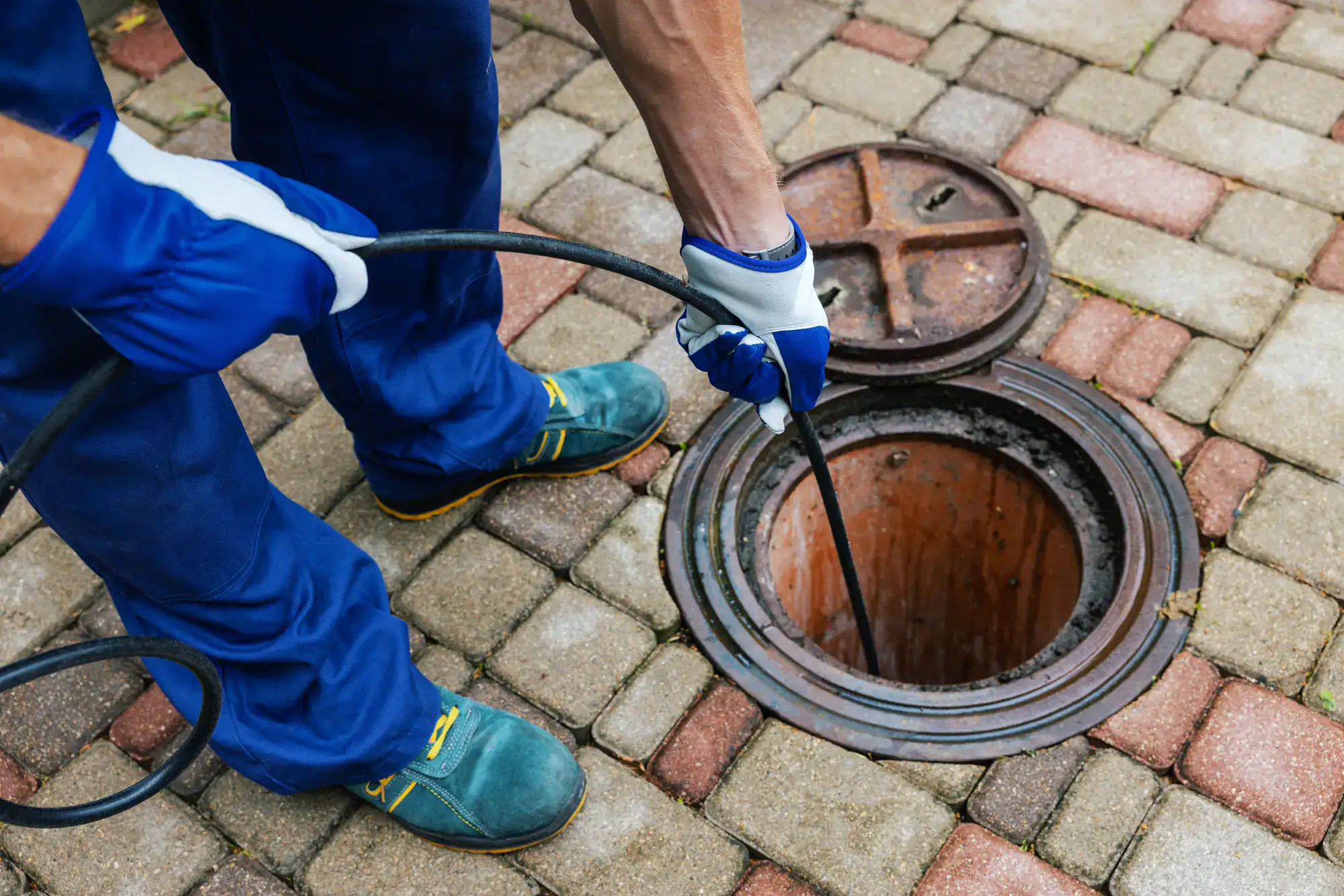
The honest answer is: you don’t know until a camera goes into the line. That’s not a sales pitch it’s just the reality. A single cracked joint or a localized root intrusion can often be handled with a spot repair in the $650–$1,500 range. A line that’s collapsed, severely bellied, or deteriorated along a long run is a different situation and may warrant full replacement.
In Hood specifically, homes averaging over 50 years old often have original clay tile or cast iron pipes. Both materials have finite lifespans, and Sacramento’s Delta clay soils accelerate the wear the seasonal expansion and contraction puts stress on rigid pipe joints year after year. A camera inspection gives you real data: the condition of the pipe, the location of the damage, and what repair actually makes sense for your property. We won’t recommend a replacement when a repair will do the job.
The primary culprit in this area is soil movement. Sacramento’s Delta clay soils are highly reactive to moisture they expand significantly when wet and shrink back down during dry months. That cycle puts constant mechanical stress on buried pipe joints, especially older clay tile and cast iron lines that can’t flex the way modern PVC can. Over time, joints crack, pipes shift out of alignment, and low spots develop where waste pools instead of flowing.
Tree root intrusion is the other major factor. In Hood, where properties often include mature pear orchards and established trees, roots are constantly seeking moisture underground especially during the dry summer and fall months. They find their way into hairline cracks and can grow to completely block or collapse a line if left unchecked. High groundwater near the Sacramento River also adds hydrostatic pressure on buried pipes, which can accelerate joint failure and allow groundwater infiltration into the line.
In most cases, yes. Hood is an unincorporated community within Sacramento County, which means permits are issued through the Sacramento County Division of Building Permits and Inspection not a city building department. Sewer line repairs and replacements generally require a permit under the California Residential Code, and the work needs to be inspected before it’s signed off.
If your property uses a private septic system rather than a municipal sewer connection which is common across the Delta there’s an additional layer: the Sacramento County Environmental Management Department’s Liquid Waste Program. The County explicitly notes that properties in the Sacramento River Delta area may require special testing and consultation before septic-related work is permitted. We handle all of this from start to finish. You won’t need to figure out which department to call or what forms to file. The permit gets pulled, the inspection gets scheduled, and the completed work is properly documented for your records.
It genuinely depends on what the camera finds. A spot repair fixing a single cracked joint or clearing a localized root intrusion can run anywhere from $650 to around $1,500. A partial line replacement on a longer run typically falls in the $2,500–$6,000 range. Full sewer line replacement on a larger property can reach $10,000–$15,000 or more, depending on depth, pipe length, and access conditions.
For Hood properties specifically, a few factors can affect cost. Large lots with long pipe runs, high groundwater near the Sacramento River, and deep pipe installations all add complexity. Trenchless methods like pipe lining or pipe bursting often cost more upfront than open excavation, but they avoid the cost of tearing up and restoring landscaping a real consideration on agricultural properties with mature trees or orchard plantings. We give you a written price before any work starts, and customers have consistently noted that the final bill came in at or below that original estimate.
In many cases, yes and it’s worth asking about specifically if you have mature trees, orchard plantings, or established landscaping on your property. Trenchless methods like cured-in-place pipe lining (CIPP) and pipe bursting can address cracked, corroded, or root-damaged lines without requiring major excavation. When properly installed, trenchless repairs typically last 30–50 years.
That said, trenchless isn’t always the right call. If a pipe has collapsed completely, has severe misalignment, or runs through an area with access complications, traditional excavation may be the more practical option. The camera inspection determines which approach actually makes sense for your specific situation. We’ll walk you through both options what each involves, what each costs, and what the long-term outcome looks like so you can make an informed decision rather than just taking someone’s word for it.
The most common signs are slow drains throughout the house not just one fixture, but multiple. If your toilet gurgles when you run the sink, or your bathtub backs up when you flush, that’s the sewer line signaling a problem. A sewage smell in your yard, especially near where the main line runs to the street or septic tank, is another clear indicator. Soft or unusually green patches of grass over the pipe route can mean a slow leak has been feeding that area for a while.
In Hood, these symptoms tend to show up more often after a dry summer when Delta clay soils have contracted and shifted pipe alignment or after a wet winter when saturated ground puts pressure on aging joints. If your home is more than 40 years old and you’ve never had a camera inspection done, it’s worth doing proactively. Catching a developing crack or early-stage root intrusion before it becomes a full blockage or collapse is significantly less expensive than dealing with it after the fact. A camera inspection gives you a clear picture of where things stand, with no obligation to commit to anything until you’ve seen the evidence.