
Hear from Our Customers
When your sewer line is working the way it should, you stop noticing it entirely and that’s the point. No slow drains, no sewage smell creeping into a 1915 wood-frame building, no anxiety every time it rains hard and the Sacramento River runs high. For Locke residents, that peace of mind isn’t small. It’s everything.
The Delta soil beneath Locke has been subsiding for over a century in some areas sinking more than 20 feet since agricultural development began, with ongoing loss still measured in inches per year. That ground movement creates low spots in buried sewer lines where waste pools, solids collect, and blockages form. A properly repaired or relined lateral eliminates those problem zones and stops the cycle of repeated backups that come with them.
And because we use trenchless repair methods wherever possible, fixing your sewer line doesn’t mean tearing up your property. In a National Historic Landmark community where every building and every square foot of ground carries real historical weight, that matters. You get a fully functioning sewer system without the excavation footprint that would come with conventional trenching.
We’ve been doing residential and commercial sewer repair across Sacramento County for over 24 years. That includes the Delta communities along State Route 160 Locke, Walnut Grove, Courtland, Hood where the infrastructure challenges are genuinely different from anything you’d find in a Sacramento suburb.
Ryan Murray runs this company personally. That means when something goes sideways on a job, there’s no franchise layer to hide behind just a licensed contractor whose name is on every permit and every invoice. For a community as small and tightly connected as Locke, that kind of direct accountability isn’t a talking point. It’s how business gets done.
We hold a California CSLB C-36 Plumbing Contractor License, carry a 4.7 out of 5 rating on Google across 93 reviews, and manage Sacramento County building permits end-to-end so you never have to figure out the county’s unincorporated area process on your own.
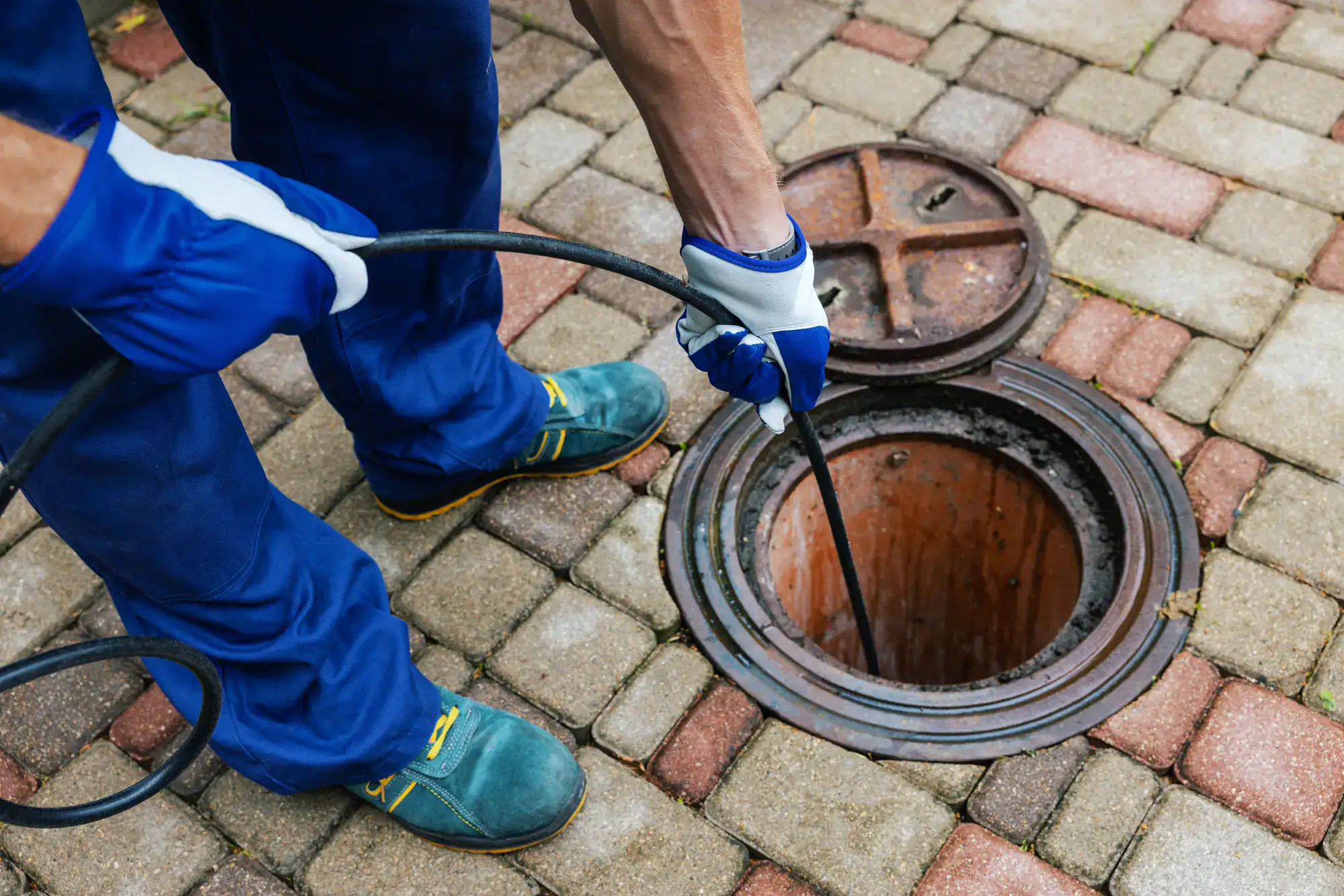
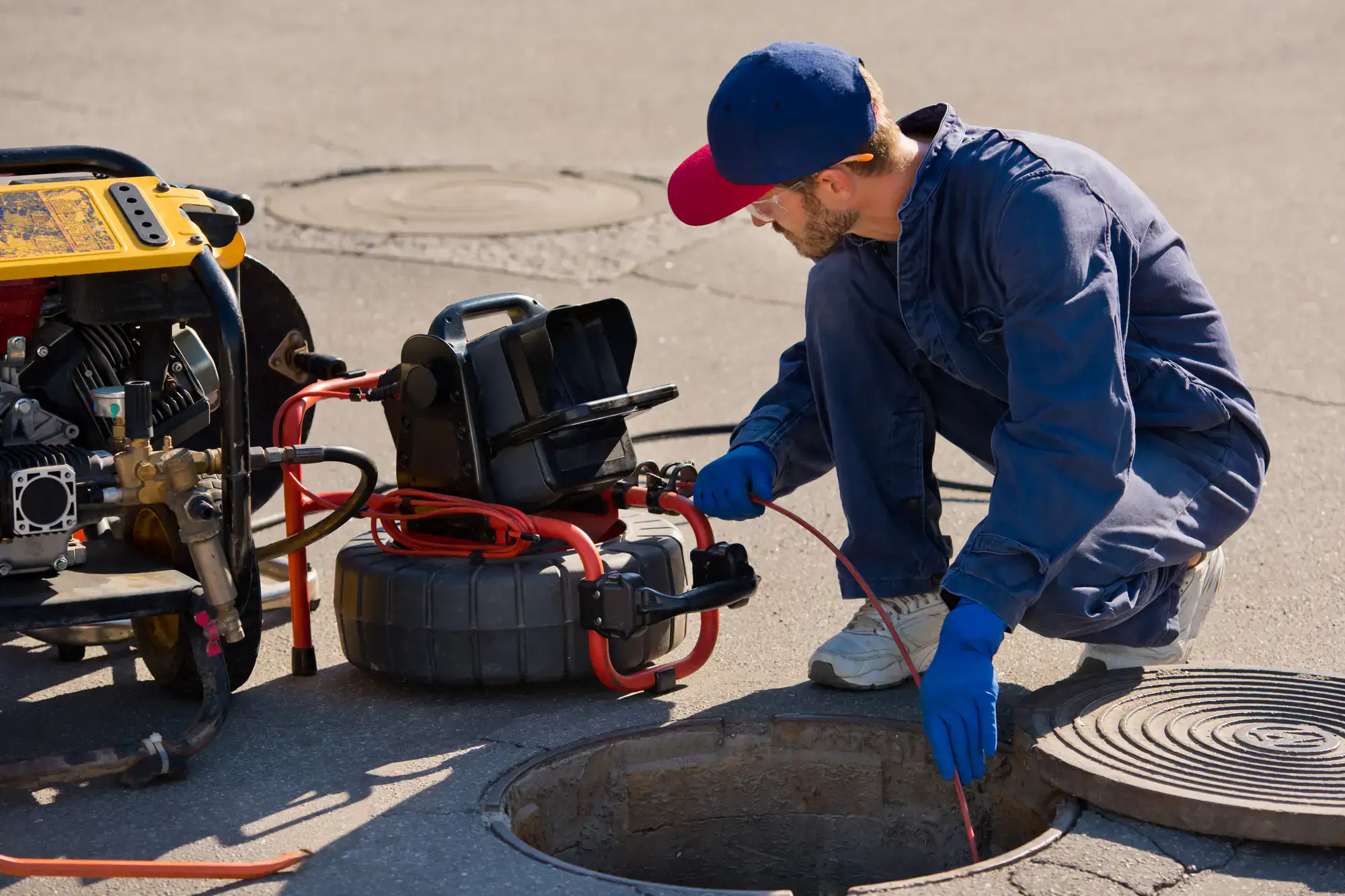
Every sewer repair job we take in Locke starts the same way: a camera goes into the pipe. Not a guess, not a “probably root intrusion” based on symptoms alone an actual visual inspection of what’s happening inside your lateral. In a community where pipes can be 100 years old and the ground beneath them has been shifting for decades, that first step is non-negotiable.
Once the camera confirms what’s going on whether it’s a root intrusion, a bellied section from soil subsidence, a cracked clay joint, or something further down the line you get a clear explanation of what was found and exactly what it will cost to fix it. That number doesn’t change when the job is done. Our customers have seen their final invoice come in at or below the original estimate. That’s not common in this industry, and it’s worth knowing before you call anyone.
Because Locke is an unincorporated community within Sacramento County, sewer lateral repairs require a permit from the Sacramento County Building Department not a city permit, a county one. We handle that process completely, including any required inspections. If trenchless methods are viable for your repair and in most cases they are the work gets done with minimal disruption to your property, your yard, and the historic ground beneath your feet.
Ready to get started?
Sewer repair in Locke isn’t the same job it is in Elk Grove or Roseville. The buildings here were constructed between 1915 and 1917, and in many cases the sewer laterals connecting those properties to the SacSewer main line are just as old. Clay pipes, corroded cast iron, joint-separated sections that have been slowly failing for years these are the conditions we work with regularly in the Delta, and they require a different level of diagnosis than what most contractors bring to a standard suburban call.
Our sewer repair services in Locke cover the full range: camera inspection and diagnosis, spot repair on isolated damage, trenchless pipe lining for laterals that need rehabilitation without full replacement, and full sewer line replacement when the pipe is too far gone to save. For properties connected to SacSewer’s system which serves Locke alongside Walnut Grove, Courtland, Hood, and Freeport the lateral from your building to the district’s main line is your responsibility as a property owner. We scope that lateral, identify the problem, and fix it.
Emergency sewer repair is available 24 hours a day, seven days a week. In a community six miles from the nearest interstate with no local plumbing supply, that availability isn’t a marketing line it’s the only version of this service that actually works for Locke residents.
The Sacramento Area Sewer District SacSewer maintains the main sewer lines that serve Locke and the surrounding Delta communities, including Walnut Grove, Courtland, and Hood. But the lateral line that runs from your building to the district’s main line is entirely your responsibility as the property owner. That distinction trips up a lot of Locke homeowners who assume the district handles everything underground.
When that lateral fails from root intrusion, pipe age, soil movement, or any other cause you need a licensed plumbing contractor to diagnose and repair it. We scope those laterals regularly in Locke and the broader SR-160 corridor, and can tell you exactly what’s happening in your pipe before recommending any repair. If you’re not sure where your lateral is or whether it’s been inspected in recent years, a camera inspection is the right starting point.
Yes and this is something a lot of Locke residents don’t realize until they’re already mid-project. Because Locke is an unincorporated community within Sacramento County, there’s no city building department to deal with. Permits for sewer lateral repairs go through the Sacramento County Building Department, and plan review at the county level can take anywhere from 15 to 45 days depending on the scope of the work.
We manage this process completely. From pulling the permit to scheduling and passing the county inspection, it’s handled on your behalf. You don’t need to navigate the county’s unincorporated area process yourself or worry about whether your repair is properly documented. Given that Locke is also a National Historic Landmark District, having the paperwork done correctly matters both for your protection now and for any future property transactions.
There are a few factors working against sewer infrastructure in the Sacramento–San Joaquin River Delta, and Locke has all of them at once. The building stock is over 100 years old, which means the original sewer laterals if they’ve never been replaced are made from clay or early cast iron that’s well past its functional lifespan. Those materials crack, separate at the joints, and let tree roots in.
On top of that, the Delta’s peat-based soils have been subsiding for over a century. In some areas, the land has sunk more than 20 feet since agricultural development began, with ongoing soil loss still being measured annually. That ground movement creates what plumbers call bellied pipe sections where the ground has shifted beneath the line, creating a low spot where waste pools and solids accumulate. It’s a failure mode that’s largely specific to Delta communities and rarely seen in Sacramento’s upland suburbs. A camera inspection is the only reliable way to identify it.
In most cases, yes and in Locke specifically, trenchless repair is often the only approach that makes sense. Locke is a National Historic Landmark District. The ground beneath the town’s 14-acre footprint carries real historical and cultural significance, and the buildings themselves are irreplaceable. Tearing open the streetscape or excavating beneath a 1915 wood-frame structure isn’t just disruptive it’s the wrong approach for a community like this.
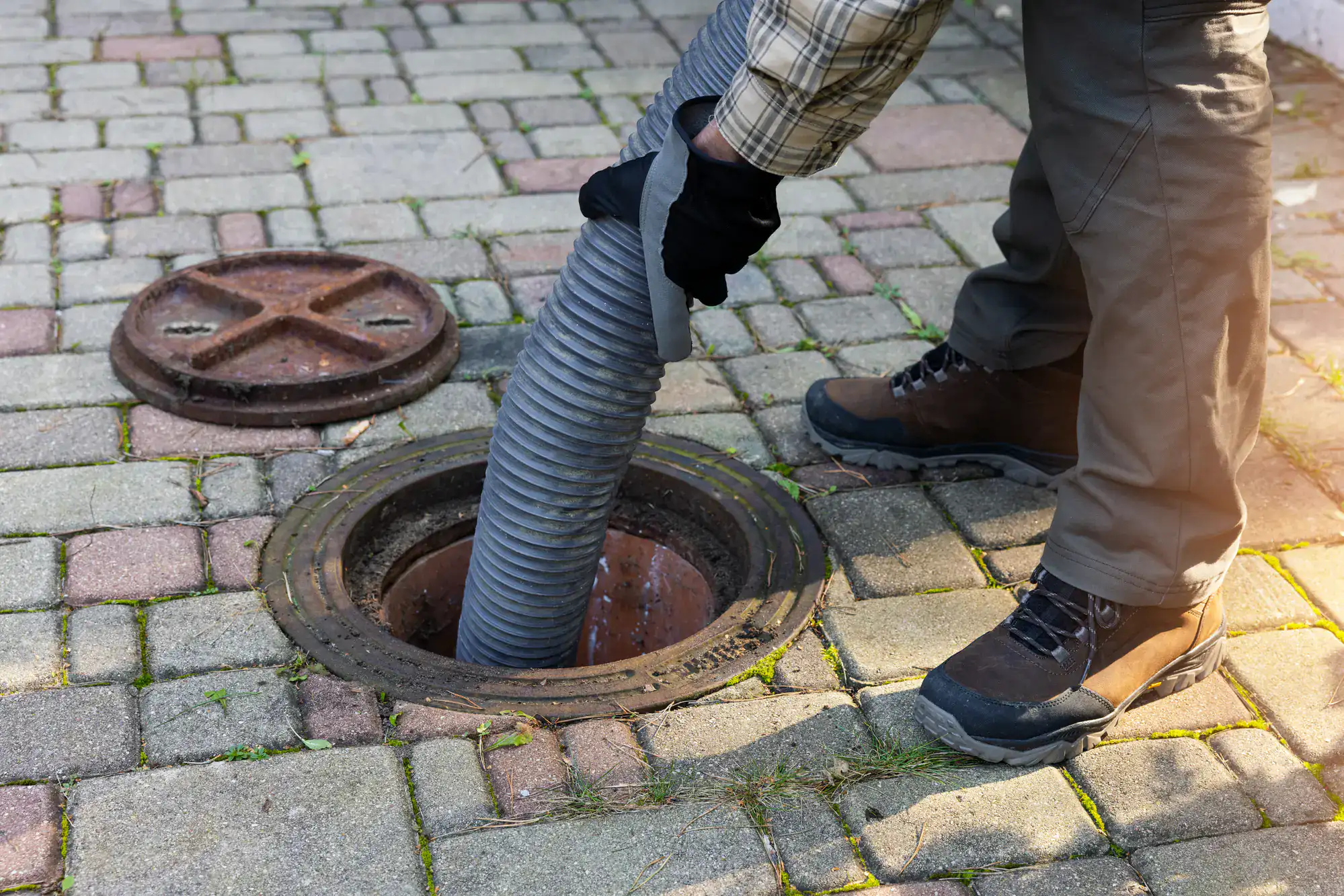
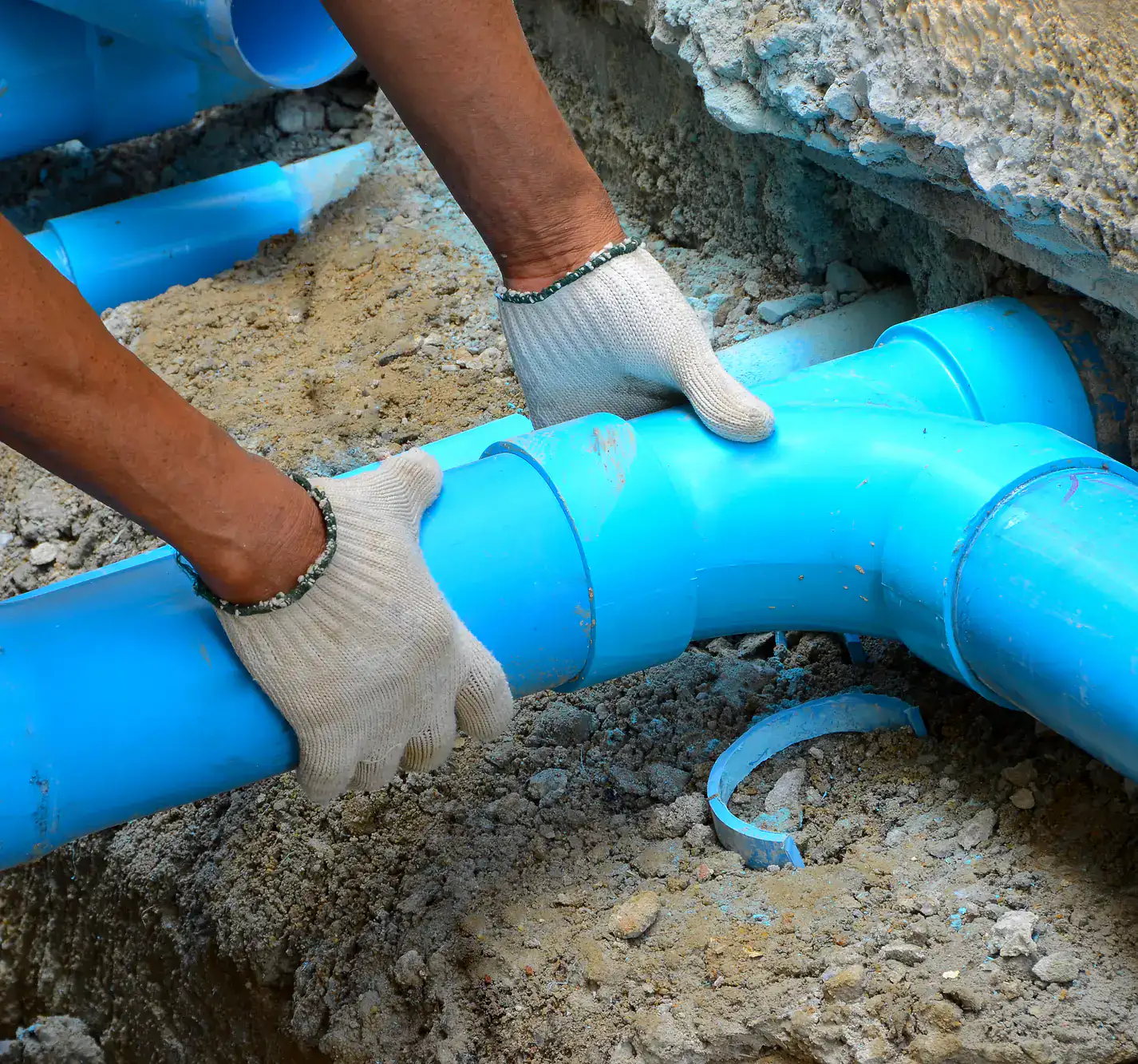
Trenchless sewer repair methods, including pipe lining and horizontal directional drilling, allow us to rehabilitate or replace a sewer lateral with minimal excavation. This is actually the method used when Locke’s main sewer system was upgraded the project was installed using trenchless drilling specifically because the historic district required it. We bring that same approach to individual property repairs. After a camera inspection confirms the pipe condition and location, trenchless repair can typically be completed in a single visit with very little surface disturbance.
Cost varies significantly depending on what the camera finds. A spot repair on an isolated crack or root intrusion typically runs in the range of $650 to $2,500. A trenchless pipe lining job where a new liner is installed inside the existing lateral generally falls between $3,000 and $6,000 depending on the length and condition of the pipe. Full sewer line replacement on a longer run in a 100-year-old building can reach $10,000 to $15,000 or more, though that level of work is less common when the problem is caught early.
In Locke, the age of the building stock means that some laterals are in worse shape than others but “worse shape” doesn’t automatically mean full replacement. Our camera-first policy exists precisely so you know what you’re actually dealing with before any repair recommendation is made. The price you’re given before the job starts is the price on the invoice when it’s done. Some customers have seen the final cost come in below the original estimate. That level of pricing transparency is something worth asking any contractor about before you hire them.
Winter is the highest-risk period for sewer backups in Delta communities like Locke. When atmospheric rivers push through the Sacramento Valley which happens regularly from December through March the Sacramento River rises, groundwater levels around Locke increase, and that hydrostatic pressure infiltrates old sewer laterals through cracks and joint separations. The result is higher flow volume than the system was designed to handle, and backups become significantly more likely in pipes that are already compromised.
Summer creates its own set of problems. California’s dry season causes the Delta’s peat soils to dry and contract, which accelerates subsidence and puts new stress on buried pipe joints. Tree roots also extend more aggressively in dry conditions as they search for moisture and cracked clay pipes in a century-old lateral are exactly the kind of entry point roots exploit. The honest answer is that there’s no truly low-risk season for sewer infrastructure in Locke. A camera inspection in the spring after winter stress and before summer drying is the most useful timing for getting ahead of problems before they become emergencies.