
Hear from Our Customers
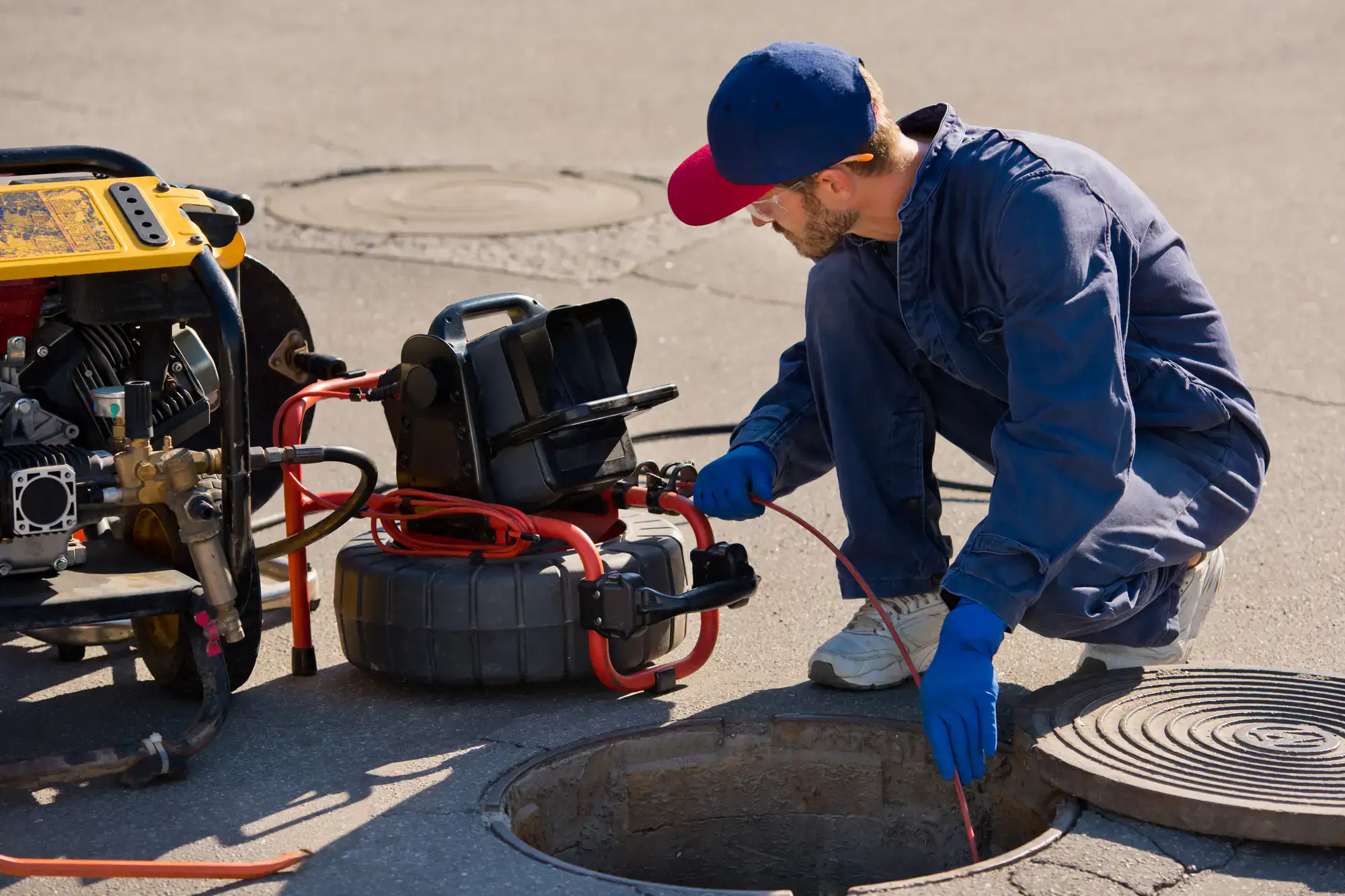
Most sewer problems don’t announce themselves clearly. A drain that keeps backing up after snaking, a faint odor near the yard, a toilet that gurgles when you run the kitchen sink these are signals, not the problem itself. Getting a real answer means looking inside the pipe, not guessing from the cleanout.
That matters more in Rescue than in most places. Properties here sit on clay-heavy foothill soil that shifts with every wet and dry season, and mature valley oaks with root systems stretching 40 to 50 feet don’t care where your sewer line runs. Those two conditions soil movement and aggressive root growth are responsible for the majority of sewer failures on El Dorado County properties. A camera inspection shows exactly what’s happening: a root intrusion, a joint separation from ground movement, a bellied section where waste is pooling. You see it on screen before anything is recommended.
Once you know what’s actually wrong, the repair is straightforward. If it’s a targeted fix, that’s what you get quoted. If the line needs more work, you’ll know why before you agree to anything. No surprises mid-job, no inflated scope, and no invoice that looks different from what you were told upfront.
We’re based in El Dorado Hills, about ten miles from Rescue via Green Valley Road. That proximity matters when something goes wrong at your Rescue property, you’re not waiting on a Sacramento contractor to make the drive out. Ryan Murray has been working in El Dorado County for over 24 years, holding California CSLB License #916322, and our team handles everything from the camera inspection to the final county permit sign-off.
Rescue is unincorporated, which means permits go through El Dorado County Building Division not a city department. We manage that process end to end. You don’t have to figure out who to call at the county or schedule your own inspection. Whether your property connects to the El Dorado Irrigation District’s sewer main or runs on a private septic system, we handle the process for you.
Our 4.7 out of 5 Google rating across 93 reviews reflects what consistent, honest work over two decades looks like in a community where word travels fast.
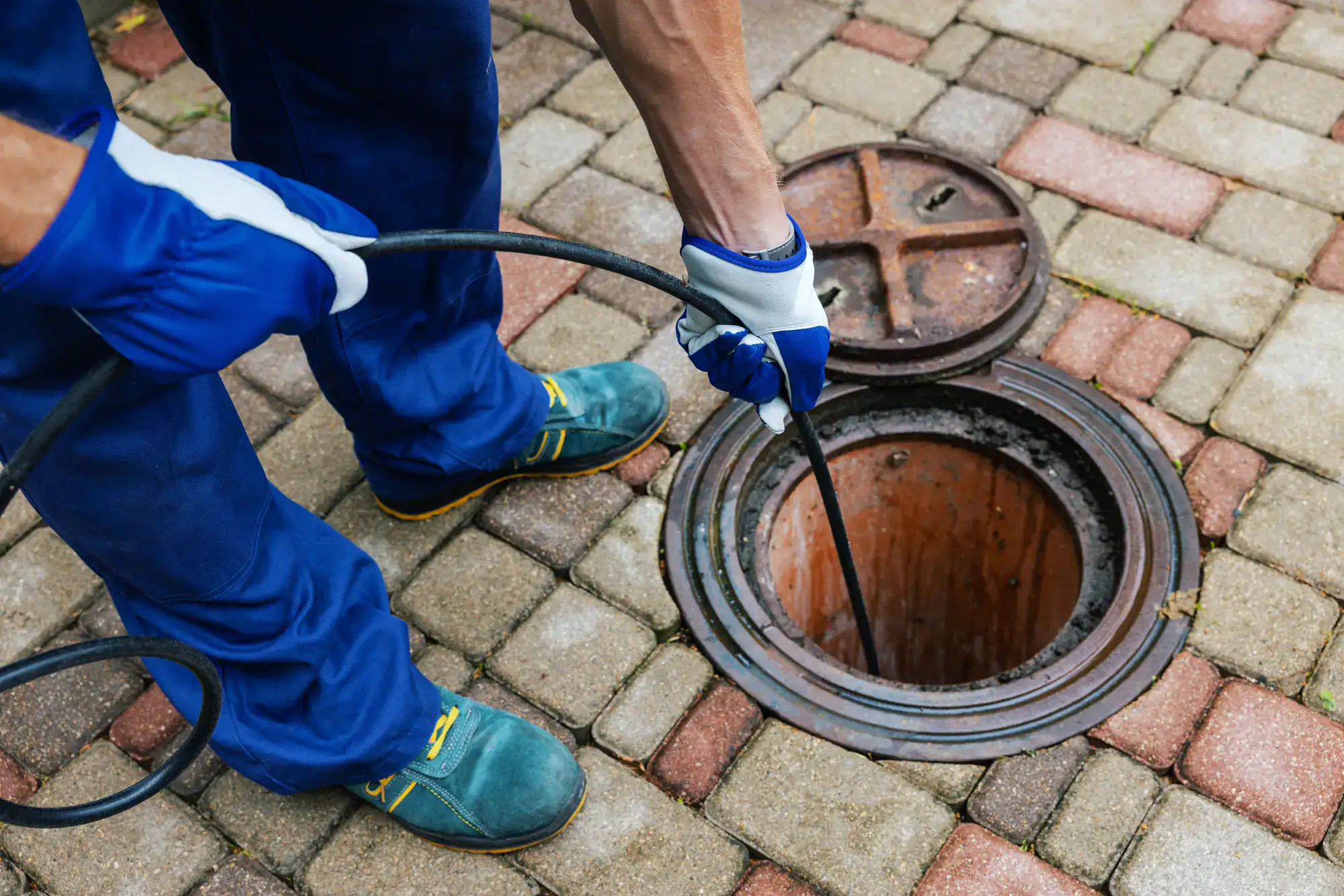
It starts with a camera inspection every time, without exception. Before any diagnosis is confirmed or any repair is discussed, a camera goes into the line. On a Rescue property where your sewer run might stretch 150 feet through clay soil past mature trees, knowing the exact location and nature of the problem isn’t optional. It’s the only way to give you an accurate quote and avoid digging up more of your property than necessary.
Once the inspection is complete, you get a clear explanation of what the camera found and a firm price before work begins. If trenchless repair is an option pipe lining or pipe bursting that’s discussed first, because protecting the land and landscaping you’ve invested in matters. When excavation is needed, the camera footage means our crew goes directly to the problem area rather than opening up the entire line.
After the repair is done, we pull the required permit through El Dorado County Building Division and coordinate the final inspection. For properties on private septic, the El Dorado County Environmental Management process is handled the same way. You get documentation that the work was done to code which matters now and matters even more when it’s time to sell.
Ready to get started?
Every sewer repair job with us starts the same way camera inspection first, diagnosis second, quote third. That sequence exists because Rescue’s combination of foothill terrain, clay soils, and mature native trees creates failure patterns that aren’t visible from the surface. Root intrusion through aging pipe joints, bellied sections from seasonal ground movement, cracked clay or ABS pipe on older sections of the property these show up on camera, not from a visual check at the cleanout.
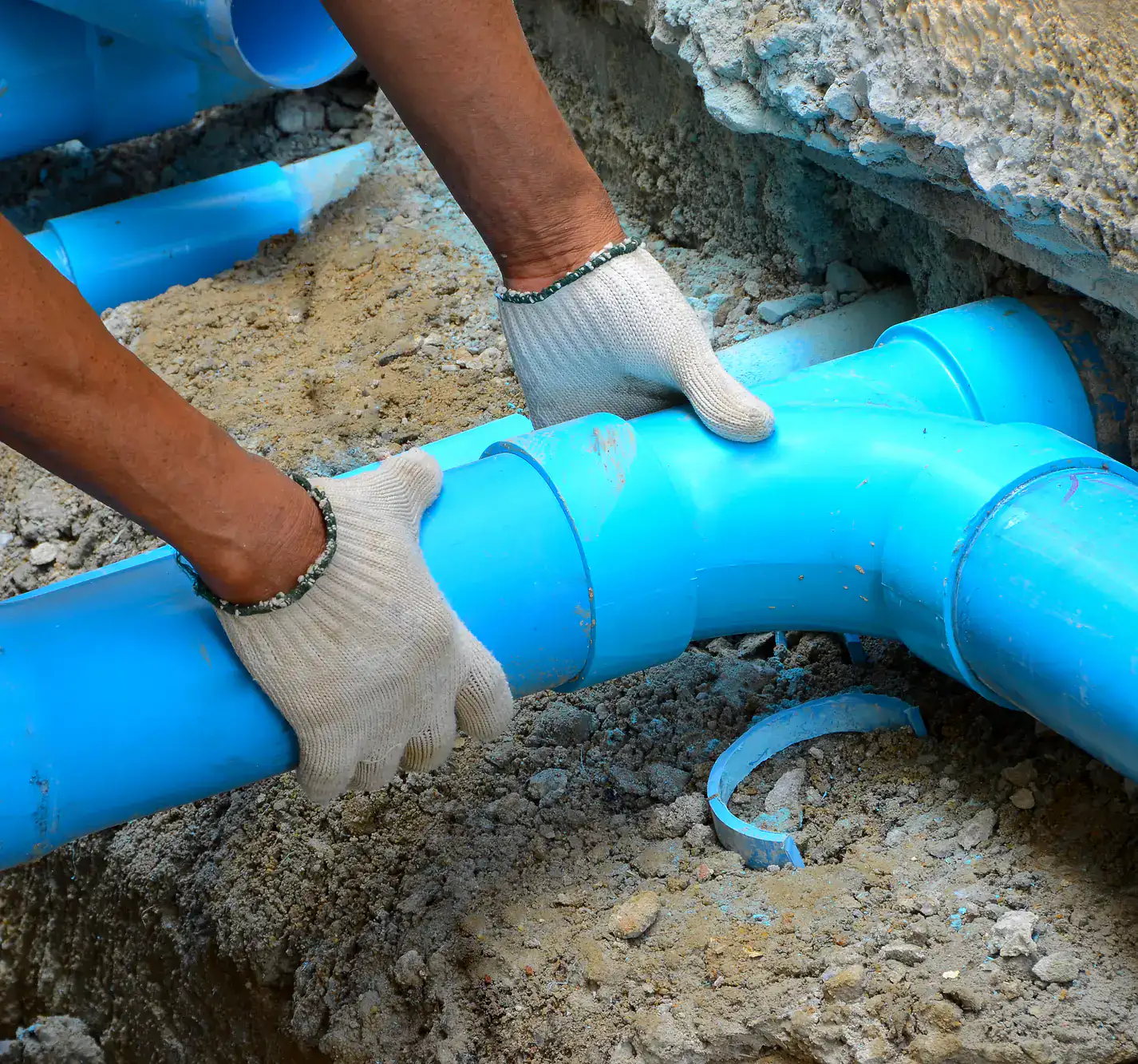
Repair options depend on what the camera finds. We use trenchless methods when the pipe condition and access allow for it, which is particularly relevant on Rescue’s larger lots where open excavation would mean disrupting significant stretches of landscaping or mature tree root zones. When excavation is the right call, the work is targeted and camera-guided only the damaged section is accessed. Costs for sewer repair in the Rescue area typically range from $1,000 to $5,000, with major line replacement running $150 to $250 per linear foot depending on depth, access, and material.
We serve both EID-connected properties and those on private septic throughout the 95672 area. If you’re not sure which side of the cleanout the problem is on, that’s worth a call to EID at (530) 622-4513 before anything else if the issue is on their side, you owe nothing. If it’s on yours, we’re ready to handle it from inspection through final county sign-off.
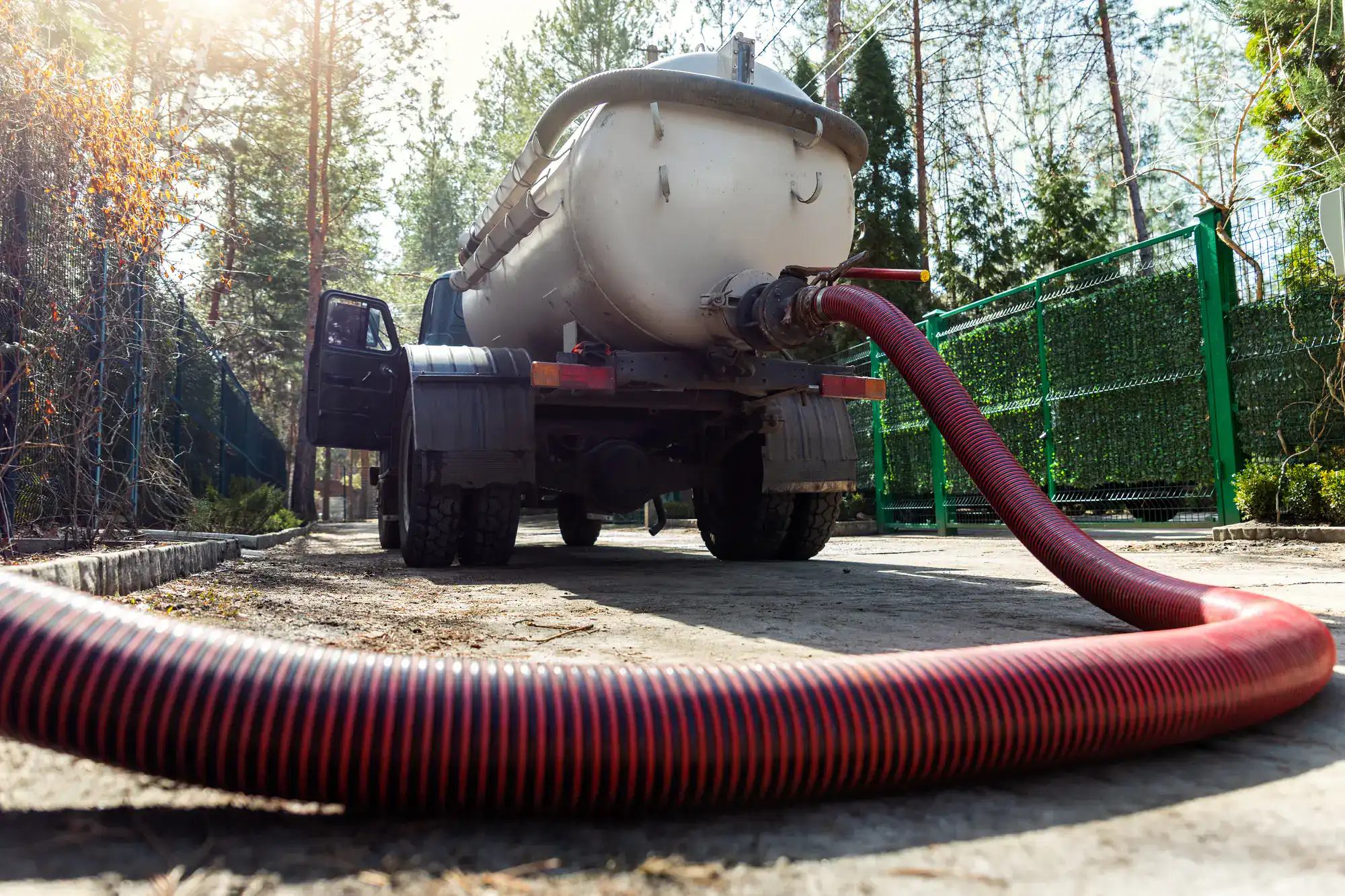
Yes because Rescue is an unincorporated community, there’s no city building department involved. All sewer repair and replacement permits are pulled through El Dorado County Building Division, and the completed work needs to pass a final county inspection before it’s considered code-compliant. This applies whether you’re repairing a section of line or replacing the full run from the house to the main.
This matters more than most homeowners realize. Work done without a permit creates a liability that can surface in escrow when you sell buyers’ agents and inspectors know to look for unpermitted plumbing work, and it can delay or derail a closing on a property worth well over a million dollars. We manage the entire permit and inspection process for you, so there’s no gap in documentation and no question about whether the work was done to code.
The honest answer is that it depends on what the camera finds. Sewer repair in the Rescue area typically runs between $1,000 and $5,000 for most residential jobs. Major pipe replacement which can be a real consideration on Rescue’s larger lots with longer sewer runs generally costs $150 to $250 per linear foot depending on depth, access, and the pipe material involved.
What drives costs up on foothill properties like those in Rescue is usually one of two things: the length of the run between the house and the connection point, or the extent of root intrusion damage in aging pipe. Clay soils that shift seasonally can also cause joint separations that require targeted excavation rather than a simpler trenchless repair. That’s exactly why we start with a camera inspection it tells you what you’re actually dealing with before you commit to anything, and the quote you receive reflects the real scope of the job, not a ballpark.
It usually means the snake is clearing a symptom, not the actual problem. In Rescue and other El Dorado County foothill communities, the most common reason a drain keeps backing up after repeated snaking is tree root intrusion. Roots find their way into even the smallest crack in a pipe joint, and once they’re inside, they grow. Snaking cuts them back temporarily, but they return sometimes within weeks because the entry point is still there.
On a Rescue property with mature valley oaks or other established trees near the sewer line, this is a very common scenario. The only way to know for certain is to run a camera through the line. If roots are the issue, the right repair addresses the pipe damage at the entry point not just the blockage. Depending on the condition of the pipe, that might mean a trenchless lining to seal the joint, or a targeted excavation and section replacement. Either way, you stop the cycle of recurring backups instead of paying for a snake job every few months.
The easiest first step is to check with the El Dorado Irrigation District. EID manages public sewer connections throughout parts of El Dorado County, and they can tell you whether your property is connected to their system. Their number is (530) 622-4513. If you’re connected to EID and you’re experiencing a backup, they actually recommend calling them first if the problem is on their side of the cleanout, you owe nothing and they handle the repair.
If your property isn’t on EID’s system, you’re likely on a private septic. This is common on Rescue’s larger rural and semi-rural lots, particularly those set back from the road or on agricultural parcels. Private septic systems have their own failure modes drain field saturation, tank backup, leach line issues and fall under El Dorado County Environmental Management’s permitting and inspection authority rather than EID’s. We work with both types of systems throughout the 95672 area, so regardless of which situation applies to your property, the process and the permit requirements are handled correctly.
Repair means addressing a specific damaged section a cracked joint, a root intrusion point, a bellied section where the pipe has settled and waste is pooling. Replacement means pulling out the existing line and running new pipe, typically because the damage is too extensive or the pipe material itself has deteriorated beyond what targeted repair can fix.
The camera inspection is what tells you which one applies to your situation. On Rescue properties where the housing stock is predominantly 30 years old or less, full replacement is less common than in older communities but it does happen, particularly when aging clay or ABS pipe has experienced years of root intrusion and seasonal ground movement. If the camera shows isolated damage, repair is almost always the right call. If it shows a line that’s compromised in multiple places along a long run, replacement may be the more cost-effective solution over time. We’ll show you what the camera found and explain the reasoning behind any recommendation before you make a decision.
A full sewer backup where waste is coming up into the house through floor drains, tubs, or toilets is a health hazard and should be treated as an emergency. Raw sewage exposure carries real risk, and the longer it sits, the more damage it does to flooring, subfloor, and structural materials. In a community like Rescue where homes regularly list above a million dollars, the cost of delayed action compounds quickly.
Slow drains or a single fixture backing up can sometimes wait a day or two without escalating, but it’s worth calling to get a same-day assessment rather than assuming it’s minor. What looks like a slow drain at one fixture is sometimes the early sign of a main line failure especially during Rescue’s wet season, when saturated clay soils put additional pressure on underground pipe joints and EID’s system can experience increased flow. We offer 24/7 emergency response, which in a rural foothill community isn’t a marketing line it’s the practical reality that sewer failures don’t schedule themselves around business hours, and waiting until Monday on a Saturday night backup is not a reasonable option.