
Hear from Our Customers
When your drains are slow, your toilet gurgles, or you’re catching a sewage smell somewhere near the yard, the problem is rarely just a clog. In Rio Linda, where roughly 40% of homes were built between the 1940s and 1960s, those symptoms usually point to something deeper aging clay pipe joints that have shifted over the decades, or tree roots that have found their way in through cracks that have been there longer than you’ve owned the house.
The large lots that make Rio Linda feel like home are also the reason your sewer lateral runs longer than most. More pipe underground means more exposure to root intrusion, more joints that can separate, and more ground for a problem to hide. When we show up, the first thing that goes into your line is a camera not a shovel, not a quote, just an honest look at what’s actually there.
That changes everything. You stop guessing. You stop wondering if the contractor is telling you the truth. You see the footage, you understand the problem, and then you decide what to do with a real number in front of you not an estimate that grows once work starts.
We’ve been working on Sacramento County homes for over 24 years, with deep roots in Rio Linda specifically. That means real, accumulated experience with the pipe types, soil conditions, and permit processes specific to this part of the county including the fact that Rio Linda is unincorporated, which means permits go through Sacramento County, not a city building department. That distinction matters, and it’s not something every contractor thinks about until there’s a problem.
Rio Linda is owner-operated country big lots, older homes, a community that values straight answers over polished sales pitches. That’s the environment we’ve been working in for over two decades. We run the same way: camera-first diagnosis, a firm price before work starts, and a final bill that has come in at or below the original estimate more times than most customers expect.
With a 4.7 out of 5 Google rating across 93 reviews, the track record speaks. But more than the rating, it’s the consistency same-day response, permit management handled for you, and no disappearing act after the job is done.

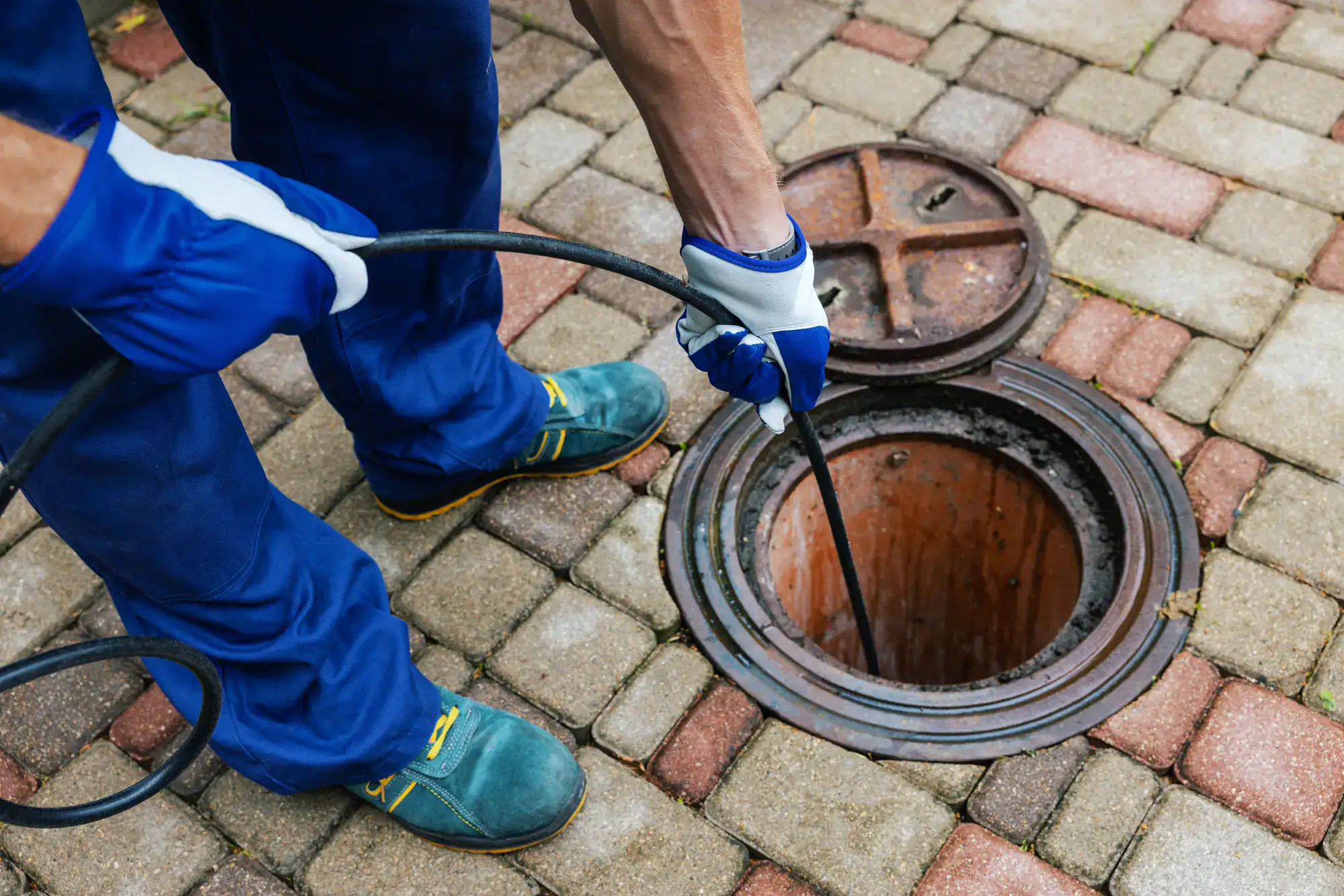
It starts with a camera inspection. Before any repair is discussed, a camera goes into your sewer line so you can see exactly what’s happening root intrusion, a cracked joint, a bellied section where the pipe has settled, or something else entirely. In a community like Rio Linda, where mature trees line residential streets and long lateral runs are the norm, this step isn’t optional. It’s the only honest way to start.
Once the inspection is done, you get a clear explanation of what was found and a firm price for the repair. Not a range. Not a “depends on what we find once we open it up.” A number you can make a decision with. If the work requires a permit and in unincorporated Sacramento County, sewer repairs often do under Chapter 15.04 we handle the application, the county inspection, and the final sign-off. You don’t need to navigate the county building process on your own.
The repair itself depends on what the camera found. Minor issues may be resolved with hydro-jetting. More significant damage cracked pipe, root infiltration, joint failure may call for a targeted repair or a full line replacement. When conditions allow, we use trenchless methods to protect the yard and landscaping you’ve put time into. After the work is done, the area is cleaned up and you’re not left with a mess to sort out yourself.
Ready to get started?
Every sewer repair job starts with the camera inspection included as a standard first step, not billed as a separate diagnostic fee. That footage gives you and our technician a shared, honest baseline. From there, the scope of work is explained clearly and priced upfront before anything begins.
For Rio Linda homeowners dealing with root intrusion which accounts for roughly half of all sewer blockages, and is especially common here given the community’s mature tree canopy and the dry Sacramento Valley summers that push roots toward moisture hydro-jetting is often the first line of response. It clears the line completely and buys time while you assess whether a more permanent repair is needed. For pipe that’s cracked, collapsed, or too far gone for cleaning alone, we perform targeted sewer line repairs and full replacements, including trenchless options that minimize excavation and protect the landscaping Rio Linda homeowners have spent years building.
If your property is in one of Rio Linda’s agricultural-residential zones and you’re managing a private septic system or navigating the county’s requirement to connect to public sewer when it becomes available that’s a conversation worth having too. Our service scope covers the full range, from diagnosis through permit management, county inspection, and cleanup. Sacramento County’s process is handled for you, start to finish.
Yes, in most cases. Because Rio Linda is an unincorporated community within Sacramento County not an incorporated city permits for sewer work are issued by Sacramento County, not a city building department. Sacramento County’s Chapter 15.04 governs sewer use and requires a permit from the County Health Officer before any construction, reconstruction, or alteration of a private sewage disposal system. This applies to many sewer repairs and virtually all sewer line replacements.
The permit process through the county is unfamiliar to most homeowners, and it’s one of the details that can slow a job down or create liability if it’s skipped. We manage the permit application, schedule the county inspection, and handle the sign-off as part of the job so you’re not left trying to figure out which county office to call or whether your contractor pulled the right paperwork.
The honest answer is that it depends on what the camera finds. Minor issues a partial root intrusion that hasn’t caused structural damage yet can often be resolved with hydro-jetting in the $300 to $650 range. A targeted repair to a cracked or separated section of pipe typically runs in the $1,500 to $4,000 range depending on depth, access, and pipe material. A full sewer line replacement can run $7,500 to $15,000 or more, particularly on Rio Linda’s larger lots where lateral runs are longer than average.
What we commit to is giving you a firm price before any work starts not a range, not a “we’ll know more once we dig.” That number is based on what the camera actually shows, not a guess. And our final invoice has consistently come in at or below the original estimate, which is not something most contractors in this area can say. For Rio Linda homeowners on a middle-class budget, that kind of pricing transparency is the difference between a manageable repair and an unexpected financial hit.
Snaking clears a blockage, but it doesn’t fix the reason it happened. In Rio Linda, the most common culprit is tree root intrusion and this is a particularly persistent issue here because of the community’s mature shade trees, large lots, and Sacramento Valley’s long dry summers. When soil dries out and moisture becomes scarce above ground, roots go looking for it underground. Aging clay sewer pipes the standard material in Rio Linda’s post-WWII housing stock have joints that roots can enter through, and once they’re in, snaking cuts them back temporarily but doesn’t seal the entry point.
If your line has been snaked two or three times in the past few years and the problem keeps returning, that’s a strong indicator that the pipe itself needs attention either a targeted repair at the point of intrusion, a pipe lining to seal the interior, or in more advanced cases, a section replacement. A camera inspection will show you exactly what’s happening and whether snaking is still buying you meaningful time or just delaying the inevitable.
There are a few signs that tend to show up before a full failure: slow drains throughout the house (not just one fixture), a gurgling sound from the toilet when you run water elsewhere, a sewage smell in the yard or near a cleanout, or patches of grass that are unusually green and wet in a dry Sacramento summer. Any one of these warrants a closer look. All of them together means you shouldn’t wait.
In Rio Linda, approximately 40% of homes were built between the 1940s and 1960s the era when clay pipe was standard for sewer laterals. Clay pipe is durable when it’s intact, but after 60 to 80 years, joints shift, sections settle unevenly, and root intrusion becomes a chronic problem rather than an occasional nuisance. If your home was built in that era and you’ve never had a sewer camera inspection done, it’s worth scheduling one proactively especially before a home sale, which is increasingly common in Rio Linda’s competitive housing market.
Trenchless sewer repair covers two main methods: pipe lining, where a resin-coated liner is inserted into the existing pipe and cured in place to seal cracks and root entry points from the inside, and pipe bursting, where the old pipe is broken apart while simultaneously pulling a new pipe through in its place. Both methods require significantly less excavation than traditional open-cut repair in most cases, only one or two small access points rather than a trench running the full length of the line.
For Rio Linda homeowners, this matters because of the lot sizes and landscaping involved. Large lots with mature trees, established gardens, or hardscaping represent years of investment that a full excavation can undo in an afternoon. Trenchless methods aren’t always possible the condition of the existing pipe, the depth, and the access points all factor in but when they are, they’re worth the conversation. We’ll tell you upfront whether your line is a good candidate based on what the camera shows, not based on which method costs more.
Yes. A meaningful number of Rio Linda properties particularly those in the agricultural-residential zones that reflect the community’s ranching and farming heritage rely on private septic systems rather than municipal sewer connections. Sacramento County’s regulations under Chapter 15.04 require that when public sewer becomes available to a property currently served by a private system, the building sewer must be connected and the septic system properly abandoned. That transition involves permits, inspections, and coordination with the county and it’s not a process most homeowners want to navigate alone.
We handle both sides of this: maintenance and repair of existing septic-connected drain lines, and the full scope of work involved in transitioning a property to municipal sewer when that becomes required or preferred. If you’re not sure which situation applies to your property, or what Sacramento County currently requires for your address, that’s a straightforward question to answer at the start of a service call before any work is recommended or priced.